
Las Condes
Redland School
low confidence· 4/6 cats · 1.2 avg sourcesOn a 24-hectare foothill campus in Las Condes, IB rigor meets Chile's national curriculum and a mountain-bike circuit.
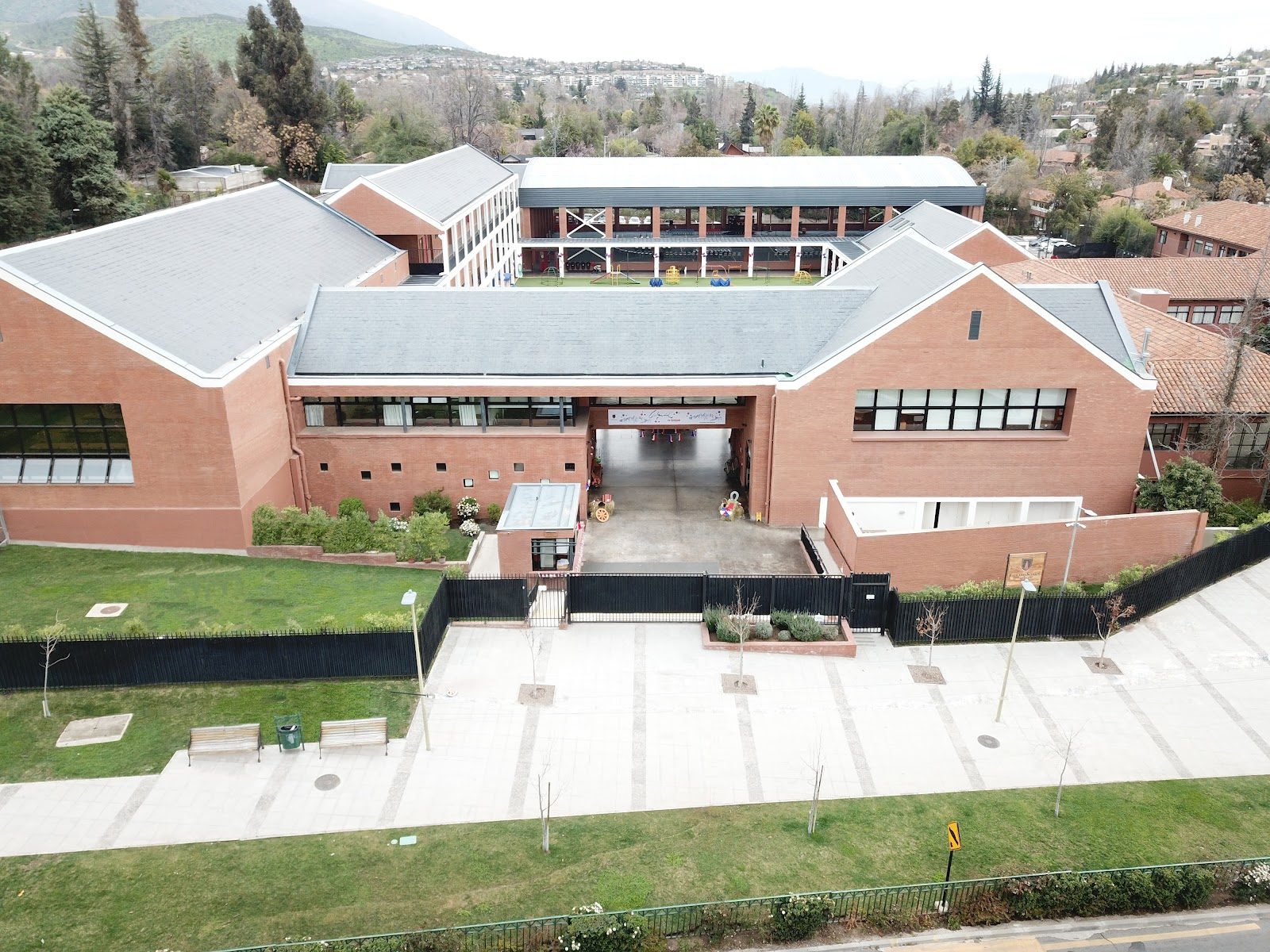
Photo © Cesar Marchant via Google Maps
Type
Day
Ages
3–18
Curriculum
IB · British
Qualifications
IB Diploma · IGCSE
Ratio
—
The Verdict
Editor's commitment
Right for
Families in Santiago who want a 3–18 day school in Las Condes with IB programmes alongside Chile’s national curriculum.
Wrong for
Parents wanting boarding, a religious ethos or a single-curriculum school; Redland is non-religious, day-only, and runs British plus IB.
Watch out for
Accreditations stop at IB World School and HMC; the school does not publish headline exam outcomes, so academic scrutiny needs direct questions.
Ranking breakdown
Redland School · #1300 of 1591
Composite score 55.7. 8 weighted criteria.
By criterion
Academic Outcomes
Weight 20%
#1274
of 1529 scored
University Placement
Weight 16%
#1259
of 1529 scored
Prestige & Heritage
Weight 12%
#1289
of 1571 scored
Alumni Network
Weight 12%
#900
of 1530 scored
Facilities
Weight 12%
#1297
of 1533 scored
Transparency & Communications
Weight 8%
#1243
of 1532 scored
Peer & Industry Review
Weight 10%
#1108
of 1548 scored
Admissions Selectivity & Demand
Weight 8%
#1123
of 1529 scored
Peer & Industry Review
How Redland School is regarded in the sector
64
Respected · medium confidence
I could not locate at least two independent third-party sources (e.g., Tatler, Good Schools Guide, specialist education press, or established expat-parent forums) that substantively assess Redland School Santiago's reputation. Available information appears limited to the school's own materials or unverified aggregator listings, which do not meet the evidentiary bar required for scoring.
Editors' overview
Redland School occupies a distinctive niche in Santiago: a large, established day school in Las Condes that runs the IB alongside Chile’s national requirements, on a 24-hectare foothill campus that gives it more physical room than most urban competitors. Founded in 1964, it is non-religious, bilingual in Spanish and English, and spans ages 3–18. The structure is clear: PYP in the Junior years, MYP in Middle, then Senior School aligned with Chilean secondary education and the Diploma Programme. That combination matters. Redland offers an international framework without detaching students from the national system, which suits families who want academic seriousness without a rootless expatriate model.
What sets Redland apart is not branding but shape and scale. The school’s own organisation points to a full-through institution with defined Junior, Middle and Senior sections, specialist departments from sciences to design and arts, and a visible co-curricular spine that includes sport and CAS-service. The editorial tagline’s reference to a mountain-bike circuit captures the point well: this is a campus school, not a tower-block school with borrowed facilities. For the right child, that translates into room to grow, fresh-air daily life and a stronger sense of school identity. HMC membership adds another useful signal. It places Redland in a more exacting international peer group than many local bilingual schools, though parents should still ask hard questions about outcomes: the school does not publish aggregate IB score data on the public site.
Redland belongs on a shortlist for families who want a bilingual, academically structured education with genuine breadth and who value continuity from early years to university preparation. It suits students who thrive in a school with expectations, routine and active participation rather than a loose progressive culture. The best fit is the pupil who can handle dual demands: IB habits of inquiry and reflection, plus the discipline of the Chilean national track. This is a strong option for grounded high-achievers, sporty students, and children who benefit from a campus that offers space, order and momentum. It is a weaker fit for families seeking a tiny boutique environment, a pure British curriculum, or published headline data to validate results at a glance.
Academic Performance
Redland does not publish the numbers that matter most in any serious appraisal of academic performance: no aggregate Diploma average, no subject breakdowns, no pass-rate trend, no destination list tied to results. That leaves a gap. Parents can confirm that the school runs externally examined programmes and maintains a structured senior phase, but they cannot test Redland’s output against top Santiago rivals on the public record. In a market where stronger operators disclose at least headline outcomes, that opacity counts against it. For an academically ambitious school, results silence is a weakness, not a quirk.
What the public picture does show is a school built around assessment, progression and programme continuity, with a dedicated Diploma page, external evaluation references, and a clear academic architecture from the early years through the final school stage. That points to serious intent and a culture that values measured performance. It does not prove elite outcomes. Relative to peers, Redland fits the group of established bilingual schools with a credible academic framework and enough institutional weight to deliver stable examination preparation; it does not join the small set of schools that make their case with hard published data. Any family treating exam performance as the decisive criterion should ask for the last 3 years of Diploma averages, pass rates, highest score, subject-level results and university destinations before reading Redland as a top-tier academic bet.
Facilities
The decisive facility here is the site itself. Redland has the footprint to run as a true campus school rather than a compressed urban operation, and that changes the pupil experience every day. The sports offer has proper room to breathe, with dedicated Sports as a named department and a school life that visibly uses outdoor space for organised activity and events. The mountain-bike circuit in the editorial brief is not a decorative extra; it points to a school built for movement, not one forcing sport into whatever corners it can find. For families comparing Santiago independents, that places Redland above the many strong academic schools with tight urban layouts, shared-feeling outdoor areas or limited on-site athletic range. The campus is a serious structural advantage, and parents of energetic children will value it immediately.
Academic and creative facilities read as broad rather than boutique. The school’s departmental structure covers sciences, mathematics, humanities, languages, design and arts, with dedicated sections for TOK, psychology, philosophy and CAS-service, which indicates specialist teaching spaces and a campus organised for subject-specific work. That breadth matches what strong all-through bilingual schools need, but Redland’s edge lies in the combination of that academic spread with unusually generous land. What we do not get is the level of public detail that top schools now give on labs, theatres, libraries or specialist performance spaces. That absence matters. Redland’s facilities profile is clearly substantial and stronger than the local median on space and sporting provision; it is less transparent than the best-documented peers.
What we do not get is the level of public detail that top schools now give on labs, theatres, libraries or specialist performance spaces
Prestige
Redland has real standing in Santiago’s private-school market, but its prestige rests on institutional heft, social recognition and network quality more than on publicly demonstrated academic dominance. HMC membership matters here: it places the school inside a selective international association that parents and school leaders take seriously, and it gives Redland a status marker beyond the local bilingual circuit. The school’s age range, full-through structure and active parent and alumni constituencies also reinforce that standing. This is not a start-up trading on branding. It is an established operator with enough depth to sustain identity across sections, specialist departments and student life. The scale of the site — 24 hectares — adds to that perception. In Santiago, physical space still signals permanence, resources and confidence.
That said, prestige has limits when a school does not publish the output that settles arguments. Redland carries earned name-recognition, but not the kind of data-backed academic authority that places a school beyond dispute. Families will find a school with social weight, visible organisation and a credible international stamp; they will not find published aggregate IB results, clear comparative score trends or a hard public case for elite outcomes. That distinction matters. Redland is prestigious in the way many long-established independent schools are prestigious: respected, well known and trusted by its community. It is not untouchable, and it does not command the automatic deference reserved for schools that pair reputation with transparent top-end results.
It is not untouchable, and it does not command the automatic deference reserved for schools that pair reputation with transparent top-end results
Communications
Redland’s parent communication infrastructure is more developed than the average independent school’s public face. The site signposts multiple active channels: newsletters, calendars, circulars through an intranet, digital yearbooks, Schoolnet access, admissions pages split by entry point, transport information, policy documents, term dates and direct contact details including a phone line and contact form. There is also visible traffic in school news, with dated updates on assemblies, sports festivals and community events. That matters because it shows a school communicating routine life, not just admissions theatre. For parents, the message is clear: Redland runs on systems, cadence and institutional routine. A school covering ages 3–18 needs exactly that level of structure, and Redland has built it.
The stronger point is consistency; the weaker point is clarity. There is plenty to click on, but the navigation is dense, repetitive and cluttered, with menu duplication and heavy reliance on internal portals. That creates a busy, administrative feel rather than an elegant one. Existing parents will cope well once inside the rhythm of circulars and platform logins. New families face more friction. The school communicates a lot, but not always in the cleanest sequence or with the strongest editorial discipline. It also stops short of the communication standard set by the best schools, which pair frequent updates with sharper public-facing explanation of outcomes and school priorities. Redland is competent and active in parent communication, not best-in-class.
Uniqueness
Redland’s distinctiveness starts with educational shape, not branding. It runs a through-school model that ties the Chilean school structure to an international academic framework without turning students into detached global nomads. That matters in practice. Children move through clear phases, with inquiry in the younger years, more self-managed study in the middle, and a senior stage that has to satisfy two sets of demands at once. The result is a school for pupils who can cope with dual-track pressure and benefit from structured intellectual stretch. Many bilingual schools promise breadth; Redland’s version has more internal coherence. The presence of departments such as design, arts, TOK, psychology, philosophy and CAS-service gives the school a whole-school academic identity that reaches beyond standard classroom teaching.
Its other point of difference is physical and cultural together: this is a school with enough land to make activity part of daily life rather than an after-school add-on. The mountain-bike circuit is the clearest emblem of that. It signals a school that values movement, stamina and participation on the same footing as formal study. For students, that brings a more grounded, less claustrophobic experience than many city campuses can offer, and it suits children who learn better when the day includes air, motion and organised communal routines. Redland is not unique because it is niche or experimental. It is unique because it combines institutional seriousness with a campus life that has real room to function.
Redland’s distinctiveness starts with educational shape, not branding
Student Profile
Redland suits students who do well with structure, pace and visible expectations. The through-school design, the subject breadth and the school’s emphasis on projects, service, sport and section-based life all point to a child who participates rather than drifts. This is a good fit for pupils who can move comfortably between classroom discipline and active school culture: the kind who will take assembly, house-style belonging, team sport, outdoor activity and academic routine as part of one whole. Children who need constant novelty or a loose, highly personalised atmosphere will find the institutional rhythm too fixed and the culture too collective. Redland reads strongest for families raising grounded joiners rather than fragile individualists.
The social fit is also clear. In a school spread across ages 3–18, students live inside a long community with established habits, parent networks and a visible alumni identity. That favours children who settle into systems, handle continuity well and are comfortable in an environment with memory and tradition. The best match is the pupil who has stamina: academically serious enough to manage sustained demands, sporty enough to use the campus properly, and socially confident enough to contribute beyond lessons. Redland is not for passengers. It suits the student who wants a full school life and can carry more than one obligation at once. For that child, it offers momentum, belonging and room to develop without the churn of a transient international scene.
It is unique because it combines institutional seriousness with a campus life that has real room to function
Co-curricular strengths
Arts & sport, on a separate axis
Overall 6.9/10
Scored 0-10 from the school's own published evidence. This axis is editorial-only — it does not feed the main WTS ranking.
Sports
8/10
Drama
6.5/10
Dance
4.5/10
Music
8/10
Visual Arts
7.5/10
Editor first-pass · editor-reviewable · 7/30/2026
Strengths
- +Offers the International Baccalaureate Diploma Programme alongside a British-influenced curriculum, giving students an internationally recognised exit qualification.
- +Long-established institution in Santiago's La Reina district, part of the city's traditional network of British-style day schools with decades of operating history.
- +Bilingual Spanish-English instruction from early years, useful for expatriate families needing a smooth transition into or out of Chile.
- +Co-educational day school structure, avoiding the single-sex limitations found at some peer institutions in Santiago.
- +Located within an established, leafy residential area of eastern Santiago with reasonable access for families settled in that corridor of the city.
Considerations
- −Editorial rank (1253) places it well outside the globally recognised top tier of IB/British schools, reflecting limited international visibility or benchmarking data.
- −As a candidate-tier school, independently verifiable performance statistics (IB point averages, university destinations, inspection ratings) are not readily published or confirmed.
- −Day-school-only format means no boarding option for relocating families without a settled Santiago base.
- −Single campus in La Reina limits flexibility for families based in other parts of Santiago, given the city's traffic and distances.
Availability
Primary entry gate & tests
Academic Record
Gallery
Photo © Cesar Marchant via Google Maps
Photo © Marcelo Miqueles via Google Maps
Photo © Cesar Marchant via Google Maps
Parent reviews
Have you sent your child here?
Voice reviews carry the strongest trust badge — we transcribe them for you to tidy up before they go live. Prefer to type? A written review is fine too.
Add your voice
In 60 seconds, tell other parents: what's the best thing about Redland School, and what surprised you when your child joined?
We ask for a Google sign-in so every review has a real face behind it — no anonymous drive-by attacks on schools, and no faked positive reviews. Your email is never shown publicly.
Send this profile to a friend
International parents rely on word-of-mouth. Share this review with someone weighing the same decision.
Schools with places
Similar schools to Redland School with places available now.
Santiago College
Santiago · Chile
- 2026-27
- WAITPOOLSpace-dependent
- 2027-28
- PLACES OPENRolling
The Grange School
Santiago · Chile
- 2026-27
- CLOSEDStandard route closed
- 2027-28
- WAITPOOLEnquiries underway
Availability first, then country, area, curriculum, price, co-curricular
Consider also
Also worth looking at alongside Redland School.
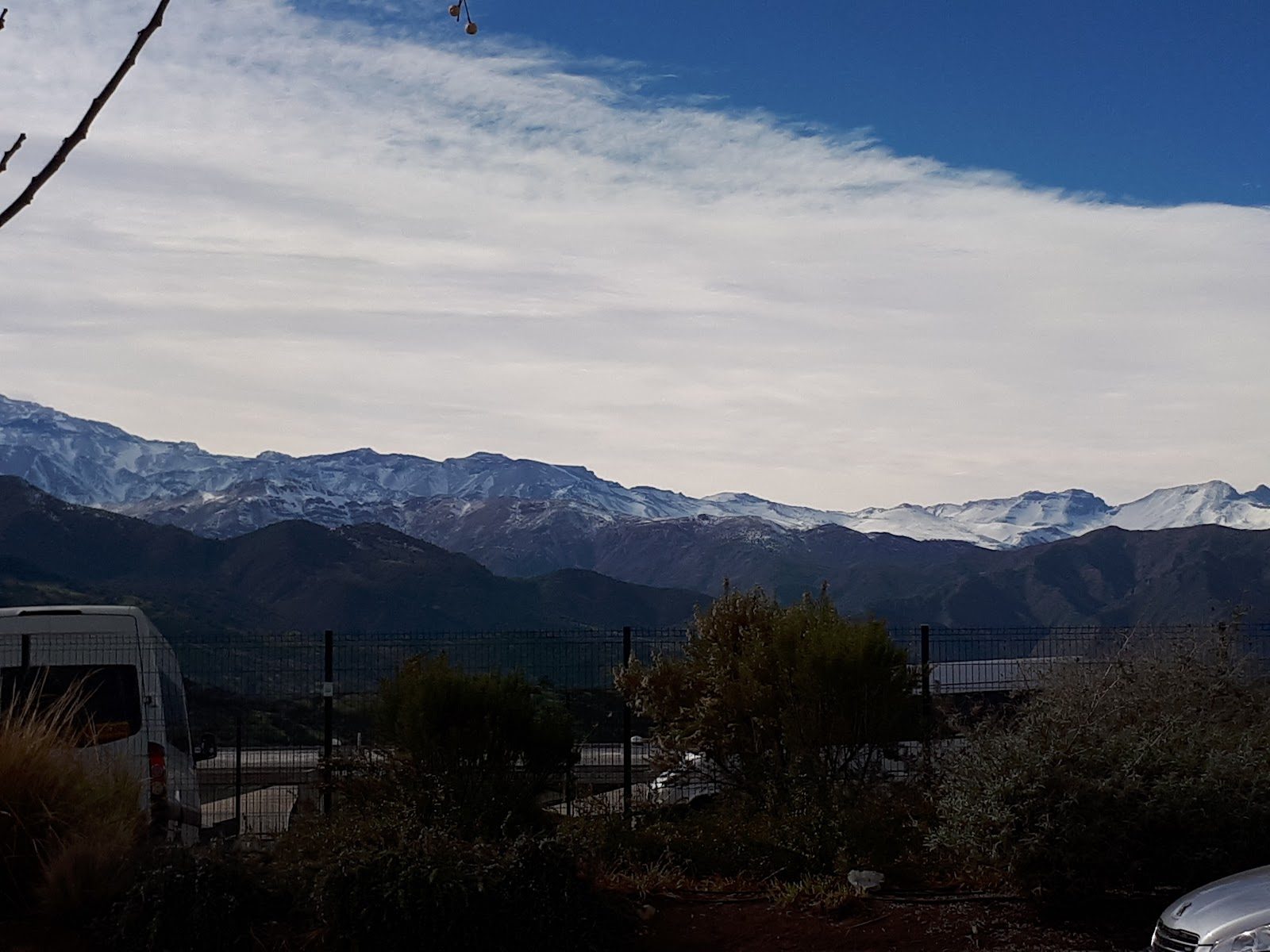
Craighouse School
Santiago · Chile
A Scottish surname turned school name, blending British house tradition with a full IB continuum on a 24-hectare Andean campus.
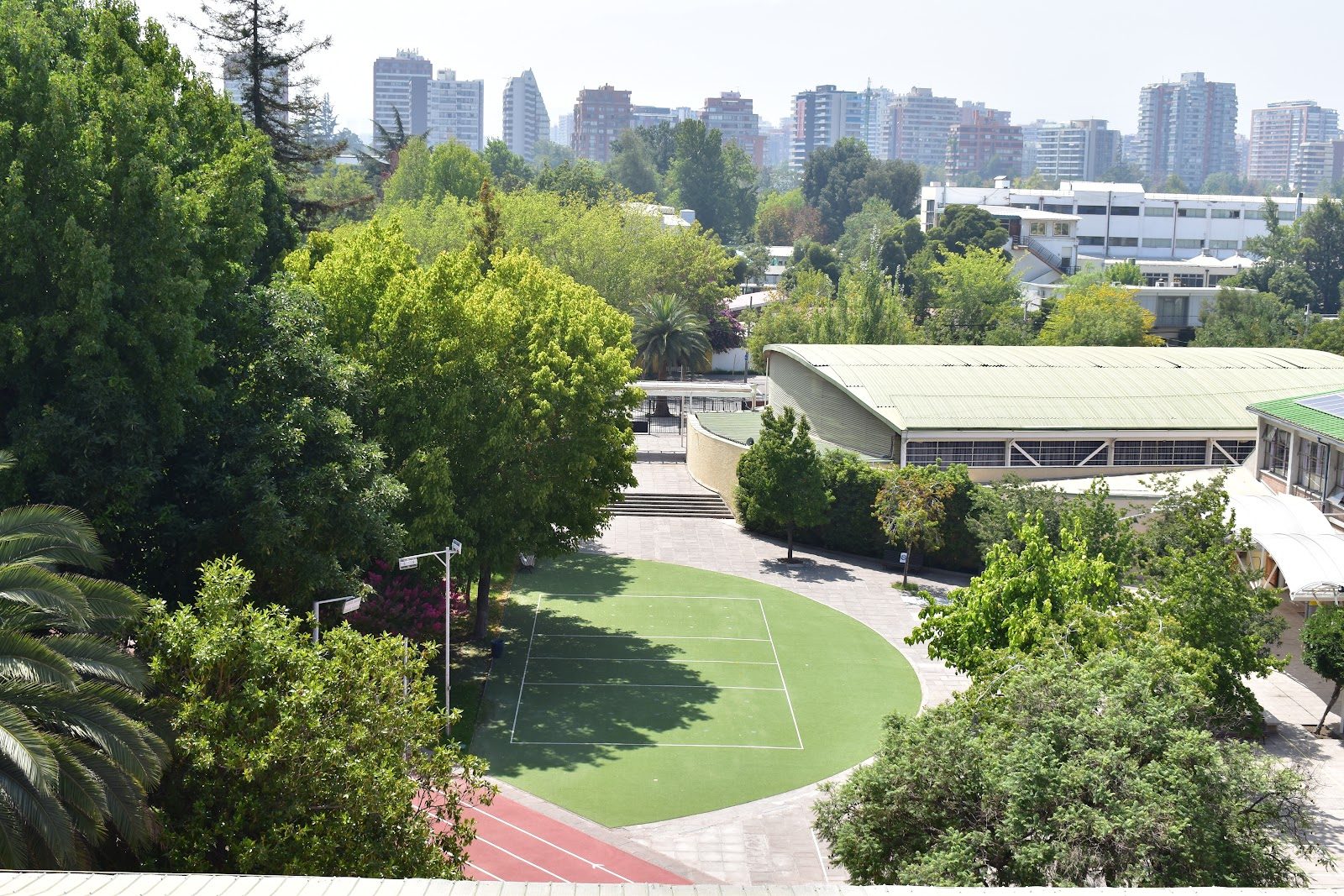
Colegio Villa María Academy
Santiago · Chile
Founded by American nuns in 1940 and lay-led since 2011, this Las Condes girls' school pairs Catholic tradition with the IB diploma.
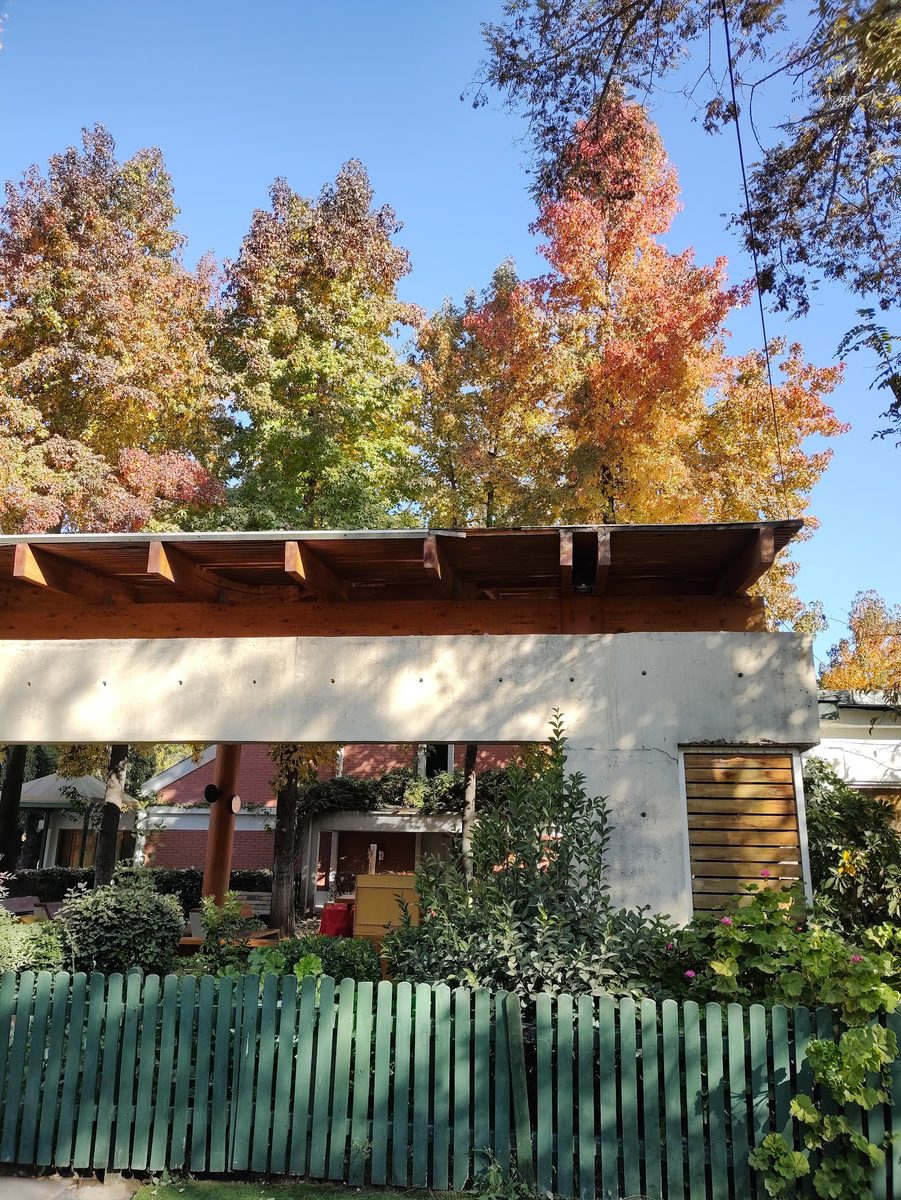
Saint George's College Santiago
Santiago · Chile
A Holy Cross foundation in Vitacura since 1936 that has quietly seeded a third of Chile's top-200 corporate boardrooms.
Santiago College
Santiago · Chile
From an 1880 Methodist girls' boarding school to Chile's first IB pioneer, now coeducational in the Andean foothills.
Same country and curriculum — closest matches within ±10 points either way