
Santiago Metropolitan Region
The Grange School
medium confidence· 4/6 cats · 2.87 avg sourcesNear-century-old English public-school ethos at the foot of the Andes, pairing Fair Play tradition with bilingual IB and A-Level rigor.
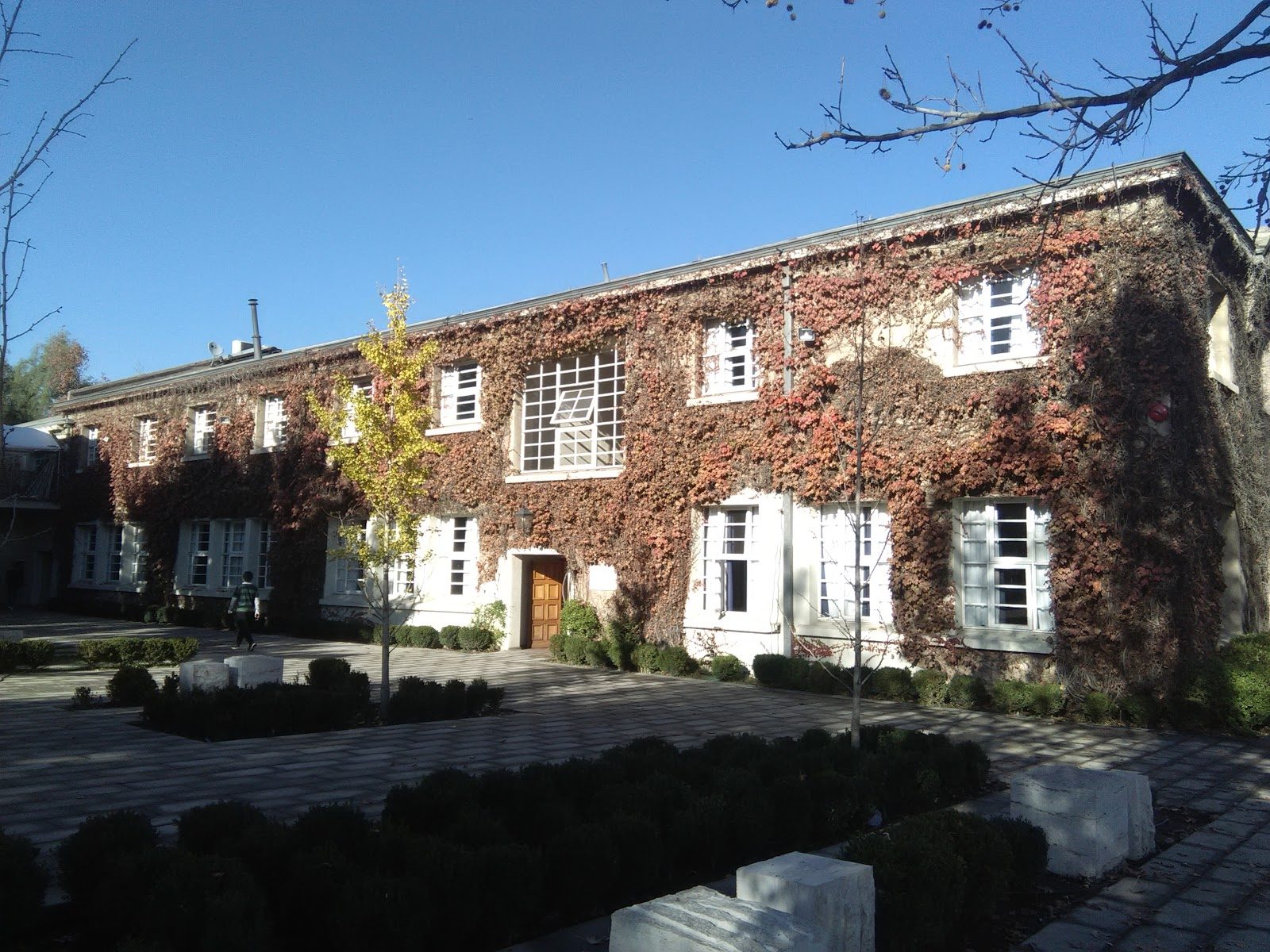
Photo © Alejo Correa via Google Maps
Type
Day
Ages
3–18
Curriculum
IB · British
Ratio
—
The Verdict
Editor's commitment
Right for
Families in Santiago who want a day school founded in 1928, with English-Spanish teaching and a real British-plus-IB academic spine.
Wrong for
Parents after boarding, religious formation or a single-curriculum route; this is non-religious, day-only and runs British and IB together.
Watch out for
At an average USD 22,000 a year for ages 3–18, this sits in premium territory; the school does not publish the extra detail parents need.
Ranking breakdown
The Grange School · #379 of 1591
Composite score 72.1. 8 weighted criteria.
By criterion
Academic Outcomes
Weight 20%
#385
of 1529 scored
University Placement
Weight 16%
#398
of 1529 scored
Prestige & Heritage
Weight 12%
#393
of 1529 scored
Alumni Network
Weight 12%
#306
of 1529 scored
Facilities
Weight 12%
#419
of 1529 scored
Transparency & Communications
Weight 8%
#519
of 1529 scored
Peer & Industry Review
Weight 10%
#523
of 1529 scored
Admissions Selectivity & Demand
Weight 8%
#308
of 1529 scored
Score history
The Grange School · 2026
Movement across 2024–2026. Peer average overlaid.
Overall — 2024–2026
72.1/ 100
▲ +24.2 vs 2025
year on year
Peer & Industry Review
How The Grange School is regarded in the sector
60
Respected · low confidence
The Grange School Santiago is a well-established British-curriculum school with a long history and is generally recognized among Santiago's expat and bilingual education community as one of the traditional British schools alongside Craighouse and St. George's College, but independent third-party coverage (Tatler, Good Schools Guide, specialist press) is essentially absent for Chilean schools generally. Most available signal comes from expat parent forums and general 'best schools in Santiago' listicles rather than rigorous peer-reviewed education press, limiting confidence in a precise score.
- Sebastian Pinera — Former President of Chile, businessman
- Andres Chadwick — Politician, former Interior Minister
- Rodrigo Hinzpeter — Politician, former Interior Minister
Editors' overview
At the foot of the Andes, The Grange School offers a very specific proposition: a non-religious Santiago day school, founded in 1928, that keeps an English public-school inheritance alive while teaching in both English and Spanish and running a British and IB academic mix. That combination is unusual in Chile and still narrower than many international-school labels imply. This is not a neutral, placeless international school. It has a strong institutional identity, and parents need to want that identity rather than merely tolerate it. The “Fair Play” tradition in the tagline points to a school culture shaped by old-school character language as much as by qualifications. For families who want a school with clear cultural conviction rather than a generic global brand, that matters.
The academic offer is the other reason it belongs on a shortlist. The school covers ages 3 to 18, giving it a full through-school run rather than a fragmented early-years or secondary-only model, and it combines British curriculum elements with the IB instead of forcing a choice between the two from the outset. Instruction in English and Spanish gives it real local and international traction: pupils can operate in Chile without losing access to an outward-facing academic route. The school also holds IBO accreditation, which gives the IB side of the offer formal weight. The average annual day fee is $22,000, which places it in the premium bracket for Santiago day schooling. Parents are paying for continuity, bilingualism and a long-established school culture, not a bargain.
The Grange will suit students who thrive in structured, tradition-minded environments and who can handle academic seriousness without constant hand-holding. It fits families who want bilingual fluency, a day-school format and a school with roots, ritual and a settled sense of self. It will also appeal to children who enjoy belonging to an institution with history: 1928 is not a cosmetic founding date, and schools with that kind of longevity tend to carry expectations about conduct, participation and loyalty. Pupils looking for a loose, progressive, highly personalised culture may find that constraining. Pupils who want standards, continuity and a distinctive Anglo-Chilean character will find far more to work with here.
Academic Performance
The school does not publish aggregate IB or A-Level outcomes in the public domain. That is a real weakness. In a market where ambitious schools use exam data to prove value, silence leaves parents guessing. For a school charging an average of $22,000 a year, opaque results reporting is not a minor omission; it blocks any clean comparison with Santiago rivals or with British-pattern schools elsewhere in Latin America. We have not seen cohort-wide diploma averages, top-grade distributions, university destination breakdowns, or subject-by-subject performance tables. Without that, no serious editor can rank The Grange among the region’s exam-result heavyweights.
That does not mean weak academics; it means unverified academics. The school’s long-standing reputation and its ability to sustain a demanding senior offer point to serious academic intent, but intent is not outcome. Parents who care about selective university admissions need hard numbers: IB averages, pass rates, A-Level grade profiles, and destination lists over multiple years. Until the school discloses them, The Grange sits in an awkward category: high-status, high-fee, low-transparency. That is enough for families buying culture and continuity. It is not enough for families who want measurable proof that the academic engine outperforms peer schools.
Facilities
The public record on facilities is thin, and that matters. We have not seen a campus plan, specialist-room inventory, theatre details, pool provision, makerspaces, science-lab count, or sports-complex specifications. For a school at this fee level, that is a gap. Parents comparing it with Santiago’s better-documented premium schools will get less hard information here than they need. That does not make the physical offer weak; it makes it opaque. In the absence of published detail, no editor can place The Grange among the city’s facility-led flagships with the confidence reserved for schools that disclose exactly what pupils use day to day.
What can be said with confidence is narrower but still useful. A through-school serving ages 3–18 needs the full basic estate: age-appropriate early-years space, general teaching rooms, science provision, sports areas and sixth-form study capacity. A school with this kind of institution-heavy culture also lives or dies on the quality of its communal spaces: assembly, sport and extracurricular life need room to function, not just classrooms to fill. Against peers, that puts The Grange in a frustrating category: status-rich, evidence-poor. Some elite schools win parents with spectacular campuses and published specifications. The Grange asks families to trust reputation more than documentation. That will satisfy loyal insiders. It is less convincing for hard-nosed expatriate parents who want to inspect the plant before they buy the ethos.
Pupils who want standards, continuity and a distinctive Anglo-Chilean character will find far more to work with here
Prestige
Prestige here rests less on glossy international-school branding and more on entrenched social capital. The Grange carries the weight of a long-established name in Chilean private education, and that matters in ways league-table language does not capture. A family buying into this school is buying entry to a network, a code of conduct and a recognisable institutional identity that has held its shape across generations. The English public-school inheritance gives it old-establishment cachet in a market where many newer schools trade on facilities or imported labels. That cachet has value with families who want a school that signals continuity, discipline and cultural confidence rather than reinvention. The price reinforces that status: an average annual day fee of $22,000 places it firmly in elite-fee territory for a day school.
That prestige is real, but it is not universal. The Grange has high standing among families who prize tradition, bilingual polish and social pedigree. It has less force with parents who define prestige through published outcomes, global university placement data or aggressive international marketing. On that front, the school gives away ground. Prestige built on heritage and reputation still counts, but it is a closed-circle form of prestige: powerful locally, intelligible to the right families, and less persuasive to outsiders who want hard public evidence. That is why the rating sits high, but not at the absolute top.
We have not seen cohort-wide diploma averages, top-grade distributions, university destination breakdowns, or subject-by-subject performance tables
Communications
Parent communication is hard to judge well because the school does not publish enough of it in the public domain. We have not seen a parent-handbook archive, message samples, calendar detail, policy library, or a clear breakdown of who communicates what and when. That absence matters. Schools with a strong internal culture need disciplined, legible communication, because tradition can either clarify expectations or leave outsiders decoding unwritten rules. The Grange gives the impression of a school that has long-standing parent loyalty and a stable community, but for a family entering cold, the external picture is too closed and too insiderish. At an average annual fee of $22,000, parents are entitled to better than reputational trust.
That does not mean communication inside the school is poor; it means the school does not demonstrate its systems clearly enough to new families. A through-school of this scale and social weight needs crisp reporting lines, fast operational notices, transparent policy access and a calendar that removes guesswork. If those basics are strong, the school should show them. If they are weak, silence protects them. Either way, the current public-facing standard is not transparent enough for a premium school. Existing families with deep roots may navigate it comfortably. Newer international parents, and any parent who wants clean, professional communication rather than inherited familiarity, will ask harder questions before enrolling.
Uniqueness
What sets The Grange apart is not novelty but institutional continuity. Many international schools offer an imported curriculum and a polished website; far fewer sustain a coherent social code over generations. The Grange does. Its English public-school inheritance is not decorative branding bolted onto a global-school template. It shapes expectations of conduct, participation and belonging, and it gives the school a distinctive internal culture that families either value deeply or reject outright. That clarity helps students: children know the rules, the tone and the standards. In an era of interchangeable premium schools, that kind of settled identity is rare.
The payoff for students is twofold. First, they move through a school that treats character, community and competition as central rather than extracurricular. That can build resilience, confidence and a stronger sense of duty to something beyond individual performance. Second, they do that inside a bilingual, academically serious framework that keeps doors open locally and internationally without forcing a culturally weightless experience. The result is a very specific education: not loose, not fashionable, and not designed to please everyone. For the right child, that is a strength. For families paying an average of $22,000 a year, the unique value lies in access to a school with real cultural heft, a durable network and a model of schooling that still believes institutions matter.
That is why the rating sits high, but not at the absolute top
Student Profile
The Grange fits children who are comfortable inside a strong institutional culture. This is not the place for pupils who need a loose rulebook, constant negotiation or a highly customised school experience. It suits students who can absorb expectations quickly, take correction without drama and contribute to a community that values team loyalty as much as individual expression. The strongest fit is a child who enjoys organised sport, house-style belonging, public participation and the steady pressure of being known well by peers and staff over many years. Families paying an average of $22,000 are not buying a soft landing; they are buying entry to a *demanding social and academic environment* with clear standards and a long memory.
The pupil profile also has a cultural dimension. Children who move easily between local and international settings will get more from this school than those who want an entirely expatriate bubble. It works well for families who value polish, self-command and old-school competitive spirit, and less well for children who resist hierarchy or dislike communal expectation. Confident joiners will thrive. Highly independent students can also do well, but only if they respect the institution rather than fight it. The weaker fit is the child who wants anonymity, radical informality or a progressive, child-led atmosphere. The Grange rewards commitment, resilience and comfort with tradition-minded peer culture.
That combination is unusual in Chile and still narrower than many international-school labels imply
Co-curricular strengths
Arts & sport, on a separate axis
Overall 8.32/10
Scored 0-10 from the school's own published evidence. This axis is editorial-only — it does not feed the main WTS ranking.
Sports
8.8/10
Rugby, Hockey, Football, Cricket, Athletics, Swimming and Tennis, and sports provision supports a broad co-curricular programme, indicating solid breadth.
Drama
8.8/10
Drama appears explicitly in the extracurricular list, but there is no further detail on productions, facilities, staff or department.
Dance
6.5/10
Music
9/10
Choir is offered, but there is no further evidence of ensembles, facilities, specialist staff or a music department.
Visual Arts
8.5/10
The facilities section refers only broadly to 'specialist spaces for science, arts and technology' with no specific visual-arts programme, department, studios or exhibitions named.
Editor first-pass · editor-reviewable · 7/27/2026
Strengths
- +Founded in 1928, The Grange School is one of the oldest and most prestigious British schools in Chile, giving it a long, continuous institutional history.
- +The Senior School programme combines the Chilean curriculum with the Cambridge IGCSE and A-Level programmes, giving pupils a recognised route toward both Chilean and UK/international universities.
- +The 92,000 m2 campus includes two gyms, a 25-metre pool, a large field divisible into three pitches with a 200-metre track, and an all-weather hockey pitch.
- +The Guardian listed The Grange School as one of the best UK-curriculum international schools in the world, a 2006 recognition still cited by the school.
- +The school states it has been recognised once again in The Spear's Schools Index 2025, ranking among the top 100 private schools in the world, though this is a self-reported claim.
Considerations
- −One expat guide notes that admission is only possible until the seventh grade, which limits options for families relocating with older teenagers.
- −The same guide describes the school bluntly: The Grange School is an elitist English school. It is attended by children from well-off Chilean families and expatriates, signalling a socially narrow intake.
- −Beyond annual tuition, families face a substantial one-off cost: Incorporation (cuota de incorporacion) fee: UF 200. This fee is a one-time charge and is not refundable.
- −As a single-campus day school in La Reina with no boarding provision, it is not an option for families needing residential care for a child arriving alone.
Availability
Primary entry gate & tests
Academic Record + Assessment
Gallery
Photo © Daniel Alejandro Aros Salinas via Google Maps
Photo © Daniel Alejandro Aros Salinas via Google Maps
Photo © clau lyon via Google Maps
Photo © Daniel Alejandro Aros Salinas via Google Maps
Photo © Daniel Alejandro Aros Salinas via Google Maps
Photo © Daniel Alejandro Aros Salinas via Google Maps
Photo © Daniel G. via Google Maps
Photo © Daniel Alejandro Aros Salinas via Google Maps
Photo © Daniel Alejandro Aros Salinas via Google Maps
Parent reviews
Have you sent your child here?
Voice reviews carry the strongest trust badge — we transcribe them for you to tidy up before they go live. Prefer to type? A written review is fine too.
Add your voice
In 60 seconds, tell other parents: what's the best thing about The Grange School, and what surprised you when your child joined?
We ask for a Google sign-in so every review has a real face behind it — no anonymous drive-by attacks on schools, and no faked positive reviews. Your email is never shown publicly.
Send this profile to a friend
International parents rely on word-of-mouth. Share this review with someone weighing the same decision.
Schools with places
Similar schools to The Grange School with places available now.
Availability first, then country, area, curriculum, price, co-curricular
Consider also
Also worth looking at alongside The Grange School.
Santiago College
Santiago · Chile
From an 1880 Methodist girls' boarding school to Chile's first IB pioneer, now coeducational in the Andean foothills.
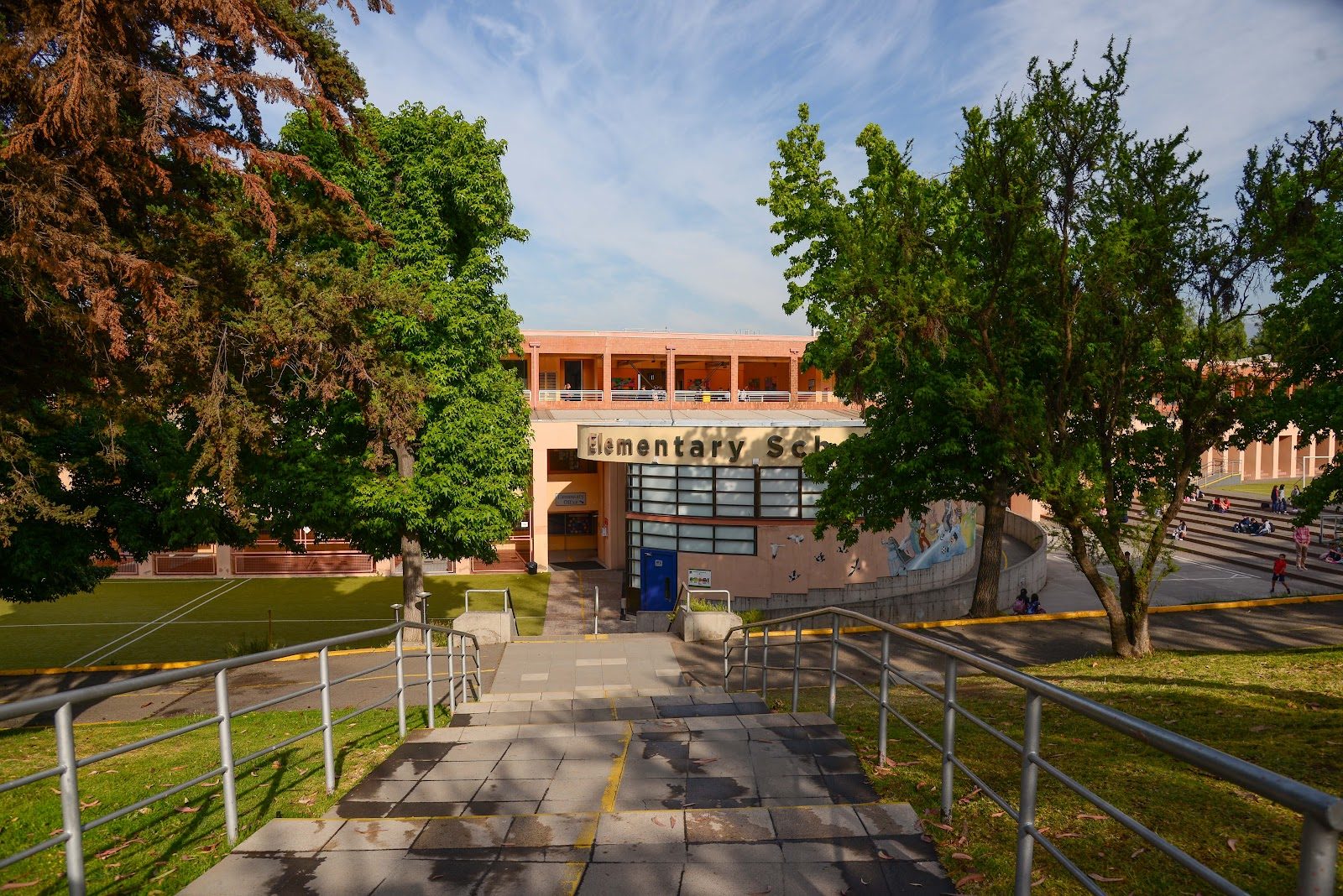
Nido de Águilas
Santiago · Chile
On 130 acres in the Andean foothills outside Santiago, Harkness-style seminars feed parallel US, Chilean, and IB diploma tracks.
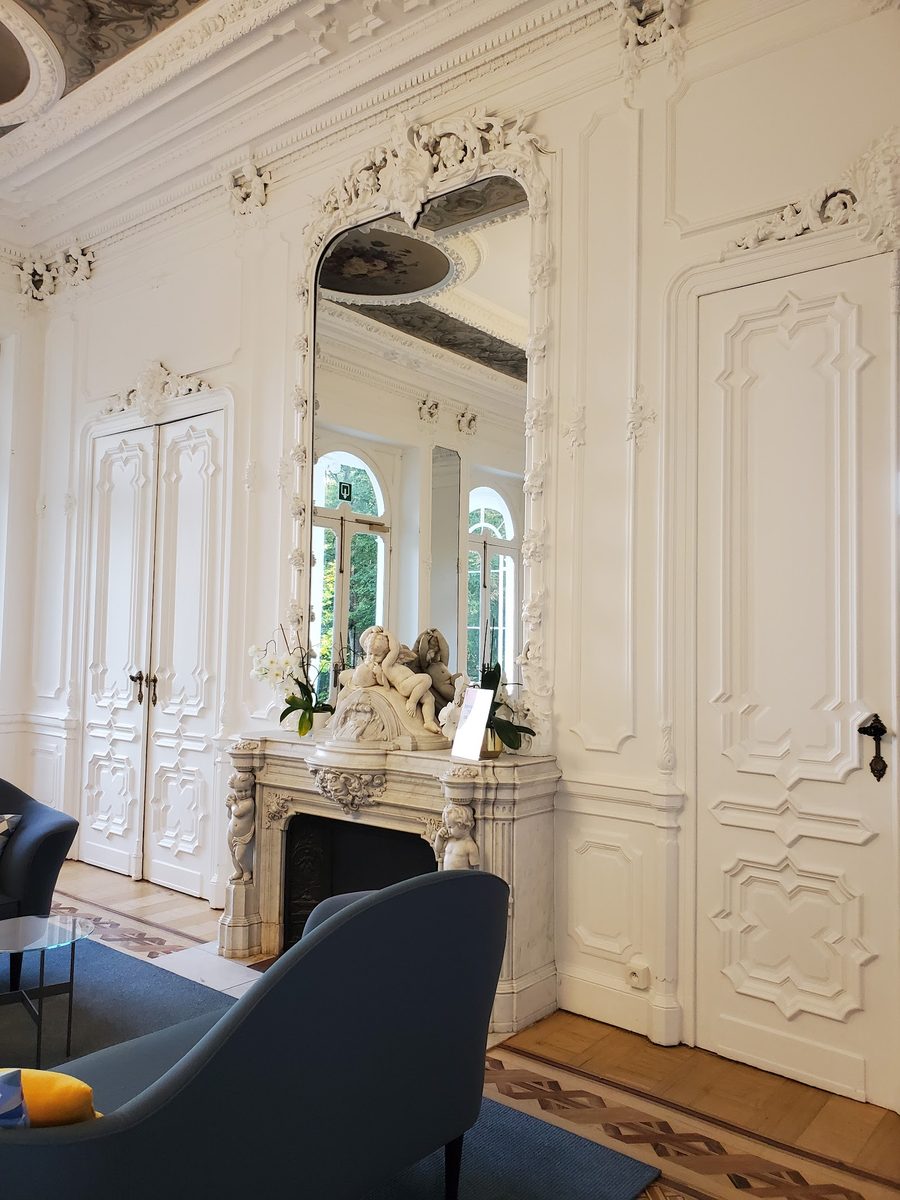
International School of Brussels
Brussels · Belgium
A 40-acre campus tucked into the Foret de Soignes beside a UNESCO site, pairing British roots with one of the world's earliest IB programmes.
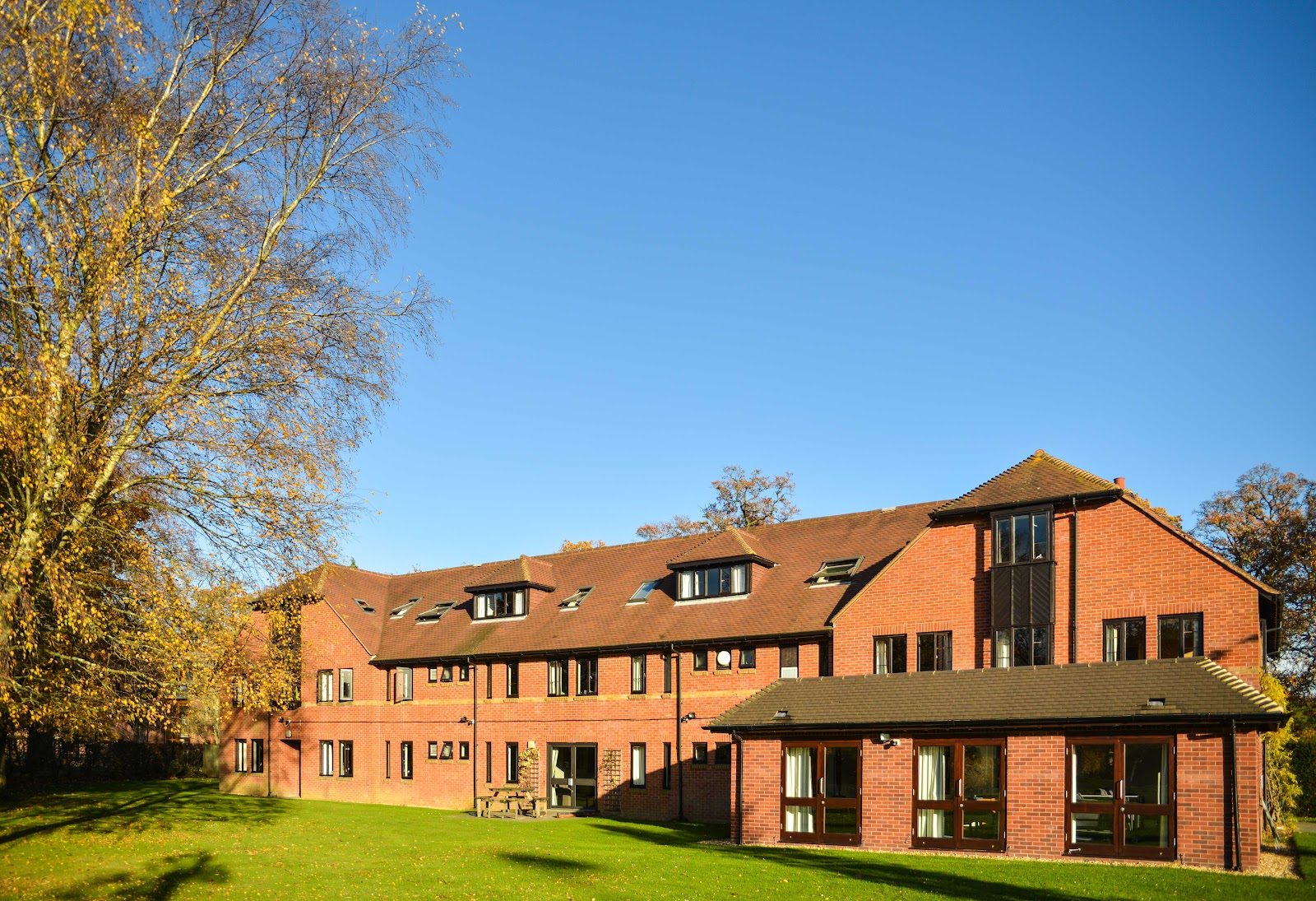
Canford School
Wimborne Minster · United Kingdom
A Sir Charles Barry-designed Grade I manor on the River Stour, home to one of England's last two working real tennis courts.
Same country and curriculum — closest matches within ±10 points either way