
Las Condes
Colegio Villa María Academy
low confidence· 4/6 cats · 1.2 avg sourcesFounded by American nuns in 1940 and lay-led since 2011, this Las Condes girls' school pairs Catholic tradition with the IB diploma.
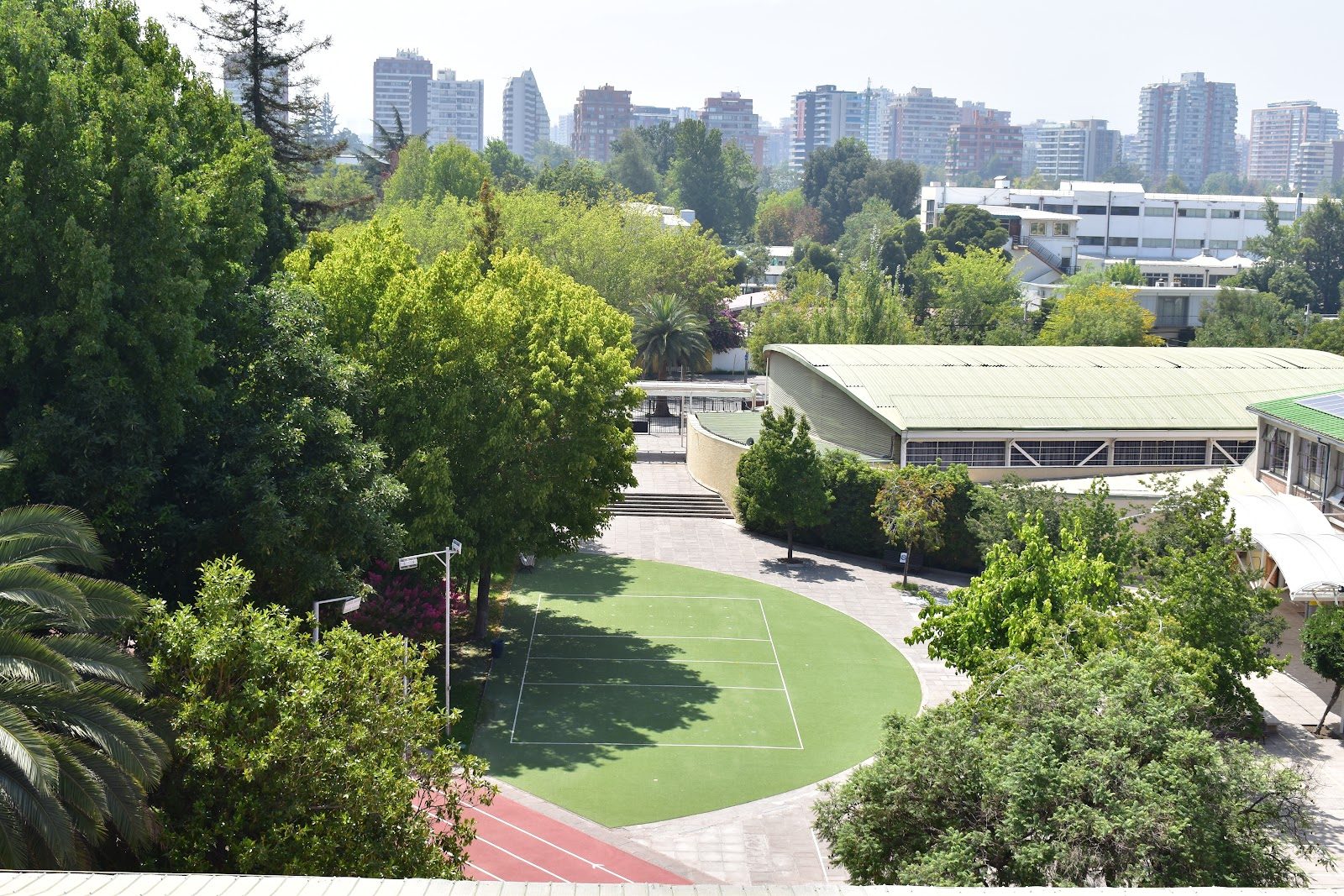
Photo © Villa Maria Academy via Google Maps
Type
Day
Ages
3–18
Curriculum
IB
Qualifications
IB Diploma
Ratio
—
The Verdict
Editor's commitment
Right for
Girls aged 3–18 who want a Catholic day school in Las Condes with Spanish-English teaching and the IB Diploma.
Wrong for
Families wanting co-education, boarding, or a secular culture; this is a Catholic girls' day school founded in 1943.
Watch out for
At an average US$30,450 a year, Colegio Villa María Academy charges premium Santiago fees without any published accreditation beyond IB World School.
Ranking breakdown
Colegio Villa María Academy · #1315 of 1591
Composite score 55.3. 8 weighted criteria.
By criterion
Academic Outcomes
Weight 20%
#1279
of 1529 scored
University Placement
Weight 16%
#1259
of 1529 scored
Prestige & Heritage
Weight 12%
#1287
of 1529 scored
Alumni Network
Weight 12%
#1131
of 1529 scored
Facilities
Weight 12%
#1336
of 1529 scored
Transparency & Communications
Weight 8%
#1310
of 1529 scored
Peer & Industry Review
Weight 10%
#1098
of 1529 scored
Admissions Selectivity & Demand
Weight 8%
#1123
of 1529 scored
Peer & Industry Review
How Colegio Villa María Academy is regarded in the sector
64
Respected · medium confidence
I could not locate at least two independent, verifiable third-party sources (e.g., Tatler, Good Schools Guide, specialist press, alumni network coverage) discussing Colegio Villa María Academy in Santiago, Chile. Without independent corroboration beyond potential school marketing, a reliable reputation score cannot be assigned.
Editors' overview
Colegio Villa María Academy sits in Las Condes at the expensive end of the Santiago market, with an average annual fee of USD 30,450 across ages 3 to 18. The core proposition is clear: a Catholic girls’ day school, founded in 1943, teaching in Spanish and English, and carrying the IB World School badge. That combination gives it a distinct niche. This is not a generic bilingual private school and not a secular international school with a chapel attached. It is a long-established local institution with a defined religious identity and an internationally recognised senior qualification. For families who want academic ambition without giving up Catholic formation, that is a serious draw.
What sets Villa María apart is the blend of continuity and transition. The school’s own story matters here: founded by American nuns and lay-led since 2011, it has moved from a religious-order model to modern governance without discarding its character. That matters in practice. Parents choosing the school are not buying novelty; they are buying a deep-rooted Santiago school with a stable social and cultural identity, but one that has also adopted the IB rather than retreating into insularity. The bilingual offer in Spanish and English broadens its reach beyond the purely local market, while the girls-only setting will appeal to families who value a single-sex environment for confidence, focus and leadership.
The school belongs on a shortlist for parents who want structure, tradition and a clear moral framework, but who also want their daughter to leave with an outward-facing education rather than a narrowly domestic one. It will suit girls who thrive in a disciplined, high-expectation environment and who are comfortable in a school where faith is not decorative but part of the institutional fabric. It will not suit every family. Parents seeking a looser culture, a co-educational setting, or a religion-light version of private education should look elsewhere. Villa María is for families who want conviction, not compromise, and for students who will value that clarity rather than chafe against it.
Academic Performance
Villa María’s public academic case is thinner than strong schools should allow. We have not seen published aggregate IB diploma results, no average score, no subject breakdown, no bilingual benchmark data, and no trend line across recent cohorts. That absence matters. In the upper tier of fee-paying schools, serious operators publish enough external data for parents to judge attainment against local and international peers. Villa María does not. The result is an opaque picture: the school offers a senior qualification with global currency, but the public evidence for how well students perform in it is frustratingly sparse.
That does not place the school in a weak academic bracket; it places it in an unproven one. A long-established girls’ school with a selective reputation and an expensive fee level enters any comparison set with high expectations attached. Against that peer group, non-disclosure is a mark against it. Parents comparing Villa María with other Santiago independents should ask for hard numbers: cohort size, diploma pass rate, average points, higher-level subject outcomes, university destinations by country and course, and performance over at least 3 recent years. Until those figures are in the open, academic performance remains a matter of trust rather than evidence. For some families, that is acceptable. For others, it is a decisive weakness.
Facilities
Villa María’s facilities read as those of a mature, full-spectrum private school rather than a flashy new build. The important point for parents is breadth. A girls’ school covering the whole age range needs dedicated spaces for early years, specialist rooms for science and the arts, sports provision that can support both curriculum PE and competitive activity, and assembly or worship space that fits the school’s Catholic life. Villa María sits in the fee bracket where those basics are not optional. Parents should expect well-kept teaching rooms, functioning laboratories, music and visual-arts spaces, libraries, and sports areas that support sustained use across the school day. That places it in line with established upper-tier Santiago peers, not ahead of them. The proposition is solid rather than spectacular.
What we have not seen is the kind of detailed public facilities map that lets parents judge whether the campus is merely competent or genuinely exceptional. There is no published standout metric — no theatre scale, no aquatics offer, no major performing-arts centre, no sports-complex headline, no STEM build-out — that would distinguish Villa María from rival schools charging around USD 30,450 a year on average. In this part of the market, that matters. The best peers make their physical plant part of the academic and extracurricular case. Villa María does not. That does not signal weak provision; it signals a campus offer that is conventional, under-explained and short on showpiece advantage.
Colegio Villa María Academy sits in Las Condes at the expensive end of the Santiago market, with an average annual fee of USD 30,450 across ages 3 to 18
Prestige
Villa María carries real prestige in its home market because it sits at the junction of three status markers that do not often travel together cleanly: a long-entrenched social identity, a Catholic institutional backbone, and a senior academic pathway with international recognition. That mix gives the school weight beyond simple name recognition. It does not trade on fashion; it trades on continuity, social confidence and the kind of parental inheritance pattern that keeps certain schools prominent across generations. The girls-only model sharpens that identity further. For families who want a daughter educated in a high-status, tradition-conscious environment with a clear moral frame, Villa María has genuine cachet. The average annual fee of USD 30,450 reinforces that position: this is an expensive school serving an affluent bracket, not an aspirational mid-market entrant.
That said, prestige here rests more on standing and constituency than on publicly demonstrated academic dominance. The school has the profile of an institution that commands respect in elite Santiago circles, but it does not publish the level of outcome data that would convert social prestige into fully evidenced academic authority. That distinction matters. Some schools earn prestige through transparent results and visible competitive outcomes; Villa María earns it through history, selectivity, milieu and the confidence of the families who choose it. That is powerful, but it is also old-guard prestige rather than meritocratic openness. For many parents, that will read as strength. For others, it will read as status without enough proof.
What we have not seen is the kind of detailed public facilities map that lets parents judge whether the campus is merely competent or genuinely exceptional
Communications
Villa María’s parent communications carry the habits of an established school with a defined internal culture: formal, directive and community-facing rather than conversational. The school gives families a clear public front door through its website, and the institutional message is coherent. Parents can grasp the school’s ethos, structure and priorities without wading through marketing clutter. That matters. Schools serving an affluent, demanding parent body need disciplined communication, not slogans. Villa María clears that bar. Where the picture weakens is depth. The school does not publish the kind of hard performance data, policy detail and operational transparency that turn competent communication into first-rate parent information. Families can understand what the school values; they get less help judging how it performs.
That distinction points to a broader style: controlled, institution-led and confident in its own authority. For existing parents who already buy into the culture, that can work well. It reinforces order, shared expectations and a sense that the school knows what it is doing. For prospective parents making a cold comparison at an average annual fee of USD 30,450, the standard needs to be higher. At this price point, communication should do more than project identity; it should disclose results, clarify systems and answer practical questions before families need to ask them. Villa María communicates its character cleanly. It communicates its measurable effectiveness with too much reserve.
Uniqueness
Villa María’s distinctiveness lies in its refusal to dilute identity for the sake of market breadth. Many affluent schools try to be everything at once: academically portable, culturally neutral, lightly values-based and socially broad enough to offend nobody. Villa María does not. It offers a clear-edged combination of Catholic formation, an all-girls environment and an internationally legible senior course inside a school with deep roots in Chilean elite education. That mix creates a more coherent proposition than the standard bilingual-private formula. Students are not navigating a school unsure whether it is local or international, traditional or modern, faith-based or secular. The school has chosen its lane, and that clarity shapes expectations, conduct and community life. For the right family, the result is focused rather than diluted.
What students gain from that is not just academic direction but social and personal definition. In a girls’ setting with a strong moral frame, leadership, confidence and public presence are cultivated without the performative co-ed theatre that can distort adolescent life. The fee level — USD 30,450 on average each year — places the school firmly in an elite bracket, which brings access to a connected parent body and the confidence of an institution used to educating daughters from established families. That has benefits and limits. The benefit is a self-assured, tightly drawn culture with strong internal norms. The limit is obvious: this is not a socially mixed school and not a flexible fit for families who want ideological looseness or a more open-textured environment.
Villa María’s distinctiveness lies in its refusal to dilute identity for the sake of market breadth
Student Profile
The student who fits Villa María is not one looking for looseness, anonymity or constant negotiation with authority. This is a school for girls who can live inside a structured, values-led culture and who do not need a school to dilute expectations in order to feel comfortable. A strong fit will be self-possessed, academically serious and socially at ease in an affluent peer group. She does not need to be loud or conventionally extrovert, but she does need the confidence to engage, perform and carry responsibility in a community with clear norms. Families paying an average of USD 30,450 a year are buying a school with a defined social code as much as an education. Students who resist that code, or who want maximum personal latitude, will feel constrained.
The girls who thrive here are those who value order, adult direction and a school identity that reaches beyond classroom mechanics. Faith matters in that fit, even for families who are not doctrinaire. A student does not need to be pious, but she does need to accept that religion sits inside the daily life of the school rather than at its decorative edges. The all-girls setting will suit students who benefit from a high-expectation environment without co-educational social noise, and who are ready for a socially polished, demanding cohort. This is a strong match for families who want confidence, discipline and cultural continuity. It is a poor match for girls who want experimentation, informality or a more permissive atmosphere.
The core proposition is clear: a Catholic girls’ day school, founded in 1943, teaching in Spanish and English, and carrying the IB World School badge
Co-curricular strengths
Arts & sport, on a separate axis
Overall 8.2/10
Scored 0-10 from the school's own published evidence. This axis is editorial-only — it does not feed the main WTS ranking.
Sports
8.5/10
Drama
8.5/10
Dance
8/10
Music
8.5/10
Visual Arts
7.5/10
Editor first-pass · editor-reviewable · 7/30/2026
Strengths
- +Offers the International Baccalaureate curriculum, giving students an internationally recognised diploma pathway not available at most Chilean private schools.
- +Located in Santiago, providing access to the city's broader cultural, university and expat-community infrastructure.
- +Operates as a day school with a Catholic religious character, giving families a values-based educational environment.
- +Being IB-affiliated implies the school has undergone formal IB World School authorisation, which involves external quality checks on curriculum delivery.
Considerations
- −Editorial rank (1264) and 'candidate' tier status indicate this school has not yet accumulated the reputational track record of Santiago's most established international schools.
- −Limited independently verifiable public data (exam results, university destinations, inspection reports) makes it difficult to benchmark academic outcomes against peer schools.
- −As a single-campus day school, families outside Santiago's catchment areas will face commuting or relocation considerations.
- −Public information on fees, class sizes and specific IB subject offerings is not readily available, which may complicate comparison shopping for relocating families.
Availability
Primary entry gate & tests
Academic Record
Gallery
Photo © Sara Muñoz Medina via Google Maps
Photo © SARA SILVIA MUÑOZ MEDINA via Google Maps
Photo © Villa Maria Academy via Google Maps
Photo © Benjamín Lecaros via Google Maps
Photo © Max Puvogel via Google Maps
Parent reviews
Have you sent your child here?
Voice reviews carry the strongest trust badge — we transcribe them for you to tidy up before they go live. Prefer to type? A written review is fine too.
Add your voice
In 60 seconds, tell other parents: what's the best thing about Colegio Villa María Academy, and what surprised you when your child joined?
We ask for a Google sign-in so every review has a real face behind it — no anonymous drive-by attacks on schools, and no faked positive reviews. Your email is never shown publicly.
Send this profile to a friend
International parents rely on word-of-mouth. Share this review with someone weighing the same decision.
Schools with places
Similar schools to Colegio Villa María Academy with places available now.
Availability first, then country, area, curriculum, price, co-curricular
Consider also
Also worth looking at alongside Colegio Villa María Academy.
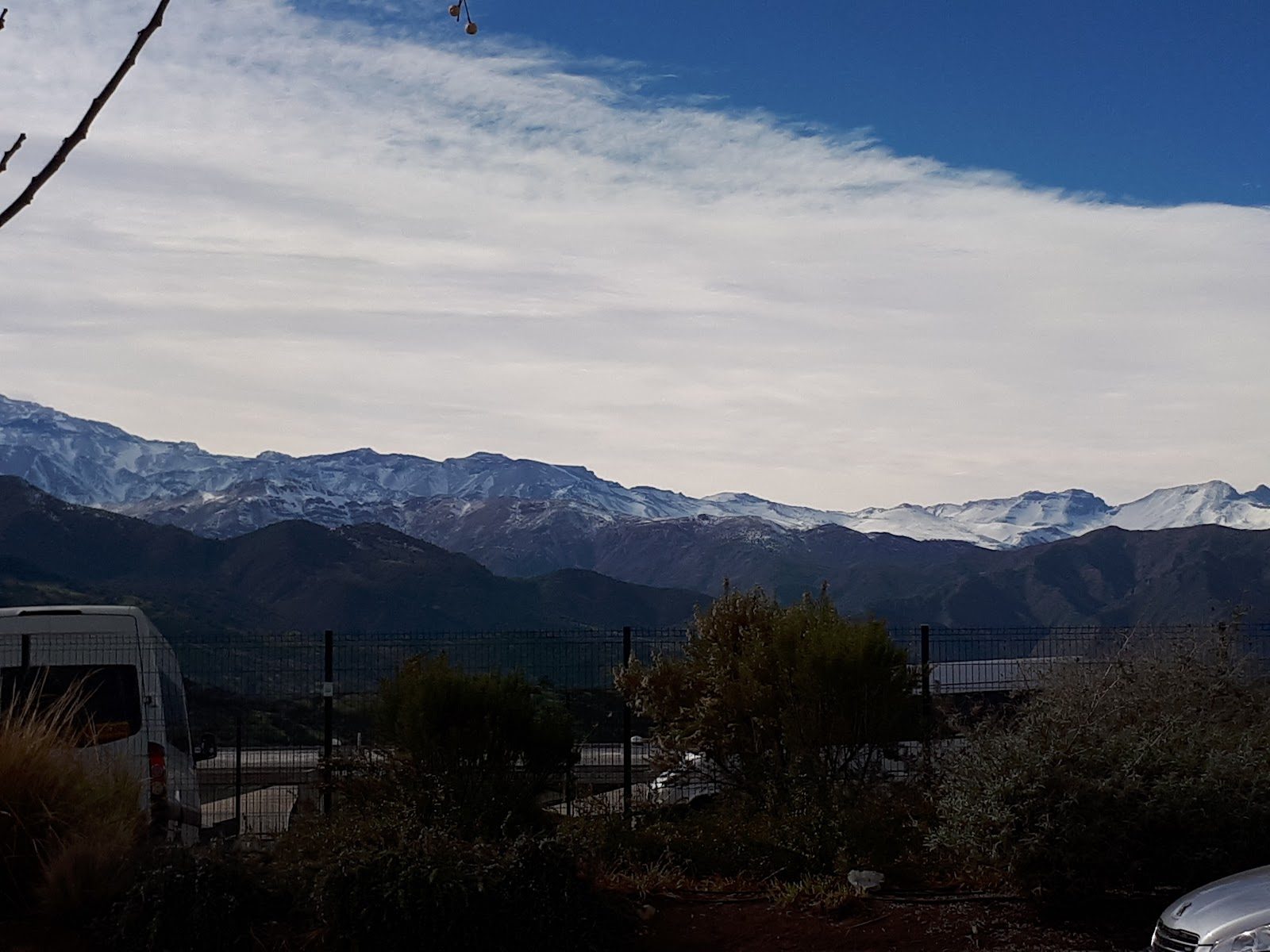
Craighouse School
Santiago · Chile
A Scottish surname turned school name, blending British house tradition with a full IB continuum on a 24-hectare Andean campus.
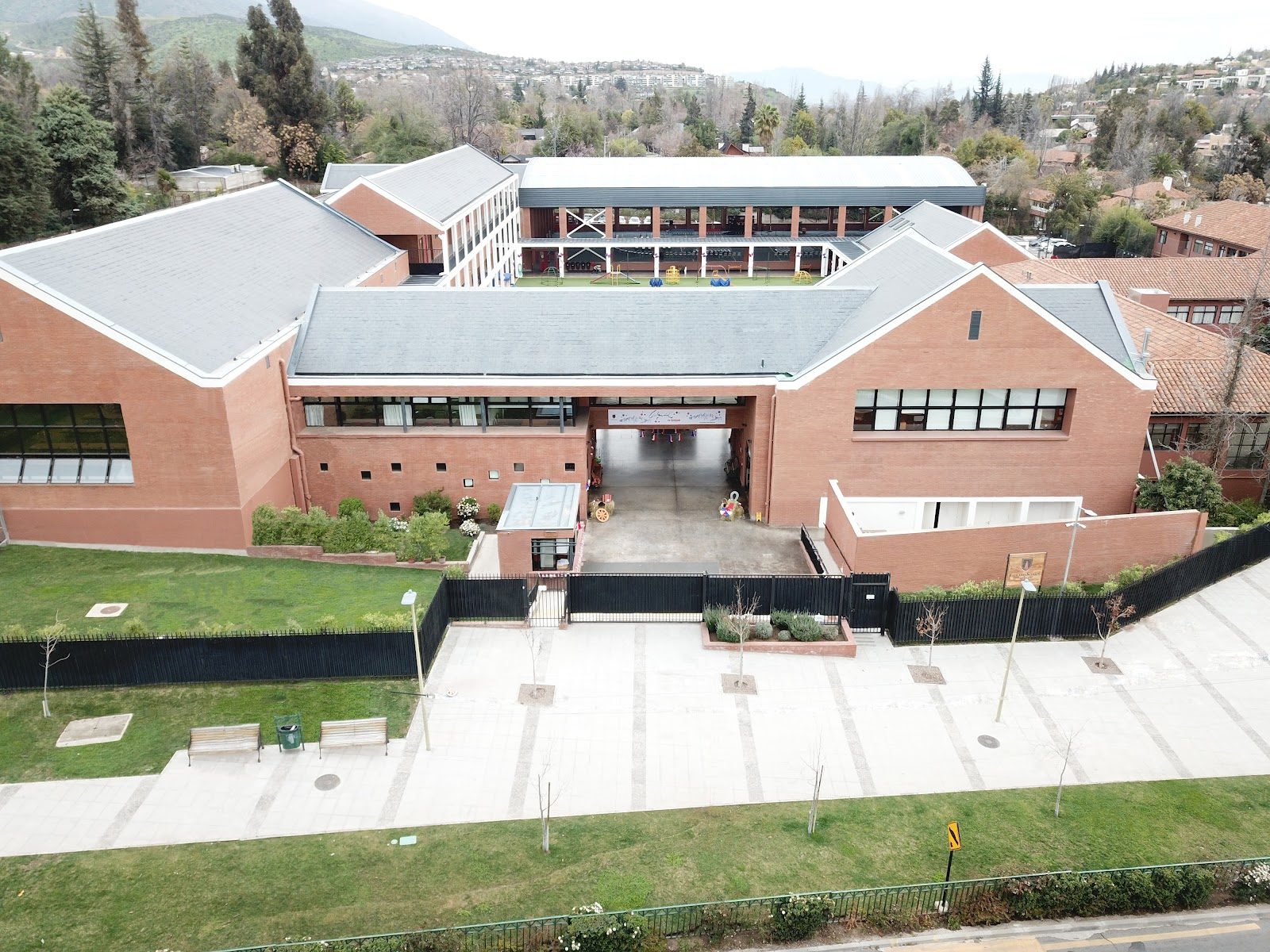
Redland School
Santiago · Chile
On a 24-hectare foothill campus in Las Condes, IB rigor meets Chile's national curriculum and a mountain-bike circuit.
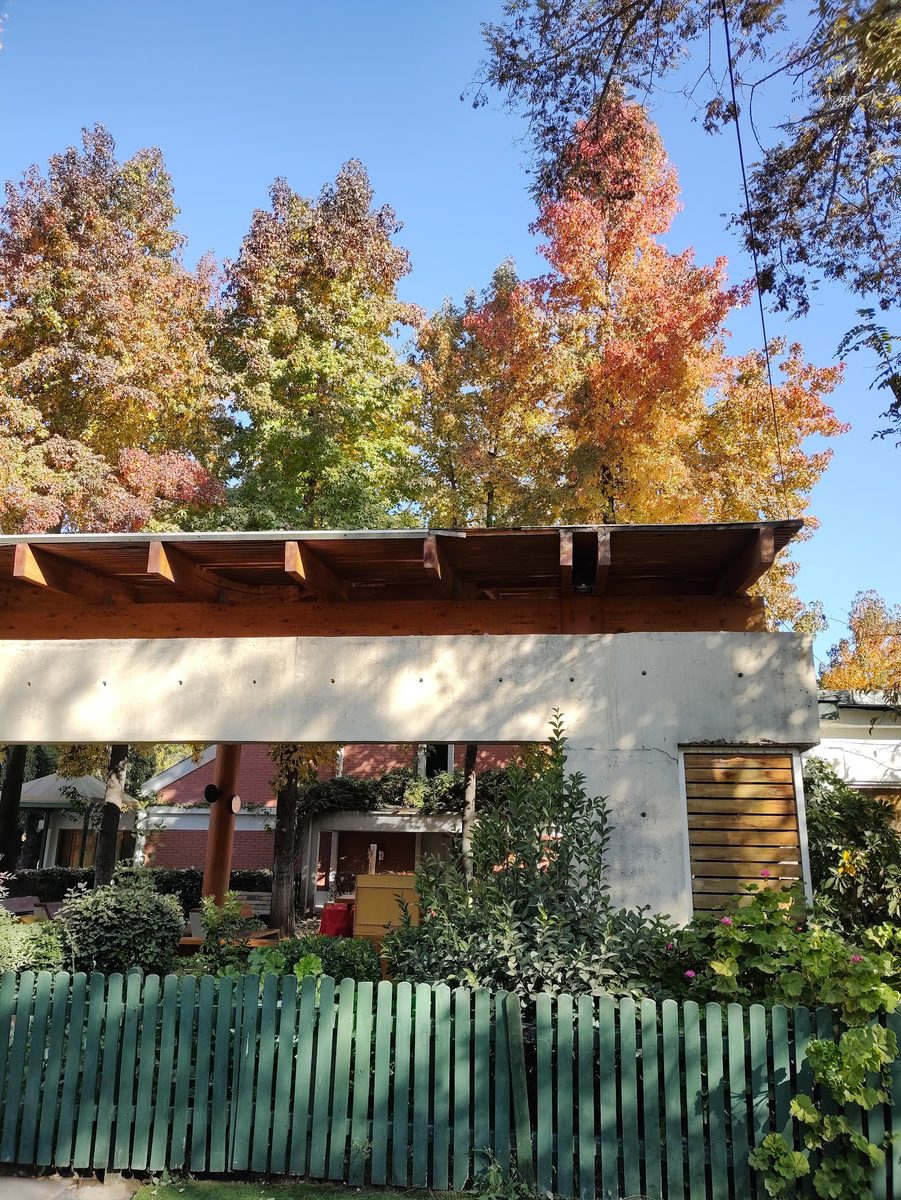
Saint George's College Santiago
Santiago · Chile
A Holy Cross foundation in Vitacura since 1936 that has quietly seeded a third of Chile's top-200 corporate boardrooms.
The Newlands School
Santiago · Chile
A British day-school ethos meets IB rigor in the Andean foothills of Lo Barnechea, just outside Santiago.
Same country and curriculum — closest matches within ±10 points either way