
Región Metropolitana de Santiago
Santiago College
medium confidence· 4/6 cats · 3.18 avg sourcesFrom an 1880 Methodist girls' boarding school to Chile's first IB pioneer, now coeducational in the Andean foothills.
Type
Day
Ages
3–18
Curriculum
British · IB
Qualifications
IB Diploma
Ratio
—
The Verdict
Editor's commitment
Right for
Families wanting a 3-18 day school with British and IB pathways, founded in 1880 and teaching in English and Spanish.
Wrong for
Parents seeking boarding or a religious ethos: Santiago College has been day-only and non-religious, despite its 1880 Methodist origins.
Watch out for
Since 1972 it has been coeducational, but the school does not publish headline exam outcomes, so academic selectivity stays opaque.
Score history
Santiago College · 2026
Movement across 2024–2026. Peer average overlaid.
Overall — 2024–2026
66.7/ 100
▲ +17.0 vs 2025
year on year
Peer & Industry Review
How Santiago College is regarded in the sector
55
Credible · low confidence
Santiago College is one of Chile's oldest bilingual schools (founded 1880) and is occasionally mentioned in expat-parent forums and general 'international schools in Santiago' listicles as a long-established, reputable option, but it lacks coverage in major specialist education press (Tatler, Good Schools Guide, Sunday Times) or peer-benchmarking discussions typical of globally top-tier schools. Its reputation appears to be solid and locally credible but without strong independent third-party validation beyond general expat/international-school directories.
- Isabel Allende — Writer, Literature
- Evelyn Matthei — Politician, Government
- Soledad Alvear — Politician, Government
Editors' overview
Santiago College has two claims that matter in this market: pedigree and precedent. Founded in 1880 as a Methodist girls’ boarding school and coeducational since 1972, it sits among the old guard of Chilean private education, with the institutional memory, alumni depth and social reach that newer bilingual schools cannot match. It also holds a distinct place in the country’s international-schools landscape as Chile’s first IB pioneer. That combination gives it a rare profile: historic weight without confessional framing, an English-Spanish academic environment, and a school culture shaped over more than 140 years rather than assembled in the last admissions cycle. For parents who want a school with roots, not reinvention, Santiago College belongs on the shortlist.
What marks it out is not novelty but continuity. Santiago College offers a British and IB curriculum in a day-school format for ages 3–18, serving families who want international academic architecture without boarding and without a religious wrapper. The attraction is clear: old-school seriousness, a bilingual setting, and the credibility that attaches to a school that has educated generations of Chilean public and cultural figures. The alumni record is not a side note. With 15 notable alumni catalogued in Wikidata across politics, journalism, literature, film and music, the school has produced people who entered public life and shaped it. That does not prove classroom quality on its own, but it does signal social and intellectual range and a network with real force in Chilean society.
The trade-off is equally clear. Santiago College is not the choice for families chasing a glossy, hyper-modern identity or a narrowly transactional exam factory. Its appeal rests in institutional depth, bilingual fluency and a long-established place in Santiago’s upper-tier education market. The students who fit best are academically able, internationally minded and comfortable in a school with tradition rather than constant self-reinvention. This suits children who will thrive in a setting with cultural confidence, strong peer expectations and a community that values both academic attainment and public engagement. For that family, Santiago College offers something harder to build than new facilities or fresh branding: earned standing.
Academic Performance
Santiago College’s academic reputation rests on legacy and selectivity more than on published exam data. That is a weakness in this section. We have not seen aggregate IB Diploma results, mean point scores, pass rates, subject distributions, top-score counts or year-on-year trends in the public domain. Without those numbers, there is no serious way to place the school precisely against Santiago’s other upper-tier international schools or against IB benchmarks in Chile and globally. Parents who care about hard academic proof should ask for the last 3 to 5 years of full IB outcomes, including cohort size, average score, highest score and university destinations by course, not just by institution.
That said, schools with this level of history, alumni reach and market standing do not retain their position on charm alone. Santiago College sits in the part of the market where families expect consistently strong university preparation, disciplined teaching and a student body capable of handling a demanding senior programme. The absence of published outcomes does not equal weak performance; it does mean unhelpful opacity. Relative to peers, that places Santiago College behind the best-run international schools on transparency, even if its academic culture is clearly ambitious. In plain terms: the school has the profile of a serious academic institution, but it does not publish the evidence needed to verify whether results are merely good, genuinely top-tier, or elite by local standards.
Facilities
Santiago College’s facilities profile is hard to judge because the school does not publish a clear, consolidated account of its campus assets. That matters. At this end of the market, parents should not have to infer the quality of laboratories, libraries, sports provision, performance spaces or early-years areas from reputation alone. We have not seen a public facilities inventory, campus masterplan, specialist-room breakdown or serious visual evidence that would allow a clean comparison with Santiago’s best-resourced international schools. Against peers, that leaves Santiago College at a disadvantage on basic transparency. Families touring the school should ask direct questions: how many science labs are in regular use, what indoor sports capacity exists in winter, how strong the arts infrastructure is, and whether senior students have access to genuinely advanced specialist spaces rather than standard classrooms dressed up as premium provision.
That does not mean the campus is weak. A school with this level of standing and a full age range does not function without competent core infrastructure. Parents can expect the essentials: classrooms fit for a dual-language academic programme, sports areas that support broad participation, and dedicated spaces for younger children and older students. The issue is competitive edge. Many peer schools now market high-spec STEAM rooms, design labs, black-box theatres and polished athletics complexes as a matter of course. Santiago College has not made that case in public. Until it does, its facilities read as credible but unproven rather than sector-leading.
Santiago College has two claims that matter in this market: pedigree and precedent
Prestige
Santiago College carries real prestige in Chile’s private-school market, but it is a specific kind of prestige. It rests less on public scorecards than on lineage, alumni reach and long-standing social recognition. This is a school with a deep establishment footprint: families know the name, universities know the name, and public life in Chile has absorbed its graduates for generations. The alumni evidence supports that claim. With 15 notable alumni catalogued in Wikidata across politics, journalism, the arts and music, Santiago College has produced people who did not stay inside narrow professional lanes. That breadth matters. It points to a school whose influence extends beyond exam preparation into the country’s cultural and civic mainstream.
That said, prestige here is earned old-status prestige, not the slick global-brand prestige that some international schools trade on. For many parents, that distinction is a strength. The school offers social capital, recognisability and a network that carries weight inside Chile’s upper professional class. It also benefits from a rare historical distinction in the local international-schools sector, which adds institutional authority. The limitation is plain: prestige without published outcomes leaves one part of the picture incomplete. Santiago College still rates highly because reputation at this level does not survive by accident, and because 1 verified star-tier award in the alumni record adds a small but concrete marker of cultural reach. This is serious, inherited prestige, not showroom prestige.
For parents who want a school with roots, not reinvention, Santiago College belongs on the shortlist
Communications
Santiago College communicates from a position of confidence, not from a position of explanation. That has strengths and weaknesses. Parents choosing an established school with a settled local reputation do not need endless brand theatre; they do need clear, disciplined communication about daily operations, academic expectations and student support. Here, the public picture is mixed. The school gives the basics of identity and history cleanly enough, but it does not publish the kind of detailed, parent-facing operational information that marks out the best-administered schools: a strong public academic data culture, a serious facilities account, or a richer window into how school life actually runs across the age range. For a school of this standing, that gap reads as old-world reserve rather than modern transparency.
That matters because communication is not only about tone; it is about proof, frequency and usability. Parents need straightforward access to calendars, assessment frameworks, university guidance, pastoral structures and who-to-contact pathways when problems arise. We have not seen enough in the public domain to call Santiago College a communications leader. Nor does it project the slick, over-managed polish that some international schools use to reassure buyers before enrolment. The result is a communications style that feels competent but guarded: solid enough for families already inside the circle, less persuasive for families comparing several schools and expecting direct answers without friction. On this measure, Santiago College looks like a school that still relies on reputation to do work that communication now needs to do itself.
Uniqueness
What makes Santiago College unusual is the combination of old-guard Chilean pedigree with an international academic frame that predates the current bilingual-schools boom. Many schools can offer English classes, polished branding or an overseas curriculum badge. Far fewer carry genuine institutional weight inside their own country while also operating in an outward-facing mode. Santiago College does. Its alumni record gives that claim substance: 15 notable alumni catalogued across public life, journalism, literature, film and music, including 1 star-tier laureate. That breadth matters more than a long list of job titles. It points to a school that feeds students into the country’s civic and cultural bloodstream, not only into private-sector careers or foreign universities.
For students, that creates a distinctive environment. The benefit is not novelty; it is social depth, cultural fluency and a peer group shaped by a school with a long memory of how to educate future adults, not just present applicants. Children grow up in a setting where academic ambition sits alongside public expression, writing, performance and engagement with national life. That can produce graduates who move comfortably between Chilean institutions and international ones, and who carry more than exam technique. The trade-off is clear too: this is a school for families who value continuity over trendiness and substance over spectacle. Students looking for a flashy, startup-style school identity will find stronger fits elsewhere.
Santiago College is not the choice for families chasing a glossy, hyper-modern identity or a narrowly transactional exam factory
Student Profile
Santiago College suits students who are comfortable in a high-expectation environment without needing constant hand-holding or theatrical motivation. The fit is strongest for children from families who value academic seriousness, social confidence and a school community with established norms rather than endless reinvention. This is not a natural home for the child who needs a loose, experimental culture or a deliberately alternative ethos. It suits pupils who can handle structure, move easily between different social settings and hold their own among peers from well-resourced, highly educated households. The alumni spread across public life and the arts — 15 notable figures in the verified record — points to a student culture that rewards articulate, outward-facing young people, not only quiet exam technicians.
The best-fit student here is self-possessed, verbally strong and able to thrive in a community with real social weight. Ambition helps, but so does poise. Children who enjoy debate, writing, performance or public-facing roles will find this environment more natural than students who want anonymity or a purely transactional school experience. There is also a practical point for parents: schools with this kind of legacy attract families who watch standards closely, and that creates strong peer pressure around behaviour, presentation and achievement. For the right child, that is energising. For a more fragile or resistant student, it can feel demanding and socially exposing. This school fits the student who wants substance, expects challenge and does not need a school to soften its edges.
For that family, Santiago College offers something harder to build than new facilities or fresh branding: earned standing
Co-curricular strengths
Arts & sport, on a separate axis
Overall 9.12/10
Scored 0-10 from the school's own published evidence. This axis is editorial-only — it does not feed the main WTS ranking.
Sports
9.3/10
Multiple sports—football, basketball, volleyball, athletics, swimming and tennis—showing a solid multi-sport extracurricular offer, but gives no named facilities, staff or competitive results.
Drama
9.2/10
'Drama productions', which shows more than a bare listing because recurring productions are indicated, but there is no named theatre, department or specialist staff.
Dance
8.8/10
Music
9.1/10
A school choir and, more decisively, verified alumnus Álex Anwandter is a Grammy-calibre laureate, which anchors music at at least 7 under the alumni rule.
Visual Arts
9.2/10
Visual arts is explicitly named in the extracurriculars, but only as a bare listing with no further detail on facilities, exhibitions, staff or awards.
Editor first-pass · editor-reviewable · 7/28/2026
Notable alumni · Wikidata
15notable alumni
1 historic (born pre-1930) · 9 modern (born post-1970)wikidata:2026-07-28 How we source this
Strengths
- +Founded in 1880; unusually established Santiago institution.
- +British and IB pathways broaden upper-school options.
- +English and Spanish instruction suits bilingual families.
- +Day school avoids boarding transition for younger children.
Considerations
- −Day-only format won't suit families needing boarding.
- −British and IB mix may not suit one-system purists.
- −English-Spanish instruction may challenge weaker bilingual pupils.
Availability
Primary entry gate & tests
Academic Record
Parent reviews
Have you sent your child here?
Voice reviews carry the strongest trust badge — we transcribe them for you to tidy up before they go live. Prefer to type? A written review is fine too.
Add your voice
In 60 seconds, tell other parents: what's the best thing about Santiago College, and what surprised you when your child joined?
We ask for a Google sign-in so every review has a real face behind it — no anonymous drive-by attacks on schools, and no faked positive reviews. Your email is never shown publicly.
Send this profile to a friend
International parents rely on word-of-mouth. Share this review with someone weighing the same decision.
Schools with places
Similar schools to Santiago College with places available now.
Availability first, then country, area, curriculum, price, co-curricular
Consider also
Also worth looking at alongside Santiago College.
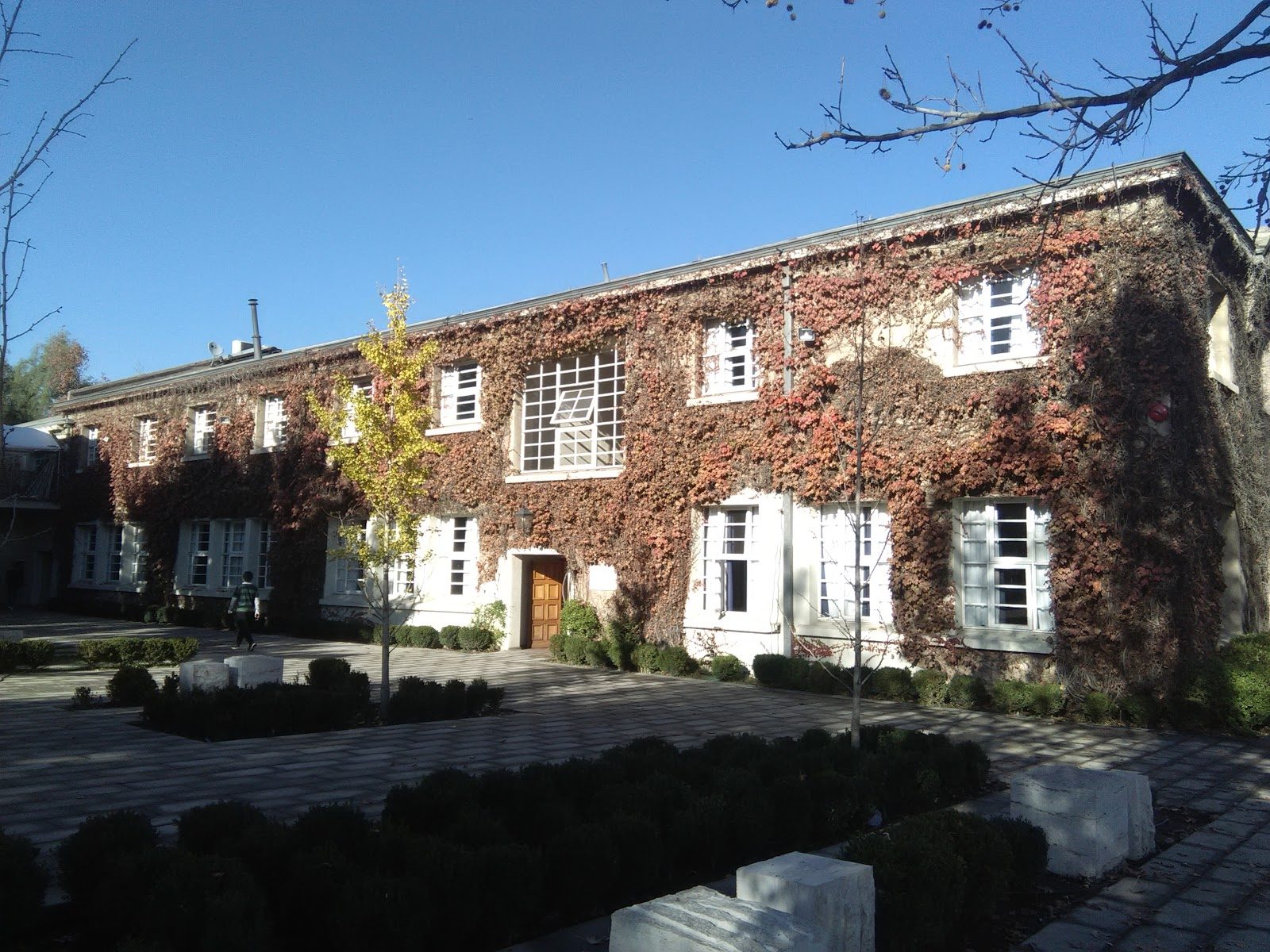
The Grange School
Santiago · Chile
Near-century-old English public-school ethos at the foot of the Andes, pairing Fair Play tradition with bilingual IB and A-Level rigor.
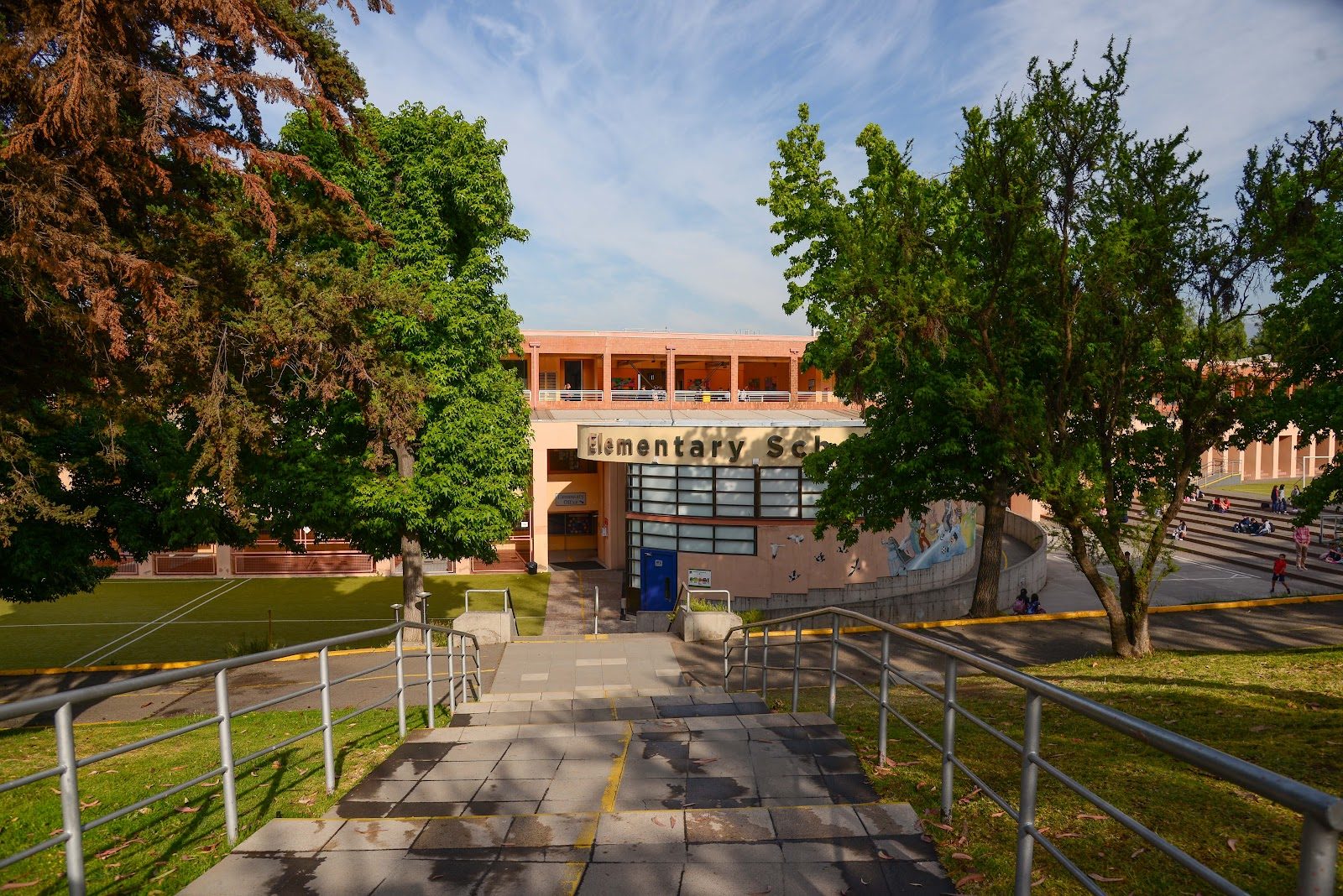
Nido de Águilas
Santiago · Chile
On 130 acres in the Andean foothills outside Santiago, Harkness-style seminars feed parallel US, Chilean, and IB diploma tracks.
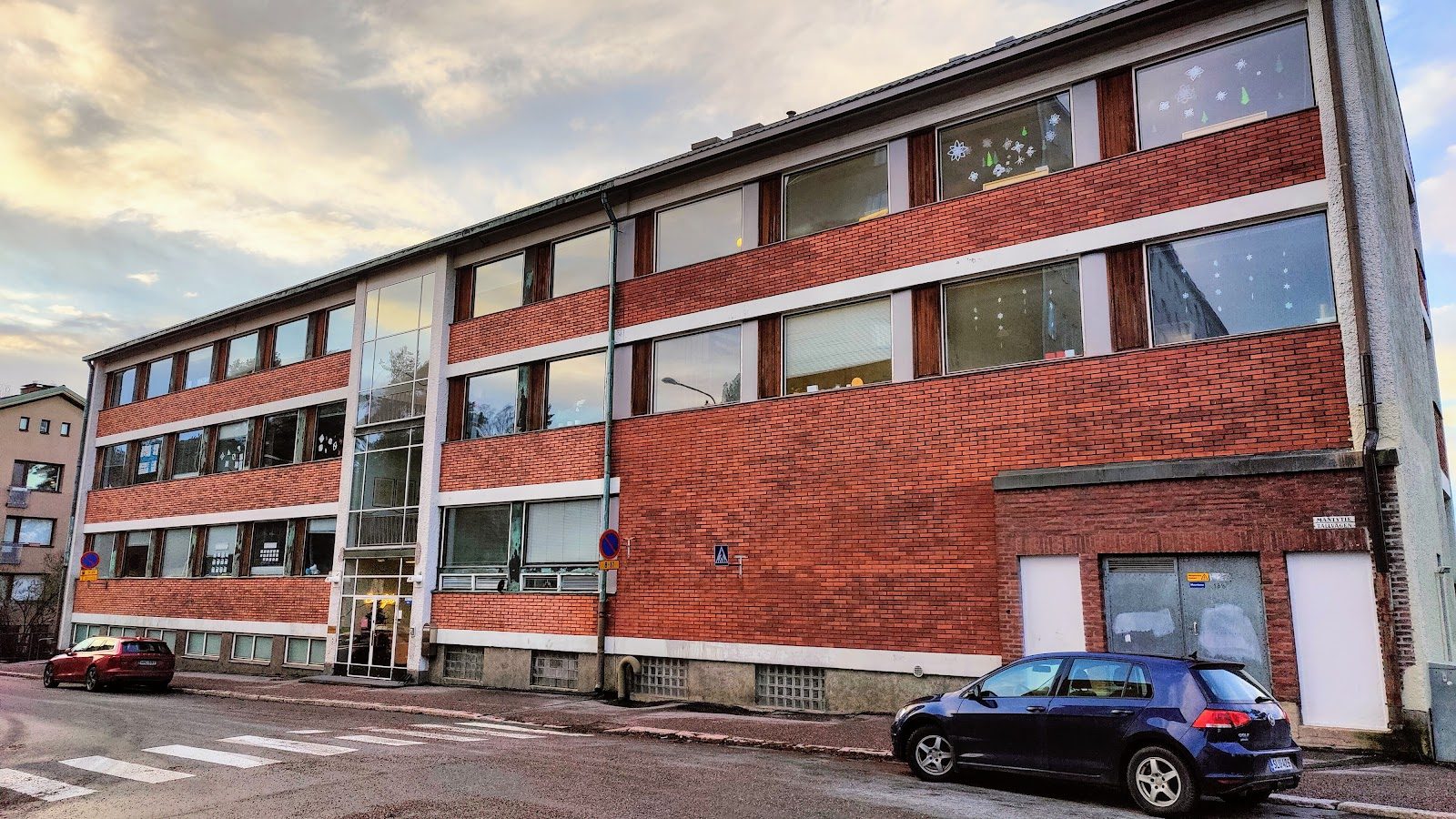
The English School
Helsinki · Finland
Founded in 1945 by American Catholic nuns, it pioneered Finland's bilingual English-Finnish schooling model.
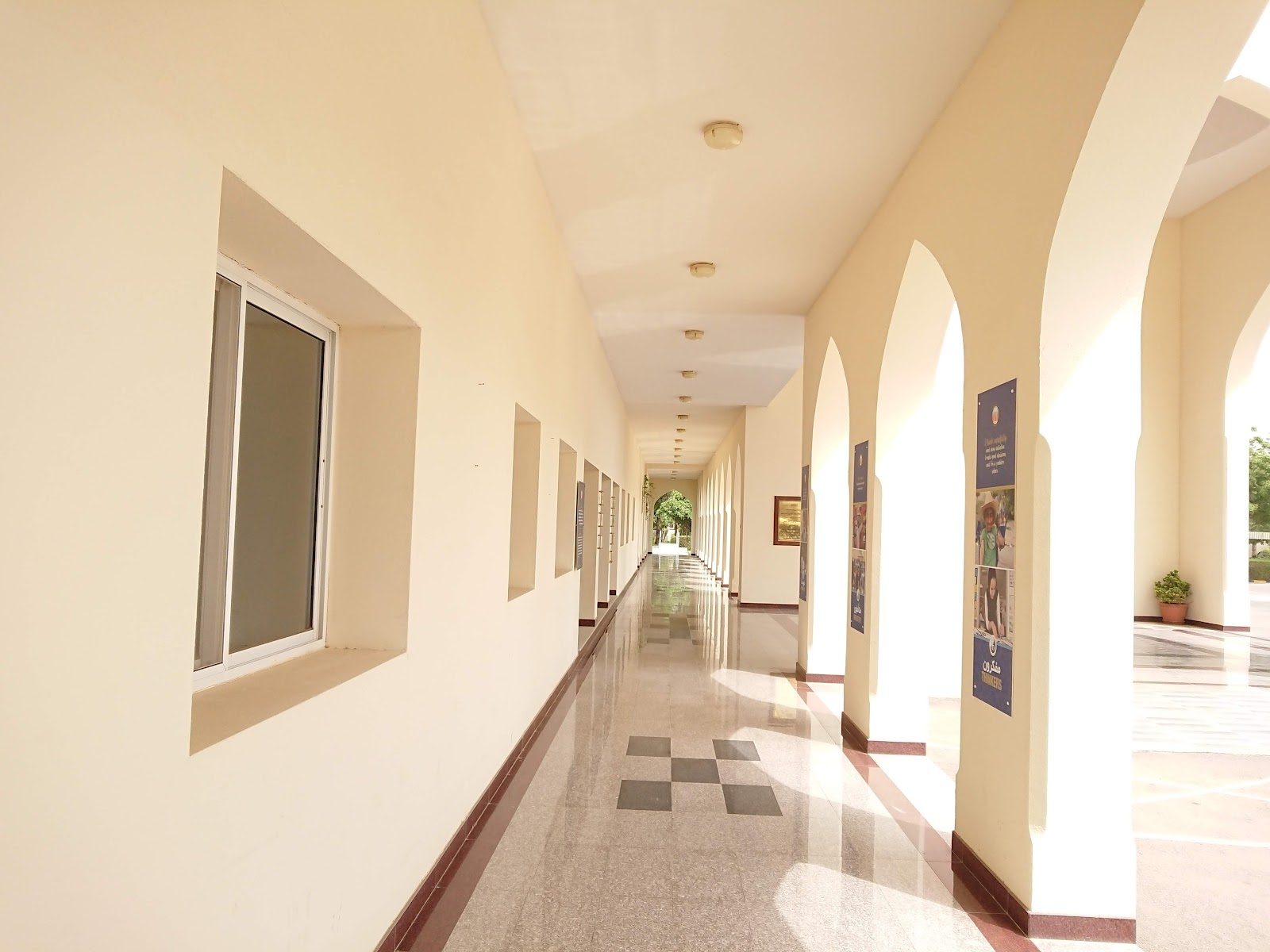
The Sultan's School
Muscat · Oman
Royally chartered in 1977, this Muscat day school fuses British academics with Arabic and Islamic studies to mould future Omani leaders.
Same country and curriculum — closest matches within ±10 points either way