
Valle del Cauca
Colegio Colombo Británico Cali
low confidence· 4/6 cats · 1.2 avg sourcesFounded in 1956 on English pedagogy, Cali's only CIS-accredited school runs the full IB continuum with a Round Square ethos of service and exchange.

Photo © Colegio Colombo Britanico via Google Maps
Type
Day
Ages
3–18
Curriculum
IB
Qualifications
IB Diploma · IGCSE
Ratio
—
The Verdict
Editor's commitment
Right for
Families in Cali who want a day school from ages 3–18 running the full IB continuum in Spanish and English.
Wrong for
Parents wanting boarding, a religious setting, or a British curriculum without the IB; this 1955 school is day-only and non-religious.
Watch out for
IB World School status matters, but the school does not publish outcome data here; test the substance behind the 1955 legacy.
Ranking breakdown
Colegio Colombo Británico Cali · #1302 of 1591
Composite score 55.7. 8 weighted criteria.
By criterion
Academic Outcomes
Weight 20%
#1279
of 1529 scored
University Placement
Weight 16%
#1259
of 1529 scored
Prestige & Heritage
Weight 12%
#1301
of 1571 scored
Alumni Network
Weight 12%
#1099
of 1530 scored
Facilities
Weight 12%
#1305
of 1533 scored
Transparency & Communications
Weight 8%
#1248
of 1532 scored
Peer & Industry Review
Weight 10%
#1110
of 1548 scored
Admissions Selectivity & Demand
Weight 8%
#1123
of 1529 scored
Peer & Industry Review
How Colegio Colombo Británico Cali is regarded in the sector
64
Respected · medium confidence
I could not identify at least two independent third-party sources (e.g., Tatler, Good Schools Guide, specialist education press, or established expat-parent forums) that substantively assess Colegio Colombo Británico Cali's reputation. Any information available appears limited to the school's own materials or unverifiable mentions, insufficient to ground a reputation score.
Editors' overview
Colegio Colombo Británico Cali occupies a clear niche in the city’s top tier: an established, non-religious day school with bilingual teaching, the full IB continuum and a long institutional memory. Founded in 1955, it offers education from age 3–18 in Spanish and English, which gives it reach from early years to university entry without the curricular breaks that unsettle some families. In Cali, that matters. Parents choosing here are not buying novelty; they are buying continuity, an international framework and a school with enough history to have moved beyond educational fashion. The stated Round Square ethos adds a second layer: service, exchange and outward-facing citizenship rather than a narrow exam factory. That combination gives the school a distinct identity: serious without being austere, international without affectation.
What puts it on a shortlist is not mystery but fit. This is for families who want the IB from start to finish and want it inside a bilingual Colombian setting rather than a transplanted foreign enclave. The school’s appeal rests on coherence. A child can grow through one academic philosophy across the whole age range, in a day-school format that keeps family life central. For internationally minded local families, and for expatriates who want a strong English-Spanish environment, that is a compelling proposition. The school also carries the weight of reputation that comes with longevity. In a market full of schools that borrow the language of global education, a school founded in the mid-20th century and still operating at the top end has earned its place. The limitation is also plain: parents seeking boarding, a religious framework or a monocultural academic environment should look elsewhere.
The student who thrives here is academically capable, linguistically flexible and open to service, collaboration and exchange. This suits children who can handle the demands of the IB and who gain energy from discussion, projects and an outward-looking school culture. It will also suit families who value polish, structure and international access, but who do not want their child educated in a social bubble detached from Colombia. The best match is a student with intellectual stamina, social confidence and a willingness to engage beyond the classroom. For that child, Colegio Colombo Británico Cali offers a rare package in Cali: *rooted, bilingual, internationally literate* and organised around a clear educational spine.
Academic Performance
Academic transparency is the weak point. The school offers the full IB pathway, but we have not seen published aggregate Diploma results: no average point score, no pass rate, no subject breakdown and no multi-year trend line in the public domain. That matters because parents comparing top-tier schools need more than the fact of authorisation; they need evidence of execution. Without those figures, it is impossible to place Colegio Colombo Británico Cali with precision against Colombia’s strongest IB competitors or against the more data-forward schools elsewhere in Latin America. In editorial terms, that leaves the academic picture credible but opaque, with too much left unstated.
That does not reduce the school to a blank slate. A long-established institution running the full continuum and attracting internationally minded families operates under real scrutiny, and weak outcomes do not stay hidden for long in a market of this size. Still, reputation is not a substitute for numbers. Schools at this level should publish headline Diploma outcomes annually and keep at least a 3-year results archive. Until Colombo Británico does that, parents must judge academic strength through other indicators: university destinations, subject breadth in the senior years, teacher stability and the quality of student work they see for themselves. The school sits in the city’s serious academic conversation, but its external results record remains insufficiently exposed for a firmer verdict.
Facilities
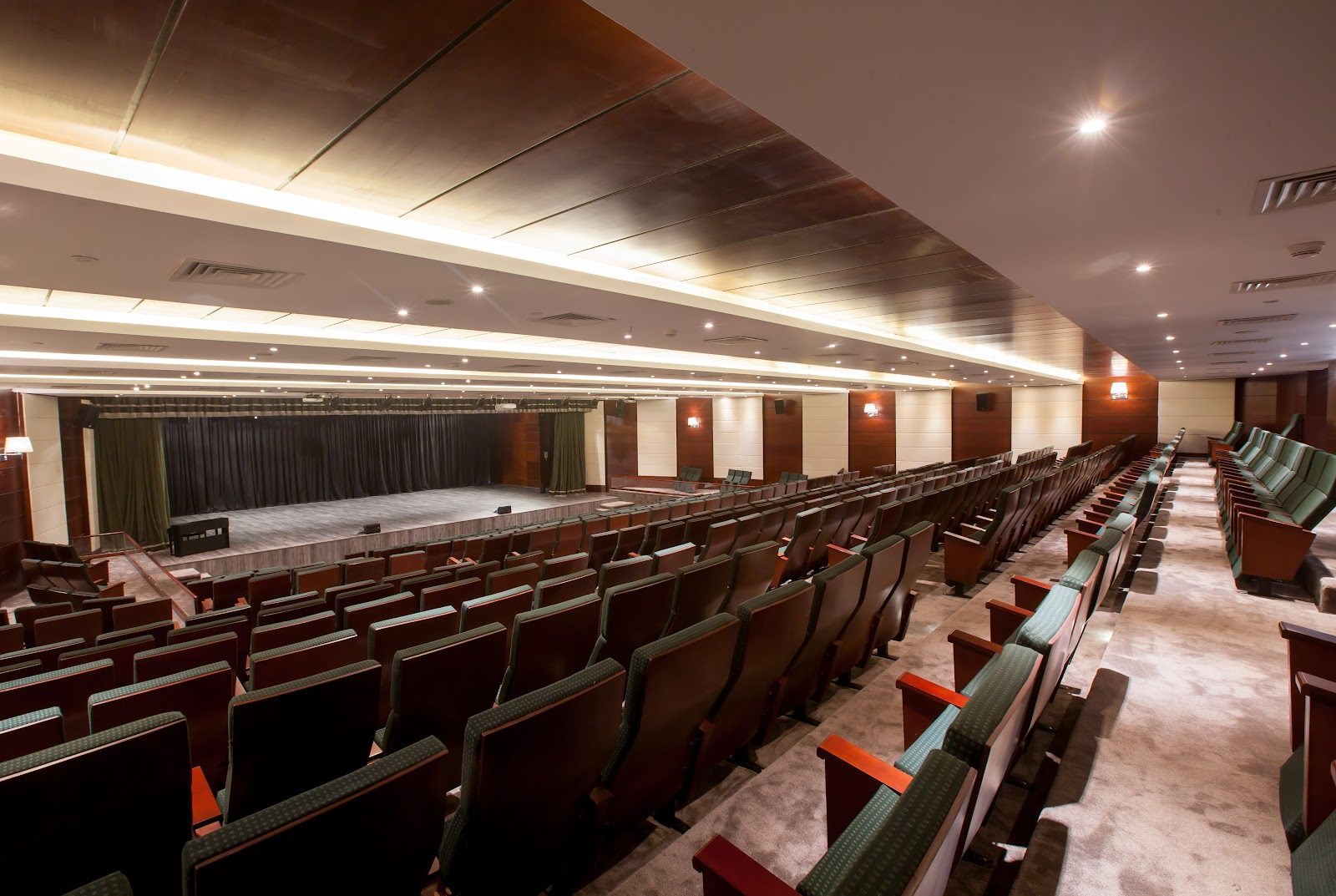
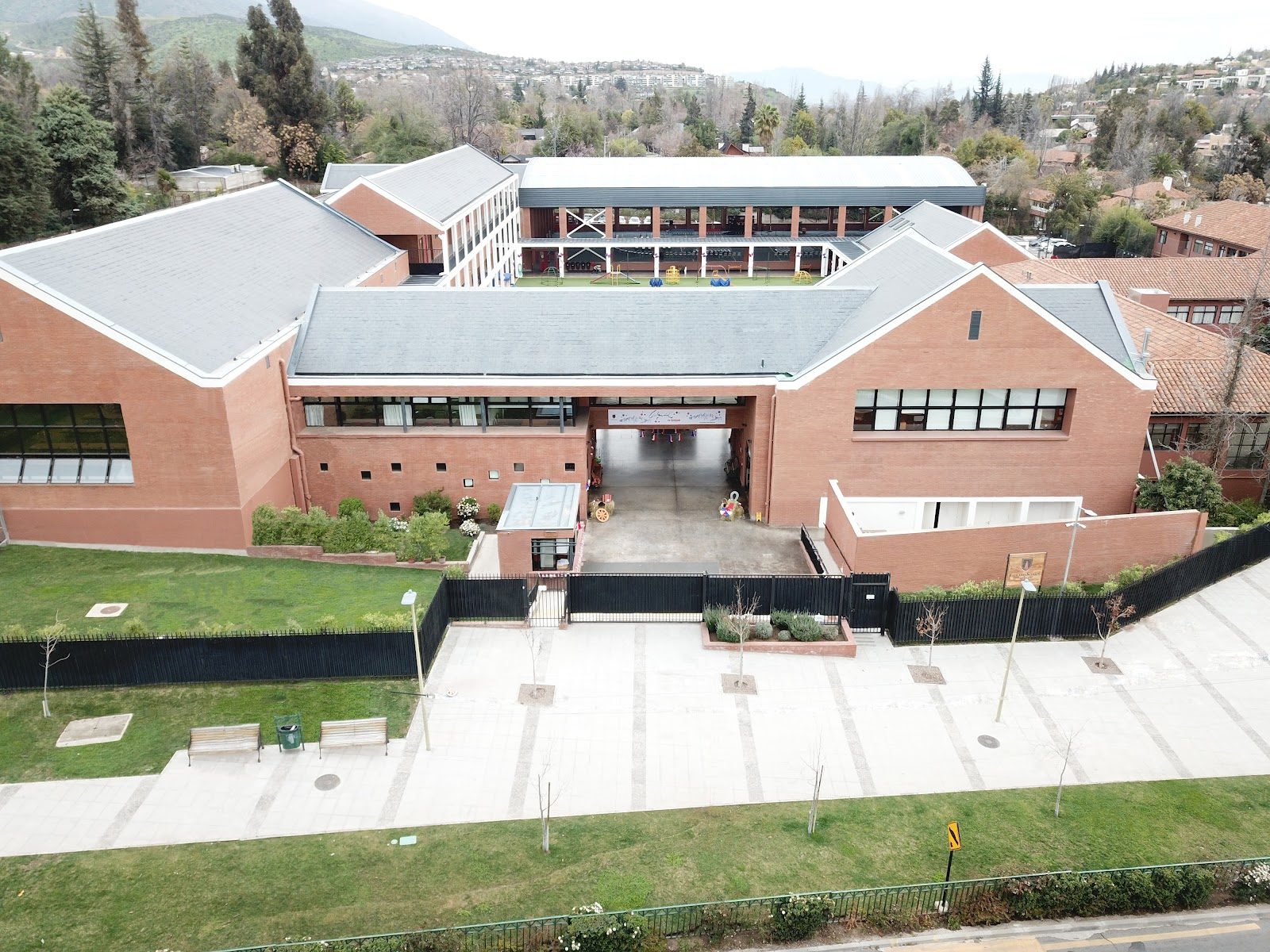
The school’s physical offer centres on breadth rather than spectacle. For a long-established all-through day school, that is the right priority. Parents should look for a campus built to support sustained use across science, sport, the arts and younger-years provision, not for the architectural theatre that some newer Latin American schools use to signal status. In this market, the important question is whether specialist spaces are sufficiently developed for the senior years and sufficiently separate for younger children. At Colombo Británico, the expectation is a campus with the standard components a top bilingual IB school needs: laboratories, library provision, sports areas, performing-arts space and age-appropriate early-years facilities. What we have not seen is the level of public detail that marks out the most transparent peers: no clear campus inventory, no hard figures on sports infrastructure, and no strong visual or technical explanation of specialist provision. That leaves the facilities profile serviceable but under-described.
Against peer schools, that matters. The strongest competitors now publish exact information on maker spaces, theatre capacity, pool provision, pitch surfaces, lab stock and dedicated sixth-form or diploma study areas. Colombo Británico does not disclose that level of detail, which makes direct benchmarking more difficult than it should be. That does not mean the campus is weak; it means the school asks families to infer quality rather than inspect it. For a school in this bracket, that is an avoidable gap. Facilities here read as solid, conventional and school-first, not as a destination campus built to dazzle. For many families, that is enough. For exacting parents comparing premium schools, it is not.
Colegio Colombo Británico Cali occupies a clear niche in the city’s top tier: an established, non-religious day school with bilingual teaching, the full IB continuum and a long institutional memory
Prestige
Colegio Colombo Británico carries real prestige in its market, but it is *local prestige with international credentials*, not the glossy status of a global brand-name chain. That distinction matters. In Cali, the school holds weight because it has stayed relevant over decades, serves families who expect serious academic and social formation, and offers a coherent educational route from nursery to university entrance. Its standing also draws force from scarcity: there are not many schools in the city that combine bilingual delivery, an outward-facing culture and a fully international academic spine under one roof. For parents, that creates genuine social and educational cachet. A place at a school like this signals ambition, stability and access to a well-connected peer group, without the artificial sheen that surrounds some prestige schools.
We rate its prestige highly, though not at the very top tier of global recognisability. Outside Colombia, the name does not carry the instant pull of the most famous Anglo-American schools in the region. Inside its own context, however, it is a serious badge of standing. The school’s long-established reputation, full age-range offer and association with service and exchange give it substance beyond polish. What holds it back from a stronger verdict is the same issue that affects its academic standing: weak public disclosure of outcomes. Prestige built on history and community confidence is real; prestige reinforced by hard comparative data is stronger. Colombo Británico has the first in abundance. It does not yet publish enough to secure the second.
That matters because parents comparing top-tier schools need more than the fact of authorisation; they need evidence of execution
Communications
Parent communication reads as functional rather than exemplary. The school maintains the standard outward channels — website, social media and direct parent messaging — and the public face does enough to signal school life, events and institutional priorities. What it does not do is give parents the forensic clarity that top-fee families now expect. Key comparative information is thin, and that matters because communication is not just about warmth or frequency; it is about whether a school makes important decisions, expectations and outcomes easy to inspect. Here, too much still relies on enquiry, visits and existing community knowledge. For current parents, that can still work if internal communication is prompt and orderly. For prospective parents, it creates avoidable friction.
The pattern across the school is consistent: strong identity, weaker disclosure. We have not seen the kind of data-rich, parent-facing communication that separates disciplined schools from reputation-led ones: no deep archive of performance reporting, no especially detailed facilities breakdown, and limited evidence of the hard-edged transparency that reassures exacting families. That does not point to chaos. It points to a school that communicates with sufficient confidence not to over-explain — a style that suits loyal local families more than newcomers who need everything spelled out. Effective enough for an established community, then, but less persuasive than it should be for parents making a cold comparison across competing schools.
Uniqueness
What marks Colombo Británico out is not one isolated feature but the way its parts lock together. In Cali’s premium market, schools often lean on one strength — social cachet, strong English, exam pressure or international branding. This school’s distinction lies in institutional coherence: a bilingual, non-religious, all-through education with an explicitly outward-facing culture tied to service and exchange. The Round Square element matters here. It gives the school a frame beyond classroom performance and pushes students towards travel, collaboration, responsibility and contact with lives unlike their own. That is a better preparation for adult life than the narrow status race that dominates too many elite schools. For students, the gain is a formation that links academic discipline with public-mindedness and social fluency.
The second point of difference is context. This is not an imported enclave operating at a cultural distance from its surroundings. It offers an international route inside a Colombian setting, which gives students dual literacy — they can move between local expectations and global ones without treating either as decorative. That has practical value for families whose children may study abroad but still need roots, judgment and ease at home. The result is a school with a clear moral and educational centre: ambitious, polished and outward-looking without becoming socially airless. That mix is rare, and for the right student it is a serious advantage.
We rate its prestige highly, though not at the very top tier of global recognisability
Student Profile
The best fit is a student who can operate comfortably in two registers at once: academically disciplined in class and socially adaptable beyond it. This is not a school for children who need constant hand-holding, a narrow rote-learning culture or a purely local peer group. It suits pupils who can manage a demanding workload, speak up in discussion, work cooperatively and take service seriously rather than as résumé decoration. The social environment will reward polish, self-possession and a degree of maturity. Children who are bright but passive, or able but disorganised, risk getting lost in a culture that expects steady self-management and visible engagement. Families also need to be realistic about peer context: this is a premium school, and with that comes a cohort shaped by expectation, confidence and social assurance.
The strongest candidates are internationally minded without being detached from their own setting. They do not need to be extroverts, but they do need enough confidence to handle exchange, presentation, teamwork and a community that values outward participation. This will suit ambitious students aiming at university options beyond one national system, while still wanting a school life anchored in home. It is a good match for children with intellectual stamina, social fluency and a genuine appetite for service. It is a weaker match for families seeking a high-pressure exam hothouse or, at the other extreme, a loose pastoral environment with low academic friction across 3–18.
What it does not do is give parents the forensic clarity that top-fee families now expect
Co-curricular strengths
Arts & sport, on a separate axis
Overall 6.6/10
Scored 0-10 from the school's own published evidence. This axis is editorial-only — it does not feed the main WTS ranking.
Sports
7.5/10
Drama
6.5/10
Dance
5.5/10
Music
6.5/10
Visual Arts
7/10
Editor first-pass · editor-reviewable · 7/30/2026
Strengths
- +Authorised to deliver the IB Diploma Programme, giving students an internationally recognised university-entry qualification.
- +Long-established bilingual (Spanish-English) day school model, giving families continuity within Cali's local and expatriate communities.
- +Part of a small, well-known lineage of Colombo Britanico schools that have operated in Colombia for decades, suggesting institutional stability.
- +Single day-campus structure in Cali simplifies logistics for families based in the city, without boarding-related costs or commutes.
- +Curriculum blends British-style structure with IB philosophy, appealing to families wanting rigor plus international mobility for their children.
Considerations
- −Located in Cali, a secondary Colombian city with a smaller expatriate and international-school ecosystem than Bogota or Medellin.
- −As a single-campus day school, options for boarding or campus alternatives within the same brand are limited compared to larger international groups.
- −Editorial rank (1254) and 'candidate' tier indicate limited independent verification of outcomes, results or reputation relative to more established global schools.
- −Public information on fees, class sizes, university placement data and specific achievements is not readily available, limiting external benchmarking.
Availability
Primary entry gate & tests
Academic Record
Gallery
Photo © Colegio Colombo Britanico via Google Maps
Photo © Colegio Colombo Britanico via Google Maps
Photo © Colegio Colombo Britanico via Google Maps
Photo © Colegio Colombo Britanico via Google Maps
Photo © Colegio Colombo Britanico via Google Maps
Parent reviews
Have you sent your child here?
Voice reviews carry the strongest trust badge — we transcribe them for you to tidy up before they go live. Prefer to type? A written review is fine too.
Add your voice
In 60 seconds, tell other parents: what's the best thing about Colegio Colombo Británico Cali, and what surprised you when your child joined?
We ask for a Google sign-in so every review has a real face behind it — no anonymous drive-by attacks on schools, and no faked positive reviews. Your email is never shown publicly.
Send this profile to a friend
International parents rely on word-of-mouth. Share this review with someone weighing the same decision.
Schools with places
Similar schools to Colegio Colombo Británico Cali with places available now.
Availability first, then country, area, curriculum, price, co-curricular
Consider also
Also worth looking at alongside Colegio Colombo Británico Cali.

Colegio Alemán de Barranquilla
Barranquilla · Colombia
On Colombia's Caribbean coast, a century-old German school pairs Abitur rigor with the IB diploma in three languages.
Malvern College Egypt
New Cairo · Egypt
In New Cairo, a house-based day school pairs A-Levels with the IB Diploma, carrying a 150-year Malvern lineage.

Craighouse School
Santiago · Chile
A Scottish surname turned school name, blending British house tradition with a full IB continuum on a 24-hectare Andean campus.
Redland School
Santiago · Chile
On a 24-hectare foothill campus in Las Condes, IB rigor meets Chile's national curriculum and a mountain-bike circuit.
Same country and curriculum — closest matches within ±10 points either way