
Arizona
A tuition-free charter in the Sonoran Desert where fifth graders begin Latin and seniors must sit six AP exams by design.
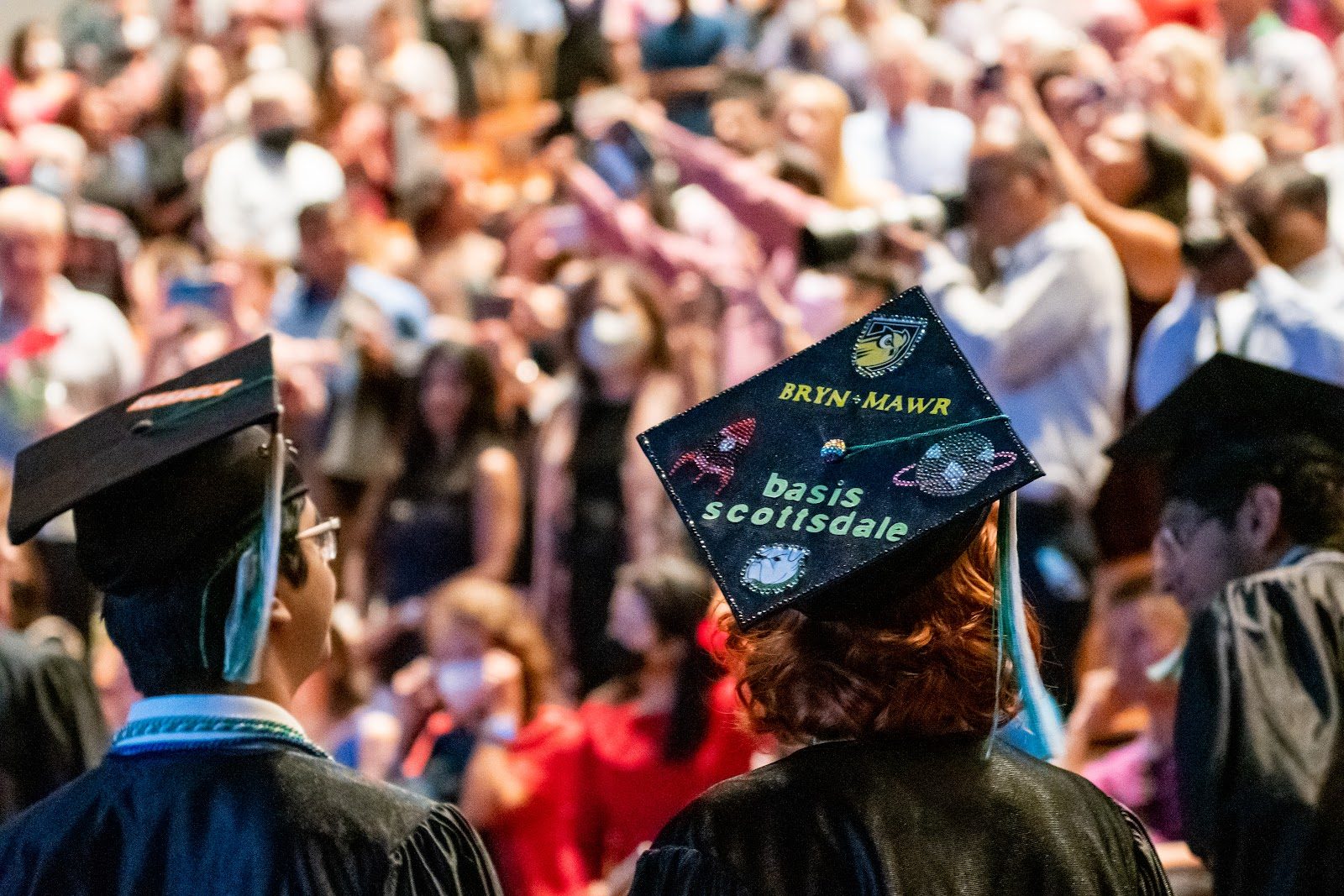
Photo © BASIS Scottsdale via Google Maps
Type
Day
Ages
10–18
Curriculum
American (US High School Diploma) · AP (Advanced Placement)
Ratio
18:1
The Verdict
Editor's commitment
Right for
Able children who can handle an American diploma plus AP, average classes of 20, and a sixth form built around six AP exams.
Wrong for
Families wanting a gentler 10–18 school day, broad curricular choice, or low-pressure pacing; BASIS Scottsdale was founded in 2003 to do the opposite.
Watch out for
This is a tuition-free charter with an 18:1 student-teacher ratio and Cognia accreditation; cost is low, academic demands are not.
Peer & Industry Review
How BASIS Scottsdale is regarded in the sector
90
Top-tier · high confidence
BASIS Scottsdale is consistently ranked among the top public high schools in the U.S. by U.S. News & World Report's 'Best High Schools' rankings, often placing #1 or near the top nationally for multiple years running. It also receives recurring coverage in Niche.com rankings and national media (e.g., The Atlantic, Business Insider) discussing its rigorous curriculum and exceptional standardized test performance, giving it strong cross-referenced third-party validation beyond its own marketing.
Evidence sources
Editors' overview
BASIS Scottsdale occupies a rare position in the US market: a tuition-free charter with an academic design that many fee-charging independents would not dare impose. The headline fact is structural, not cosmetic. Pupils enter at age 10, start Latin in fifth grade, and move through a programme that culminates in the US High School Diploma alongside Advanced Placement, with seniors required to sit 6 AP examinations. Founded in 2003, the school has had time to establish a clear identity: fast, content-heavy, exam-driven and unapologetically selective in spirit, even without private-school fees. For parents who want intellectual seriousness, high academic pressure and a culture that rewards pace, it belongs on any serious shortlist.
What marks BASIS Scottsdale out is the extent to which rigour is built into the timetable rather than left to pupil choice. Plenty of American schools offer AP courses; far fewer organise the entire upper-school experience around them with this degree of force. That matters. It creates a school for children who enjoy mastery, repetition, subject depth and external assessment, not one for teenagers who need constant coaxing or broad pastoral cushioning. The published student–teacher ratio of 18:1 and average class size of 20 indicate scale without intimacy theatre: this is not boutique schooling, but it is still small enough for strong pupils to be known. The trade-off is obvious. Families seeking gentle hand-holding, a wide-open elective culture or a school built around sport, spectacle and adolescent self-expression will find the model too narrow.
The right student for BASIS Scottsdale is bright, resilient, organised and genuinely comfortable with being measured. This is a school for children who like hard subjects, tolerate workload and do not need academic ambition disguised as “balance”. It suits mathematically inclined pupils, strong readers, keen test-takers and children who derive confidence from clear standards. It also suits cost-conscious families who want a demanding education without private-school tuition. Its weakness is the other side of its strength: pressure is the point. For the right child, that produces scholarly momentum and real stretch. For the wrong one, it produces fatigue, resentment and underperformance.
Academic Performance
BASIS Scottsdale’s academic reputation rests on external examinations, yet the school does not publish the aggregate AP score profile, pass-rate distribution or subject-by-subject outcomes that would let parents judge performance with precision. That opacity matters. A school built around compulsory high-volume AP entry invites scrutiny, and the absence of consolidated results leaves a gap where the strongest proof ought to sit. The available fact that matters most is structural: seniors are required to take 6 AP exams. That sets a hard-edged benchmark well above the norm in American secondary education and pushes the school into a high-pressure, results-obsessed bracket even before one asks how many pupils score 5s.
Relative to peers, BASIS Scottsdale sits in a narrow category: a public charter with an examination load more common in fiercely selective academic schools than in mainstream district provision. That alone marks it out. It does not tell parents whether outcomes match the ambition. In the absence of published school-wide score data, the safest judgement is comparative rather than numerical: this is an institution that competes on exam intensity, subject acceleration and standardisation, not on holistic rhetoric or broad co-curricular balance. If you want a school where external assessment is central, BASIS Scottsdale belongs near the top of the shortlist. If you want transparent proof in the form of published aggregate results, the school leaves an important question unanswered.
Facilities
BASIS Scottsdale is not a campus that trades on spectacle. The public profile points to an academic charter first and a facilities showpiece second, and parents should read that correctly. In this segment of the market, the core expectation is competent classrooms, science provision that can support accelerated teaching, and functional spaces for older pupils handling a heavy assessment load. What we have not seen is evidence of the kind of estate that independent schools use to advertise themselves: no published case for landmark architecture, theatre-scale arts venues, resort-grade athletics or country-club excess. Against fee-charging peers, that is a real constraint. Against other public charters, it is less a weakness than a statement of priorities: resources are directed towards the academic engine, not campus theatre.
That makes the facilities proposition clear, if narrow. Families choosing BASIS Scottsdale for intellectual pressure and standardised performance will not expect lavish grounds or a brochure-led amenity race, and the school does not ask to be judged on those terms. The average class size of 20 points to ordinary teaching rooms rather than lecture-hall scale, which suits a school built around close academic monitoring. Still, the absence of detailed public information on specialist spaces leaves parents with an information gap. Schools with strong laboratories, libraries, maker spaces or arts rooms publish them. BASIS Scottsdale does not do that here. The message is spartan, work-focused and credible, but it lacks the concrete facilities detail that stronger peer schools provide.
The right student for BASIS Scottsdale is bright, resilient, organised and genuinely comfortable with being measured
Prestige
BASIS Scottsdale carries real prestige, but it is specialist prestige, not the social varnish of an old private school. In the American market, a tuition-free charter does not confer automatic cachet. What gives this school status is its academic severity. Families who know the BASIS model recognise it as a place where able children are pushed hard, early and continuously. The mandatory senior examination load of 6 APs changes the signal the school sends. It tells universities, rival schools and informed parents that this is a pupil body expected to operate at speed under pressure. That creates esteem among people who value intellectual discipline. It does not create the kind of prestige built on manicured tradition, donor culture or elite athletics.
That distinction matters. BASIS Scottsdale’s reputation is strongest with results-minded, high-agency families who care more about calibre in the classroom than campus theatre. The school’s public charter status keeps it outside the conventional independent-school hierarchy, and that limits its glamour. It does not limit its seriousness. For the right student, a BASIS Scottsdale education carries more weight than many expensive private alternatives because it signals stamina, subject competence and comfort with hard assessment. Prestige here rests on earned academic credibility, not polish. That is why the rating sits high, though not at the absolute summit: the school commands respect for rigour, but not the broader social capital, heritage or institutional mystique that attach to America’s most entrenched fee-charging names.
If you want a school where external assessment is central, BASIS Scottsdale belongs near the top of the shortlist
Communications
BASIS Scottsdale’s parent communication reads like the school itself: functional, direct and built to move information rather than to charm. The public-facing site does the core job cleanly — key facts are easy to find, the academic identity is unmistakable, and there is no attempt to soften the school’s demands with lifestyle gloss. That clarity counts for a great deal. Families considering a high-pressure charter need blunt signalling, not sentimental messaging, and BASIS delivers that. The published structure data, including the 18:1 student–teacher ratio and average class size of 20, gives parents at least some operational grip on what daily schooling looks like. Where the communication weakens is depth. The school does not publish the richer academic evidence, facilities detail or parent-facing explanatory material that the best-run schools use to answer hard questions before they are asked.
That leaves the overall verdict mixed but clear. Communication is efficient, not expansive; credible, not reassuring. For families already sold on the BASIS model, that style will feel appropriate: serious school, serious tone, limited fuss. For parents new to the sector, or for those trying to judge how the pressure is managed in practice, the gaps matter. A school with such a demanding academic design needs first-rate explanatory communication around outcomes, support and student experience. BASIS Scottsdale gives enough to establish identity and intent. It does not give enough to satisfy a parent who wants full institutional transparency.
Uniqueness
What makes BASIS Scottsdale unusual is not a single headline result or glossy specialism, but the way academic pressure is engineered into the school’s normal life from an early stage. This is a public charter that adopts the tempo, sequencing and examination discipline that many fee-paying schools avoid. Latin starts in the lower years; the upper school culminates in a compulsory load of 6 AP examinations. That is not for the faint-hearted. It gives able pupils a clear, hard track: less drift, less elective sprawl, more cumulative subject mastery. For children who like being stretched, the benefit is obvious. They learn to work at pace, retain content, sit demanding papers and treat intellectual effort as routine rather than exceptional.
The other point of difference is economic. A tuition-free school offering this level of academic compression changes the value equation for families. It opens an avenue to serious academic training without private-school fees, and that matters in a US market where rigour and affordability rarely meet. The student experience that follows is sharply selective in culture even without selective tuition pricing: classmates who can keep up, teachers who move on quickly, and a daily rhythm built around performance rather than pastoral cushioning. The payoff is resilience, exam fluency and confidence with external standards. The cost is just as plain. Pupils who need a gentler pace, wider creative latitude or heavy emotional scaffolding will find the model unforgiving.
What marks BASIS Scottsdale out is the extent to which rigour is built into the timetable rather than left to pupil choice
Student Profile
The pupils who thrive here are not just bright; they are high-stamina, high-compliance and genuinely comfortable with being judged against hard external standards. BASIS Scottsdale suits children who like right answers, fast pacing and cumulative knowledge. It suits the sort of pupil who does the reading, keeps track of deadlines and recovers quickly from a poor result because the next test is already in view. Intellectual confidence helps, but organisation matters just as much. A gifted child with weak habits can get exposed fast in this environment. By contrast, a diligent, competitive student with solid self-management can flourish. The school’s published staffing ratio of 18:1 points to a setting where pupils are known, but not indulged; children still need to carry their own weight.
The weaker fit is just as clear. This is not the place for a child who needs constant reassurance, loose structures or broad freedom to meander academically before deciding what matters. It will also test pupils whose strengths sit outside the examined core and who want school life organised around performance, arts identity or adolescent exploration rather than academic throughput. Socially, the peer group will skew towards driven, metrics-aware students and families who value attainment over ease. For the right child, that creates serious momentum and a satisfying sense of purpose. For the wrong one, it creates drag, anxiety and the feeling of always being behind.
BASIS Scottsdale carries real prestige, but it is specialist prestige, not the social varnish of an old private school
Co-curricular strengths
Arts & sport, on a separate axis
Overall 4.6/10
Scored 0-10 from the school's own published evidence. This axis is editorial-only — it does not feed the main WTS ranking.
Sports
5/10
The profile explicitly references athletics as a weaker aspect of campus life ('less traditional campus life and athletics') and says families should not expect 'elite athletic infrastructure,' which indicates sports exist but without evidence of notable depth.
Drama
4.5/10
Dance
3/10
Music
5/10
Visual Arts
5.5/10
That BASIS Scottsdale is unlikely to offer 'sprawling arts centers,' which is only vague implicit evidence for arts provision without any visual-arts-specific programme detail.
Editor first-pass · editor-reviewable · 8/2/2026
Strengths
- +Exceptionally rigorous AP-centered academic program
- +Tuition-free access to elite-level challenge
- +Strong STEM depth and acceleration
- +Motivated peer group values scholarship
Considerations
- −High-pressure environment won’t suit every child
- −Less traditional campus life and athletics
- −Lottery entry offers no guaranteed access
Availability
Primary entry gate & tests
District Residency Required
Gallery
Photo © Janko Babszem via Google Maps
Photo © Janko Babszem via Google Maps
Photo © Nina Perkins via Google Maps
Photo © BASIS Scottsdale via Google Maps
Photo © BASIS Scottsdale via Google Maps
Photo © BASIS Scottsdale via Google Maps
Photo © BASIS Scottsdale via Google Maps
Photo © BASIS Education via Google Maps
Photo © BASIS Scottsdale via Google Maps
Parent reviews
Have you sent your child here?
Voice reviews carry the strongest trust badge — we transcribe them for you to tidy up before they go live. Prefer to type? A written review is fine too.
Add your voice
In 60 seconds, tell other parents: what's the best thing about BASIS Scottsdale, and what surprised you when your child joined?
We ask for a Google sign-in so every review has a real face behind it — no anonymous drive-by attacks on schools, and no faked positive reviews. Your email is never shown publicly.
Send this profile to a friend
International parents rely on word-of-mouth. Share this review with someone weighing the same decision.
Schools with places
Similar schools to BASIS Scottsdale with places available now.
Friends Seminary
New York City · United States
- 2026-27
- WAITPOOLLate/held pending openings
- 2027-28
- OPENS SOONExpected Sept '26
The Buckley School
New York City · United States
- 2026-27
- CLOSEDConfirmed full
- 2027-28
- OPENS SOONOpens post-Labor Day '26
Head-Royce School
Oakland · United States
- 2026-27
- CLOSEDRegular cycle
- 2027-28
- OPENS SOONOpens Sept '26
The Haverford School
Haverford · United States
- 2026-27
- CLOSEDRegular cycle closed
- 2027-28
- OPENS SOONOpens Sept '26
Availability first, then country, area, curriculum, price, co-curricular
Consider also
Also worth looking at alongside BASIS Scottsdale.
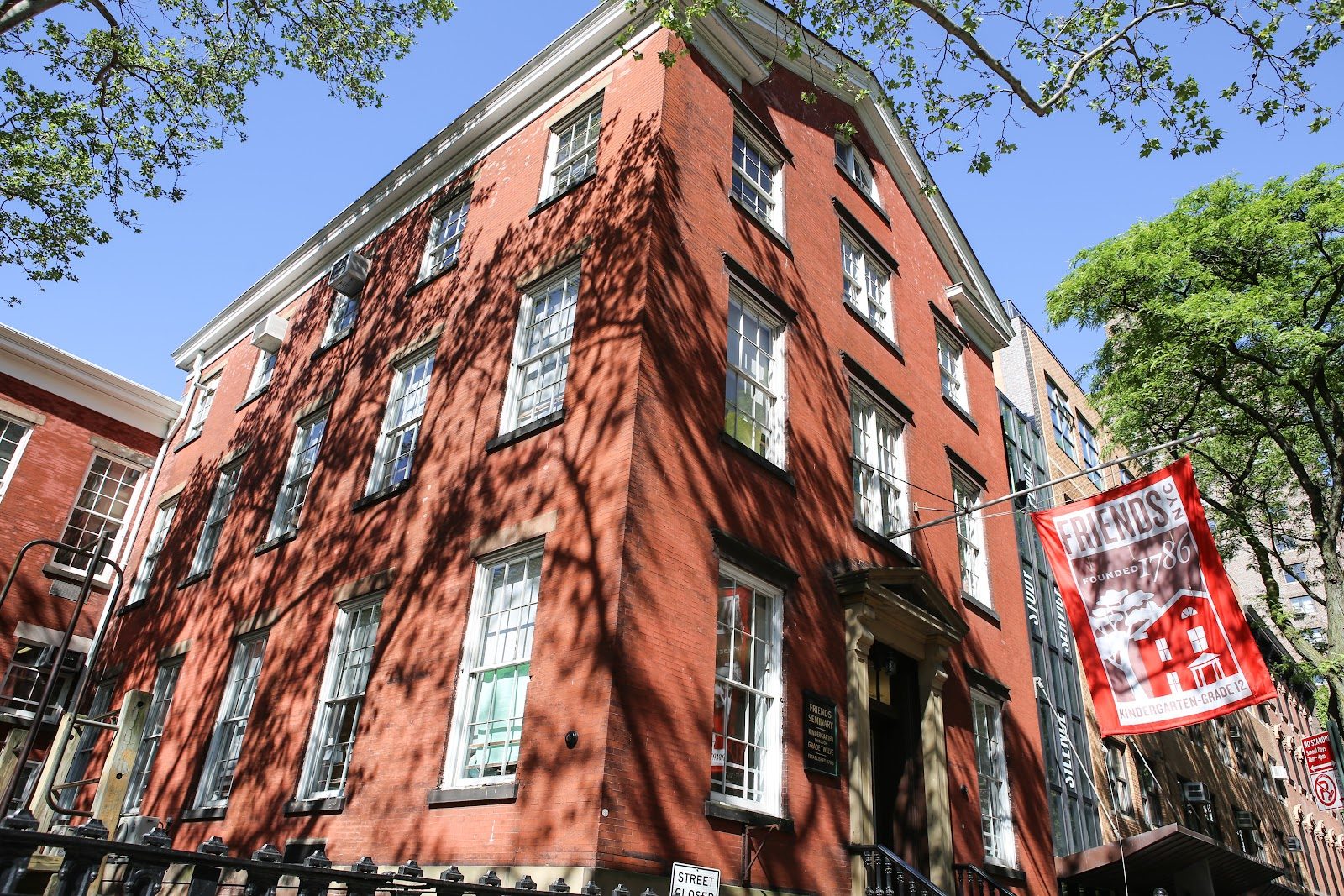
Friends Seminary
New York City · United States
Founded in 1786, the oldest coeducational school in New York City still teaches Quaker simplicity and peace amid Manhattan's bustle
The Buckley School
New York City · United States
On Manhattan's Upper East Side since 1913, a K-9 boys' school pairing classical rigor with mandatory public-speaking training for every student.
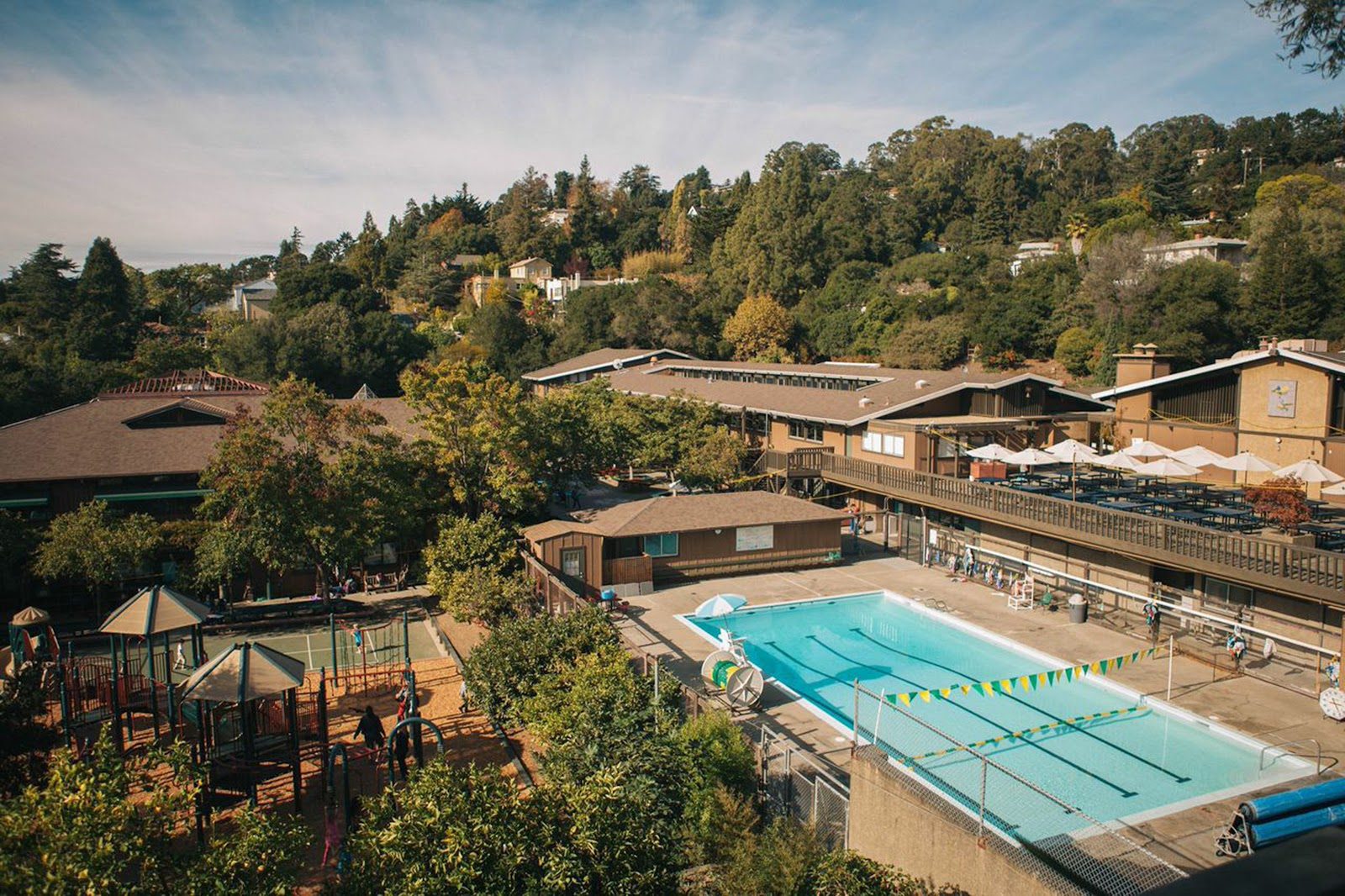
Head-Royce School
Oakland · United States
Since 1887 on a wooded Oakland hills campus, pairing rigorous scholarship with a decades-old public-school partnership that opens college doors for first-generation students
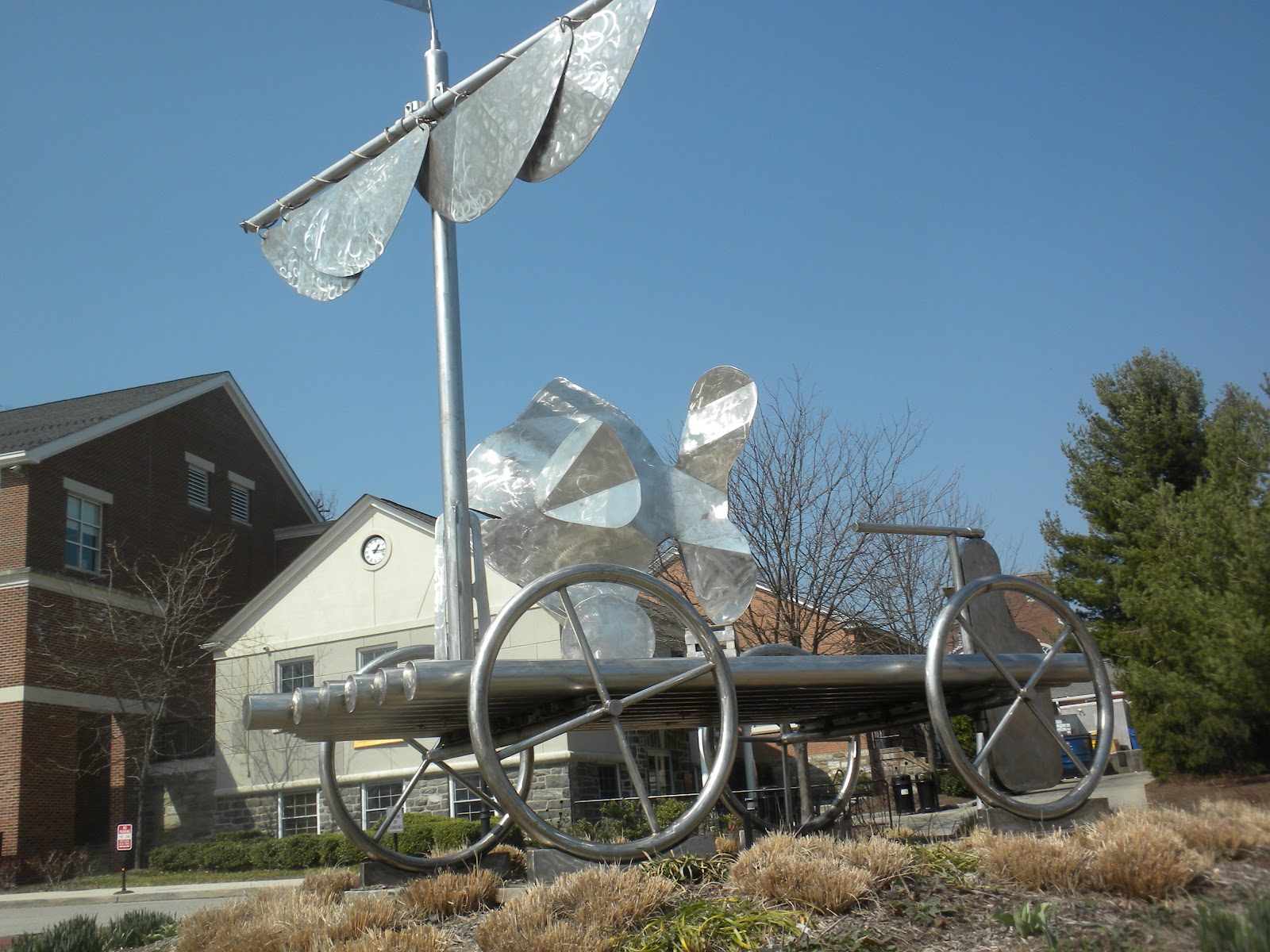
The Haverford School
Haverford · United States
Since 1884 on Philadelphia's storied Main Line, an all-boys campus balances rigorous academics with athletics and the arts.
Same country and curriculum — closest matches within ±10 points either way