
North Rhine-Westphalia
Bonn International School
medium confidence· 4/6 cats · 3 avg sourcesA full IB continuum on the Rhine, where Model United Nations debate echoes Bonn's own UN-city profile.
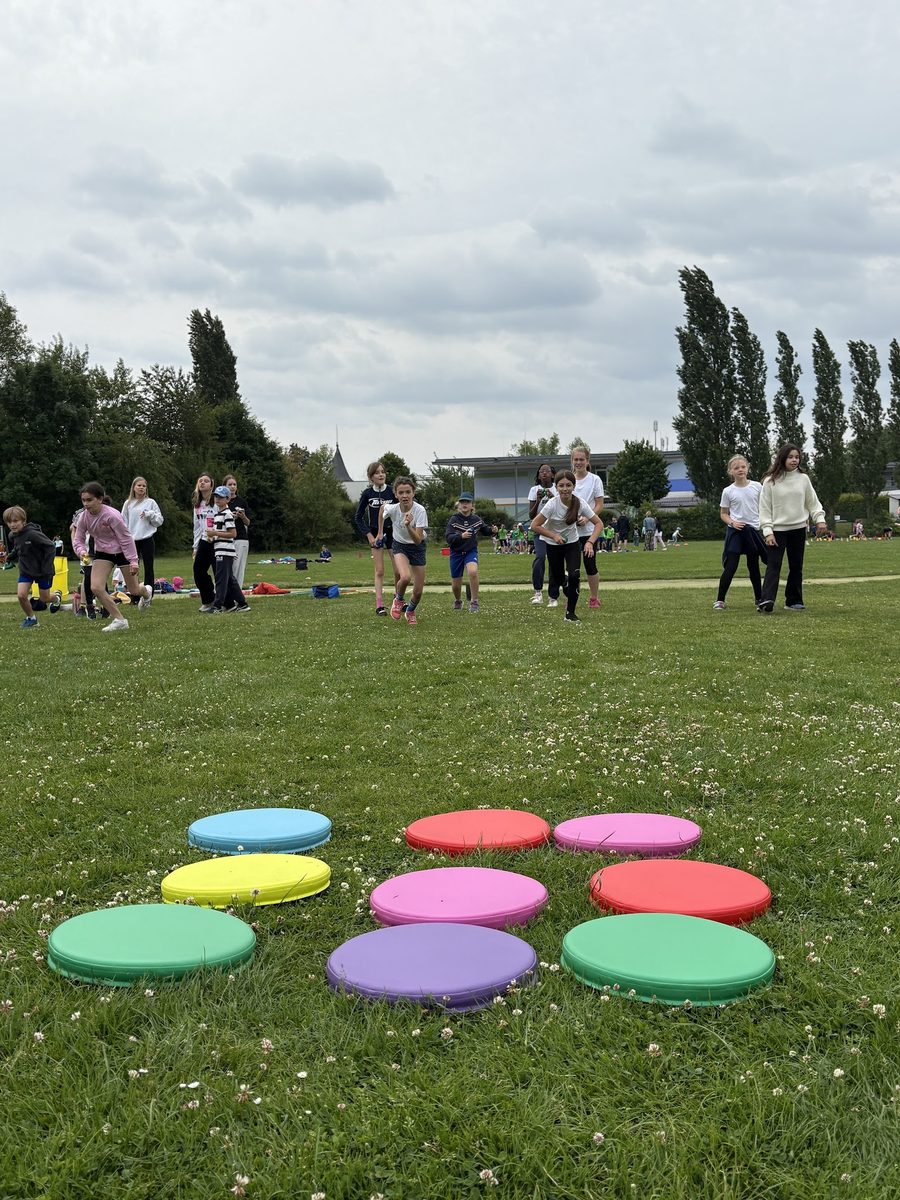
Photo © Bonn International School e.V. via Google Maps
Type
Day
Ages
3–18
Curriculum
IB
Ratio
—
The Verdict
Editor's commitment
Right for
Families wanting the full IB, ages 3–18, in English at a CIS-accredited, IB World School with 800 students from 80 countries.
Wrong for
Parents after a local German-school feel, religious ethos or boarding will clash with this secular Bonn day school of 800.
Watch out for
Recent destinations listed are modest — University of Sydney, UTS and Brussels School of Governance, one student each — so university outcomes lack depth.
Ranking breakdown
Bonn International School · #714 of 1591
Composite score 65.4. 8 weighted criteria.
By criterion
Academic Outcomes
Weight 20%
#855
of 1529 scored
University Placement
Weight 16%
#848
of 1529 scored
Prestige & Heritage
Weight 12%
#845
of 1571 scored
Alumni Network
Weight 12%
#532
of 1530 scored
Facilities
Weight 12%
#799
of 1534 scored
Transparency & Communications
Weight 8%
#910
of 1532 scored
Peer & Industry Review
Weight 10%
#791
of 1548 scored
Admissions Selectivity & Demand
Weight 8%
#647
of 1529 scored
Score history
Bonn International School · 2026
Movement across 2024–2026. Peer average overlaid.
Overall — 2024–2026
65.4/ 100
▲ +18.0 vs 2025
year on year
Peer & Industry Review
How Bonn International School is regarded in the sector
58
Credible · low confidence
Bonn International School is consistently listed in ISC Research and IB World School directories as an established IB continuum school serving Bonn's UN and diplomatic expat community, and it appears in expat-parent forums (e.g., InterNations Bonn threads, Toytown Germany expat forum) as a recommended option for international families. However, it lacks coverage in major independent rankings like Tatler, Good Schools Guide, or Sunday Times School Awards, and there is limited specialist education press commentary beyond directory listings, suggesting a solid regional reputation without broader peer benchmarking.
Evidence sources
Editors' overview
Bonn International School occupies a clear niche in the German market: a full English-medium IB school in Bonn, day-only, non-profit, and rooted in a city with an international public-service identity. That matters. Parents looking for continuity from the early years to graduation get the whole IB pathway in one place, without the churn of moving between schools or switching systems midstream. The student body is a serious international mix — 800 students from 80 countries — which gives the school real cosmopolitan weight rather than a token international label. In a city shaped by diplomacy and multilateral institutions, BIS has a natural fit with families who value global fluency, intellectual openness and a school culture that treats mobility as normal life rather than disruption.
What puts BIS on a shortlist is coherence. It is secular, English-speaking and built for internationally mobile families who want a recognisable academic framework and a peer group used to constant arrivals and departures. The non-profit structure also counts in its favour: parents can read that as a governance model with a public-service instinct rather than a luxury brand wrapper. This is not the school for families chasing old-world tradition, social cachet or a highly local German identity. It is for families who want an outward-facing education with UN-city energy, cross-border ease and a daily environment where children grow up with classmates from every continent. The recent destinations published are modest in scale — single students to the University of Sydney, University of Technology Sydney and Brussels School of Governance, each at 1 — so BIS is not selling itself through a parade of headline university placements. Parents need to value the educational experience as much as the exit list.
The strongest fit is the student who thrives in discussion-led classrooms, adapts quickly, and enjoys a community where difference is ordinary. This school will suit internationally minded children, third-culture kids, returnees from other overseas postings, and academically steady students who benefit from structure without wanting a narrow exam factory. It also suits families who want continuity without parochialism and a genuinely international peer group. It will suit less well a child who wants a deep local German immersion or a family whose priority is a large published record of elite university admissions. BIS’s appeal is more specific than that: a stable international runway for children growing up between countries, in a school whose setting and composition make that life make sense.
Academic Performance
BIS does not publish the data that would let parents judge academic strength with confidence. We have not seen average or median IB Diploma scores, subject point distributions, pass rates, bilingual diploma numbers, or a multi-year university destinations list with scale. That leaves a gap. In a market where serious IB schools use outcomes to prove academic depth, this level of opacity matters. It does not prove weak performance, but it does block any hard-nosed comparison with the stronger-known IB schools in Germany, Switzerland or the Netherlands. Parents therefore need to treat BIS less as an outcomes-led choice and more as a school chosen for fit, continuity and international community.
What can be said is narrower. A school of 800 students with the full age range on site has the critical mass to run a credible senior programme rather than a token sixth form, and an internationally mixed intake from 80 countries gives classroom discussion genuine breadth. That can serve the IB well, especially in humanities, languages and the reflective parts of the programme. It does not, on its own, establish top-tier academic firepower. Relative to peers, BIS sits in the opaque middle: substantial enough to be serious, international enough to suit mobile families, but without the published exam evidence that would place it among the clear academic frontrunners.
Facilities
The key facility advantage at Bonn International School is breadth across the age range rather than spectacle. For parents, that matters more than a signature atrium or a glossy sports hall. A full-through school needs specialist spaces that let children move from early-years classrooms into serious science, arts and senior study without the campus feeling stitched together in phases. BIS has the scale for that. What it does not advertise, at least in public, is the kind of arms-race campus language that top-fee schools use when they want facilities to do the selling. We have not seen a published roster of standout buildings, high-performance sports assets, theatre specifications, maker spaces, or specialist labs detailed to the level many peer schools now provide. That leaves the estate serviceable rather than showpiece in editorial terms.
Against peer IB schools in Germany and neighbouring markets, that puts BIS in a clear middle band. The strongest competitors publish far more about their campuses and use facilities as a competitive weapon: dedicated performing arts venues, extensive outdoor sports provision, design technology suites, and sixth-form spaces with visible academic identity. BIS does not make that case publicly. That does not mean the campus is thin; it means the school asks parents to trust the educational whole more than the physical plant. For families who prize substance over theatre, that will do. For those expecting premium hard-sell infrastructure at an international-school price point, BIS gives less visible reassurance than the sharper operators in this market.
The key facility advantage at Bonn International School is breadth across the age range rather than spectacle
Prestige
BIS carries solid local standing in its own lane, not elite cachet across the wider European independent-school market. The source of its reputation is clear: it serves an internationally mobile professional class in a city shaped by diplomacy and multilateral work, and it does that with unusual coherence. A student body drawn from 80 countries gives the school social credibility with families who care less about inherited prestige and more about whether their children will live among peers for whom cross-border life is normal. The non-profit structure also helps. It reads as institutional seriousness rather than luxury packaging, and that matters to parents who distrust schools built around status theatre.
The limit on prestige is just as clear. BIS does not publish the kind of outcomes data that turns a good international school into a recognised academic name. Nor does the published destinations list create much aura: the school names single students progressing to each institution, with no depth or pattern that signals a powerhouse university pipeline. So this is not a school whose name alone opens doors or carries the old-money sheen attached to the best-known Swiss or British brands. Its prestige is functional, not symbolic: strong among globally minded families in its immediate ecosystem, modest beyond it, and anchored more in fit and credibility than in hard academic or social prestige.
It also suits families who want continuity without parochialism and a genuinely international peer group
Communications
BIS communicates in the manner of a school that expects internationally mobile parents to need clarity fast. The public-facing information does the core job: identity, governance and student mix are easy to grasp, and the school does not bury basic institutional facts behind slogans. That matters more than glossy tone. For families arriving mid-posting or comparing options across countries, a clean read on what the school is, who runs it and whom it serves is a mark of operational competence. The board structure, with parent and staff representation, also points to a communication culture with more than one route upward when issues need escalation. A community with students from 80 countries and a total roll of 800 cannot function on vagueness alone.
The limit is depth. BIS does not publish enough hard academic data, and that weakens parent communication at the point where serious families need it most. If a school wants trust, it must disclose outcomes, trends and destination patterns with more substance than isolated leavers’ entries. On that front, BIS is underpowered. The same applies to facilities detail: parents get the outline, not the granular picture. So the verdict is mixed but clear. Day-to-day institutional messaging looks orderly, adult and fit for an international community; strategic communication to prospective parents is too opaque where evidence matters. That gap will frustrate the data-minded family and barely trouble those choosing on community fit.
Uniqueness
What sets BIS apart is not prestige theatre or a headline results machine. It is the match between school and setting. In a former capital with a durable international public-service ecosystem, BIS serves families whose lives are organised around embassies, NGOs, multinational employers and short- to medium-term postings. That gives the school a lived internationalism that many “global” schools only advertise. A child here does not just meet foreign classmates; they grow up in a community where relocation, re-entry and cultural translation are routine. The scale and mix matter: 80 nationalities inside one day school creates a high-trust multicultural norm rather than an expatriate bubble dominated by one passport group.
That brings real advantages for students. Socially, children learn to make friendships across accent, background and family circumstance without treating difference as novelty. Intellectually, discussion gains range because classmates bring distinct reference points from home and previous schools. The governance model adds another distinctive note: BIS is a non-profit with board participation from parents and faculty, which gives it a community-run seriousness absent from schools built as premium consumer brands. That structure does not guarantee excellence, and BIS still needs more academic transparency. But it does produce a school with a clear centre of gravity: *international continuity without glamour packaging*, and an education shaped by mobility, pluralism and civic-minded adulthood.
It does not, on its own, establish top-tier academic firepower
Student Profile
The children who fit best here are internationally mobile, socially adaptable and comfortable in a community where no single national culture dominates. With classmates drawn from 80 countries, BIS suits the child who makes friends fast, copes well with arrivals and departures, and does not need a settled local peer group to feel secure. Third-culture children, returnees from postings abroad, and students from families in diplomacy, NGOs or multinational work will find the social code familiar. So will thoughtful extroverts who enjoy discussion, negotiation and seeing the same issue from several angles. A child who is curious about other people’s habits, politics and assumptions will have material to work with every day. This is a high-mix, globally literate environment, and students who thrive on that variety will settle well.
The weaker fit is just as clear. A child who wants a rooted local identity, a socially uniform cohort, or the status signals of a grand old institution will not get much traction here. Nor is this the obvious choice for families who want a hard-driving, results-broadcasting culture with visible academic pecking order. The school’s non-profit, board-run structure gives it a more community-minded tone, which suits steady, open-minded students better than swaggering strivers. Parents choosing BIS need to value adaptability over prestige theatre and social fluency over brand polish.
What it does not advertise, at least in public, is the kind of arms-race campus language that top-fee schools use when they want facilities to do the selling
Co-curricular strengths
Arts & sport, on a separate axis
Overall 7.94/10
Scored 0-10 from the school's own published evidence. This axis is editorial-only — it does not feed the main WTS ranking.
Sports
8.5/10
Football, Basketball, Volleyball and Swimming as extracurriculars, showing a solid multi-sport offering.
Drama
8/10
Drama Productions, which indicates more than a bare listing of drama by evidencing recurring performance activity, though no theatre facility, department or specialist staff are named.
Dance
7/10
Music
8.2/10
School Choir, which is clear evidence of music provision.
Visual Arts
8/10
Visual Arts as an extracurricular, but provides.
Editor first-pass · editor-reviewable · 7/27/2026
Outcomes & destinations
Where students go next
Class of 2025
Top destinations
77 placements
- University of Sydney· 1
- University of Technology Sydney· 1
- Brussels School of Governance· 1
- KdG University of Applied Sciences & Arts· 1
- KU Leuven University· 1
- McGill University· 1
- McMaster University· 1
- University of Alberta· 1
- University of Calgary· 1
- University of Ottawa· 1
- University of Toronto· 1
- York University· 1
- University of Zagreb, School of Medicine· 1
- EDHEC Business School· 1
- CBS International Business School· 1
- European University of Cyprus, Frankfurt· 1
- Frankfurt School of Finance and Management· 1
- Karlruhe Institute of Technology· 1
- Technical University of Cologne· 1
- Technical University of Munich· 1
- Bocconi University· 1
- IED Istituto Europeo di Design· 1
- Erasmus University· 1
- Hague University of Applied Sciences· 1
- HAN University of Applied Sciences· 1
- NHL Stenden Hogeschool· 1
- Leiden University· 1
- Maastricht University· 1
- TU Eindhoven· 1
- University of Amsterdam· 1
- University of Groningen· 1
- University College Utrecht· 1
- Utrecht University· 1
- Vrije Universiteit Amsterdam· 1
- Charles III University of Madrid· 1
- IE University· 1
- UCAM Catholic University of Murcia· 1
- Universidad CEU San Pablo· 1
- Universidad de Navarra· 1
- ETH Zurich· 1
- Franklin University· 1
- Aston University· 1
- Bournemouth University· 1
- City, University of London· 1
- Coventry University· 1
- King’s College London· 1
- Loughborough University· 1
- Nottingham Trent University· 1
- Queen Mary University· 1
- Royal Holloway· 1
- University College London· 1
- University of Bristol· 1
- University of Edinburgh· 1
- University of Essex· 1
- University of Exeter· 1
- University of Leeds· 1
- University of Manchester· 1
- University of Nottingham· 1
- University of Oxford· 1
- University of Sheffield· 1
- University of Sussex· 1
- University of St Andrews· 1
- Elon University· 1
- Emerson College· 1
- Fordham University· 1
- George Washington University· 1
- Northeastern University· 1
- Pace University· 1
- Santa Clara University· 1
- SUNY University at Albany· 1
- University of Southern California· 1
- University of California, Berkeley· 1
- University of California, Irvine· 1
- University of California, Los Angeles· 1
- University of California, San Diego· 1
- University of Colorado Boulder· 1
- University of Vermont· 1
Reported by the school. Confirm with admissions.
Strengths
- +IB curriculum from ages 3 to 18
- +Around 800 students: broad peer group
- +Students from 80 countries
- +Non-profit school with trustee oversight
Considerations
- −Private school status usually means fees
- −Board includes parents and faculty
- −Around 800 students may feel less intimate
Availability
Primary entry gate & tests
Academic Record
Gallery
Photo © Bonn International School e.V. via Google Maps
Photo © Bonn International School e.V. via Google Maps
Photo © Bonn International School e.V. via Google Maps
Photo © Jürgen Wolf via Google Maps
Photo © Bonn International School e.V. via Google Maps
Photo © der Stuff via Google Maps
Photo © der Stuff via Google Maps
Photo © der Stuff via Google Maps
Photo © Bonn International School e.V. via Google Maps
Parent reviews
Have you sent your child here?
Voice reviews carry the strongest trust badge — we transcribe them for you to tidy up before they go live. Prefer to type? A written review is fine too.
Add your voice
In 60 seconds, tell other parents: what's the best thing about Bonn International School, and what surprised you when your child joined?
We ask for a Google sign-in so every review has a real face behind it — no anonymous drive-by attacks on schools, and no faked positive reviews. Your email is never shown publicly.
Send this profile to a friend
International parents rely on word-of-mouth. Share this review with someone weighing the same decision.
Schools with places
Similar schools to Bonn International School with places available now.
Availability first, then country, area, curriculum, price, co-curricular
Consider also
Also worth looking at alongside Bonn International School.
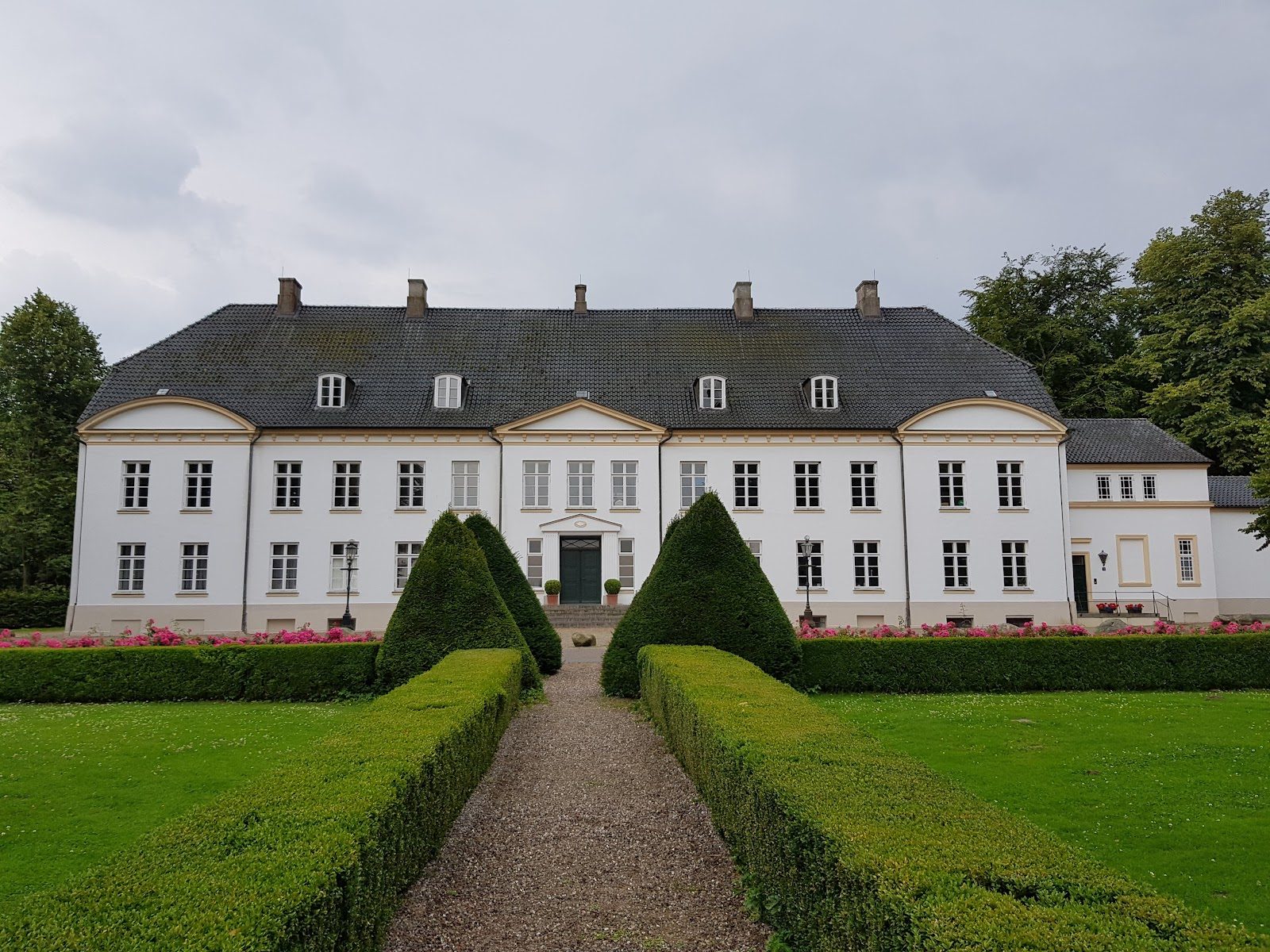
Stiftung Louisenlund
Güby · Germany
A fjord-side castle campus built on Kurt Hahn's ethos pairs IB rigor with a sailing harbour that breeds national champions.

International School of Hamburg
Hamburg · Germany
Germany's first international school since 1957, still the only CIS-accredited IB continuum campus in the port city of Hamburg.
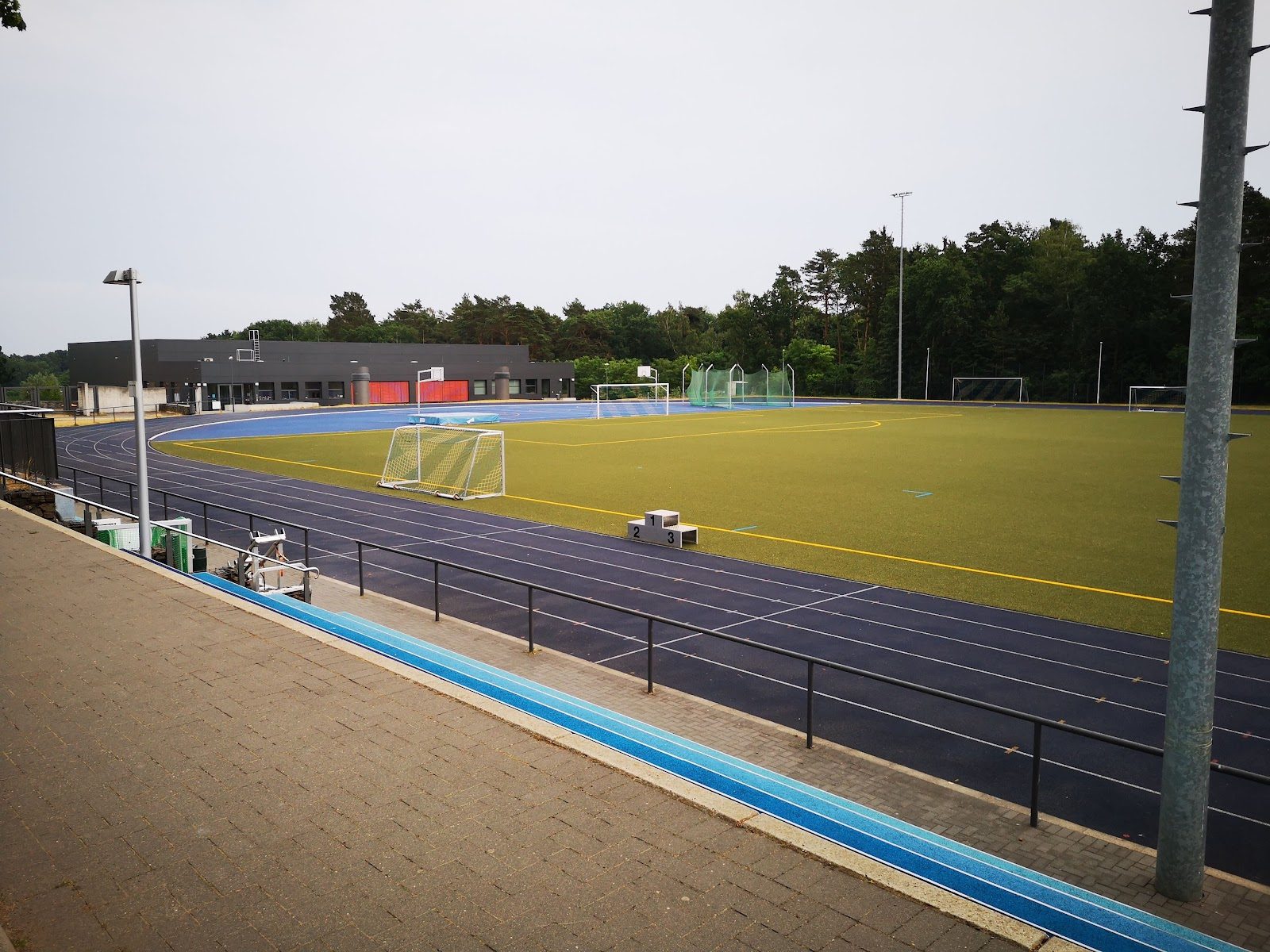
Berlin Brandenburg International School
Kleinmachnow · Germany
Set on a forested campus between Berlin and Potsdam, this day school runs the full IB continuum for students from 60-plus nations.
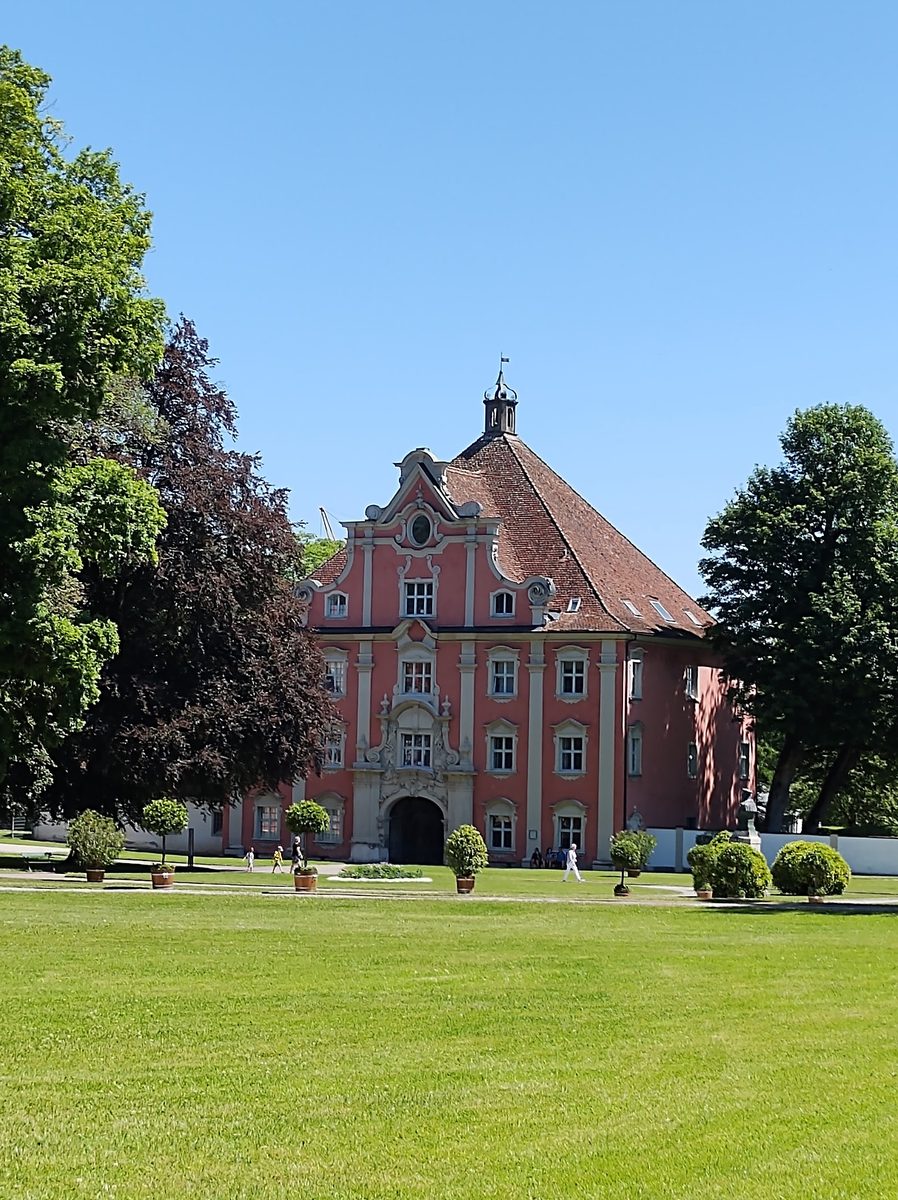
Schule Schloss Salem
Salem · Germany
Kurt Hahn's founding creed of head, heart and hand still means mandatory fire-brigade duty inside a former Cistercian monastery on Lake Constance.
Same country and curriculum — closest matches within ±10 points either way