
Texas
A Dallas ISD magnet in Oak Cliff pairs a 12-course AP mandate with interim electives like glass blowing and ballroom dance.
Type
Day
Ages
14–18
Curriculum
American · AP
Ratio
—
The Verdict
Editor's commitment
Right for
High-attaining 14–18-year-olds who want a Dallas ISD magnet with an American curriculum and a compulsory 12-course AP load.
Wrong for
Families wanting a softer sixth-form analogue, boarding, or a broad co-curricular identity beyond AP, liberal arts and intensive teaching.
Watch out for
This Oak Cliff day school trades breadth for academic pressure; its reputation rests on old #1 rankings, not published current outcome data.
Ranking breakdown
School for the Talented and Gifted · #162 of 1591
Composite score 75.4. 8 weighted criteria.
By criterion
Academic Outcomes
Weight 20%
#92
of 1529 scored
University Placement
Weight 16%
#136
of 1529 scored
Prestige & Heritage
Weight 12%
#537
of 1571 scored
Alumni Network
Weight 12%
#338
of 1530 scored
Facilities
Weight 12%
#933
of 1533 scored
Transparency & Communications
Weight 8%
#117
of 1532 scored
Peer & Industry Review
Weight 10%
#335
of 1548 scored
Admissions Selectivity & Demand
Weight 8%
#93
of 1529 scored
Score history
School for the Talented and Gifted · 2026
Movement across 2024–2026. Peer average overlaid.
Overall — 2024–2026
75.4/ 100
▲ +20.3 vs 2025
year on year
Peer & Industry Review
How School for the Talented and Gifted is regarded in the sector
90
Top-tier · high confidence
School for the Talented and Gifted (TAG) in Dallas is consistently ranked #1 among U.S. public high schools by U.S. News & World Report's Best High Schools rankings and Niche.com, based on independent metrics like AP participation, graduation rates, and college readiness. It is frequently cited in national education press (e.g., Business Insider, Newsweek) as a top magnet school, with a strong track record of Ivy League and elite college admissions reinforcing peer and specialist recognition.
Evidence sources
Editors' overview
School for the Talented and Gifted, known as TAG, occupies a rare niche in American public education: a no-fee, academically ferocious magnet school inside Dallas ISD. Founded in 1982, it serves ages 14–18 at the Townview Magnet Center in Oak Cliff and runs an American curriculum with a heavy AP spine. The defining fact is not branding but structure: students face a 12-course AP requirement, a workload that puts TAG in a different category from mainstream college-prep schools. This is a place for families who want intellectual pressure, serious academic range and a public-school route that still delivers a high-stakes scholarly culture.
What puts TAG on a shortlist is the combination of rigour, reputation and oddity. It has a long record of national attention, with top public-high-school rankings from Newsweek and U.S. News across multiple years; that record matters because it reflects sustained performance, not a single spike. Yet TAG is not a one-note exam factory. Its appeal rests in the contrast between an intensive liberal-arts and AP core and the interim electives that have included glass blowing and ballroom dance. That mix gives the school a refreshingly unvarnished academic identity: hard study first, enrichment second, with enough eccentric breadth to stop the place becoming sterile.
The right student for TAG is not just bright, but restless, competitive and resilient. A teenager who enjoys reading, writing, seminar discussion and advanced coursework will thrive here. A student who needs hand-holding, broad athletic prestige or a gentler pace will not. TAG suits adolescents who want peers that push them, teachers who expect more, and a school day built around sustained intellectual strain rather than comfort. In the Dallas market, that makes it one of the clearest options for families chasing elite academic company without private-school fees. For the right child, TAG offers a bracing, exacting education with public access and a national track record.
Academic Performance
Externally, TAG sits in the top tier of American public schooling. The clearest public signal is not a single exam table but a run of national recognition from two mainstream US outlets: Newsweek placed it at the top of the public-high-school list in 4 separate years, and U.S. News & World Report did the same in 5 consecutive editions. Those rankings are imperfect and methodology-heavy, but a pattern across multiple years carries weight. It marks a school that converts selective intake and demanding teaching into outcomes strong enough to stand above ordinary magnet and district competition. In plain terms, TAG belongs with the country’s academic heavyweights.
What is missing is the data serious parents now expect. The school does not publish aggregate AP score distributions, mean scores, pass rates, SAT or ACT profiles, or university matriculation breakdowns in the public domain cited here. That limits fine-grained comparison with exam-transparent independents and magnets that disclose score bands in detail. Even so, the combination of a punishing advanced-course load and repeated national first-place recognition leaves little doubt about the level: this is a results-driven, high-pressure school whose strongest peers are elite public magnets and the most selective college-prep schools, not the average comprehensive.
Facilities
Facilities are not TAG’s selling point, and that is the point. The school sits within the Yvonne A. Ewell Townview Magnet Center, so pupils use a shared public-campus infrastructure rather than a bespoke, lavish plant built to impress visiting parents. That places it behind top-fee independents on theatre, athletics and architectural spectacle. Families expecting a swimming complex, elite rowing provision or a manicured boarding-school aesthetic will find none of that here. What matters instead is access to the rooms and resources that sustain a hard-driving academic culture inside a multi-school magnet environment: standard teaching spaces, specialist classrooms and the practical capacity to run an intensive upper-school programme without frills.
The most distinctive facilities clue comes from the school’s interim electives, which have included glass blowing and ballroom dance. That points to access beyond bare academic classrooms and gives the campus more range than the austere stereotype of a test-prep magnet. Still, this is not an arts conservatoire with purpose-built showcase studios, nor a sports-first American high school with stadium-centred identity. Against peer public magnets, the provision reads as fit for purpose and more varied than the stripped-back minimum. Against wealthy independents, it reads as plain, shared and unapologetically functional. Parents choosing TAG are buying intellectual company and academic pressure, not campus luxury.
It has a long record of national attention, with top public-high-school rankings from Newsweek and U.S
Prestige
Prestige here rests on two things: selectivity by mission and a record of national validation that very few American public schools can match. TAG is not merely a strong district school; it sits in the tiny group of magnets that entered the national conversation as benchmarks for academic seriousness. The standout fact is the run of top-place finishes from major US rankings: 4 first-place Newsweek listings and 5 consecutive first-place U.S. News listings. Rankings have flaws, but repeated first place across different editorial franchises signals more than publicity. It marks a school with rare academic clout, national name recognition and a reputation that travels well beyond its local catchment.
That prestige has limits, and they matter. TAG does not carry the social-cachet machinery of an old East Coast boarding school or a fee-charging independent with a global alumni network. Its status comes from intellectual reputation, not polish, wealth or institutional theatre. For the families who care about scholarship, peer quality and university-facing rigour, that is a serious badge of honour. For families chasing luxury facilities, donor culture or old-money networking, it is not. We rate the prestige highly because the school commands respect where it counts most in education: demanding academics, sustained external recognition and a formidable public-sector identity that few schools in the United States can equal.
Externally, TAG sits in the top tier of American public schooling
Communications
Parent communication reads as functional rather than polished. TAG sits inside a district magnet structure, so families should expect the habits of a public system: practical notices, calendar management, admissions and programme information, and less of the concierge tone common in expensive independents. That suits the school’s ethos. A place built around an AP load of 12 courses has little reason to spend energy on lifestyle packaging. The key test is clarity, and TAG passes it when it spells out the academic deal plainly: this is a demanding school, the workload is serious, and families know the culture rewards self-management rather than hand-holding.
Where communication falls short is depth. The school’s public-facing information does not disclose the outcome data many exacting parents want, including aggregate AP performance, standardised-test profiles and detailed university destinations. That is a real weakness, not a trivial omission, because schools with strong records should publish them cleanly. The national accolades and the school’s long-standing reputation give parents a broad measure of confidence, but confidence is not the same as transparency. So the verdict is mixed: day-to-day communication looks serviceable and direct, the academic message is bracingly clear, but institutional disclosure is thinner than it should be for a school with this level of standing.
Uniqueness
TAG’s defining oddity is that it combines public access with a level of academic force that many fee-charging schools never impose. The standout mechanism is the 12-course AP requirement: not optional stretching for the keen few, but a structural demand that sets the pace for everyone. That creates a student body shaped by pressure, stamina and intellectual competitiveness from the outset. Add the school’s liberal-arts bent and intensive teaching style, and the result is not the broad, socially balanced American high-school experience sold in television shorthand. It is a high-strain, bookish enclave inside a district system, built for teenagers who want argument, reading, writing and advanced classes to dominate the week.
What saves TAG from becoming a sterile hothouse is the eccentricity at the edges. Interim electives such as glass blowing and ballroom dance cut against the school’s punishing reputation and give students sanctioned space for play, craft and novelty. That contrast is the school’s real signature. Many selective schools can deliver strong peers and heavy workloads; fewer hold onto any sense of intellectual curiosity outside the standard prestige subjects. For students, that brings two gains. First, they learn to handle sustained academic load without the illusion that excellence must be joyless. Second, they join a culture where seriousness is normal rather than performative. TAG is not for the faint-hearted, but it is more human than the stereotype of a top-ranked exam machine.
That places it behind top-fee independents on theatre, athletics and architectural spectacle
Student Profile
The students who fit TAG are the ones who treat schoolwork as fuel rather than burden. This is a home for teenagers with strong verbal range, fast processing, and the stamina to carry an advanced timetable without constant supervision. They need to enjoy reading, writing, discussion and argument, because the school’s liberal-arts bent rewards students who can think on paper and hold their ground in class. The social centre of gravity is academic. A child who wants to be surrounded by peers who care about marks, ideas and university ambitions will find that normal here. A child who wants school to feel easy, low-stakes or socially relaxed will not. The mandatory 12-course AP load tells families everything they need to know: this is a high-pressure, self-propelled, seriously competitive student body.
Fit also depends on temperament. The strongest match is not a narrow grind-machine but an intellectually hungry pupil who can tolerate pressure without becoming brittle. The oddball interim options matter because they hint at a student culture with room for curiosity beyond the standard prestige track. That suits adolescents who are intense in class but still want some outlet for play, craft or eccentric interests. TAG does not suit teenagers who need heavy pastoral cushioning, a big-sport identity or status display. It suits the bookish, restless, thick-skinned child who wants sharp classmates, tough teachers and a school culture where working hard is ordinary rather than embarrassing.
The most distinctive facilities clue comes from the school’s interim electives, which have included glass blowing and ballroom dance
Co-curricular strengths
Arts & sport, on a separate axis
Overall 4.9/10
Scored 0-10 from the school's own published evidence. This axis is editorial-only — it does not feed the main WTS ranking.
Sports
5/10
Drama
5/10
Dance
4/10
Music
5/10
Visual Arts
5.5/10
Editor first-pass · editor-reviewable · 7/28/2026

WTS 300 badge
2025/26 editionSchool for the Talented and Gifted is one of the World's Top 300 Schools for 2025/26. Claim your listing to add it to your site →
Strengths
- +Ranked the #1 high school in Texas and #8 nationally in the U.S. News and World Report rankings, according to the school's own admissions page
- +Named a National Blue Ribbon School in 2022, one of only 31 Texas schools out of 297 nationwide to receive the designation that year
- +Follows the state's Distinguished Achievement Program and offers 30 AP courses, with 12 required for graduation, giving a genuinely broad advanced curriculum
- +Reports 100% proficiency on every STAAR End-of-Course exam for four consecutive years and a 100% graduation rate with a 0% dropout rate
- +As a Dallas ISD public magnet school it charges no tuition, unlike most private day schools of comparable academic reputation
Considerations
- −Admission gives strict priority to Dallas ISD residents, and no out-of-district students have been admitted for the past four years
- −Families planning to relocate to Dallas cannot apply as in-district students in advance; a student must already live within DISD boundaries at the time of application
- −A small school of about 550 students that shares its Townview campus building with five other magnet high schools, limiting dedicated facilities
- −Entry requires meeting minimum test percentile and GPA thresholds (broadly a 70th percentile score and an 80% grade average) followed by a competitive on-campus assessment
Availability
Primary entry gate & tests
DISD Magnet Assessment (Dallas Res)
Parent reviews
Have you sent your child here?
Voice reviews carry the strongest trust badge — we transcribe them for you to tidy up before they go live. Prefer to type? A written review is fine too.
Add your voice
In 60 seconds, tell other parents: what's the best thing about School for the Talented and Gifted, and what surprised you when your child joined?
We ask for a Google sign-in so every review has a real face behind it — no anonymous drive-by attacks on schools, and no faked positive reviews. Your email is never shown publicly.
Send this profile to a friend
International parents rely on word-of-mouth. Share this review with someone weighing the same decision.
Schools with places
Similar schools to School for the Talented and Gifted with places available now.
Availability first, then country, area, curriculum, price, co-curricular
Consider also
Also worth looking at alongside School for the Talented and Gifted.

Brunswick School
Greenwich · United States
An all-boys Greenwich day school since 1902, building character alongside a coeducational bond with Greenwich Academy.
Nightingale-Bamford School
New York City · United States
On a quiet Carnegie Hill block, a century-old liberal-arts curriculum sends ninth graders to London to fuse literature, history, science and art into one capstone journey.
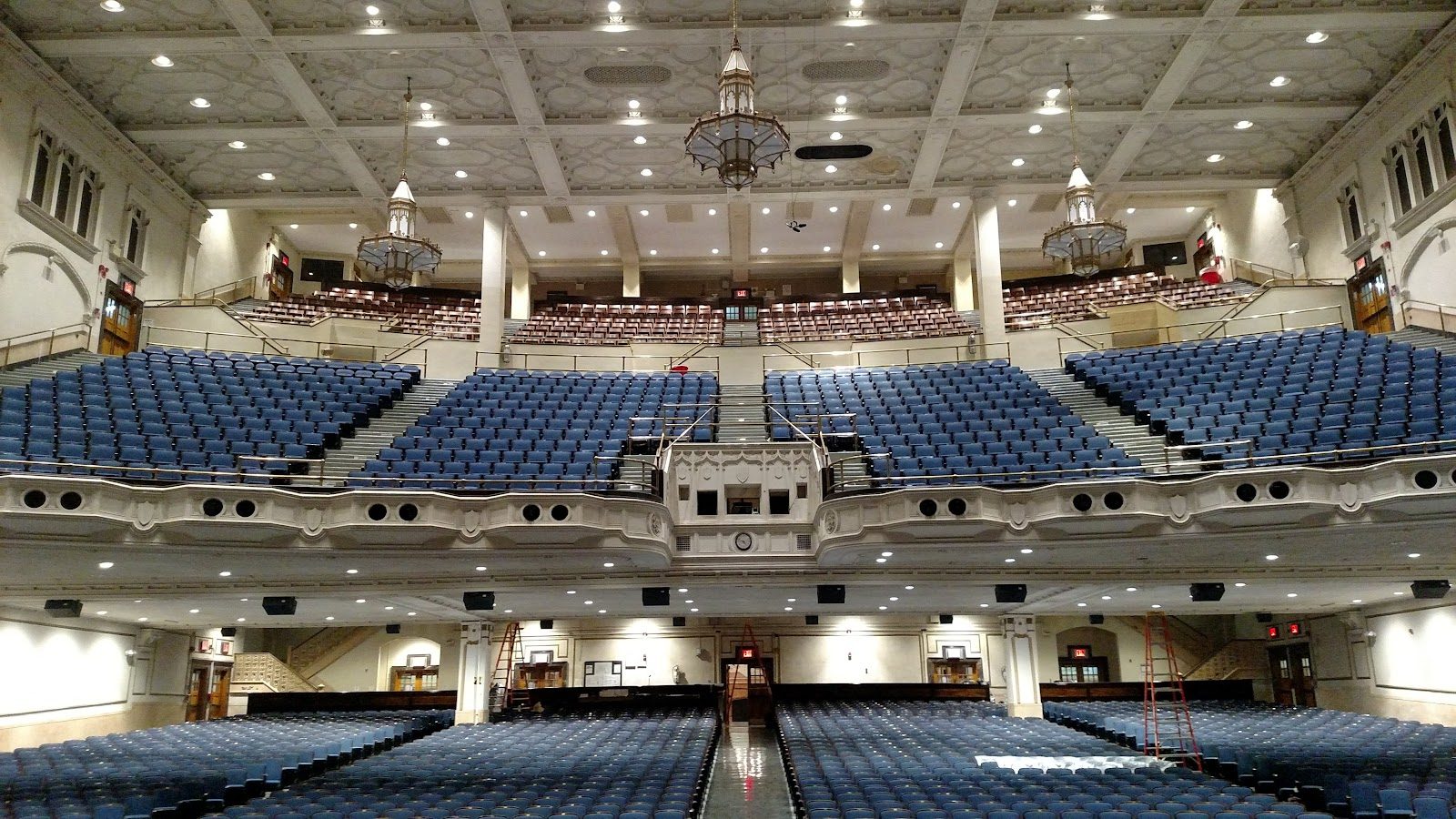
Brooklyn Technical High School
Brooklyn · United States
In Fort Greene, sophomores choose among 18 STEM majors inside the nation's largest single-campus high school.
Convent of the Sacred Heart (NYC)
New York City · United States
Since 1881, New York's oldest girls' school has taught inside two landmarked Fifth Avenue mansions.
Same country and curriculum — closest matches within ±10 points either way