
London
Founded in 1741 in Dulwich, this all-through day school built one of Britain's first school science labs and still leads in STEM.
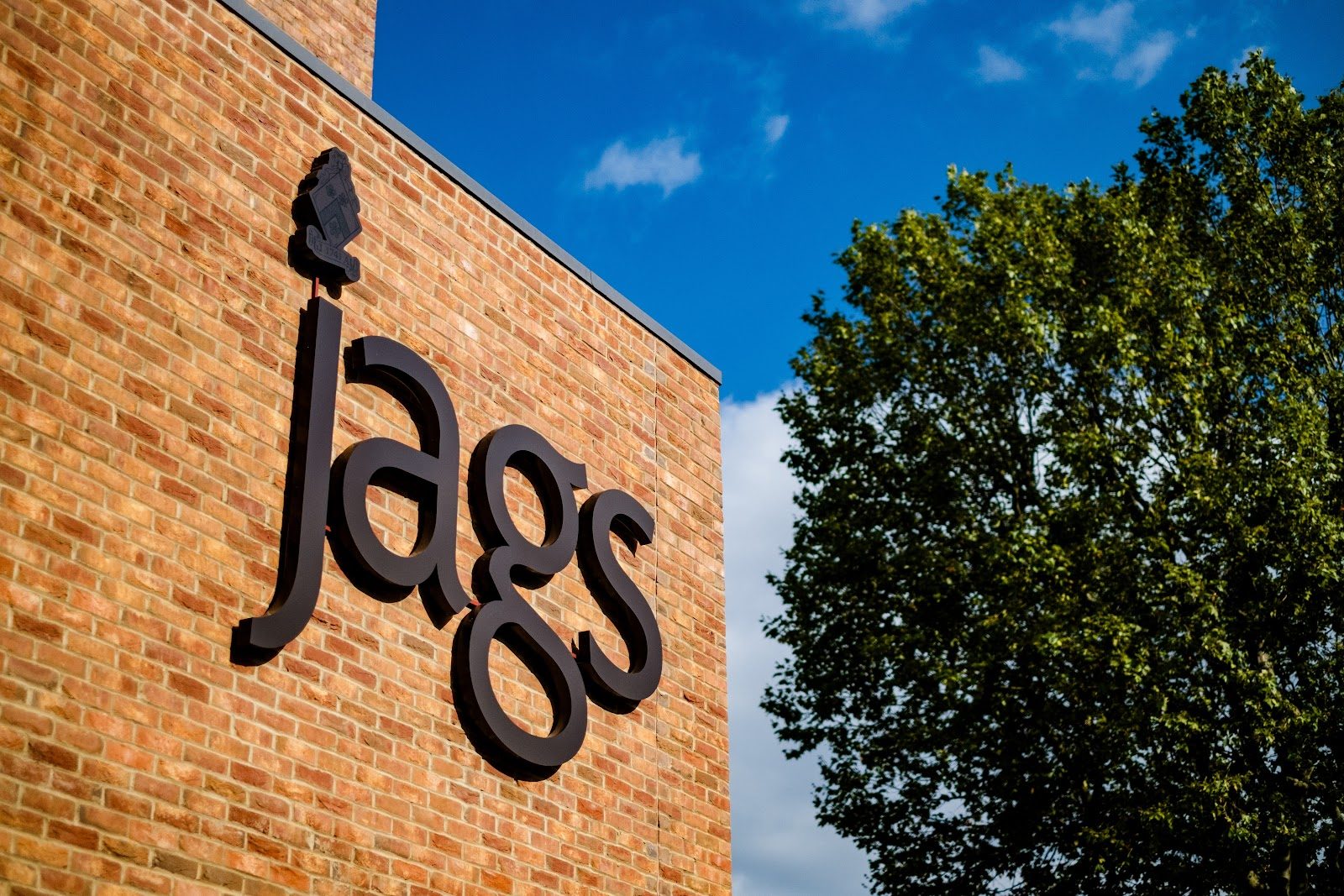
Photo © James Allen's Girls' School via Google Maps
Type
Day
Ages
4–18
Curriculum
British
Qualifications
A-Level · IGCSE
Ratio
—
The Verdict
Editor's commitment
Right for
Girls aged 4–18 who want a serious English-medium British day school in Dulwich, with 1741 pedigree and a documented STEM tradition.
Wrong for
Families wanting boarding, co-education, religious formation or a non-British pathway; JAGS is a non-religious girls' day school with ISI and GSA badges.
Watch out for
Private London day-school fees buy history: founded in 1741, second-oldest girls' independent in Great Britain, but prestige never substitutes for published outcomes.
Ranking breakdown
James Allen's Girls' School · #164 of 1591
Composite score 75.4. 8 weighted criteria.
By criterion
Academic Outcomes
Weight 20%
#182
of 1529 scored
University Placement
Weight 16%
#219
of 1529 scored
Prestige & Heritage
Weight 12%
#255
of 1571 scored
Alumni Network
Weight 12%
#155
of 1530 scored
Facilities
Weight 12%
#478
of 1534 scored
Transparency & Communications
Weight 8%
#288
of 1532 scored
Peer & Industry Review
Weight 10%
#322
of 1548 scored
Admissions Selectivity & Demand
Weight 8%
#180
of 1529 scored
Score history
James Allen's Girls' School · 2026
Movement across 2024–2026. Peer average overlaid.
Overall — 2024–2026
75.4/ 100
▲ +16.3 vs 2025
year on year
Peer & Industry Review
How James Allen's Girls' School is regarded in the sector
88
Strong · high confidence
James Allen's Girls' School occupies genuine top-tier standing among London's academically selective girls' day schools, a status reinforced by the Sunday Times naming it London Independent School of the Year in its 2024 Parent Power guide for the "energy and innovation embedded throughout all areas of school life." WhichSchoolAdvisor's review highlights how JAGS "combines academic excellence, exceptional co-curricular breadth, and a strong culture of inclusion and pastoral care," while the Good Schools Guide is unequivocal in calling it "the gold standard of schools." Independent inspection in 2024 confirmed excellence across the board, and results place it consistently in the elite national tier at GCSE and A-level. The main caveat, echoed across reviewers, is the fierce competitiveness of entry and the high-pressure "hothouse" reputation that suits some pupils better than others.
Editors' overview
James Allen’s Girls’ School sits in a rare bracket: a London girls’ day school with real historical weight and no need to trade on nostalgia. Founded in 1741, JAGS is one of Britain’s oldest girls’ schools, and that matters less as a marketing line than as evidence of institutional depth. Schools that have lasted this long tend to know exactly what they are. Here, the proposition is clear: an academically serious British education for girls aged 4–18, delivered in English, in Dulwich, without religious framing and without boarding. The school’s long association with intellectual ambition still carries force; this is not a place built around polish and social ease alone, but around scholarly confidence, hard academic edges and a culture that expects girls to think for themselves.
What puts JAGS on a shortlist is the combination of age, reputation and breadth. It has the scale and continuity of an all-through school, which gives families a coherent educational arc from early years to sixth form rather than a sequence of tactical moves. Its historic claim to scientific seriousness still sharpens its market position: the editorial line that it built one of Britain’s first school science labs is not a decorative fact, but a clue to the school’s identity. JAGS stands in the crowded London independent market as a girls’ school with intellectual seriousness, strong STEM credentials and enough cultural capital to avoid becoming one-dimensional. The alumni footprint supports that reading: 30 notable alumni catalogued in Wikidata, including 8 scientists and scholars and 11 writers and journalists. That pattern points to a school that produces women of substance, not only polished university applicants.
The right student for JAGS is bright, self-directed and comfortable in a high-expectation environment. She does not need hand-holding or constant affirmation; she wants stretch, good teaching and peers who take work seriously. Girls who enjoy ideas, argument, reading, mathematics, science or the disciplined practice behind music, drama and writing will find fertile ground here. Girls who want a softer, more sheltered atmosphere may prefer a school with less academic pressure. JAGS suits families who value earned distinction, serious scholarship and quiet ambition over flash. In a market full of schools selling confidence, JAGS offers something better: the conditions to build it on substance.
Academic Performance
JAGS has long sat in the top academic tier of London girls’ day schools, but the public case needs sharper proof than reputation alone. We have not seen current school-published headline examination tables in the sources here, and that matters. For a school with this level of academic ambition, families should expect clean, prominent disclosure of recent GCSE and A-level outcomes, plus destination data with enough detail to judge depth rather than polish. Without that, any assessment rests more on market standing and selectivity than on hard public numbers. That still places JAGS among the serious operators in its segment, but it also leaves a gap where transparent benchmarking should sit.
Relative to peers, the school belongs in the group of academically selective London independents where strong exam performance is the baseline, not the differentiator. The real question is not whether pupils do well, but how far results push into the elite end of that field: heavy proportions of top grades, strength across both sciences and humanities, and consistency across year groups. JAGS’s intellectual reputation and alumni profile point to a school that delivers high-octane academic preparation. The missing piece is published, current performance data that lets parents test that claim against direct competitors such as the strongest girls’ day schools in the capital.
Facilities
Facilities are the one area where JAGS needs clearer public disclosure. The school has real historic cachet in science, and that legacy matters only if the present-day laboratories, specialist teaching rooms and technical provision match the school’s academic ambitions. We have not seen a published facilities overview detailed enough to judge the current estate in the way parents can for some direct competitors. That leaves a gap. In this segment of the London market, strong schools do not get credit for old reputation alone; they need hard-edged, up-to-date science space, serious computing provision, high-quality libraries, and arts facilities that support disciplined practice rather than brochure photography. JAGS merits attention because science has long sat near the centre of its identity, but the school does not publish enough to let families test whether that advantage still stands at the top end of the field.
Against peer schools, that opacity matters more than any polished claim. The best-resourced London girls’ day schools now offer competition-grade STEM environments, polished performing arts spaces and sports provision that supports both participation and elite training. JAGS belongs in that comparison set, but parents need direct answers on laboratories, indoor sports space, outdoor pitches, music rooms, theatre provision and design or technology workshops. Without that, the facilities case rests on institutional standing rather than evidence. For an academically ambitious school with an all-through age range, the standard should be full transparency, not inference.
JAGS has long sat in the top academic tier of London girls’ day schools, but the public case needs sharper proof than reputation alone
Prestige
JAGS carries real prestige in the British independent sector, and not the flimsy kind built on branding alone. Its standing rests on three durable things: long institutional memory, a place in the upper ranks of London girls’ education, and an alumni record with genuine intellectual weight. The verified alumni floor matters here. 30 notable former pupils catalogued in Wikidata, including 8 scientists and scholars and 11 writers and journalists, points to a school whose influence extends beyond polished school-leaver outcomes into public, academic and cultural life. That is a stronger prestige marker than glossy destination lists. It tells parents that the school has produced women who matter in demanding fields, not only girls who passed through a selective system on their way to good universities.
This is not the showiest name in the London market, and that works in its favour. JAGS has a reputation for serious minds, disciplined scholarship and substance over social theatre. The prestige here is earned rather than decorative: strong enough to carry weight with universities, employers and informed London families, but not so inflated that the school can coast on aura. That balance is why it rates highly. Some rival schools trade more heavily on cachet, networking or metropolitan gloss; JAGS’s authority comes from academic credibility and a durable record of producing capable, accomplished women. In a crowded field, that is the more convincing form of status.
In the best girls’ schools, ambition stops being a social risk and becomes normal daily practice
Communications
Parent communication is one of the areas where JAGS leaves too much to assumption. For a school of this stature, families need a clear public view of how information flows: who leads communications, how parents receive routine updates, how urgent notices are handled, and how the school distinguishes day-to-day administration from educational reporting. That architecture is not laid out with enough precision in the public domain. The result is a curiously opaque picture. Parents can infer that communication is organised and frequent, because a school running an all-through operation for girls aged 4–18 has no choice, but inference is not the same thing as proof. A school that expects high trust from families needs crisp systems and visible standards.
That said, the likely pattern of communication is easy to read from the school’s wider character: this is not a place built around hand-holding, endless reassurance or consumer-style over-explaining. Families drawn to JAGS will tolerate a brisk, adult tone if messages are accurate, timely and well organised. The question is whether the school matches that culture with enough transparency. We have not seen a strong enough public communications framework to call this an area of distinction. Nor have we seen evidence of disorder. The verdict sits in the middle: competent rather than exemplary, with room for sharper disclosure on channels, response expectations and the cadence of academic reporting.
Uniqueness
What marks JAGS out is not age alone but continuity of purpose. Plenty of old schools trade on heritage; fewer have a long record of educating girls at a high intellectual level and keeping scholarship near the centre of the enterprise. The school’s distinction sits in that combination of historic seriousness, female academic ambition and a culture that treats science, writing and argument as core work rather than enrichment. The alumni floor reinforces the point: 30 notable former pupils already catalogued, with heavy representation in scholarship, journalism and the arts. That pattern gives the school a clear intellectual signature. It does not produce one narrow type of success; it produces women who can think, write, research, analyse and hold their ground in public.
For students, that brings two advantages. First, an all-through girls’ setting allows confidence to grow without boys dominating classroom airtime, leadership positions or STEM identity at the exact stages when many schools lose female participation. Second, the school’s longstanding academic culture gives able pupils licence to be openly clever without apology. That matters. In the best girls’ schools, ambition stops being a social risk and becomes normal daily practice. JAGS fits that tradition. The payoff is not only strong university preparation but the formation of pupils with intellectual self-possession, disciplined habits and a stronger sense that serious work belongs to them.
James Allen’s Girls’ School sits in a rare bracket: a London girls’ day school with real historical weight and no need to trade on nostalgia
Student Profile
The girls who thrive here are bright, purposeful and happy to work without constant prompting. JAGS suits students who like being stretched in class, who read beyond the minimum, and who do not treat effort as a social embarrassment. The atmosphere rewards girls who can cope with pace, absorb criticism and recover quickly when work gets hard. This is a strong fit for pupils with a serious academic engine, a taste for disciplined competition and enough self-command to manage a busy school life without drama. It also suits girls whose interests cut across fields: the school’s verified alumni footprint, with 8 scientists and scholars alongside 11 writers and journalists, points to a culture that has room for both analytical and verbal strength.
The weaker fit is easy to identify. Girls who need heavy emotional scaffolding, frequent praise or a softer classroom culture will find the standard exacting. So will students who want status without substance. JAGS works best for the quietly formidable: able girls who do not need to dominate a room to hold their ground, and who are comfortable among equally capable peers. Ambition helps, but so does resilience, intellectual curiosity and a willingness to be measured against high expectations every day. The social tone matters too. This is not a school for performative cleverness or effortless coasting; it is for girls prepared to earn their place in a high-pressure, high-trust academic culture.
Founded in 1741, JAGS is one of Britain’s oldest girls’ schools, and that matters less as a marketing line than as evidence of institutional depth
Co-curricular strengths
Arts & sport, on a separate axis
Overall 9.06/10
Scored 0-10 from the school's own published evidence. This axis is editorial-only — it does not feed the main WTS ranking.
Sports
9/10
Exceptional 22-acre South London green footprint allows large-scale grass pitches and an indoor pool, dominating regional netball tables.
Drama
9/10
Anchored by the 500-seat Prissian Stage auditorium, producing elite classical adaptations and contemporary student-directed seasons.
Dance
8.8/10
Custom-designed sprung-floor dance complex providing high-end contemporary ballet and jazz choreography modules.
Music
9.5/10
Historic musical lineage; former Directors of Music include Gustav Holst and Ralph Vaughan Williams, sustaining conservatory-grade orchestration.
Visual Arts
9/10
Stellar printmaking hubs, darkrooms, and digital suites sending a high volume of graduates directly to global fine arts universities.
Editor-verified · 8/6/2026
Notable alumni · Wikidata
30notable alumni
7 historic (born pre-1930) · 15 modern (born post-1970)wikidata:2026-07-28 How we source this

WTS 300 badge
2026/27 editionJames Allen's Girls' School is one of the World's Top 300 Schools for 2026/27. Claim your listing to add it to your site →
Strengths
- +Founded in 1741, JAGS is, per WhichSchoolAdvisor, the oldest independent girls' day school in London, giving it a long-established identity within the capital's day-school landscape.
- +The school holds an Excellent rating from the ISI, its highest inspection band.
- +JAGS is consistently ranked among the UK's top-performing girls' schools at both GCSE and A-Level.
- +The co-curriculum runs unusually deep: music is rated world-class, with sport, drama and visual arts also world-class and dance elite.
- +Around 20% of pupils are on bursaries under a substantive means-tested access programme, with the Headmistress publicly committed to moving towards needs-blind admissions.
- +Alumnae include figures across the arts and public life, among them Booker Prize-winning author Anita Brookner and actresses Sally Hawkins and Lucy Boynton.
Considerations
- −As a girls-only day school, JAGS is unsuitable for families wanting co-education or a boarding placement for a relocating child.
- −Fees in the region of GBP 8,541 to 9,784 (average around GBP 9,200), a significant and recurring financial commitment before extras.
- −The main 11+ entry point is highly competitive, with roughly 120 places against around 1,200 applicants and long odds for unprepared candidates.
- −The school sits in Dulwich in south London (Southwark borough), which can mean a longer commute for families settling in central, north or west London.
Availability
Primary entry gate & tests
11+ Written Exams (Girls)
Gallery
Photo © James Allen's Girls' School via Google Maps
Photo © Jamie Gardiner-Hill via Google Maps
Photo © Jamie Gardiner-Hill via Google Maps
Photo © Juhi Khanom via Google Maps
Photo © Juhi Khanom via Google Maps
Recommended reading
Independent write-ups of this school from editorial outlets we trust.
- James Allen's Girls' School ReviewGood Schools Guide
Parent reviews
Have you sent your child here?
Voice reviews carry the strongest trust badge — we transcribe them for you to tidy up before they go live. Prefer to type? A written review is fine too.
Add your voice
In 60 seconds, tell other parents: what's the best thing about James Allen's Girls' School, and what surprised you when your child joined?
We ask for a Google sign-in so every review has a real face behind it — no anonymous drive-by attacks on schools, and no faked positive reviews. Your email is never shown publicly.
Send this profile to a friend
International parents rely on word-of-mouth. Share this review with someone weighing the same decision.
Schools with places
Similar schools to James Allen's Girls' School with places available now.
Whitgift School
Croydon · United Kingdom
- 2026-27
- CLOSEDStandard route
- 2027-28
- PLACES OPENCloses Nov '26
Wimbledon High School
London · United Kingdom
- 2026-27
- CLOSED
- 2027-28
- PLACES OPEN11+ (Closes 3 Nov); 16+ (Closes Oct)
Hampton School
Hampton · United Kingdom
- 2026-27
- CLOSEDStandard route
- 2027-28
- PLACES OPEN11+ (Closes 1 Nov); 16+ Active
St Paul's Girls' School
London · United Kingdom
- 2026-27
- CLOSEDStandard route
- 2027-28
- PLACES OPEN11+ Nov 6 / 16+ Sept 25
Availability first, then country, area, curriculum, price, co-curricular
Consider also
Also worth looking at alongside James Allen's Girls' School.
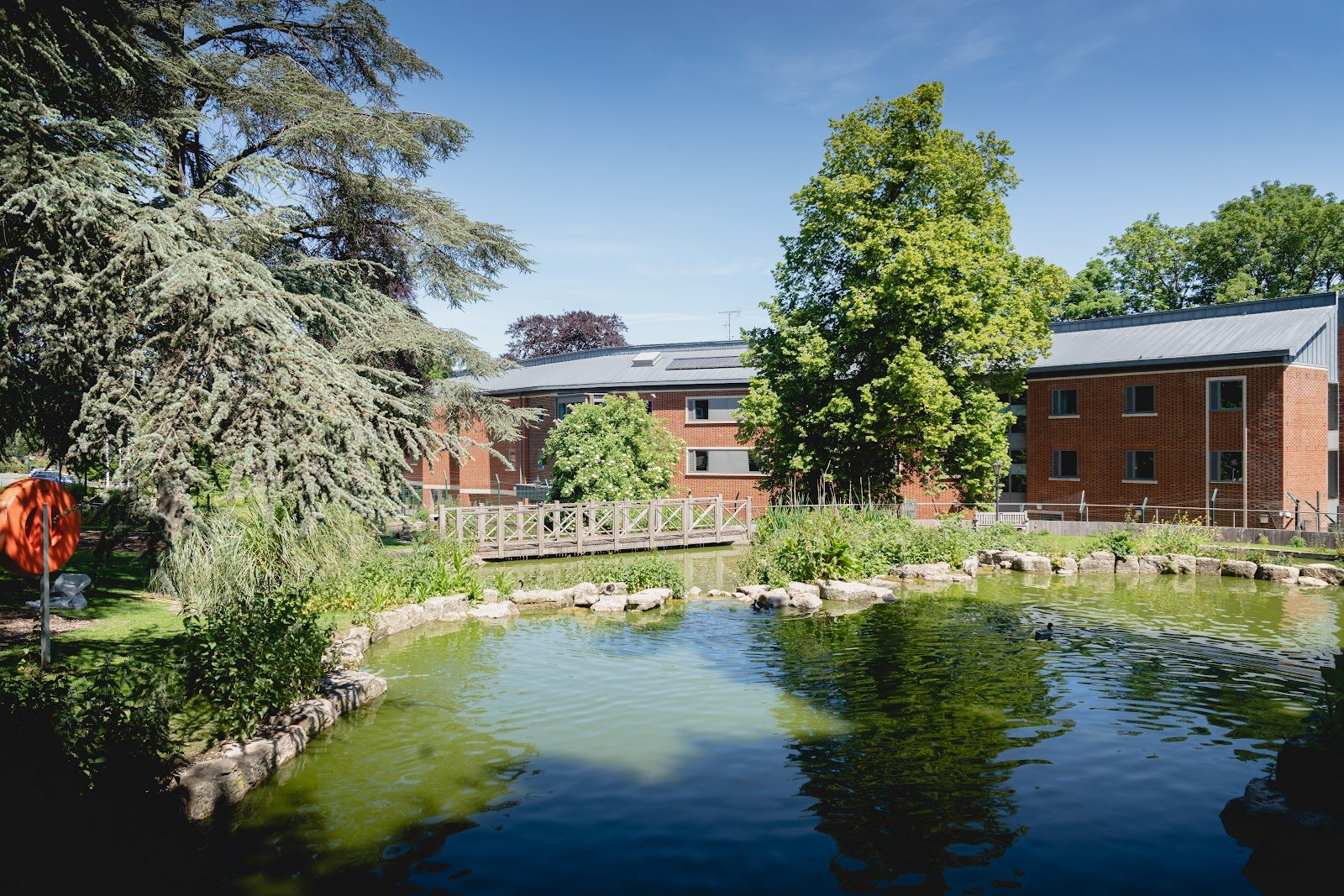
Whitgift School
Croydon · United Kingdom
A 1596 archbishop's foundation set on a 45-acre Croydon park where peacocks roam and bursaries can cover the full cost of fees.
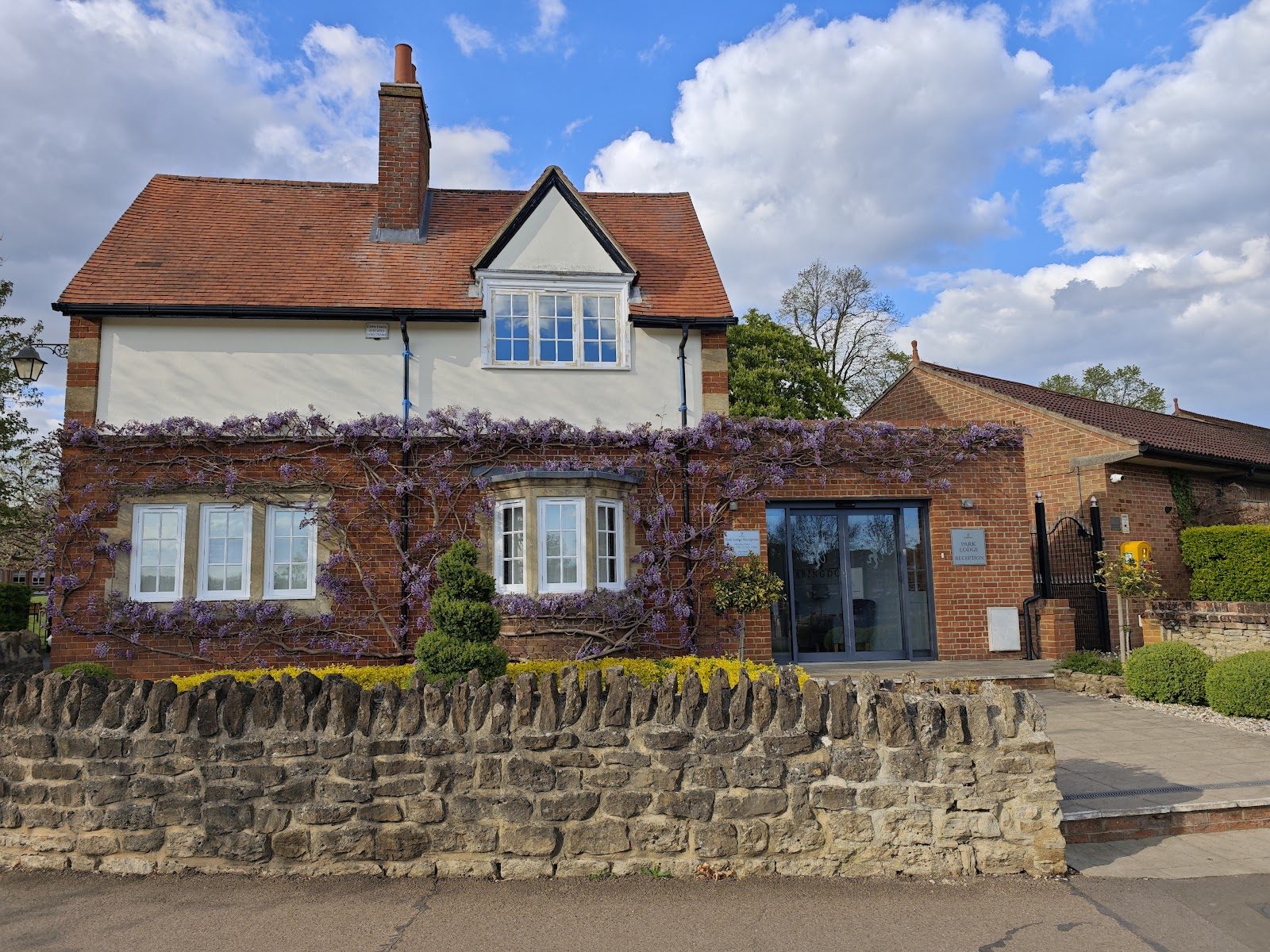
Abingdon School
Abingdon · United Kingdom
On the banks of the Thames just south of Oxford, a nine-century foundation whose boathouse has long fed Oxbridge rowing crews.
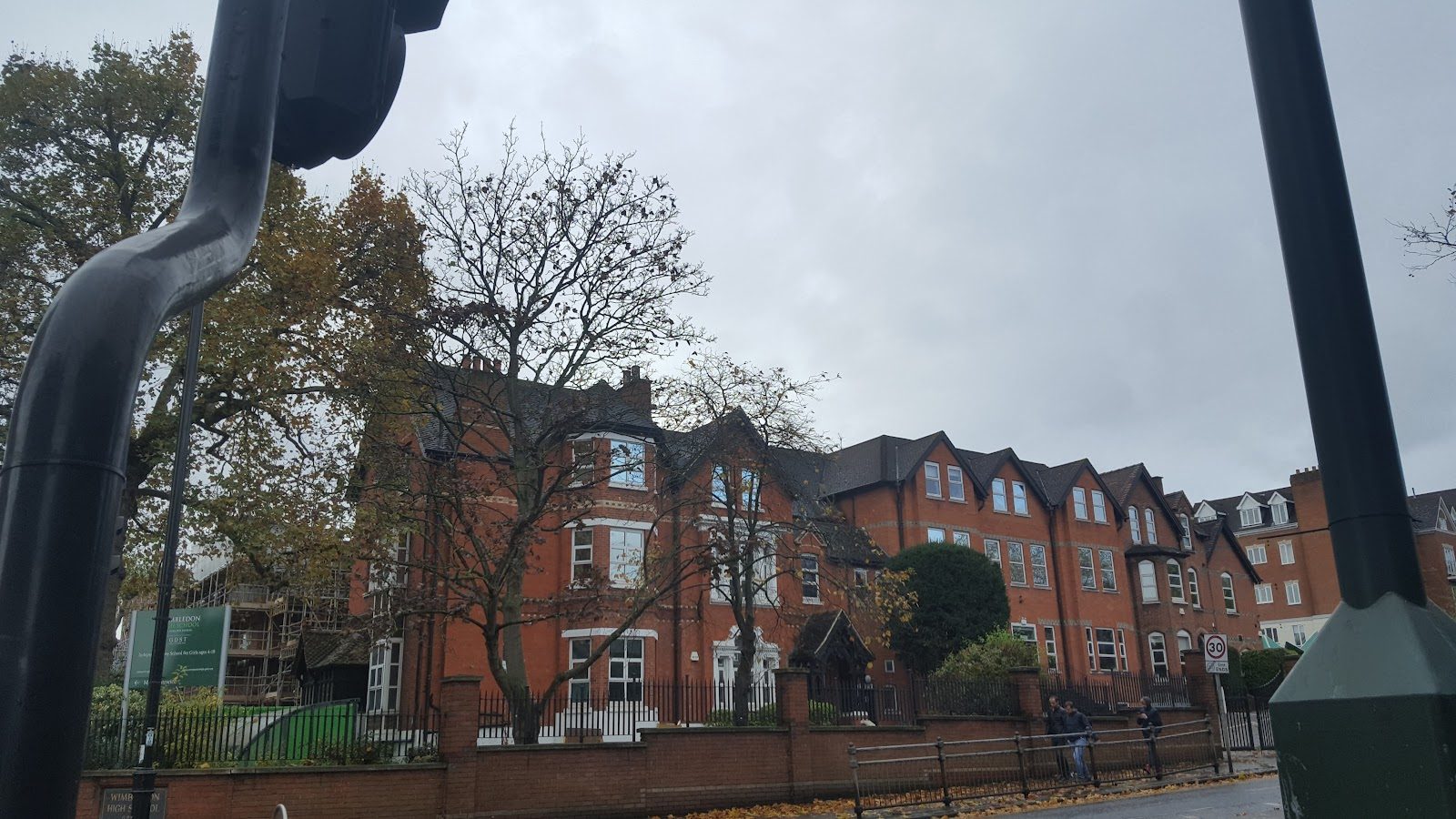
Wimbledon High School
London · United Kingdom
In central SW19, girls debate weekly in Civil Discourse class, embracing a distinctive ethos of 'Playful Scholarship'.
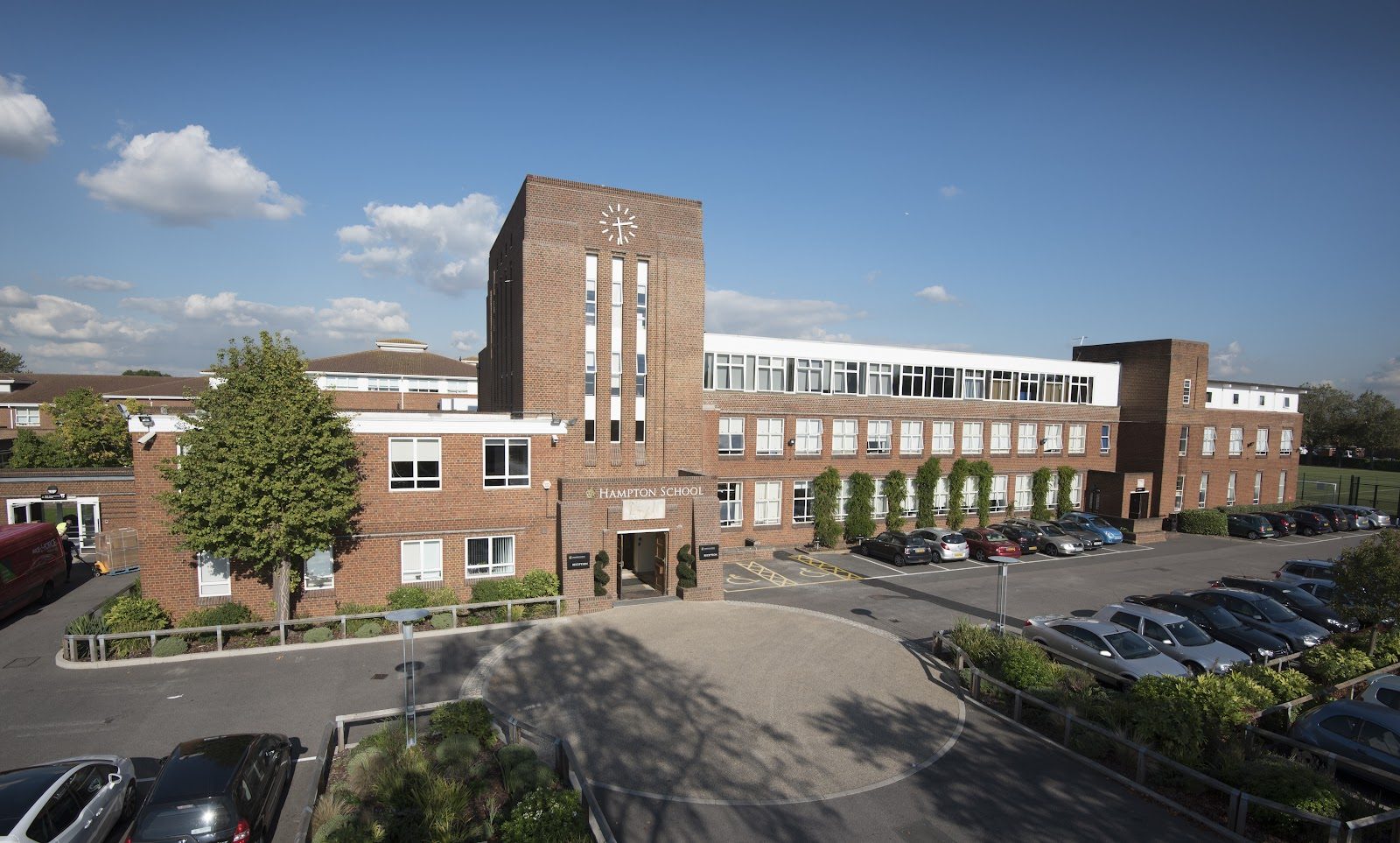
Hampton School
Hampton · United Kingdom
A 1557 grammar-school foundation on the Thames, where Molesey boathouse silverware rivals A-level success rates.
Same country and curriculum — closest matches within ±10 points either way