
California
Bridges Academy
low confidence· 0/6 cats · 0 avg sourcesWhere twice-exceptional minds are diagnosed by strength, not deficit, through a research-backed 2e model in Studio City
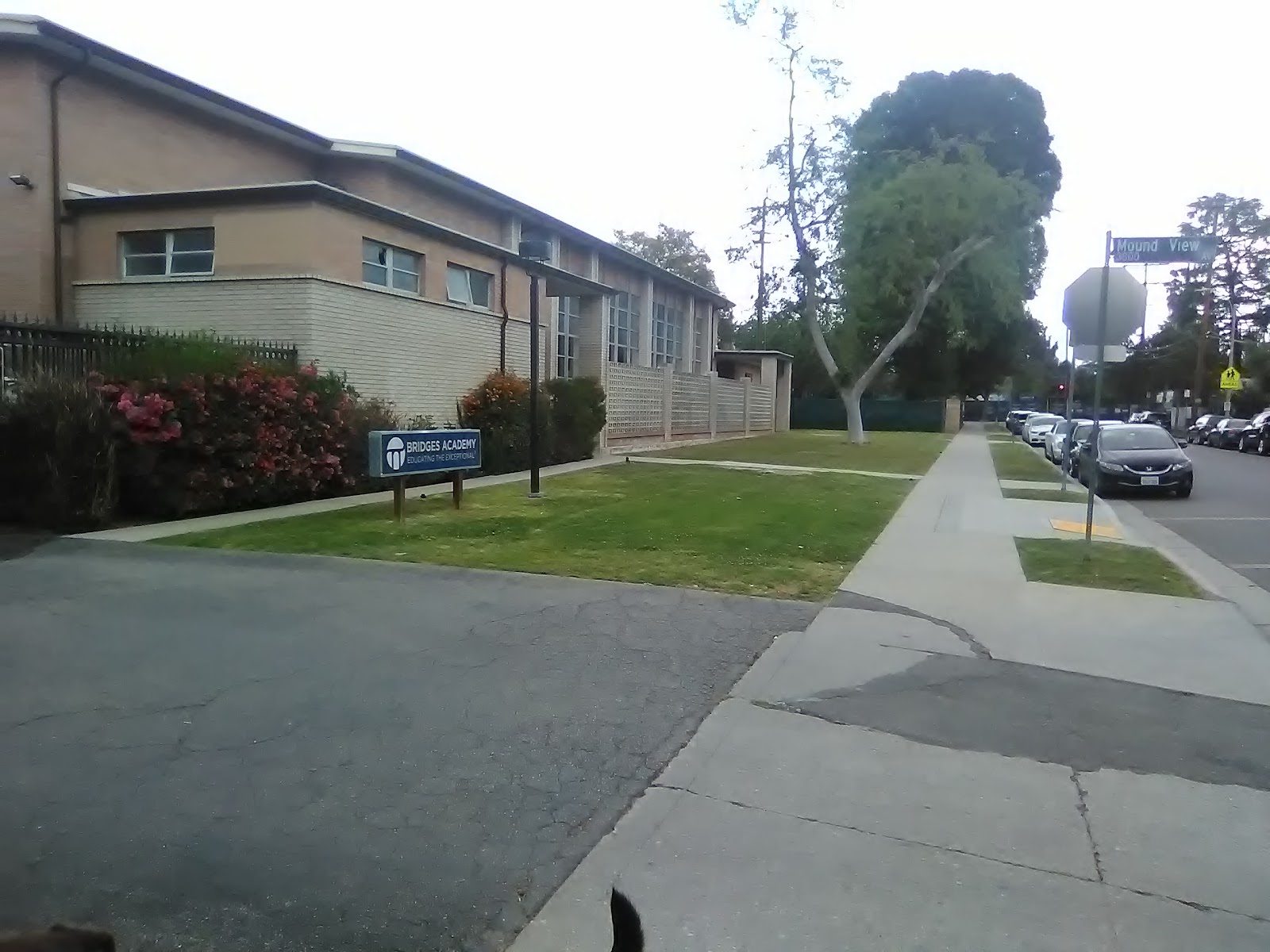
Photo © Traveling The World via Google Maps
Type
Day
Ages
8–18
Curriculum
American
Qualifications
AP
Ratio
1:4
The Verdict
Editor's commitment
Right for
Twice-exceptional pupils aged 8–18 who need a 1:4 ratio, individual learning plans and a college-prep American curriculum in Studio City.
Wrong for
Families wanting a conventional day school, mainstream pace or a larger peer group; this 1994-founded specialist school is built for 2e learners.
Watch out for
NAIS membership and a 1:4 ratio signal serious intent, but the school does not publish aggregate exam outcomes or university placement data here.
Ranking breakdown
Bridges Academy · #1102 of 1591
Composite score 60.7. 8 weighted criteria.
By criterion
Academic Outcomes
Weight 20%
#959
of 1529 scored
University Placement
Weight 16%
#1015
of 1529 scored
Prestige & Heritage
Weight 12%
#1150
of 1571 scored
Alumni Network
Weight 12%
#900
of 1530 scored
Facilities
Weight 12%
#1247
of 1533 scored
Transparency & Communications
Weight 8%
#725
of 1532 scored
Peer & Industry Review
Weight 10%
#998
of 1548 scored
Admissions Selectivity & Demand
Weight 8%
#991
of 1529 scored
Peer & Industry Review
How Bridges Academy is regarded in the sector
65
Respected · medium confidence
Bridges Academy's standing is strongest within the specialist gifted-and-learning-differences community rather than on mainstream independent-school league tables. It is routinely referenced by organizations such as the National Association for Gifted Children and the Davidson Institute as a founding model for twice-exceptional education, and its staff regularly present at conferences that draw educators from other 2e-focused programs seeking to replicate its methods. Mainstream Los Angeles prep-school rivals and broad guides like Good Schools Guide or WhichSchoolAdvisor give it little or no direct comparative coverage, reflecting that it competes in a different category rather than head-to-head for the same applicant pool. University admissions officers who encounter its graduates typically do so through individualized, narrative-heavy applications rather than a recognized feeder pathway, and colleges with strong learning-support infrastructure (rather than the most selective research universities as a rule) tend to be the more natural landing spots. Independent education press treats it as a specialist success story rather than a general academic powerhouse.
Editors' overview
Bridges Academy occupies a narrow, important niche: an American day school for twice-exceptional students who are both gifted and learning-diverse. That focus is the whole proposition. This is not a mainstream college-prep school with a learning-support department bolted on. It is a school built around 2e learners, with individual learning plans, small classes, academic support and an advisory structure designed for children whose abilities and difficulties coexist in the same lesson, the same assignment, the same day. In a market crowded with broad claims about inclusion, Bridges offers a rare sense of fit for families who need a school to read brilliance and vulnerability at once.
The headline numbers matter. Ages 8–18 gives it a long runway from middle childhood to university preparation, and the 1:4 student-teacher ratio signals intensive adult attention rather than light-touch support. Founded in 1994, Bridges has had time to refine a specialist model rather than improvise one. The school’s strength-based, talent-development approach will appeal to parents tired of deficit language and tired of watching a bright child reduced to a list of weaknesses. For the right student, that can feel transformative, deeply humane and intellectually serious. The college-prep framing also matters: Bridges does not treat gifted students with ADHD, autism, executive-function challenges, processing differences or mild dyslexia as children who need to be managed. It treats them as students who need to be taught properly.
This school belongs on a shortlist for families seeking a specialist environment, not a conventional one. The ideal student is bright, curious, creative and uneven: a child whose verbal reasoning, ideas or talent run ahead of handwriting, organisation, processing speed, social navigation or classroom stamina. Many such students do badly in large schools that reward compliance first and complexity second. Bridges offers a setting where sharp minds stop being misread. It suits students who need mentoring, structure and expert interpretation without being patronised, and who benefit from abundant enrichment rather than remediation alone. Parents looking for Friday-night lights, a sprawling campus culture or a standard independent-school social scene should look elsewhere. Parents looking for relief after years of mismatch and a school that knows how to teach the 2e profile should look hard at Bridges.
Academic Performance
Bridges operates in a corner of the market where raw league-table comparison has limited value. The question is not whether it churns out the highest volume of conventional top scorers; the question is whether a specialist school for twice-exceptional students gets complex learners through rigorous college-preparatory study without flattening their strengths. On that measure, the school’s model is academically serious. Its individual learning plans, extensive academic support, enrichment offer and advisory structure point to a school built for access to the curriculum, not escape from it. That matters because many peers serving learning-diverse students drift toward therapeutic containment or diluted academics. Bridges does not advertise itself that way. It frames itself as college prep for gifted students with learning differences, which places it above soft-option specialist provision and closer to the demanding middle ground families struggle to find.
What the school does not publish is just as important. We have not seen aggregate SAT, ACT, AP or university-matriculation data, nor cohort-wide exam distributions that would allow a hard comparison with mainstream independent schools or other specialist American schools. That opacity limits any claim of standout external performance. Parents who care about measurable outcomes should ask direct questions: how many students sit external exams, what score ranges they achieve, what accommodations are used, and where graduates enrol. Until those figures are disclosed, Bridges sits in the category of *credible specialist provision with unclear public results*: persuasive in educational design, less persuasive in published outcome data.
Facilities
Bridges’ most important facility is not a theatre, pool or sports complex; it is the infrastructure for close adult support. For this kind of school, that matters more. Individual learning plans, academic support spaces, mentoring and advisory provision are the functional core of the campus, and the very low 1:4 staffing ratio tells parents where the resource goes: into teachable, supervised, low-distraction settings rather than grand physical plant. That puts Bridges in a different bracket from mainstream college-prep schools, where learning support sits off to one side, and also ahead of weaker specialist schools that talk fluently about neurodiversity but lack the staffing density to deliver it. For twice-exceptional students, a calm room, a teacher who knows the cognitive profile in front of them, and systems that catch dysregulation early are more valuable than spectacle.
The trade-off is plain. Families looking for a sprawling campus with flagship arts venues, extensive athletic infrastructure or the visual drama of a conventional independent school will not find the obvious selling points here. Publicly available detail on specialist rooms, labs, studios and sports provision is thin, which makes hard benchmarking on physical facilities difficult. Against peer schools serving learning-diverse students, Bridges reads as high-touch rather than high-gloss: strong where it counts for 2e learners, less persuasive if judged by campus grandeur. That is not a flaw; it is a choice. Parents deciding between Bridges and a larger school need to ask the right question: not “How impressive is the site?” but “How well does the environment protect concentration, talent and confidence?” On that measure, Bridges has a clear specialist advantage.
Bridges Academy occupies a narrow, important niche: an American day school for twice-exceptional students who are both gifted and learning-diverse
Prestige
Bridges has niche prestige, not broad prestige. In the mainstream independent-school hierarchy, it does not carry the cachet of a famous athletic programme, a grand alumni network or a headline-making university pipeline in the public domain. Its status rests on something narrower and more exacting: credibility with families, clinicians and educators who know the twice-exceptional field and know how rare it is to find a school built around gifted students with learning differences rather than merely accommodating them at the edges. The 1:4 staffing ratio and the use of individual learning plans put it in the category of high-touch specialist provision. That commands respect in the 2e world because it is expensive to do, hard to staff and easy for weaker schools to imitate in language alone.
That gives Bridges a form of prestige that is earned rather than inherited. For the right family, that matters more than social shine. A bright child with autism, ADHD, executive-function difficulties, processing deficits or mild dyslexia will gain little from a school with a famous name if that school misreads ability, punishes unevenness or treats support as an add-on. Bridges has built its reputation around that problem and addresses it directly. The limit to its prestige is plain: public outcome data are thin, so its standing rests more on mission fidelity and specialist design than on widely visible academic trophies. That still makes it serious, distinctive and credible—but in a specialist lane, not the general luxury-school market.
Bridges offers a setting where sharp minds stop being misread
Communications
Parent communication sits at the centre of a school like this. When a child’s strengths, executive-function profile, emotional regulation and academic pace all need close coordination, vague pastoral updates do not suffice. Bridges has the structural ingredients for tight, high-frequency communication: individual learning plans, advisory and mentoring, extensive support, and a staffing model at 1:4 that allows adults to know students in detail. That matters because parents of twice-exceptional children are not asking for glossy newsletters; they need prompt, concrete reporting on workload, stress points, social friction, progress and the gap between raw ability and day-to-day output. Bridges’ educational design points to a school where those conversations are part of the operating model, not an afterthought.
The limitation is transparency to the outside world. Public information about communication routines is thin: we have not seen a clear published account of reporting cycles, parent portals, response expectations, conference formats or how learning-plan goals are reviewed with families. That does not invalidate the school’s internal practice, but it does leave parents relying on fit and trust rather than hard process. In editorial terms, Bridges reads as *stronger in relational communication than in public-facing clarity: serious* where individual families need it most, less polished in explaining the system upfront. Prospective parents should ask direct questions about update frequency, who owns communication, how concerns escalate, and how disagreements over support are handled. In a school this specialist and high-touch, communication quality is not a side issue; it is the service.
Uniqueness
Bridges is unusual because it does not treat giftedness and learning difference as competing stories about the same child. It treats the combination as the core educational fact. That matters. In many schools, a bright student with ADHD, autism, processing difficulties or dyslexia gets split in two: “extension” in one room, “support” in another, with neither side fully understanding the whole profile. Bridges is built to close that gap. Its strength-based, talent-development model, individual learning plans and low staffing ratio of 1:4 create a school where high ability is not discounted because organisation is weak, and difficulty is not moralised because intelligence is obvious. That is rare, exacting work, and it gives students something many have missed elsewhere: accurate reading.
The benefit goes beyond access. Students in this setting get a better chance of keeping ambition intact while learning how to manage friction points that derail them in conventional classrooms. The combination of stimulating core classes, abundant enrichment, academic support and mentoring offers a route out of the familiar 2e trap: boredom, underperformance, then damaged confidence. Bridges’ distinctiveness lies in refusing that sequence. It gives intellectually curious, uneven learners a place where creativity is taken seriously, social and emotional needs are built into the school day, and complexity is not treated as a problem to be ironed out. For the right child, that brings relief, self-respect and a more coherent education than mainstream inclusion models deliver.
That still makes it serious, distinctive and credible—but in a specialist lane, not the general luxury-school market
Student Profile
The right student for Bridges is bright, original and uneven. This is a school for children whose intellect outruns their organisation, whose ideas outstrip their written output, or whose creativity and curiosity get buried under inattention, social strain or slow processing. Gifted learners with autism, ADHD, executive-function difficulties, processing deficits or mild dyslexia fit the core brief. So do students who have spent years being misread in mainstream settings: praised for insight one hour, reprimanded for inconsistency the next. Bridges suits children who need adults to recognise both high ability and genuine difficulty at the same time. The low staffing ratio of 1:4 gives that profile room to breathe. For families exhausted by bad fit, deficit framing and the steady erosion of confidence, that matters.
It is not for every learning-diverse child. Students who need heavy behavioural containment, a therapeutic placement, or a conventional school experience with big-team sport and mass social energy are in the wrong market here. Nor is it the obvious choice for high-achieving, highly organised students who are thriving in a standard academic environment. Bridges fits pupils who are intellectually hungry but need close interpretation, structure and advocacy to convert ability into steady work. The social mix will suit children who feel safer among other complex, intense, unconventional learners than among peers who prize smooth performance. For the right child, that can be liberating; for the wrong one, claustrophobic.
This is not a mainstream college-prep school with a learning-support department bolted on
Co-curricular strengths
Arts & sport, on a separate axis
Overall 6.28/10
Scored 0-10 from the school's own published evidence. This axis is editorial-only — it does not feed the main WTS ranking.
Sports
6/10
Drama
6.6/10
Dance
5.6/10
Music
6.4/10
Visual Arts
6.8/10
Strengths
- +Specialises in gifted and twice-exceptional learners
- +Individual learning plan for each student
- +Extensive academic supports and mentoring programme
- +American college-prep curriculum in English
Considerations
- −Day school only; no boarding option
- −Niche twice-exceptional focus may not suit all
- −NAIS listed; no other accreditations provided
Availability
Primary entry gate & tests
ISEE/SSAT + Interview
Gallery
Photo © Gavin Andrus via Google Maps
Photo © Gavin Andrus via Google Maps
Photo © Bridges Academy via Google Maps
Photo © Gavin Andrus via Google Maps
Photo © Gavin Andrus via Google Maps
Parent reviews
Have you sent your child here?
Voice reviews carry the strongest trust badge — we transcribe them for you to tidy up before they go live. Prefer to type? A written review is fine too.
Add your voice
In 60 seconds, tell other parents: what's the best thing about Bridges Academy, and what surprised you when your child joined?
We ask for a Google sign-in so every review has a real face behind it — no anonymous drive-by attacks on schools, and no faked positive reviews. Your email is never shown publicly.
Send this profile to a friend
International parents rely on word-of-mouth. Share this review with someone weighing the same decision.
Schools with places
Similar schools to Bridges Academy with places available now.
Head-Royce School
Oakland · United States
- 2026-27
- CLOSEDRegular cycle
- 2027-28
- OPENS SOONOpens Sept '26
The Webb Schools
Claremont · United States
- 2026-27
- CLOSEDRegular cycle closed
- 2027-28
- PLACES OPENPortal live
The Branson School
Ross · United States
- 2026-27
- CLOSEDRegular cycle
- 2027-28
- OPENS SOONOpens Sept '26
Crystal Springs Uplands School
Hillsborough · United States
- 2026-27
- CLOSEDRegular cycle
- 2027-28
- OPENS SOONOpens Sept '26
Availability first, then country, area, curriculum, price, co-curricular
Consider also
Also worth looking at alongside Bridges Academy.
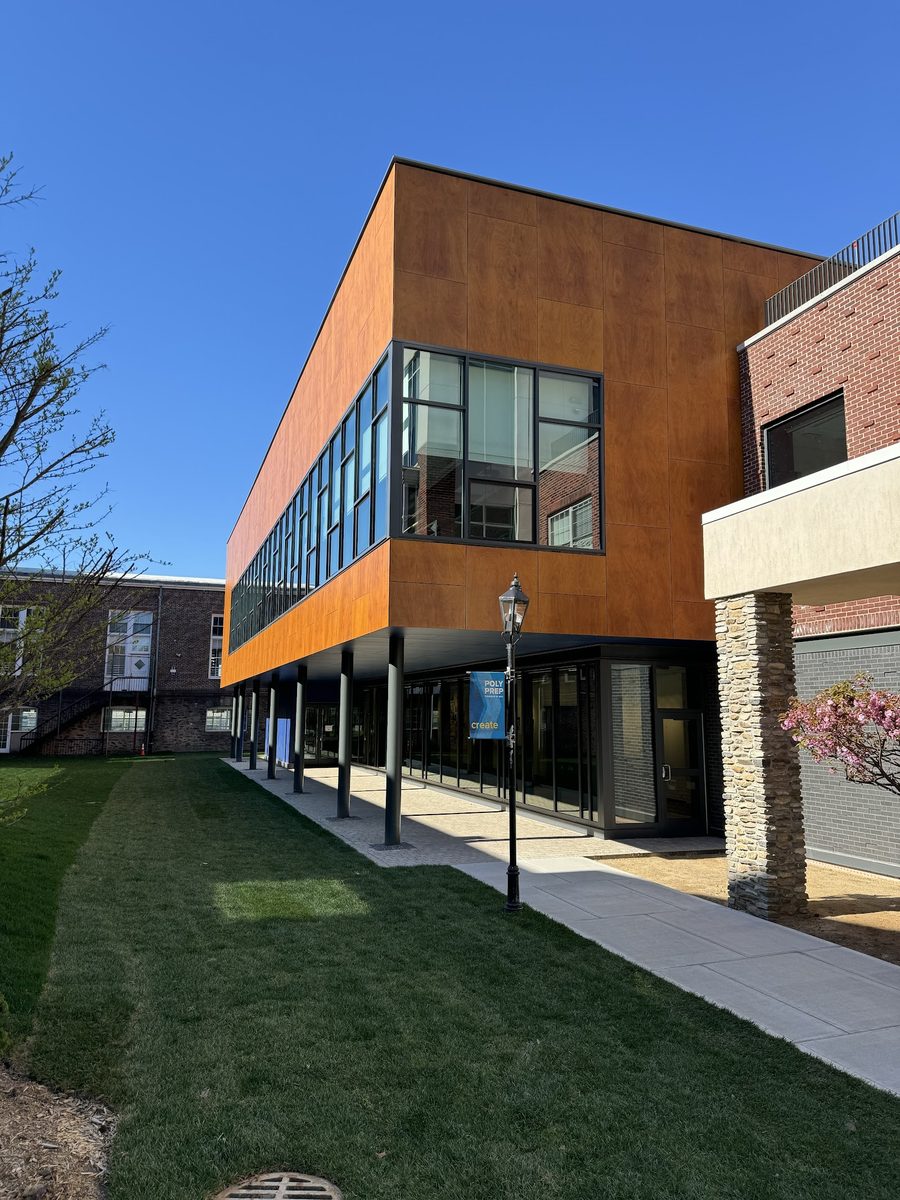
Poly Prep Country Day School
Brooklyn · United States
Founded in 1854 as Brooklyn's first boys' school, this day school pairs a Prospect Park mansion with a 25-acre Dyker Heights campus.

Germantown Friends School
Philadelphia · United States
Rooted in an 1845 Quaker meeting in historic Germantown, where juniors design a month-long independent study of their own.
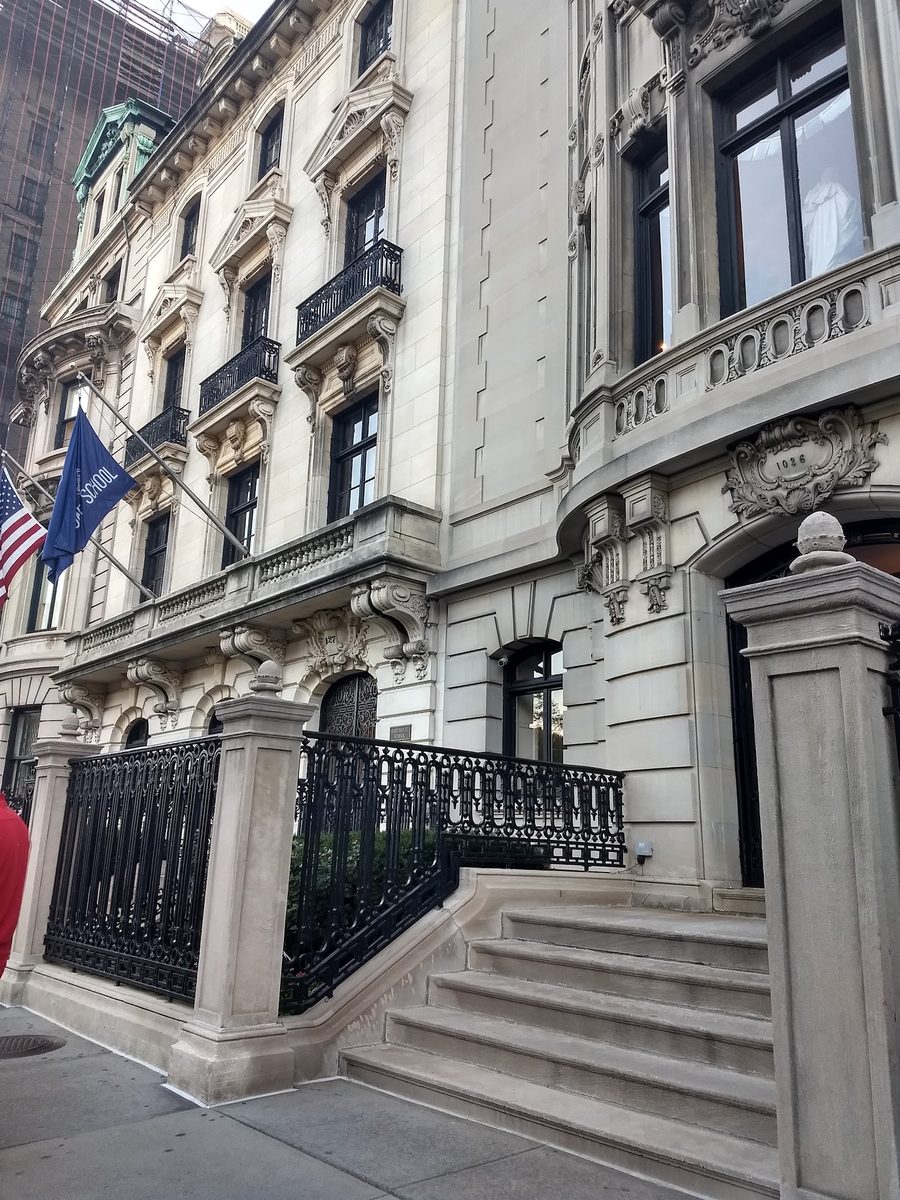
Marymount School of New York
New York City · United States
On Fifth Avenue, landmark mansions give way to Bloomberg terminals and classrooms inside the Met.
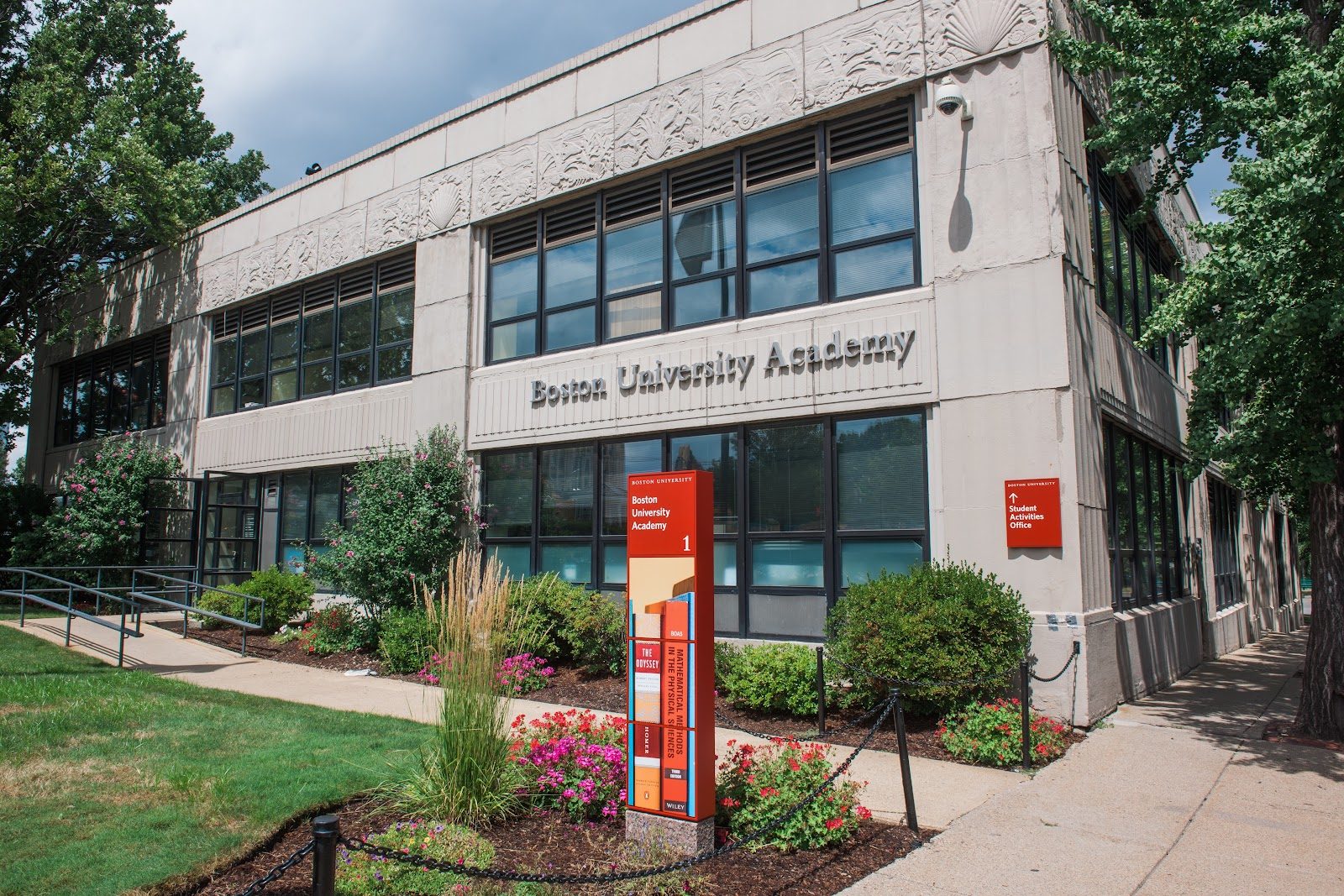
Boston University Academy
Boston · United States
Upperclassmen trade study halls for Boston University lecture halls, banking college credit before graduation.
Same country and curriculum — closest matches within ±10 points either way