
San Antonio de Padua
Colegio Peruano Alemán Alexander von Humboldt
medium confidence· 4/6 cats · 1.71 avg sourcesA state-backed German Auslandsschule since 1872, pairing the German Abitur with Peru's own bachillerato in Lima.
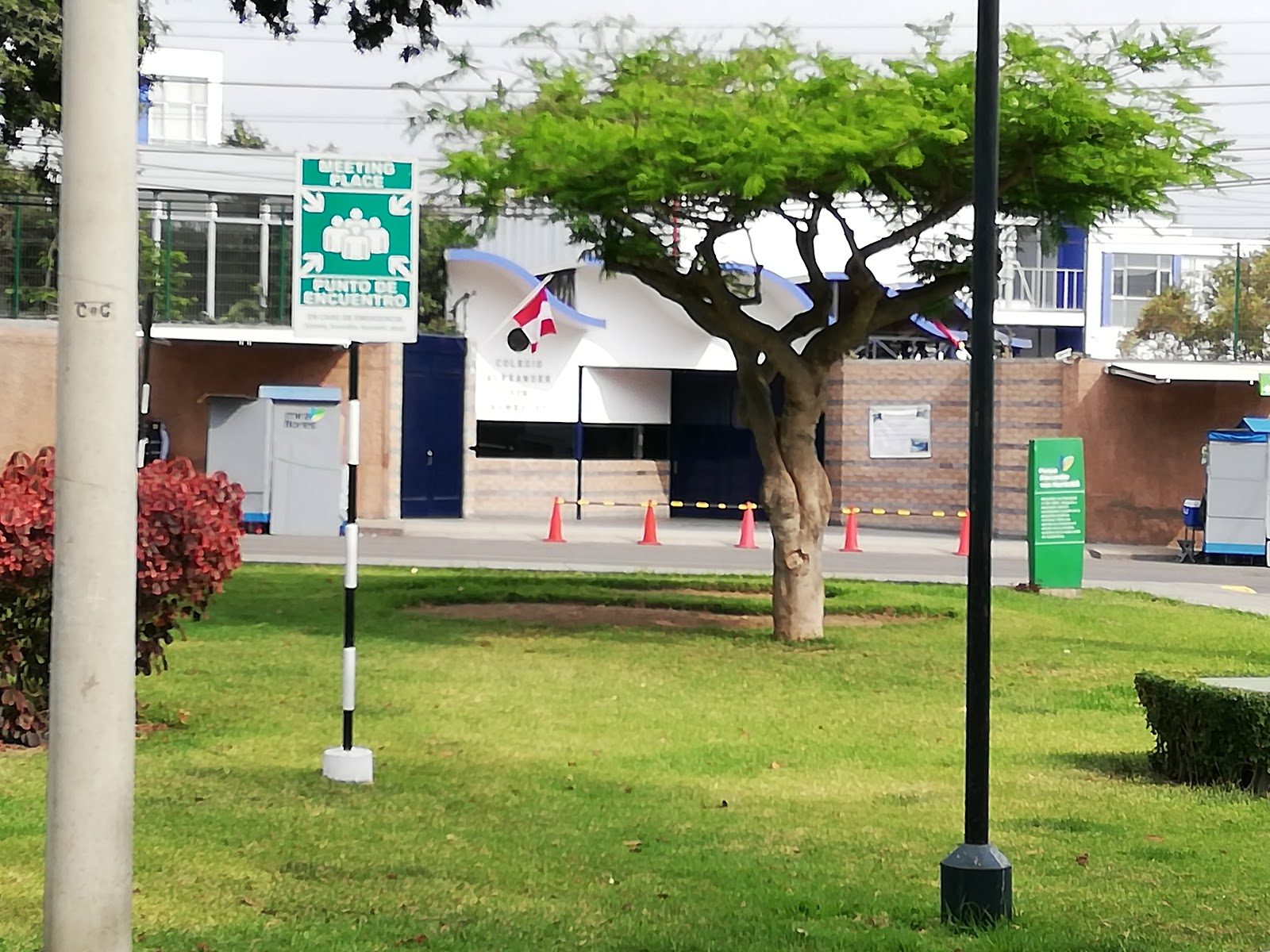
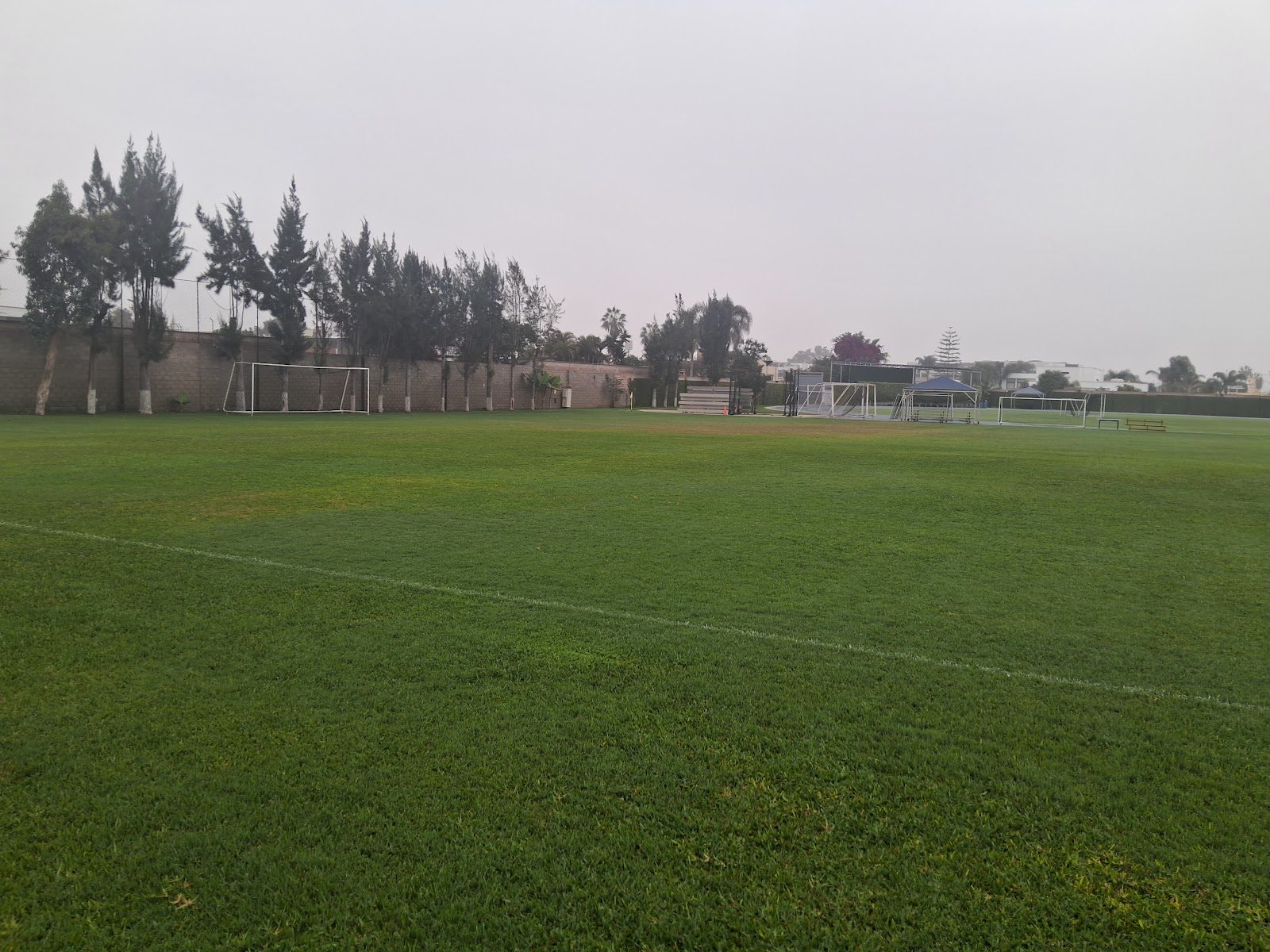
Photo © Omar Macedo via Google Maps
Type
Day
Ages
3–18
Curriculum
German Abitur
Ratio
—
The Verdict
Editor's commitment
Right for
Families in Lima who want a 3–18 day school delivering both the German Abitur and Peru’s bachillerato, in German and Spanish.
Wrong for
Parents wanting boarding, a single-campus setup or an English-medium route; this is a two-campus Lima school in Miraflores and Surco.
Watch out for
The 1872 pedigree and Excellent German School Abroad badge carry weight, but the school does not publish public outcome data here.
Ranking breakdown
Colegio Peruano Alemán Alexander von Humboldt · #1027 of 1591
Composite score 60.7. 8 weighted criteria.
By criterion
Academic Outcomes
Weight 20%
#1002
of 1529 scored
University Placement
Weight 16%
#848
of 1529 scored
Prestige & Heritage
Weight 12%
#1132
of 1571 scored
Alumni Network
Weight 12%
#726
of 1530 scored
Facilities
Weight 12%
#1182
of 1534 scored
Transparency & Communications
Weight 8%
#1150
of 1532 scored
Peer & Industry Review
Weight 10%
#1108
of 1548 scored
Admissions Selectivity & Demand
Weight 8%
#943
of 1529 scored
Peer & Industry Review
How Colegio Peruano Alemán Alexander von Humboldt is regarded in the sector
78
Strong · medium confidence
Colegio Humboldt Lima is a recognized member of the German government's Auslandsschulwesen (ZfA) network and has been repeatedly designated an 'Excellent German School Abroad' by Germany's Federal Foreign Office, an independent third-party accreditation reserved for top-performing German schools overseas. It is also consistently named alongside Newton College and Markham College in expat-parent forum discussions (e.g., InterNations, ExpatExchange threads on Lima international schooling) as one of Lima's most reputable bilingual/international options, though it receives less specialist English-language press coverage than Anglophone international schools.
Evidence sources
Editors' overview
Colegio Peruano Alemán Alexander von Humboldt occupies a narrow, valuable niche in Lima: a long-established German Auslandsschule with a direct academic line from early years to the German Abitur, while also covering the Peruvian bachillerato. Founded in 1872, it offers something few schools in Peru can match: a binational academic identity anchored in German and Spanish, and backed by the “Excellent German School Abroad” designation. For families who want more than an international veneer, that matters. This is not a generic bilingual school with imported branding; it is a serious bicultural institution with deep roots, two Lima campuses in Miraflores and Surco, and a recreational centre in Huampaní.
What puts it on a shortlist is the combination of continuity, academic portability and cultural specificity. The German Abitur remains one of the most demanding school-leaving qualifications in Europe, and pairing it with Peru’s own credential gives graduates options inside Peru and abroad. That dual track is the school’s clearest strategic advantage. So is the linguistic environment: instruction in 2 languages, German and Spanish, creates a stronger proposition than schools that treat the second language as enrichment rather than a working medium. Parents drawn to structured academic culture, European standards and a school with institutional heft will find a credible option here. Parents who want a looser, more progressive, Anglo-American model will not.
The best fit is a student who can handle structure, routine and sustained language learning from an early age to 18. This school suits internationally minded Peruvian families, German or German-Peruvian families, and any household planning for higher education pathways where the Abitur carries weight. It will also suit children who thrive in clear expectations and a high-commitment bilingual setting. It is less well suited to families seeking broad curricular choice, a visibly experimental teaching style, or an English-medium route. In market terms, Alexander von Humboldt stands as one of Lima’s most distinctive heritage schools: academically purposeful, culturally specific, and strongest for families who want Germany in the school day, not just on the prospectus.
Academic Performance
Public exam data are thin. The school does not publish aggregate Abitur scores, subject-by-subject distributions, pass rates, university destinations by cohort, or comparative tables against other German schools abroad. That is a real weakness in a market where serious academic schools need to show what their leavers actually achieve. Parents are left to infer performance from the school’s status within the German overseas system and from the fact that students exit with two recognised leaving credentials. That points to a demanding academic standard, but it does not replace published results.
Relative to peers, Alexander von Humboldt sits in a distinctive binational bracket rather than the broader English-medium international field. Its closest comparators are other academically selective European heritage schools in Latin America, not Lima schools built around US or UK pathways. The presence of the Abitur puts the school in a more exam-rigorous category than many bilingual private schools, since that qualification carries external scrutiny and little room for grade inflation. Even so, without disclosed outcome data, it is impossible to place the school precisely within the top tier of German international schools or against Lima’s strongest local competitors. The conclusion is clear: this is a school with a serious academic claim and an opaque public results record.
Facilities
The estate is split across 2 school campuses, with a separate recreational centre in Huampaní. That matters because it gives the school more physical breadth than many city-centre heritage schools, which often run on constrained urban plots with limited room for sport or outdoor use. The recreational site is the standout asset here: it signals capacity for whole-school events, sport, retreats and the kind of off-classroom programming that dense metropolitan campuses struggle to stage. For parents comparing peers, that is a genuine operational advantage. The two-campus structure also points to age-group separation or functional division across the school, which can make day-to-day organisation more coherent than the single-site model at older inner-city schools.
The limitation is obvious: the school does not publish the level of facility detail serious parents need. We have not seen public specifications for science labs, libraries, performing arts spaces, indoor sport, technology provision or specialist early-years areas. That leaves a frustratingly opaque picture of the academic plant itself. Against top-tier international competitors, that lack of disclosure is weak. Strong schools do not need to hide the basics of their physical infrastructure. So the verdict is mixed: Alexander von Humboldt has a useful multi-site footprint and a distinctive recreational asset, but public evidence on the teaching and learning facilities remains thin, which stops it short of the best-documented campuses in the market.
Relative to peers, Alexander von Humboldt sits in a distinctive binational bracket rather than the broader English-medium international field
Prestige
Alexander von Humboldt carries real prestige in a narrow, serious lane. In Lima, a German school with this depth of institutional history, direct connection to the overseas German school system, and a full route to both the German and Peruvian leaving credentials sits in a more elite academic tradition than the city’s many bilingual schools. The two-campus footprint and dedicated recreational centre reinforce that standing: this is not a boutique startup or a lifestyle school assembled around branding. It has the weight of an established binational institution. For German, German-Peruvian and internationally minded local families, that matters. The school’s age range also gives it unusual continuity, taking pupils from the early years through to 18, which strengthens alumni loyalty and social capital over time.
That said, prestige here is specific, not universal. It is strongest among families who value German educational culture, academic discipline and the cachet of a recognised European school-leaving route. It carries less social glamour than some Anglo-American names, because its appeal rests on substance rather than polish. That is a compliment. The school’s public profile reads as old-guard, serious-minded and not built for mass appeal. The constraint is visibility: without published aggregate outcomes, part of its reputation relies on institutional standing rather than transparent performance evidence. Even so, within its niche, Alexander von Humboldt holds genuine clout and commands more respect than schools trading on bilingual marketing alone.
Against top-tier international competitors, that lack of disclosure is weak
Communications
Parent communication reads as institutional rather than intimate. The school runs across 2 campuses plus a separate recreational site, so families need timetables, logistics and notices delivered with precision. Yet the public-facing picture is thin. We have not seen the kind of detailed, parent-oriented communications architecture that strong international schools now make easy to assess: clear calendars, transparent leadership updates, published handbooks, routine academic reporting structures, or a well-signposted route for everyday questions. That does not mean communication is poor inside the school; it means the school does not show its workings in public. For a long-established institution, that opacity feels old-fashioned.
The effect on parents is straightforward. Families already aligned with the school’s culture will tolerate a more formal, less hand-holding style and may even prefer it. Newer international families, or parents used to high-service schools with polished portals and constant updates, will find the communications offer under-explained and less reassuring than it should be. A school with this level of organisational complexity needs to publish the basics crisply and consistently. Alexander von Humboldt gives the impression of a school that expects parents to adapt to its systems, rather than one that bends over backwards to explain them. That can work, but it is a demanding compact and not the strongest fit for families who want abundant guidance.
Uniqueness
What sets Alexander von Humboldt apart is not generic bilingualism or imported European polish. Its distinction lies in institutional depth within the German overseas-school world and in the fact that pupils move through a single school culture that treats German and Peruvian education as parallel obligations, not decorative add-ons. That produces a rare binational seriousness. Students are not just picking up another language or sampling another culture; they are working inside 2 educational frames at once, with all the discipline, administrative complexity and academic range that entails. In Lima, that is a narrow proposition. It draws families who want a school with clear national character, not an internationally branded compromise.
For students, the gain is concrete. They grow up in a setting where identity, language and academic expectation are tied to a recognisable European tradition while staying anchored to Peru’s own school-leaving route. That gives the school a stronger sense of purpose than many bilingual independents, which drift into a muddle of mixed messaging. The recreational centre also adds something unusual: space for communal life beyond the urban school day, which matters in a city where many schools feel boxed in. The trade-off is plain. This is a high-commitment model, and students who resist structure or do not take to sustained bicultural schooling will feel the strain. For the right child, though, the school offers real educational definition rather than a vague international blend.
For families who want more than an international veneer, that matters
Student Profile
The best fit is a student who copes well with clear authority, regular demands and a school culture that does not revolve around self-expression first. Children who need constant novelty, loose boundaries or heavy pastoral cushioning will find the atmosphere hard going. Those who do well here tend to be steady, organised and willing to work within a defined system over many years. It also suits families ready to commit to a high-accountability school life across 2 educational frameworks, with the administrative and academic discipline that brings. That does not require a German passport or a binational household, but it does require buy-in. Students who treat school as a serious long-term project will fit far better than those shopping for a glossy international experience.
Socially, this is a better match for pupils comfortable in a tradition-conscious environment than for children who want a campus built around reinvention or broad personal choice. There is room here for academically able, internationally minded Peru-based families who value structure and cultural definition. There is less room for drift. A child who enjoys routine, respects teachers and can handle a peer group shaped by continuity from the early years to 18 will settle more naturally. The weaker fit is plain: students who resist institutional norms, struggle with sustained bilingual demands, or need a soft-edged, highly personalised school culture. This is a serious-minded school for families who want commitment, not convenience.
What puts it on a shortlist is the combination of continuity, academic portability and cultural specificity
Co-curricular strengths
Arts & sport, on a separate axis
Overall 8.12/10
Scored 0-10 from the school's own published evidence. This axis is editorial-only — it does not feed the main WTS ranking.
Sports
8.3/10
Drama
8/10
Dance
8/10
Music
8.3/10
Visual Arts
8/10
Editor first-pass · editor-reviewable · 7/30/2026
Strengths
- +Officially recognized by Germany's Central Agency for German Schools Abroad (ZfA), allowing students to sit the German International Abitur.
- +Offers a trilingual academic track combining German, Spanish and English instruction from early primary years onward.
- +Graduates receive both the German Abitur and the Peruvian Bachillerato, giving access to universities in Germany, Peru and beyond.
- +Established as one of Lima's long-standing German community schools, with a large campus in the Surco district offering sports and arts facilities.
- +Regular exchange and teacher-secondment links with Germany through the ZfA network, bringing German-trained faculty into the classroom.
Considerations
- −German-medium instruction and the Abitur pathway assume sustained bilingual (or trilingual) competence, which can be demanding for late-arriving expat children with no German background.
- −As a single, large day campus in southeastern Lima, families living in other parts of the city face significant commute times.
- −Tuition is set at private international-school levels in Lima, placing it beyond reach for many local families despite the school's community roots.
- −Detailed, independently verifiable performance data (exam pass rates, university destinations) is not readily published in English-language sources.
Availability
Primary entry gate & tests
Academic Record
Gallery
Photo © Roxana Laiza via Google Maps
Photo © Roxana Laiza via Google Maps
Photo © Robert Antay via Google Maps
Photo © Jonathan Espinoza via Google Maps
Photo © Alfred Moon via Google Maps
Parent reviews
Have you sent your child here?
Voice reviews carry the strongest trust badge — we transcribe them for you to tidy up before they go live. Prefer to type? A written review is fine too.
Add your voice
In 60 seconds, tell other parents: what's the best thing about Colegio Peruano Alemán Alexander von Humboldt, and what surprised you when your child joined?
We ask for a Google sign-in so every review has a real face behind it — no anonymous drive-by attacks on schools, and no faked positive reviews. Your email is never shown publicly.
Send this profile to a friend
International parents rely on word-of-mouth. Share this review with someone weighing the same decision.
Schools with places
Similar schools to Colegio Peruano Alemán Alexander von Humboldt with places available now.
Markham College
Lima · Peru
- 2026-27
- WAITPOOLVacancy-dependent / enquire
- 2027-28
- PLACES OPEN
Colegio Roosevelt — The American School of Lima
Lima · Peru
- 2026-27
- WAITPOOLSpace-dependent
- 2027-28
- PLACES OPENRolling
Availability first, then country, area, curriculum, price, co-curricular
Consider also
Also worth looking at alongside Colegio Peruano Alemán Alexander von Humboldt.
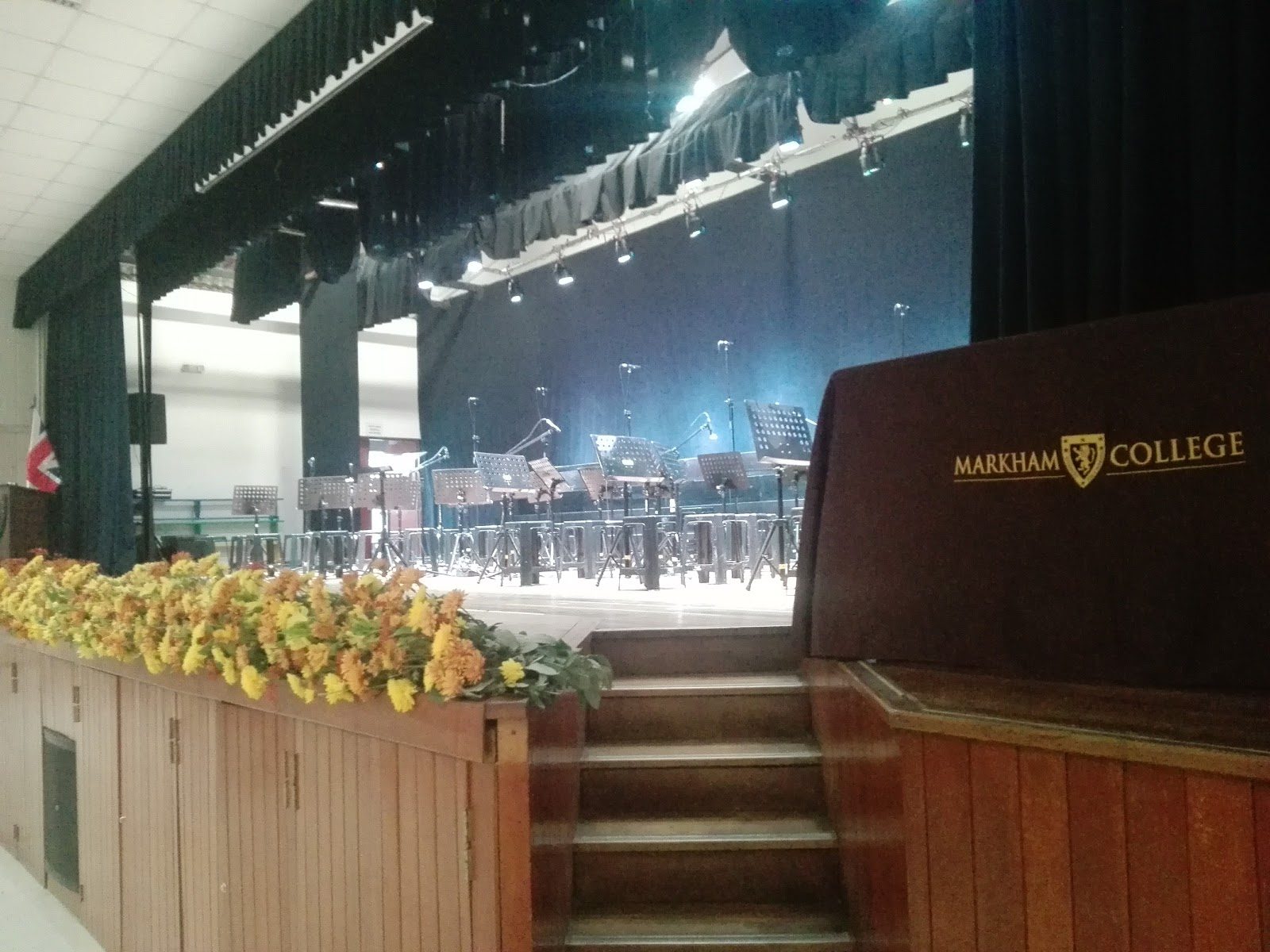
Markham College
Lima · Peru
Founded in 1946 by British expatriates, this Lima day school pairs house traditions with a bilingual IB-British curriculum.
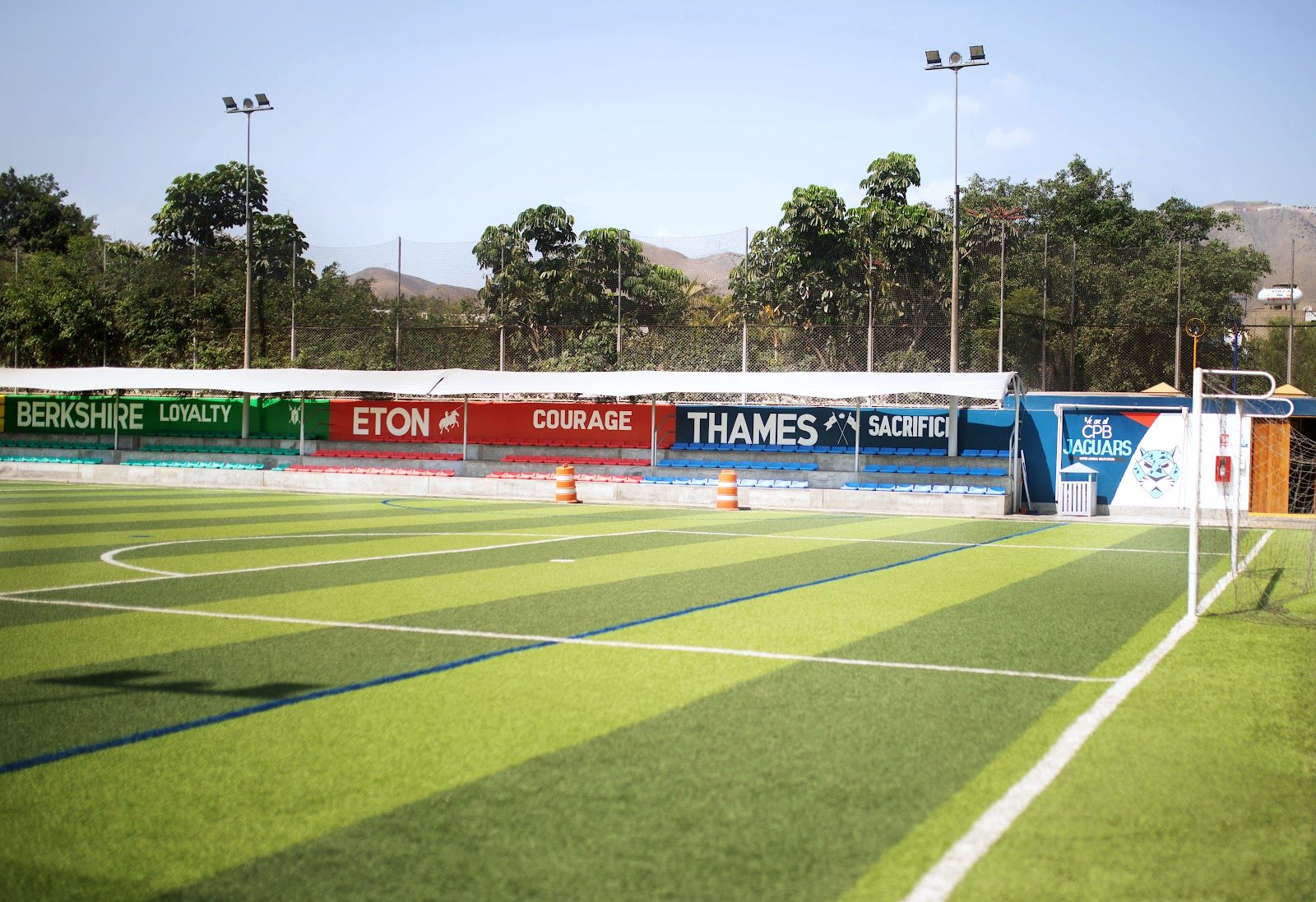
Colegio Peruano Británico
Lima · Peru
Trilingual since 1963, this Monterrico campus blends a Juilliard-shaped arts curriculum with IB rigor as Nord Anglia's first Peruvian school.
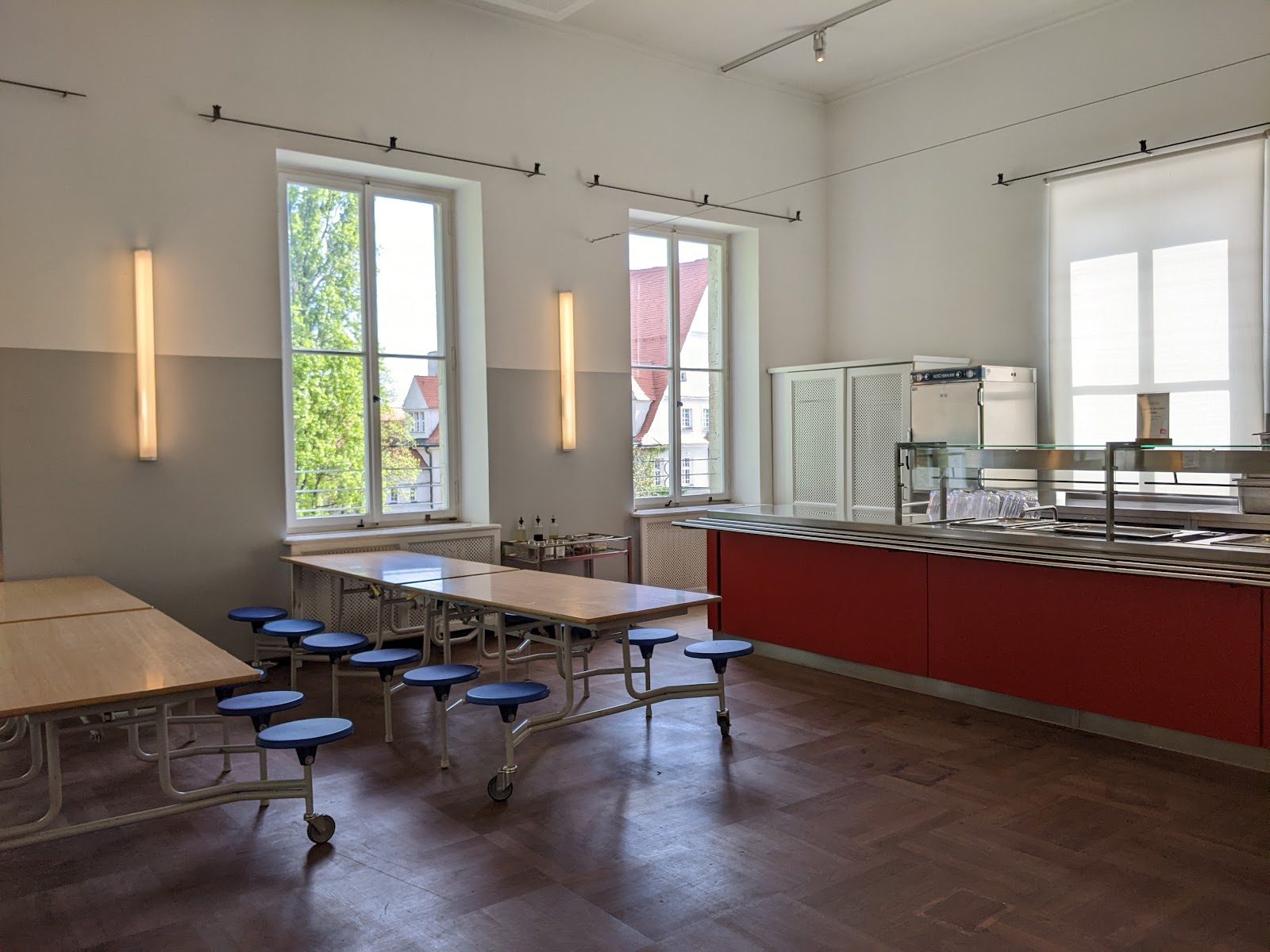
Phorms Campus München
Munich · Germany
In leafy Bogenhausen, the Bavarian Abitur runs alongside the IB Diploma, every class co-taught by native German and English staff.
Colegio Roosevelt — The American School of Lima
Lima · Peru
Named for a wartime American president, this La Molina campus layers an FDR diploma with IB and Peru's own official credential.
Same country and curriculum — closest matches within ±10 points either way