
Bouskoura
London Academy Casablanca
low confidence· 4/6 cats · 1 avg sourcesA British day school in Bouskoura pairing IGCSE and A-Level study with trilingual teaching in English, French and Arabic
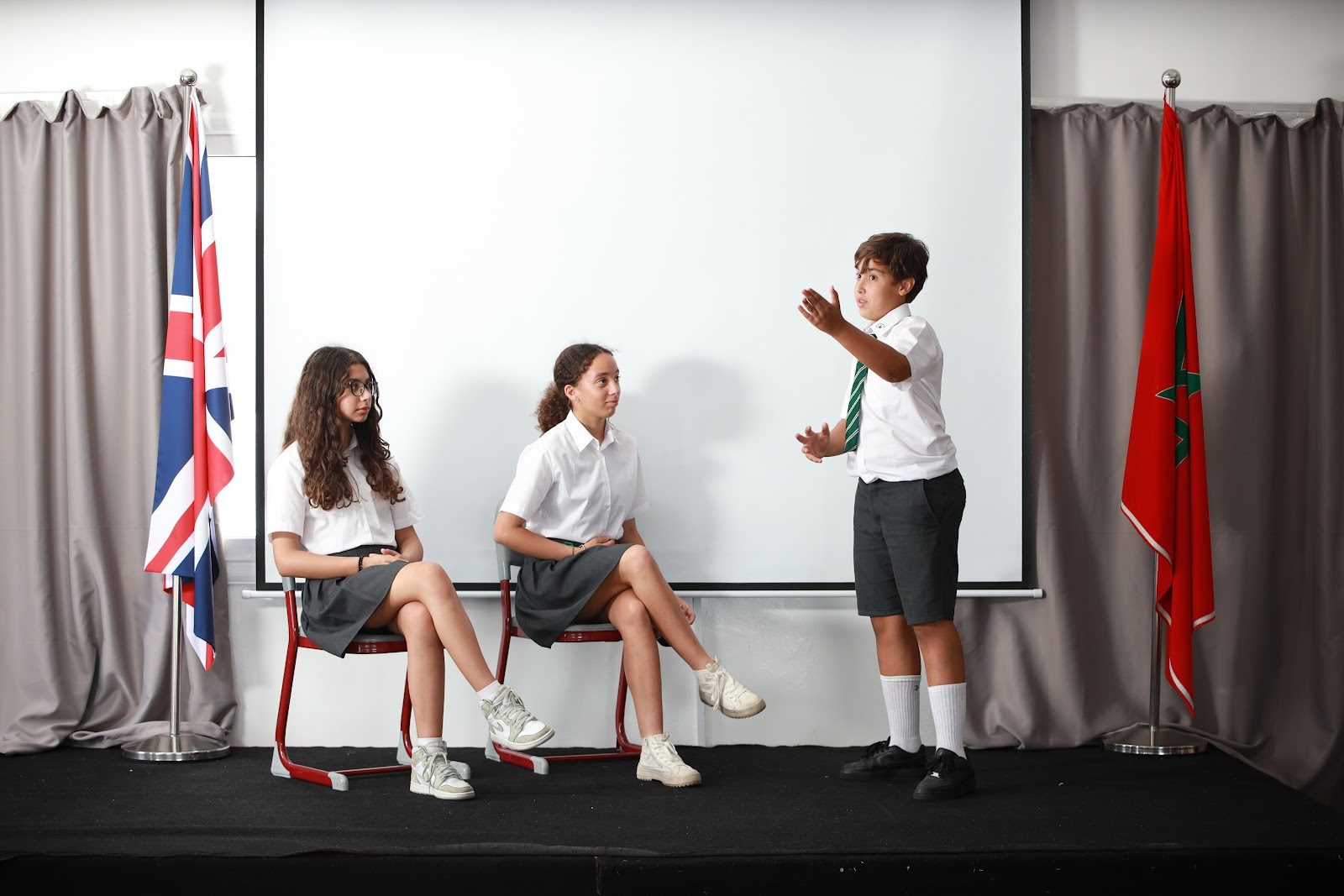
Photo © London Academy - International School Casablanca via Google Maps
Type
Day
Ages
3–18
Curriculum
British
Qualifications
IGCSE · A-Level
Ratio
—
The Verdict
Editor's commitment
Right for
Families in Casablanca who want a British day school from age 3 to 18, with IGCSEs, A-Levels and trilingual teaching.
Wrong for
Parents wanting boarding, a religious ethos or non-English instruction; London Academy Casablanca is day-only, non-religious and teaches in English.
Watch out for
At an average 42,937 MAD a year, value is clear, but BSO and Cambridge International accreditations do not answer every quality question.
Ranking breakdown
London Academy Casablanca · #1467 of 1591
Composite score 49.8. 8 weighted criteria.
By criterion
Academic Outcomes
Weight 20%
#1414
of 1529 scored
University Placement
Weight 16%
#1401
of 1529 scored
Prestige & Heritage
Weight 12%
#1459
of 1571 scored
Alumni Network
Weight 12%
#1130
of 1530 scored
Facilities
Weight 12%
#1465
of 1533 scored
Transparency & Communications
Weight 8%
#1437
of 1532 scored
Peer & Industry Review
Weight 10%
#1216
of 1548 scored
Admissions Selectivity & Demand
Weight 8%
#1370
of 1529 scored
Peer & Industry Review
How London Academy Casablanca is regarded in the sector
63
Respected · medium confidence
I could not locate at least two independent, third-party sources (e.g., Tatler, Good Schools Guide, specialist education press, expat forums, or inspectorate reports) that substantively assess London Academy Casablanca's reputation. Available information appears limited to the school's own marketing materials or unverifiable directory listings.
Editors' overview
Trilingual delivery is the hook here. London Academy Casablanca teaches in English, with French and Arabic built into the offer, and that gives it a clear role in Casablanca’s market: a British day school for families who want IGCSE and A-Level without cutting children off from the linguistic reality of Morocco. That combination matters. Many schools can offer English-medium lessons; fewer handle the balance between international progression and local fluency with any discipline. London Academy, founded in 2007, has had time to settle its model, and its accreditations — BSO and Cambridge International — give parents two hard reference points beyond the school’s own claims.
The school’s strongest market position sits in the practical middle ground between fully local private schooling and the expensive prestige end of the international sector. The average annual fee across ages 3 to 18 is 42,937 MAD, which places it in a serious but not stratospheric bracket for a British curriculum school. It is a day school only, non-religious, and serves the full 3–18 age range, so it can suit families looking for continuity rather than a temporary expatriate stopgap. The appeal is straightforward: British curriculum structure, English as the teaching language, and a trilingual environment that keeps French and Arabic in active play rather than treating them as decorative extras.
Why shortlist it? Because it answers a specific parental brief with more precision than glamour. This is not the obvious choice for families chasing old-brand prestige or boarding pathways; it is the better fit for parents who want academic progression through IGCSE and A-Level in Casablanca, with children able to operate comfortably across three languages. The student who will do best here is adaptable, linguistically confident, and comfortable in a school that asks for intellectual switching between English, French and Arabic. For internationally minded Moroccan families, mixed-nationality households, and parents planning university options that extend beyond one country, that is a genuinely useful proposition.
Academic Performance
London Academy Casablanca does not publish the exam data a serious parent would want: no aggregate IGCSE grades, no A-Level grade profile, no university destinations list with scale and consistency, and no multi-year trend line. That leaves its academic performance hard to audit from the outside. Cambridge International status confirms that pupils sit recognised external examinations, but recognition of the exam board is not the same thing as evidence of strong outcomes. In a market where the better-run schools put headline attainment figures in public view, this silence is a real weakness. It makes peer comparison blunt: parents can place the school within the British international segment, but not within its academic top tier on published evidence.
That does not mean weak results; it means undisclosed results. Those are different conclusions, and precision matters. The school’s broad age range and exam pathway give it the structure for continuity into sixth form, and the trilingual environment can serve students well when handled with academic discipline. But until London Academy publishes hard numbers — even a basic set such as A-Level pass rates, *IGCSE A–C outcomes, and destination data across three years* — it sits in the opaque middle* of the field rather than among schools with provable academic firepower. For families who rank transparency high, that gap matters as much as the results themselves.
Facilities
London Academy’s facilities profile is functional rather than expansive. The school promotes specialist rooms for science, computing and art, alongside sports provision that covers the basics rather than the full international-school arms race. That matters in context. At this fee level, parents should expect dedicated subject spaces and a campus that can support secondary pupils through external exams; they should not expect the high-gloss excess of Casablanca’s premium competitors, with theatre-scale performing-arts centres, elite aquatics, or university-style sports complexes. The key question is not luxury but adequacy. On that measure, the school clears the bar, with a campus set-up that supports day-to-day teaching across the age range without signalling capital-intensive ambition.
Against peers, this places London Academy in the competent middle of the market. Schools charging far more tend to use facilities as a prestige instrument: larger indoor sports halls, stronger specialist arts infrastructure, and broader outdoor provision. London Academy’s offer reads as more workmanlike and more tightly tied to classroom delivery. For families focused on academic routine and language continuity, that is a defensible trade. For parents who want standout athletics, exceptional performance spaces or the kind of campus that wins children over on first visit, this is a less seductive proposition. The school’s average annual fee of 42,937 MAD buys substance, not spectacle.
London Academy Casablanca sits in the credible but not elite tier of Casablanca’s international-school market
Prestige
London Academy Casablanca sits in the credible but not elite tier of Casablanca’s international-school market. Its prestige rests on utility, not cachet. Parents choosing it are buying a British academic route with enough institutional structure to feel dependable, at an average annual fee of 42,937 MAD across the full age range. That price point matters: it places the school below the city’s prestige-heavy names and away from the social-signalling end of the market. For many families, that is a strength. The school offers a workmanlike seriousness that can suit parents who care more about continuity and language breadth than clubbable reputation.
What it does not have is the public academic evidence or brand power that lifts a school into the top prestige bracket. The school does not publish the exam and destinations data that underpin hard reputation, and without that, prestige has to lean on recognition, longevity and fit. That produces a solid local standing, not a magnetic one. In parent circles, this is the school people shortlist for practical reasons — bilingual or trilingual family life, British exam progression, manageable fee exposure — rather than for inherited status. That is why the rating lands in the middle: respectable, purposeful, and clear in its niche, but not the school that sets the city’s hierarchy.
What it does not have is the public academic evidence or brand power that lifts a school into the top prestige bracket
Communications
London Academy’s parent communications do the basics, but not with the crisp authority that distinguishes the best-run international schools. The public-facing channels give families enough to identify the school’s core offer, key stages and contact routes, yet they stop short of the high-transparency standard serious parents now expect. The problem is not silence; it is thinness. The school does not publish the kind of operational detail that reduces friction for families making decisions or managing day-to-day school life: fuller leadership visibility, richer academic reporting, clearer calendar architecture, and stronger public evidence of pupil outcomes. That leaves parents relying more heavily on direct contact than on a self-explanatory information ecosystem.
That matters because a school asking families to commit an average of 42,937 MAD a year needs communication that feels orderly, prompt and exact. Here, the impression is serviceable rather than polished. The website functions as a gateway, not a full parent-information hub. For some families, that will be enough if admissions replies are fast and individual queries are handled well. For others, especially parents comparing schools across borders or without local word-of-mouth, the lack of depth will read as a trust-denting gap. Strong school communication is not decorative; it is an operational signal. London Academy communicates adequately, but it does not yet communicate with the institutional confidence its market segment demands.
Uniqueness
What sets London Academy apart is not prestige theatre or a single signature facility. It is the decision to build a British academic route around active command of three languages, then keep that structure in place across the whole age range. In Casablanca, that is a useful distinction. Plenty of schools offer English-medium schooling; fewer treat French and Arabic as working parts of the school day rather than side subjects. For students, that brings a real advantage: they learn to shift register, vocabulary and cultural reference points with confidence. In practical terms, that serves children from mixed-language homes, internationally minded Moroccan families, and pupils who need to move comfortably between home, school and public life without linguistic friction.
That mix also shapes the school’s social identity. With an average annual fee of 42,937 MAD, London Academy occupies a less rarefied, more ground-level part of the international market, and that gives its trilingual model extra force. It is not selling insulation from local reality; it is selling access to an international qualification route while keeping students anchored in the country they live in. That can produce graduates who are more adaptable than peers educated in a narrower linguistic bubble. The trade-off is clear too: this is not a school defined by glamour or public exam bragging rights. Its distinctiveness lies in function — a serious, practical education for families who want children fluent in more than one world.
Its distinctiveness lies in function — a serious, practical education for families who want children fluent in more than one world
Student Profile
The best fit here is a child who can handle movement between linguistic and cultural settings without treating that as a burden. Pupils from mixed-language households, internationally minded Moroccan families, and children returning from another system all have a clear route in. So do students who are academically organised rather than flashy: the school suits those who value routine, clear expectations and steady progression more than campus theatre. At an average annual fee of 42,937 MAD, it also draws families looking for an international education that stays within reach of the serious mainstream rather than the status market. A child who needs constant prestige signalling or a highly rarefied social set will find a weaker fit.
Socially, this is a school for students who can adapt and get on with people from different backgrounds without much fuss. The strongest candidates are comfortable switching register across home, school and public life, and can cope with the daily mental gear-change that trilingual schooling demands. That does not require brilliance; it requires steadiness, verbal confidence and a tolerance for complexity. Children who thrive in a grounded, work-first environment will do well. Those who want a school built around spectacle, elite cachet or a loud extracurricular identity will not get that here. London Academy suits the practical striver: a student with range, resilience and enough social ease to live in more than one world at once.
Many schools can offer English-medium lessons; fewer handle the balance between international progression and local fluency with any discipline
Co-curricular strengths
Arts & sport, on a separate axis
Overall 6.9/10
Scored 0-10 from the school's own published evidence. This axis is editorial-only — it does not feed the main WTS ranking.
Sports
7.5/10
Drama
7/10
Dance
6/10
Music
7/10
Visual Arts
7/10
Editor first-pass · editor-reviewable · 7/30/2026
Strengths
- +Delivers the English National Curriculum through to IGCSE and A Levels, giving a recognised British qualification pathway in Casablanca.
- +Located in Bouskoura, on the southern edge of Casablanca, offering purpose-built facilities within a newer school campus rather than a converted urban site.
- +Small enough cohort sizes at this stage of its development to allow more individual staff attention than long-established, oversubscribed British schools in the city.
- +Part of a growing British-curriculum presence in Morocco, giving families continuity of pedagogy if relocating within the region or onward to other British schools abroad.
- +Day-only structure keeps pupils embedded in family life and the local Casablanca expatriate and Moroccan community rather than in boarding arrangements.
Considerations
- −As a newer, lower-profile school (editorial rank 1350, candidate tier), it lacks the long track record, exam results history and alumni outcomes of Casablanca's established British schools.
- −Location in Bouskoura, outside the city centre, means a longer commute for families based in central Casablanca or Ain Diab.
- −British-only curriculum offers less flexibility for families uncertain whether they will need a French, Moroccan or IB pathway later.
- −Public information on fees, inspection ratings and university destinations is limited, making it harder for prospective parents to benchmark against peer schools before enrolling.
Availability
Primary entry gate & tests
Academic Record
Gallery
Parent reviews
Have you sent your child here?
Voice reviews carry the strongest trust badge — we transcribe them for you to tidy up before they go live. Prefer to type? A written review is fine too.
Add your voice
In 60 seconds, tell other parents: what's the best thing about London Academy Casablanca, and what surprised you when your child joined?
We ask for a Google sign-in so every review has a real face behind it — no anonymous drive-by attacks on schools, and no faked positive reviews. Your email is never shown publicly.
Send this profile to a friend
International parents rely on word-of-mouth. Share this review with someone weighing the same decision.
Schools with places
Similar schools to London Academy Casablanca with places available now.
The English School
Kuwait City · Kuwait
- 2026-27
- PLACES OPENApps open / space-dependent
- 2027-28
- WAITPOOL2027/28 timetable TBC
Collège du Léman
Versoix · Switzerland
- 2026-27
- WAITPOOLSpace-dependent
- 2027-28
- PLACES OPENRolling
Muscat International School
Muscat · Oman
- 2026-27
- PLACES OPENApps open / space-dependent
- 2027-28
- WAITPOOL2027/28 timetable TBC
Bishop Cotton School
Shimla · India
- 2026-27
- WAITPOOLSpace-dependent
- 2027-28
- PLACES OPENRolling
Availability first, then country, area, curriculum, price, co-curricular
Consider also
Also worth looking at alongside London Academy Casablanca.
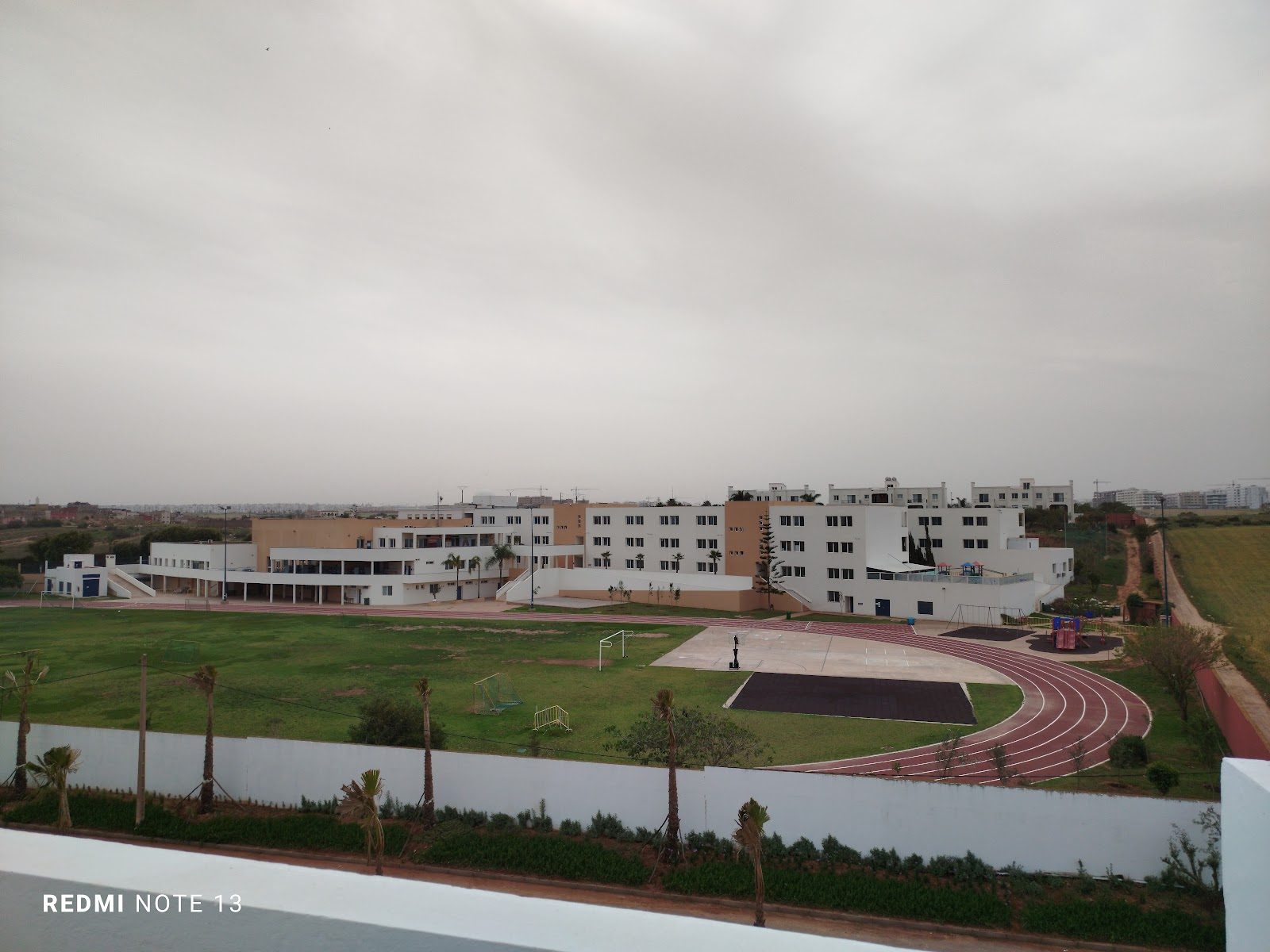
George Washington Academy
Casablanca · Morocco
American diploma meets IB rigor in trilingual Casablanca, anchored by Morocco's only LEGO Innovation Center.
American School of Marrakesh
Marrakesh · Morocco
Outside Marrakesh, a dual-diploma campus pairs American college prep with the IB in English, French and Arabic classrooms.

Cairo English School
Cairo · Egypt
A New Cairo campus where English National Curriculum meets Cambridge and IB pathways, anchored by Duke of Edinburgh expeditions and Week Without Walls
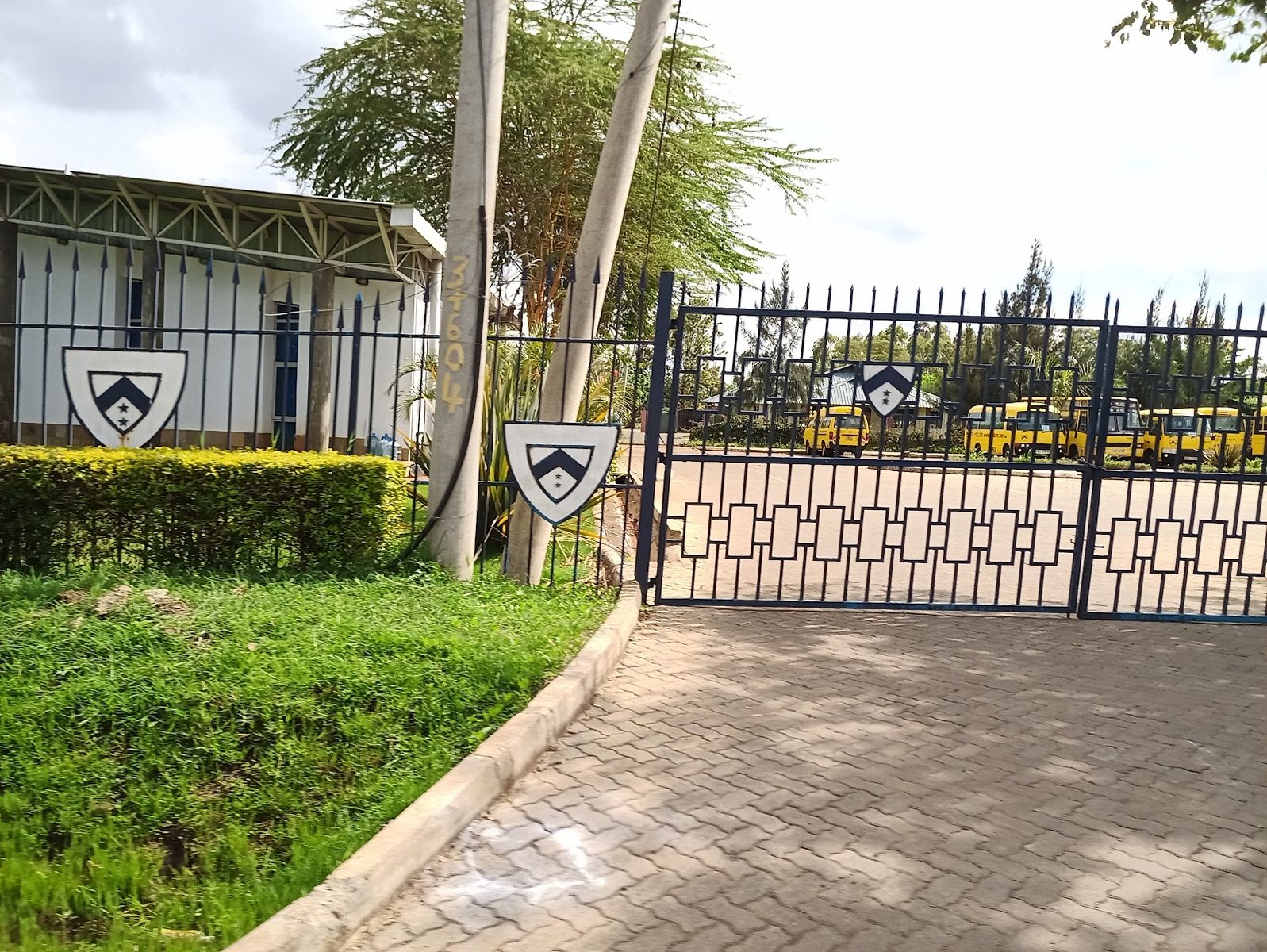
Braeburn Garden Estate School
Nairobi · Kenya
On a leafy 32-acre Nairobi campus, British foundations lead into Africa's first IB Career-related Programme.
Same country and curriculum — closest matches within ±10 points either way