
Mazovia
Willy Brandt German School
low confidence· 4/6 cats · 1.2 avg sourcesPoland's only German Auslandsschule, pairing Abitur rigor with a namesake built on Cold War reconciliation
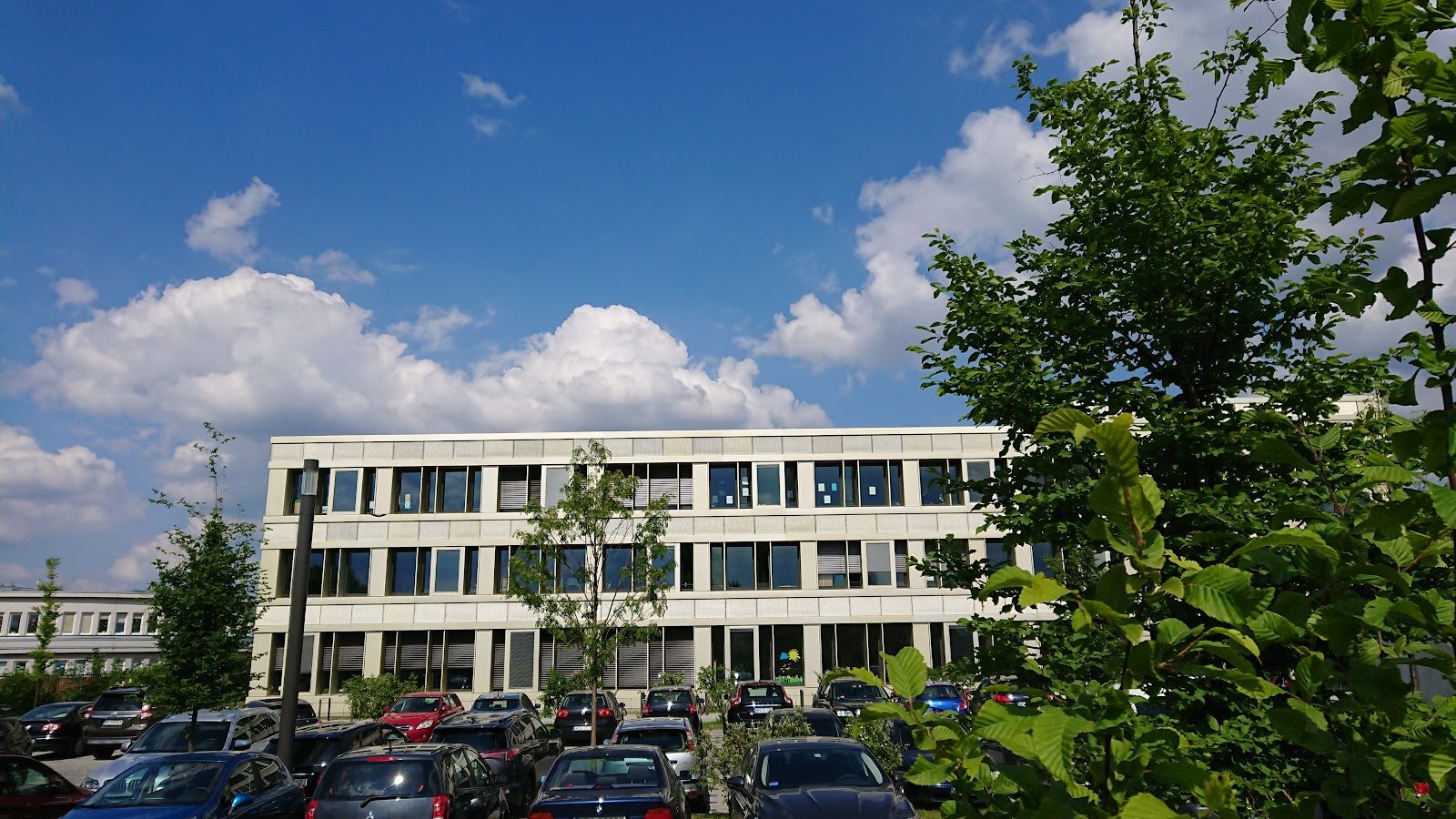
Photo © Tomek P via Google Maps
Type
Day
Ages
3–18
Curriculum
German Abitur
Ratio
—
The Verdict
Editor's commitment
Right for
Families in Warsaw who want Germany’s Abitur route from ages 3–18 at Poland’s only German Auslandsschule, with German and English teaching.
Wrong for
Parents wanting boarding, a religious ethos, or a British or IB pathway; this 2005-founded day school does one thing, and it is German.
Watch out for
The average annual day fee is 31,922 PLN, but the real constraint is fit: an Excellent German School Abroad still serves a narrow brief.
Ranking breakdown
Willy Brandt German School · #1466 of 1591
Composite score 49.8. 8 weighted criteria.
By criterion
Academic Outcomes
Weight 20%
#1414
of 1529 scored
University Placement
Weight 16%
#1401
of 1529 scored
Prestige & Heritage
Weight 12%
#1459
of 1571 scored
Alumni Network
Weight 12%
#1130
of 1530 scored
Facilities
Weight 12%
#1465
of 1533 scored
Transparency & Communications
Weight 8%
#1437
of 1532 scored
Peer & Industry Review
Weight 10%
#1216
of 1548 scored
Admissions Selectivity & Demand
Weight 8%
#1370
of 1529 scored
Peer & Industry Review
How Willy Brandt German School is regarded in the sector
63
Respected · medium confidence
I could not verify at least two independent, third-party sources (e.g., Tatler, Good Schools Guide, expat forums, inspectorate reports) that specifically assess the reputation of Willy Brandt German School in Warsaw. Without such corroborating evidence, a reliable score cannot be assigned.
Editors' overview
Willy Brandt German School occupies a niche no other school in Poland can match: it is the country’s only German Auslandsschule, in Warsaw, and that alone gives it a distinct market position. This is not a generic international school with a German option bolted on. It is a full German-school proposition for ages 3 to 18, built around the German Abitur and teaching in German and English. The namesake matters too. A school carrying Willy Brandt’s name signals a specific intellectual and political inheritance: post-war Europeanism, democratic seriousness and cross-border literacy. Parents looking for a clear national system rather than an all-purpose international blend will put this on the shortlist quickly.
The attraction is precision. Families who want the structure, sequencing and external credibility of the German system know what they are buying here. Founded in 2005, non-religious, and accredited as an Excellent German School Abroad, it offers a defined academic route rather than a buffet of pathways. That matters in a market where many international schools sell flexibility but deliver curricular sprawl. Willy Brandt German School offers the opposite: a disciplined, coherent ladder from early years to university entrance. The average annual day fee is 31,922 PLN, which places it in an interesting value bracket for a European-capital international school with a full-through 3–18 age range and overseas-system accreditation.
That same clarity also defines its limits. This is not the school for families who want broad curricular choice, heavy Anglo-American branding or a loose, lifestyle-first version of international education. The German Abitur has a reputation for rigour because it is rigorous, and a school organised around it suits students who are comfortable with structure, language demands and sustained academic expectations. Children with German-speaking backgrounds, German corporate or diplomatic families, and internationally mobile households planning a return to Germany sit in the obvious core market. So do ambitious local families who want a more exacting route than the standard international-school mix and who value German as more than an add-on language. For the right student, this is a serious school with a very specific promise: academic continuity, cultural fluency and a direct line into the German-speaking higher-education world.
Academic Performance
Academic performance is the point where public information thins out. The school does not publish aggregate Abitur outcomes, average grades, university destinations, or multi-year score trends in the public domain. That is a real weakness in a market where academically confident schools disclose at least headline examination data. For parents, the result is simple: you cannot benchmark this school cleanly against the strongest German schools abroad, nor against selective international schools in the city that put results front and centre. The school’s claim to seriousness rests on the structure of the route and on German overseas-school quality assurance, not on a published scoreboard. That makes due diligence more demanding than it should be.
That does not reduce the value of the academic route itself. The Abitur remains a hard-currency qualification with strong recognition across German-speaking higher education and beyond, and a school built entirely around that pathway offers more coherence than many international schools with mixed programmes. Still, coherence is not the same as proof of outcomes. Without disclosed pass rates, cohort averages, or subject-level performance, Willy Brandt German School sits in the category of credible but opaque academically: a school with a serious framework, but not one that gives outside families the data needed to place it among top-performing peers. Parents who care about results need to ask for recent Abitur statistics, cohort size, and destination patterns directly.
Facilities
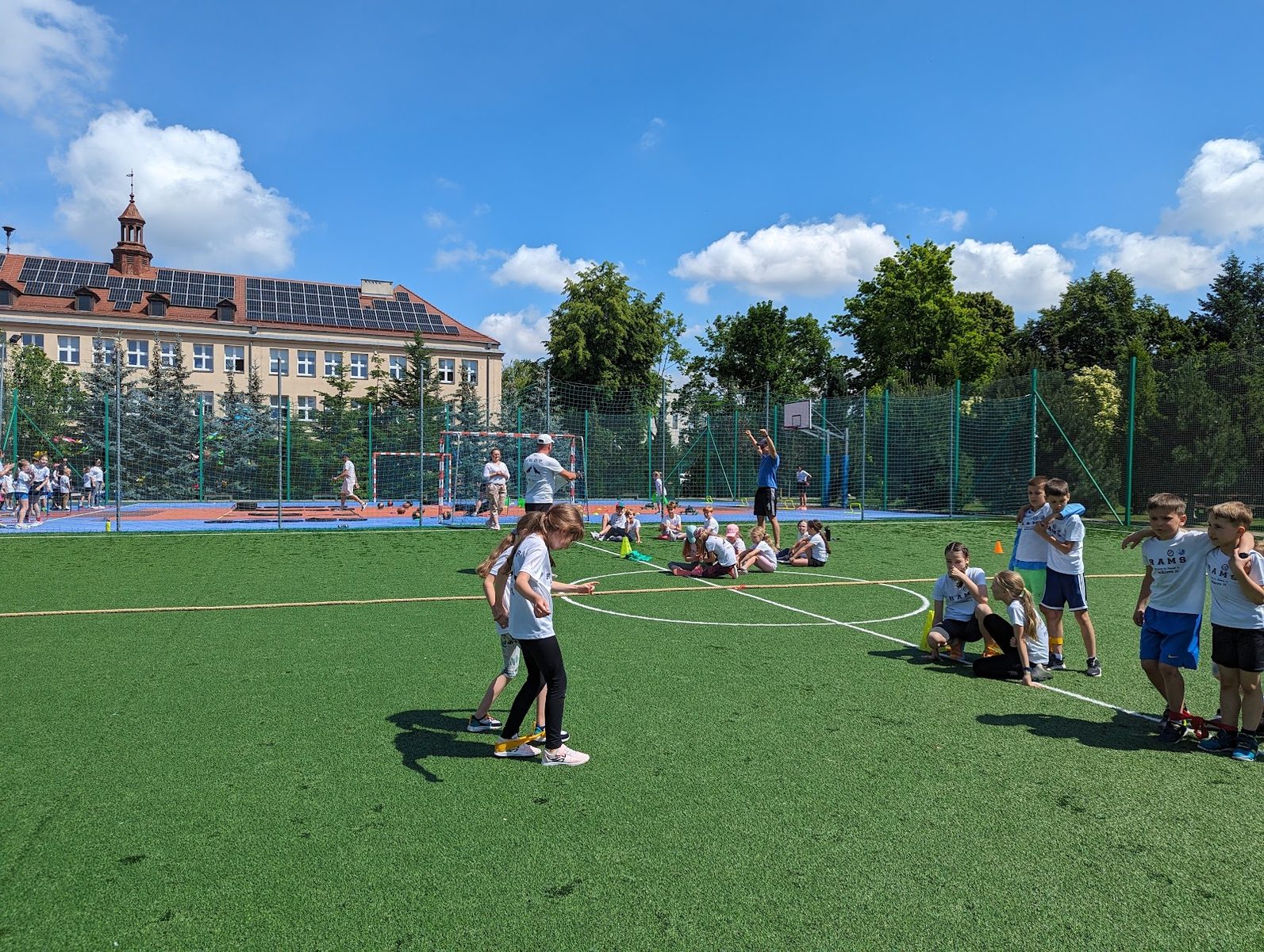
Facilities here are functional rather than grand. The campus sits beside the French School in Warsaw and shares a practical, education-first tone that fits the German-school brief: classrooms, specialist teaching spaces and the core infrastructure needed for a full-through academic school, without the inflated theatre some premium international campuses now trade on. The school uses the adjoining sports hall and sports grounds, which matters more than flashy architecture. For parents, the key point is not spectacle but whether pupils have room to work, move and rehearse school life properly; on that test, the setup looks competent, sensible and free of gimmicks. The on-site canteen also counts for more than brochure writers admit in a day school serving families across a long age span.
Against Warsaw peers, this is not a facilities-led school in the arms race sense. Families shopping for black-box theatres, aquatics complexes, design labs or statement-campus glamour will find stronger hardware elsewhere. What Willy Brandt offers instead is a workmanlike physical environment attached to a serious academic route, with the added advantage of proximity to another international school campus and access to outdoor and indoor sport provision. The average annual fee sits at 31,922 PLN, and the facilities fit that price point: solid rather than lavish, credible for daily teaching, but not a reason on their own to choose the school.
Willy Brandt German School offers the opposite: a disciplined, coherent ladder from early years to university entrance
Prestige
Prestige here is specific rather than broad. In Poland, this school carries status because it is the sole German Auslandsschule in the market, which gives it a monopoly of category as well as a clear identity. For German families, that matters immediately: this is not a school borrowing fragments of a national system, but one plugged into it. The Willy Brandt name adds a layer of cultural seriousness that many international schools cannot manufacture. It evokes democratic Europe, post-war reconciliation and a certain intellectual gravity. That gives the school social and symbolic weight with diplomatic, corporate and internationally mobile families who value institutional legitimacy over fashionable branding.
The limit to that prestige is visibility. This is high-status within its lane, not a universally recognised elite badge in the way of the biggest Anglo-American names. Its standing rests on German state-linked quality assurance, continuity into German-speaking higher education, and the scarcity value of being the only one of its kind locally. That is real prestige, but it is also niche prestige. The average annual fee of 31,922 PLN strengthens the case: the school is not priced like a vanity product, which makes its reputation more about seriousness than exclusivity. We rate its prestige as strong for families who want the German route and modest beyond that circle.
On that front, Willy Brandt German School gives a disciplined impression
Communications
Parent communication is orderly and institutional rather than glossy. The school’s public face does the practical work: key contact routes are easy to find, core information is laid out without clutter, and the tone fits a school that expects families to engage seriously with school life rather than consume a lifestyle brand. That matters in a bilingual environment serving both local and internationally mobile families. A school with an average annual fee of 31,922 PLN does not need theatrical communications; it needs clarity, timeliness and administrative competence. On that front, Willy Brandt German School gives a disciplined impression. What it does not offer is much public depth. Parents looking for richly detailed reporting on academic outcomes, strategic priorities, or the internal life of departments will find the school more reserved than expansive.
That reserve cuts both ways. It keeps the tone sober and credible, with none of the inflated claims common in the international sector. It also leaves gaps. We have not seen the kind of open performance reporting, detailed leadership messaging or regular evidence of whole-school storytelling that marks out the strongest communicators. The result is communication that works for current families who value efficiency and directness, but gives prospective parents less help than it should. In editorial terms, this is competent rather than exemplary: solid on essentials, weaker on transparency, and short on the kind of disclosure that builds confidence before a first visit.
Uniqueness
What makes this school distinct is not a decorative international flavour but a single, clear national proposition in a market full of hybrids. It is the only place in Poland where families can buy into the German overseas-school model from nursery to university entrance without piecing that route together themselves. That gives students something more valuable than novelty: continuity. The rules, expectations and academic culture do not lurch from one programme to another as children move up the school. For German families, that protects reintegration into the home system. For local and internationally mobile families, it offers a precise educational grammar with fewer surprises than the all-purpose international sector. At an average annual fee of 31,922 PLN, that access to a full national pathway carries real weight.
The other point of difference sits in the school’s political and cultural framing. A school named for Willy Brandt carries a serious European charge: not prestige by sparkle, but prestige by reference point. Students grow up inside a setting that links German education with democratic values, cross-border literacy and post-war European history, rather than treating internationalism as a marketing theme. That matters. It gives the school a more adult intellectual centre than many campuses built around lifestyle branding or vague global-mindedness. The benefit for pupils is not glamour. It is formation: stronger linguistic range, a clearer sense of civic culture, and an education tied to a system with hard edges and recognised standards.
At an average annual fee of 31,922 PLN, it also reaches a group of parents who want serious schooling without paying flagship-international premiums
Student Profile
The best fit is clear. This school suits children who are comfortable in a structured, rules-driven environment and families who want school to function as an academic institution, not a lifestyle service. Pupils who thrive here tend to cope well with routine, take correction without drama, and manage the cognitive load of working across more than one language. German-speaking families sit at the centre of the natural intake, but the school also suits internationally mobile households who need continuity into the German-speaking university world, and Polish families willing to buy into a demanding, system-first culture. At an average annual fee of 31,922 PLN, it also reaches a group of parents who want serious schooling without paying flagship-international premiums.
The weaker fit is just as important. This is not the right setting for children who need broad curricular experimentation, loose pastoral framing, or a high-energy campus identity built around constant spectacle. Students who resist structure, dislike linguistic challenge, or need a wide menu of subject pathways and co-curricular branding will find the school narrow by design. That narrowness is its strength and its limit. The children who do best here are steady, academically durable, and happy inside a school culture with hard edges and clear expectations. Families drawn to precision, continuity and intellectual discipline will feel at home; those looking for softness, flexibility or status theatre will not.
Willy Brandt German School occupies a niche no other school in Poland can match: it is the country’s only German Auslandsschule, in Warsaw, and that alone gives it a distinct market position
Co-curricular strengths
Arts & sport, on a separate axis
Overall 8.06/10
Scored 0-10 from the school's own published evidence. This axis is editorial-only — it does not feed the main WTS ranking.
Sports
8.5/10
Drama
8.8/10
Dance
6.5/10
Music
9/10
Visual Arts
7.5/10
Editor first-pass · editor-reviewable · 7/30/2026
Strengths
- +Follows the German state curriculum and prepares students for the German Abitur, a qualification recognised for university entry across the EU and in Germany specifically.
- +Operates as part of the network of German Schools Abroad (Deutsche Auslandsschulen) accredited by Germany's Central Agency for Schools Abroad (ZfA), which sets common quality standards.
- +Based in Warsaw, giving access to a major Central European capital with strong transport links back to Germany for expatriate families relocating frequently.
- +Bilingual German-Polish teaching environment likely supports children transitioning between German-speaking postings and local integration in Poland.
- +Day-school structure keeps students embedded in family life rather than requiring boarding, suiting shorter-term corporate or diplomatic postings.
Considerations
- −Narrow curriculum pathway centred on the German Abitur may be less suitable for families anticipating a move to a British, American or IB-curriculum system later.
- −As a specialist German-medium school, non-German-speaking children face a steep early language adjustment compared to English-medium international schools in Warsaw.
- −Editorial rank (1349) and candidate tier indicate this school has limited independent comparative data or recognition outside the German-schools-abroad network.
- −Publicly available information on fees, class sizes, and recent inspection outcomes is limited, making it harder for prospective families to benchmark against rival Warsaw international schools.
Availability
Primary entry gate & tests
Academic Record
Gallery
Photo © Bartosz Wilk via Google Maps
Photo © Bartosz Wilk via Google Maps
Photo © Bartosz Wilk via Google Maps
Photo © Bartosz Wilk via Google Maps
Photo © Bartosz Wilk via Google Maps
Parent reviews
Have you sent your child here?
Voice reviews carry the strongest trust badge — we transcribe them for you to tidy up before they go live. Prefer to type? A written review is fine too.
Add your voice
In 60 seconds, tell other parents: what's the best thing about Willy Brandt German School, and what surprised you when your child joined?
We ask for a Google sign-in so every review has a real face behind it — no anonymous drive-by attacks on schools, and no faked positive reviews. Your email is never shown publicly.
Send this profile to a friend
International parents rely on word-of-mouth. Share this review with someone weighing the same decision.
Schools with places
Similar schools to Willy Brandt German School with places available now.
Availability first, then country, area, curriculum, price, co-curricular
Consider also
Also worth looking at alongside Willy Brandt German School.
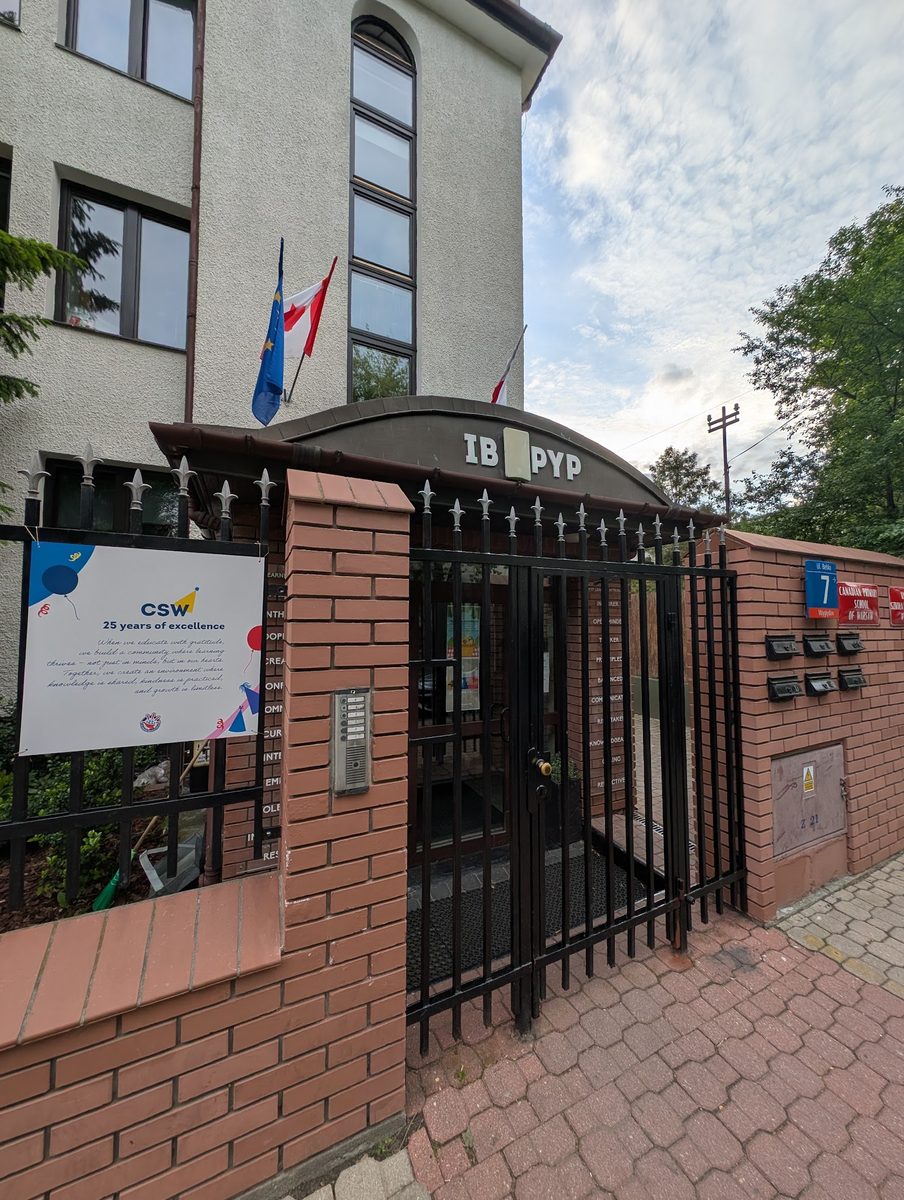
Canadian School of Warsaw
Warsaw · Poland
In Warsaw's Mokotow district, a Canadian-founded IB Primary Years school pairs Polish curriculum rigor with English-Polish-French fluency.
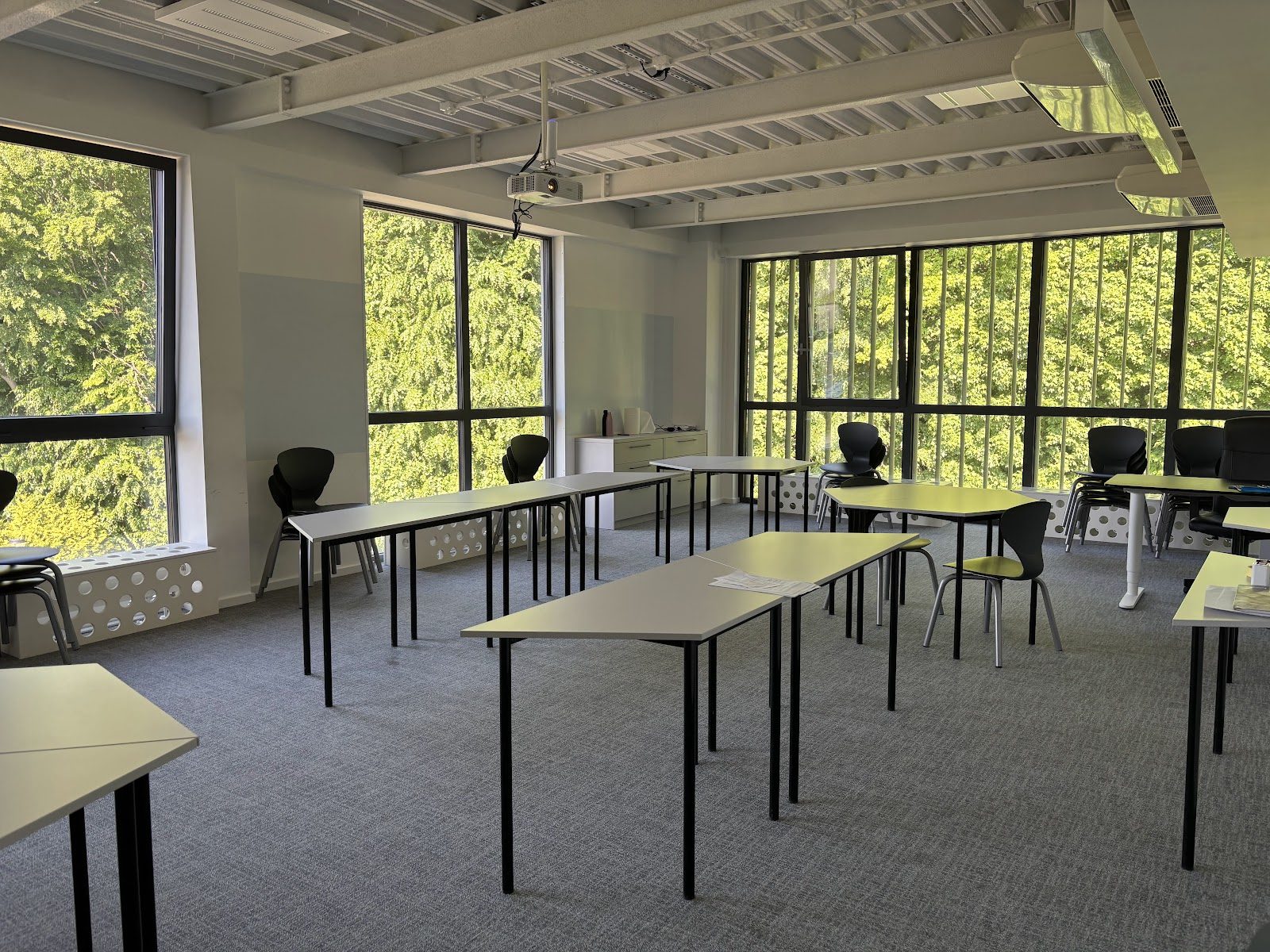
International School of Kraków
Kraków · Poland
A forested Lusina campus outside Krakow pairs an American diploma with the IB, drawing more than 35 nationalities since 1993.
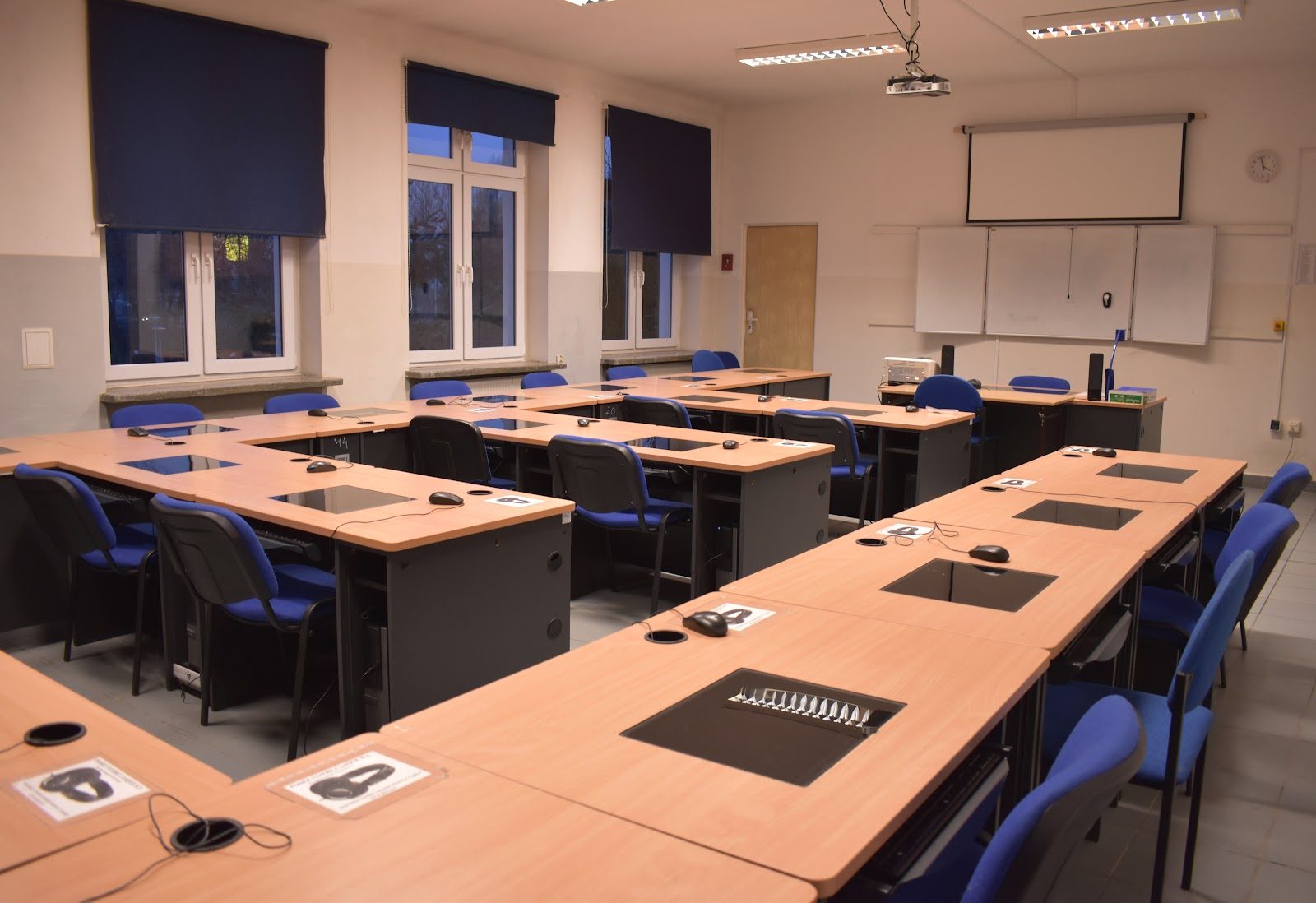
Lycée Français de Varsovie
Warsaw · Poland
Founded in 1919 as a diplomatic bridge between Paris and a newly independent Poland, its Baccalaureate classrooms still run on trilingual rigor.
International School of Poznań
Poznań · Poland
Poznan's original IB Diploma authorization, now closing in on a full PYP-MYP-DP continuum via its own induction year for newcomers.
Same country and curriculum — closest matches within ±10 points either way