
Dar Bouazza
George Washington Academy
low confidence· 4/6 cats · 1 avg sourcesAmerican diploma meets IB rigor in trilingual Casablanca, anchored by Morocco's only LEGO Innovation Center.
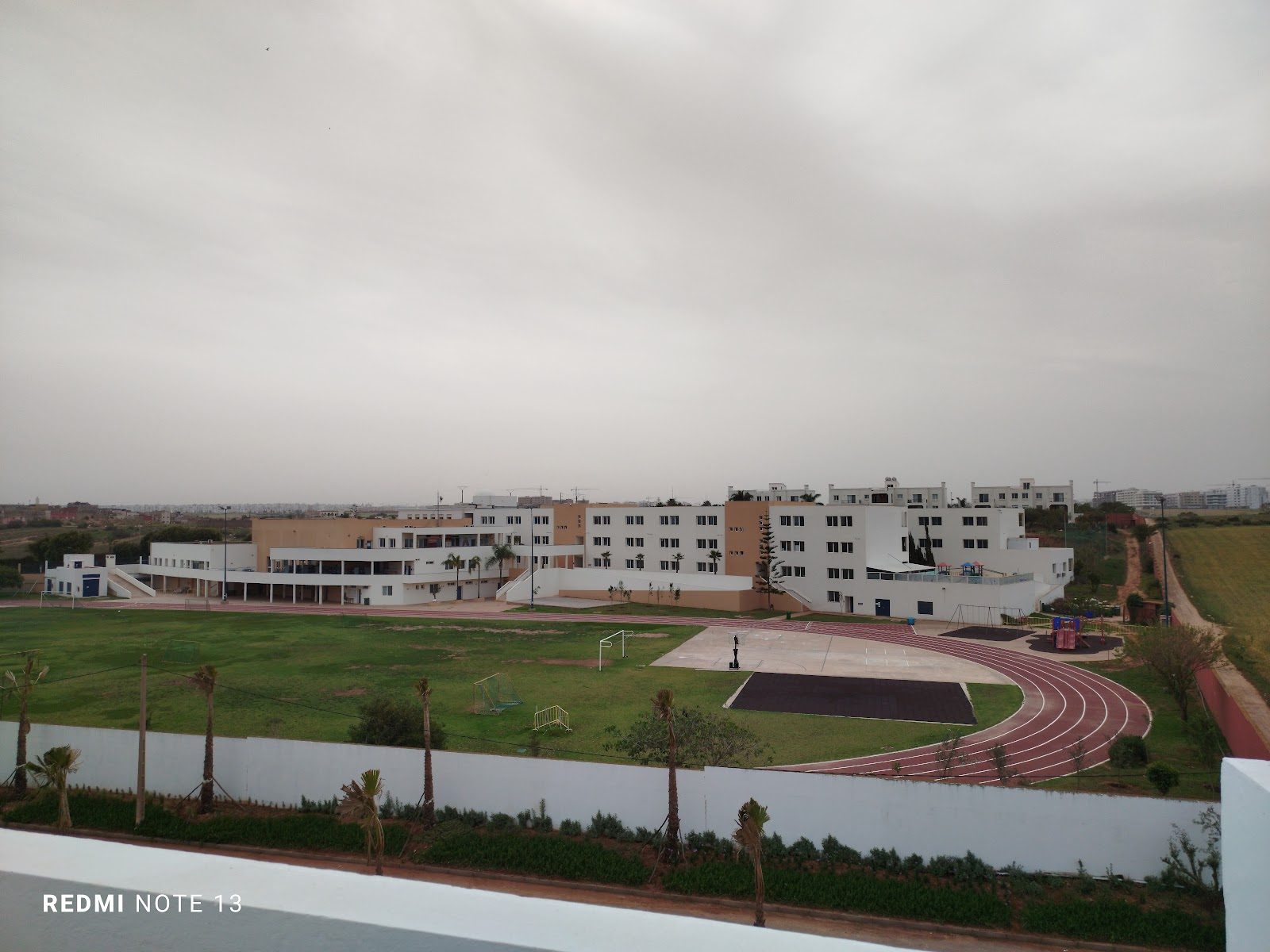
Photo © Karim kasimi via Google Maps
Type
Day
Ages
3–18
Curriculum
American
Qualifications
AP · US High School Diploma
Ratio
—
The Verdict
Editor's commitment
Right for
Casablanca families wanting an English-medium American school from ages 3–18, with Middle States, Cognia and AASSA behind the basics.
Wrong for
Parents expecting boarding, a religious ethos, or published hard outcomes beyond an American curriculum and a student body of 800.
Watch out for
The school talks values and employs 52% expat staff, but it does not publish aggregate exam or university-destination figures.
Ranking breakdown
George Washington Academy · #1376 of 1591
Composite score 52.8. 8 weighted criteria.
By criterion
Academic Outcomes
Weight 20%
#1357
of 1529 scored
University Placement
Weight 16%
#1332
of 1529 scored
Prestige & Heritage
Weight 12%
#1386
of 1529 scored
Alumni Network
Weight 12%
#1299
of 1529 scored
Facilities
Weight 12%
#1336
of 1529 scored
Transparency & Communications
Weight 8%
#1326
of 1529 scored
Peer & Industry Review
Weight 10%
#1203
of 1529 scored
Admissions Selectivity & Demand
Weight 8%
#1232
of 1529 scored
Peer & Industry Review
How George Washington Academy is regarded in the sector
63
Respected · medium confidence
I could not verify at least two independent third-party sources (e.g., Tatler, Good Schools Guide, specialist education press, or established expat forums) that substantively assess George Washington Academy's reputation. Without such corroborating independent evidence, a reliable score cannot be assigned.
Editors' overview
George Washington Academy occupies a clear niche in Casablanca: an English-medium, non-religious American day school that runs from age 3 to 18 and adds real international breadth through its community mix and college-preparatory pitch. Founded in 1998, with about 800 students, it is large enough to offer range and small enough to avoid the sprawl and anonymity of bigger all-through schools. The trilingual Casablanca setting matters. Families who want an American diploma without losing daily contact with Moroccan and international peers will find that mix here. The school’s own figures give it substance: 36 nationalities in the community, 52% expat teaching staff, and 100% of teachers certified in their subject area. That is a serious staffing statement, not a decorative one.
What puts GWA on a shortlist is not novelty for its own sake, but a combination that is hard to assemble elsewhere in Morocco: American curriculum, English as the language of instruction, and a school culture that leans hard on character, community and university preparation. Its accreditations — Middle States, AASSA and Cognia — give the school external credibility. The reference to Morocco’s only LEGO Innovation Center adds a practical point of difference: this is a school that wants innovation to sit in the building, not just in a prospectus slogan. Parents looking for structured ambition, international fluency and a school with range will recognise the appeal. Parents looking for published hard academic outcome data will want more transparency; the school does not publish aggregate exam score profiles in the source material here, so the case rests more on programme, staffing and community than on headline metrics.
The right student for GWA is the one who wants an English-speaking academic environment with a strong pastoral frame and an international peer group, but not a boarding-school culture or a narrow exam factory. This suits children who thrive in a warm but serious environment, who will use extracurriculars rather than treat them as filler, and who benefit from teachers cast as mentors as well as instructors. It also suits internationally mobile families who need a recognisable American school structure in Casablanca. Students who need a highly specialised, publicly documented results culture may find the school less satisfying. Students who value daily cross-cultural contact, clear adult support and broad college preparation will find GWA a strong fit.
Academic Performance
George Washington Academy does not publish the data parents need to judge academic performance cleanly: no aggregate AP results, no IB diploma averages, no SAT profile, no university destination matrix, and no year-on-year attainment breakdowns. That matters. In a market where ambitious international schools use hard outcomes to prove substance, GWA asks families to trust the architecture instead: a college-preparatory programme, a fully certified faculty, and an all-through structure that carries students from the early years to graduation. That is a credible foundation, but it is not the same thing as published results. The absence of public score data leaves the school in the opaque middle ground of Casablanca’s international sector: serious enough to merit attention, not transparent enough to claim academic distinction on evidence.
What can be said with confidence is narrower. A school of roughly 800 students with 100% certified teachers has the scale to offer continuity and subject coverage without turning into an impersonal exam mill. The school also states that graduates progress to universities in Morocco, the United States and elsewhere, which confirms basic portability of the diploma but does not establish selectivity or comparative strength. Against peers that publish robust external outcomes, GWA is at a disadvantage. Against schools that trade on atmosphere and facilities while saying little about attainment, it holds firmer ground. For parents, the conclusion is plain: this is a school with serious academic intent and insufficient public proof.
Facilities
The standout facility is the LEGO Innovation Center, because it gives GWA a point of difference that most Casablanca competitors do not match. Plenty of schools talk about innovation; far fewer build a named space around it and make it part of the school’s identity. For parents, that matters less as a branding flourish than as a clue to how the school wants students to work: hands-on, collaborative, and comfortable with design thinking rather than passive classroom routine. The school also leans hard on safeguarding and student support, with trained teachers, staff and counsellors; that is not a building, but it is part of the functional campus infrastructure families use every day. In a market where some schools win on sheer scale, GWA’s offer reads as purposeful rather than flashy, with facilities tied to teaching and pastoral care instead of showpiece excess.
What is missing is just as important. The school does not publish a detailed campus inventory, so parents do not get the standard roll call of labs, theatres, sports fields, pools, specialist art rooms or performance spaces. That weakens comparison with peer schools that document their estates properly. On public evidence, GWA has one genuinely distinctive facility, a credible student-support frame, and an otherwise under-described campus. Against schools with sprawling premium campuses, it loses on visibility. Against schools with thin practical provision, it holds up better. The facilities picture is interesting but incomplete: enough to catch attention, not enough to settle the case.
George Washington Academy carries solid local standing and credible international legitimacy, but it does not sit in the top prestige tier on public evidence
Prestige
George Washington Academy carries solid local standing and credible international legitimacy, but it does not sit in the top prestige tier on public evidence. The school has the markers that matter: recognised external accreditation, a private all-through structure, and a community that spans 36 nationalities. The staffing claim also helps its status: 52% expat teaching staff gives the school a more international professional profile than many domestically rooted schools can offer. Add the line that all teachers hold subject certification, and the picture is of a school that takes institutional seriousness seriously. Prestige at GWA rests on substance and structure, not on old-world cachet, elite selectivity, or a globally famous brand name.
That distinction matters. In international education, prestige can come from published results, university placements, historic reputation, or simple social signalling. GWA does not publish the hard outcome data that would lift it into the undeniably elite bracket, and it lacks the inherited glamour of long-established European or Anglo-Arab grandees. Its pull is different: a broad international peer group, a clear college-preparatory identity, and an unusual innovation talking point in the LEGO centre. For families in Casablanca, that is real prestige of the practical kind — respectable, mobile, and credible with universities. For families chasing the highest-status badge, it falls short. This is a school with earned respect, not mystique.
On public evidence, GWA has one genuinely distinctive facility, a credible student-support frame, and an otherwise under-described campus
Communications
George Washington Academy communicates in the now-standard independent-school style: a polished website, a direct message from the head, clear menu structure, and visible signposting around values, safeguarding and school life. That gives parents a workable front door. The school does not bury its core identity. It tells families what age range it serves, the shape of the community, and the broad educational promise without forcing them through layers of jargon. The safeguarding statement is the strongest communication signal of all. A school that puts child protection in plain view, and states that teachers, staff and counsellors receive regular training, is making a serious operational declaration, not just filling compliance space. The published faculty claims — 100% certified teachers and 52% expatriate teaching staff — also show a school willing to put memorable staffing facts into the public domain.
The weakness is depth. Communication is clean but selective. Parents get the message, but not enough hard follow-through. The site projects institutional confidence on ethos and community, yet gives thin public detail on the practical questions ambitious families ask after the first click: academic outcomes, campus specifics, and the mechanics of day-to-day parent partnership. That imbalance matters. Strong communications do not mean warm prose and tidy navigation alone; they require disclosure. GWA communicates its culture effectively and with discipline. It communicates performance and operational detail less well. For parents, the result is reassuring at first contact, then frustratingly incomplete once scrutiny starts.
Uniqueness
George Washington Academy’s distinctiveness lies in the way it ties international breadth, character education and hands-on innovation into one school identity, rather than treating them as separate selling points. The community mix is unusually broad for one campus, with 36 nationalities represented, and that matters in daily school life: students learn to navigate difference as a routine fact, not a themed event. The school’s emphasis on integrity, respect and community gives that diversity a framework. Done well, that produces students who are not just mobile and articulate, but socially literate — able to work across cultures, read a room, and contribute without provincialism. The safeguarding language also carries weight. A school that trains teachers, staff and counsellors around child protection is making a serious operational choice, not a cosmetic one.
The sharper point of difference is the LEGO Innovation Center. That is not standard equipment in Morocco, and it gives GWA a concrete edge over schools that use innovation as a slogan. For students, the benefit is practical: more exposure to problem-solving, collaboration and iterative thinking, with ideas tested in physical form rather than left at the level of classroom talk. Add a faculty profile with 52% expatriate teachers and 100% subject certification, and the school’s uniqueness comes into focus: not grand prestige, not exam-factory intensity, but a deliberate blend of internationalism, adult support and applied learning. For the right family, that mix is hard to replicate.
The best fit at George Washington Academy is the student who wants an outward-facing school life and can use a mixed community well
Student Profile
The best fit at George Washington Academy is the student who wants an outward-facing school life and can use a mixed community well. With 36 nationalities on campus, this suits children who are comfortable moving between cultures, making friends across backgrounds, and treating difference as normal daily reality rather than a special event. It also suits families who want a clear moral frame around school life: integrity, respect and community are not hidden in fine print. Students who respond well to adults who know them, push them and mentor them will do better here than students who want anonymity. The school’s safeguarding emphasis strengthens that profile; this is a place for families who value visible adult care and expect schools to take child protection seriously.
Academically and socially, GWA fits students with steady ambition rather than brittle, status-driven competitiveness. Children who enjoy extracurricular life, collaborative projects and applied learning will get more from the school than those who want a narrow exam treadmill. The innovation angle matters here: pupils who like building, testing ideas and learning by doing have a stronger match than students who only want conventional classroom routines. The presence of 52% expatriate teaching staff also points to a student body that can handle different teaching styles and international expectations. Less suited are children who need a hyper-selective edge, a publicly documented results culture, or the social theatre of a more elite brand.
Founded in 1998, with about 800 students, it is large enough to offer range and small enough to avoid the sprawl and anonymity of bigger all-through schools
Co-curricular strengths
Arts & sport, on a separate axis
Overall 7.7/10
Scored 0-10 from the school's own published evidence. This axis is editorial-only — it does not feed the main WTS ranking.
Sports
8.2/10
Drama
7.8/10
Dance
6.5/10
Music
8/10
Visual Arts
8/10
Editor first-pass · editor-reviewable · 7/30/2026
Strengths
- +Offers an American curriculum from early years through Grade 12, allowing families to avoid a school change during a multi-year Casablanca posting.
- +Located in Casablanca, Morocco's main commercial and expatriate hub, making it a practical choice for relocating business families.
- +Founded in the early 2000s, giving it a longer operating history than many newer American-curriculum entrants in the region.
- +English-medium instruction is paired with French and Arabic language study, reflecting Morocco's multilingual environment and useful for local integration.
- +Structured around the US grade-level system, easing credit transfer for families moving between American-curriculum schools internationally.
Considerations
- −Day school only, so families must independently arrange housing and transport rather than relying on boarding infrastructure.
- −Its editorial rank (1306) places it well outside the internationally best-known American-curriculum schools, reflecting a lower public profile.
- −Publicly available independent inspection or accreditation detail is limited, making it harder for families to benchmark quality against peer schools before enrolling.
- −Casablanca's pool of American-curriculum schools is small, so competitive sports, arts and extracurricular depth may be narrower than in larger expatriate hubs like Dubai or Singapore.
Availability
Primary entry gate & tests
Academic Record
Gallery
Photo © George Washington Academy via Google Maps
Photo © George Washington Academy via Google Maps
Photo © George Washington Academy via Google Maps
Photo © George Washington Academy via Google Maps
Photo © George Washington Academy via Google Maps
Parent reviews
Have you sent your child here?
Voice reviews carry the strongest trust badge — we transcribe them for you to tidy up before they go live. Prefer to type? A written review is fine too.
Add your voice
In 60 seconds, tell other parents: what's the best thing about George Washington Academy, and what surprised you when your child joined?
We ask for a Google sign-in so every review has a real face behind it — no anonymous drive-by attacks on schools, and no faked positive reviews. Your email is never shown publicly.
Send this profile to a friend
International parents rely on word-of-mouth. Share this review with someone weighing the same decision.
Schools with places
Similar schools to George Washington Academy with places available now.
Xiamen International School
Xiamen · China
- 2026-27
- WAITPOOLSpace-dependent
- 2027-28
- FUTURE CYCLEDates TBC
American Cooperative School La Paz
La Paz · Bolivia
- 2026-27
- WAITPOOLSpace-dependent
- 2027-28
- FUTURE CYCLEDates TBC
Cheongna Dalton School
Incheon · South Korea
- 2026-27
- WAITPOOLSpace-dependent
- 2027-28
- FUTURE CYCLEDates TBC
Country Day School
Escazú · Costa Rica
- 2026-27
- WAITPOOLSpace-dependent
- 2027-28
- FUTURE CYCLEDates TBC
Availability first, then country, area, curriculum, price, co-curricular
Consider also
Also worth looking at alongside George Washington Academy.
American School of Marrakesh
Marrakesh · Morocco
Outside Marrakesh, a dual-diploma campus pairs American college prep with the IB in English, French and Arabic classrooms.
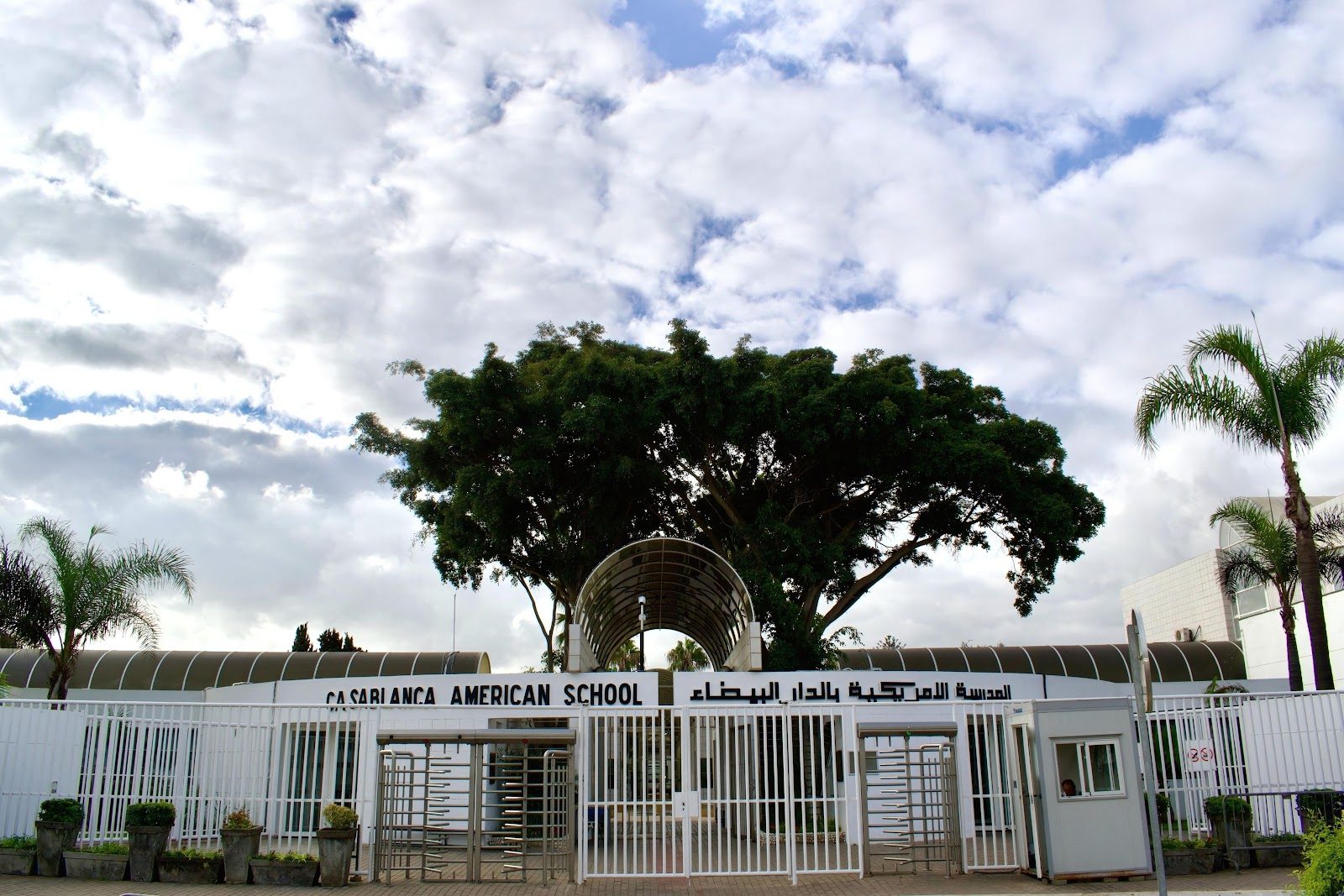
Casablanca American School
Casablanca · Morocco
North Africa's first full IB Diploma programme, paired since 1986 with an American university-prep track in Casablanca.

Rabat American School
Rabat · Morocco
On Rabat's Atlantic corniche, a 1962 embassy school built one of the region's earliest IB Diploma programmes.
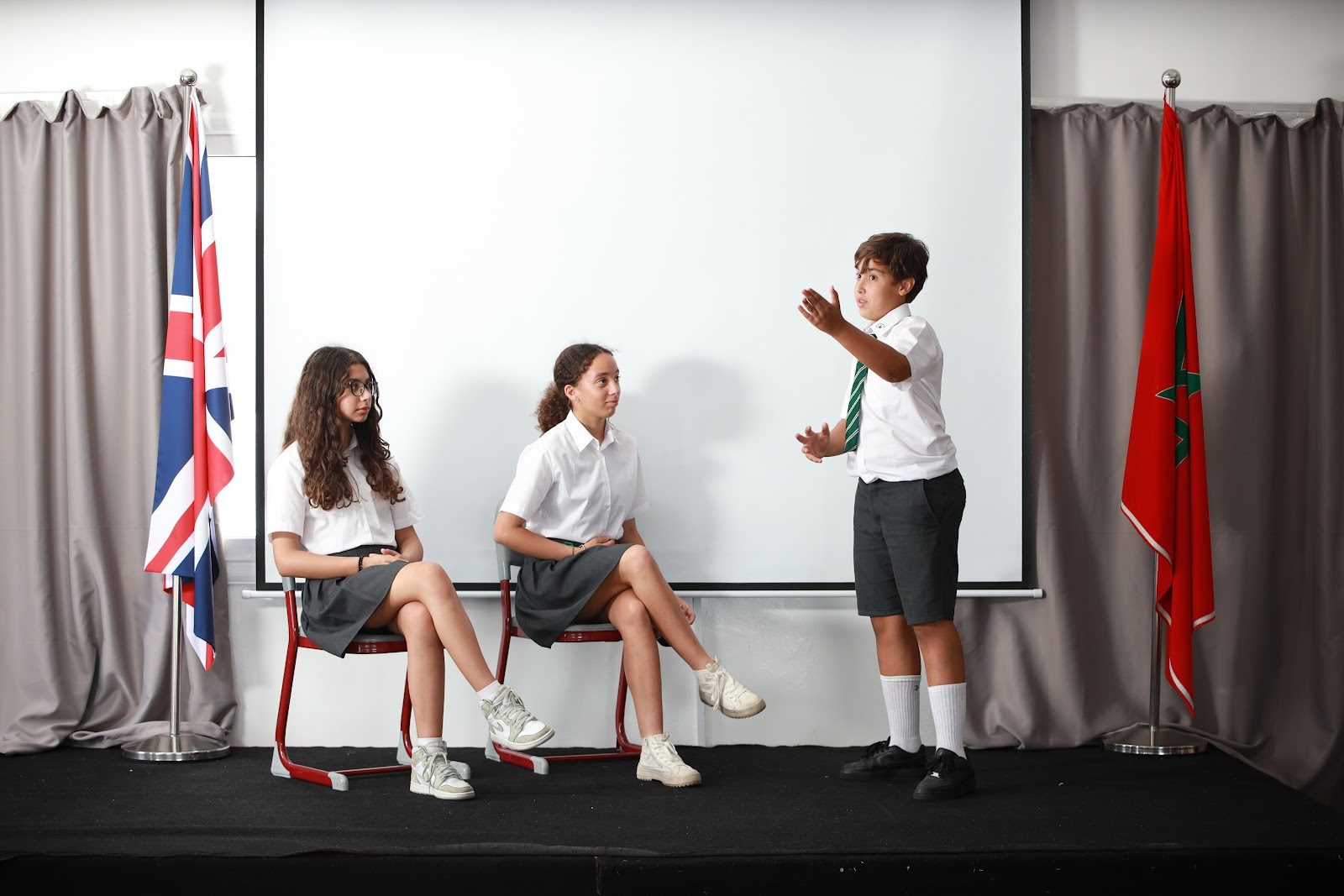
London Academy Casablanca
Casablanca · Morocco
A British day school in Bouskoura pairing IGCSE and A-Level study with trilingual teaching in English, French and Arabic
Same country and curriculum — closest matches within ±10 points either way