
Geneva
Collège du Léman
medium confidence· 4/6 cats · 3.33 avg sourcesOn the shores of Lake Geneva, Switzerland's largest K-12 campus threads five diploma pathways into one international community.
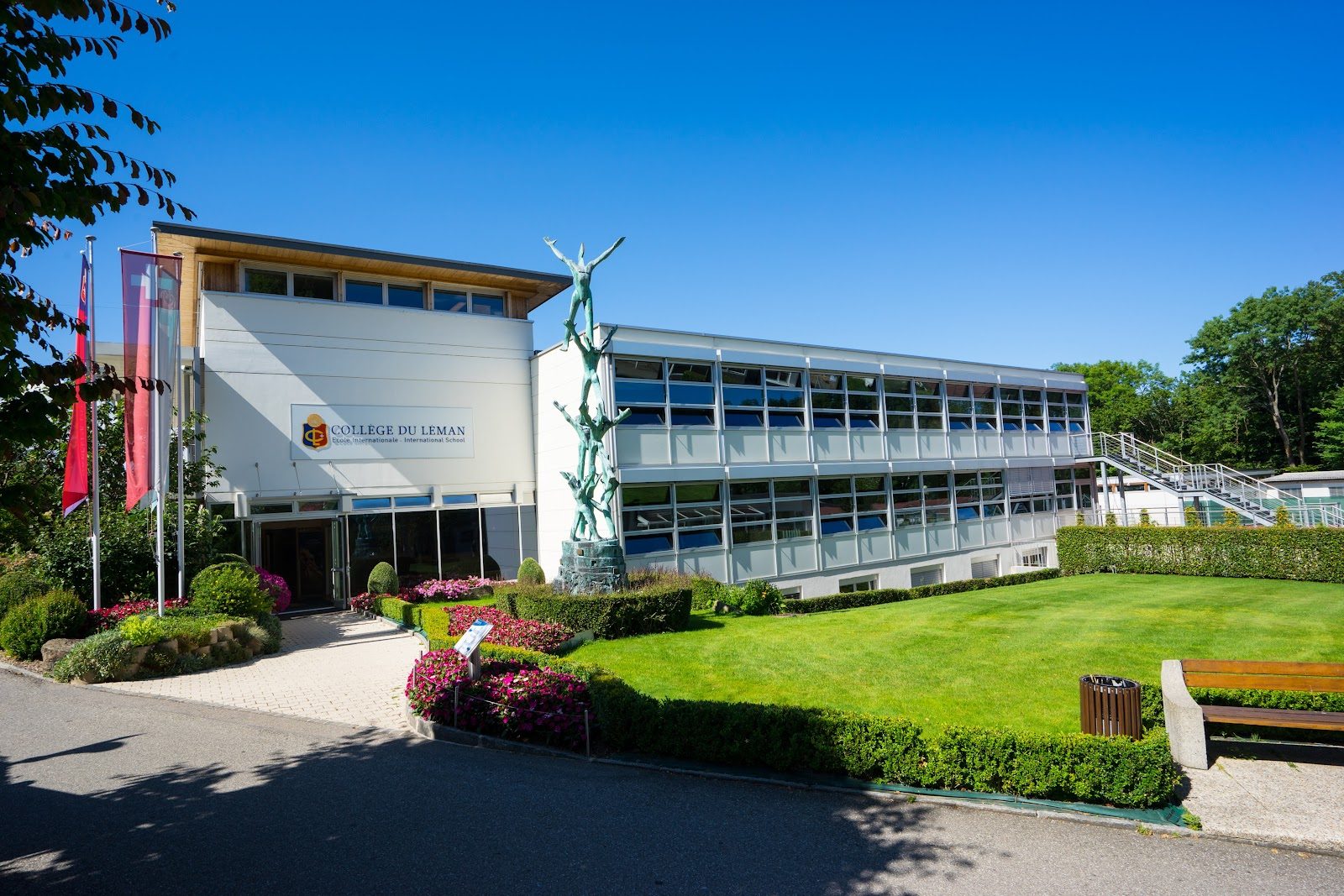
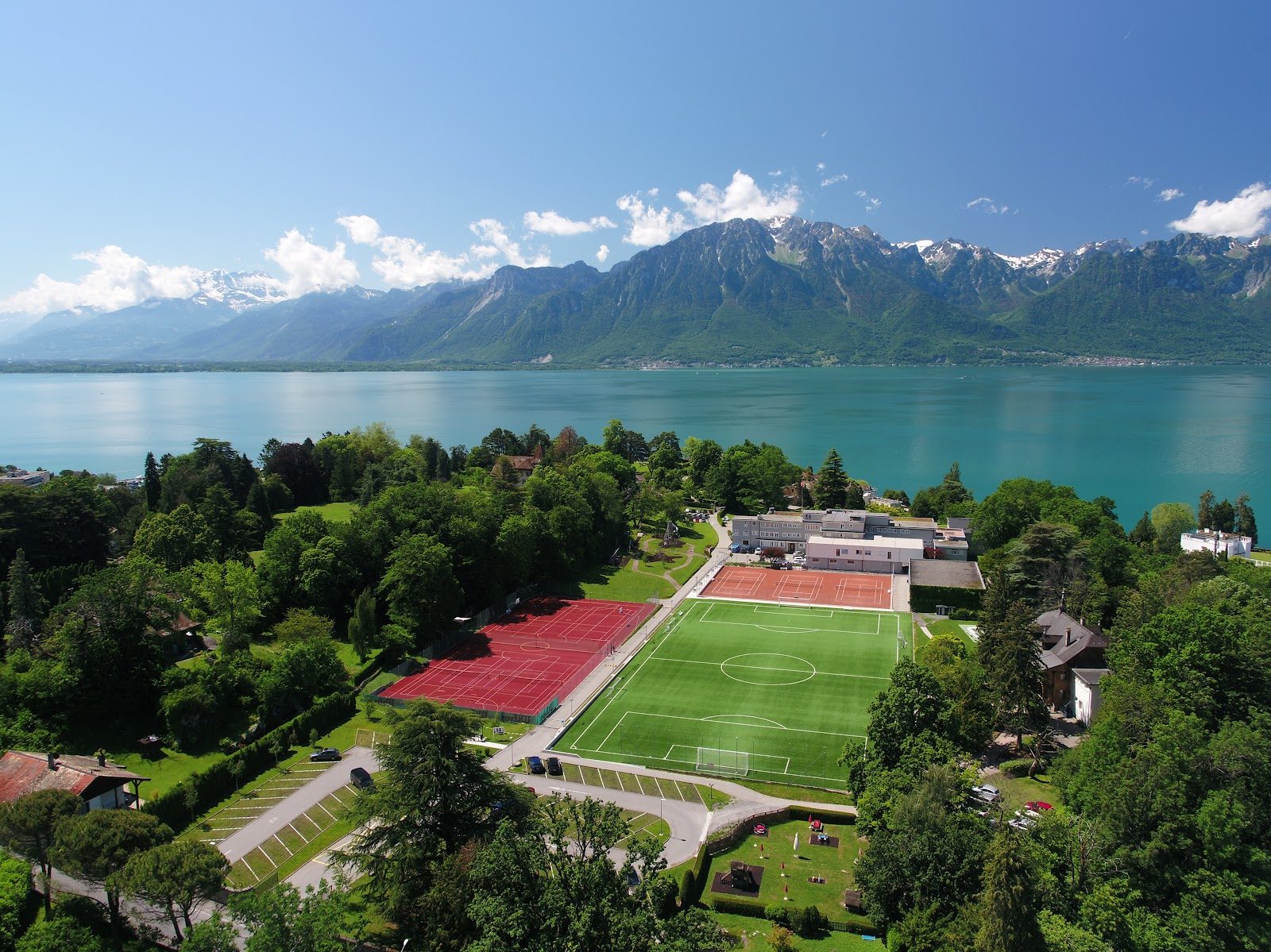
Photo © Alexandre Suplicy via Google Maps
Type
Both
Ages
2–18
Curriculum
IB · British
Ratio
—
The Verdict
Editor's commitment
Right for
Families wanting range on one campus: ages 2–18, English and French, with both IB and British pathways in Versoix.
Wrong for
Parents who want one clear academic track or a small school: CDL runs ages 2–18 across day and boarding, with 120+ nationalities.
Watch out for
This is expensive by Swiss standards: average annual day fees are CHF 36,233 and boarding averages CHF 117,500; university outcomes published are thin.
Ranking breakdown
Collège du Léman · #931 of 1591
Composite score 64.2. 8 weighted criteria.
By criterion
Academic Outcomes
Weight 20%
#1002
of 1529 scored
University Placement
Weight 16%
#1015
of 1529 scored
Prestige & Heritage
Weight 12%
#835
of 1529 scored
Alumni Network
Weight 12%
#702
of 1529 scored
Facilities
Weight 12%
#582
of 1529 scored
Transparency & Communications
Weight 8%
#995
of 1529 scored
Peer & Industry Review
Weight 10%
#883
of 1529 scored
Admissions Selectivity & Demand
Weight 8%
#837
of 1529 scored
Score history
Collège du Léman · 2026
Movement across 2024–2026. Peer average overlaid.
Overall — 2024–2026
64.2/ 100
▲ +17.1 vs 2025
year on year
Peer & Industry Review
How Collège du Léman is regarded in the sector
65
Respected · medium confidence
Collège du Léman is consistently listed among the largest and most established international schools in the Geneva/Lake Geneva region, appearing in expat-parent forums (English Forum Switzerland) and international-school directories (e.g., John Catt's 'Which School?' guides, Relocate Global's school guides) as a major IB/multi-curriculum option. It lacks the elite prestige signals (Tatler, Good Schools Guide top rankings, high-profile alumni chatter) seen for schools like Institut Le Rosey or Aiglon, positioning it as a solid, well-known regional player rather than a top-tier globally benchmarked institution.
Evidence sources
- Princess Maria-Olympia of Greece and Denmark — Socialite/Model
- Prince Nikolai of Denmark — Royal/Model
- Talitha von Furstenberg — Socialite
Editors' overview
The scale is the first thing that matters here. Collège du Léman runs from age 2 to 18 on what it states is Switzerland’s largest K–12 campus, and it draws a community of more than 120 nationalities. That breadth is not decorative. It underpins the school’s real selling point: unusual academic flexibility inside one institution. The editorial line points to five diploma pathways, while the verified curriculum base is British and IB, taught in English and French. For international families who do not want to lock a child into one national system too early, that range is genuinely useful. It gives CDL a different profile from the many polished but narrower Lake Geneva schools built around a single curriculum and a single social lane.
That same scale brings trade-offs. Big, all-through international schools can feel institutional if a child needs a very tight-knit setting or thrives on a sharper, more old-fashioned academic culture. CDL’s pitch is breadth, movement and choice: preschool to high school, day and boarding, and boarding from age 10 to 18. Parents paying an average annual day fee of CHF 36,233 or an average annual boarding fee of CHF 117,500 are buying access to that ecosystem as much as to classroom teaching. The school sits inside the Nord Anglia network, which adds infrastructure and reach, but some families will prefer a smaller independent school with a more singular identity. CDL is expensive, and it knows exactly which market it serves.
Why shortlist it? Because few schools in Switzerland combine this level of international turnover, bilingual delivery, boarding, and multi-pathway academic design on one campus. It also has the institutional credibility that mobile families look for: founded in 1960, non-religious, and accredited by ECIS and NEASC. University destinations in the 2023 cohort were wide rather than headline-driven; the school lists 215 leavers, with named destinations including American University, Arizona State University and Babson College. That does not read as a hothouse for prestige-chasing families who want a page of Ivy and Oxbridge offers. It reads as a broad-distribution international school serving a large and varied cohort.
The pupil who fits CDL best is internationally mobile, socially confident and happy in a large, mixed, high-cost environment where many routes run in parallel. This is a strong option for children of diplomatic, executive and expatriate families who need continuity across moves, bilingual exposure, and the option of boarding without sacrificing curriculum choice. It is less compelling for families who want a small school, a single academic philosophy, or a relentlessly exam-driven culture. CDL belongs on a shortlist when flexibility, scale and international range matter more than intimacy or scholastic austerity.
Academic Performance
CDL publishes one headline outcomes claim with real force: 100% pass rates across its five leaving qualifications. That is an impressive operational result in a school running multiple academic routes at once. It points to strong baseline delivery, careful exam administration and support across a broad attainment range. It does not, on its own, place the school in the top tier academically. Pass rates matter, but in selective international schooling the sharper test is score distribution at the top end: IB point averages, subject-grade concentration, French Baccalaureate distinctions, Swiss Maturité outcomes, and the spread of university destinations by course and institution. CDL does not disclose that fuller results picture in the public domain.
That opacity shapes the verdict. Relative to peers around Lake Geneva, CDL reads as a high-functioning, broad-spectrum school rather than a results-first hothouse. Families who want proof of elite academic yield will want harder data than a universal pass claim and a short destination list from a leaving cohort of 215. The named destinations do not establish a prestige-driven placement profile; they indicate range. None of this counts against the school’s core proposition, which rests on flexibility and scale, but it does limit how far one can credit it for exam performance alone. In plain terms: the floor looks secure, the ceiling is less well evidenced.
Facilities
Facilities are a central part of CDL’s case. The school pushes campus hard, and with reason: a large all-through site gives it room to separate early years, primary, middle and high school provision while still running one shared community. That matters in practice. Schools offering this many parallel pathways and a full day-and-boarding operation need serious physical plant to stop daily life feeling cramped or improvised. CDL also ties facilities directly to programme delivery beyond the timetable, with dedicated boarding houses, organised trips and activities, performing-arts work linked to Juilliard, holiday camps spanning multiple age bands, and a 360 virtual campus tour that signals confidence in the estate. Against Lake Geneva peers, this reads as infrastructure-led schooling: not intimate, not boutique, but comprehensive and built to absorb movement, scale and choice.
The strongest point is not one showpiece building; it is the range. Parents looking for a polished, high-capacity environment will find that attractive, especially if they want sport, arts, boarding and academics housed in one coherent setting rather than scattered across a constrained urban site. The trade-off is obvious. Families drawn to smaller Swiss schools with a more domestic atmosphere may find CDL institutional and resolutely large-scale. That is the benchmark distinction. Some competitors offer more charm or a sharper sense of inherited character; CDL offers breadth, operational heft and the kind of campus resources that suit internationally mobile families who want one place to do nearly everything.
Collège du Léman runs from age 2 to 18 on what it states is Switzerland’s largest K–12 campus, and it draws a community of more than 120 nationalities
Prestige
CDL carries real international prestige, but not the narrow, old-money kind that dominates parts of Swiss private education. Its status rests on scale, visibility and social reach: a large expatriate community, a boarding offer, and a student body drawn from well over 100 nationalities. That gives it name recognition among mobile families, diplomats and senior corporate households who want a school other internationally minded parents have actually heard of. The Nord Anglia link adds corporate polish and global brand reinforcement. So does the alumni floor: 12 notable former pupils catalogued in Wikidata, spanning business and screen. This is cosmopolitan prestige, not cloistered Swiss patrician prestige.
That distinction matters. CDL does not trade on the aura of a tiny, hyper-selective, academically brutal institution whose prestige depends on scarcity and elite university placement. Its public case rests instead on breadth, infrastructure and a high-status international ecosystem. For some families, that is exactly the point: a child can move through one school with serious optionality and a peer group that mirrors global business life. For others, the prestige will feel more social than scholastic. The academic outcomes section supports that reading: secure, credible, but not disclosed in enough depth to justify top-rank intellectual cachet. My rating lands in the upper tier of international-school prestige, but short of the rarefied bracket occupied by schools with clearer elite academic proof and a stronger aura of selectivity.
For international families who do not want to lock a child into one national system too early, that range is genuinely useful
Communications
CDL communicates like a large international institution with an active admissions machine: the public-facing channels are busy, layered and easy to navigate. Parents get direct routes to enquire, book a visit, take a virtual campus tour and drill into practical pages for admissions, fees, entry requirements, boarding, calendars and FAQs. That matters. Schools serving highly mobile families need clear operational communication, not mystique, and CDL does the basics properly. The site also gives parents a decent map of school life beyond lessons, from extracurriculars and sport to holiday camps and boarding structures. The strongest signal is volume with structure: a school this large, spanning ages 2 to 18 and drawing families from more than 120 nationalities, cannot rely on informal word-of-mouth. It needs systems, and the website shows those systems.
The limitation is tone. CDL writes in the polished, corporate-international idiom common to major premium-school groups, and that can blur the sharper edges parents need. There is plenty on philosophy, choice and student journey; less on the hard detail that builds full parental confidence in a high-fee school, especially around comparative academic outcomes and the exact texture of daily pastoral life. The communication is efficient, polished and sales-aware rather than intimate or deeply candid. For many globally mobile families, that level of structure will feel reassuring. For parents who want a more plain-spoken school voice and heavier disclosure, it will feel managed.
Uniqueness
What sets CDL apart is not one badge or one exam route. It is the fact that a child can stay inside one institution and still choose among five leaving qualifications, switch between linguistic streams, and move through early years, school life and boarding without changing schools. That is rare operational breadth, and it matters far more than brochure language about personalisation. In practical terms, it gives families room to delay irreversible decisions. A child who is not ready to commit to one national system early can keep options open longer, then exit through the pathway that fits their strengths, language profile and university ambitions. In a market crowded with schools that do one thing well and little else, CDL offers a genuinely multi-track education under one roof.
The other point of difference is the social composition. A community drawn from more than 120 nationalities creates a high-mobility international culture rather than a local school with expatriates added on. That brings obvious benefits: children learn to operate across accents, assumptions and expectations, and boarders and day pupils share the same institutional frame instead of occupying separate worlds. It also produces a student experience that is less intimate, more worldly than at smaller Swiss schools. Some children need that scale and movement; they thrive in it. Others need a tighter tribe and a more singular school identity. CDL’s uniqueness lies in serving the first group exceptionally well, with the campus capacity and academic architecture to make that breadth usable rather than chaotic.
It does not, on its own, place the school in the top tier academically
Student Profile
The best fit here is a child who is comfortable in motion: socially agile, internationally minded and able to navigate a campus where many routes run side by side. With a community spanning more than 120 nationalities and a school population of about 1900, CDL suits pupils who gain energy from variety rather than sameness. This is not a school for children who need a small circle, instant familiarity and constant adult hand-holding. It works better for students who like meeting new people, can cope with turnover in the peer group, and are ready to make use of choice instead of feeling overwhelmed by it. The dominant social tone is cosmopolitan, high-mobility and self-directed.
That profile extends beyond nationality. CDL fits families who want a child to keep options open deep into the secondary years, and it rewards students with enough maturity to make those options count. Boarders need resilience and independence; day pupils still need to function in a large-scale, fast-moving environment with plenty happening beyond lessons. The strongest candidates are not only academically secure but also willing to participate, adapt and mix across cultures and age groups. A shy child can still do well here, but only with a strong appetite to grow into the place. For pupils who want a tight-knit, low-noise school identity, this is the wrong match. For those who want an unusually international education with room to shape their path, it is a strong one.
Schools offering this many parallel pathways and a full day-and-boarding operation need serious physical plant to stop daily life feeling cramped or improvised
Co-curricular strengths
Arts & sport, on a separate axis
Overall 9.24/10
Scored 0-10 from the school's own published evidence. This axis is editorial-only — it does not feed the main WTS ranking.
Sports
9.3/10
Tennis, football, basketball, ski trips and sailing, and a named 5,000 square meter Olympus gymnasium, tennis courts, swimming pool, archery range and sailboats.
Drama
9.2/10
Drama productions, and the school highlights performing-arts collaborations with Juilliard, which supports a notable drama offering beyond a bare club listing.
Dance
9.2/10
Music
9.3/10
School orchestra and choir, and the school highlights performing-arts collaborations with Juilliard, indicating a notable music programme.
Visual Arts
9.2/10
Visual Arts is offered, but no further detail, facilities, specialist staff or outcomes are provided.
Editor first-pass · editor-reviewable · 7/28/2026
Outcomes & destinations
Where students go next
Class of 2023
215 graduates
Top destinations
139 placements
- American University· 1
- Arizona State University· 1
- Babson College· 1
- Boston University· 1
- Brigham Young University· 1
- Brown University· 1
- Carnegie Mellon University· 1
- Chapman University· 1
- Clark University· 1
- Colby College· 1
- Columbia University· 1
- Cornell University· 1
- Duke University· 1
- Eugene Lang College, The New School· 1
- Florida Institute of Technology· 1
- George Mason University· 1
- George Washington University· 1
- Georgetown University· 1
- James Madison University· 1
- Lehigh University· 1
- Loyola Marymount University· 1
- Loyola University Maryland· 1
- Maryland College of Art· 1
- Marist College· 1
- Mount Holyoke College· 1
- New York University· 1
- Northeastern University· 1
- Northwestern University· 1
- Oregon State University· 1
- Pace University· 1
- Parsons School of Design· 1
- Pennsylvania State University· 1
- Pepperdine University· 1
- Portland State University· 1
- Purdue University· 1
- Rutgers University· 1
- Southern Methodist University· 1
- Suffolk University· 1
- Syracuse University· 1
- Texas A&M University· 1
- University of California, Berkeley· 1
- University of California, Davis· 1
- University of California, Los Angeles· 1
- University of California, San Diego· 1
- University of Illinois Urbana-Champaign· 1
- University of Miami· 1
- University of Michigan· 1
- University of Oregon· 1
- University of Pennsylvania· 1
- University of San Diego· 1
- University of South Carolina· 1
- University of Vermont· 1
- University of Virginia· 1
- University of Washington· 1
- University of Wisconsin–Madison· 1
- Villanova University· 1
- Virginia Tech· 1
- Wake Forest University· 1
- Washington University in St. Louis· 1
- Wesleyan University· 1
- Bishop’s University· 1
- Concordia University· 1
- HEC Montréal· 1
- McGill University· 1
- Ontario Tech University· 1
- Queen's University· 1
- Ryerson University· 1
- Trent University· 1
- Université de Montréal· 1
- University of British Columbia· 1
- University of Ottawa· 1
- University of Toronto· 1
- University of Waterloo· 1
- Wilfrid Laurier University· 1
- York University· 1
- City, University of London· 1
- Durham University· 1
- Imperial College London· 1
- King's College London· 1
- London School of Economics· 1
- Newcastle University· 1
- Queen Mary University of London· 1
- Royal Holloway, University of London· 1
- University College London· 1
- University of Bath· 1
- University of Bristol· 1
- University of Cambridge· 1
- University of East Anglia· 1
- University of Edinburgh· 1
- University of Exeter· 1
- University of Glasgow· 1
- University of Kent· 1
- University of Leeds· 1
- University of Manchester· 1
- University of Oxford· 1
- University of Reading· 1
- University of Southampton· 1
- University of Sussex· 1
- University of Surrey· 1
- University of St Andrews· 1
- University of Warwick· 1
- University of the Arts London· 1
- University of York· 1
- Ecole Hôtelière de Lausanne· 1
- Ecole Polytechnique Fédérale de Lausanne· 1
- Franklin University· 1
- Glion Institute of Higher Education· 1
- Universität St.Gallen· 1
- Université de Fribourg· 1
- Université de Genève· 1
- Université de Lausanne· 1
- Webster University· 1
- American University Paris· 1
- Amsterdam University College· 1
- Australian National University· 1
- BI Norwegian Business School· 1
- Bocconi University· 1
- Delft University of Technology· 1
- EDHEC· 1
- Erasmus University College· 1
- ESADE· 1
- ESSEC Business School· 1
- IE University· 1
- Humanitas· 1
- James Cook University· 1
- John Cabot University Rome· 1
- Luiss Guido Carli· 1
- Monterrey, Campus Monterrey· 1
- KAIST· 1
- Leiden University· 1
- Lund University· 1
- Moscow State University· 1
- Rotterdam School of Management· 1
- Saint Louis, Madrid Campus· 1
- Sciences Po· 1
- TU Delft· 1
- University College Utrecht· 1
- University of Amsterdam· 1
- Utrecht University College· 1
Reported by the school. Confirm with admissions.
Notable alumni · Wikidata
12notable alumni
0 historic (born pre-1930) · 6 modern (born post-1970)wikidata:2026-07-28 How we source this
Fact-checked by World's Top Schools · 1
Approved corrections adjudicated by our editorial team against primary sources. Each entry is embedded as a schema.orgClaimReview for external fact-check aggregators.
Prior claim · rated False
"100% pass rate across diploma pathways"
Editorially verified
Collège du Léman does not publish a specific pass rate on its public site. Avoid quoting any pass-rate percentage in editorial copy — refer instead to the range of curricula offered (IB, French Bac, US High-School Diploma) and let outcomes stand on their exam-authority data.
Confirmed via school website — no explicit pass rate published · view source · reviewed 2026-07-20
Strengths
- +English-French teaching broadens daily language exposure
- +Offers both IB and British curricula
- +Boarding available from age 10
- +10:1 student-teacher ratio supports access
Considerations
- −Boarding fees reach 120000 CHF annually
- −Day fees reach 55000 CHF annually
- −Average class size is 18, not especially small
Availability
Primary entry gate & tests
Academic Record
Gallery
Photo © Alexandre Suplicy via Google Maps
Photo © Alexandre Suplicy via Google Maps
Photo © Collège du Léman International School via Google Maps
Photo © Collège du Léman International School via Google Maps
Photo © Collège du Léman International School via Google Maps
Photo © Collège du Léman International School via Google Maps
Photo © Collège du Léman International School via Google Maps
Photo © Collège du Léman International School via Google Maps
Photo © Collège du Léman International School via Google Maps
Parent reviews
Have you sent your child here?
Voice reviews carry the strongest trust badge — we transcribe them for you to tidy up before they go live. Prefer to type? A written review is fine too.
Add your voice
In 60 seconds, tell other parents: what's the best thing about Collège du Léman, and what surprised you when your child joined?
We ask for a Google sign-in so every review has a real face behind it — no anonymous drive-by attacks on schools, and no faked positive reviews. Your email is never shown publicly.
Send this profile to a friend
International parents rely on word-of-mouth. Share this review with someone weighing the same decision.
Schools with places
Similar schools to Collège du Léman with places available now.
Institut International de Lancy
Geneva · Switzerland
- 2026-27
- WAITPOOLSpace-dependent
- 2027-28
- PLACES OPENRolling
International School of Geneva
Geneva · Switzerland
- 2026-27
- WAITPOOLSpace-dependent
- 2027-28
- PLACES OPENRolling
Availability first, then country, area, curriculum, price, co-curricular
Consider also
Also worth looking at alongside Collège du Léman.
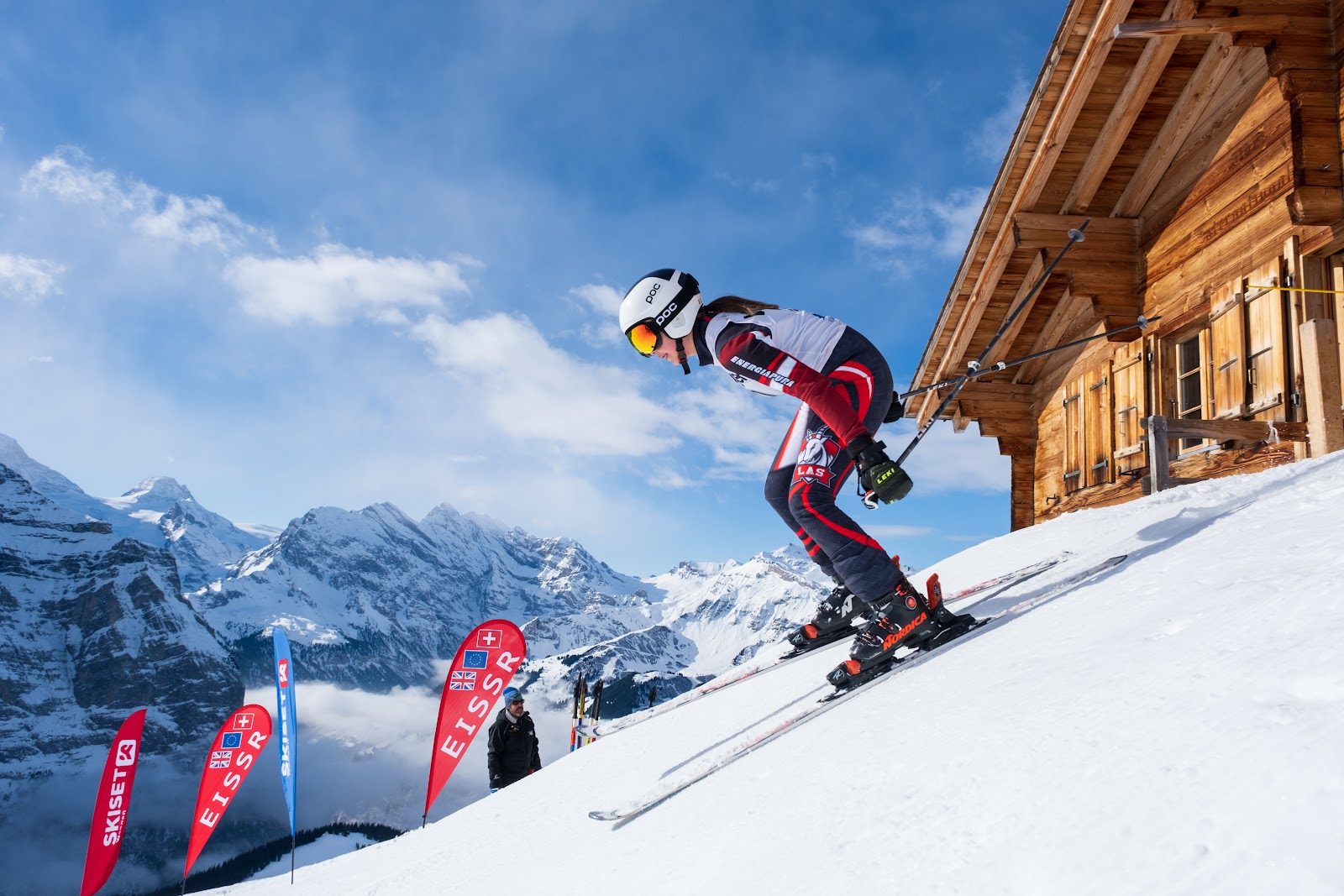
Leysin American School
Leysin · Switzerland
On a ski-in, ski-out Alpine campus above Lake Geneva, slope time is timetabled into the American-IB week itself.
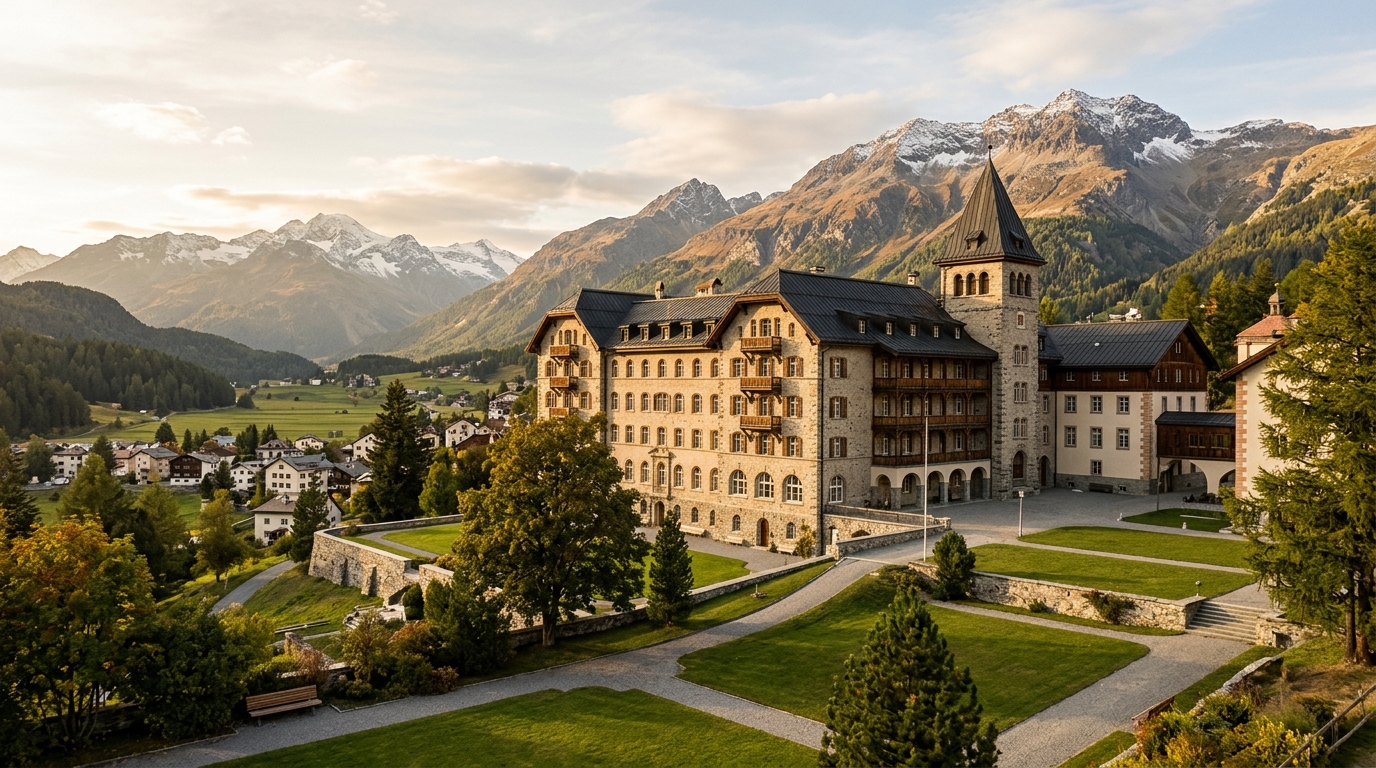
Lyceum Alpinum Zuoz
Zuoz · Switzerland
At 1,750 metres in the Engadine, IB and Swiss Matura classes share the calendar with cricket on Europe's highest pitch, in play since 1922.
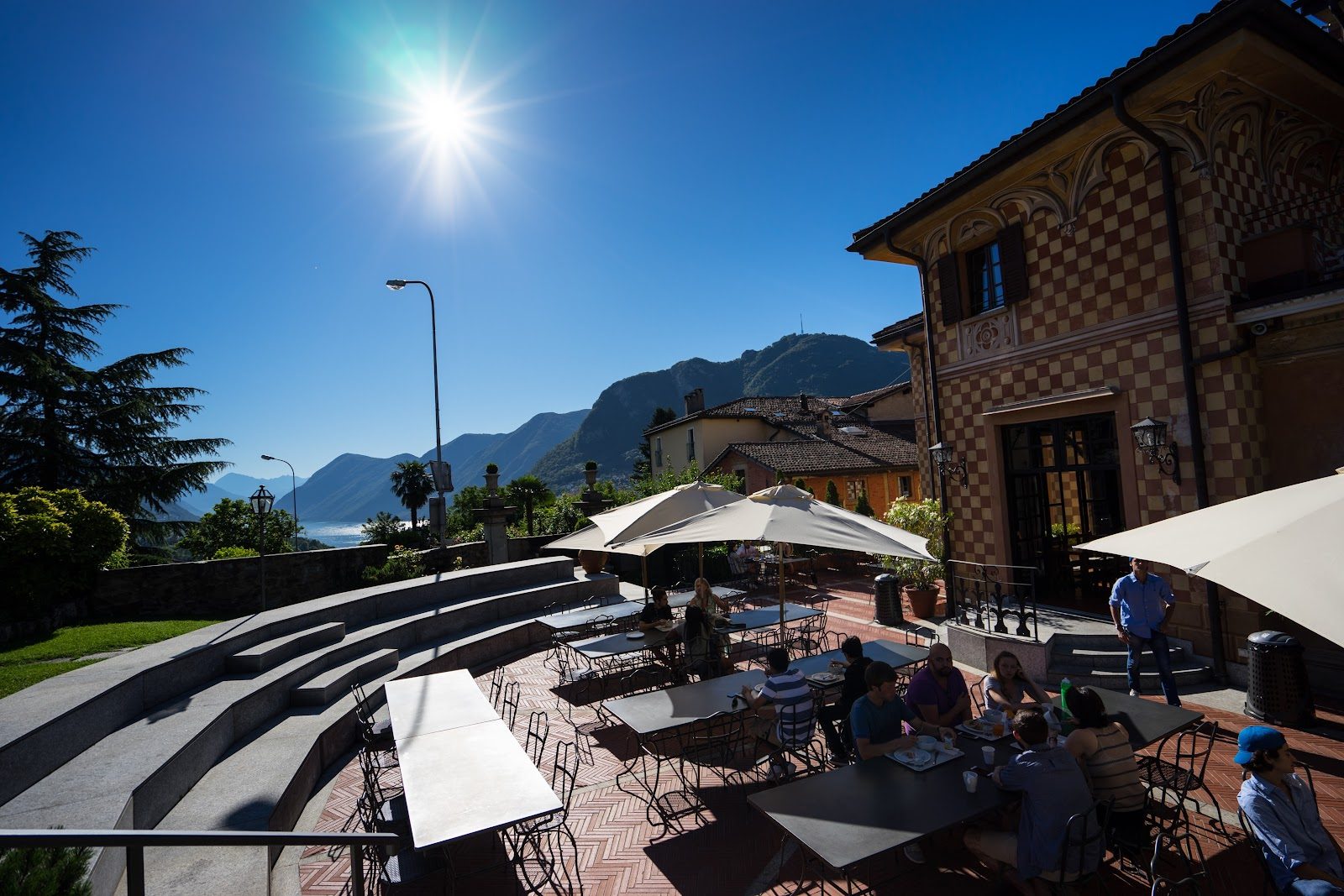
TASIS The American School in Switzerland
Montagnola · Switzerland
Founded in 1956 as Europe's first American boarding school, perched above Lake Lugano with academic travel woven into the curriculum.
St George's International School (Montreux)
Montreux · Switzerland
Founded in 1927 by two Oxford graduates on the shores of Lake Geneva, pairing British rigor with IB ambition.
Same country and curriculum — closest matches within ±10 points either way