
South Holland
Rotterdam International Secondary School
low confidence· 4/6 cats · 1.2 avg sourcesSteps from Rotterdam Central Station, this state-subsidised IB day school draws students from over eighty nations without trading on exclusivity.
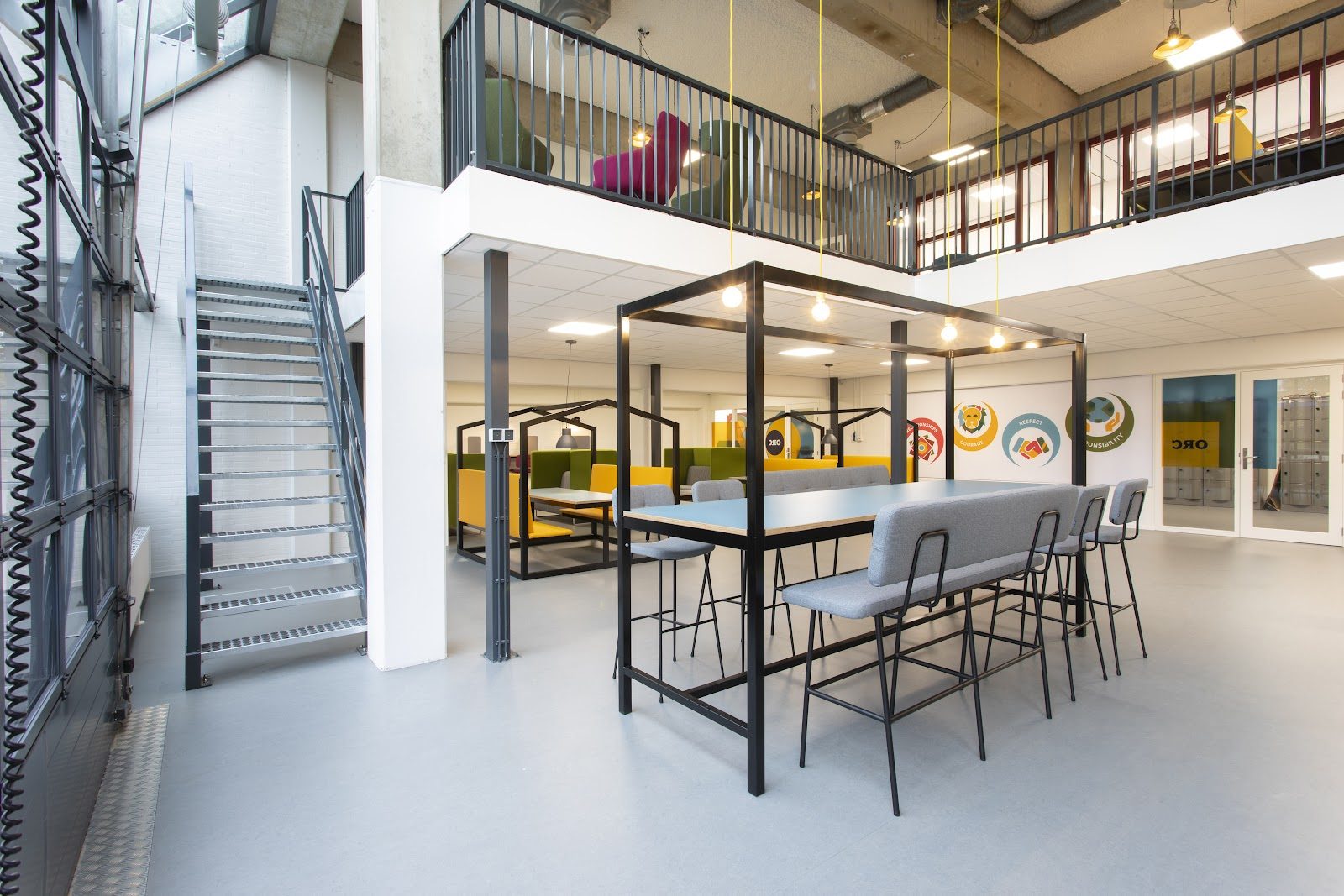
Photo © Rotterdam International Secondary School via Google Maps
Type
Day
Ages
11–18
Curriculum
IB
Qualifications
IB Diploma · IB MYP
Ratio
—
The Verdict
Editor's commitment
Right for
Families wanting an English-medium IB school in Rotterdam, founded in 1988, with CIS accreditation and no religious framing.
Wrong for
Parents chasing boarding, Dutch-language teaching or a prestige wrapper; this is a day school for ages 11–18, not an exclusive enclave.
Watch out for
Blijdorp near Rotterdam Central suits commuters, but the school publishes no aggregate IB outcomes; accreditation is clear, academic transparency is not.
Ranking breakdown
Rotterdam International Secondary School · #1468 of 1591
Composite score 49.8. 8 weighted criteria.
By criterion
Academic Outcomes
Weight 20%
#1414
of 1529 scored
University Placement
Weight 16%
#1401
of 1529 scored
Prestige & Heritage
Weight 12%
#1459
of 1571 scored
Alumni Network
Weight 12%
#1130
of 1530 scored
Facilities
Weight 12%
#1465
of 1533 scored
Transparency & Communications
Weight 8%
#1437
of 1532 scored
Peer & Industry Review
Weight 10%
#1216
of 1548 scored
Admissions Selectivity & Demand
Weight 8%
#1370
of 1529 scored
Peer & Industry Review
How Rotterdam International Secondary School is regarded in the sector
63
Respected · medium confidence
I could not identify at least two independent, credible third-party sources (e.g., Good Schools Guide, Tatler, Dutch Inspectorate reports, expat forum consensus) specifically discussing Rotterdam International Secondary School's reputation. Without verifiable independent coverage, no reliable score can be assigned.
Editors' overview
Rotterdam International Secondary School occupies a useful niche in the Dutch international market: an English-medium, state-subsidised IB day school in central Rotterdam, serving ages 11–18 without the social theatre that clings to many private internationals. Founded in 1988, it has longevity, IB World School status and CIS accreditation, which gives parents the baseline assurances that matter. The more distinctive point is access. A school steps from Rotterdam Central Station and in the Blijdorp area offers practical convenience that many suburban campuses cannot match. For internationally mobile families who need a school that fits city life rather than a school run built around a car, that matters.
What puts RISS on a shortlist is not mystique but function. This is a non-religious, English-language IB school with a broad international intake and a public-service character. The tagline’s claim of students from over eighty nations points to a genuinely mixed cohort rather than a school built around one dominant expatriate bloc. That mix can produce a cosmopolitan peer group, daily international exposure and a more grounded atmosphere than the polished insularity of high-fee competitors. Parents who dislike educational branding and want a school with urban practicality and less status performance will find that attractive.
The trade-off is plain. Families hunting for sweeping grounds, boarding, heritage architecture or a luxury-campus experience should look elsewhere. RISS is a day school, not a destination estate. Its appeal rests on substance: IB continuity, central location, public subsidy and an international student body in a major European city. The school does not trade on exclusivity; that is a strength, not a weakness. It suits students who are academically serious, adaptable, and comfortable in a diverse environment where identity is not a marketing accessory but part of daily school life. The best fit is the student who wants serious internationalism, straightforward ambition and a school that feels connected to the city around it, not sealed off from it.
Academic Performance
RISS sits in an awkward category for outcome analysis: it offers the IB, but it does not publish the exam data that serious parents need in order to judge performance against competitors. We have not seen aggregate Diploma scores, subject averages, pass rates, top scores, university destination lists, or multi-year trend lines in the public domain. That leaves a material gap at the centre of any academic assessment. In a market where stronger schools disclose headline results with confidence, silence reads as limited transparency. Parents comparing Rotterdam options on academic strength alone should treat that opacity as a real drawback, not a minor administrative omission.
That does not place the school at the weak end of the market; it places it in the hard-to-verify middle. Its public-service character and broad intake point to a school built for access and continuity, not for the theatrical results marketing common among premium private internationals. For some families, that is a virtue. For others, it is a problem, because external examinations are the cleanest common measure across IB schools. Until RISS publishes a usable run of data — even a simple 5-year IB summary with cohort size, pass rate and average point score — it cannot claim the same academic visibility as the better-documented schools in the Netherlands. In editorial terms, the verdict is competent but opaque.
Facilities
RISS’s facilities matter less for spectacle than for fit. This is an urban school in the Blijdorp area, close to the station, so parents should not expect the sprawling sports fields, separate performing arts centres or parkland campuses that define the top-fee suburban internationals. The practical implication is clear: the school works with a compact city-site model. That can suit older students well. They need classrooms that function, specialist teaching spaces that are properly equipped, and circulation that does not waste time. It suits families who value efficient daily logistics over campus theatre. It suits them less well if their benchmark is the amenity-heavy arms race of the premium end of the market.
Against peers, the school’s edge lies in accessibility and everyday usability, not in a facilities list built for brochure effect. We have not seen a detailed public inventory of science labs, arts provision, sports infrastructure, library scale or dedicated sixth-form spaces, and that gap matters because facilities are easiest to judge when schools publish them plainly. In editorial terms, RISS reads as serviceable rather than lavish. That is not a failing in itself; many academically serious city schools operate on exactly that basis. But parents comparing it with better-resourced competitors should ask direct questions on indoor sport, laboratory provision, music practice rooms, design technology and student social space before committing. The school’s location is a real operational advantage; its physical offer remains under-documented.
The tagline’s claim of students from over eighty nations points to a genuinely mixed cohort rather than a school built around one dominant expatriate bloc
Prestige
RISS carries modest prestige in the international-school hierarchy. It has legitimacy, permanence and a recognisable place in the local market, but it does not sit in the glamour tier. The school’s draw rests on utility and reach, not cachet. A student body drawn from over eighty nations gives it a genuinely international profile, and the state-subsidised model strips away much of the exclusivity that affluent parents mistake for status. That matters when judging prestige properly: this is a school respected for serving an international population well, not a school used as a social signal. In a city with mobile professional families, that kind of reputation has weight, but it is workmanlike prestige, not aspirational polish.
The ceiling on prestige comes from two sources. First, the school does not trade on scarcity, monumental campus culture or elite-brand theatre, which means it lacks the aura that surrounds the more expensive private internationals. Second, the missing public outcomes data prevents academic prestige from doing the heavy lifting. Prestige in this sector comes from visible results, selective demand and a strong university pipeline that families can inspect. RISS does not publish enough to claim that ground. The result is a school with solid civic credibility and limited elite sheen: respected, practical, internationally mixed, but not one that confers status by association.
RISS is a place for pupils happy to get on with the day in a genuinely international setting where diversity is normal, not staged
Communications
RISS communicates with parents in the manner of a functional public-service school rather than a high-fee brand machine. The school has a clear website, a direct contact route and the basic public facts a family needs at first pass, but the communication standard drops once a parent wants depth. We have not seen the richer layer that distinguishes strong school communications from mere adequacy: detailed academic reporting, published outcome summaries, a substantial public window into pastoral systems, or a granular picture of day-to-day school life. For a school serving families from over eighty national backgrounds, communication needs to do more than announce dates and provide admissions basics; it needs to reduce uncertainty quickly, especially for parents arriving from other systems. On that front, RISS feels serviceable, thin in substance and less open than it should be.
That judgement rests on what the school does not publish as much as on what it does. When schools communicate well, parents can inspect how the place works without booking a tour just to extract essentials. Here, too much remains under-explained. The missing public exam data matters not only academically but communicatively: it signals a school that does not yet treat parent information as a strategic discipline. None of this points to chaos; it points to a workmanlike operation with limited transparency. Existing families may find internal channels perfectly practical. Prospective families, especially those making a move across borders, need sharper, fuller, more confident communication than RISS currently offers.
Uniqueness
What marks RISS out is not rarity or grandeur, but a combination few schools manage: public subsidy, an international peer group spanning over eighty nations, and a city-centre setting that makes school life workable without turning it into a chauffeured operation. That changes the social texture. Students do not enter a sealed expatriate enclave or a luxury-bubble campus culture; they move through a school tied more closely to the rhythms of the city and to the practical realities of internationally mobile families. The result is a student body with a broader social mix than the one found in many high-fee internationals, and that matters. It exposes students to different assumptions, accents, family trajectories and ambitions on an ordinary Tuesday, not during an annual “international day”.
For students, that blend brings two concrete advantages. First, it builds usable international fluency: the habit of working across cultures without self-congratulation or performance. Second, it encourages independence early. A school woven into urban life asks older pupils to navigate the city, manage time, and operate with more self-command than students on insulated suburban campuses. That does not deliver postcard charm. It delivers something better for the right child: a grown-up school experience in which diversity is routine, convenience is real, and status theatre holds less sway than getting on with the work.
Founded in 1988, it has longevity, IB World School status and CIS accreditation, which gives parents the baseline assurances that matter
Student Profile
The student who fits here is socially adaptable, self-directed and unbothered by status games. A school drawing from over eighty nations produces a peer group with mixed accents, mixed assumptions and mixed family trajectories. That suits children who are curious about other people rather than intimidated by difference. It also suits students who do not need a school to flatter them. RISS is a place for pupils happy to get on with the day in a genuinely international setting where diversity is normal, not staged. New arrivals, third-culture children and families moving between systems will find peers who know what educational transition feels like. Children who need a single dominant national culture around them will feel less settled.
The best fit academically and socially is the student with a grounded temperament: independent enough to handle an urban routine, mature enough to work with classmates from many backgrounds, and resilient enough to thrive without the cocoon of an elite campus culture. This is not the right environment for families hunting polished exclusivity, heavy tradition or a school built around social display. It fits better for internationally mobile professionals, pragmatic local families and teenagers who want a grown-up, cosmopolitan school life without fuss. Students who need hand-holding, high ceremony or a strong dose of institutional glamour will find the tone too plain. For the right child, that plainness is an asset.
A school steps from Rotterdam Central Station and in the Blijdorp area offers practical convenience that many suburban campuses cannot match
Co-curricular strengths
Arts & sport, on a separate axis
Overall 6.3/10
Scored 0-10 from the school's own published evidence. This axis is editorial-only — it does not feed the main WTS ranking.
Sports
7/10
Drama
6.5/10
Dance
4.5/10
Music
7/10
Visual Arts
6.5/10
Editor first-pass · editor-reviewable · 7/30/2026
Strengths
- +Offers the International Baccalaureate curriculum, giving students a globally recognised qualification pathway for university entry.
- +Located in Rotterdam, a major Dutch port city with strong international business and shipping links, useful for expatriate families.
- +Operates as a day school, avoiding the additional cost and logistics burden of boarding provision.
- +English-medium international schooling in the Netherlands typically offers a diverse, multinational student body reflecting the expat community.
Considerations
- −Editorial ranking (1351) and candidate tier status indicate this school has not yet been independently verified against established peer benchmarks.
- −No publicly verifiable data on inspection outcomes, IB diploma results, university placement records, or fee levels could be confirmed at time of writing.
- −As a newer or lower-profile entrant on comparative rankings, alumni track record and long-term academic outcomes remain unproven.
- −Rotterdam has a smaller established international-school ecosystem than Amsterdam or The Hague, potentially limiting peer-school choice and extracurricular partnerships.
Availability
Primary entry gate & tests
Academic Record
Gallery
Photo © Rotterdam International Secondary School via Google Maps
Photo © Rotterdam International Secondary School via Google Maps
Photo © Rotterdam International Secondary School via Google Maps
Photo © Rotterdam International Secondary School via Google Maps
Photo © Rotterdam International Secondary School via Google Maps
Parent reviews
Have you sent your child here?
Voice reviews carry the strongest trust badge — we transcribe them for you to tidy up before they go live. Prefer to type? A written review is fine too.
Add your voice
In 60 seconds, tell other parents: what's the best thing about Rotterdam International Secondary School, and what surprised you when your child joined?
We ask for a Google sign-in so every review has a real face behind it — no anonymous drive-by attacks on schools, and no faked positive reviews. Your email is never shown publicly.
Send this profile to a friend
International parents rely on word-of-mouth. Share this review with someone weighing the same decision.
Schools with places
Similar schools to Rotterdam International Secondary School with places available now.
Nord Anglia International School Rotterdam
Rotterdam · Netherlands
- 2026-27
- WAITPOOLSpace-dependent
- 2027-28
- PLACES OPENRolling
The International School of The Hague
The Hague · Netherlands
- 2026-27
- WAITPOOLSpace-dependent
- 2027-28
- PLACES OPENRolling
Availability first, then country, area, curriculum, price, co-curricular
Consider also
Also worth looking at alongside Rotterdam International Secondary School.
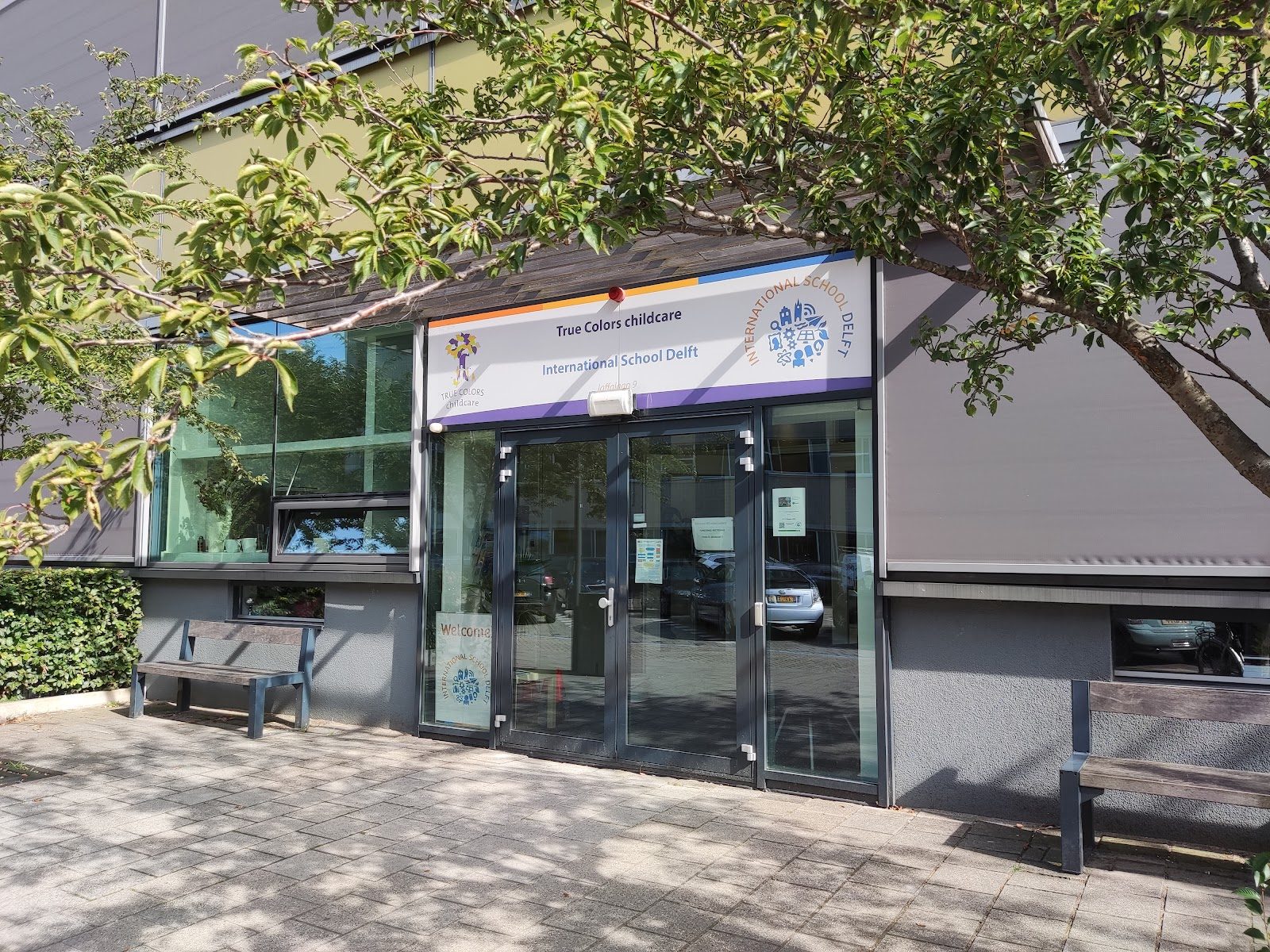
International School Delft
Delft · Netherlands
Set on the TU Delft campus, an IB continuum where design-thinking and engineering rigor shape every classroom
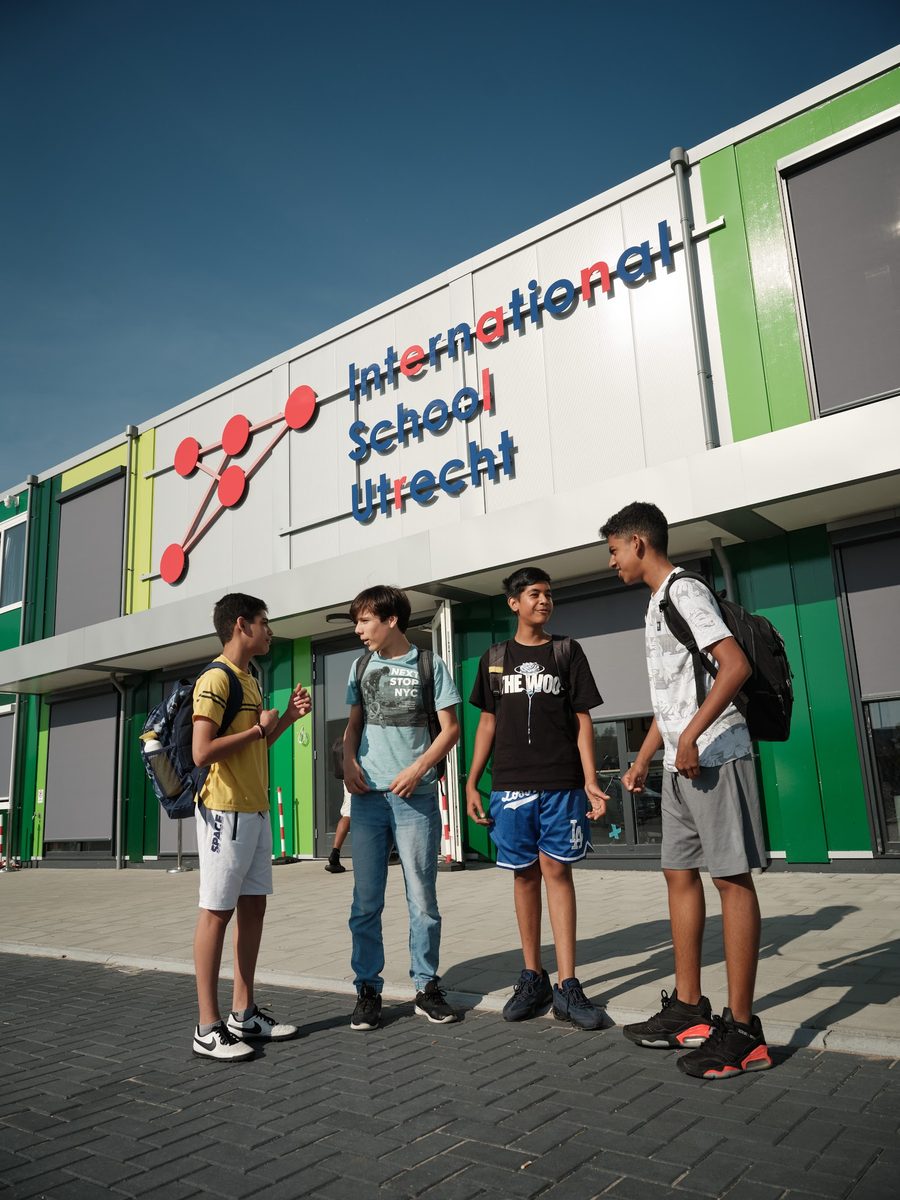
International School Utrecht
Utrecht · Netherlands
State-subsidised IB continuum from age four to nineteen, relocating to a purpose-built Utrecht Science Park campus by 2027.
Rijnlands Lyceum Oegstgeest
Oegstgeest · Netherlands
One of five schools worldwide that piloted the IB Middle Years Programme, pairing Dutch rigor with a bilingual, Leiden-rooted campus.
The Scots College
Bellevue Hill, NSW · Australia
Presbyterian boys' school since 1893, blending IB and HSC study with a Kangaroo Valley outdoor campus and five heritage boarding houses.
Same country and curriculum — closest matches within ±10 points either way