
Saxony
Leipzig International School
medium confidence· 4/6 cats · 1.75 avg sourcesCentral Germany's first international campus channels 77 nationalities into an IB pathway anchored by student-led Model UN and house-day traditions.

Photo © Leipzig International School via Google Maps
Type
Day
Ages
3–18
Curriculum
IB
Ratio
—
The Verdict
Editor's commitment
Right for
International families who want an English-medium IB World School in Leipzig, with 1,050 students from 77 countries and ages 3–18.
Wrong for
Families seeking boarding, a faith setting, or a non-IB route; this is a secular day school in Leipzig, founded in 1992.
Watch out for
Two campuses in Plagwitz and Schleußig add logistics, and 1,050 pupils make this central Germany pioneer feel big, not intimate.
Ranking breakdown
Leipzig International School · #1308 of 1591
Composite score 55.6. 8 weighted criteria.
By criterion
Academic Outcomes
Weight 20%
#1274
of 1529 scored
University Placement
Weight 16%
#1259
of 1529 scored
Prestige & Heritage
Weight 12%
#1324
of 1571 scored
Alumni Network
Weight 12%
#966
of 1530 scored
Facilities
Weight 12%
#1247
of 1533 scored
Transparency & Communications
Weight 8%
#1243
of 1532 scored
Peer & Industry Review
Weight 10%
#1108
of 1548 scored
Admissions Selectivity & Demand
Weight 8%
#1123
of 1529 scored
Score history
Leipzig International School · 2026
Movement across 2024–2026. Peer average overlaid.
Overall — 2024–2026
55.6/ 100
▲ +28.6 vs 2025
year on year
Peer & Industry Review
How Leipzig International School is regarded in the sector
64
Respected · medium confidence
I could not identify at least two independent third-party sources (e.g., Tatler, Good Schools Guide, specialist education press, or established expat forums) that substantively assess Leipzig International School's reputation. Available information appears limited to the school's own marketing materials or unverified directory listings.
Editors' overview
Leipzig International School occupies a clear niche in the German market: an established, English-medium, all-through IB school in a city that draws mobile academic, industrial and creative families without the saturated international-school scene of Berlin or Munich. Founded in 1992, it was central Germany’s first international school; that first-mover status still matters. The school now runs at scale, with around 1,050 students from 77 countries and more than 190 staff across campuses in Plagwitz and Schleußig. That combination — real international density, mature operations and a full age 3–18 pathway — gives LIS weight that smaller regional internationals cannot match.
What marks LIS out is not novelty but coherence. It offers the IB route in English from early years to graduation, in a secular day-school setting, with a student body large enough to sustain serious co-curricular life and diverse peer groups. For parents, the attraction is straightforward: children enter a school where internationalism is not a slogan but the daily condition of the classroom. The student-led Model UN and house-day traditions matter here because they show how the school builds belonging inside a population that changes, expands and spans dozens of nationalities. That creates a strong sense of movement, a worldly peer group and an adult, outward-facing culture.
LIS belongs on a shortlist for families who want an English-language education without sacrificing scale, continuity or international breadth. It also suits parents who need portability: the IB framework, a large expatriate and internationally minded community, and a non-profit structure make it a credible long-term base in Saxony. The trade-off is equally clear. This is not a boutique school, not a quiet village campus, and not a place for families seeking an intimate, highly local German-school experience. LIS works best for students who thrive in busy, diverse environments; who enjoy meeting people from different countries; and who will use a large school’s range of activities rather than shrink from it. For that child, LIS offers a serious international education with a settled institutional backbone.
Academic Performance
Academic performance is hard to judge from published evidence because LIS does not disclose aggregate IB Diploma outcomes: no average score, no pass rate, no proportion earning bilingual diplomas, and no year-on-year distribution against world averages. That is a real gap for a school of this scale and maturity. Parents comparing LIS with stronger-reporting European IB schools will find less to work with here than they need. The school’s all-through structure and established international intake give it the institutional shape of a school that should publish serious leavers’ data; the absence of that data leaves academic scrutiny blunter than it needs to be.
Relative to peers, LIS sits in the broad middle of the pack on transparency: not uniquely opaque, but well behind the better-run international schools that release headline Diploma figures every year and explain destinations with precision. That does not prove weak outcomes; it means outcomes are not testable in public. For some families, that is acceptable if continuity, community and portability drive the decision. For academically exacting parents, it is a material drawback. A school asking families to commit to a full IB pathway needs to show what that pathway yields at the end. Until LIS publishes IB Diploma results in a consistent form, its academic standing rests more on institutional credibility than on verifiable external performance.
Facilities
Facilities are split across more than one site rather than concentrated on a single flagship campus, and that matters. For some families, a multi-campus arrangement works cleanly; for others, it dilutes the sense of one shared physical centre. What LIS does have is scale: a school serving around 1,050 students and employing more than 190 staff cannot function on makeshift premises. Parents can expect the core infrastructure of a mature all-through international school, with enough specialist space to support a full school day across age groups and enough operational depth to avoid the improvised feel that dogs smaller regional competitors. The school’s spread across Plagwitz and Schleußig also places it in established urban districts rather than on a purpose-built edge-of-town estate, which gives it a more lived-in, city-school character than the campus spectacle some peers trade on.
Against European peer schools, that cuts both ways. LIS has more institutional substance than the thinly equipped start-up international schools that rent a building and grow into it later. It does not, on the public record, advertise the kind of signature facilities — grand theatres, elite sports complexes, design labs or vast landscaped grounds — that top-fee schools use to justify premium pricing. That absence does not signal weakness; it marks LIS as a working school rather than a showroom. Families prioritising daily usability, broad age-range provision and a campus that supports a large international population will find enough here. Families shopping for architectural drama or resort-style sports provision will not.
Leipzig International School carries solid regional prestige rather than elite global cachet
Prestige
Leipzig International School carries solid regional prestige rather than elite global cachet. Its standing comes from durability, scale and function: this is the established international option in its market, with a student body drawn from 77 countries and a staff base that reaches well beyond the host nation. For families in central Germany, that matters. A school with that level of international density has social credibility, practical pull and a network effect that newer or smaller operators cannot match. It also benefits from being a non-profit, which still carries weight with parents wary of glossy expansion-school branding. The result is a reputation built less on status theatre than on institutional heft and a genuinely international daily environment.
That said, prestige here has clear limits. LIS does not sit in the top tier of European international-school esteem because top-tier schools publish hard academic outcomes, command stronger name recognition beyond their immediate region, and convert reputation into a more visible university-placement story. LIS does not give parents that level of public proof. Its prestige is therefore credible but bounded: strong enough to reassure employers, mobile professional families and local international communities, not strong enough to confer automatic distinction on its own. In plain terms, an LIS education carries serious local weight and respectable international legitimacy, but not the rarefied prestige attached to Europe’s most transparent and most selective names.
What sets Leipzig International School apart is not brand theatre but social composition
Communications
Parent communication at LIS has one clear advantage: scale forces structure. A school serving 77 nationalities cannot rely on corridor chat, assumptions or local cultural shorthand; it needs messages that travel cleanly across different expectations and levels of familiarity with the German system. The public-facing communication does the basics well: core facts are easy to locate, leadership is identifiable, and the school’s non-profit status and all-through shape are easy to understand. That gives parents a usable map of the institution rather than a cloud of slogans. The student mix and staff breadth also point to a community accustomed to onboarding new families, which matters in a school with an internationally mobile intake. This is functional communication, clear enough for newcomers, and rooted in the needs of a high-turnover international parent body.
Where LIS is less convincing is depth. The same school that can explain its identity plainly does not publish the academic outcome data serious parents want, and that weakens trust in the overall communications culture. Good school communication is not only warm, frequent and welcoming; it is also exact, comparable and willing to disclose results that invite scrutiny. LIS gives families a readable front end, but not a fully transparent one. That leaves communication competent rather than exemplary: strong on orientation and community signalling, weaker on the hard information that supports long-term judgement. For parents who value atmosphere and day-to-day usability, that will suffice. For parents who want full institutional candour, it falls short.
Uniqueness
What sets Leipzig International School apart is not brand theatre but social composition. Few schools in its market can put children into daily contact with peers from 77 countries and sustain that mix across the whole age range. That breadth changes the texture of school life. Friendship groups, classroom discussion and parent networks all run across national lines as a matter of routine, not as an annual international day performance. For students, that brings an education in cultural fluency that cannot be manufactured by a themed week or a diversity statement. It also gives the school a rare density of international experience in a city better known for universities, industry and the arts than for a crowded field of expatriate schools.
The other distinctive feature is scale combined with continuity. LIS has enough students and staff to support real institutional life: student-led Model UN, house-day traditions, and the sort of co-curricular ecosystem that needs critical mass to work properly. In a smaller international school, activities depend on a handful of enthusiasts and fluctuate with each cohort. Here, they have a better chance of sticking, which matters for belonging. Children do not just pass through; they enter a school with rituals, memory and internal momentum. That gives internationally mobile families something valuable: not only portability, but a settled social world in which a new arrival can slot into established patterns without the school feeling transient or improvised.
Facilities are split across more than one site rather than concentrated on a single flagship campus, and that matters
Student Profile
The student body is the school’s defining fact: children study alongside peers from 77 countries in a setting where international mobility is normal, not an exception to be managed. That suits families who want their child’s daily reference points to stretch beyond one national culture and who value classmates with different passports, languages at home and prior school systems. New arrivals, third-culture children and internationally minded local families fit well here because the social fabric already expects movement. Students who enjoy meeting people quickly, joining established activities and navigating a community with multiple social norms will find LIS easy to enter and rich in perspective. Children who need a narrow, stable peer group from day one may find the environment more fluid than comfortable.
The best fit is a student who is socially adaptable, open to difference and willing to take part rather than watch from the edge. A school of this size rewards initiative: pupils who join Model UN, house events and the wider life of the school will draw far more from it than those who want a small, highly sheltered setting. This is also a good match for parents who value cosmopolitan normality over old-fashioned local rootedness. It is a weaker fit for families seeking a deeply German school culture, a quiet village atmosphere or the intimate predictability of a tiny campus. LIS suits children who can handle variety, pace and change without losing their footing.
The result is a reputation built less on status theatre than on institutional heft and a genuinely international daily environment
Co-curricular strengths
Arts & sport, on a separate axis
Overall 7.9/10
Scored 0-10 from the school's own published evidence. This axis is editorial-only — it does not feed the main WTS ranking.
Sports
8/10
Football, Basketball, Volleyball and Swimming as extracurriculars.
Drama
8/10
Drama club is explicitly named in the extracurricular list.
Dance
7.5/10
Music
8/10
Choir and Orchestra are explicitly listed as extracurricular activities, but there is no additional evidence of facilities, specialist staff or notable performances.
Visual Arts
8/10
Visual arts is explicitly named in the extracurricular list, with no further description of studios, exhibitions or specialist provision.
Editor first-pass · editor-reviewable · 7/27/2026
Strengths
- +English-medium teaching across subjects
- +IB curriculum for ages 1–18
- +Around 1,050 students from 77 countries
- +Non-profit co-educational day school
Considerations
- −Day school only; no boarding option
- −Two campuses across Plagwitz and Schleußig
- −English-medium teaching may not suit all families
Availability
Primary entry gate & tests
Academic Record
Gallery
Photo © Leipzig International School via Google Maps
Photo © Leipzig International School via Google Maps
Photo © Leipzig International School via Google Maps
Photo © Leipzig International School via Google Maps
Photo © Leipzig International School via Google Maps
Photo © K.-H. Vollrath via Google Maps
Photo © Leipzig International School via Google Maps
Photo © Leipzig International School via Google Maps
Photo © Bismarck Schmitt via Google Maps
Parent reviews
Have you sent your child here?
Voice reviews carry the strongest trust badge — we transcribe them for you to tidy up before they go live. Prefer to type? A written review is fine too.
Add your voice
In 60 seconds, tell other parents: what's the best thing about Leipzig International School, and what surprised you when your child joined?
We ask for a Google sign-in so every review has a real face behind it — no anonymous drive-by attacks on schools, and no faked positive reviews. Your email is never shown publicly.
Send this profile to a friend
International parents rely on word-of-mouth. Share this review with someone weighing the same decision.
Schools with places
Similar schools to Leipzig International School with places available now.
Stiftung Louisenlund
Güby · Germany
- 2026-27
- WAITPOOLSpace-dependent
- 2027-28
- WAITPOOLEnquire / admissions process active
Bonn International School
Bonn · Germany
- 2026-27
- WAITPOOLSpace-dependent
- 2027-28
- PLACES OPENRolling
International School of Stuttgart
Stuttgart · Germany
- 2026-27
- WAITPOOLSpace-dependent
- 2027-28
- PLACES OPENRolling
International School of Hamburg
Hamburg · Germany
- 2026-27
- WAITPOOLSpace-dependent
- 2027-28
- PLACES OPENRolling
Availability first, then country, area, curriculum, price, co-curricular
Consider also
Also worth looking at alongside Leipzig International School.
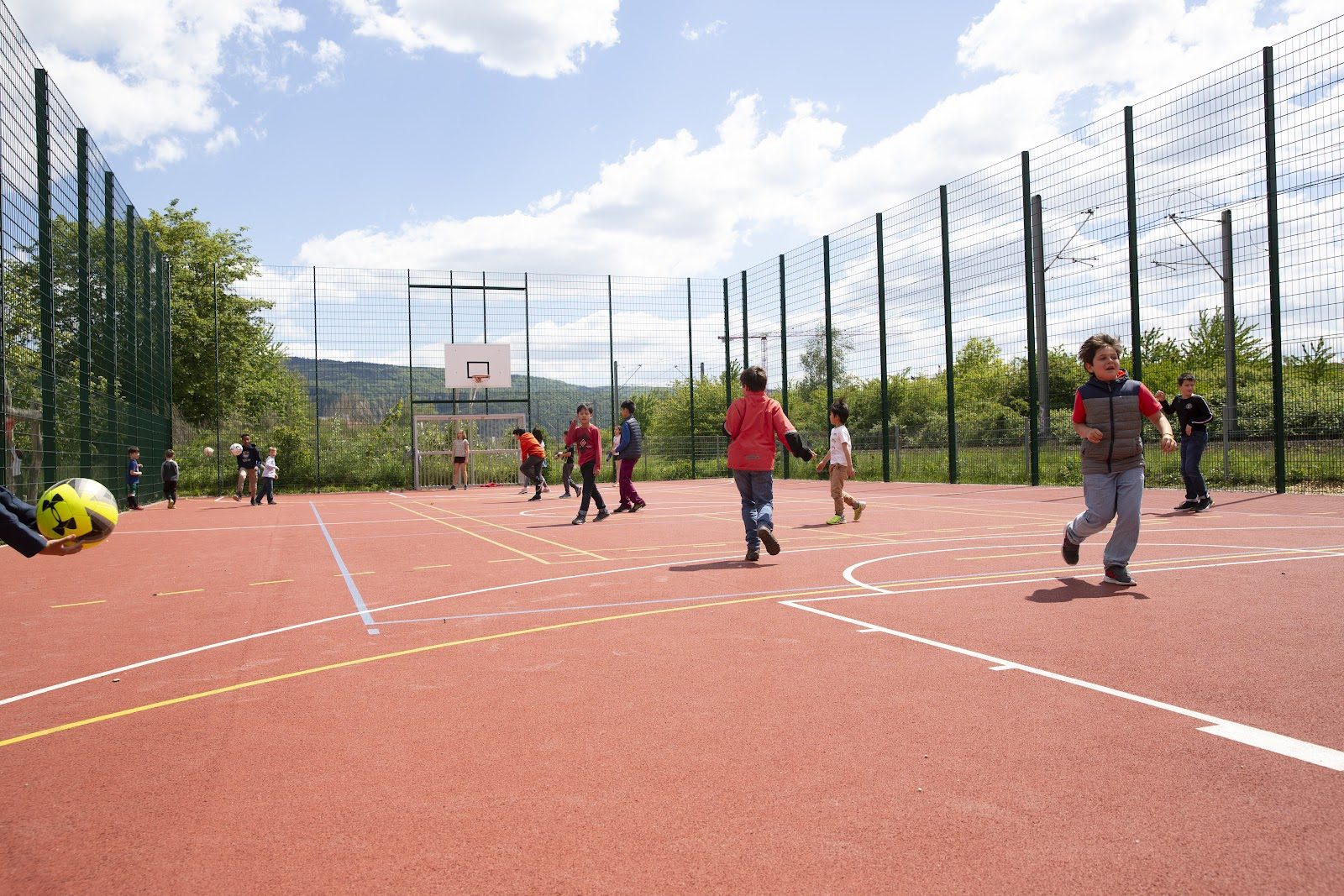
Heidelberg International School
Heidelberg · Germany
A historic Heidelberg villa now hosts the Primary Years, Middle Years and Diploma Programmes for the Rhine-Neckar region.
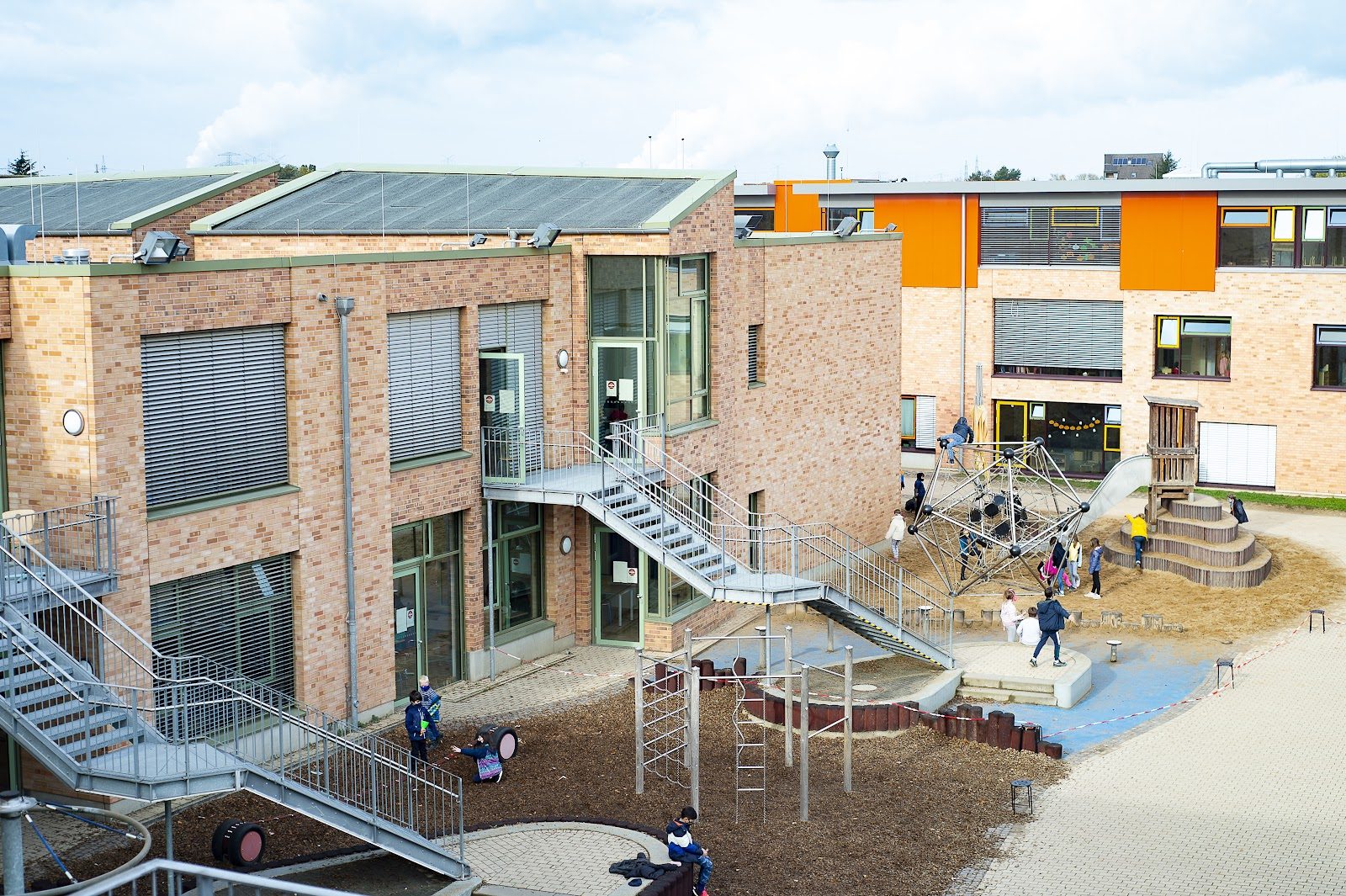
International School Cologne Bonn
Cologne · Germany
Germany's first British boarding school pairs IGCSE grounding with an IB finish in the heart of the Rhineland.
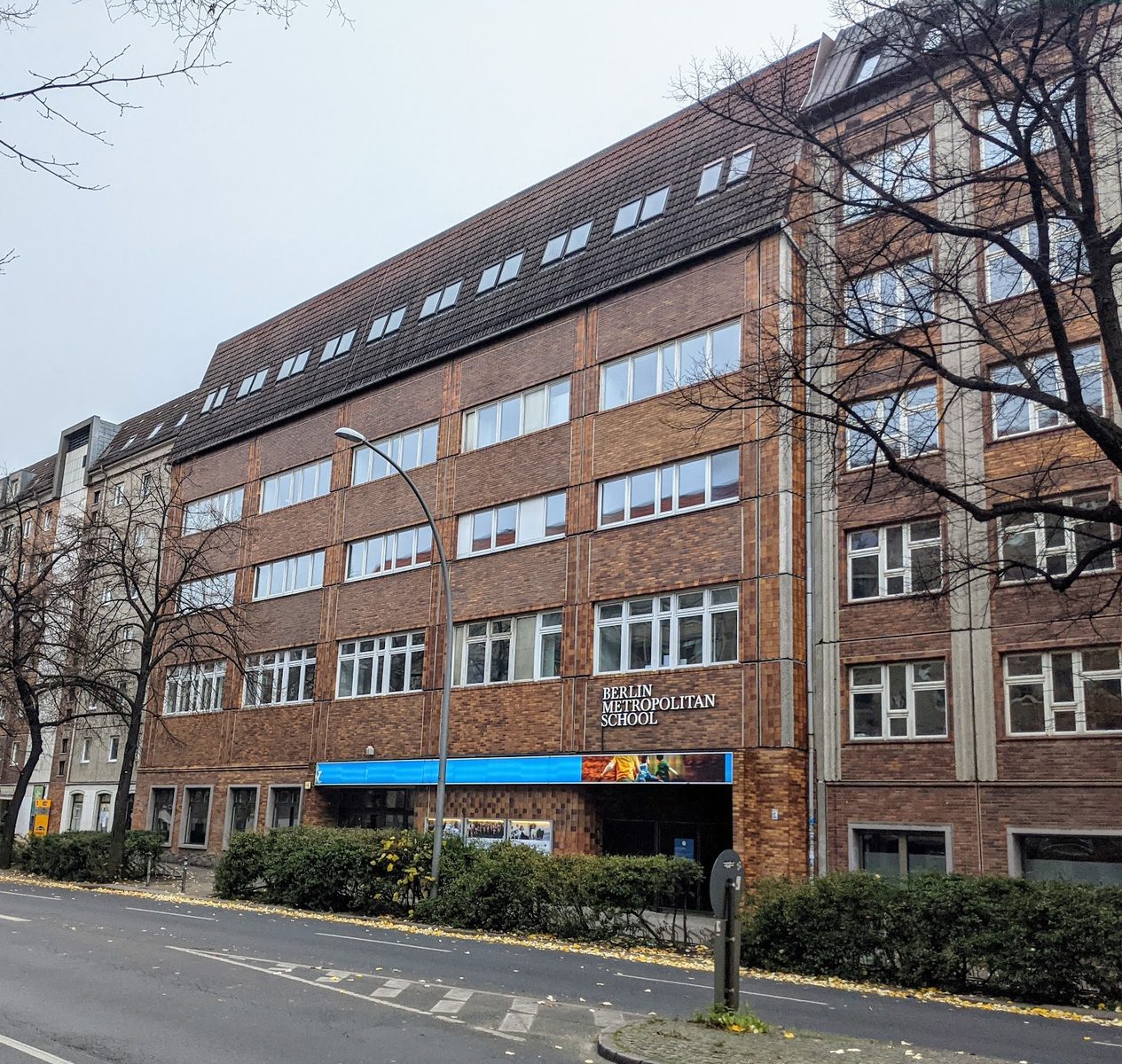
Berlin Metropolitan School
Berlin · Germany
In Mitte, former GDR prefab blocks now house Berlin's oldest international IB campus, blending Cold War bones with global curriculum.
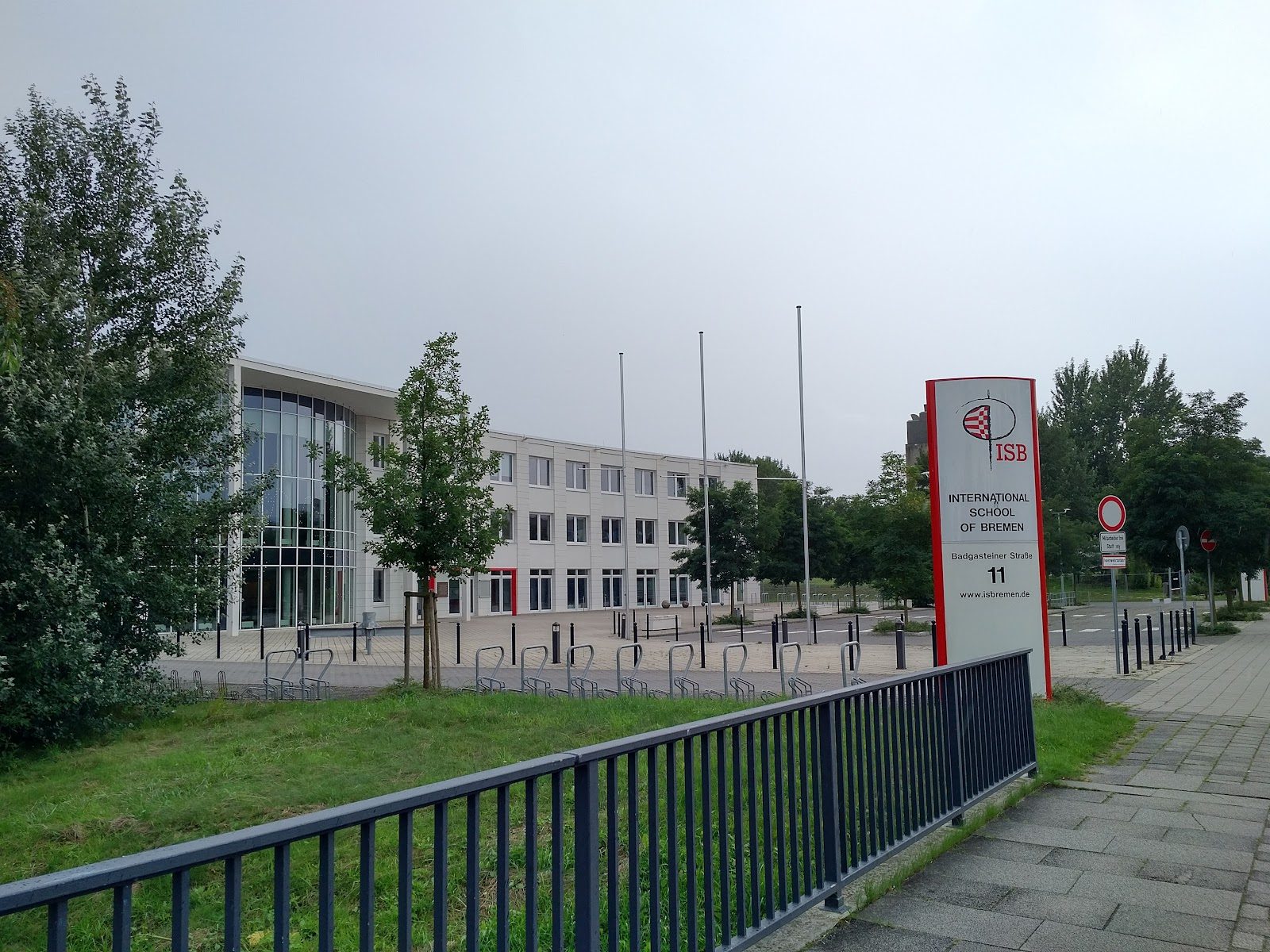
International School of Bremen
Bremen · Germany
On Bremen University's campus, Germany's only MINT-EC STEM-network school pairs IB rigor with hands-on science and engineering.
Same country and curriculum — closest matches within ±10 points either way