
Bremen
International School of Bremen
low confidence· 4/6 cats · 1.17 avg sourcesOn Bremen University's campus, Germany's only MINT-EC STEM-network school pairs IB rigor with hands-on science and engineering.
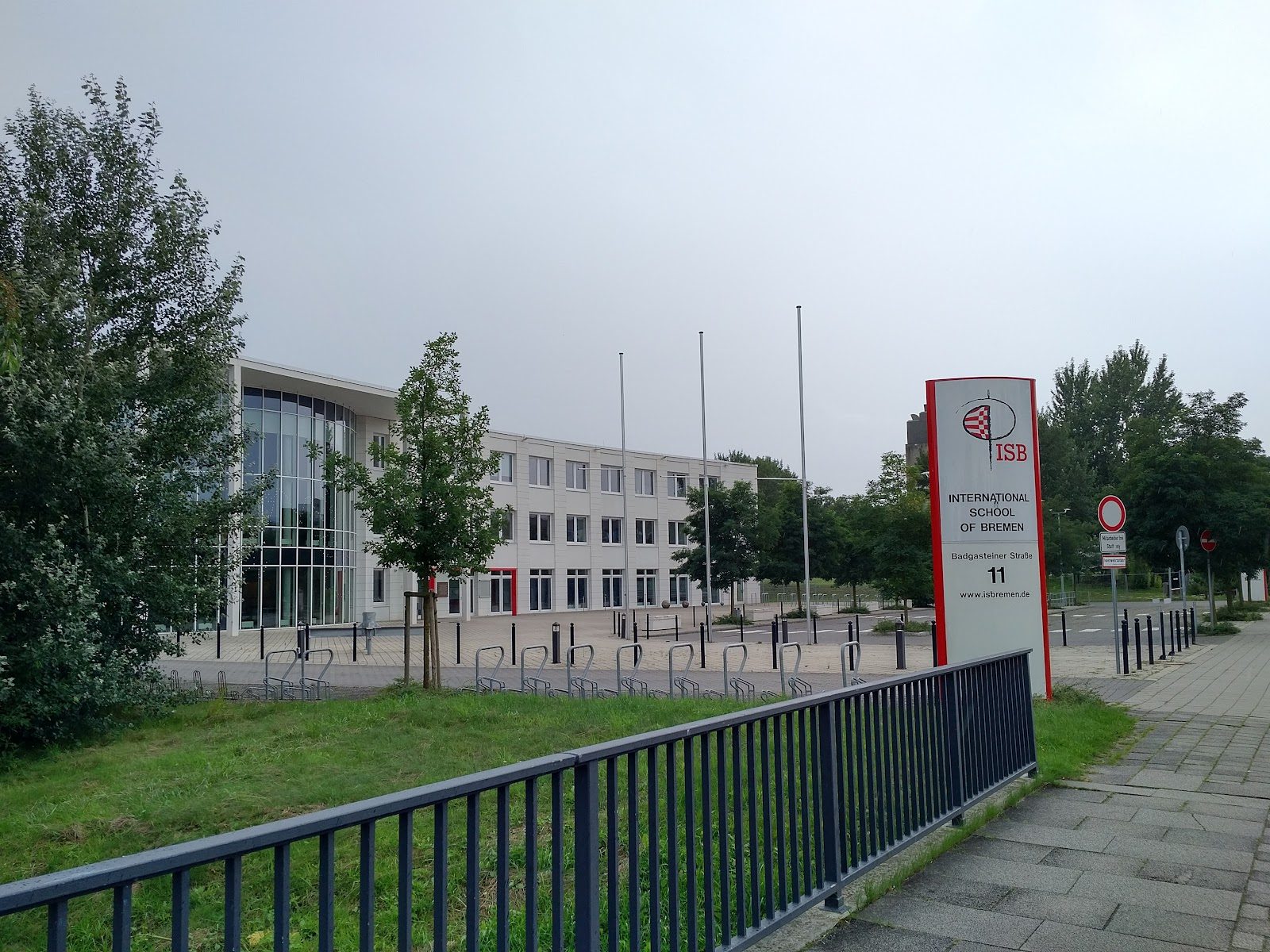
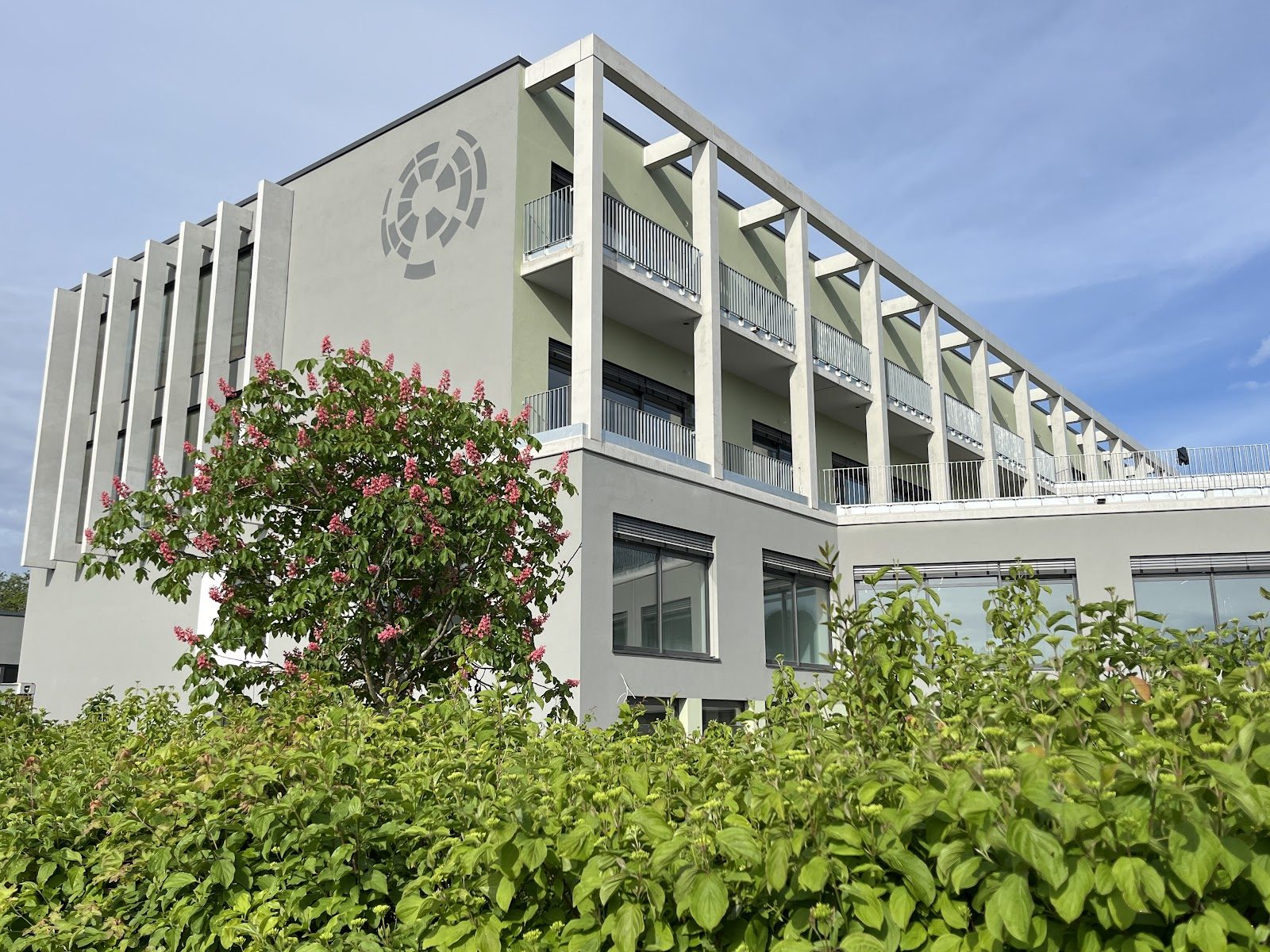
Photo © Karim Cherif via Google Maps
Type
Day
Ages
3–18
Curriculum
IB
Qualifications
IB Diploma · IB MYP · IB PYP
Ratio
—
The Verdict
Editor's commitment
Right for
Children aged 3–18 who want an English-language day school on Bremen University's campus, with IB, IGCSE and rare MINT-EC STEM status.
Wrong for
Families wanting boarding, German-medium teaching, or a single-curriculum route; ISB runs IPC, IMYC, IGCSE and the IB Diploma.
Watch out for
At an average €15,760 a year, this 2004-founded school is competitively priced, but parents must scrutinise transitions between four programme stages.
Ranking breakdown
International School of Bremen · #991 of 1591
Composite score 62.3. 8 weighted criteria.
By criterion
Academic Outcomes
Weight 20%
#1003
of 1529 scored
University Placement
Weight 16%
#1015
of 1529 scored
Prestige & Heritage
Weight 12%
#1009
of 1571 scored
Alumni Network
Weight 12%
#646
of 1530 scored
Facilities
Weight 12%
#1005
of 1534 scored
Transparency & Communications
Weight 8%
#1019
of 1532 scored
Peer & Industry Review
Weight 10%
#893
of 1548 scored
Admissions Selectivity & Demand
Weight 8%
#760
of 1529 scored
Peer & Industry Review
How International School of Bremen is regarded in the sector
55
Credible · low confidence
International School of Bremen is IB-accredited and known within expat and relocation circles in northern Germany, but it generates minimal coverage in specialist education press like Tatler, Good Schools Guide, or major 'best schools in Germany' rankings. It appears in general expat forums (e.g., InterNations, Toytown Germany discussions) as a credible option for the small expat community in Bremen, but lacks a distinctive peer reputation or notable alumni network beyond local recognition.
Editors' overview
Set on Bremen University’s campus, the International School of Bremen has a clear point of difference: this is a school for families who want an English-language education with real scientific weight behind it, not STEM as a slogan. It runs from Kindergarten to Grade 12, teaches in English, and combines several programmes across the age range: IPC in the early years and elementary section, IMYC in Grades 6 and 7, IGCSE in Grades 8 to 10, and the IB Diploma in Grades 11 and 12. The distinctive badge here is its MINT-EC Partner School status, which the school states made it the first international school in Germany to join that national excellence network. For parents with mathematically minded, technically inclined or experimentally curious children, that matters. So does the setting: a university campus gives the school a serious intellectual frame that many small international schools lack.
This is not a sprawling all-through campus with every premium extra bolted on. It is a day school, non-religious, founded in 2004 according to the verified school context, and it occupies a narrower niche than the big metropolitan international schools in Berlin, Munich or Frankfurt. That works in its favour. ISB’s market position is specialist rather than grand: a school for internationally mobile families in Bremen who want English-medium continuity, recognised external examinations and a route to the IB Diploma without paying the fees charged in Germany’s most expensive international-school markets. The average annual day fee across the full age range is €15,760, which places it in a more accessible bracket than many European IB schools while still offering two credentials parents understand immediately: IB World School status and CIS accreditation.
Why shortlist it? Because the academic pathway is unusually legible and the school’s identity is tighter than at many peers. There is no fog here about what pupils study or where the school places its emphasis. Children start in international primary programmes, move into Cambridge IGCSE, then finish with the IB Diploma. That structure suits students who benefit from external benchmarks and who are happiest in schools with defined academic expectations. It will also suit children who thrive in science labs, engineering projects and problem-solving rather than those who need a broad, deluxe co-curricular spectacle to stay engaged.
The right student for ISB is internationally minded, comfortable working in English, and ready for a school with an academic spine. A future engineer, coder, scientist or analytically minded generalist will find more traction here than a child whose priorities sit with elite sport, social cachet or lavish facilities. Families should also note what the school does and does not claim publicly: it publishes its curriculum route and accreditations clearly, but we have not seen public aggregate IGCSE or IB results. That makes ISB a convincing choice for parents buying into its structure, setting and STEM focus, and a less straightforward one for those who want headline outcomes data before committing.
Academic Performance
Academic performance is the school’s weakest public-facing area. ISB does not publish aggregate IGCSE results, IB Diploma averages, pass rates, subject distributions or university-destination data. That leaves parents without the external benchmarks that serious academic schools need to show. For a school built around a clear examination route and a hard-edged STEM identity, that opacity matters. It does not invalidate the offer, but it blocks any firm claim that outcomes match the school’s academic pitch. Relative to peers, that puts ISB in the less transparent camp. Stronger international schools in Germany and across Europe publish at least headline IB results; many also break out top scores, cohort size and destination lists. ISB does none of that in public.
What the school does have is a credible examination structure: external assessments before the diploma years, recognised exam-centre status, and a specialist science-and-engineering slant that gives academic ambition a clear direction. That framework gives pupils a disciplined route to senior study. But structure is not the same as proof. Without published figures, ISB sits below the data-secure top tier of IB schools and closer to the broad middle of smaller international schools whose results may be solid but remain unverified in the public domain. For parents who insist on hard outcomes data, that is a real limitation. For parents content with a coherent academic model and an average annual fee of €15,760, it is a trade-off rather than a deal-breaker.
Facilities
The decisive facility here is the setting itself. ISB sits on a university campus, which gives it access to an intellectually serious environment that most small international schools cannot match. For a school with a declared science-and-engineering bent, that matters more than marble foyers or a long list of premium add-ons. The school also states plainly that it has an Early Learning Centre and that it serves students from Kindergarten through Grade 12, so parents can infer a full spread of age-appropriate teaching spaces rather than a standalone senior section bolted onto a younger school. As a recognised examination centre for Cambridge qualifications, the IB Diploma and SATs, it also needs the functional infrastructure those routes demand: secure exam provision, specialist teaching rooms and the organisational discipline to run external assessments properly.
Against peers, the picture is clear. ISB’s facilities are purposeful rather than plush. We have not seen any public claim to showpiece theatres, elite sports complexes, boarding infrastructure or the kind of luxury-campus arms race found at top-fee schools in larger German and Swiss markets. That is not a weakness if your priority is a workmanlike academic setting with credible science weight; it is a limitation if you want a school where facilities themselves are part of the sale. In peer terms, ISB sits above bare-bones city schools thanks to the university context and STEM identity, but below the best-resourced European campuses on scale, spectacle and breadth.
Because the academic pathway is unusually legible and the school’s identity is tighter than at many peers
Prestige
ISB carries niche prestige, not broad status prestige. In Germany’s international-school market, its strongest badge is not glamour, scale or social visibility; it is intellectual specificity. The school’s place in the MINT-EC network gives it a serious academic distinction that few international schools can match, and that matters more to the right families than a shinier brand. Add the university-campus setting and you get a school with real scholarly credibility: closer in character to a focused academic institution than to a lifestyle purchase. For parents in technical, scientific or research-heavy circles, that has weight. For families chasing old-name cachet, elite-city buzz or a polished luxury aura, it does not.
That is why its prestige sits in the specialist tier rather than the top status tier. The examination route is externally anchored, the school holds recognised memberships and accreditations, and the fee level — an average of €15,760 a year — keeps it outside the club of price-driven prestige schools. That lower cost is a strength on value, but prestige markets still read price as signal. The other brake is public outcomes data: a school that does not publish aggregate examination results cannot claim the proof-backed authority that lifts reputation from credible to commanding. So the verdict is clear: ISB offers earned esteem in STEM-focused and internationally mobile circles, but not the wider social prestige attached to Europe’s best-known premium schools.
That is why its prestige sits in the specialist tier rather than the top status tier
Communications
ISB’s parent communication is strongest where the school has hard facts to share. The public-facing site gives a clean, functional account of the school’s academic route, its examination roles and its STEM identity, and that matters because parents can work out the structure of a child’s school life without decoding vague slogans. Contact and admissions routes are easy to find, and the school does not bury the practical basics under lifestyle imagery. That directness fits the institution. A school on a university campus with a specialist scientific identity does not need glossy overproduction; it needs clarity, and on core institutional facts it delivers that in a disciplined way.
The weakness is depth. Communication is serviceable rather than rich. Parents can see what the school offers, but they get less help judging how well it delivers in day-to-day terms. There is no public bank of outcome data, little texture on pupil life, and limited evidence of the kind of high-trust transparency that reassures families making a cross-border move. Even the age range — from 3 to 18 — is easier to grasp than the school’s standards in practice. That leaves ISB with a communication style that is clear but narrow: effective for explaining the framework, less effective for proving performance, culture and parental experience. For analytically minded families, that gap is the main communications issue.
Uniqueness
ISB’s strongest point of difference is not “international” in the generic sense; it is the combination of a university setting with formal membership of Germany’s MINT-EC excellence network. That gives the school a rare academic identity in a market crowded with broad, all-purpose international schools. For students, the benefit is concrete: science, maths, engineering and problem-solving sit close to the school’s core rather than off to one side as enrichment. The school also runs public external examinations across the secondary years and states that it serves as a centre not only for Cambridge and the IB but also for SATs. That matters for internationally mobile families who want a school with clear academic mechanics and recognised testing routes, not just warm language about global citizenship.
What this brings to students is a more exacting intellectual culture than many small day schools offer. A technically minded child gets a setting that validates precision, analysis and sustained academic effort. A child who wants a huge social scene, high-gloss facilities or a broad luxury-school experience gets less traction here. ISB is distinctive because it is specialist by design: a school where the most memorable feature is not status display, but the serious treatment of scientific learning. In a sector where many schools chase the same polished formula, that makes ISB unusually coherent — and for the right student, more useful than a grander name or a higher fee tag such as €15,760.
For parents with mathematically minded, technically inclined or experimentally curious children, that matters
Student Profile
The student who fits best here is academically steady, curious about how things work, and comfortable in a school where ideas carry more weight than image. This is a strong match for children drawn to maths, science, engineering, coding and structured problem-solving, and for families who want an education with intellectual purpose rather than a broad social finishing school. Pupils who like external benchmarks, clear expectations and teachers who take academic work seriously get traction. So do internationally mobile children who need continuity across age groups without the cultural churn or status theatre of a bigger-city campus. At an average annual fee of €15,760, the school also suits parents who want a serious academic route without buying into a luxury tier.
The weaker fit is just as clear. A child who wants a huge peer scene, standout sport, lavish arts provision or the high-gloss social energy of a flagship international school will find the offer narrow. This is also not the easiest environment for students who need a loose, highly nurturing or low-pressure culture to stay engaged; the school’s public identity points in the opposite direction. The best-fit pupil is self-directed, analytically minded and happy to be part of a school with a specialist cast of mind. For the right child, that focus is liberating. For the wrong one, it feels constraining.
So does the setting: a university campus gives the school a serious intellectual frame that many small international schools lack
Co-curricular strengths
Arts & sport, on a separate axis
Overall 7.06/10
Scored 0-10 from the school's own published evidence. This axis is editorial-only — it does not feed the main WTS ranking.
Sports
7.2/10
Drama
7.3/10
Dance
5.8/10
Music
7.5/10
Visual Arts
7.5/10
Editor first-pass · editor-reviewable · 7/29/2026
Strengths
- +English-medium education from Kindergarten to Grade 12
- +IB Diploma and Cambridge IGCSE both offered
- +CIS-accredited and authorised as an IB World School
- +MINT-EC Partner School status adds STEM credibility
Considerations
- −No boarding; day-school only for international relocations
- −IB only in Grades 11 and 12
- −Primary uses IPC, not full IB continuum throughout
Availability
Primary entry gate & tests
Academic Record
Gallery
Photo © Karim Cherif via Google Maps
Photo © Ralf Dullweber via Google Maps
Photo © Afef Daoud via Google Maps
Photo © Dean Reinhardt via Google Maps
Photo © Dean Reinhardt via Google Maps
Parent reviews
Have you sent your child here?
Voice reviews carry the strongest trust badge — we transcribe them for you to tidy up before they go live. Prefer to type? A written review is fine too.
Add your voice
In 60 seconds, tell other parents: what's the best thing about International School of Bremen, and what surprised you when your child joined?
We ask for a Google sign-in so every review has a real face behind it — no anonymous drive-by attacks on schools, and no faked positive reviews. Your email is never shown publicly.
Send this profile to a friend
International parents rely on word-of-mouth. Share this review with someone weighing the same decision.
Schools with places
Similar schools to International School of Bremen with places available now.
Stiftung Louisenlund
Güby · Germany
- 2026-27
- WAITPOOLSpace-dependent
- 2027-28
- WAITPOOLEnquire / admissions process active
Bonn International School
Bonn · Germany
- 2026-27
- WAITPOOLSpace-dependent
- 2027-28
- PLACES OPENRolling
International School of Stuttgart
Stuttgart · Germany
- 2026-27
- WAITPOOLSpace-dependent
- 2027-28
- PLACES OPENRolling
International School of Hamburg
Hamburg · Germany
- 2026-27
- WAITPOOLSpace-dependent
- 2027-28
- PLACES OPENRolling
Availability first, then country, area, curriculum, price, co-curricular
Consider also
Also worth looking at alongside International School of Bremen.
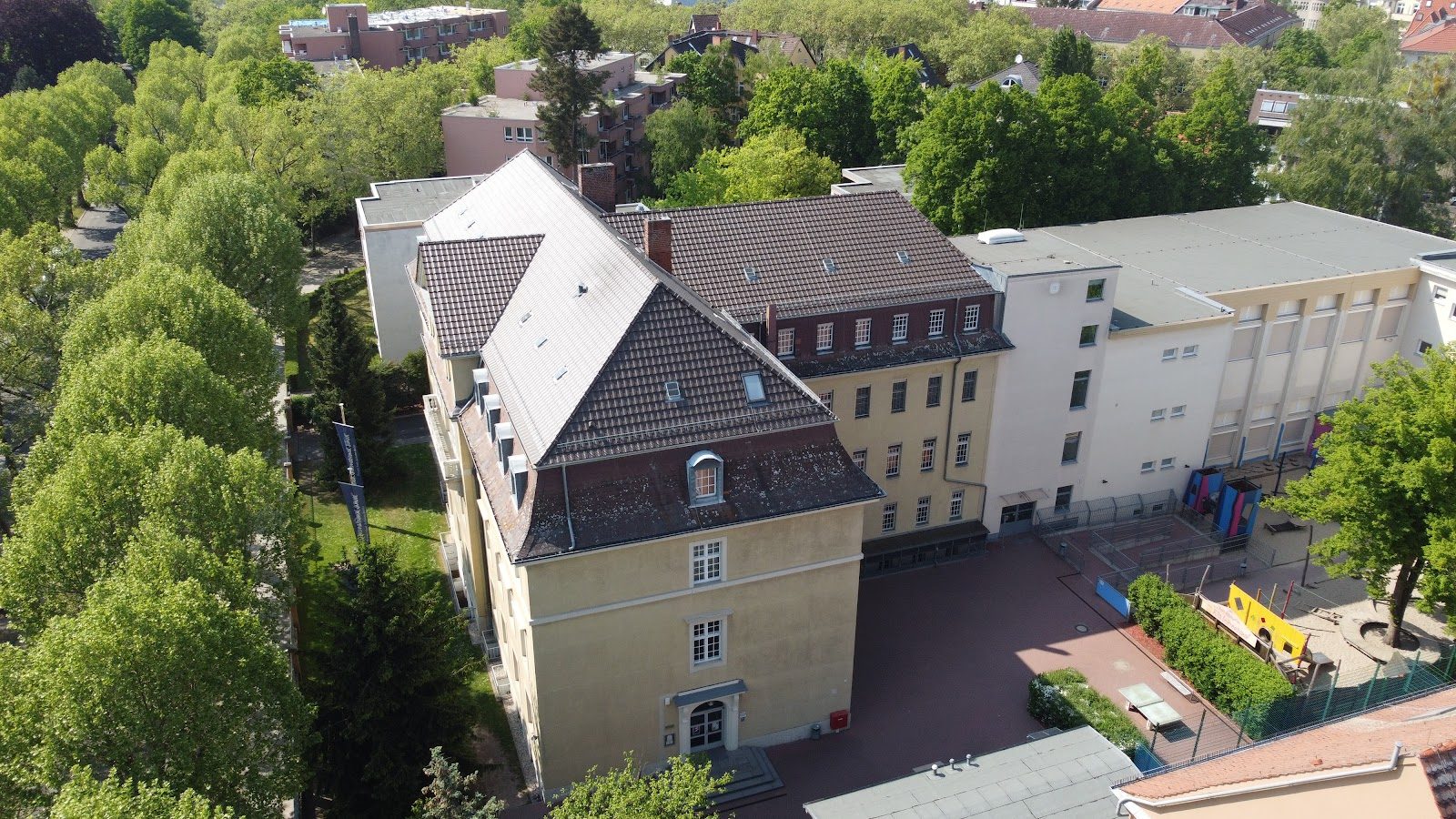
Berlin International School
Berlin · Germany
Born from the Bonn-to-Berlin embassy move, blending IB inquiry with Germany's own Rahmenlehrplan in the heart of the capital.
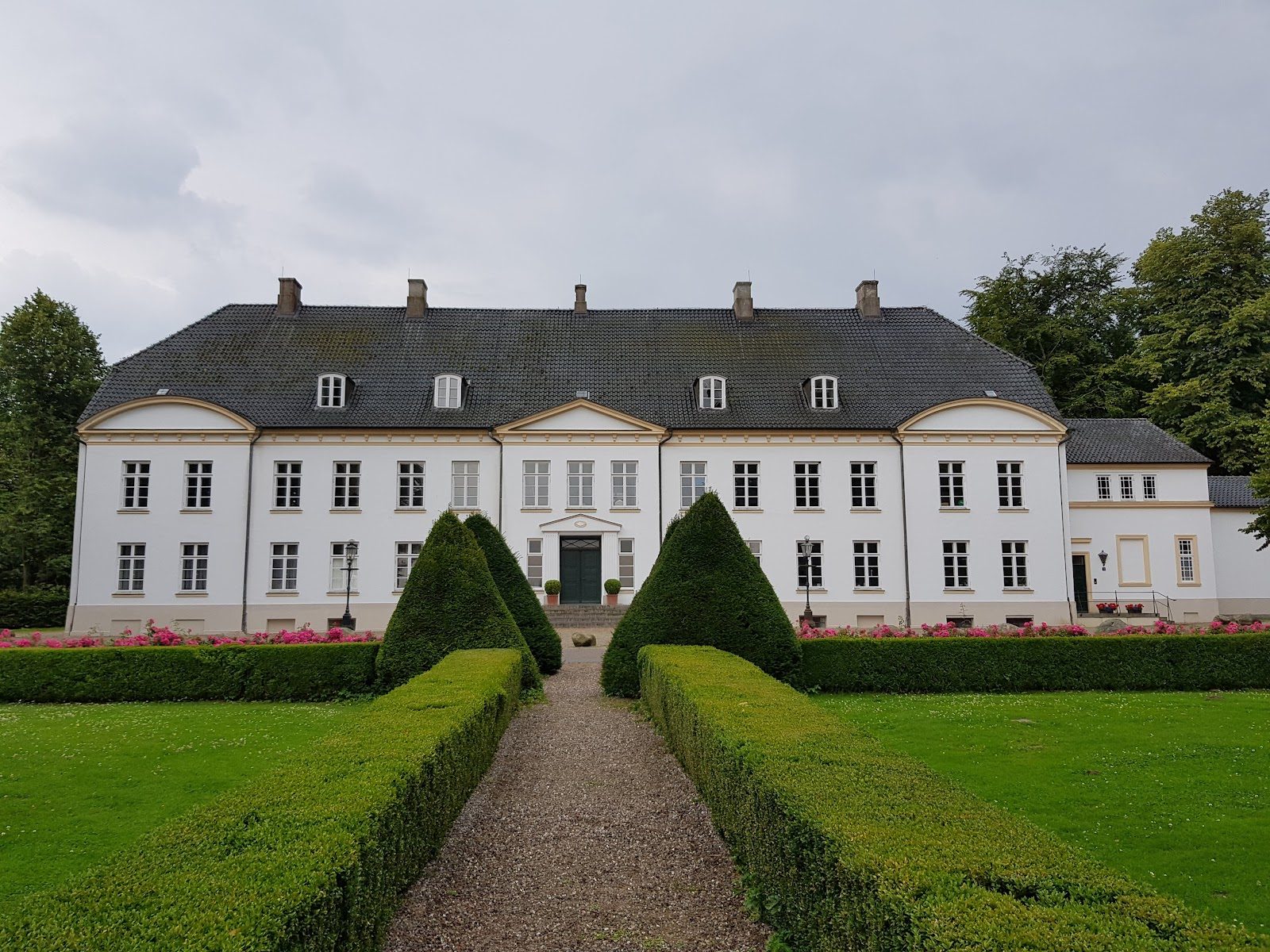
Stiftung Louisenlund
Güby · Germany
A fjord-side castle campus built on Kurt Hahn's ethos pairs IB rigor with a sailing harbour that breeds national champions.
Bonn International School
Bonn · Germany
A full IB continuum on the Rhine, where Model United Nations debate echoes Bonn's own UN-city profile.
International School of Stuttgart
Stuttgart · Germany
In Stuttgart's engineering heartland, this IB day school opens its full Diploma Programme to any student willing to try, not just the select few.
Same country and curriculum — closest matches within ±10 points either way