
Baden-Württemberg
International School of Stuttgart
medium confidence· 5/6 cats · 2.17 avg sourcesIn Stuttgart's engineering heartland, this IB day school opens its full Diploma Programme to any student willing to try, not just the select few.
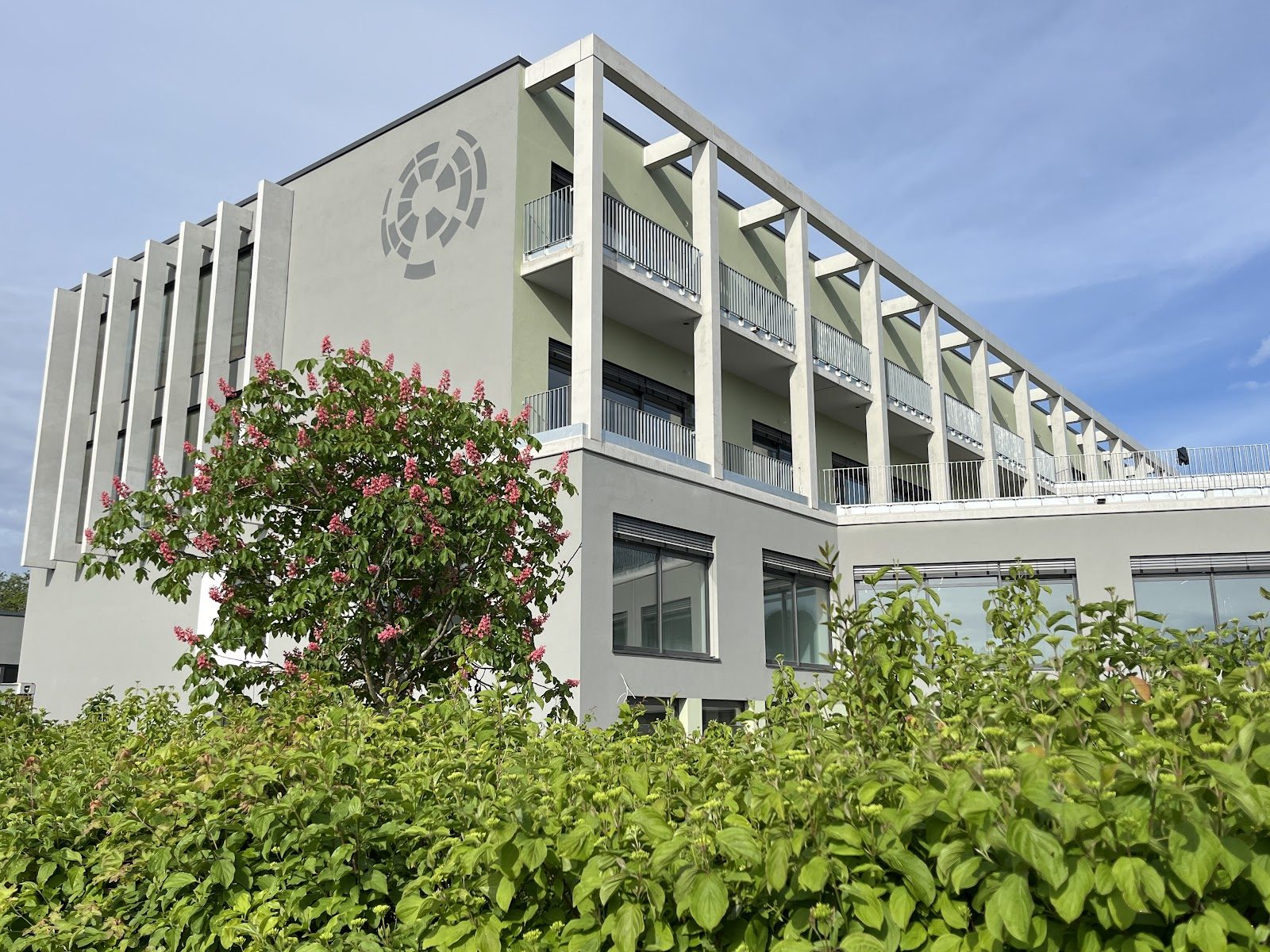
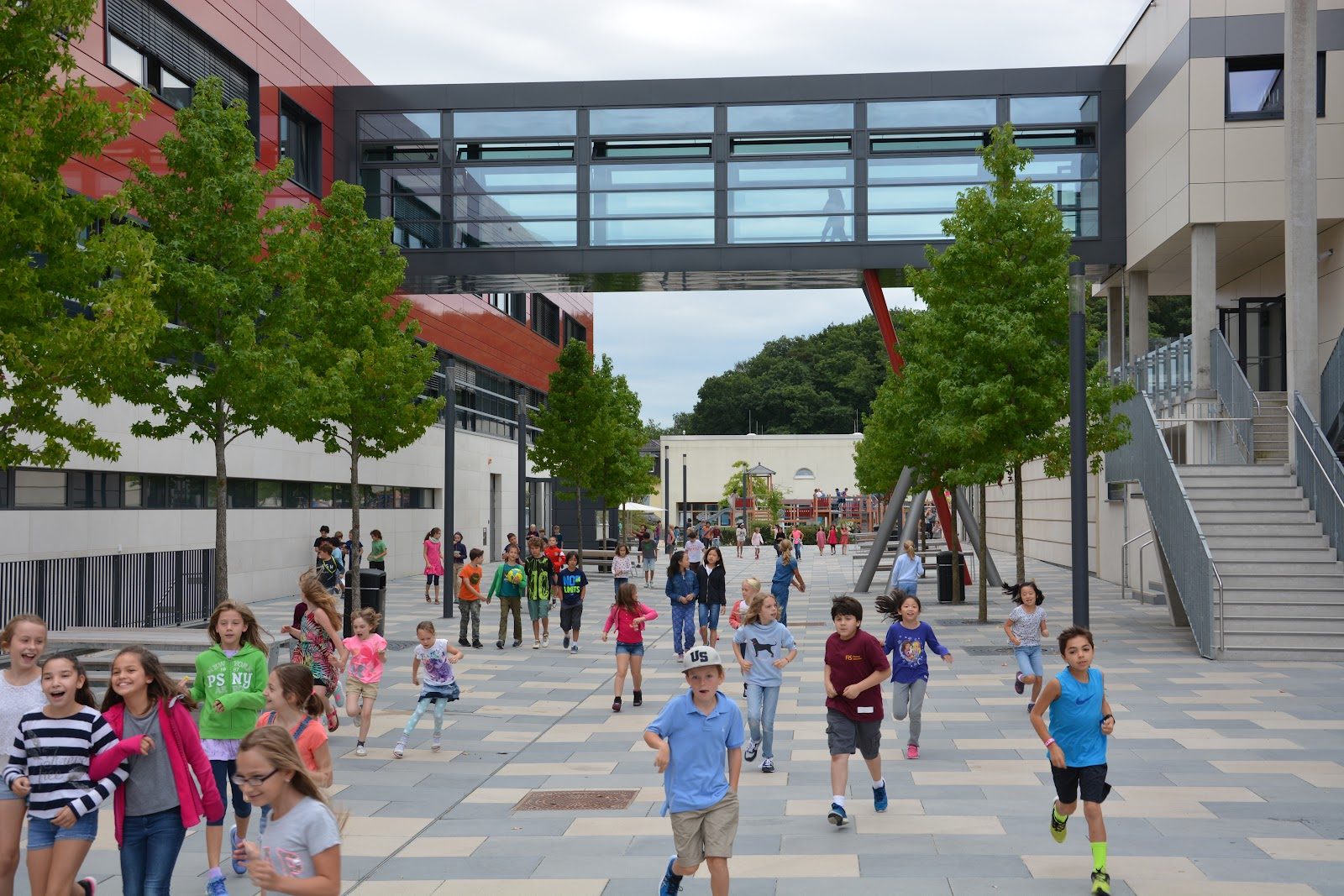
Photo © International School of Stuttgart (Degerloch Campus) via Google Maps
Type
Day
Ages
3–18
Curriculum
IB
Ratio
—
The Verdict
Editor's commitment
Right for
Families wanting an English-medium IB school from ages 3–18, with the full Diploma Programme open and CIS and IB accreditation.
Wrong for
Parents chasing a selective, prestige-filtered sixth form or a boarding option; ISS is a day school founded in 1985, not a hothouse.
Watch out for
The average annual fee is €20,833, and the published destinations list is thin: Brown, Erasmus Rotterdam and NUI Galway one each.
Score history
International School of Stuttgart · 2026
Movement across 2024–2026. Peer average overlaid.
Overall — 2024–2026
66.5/ 100
▲ +24.3 vs 2025
year on year
Peer & Industry Review
How International School of Stuttgart is regarded in the sector
62
Respected · low confidence
International School of Stuttgart is a well-established IB World School frequently referenced in expat-parent forums (InterNations, Toytown Germany) and expat relocation guides as a leading option for English-medium education in the Stuttgart region, largely due to its long-standing IB accreditation and international corporate-family clientele. However, it lacks coverage in major specialist education press (Good Schools Guide International, Tatler) or peer-benchmarking lists that would place it in the top-tier bracket, suggesting a solid regional reputation rather than broader sector-wide prominence.
Evidence sources
Editors' overview
The striking point about the International School of Stuttgart is not that it offers the IB from ages 3 to 18, but that it runs the full continuum in a city where many internationally minded families still end up choosing between local German routes and selective private options. ISS has been in place since 1985, serves over 900 students across two campuses, and teaches in English throughout. Its market position is clear: this is Stuttgart’s established all-through international day school for mobile professional families who want continuity, an English-medium education and a direct path to the Diploma Programme without changing schools at 11 or 16. The average annual day fee across the full age range is €20,833, which places it in the expensive bracket for Germany, though still within reach of the senior corporate packages that underpin much of the city’s expatriate market.
What distinguishes ISS is its deliberately open stance on the IB Diploma. The school’s own editorial line is blunt: the full Diploma is not reserved for a narrow academic elite. That matters. In a market where some schools protect headline outcomes by rationing access to the hardest post-16 routes, ISS backs a broader intake and asks students to step up rather than filtering them out. The school also carries serious institutional markers: it is a CIS-accredited, IB World School, and it counts among the first international schools in Germany authorised for the full suite of IB programmes. The newly opened Upper School campus in Degerloch in 2024 adds another practical point in its favour: this is a school still investing in infrastructure rather than trading on old reputation alone.
Parents should shortlist ISS if they want an internationally fluent, stable, secular school with genuine through-school continuity and a community built for families moving in and out of southern Germany’s engineering belt. It suits students who thrive in inquiry-led classrooms, who value a broad, non-parochial peer group, and who want the option of the full IB Diploma without an internal gatekeeping culture. It is less suited to families who want a highly selective, exam-drilled environment or a school defined by published university results; ISS does not publish a deep bank of headline outcome data, and the recent destinations publicly listed are thin, with 1 student each heading to Brown, Erasmus University Rotterdam and the National University of Ireland Galway. That opacity is a weakness. Even so, for families who value access, continuity and a serious international programme over performative selectivity, ISS earns its place on a shortlist.
Academic Performance
ISS does not give parents much hard public data on academic outcomes. We have not seen aggregate Diploma scores, pass rates, subject averages, score distributions, or multi-year trends. That is a serious gap. In a competitive international market, schools that deliver strong external results publish them plainly. ISS asks families to trust the programme, the guidance, and the culture without offering the numbers that let parents benchmark performance against other IB schools in Germany or across Europe. The result is limited visibility. You can say the school values access over internal filtering; you cannot say, from public data, where its Diploma results sit against the sharper end of the sector.
What is visible points more to structure than to outcomes. ISS offers the full IB pathway and pairs that with career orientation, internships, college guidance, Model United Nations, and the Duke of Edinburgh’s International Award for students in Grades 9–11. That breadth matters, and it fits a school that serves a mobile international community rather than a narrow exam factory. The trade-off is clear: parents seeking a data-rich academic proposition will find other schools more transparent. ISS fits better for families comfortable with a broader definition of success and with a sixth form culture that keeps the Diploma open to a wider group, rather than protecting league-table optics through restriction.
Facilities
ISS now has a stronger physical proposition than many mid-market international schools in Germany. The standout move is the new Upper School campus in Degerloch, opened in 2024, which matters because sixth-form provision lives or dies on whether older students get spaces that feel age-appropriate rather than annexed onto a lower school. The school also cites a sports hall added to the Degerloch site and describes its campuses as state-of-the-art. Strip away the brochure phrasing and the practical point remains: ISS has kept investing, and parents are not buying into a campus story frozen a decade ago. Across its two sites, the estate supports an all-through school of more than 900 pupils, which puts it beyond the cramped end of the sector and closer to the properly established, operationally serious category.
Against peers, the facilities look good rather than extravagant. ISS has the scale and infrastructure a parent expects from a mature international school serving a corporate expatriate market: dedicated upper-school space, sports provision, and room for the co-curricular life it pushes hard through internships, MUN, service and student leadership. What we have not seen is the kind of arms-race specification that top-fee schools use to signal status — no long public inventory of specialist performance venues, elite sporting complexes or architectural showpieces. That is not a fatal weakness. It does, however, place ISS in the well-equipped, functional, credible tier rather than the flashy one. For most families, that is enough. For parents shopping for campus theatre as much as education, it is not.
The distinctive feature is its refusal to treat the final years as a protected preserve for a narrow top set
Prestige
ISS has solid regional standing, not elite global cachet. In Stuttgart’s international family market, that still counts. This is the city’s established all-through international option, with a student body of over 900 drawn from more than 45 countries and a governance model that gives parents and teachers a real role through the association structure. That combination carries weight with mobile professional families who value continuity, stability and a school that is institutionally embedded rather than a transient outpost. The new upper school facilities strengthen that position. So does the school’s profile beyond the classroom: it runs major Model United Nations activity, offers structured internship and career orientation work, and acts as a professional development hub through its resident programme. That is serious infrastructure, not borrowed prestige.
The limit is clear. ISS does not sit in the category of Europe’s name-brand international schools whose prestige rests on fiercely selective admissions, heavily publicised university pipelines, or a stream of headline-grabbing results. Its public university destination list is thin, and the school does not publish the hard outcomes data that convert local respect into wider academic prestige. The school’s reputation rests instead on durability, breadth and trust within the expatriate and internationally minded community around Stuttgart’s corporate economy. That gives ISS credible market standing and makes it a respected choice locally. It does not make it a prestige play in the grand, status-signalling sense.
The social message is clear: international education here is for a genuinely mixed cohort, not a polished elite
Communications
ISS communicates with parents in a way that is structured, busy and more transparent than many schools of its type. The website does a solid job of showing who runs the school, how governance works, what the board does, and where students fit into decision-making. That matters. Parents are not left guessing who holds authority or how choices get made. The school also gives unusual prominence to its association model, with parents and teachers participating as members rather than being treated as fee-paying spectators. In a community of over 45 nationalities, that kind of clarity is useful: mobile families need systems they can read quickly. The tone, however, is institutionally polished and heavy on mission language. There is a lot of aspiration, a lot of values vocabulary, and less plain operational detail than the best parent-facing schools provide.
The strongest sign of effective communication is the school’s insistence on visible channels for participation: student council links into leadership, board committees are named, and senior staff are publicly identifiable. That gives families a sense that the school is open in structure rather than opaque. The weaker point is academic disclosure. A school cannot claim full communicative strength while withholding the results data parents most want. On pastoral culture, leadership and community mechanics, ISS is clear-eyed enough. On outcomes, it is frustratingly thin. The verdict: strong on who the school is and how it governs itself; weaker on the hard performance information that turns communication from reassuring to genuinely complete.
Uniqueness
What sets ISS apart is not the basic fact of being an international school, but the way it combines broad access with a full through-school structure in a market that often forces families into trade-offs. The distinctive feature is its refusal to treat the final years as a protected preserve for a narrow top set. The school keeps the Diploma route open and builds a culture around students rising to that challenge. For pupils, that brings a sixth-form experience that is less gatekept and more ambitious in democratic terms: stronger students are not insulated inside a tiny academic enclave, and solid middle-range students are not quietly steered away from the hardest route for the sake of optics. In a community of over 45 nationalities, that matters. The social message is clear: international education here is for a genuinely mixed cohort, not a polished elite.
There is a second point of difference in the school’s civic character. ISS is a non-profit association with parents and teachers embedded in governance, and students themselves hold a visible role through council work, policy input, service initiatives and event leadership. That gives the place a more participatory feel than the standard top-down private-school model. Add the school’s long-running MUN profile, internship work and the Duke of Edinburgh’s International Award for pupils in Grades 9–11, and the result is an education that pushes students beyond classroom compliance. The benefit is practical: pupils get regular rehearsal in leadership, debate, service and decision-making, not just a transcript.
That gives the place a more participatory feel than the standard top-down private-school model
Student Profile
ISS suits internationally mobile families who want their children in a genuinely mixed peer group rather than a local private-school bubble. The student body spans more than 45 nationalities, and the school’s structure points to a community used to arrivals, departures and cultural turnover without losing its centre. Children who settle well here are comfortable around difference, willing to speak up, and ready to join a school where student voice is given real space through council work, service activity and event leadership. This is also a good fit for pupils who like doing as well as discussing: MUN, internships, career days and the Duke of Edinburgh’s International Award all reward students with outward-facing interests and a degree of initiative.
The best match is not the child who wants a hard-edged, rank-ordered atmosphere or a school obsessed with polishing a narrow top tier. ISS works better for students who value breadth, participation and a less filtered route through the senior years. That includes able, ambitious pupils who want challenge without social exclusivity, and solid middle-range students prepared to stretch. It also suits families who want a school with a strong community spine and visible parent involvement, rather than a distant corporate machine. Less well served: children who need heavy external discipline, or families who judge schools mainly by public exam tables and elite university pipelines. ISS backs engagement, resilience and contribution; it is not a hothouse for status hunters.
ISS suits internationally mobile families who want their children in a genuinely mixed peer group rather than a local private-school bubble
Co-curricular strengths
Arts & sport, on a separate axis
Overall 7.06/10
Scored 0-10 from the school's own published evidence. This axis is editorial-only — it does not feed the main WTS ranking.
Sports
7.8/10
Multiple sports (football, basketball, volleyball, swimming, track and field) and a dedicated sports hall, which clears the notable-strength floor.
Drama
6.5/10
The extracurriculars specifically mention drama productions, and recurring named productions are sufficient evidence for a notable drama programme.
Dance
5.5/10
Music
7.5/10
Choir is explicitly named in the extracurriculars.
Visual Arts
8/10
Visual arts is offered, but there is.
Editor first-pass · editor-reviewable · 7/27/2026
Outcomes & destinations
Where students go next
Class of 2022
Top destinations
27 placements
- National University of Ireland Galway· 1
- Erasmus University Rotterdam· 1
- Brown University· 1
- London School of Economics· 1
- Copenhagen Business School· 1
- James Cook University· 1
- Minerva University· 1
- Purdue University· 1
- University of Twente· 1
- Fontys University of Applied Sciences· 1
- University of Amsterdam· 1
- WHU – Otto Beisheim School of Management· 1
- University of Groningen· 1
- Technical University of Munich· 1
- ESCP Business School· 1
- Amsterdam University of Applied Sciences· 1
- Loughborough University· 1
- Eindhoven University of Technology· 1
- University of Bath· 1
- University of Navarra· 1
- UMCH University Medical Center Hamburg· 1
- Jacobs University· 1
- University of Florida· 1
- University of Leicester· 1
- University of Budapest· 1
- Toronto Metropolitan University· 1
- Rutgers University· 1
Reported by the school. Confirm with admissions.
Strengths
- +IB curriculum throughout ages 3 to 18.
- +Founded in 1985; established, not a newcomer.
- +Over 900 students offers scale and peer breadth.
- +Two campuses may suit different commuting patterns.
Considerations
- −Two campuses can complicate logistics for some families.
- −Over 900 students may feel less intimate.
- −School does not publish accreditations here.
Availability
Primary entry gate & tests
Academic Record
Gallery
Photo © R. S. Sutanto via Google Maps
Photo © Felix via Google Maps
Photo © Felix via Google Maps
Photo © Felix via Google Maps
Photo © Felix via Google Maps
Photo © Felix via Google Maps
Photo © Jannik H. via Google Maps
Photo © Jannik H. via Google Maps
Parent reviews
Have you sent your child here?
Voice reviews carry the strongest trust badge — we transcribe them for you to tidy up before they go live. Prefer to type? A written review is fine too.
Add your voice
In 60 seconds, tell other parents: what's the best thing about International School of Stuttgart, and what surprised you when your child joined?
We ask for a Google sign-in so every review has a real face behind it — no anonymous drive-by attacks on schools, and no faked positive reviews. Your email is never shown publicly.
Send this profile to a friend
International parents rely on word-of-mouth. Share this review with someone weighing the same decision.
Schools with places
Similar schools to International School of Stuttgart with places available now.
Heidelberg International School
Heidelberg · Germany
- 2026-27
- WAITPOOLSpace-dependent
- 2027-28
- FUTURE CYCLEDates TBC
Schule Schloss Salem
Salem · Germany
- 2026-27
- WAITPOOLVacancy-dependent
- 2027-28
- WAITPOOLVacancy-dependent / Rolling
Availability first, then country, area, curriculum, price, co-curricular
Consider also
Also worth looking at alongside International School of Stuttgart.
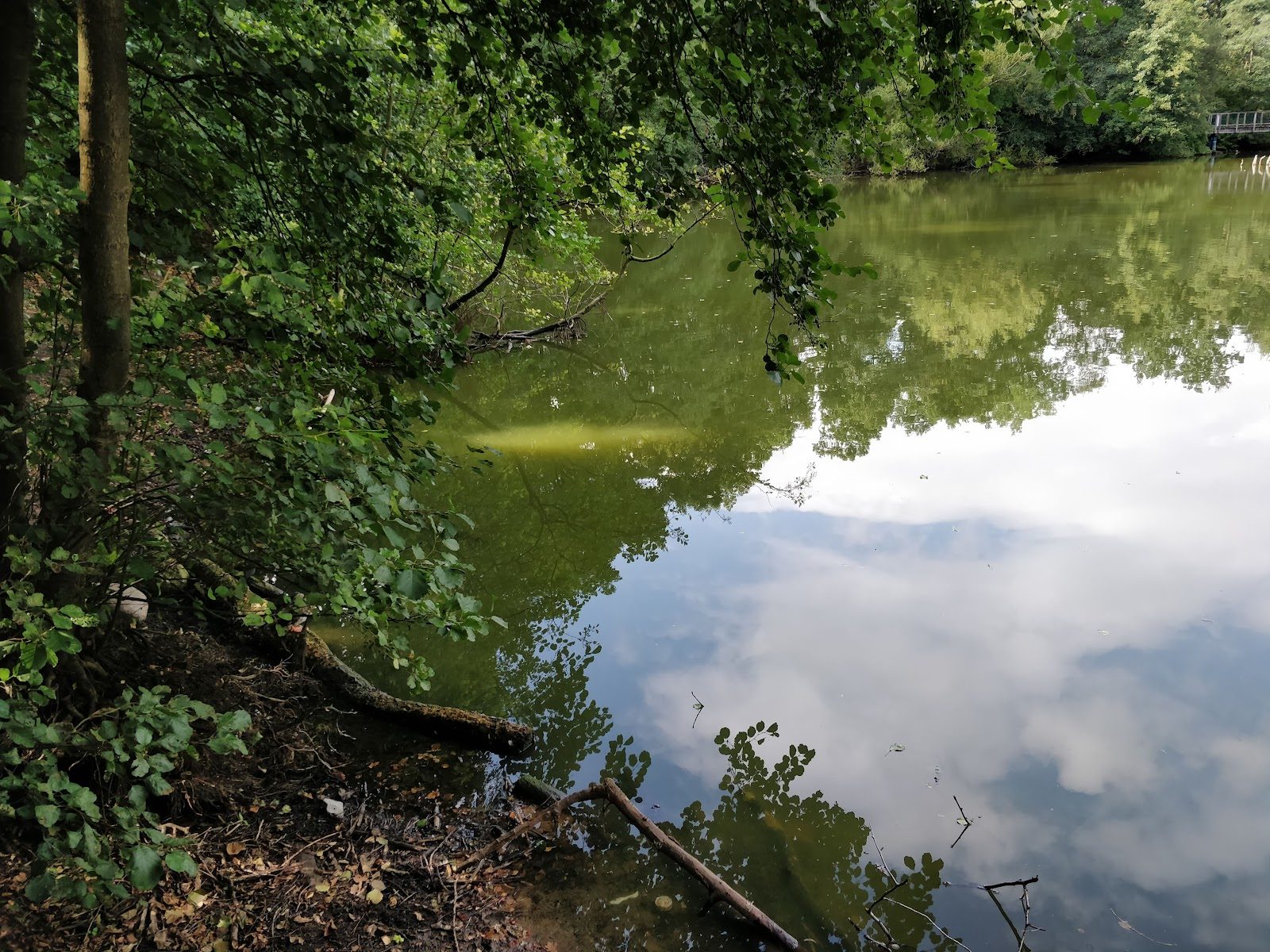
International School of Hamburg
Hamburg · Germany
Germany's first international school since 1957, still the only CIS-accredited IB continuum campus in the port city of Hamburg.
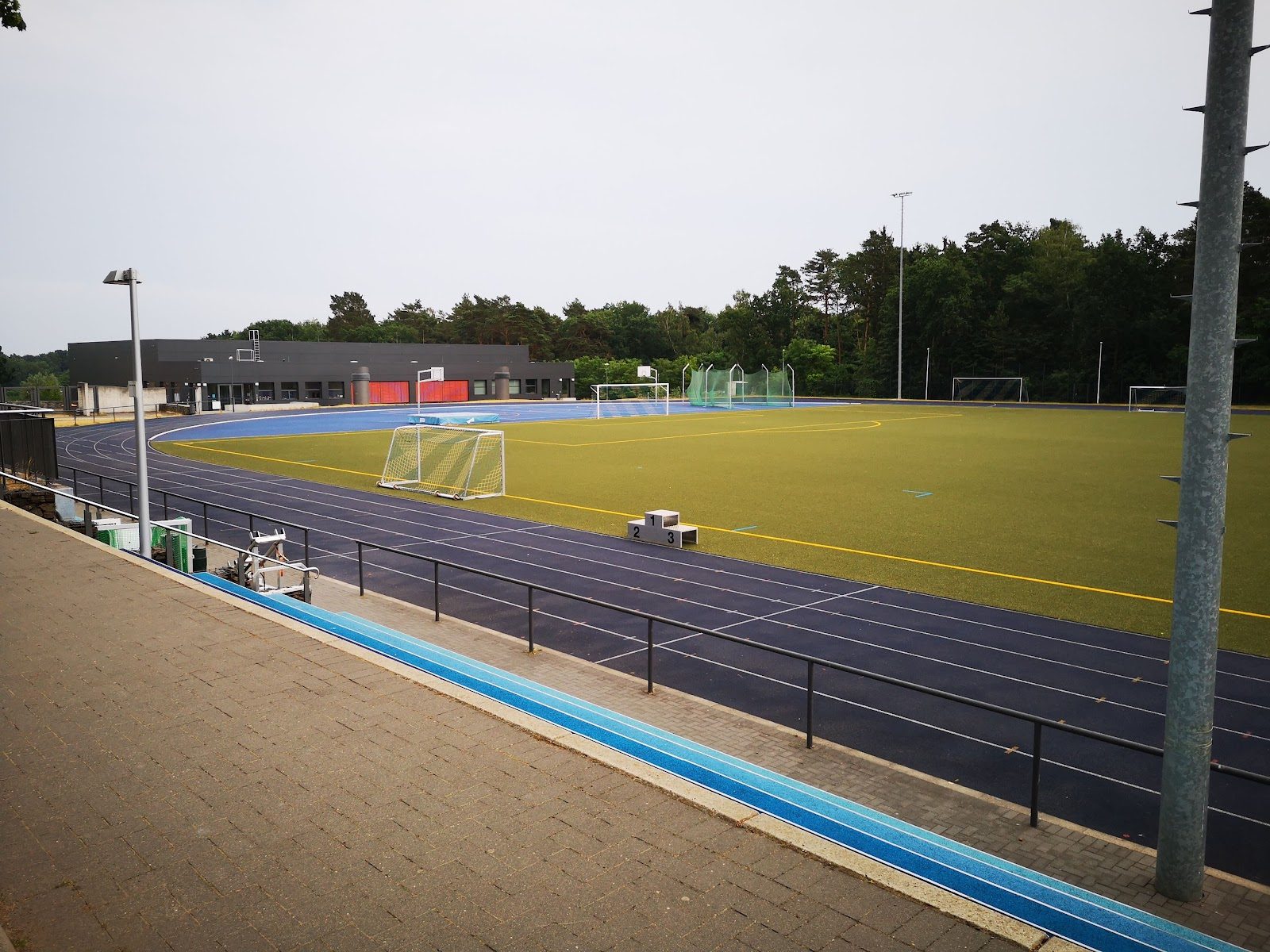
Berlin Brandenburg International School
Kleinmachnow · Germany
Set on a forested campus between Berlin and Potsdam, this day school runs the full IB continuum for students from 60-plus nations.
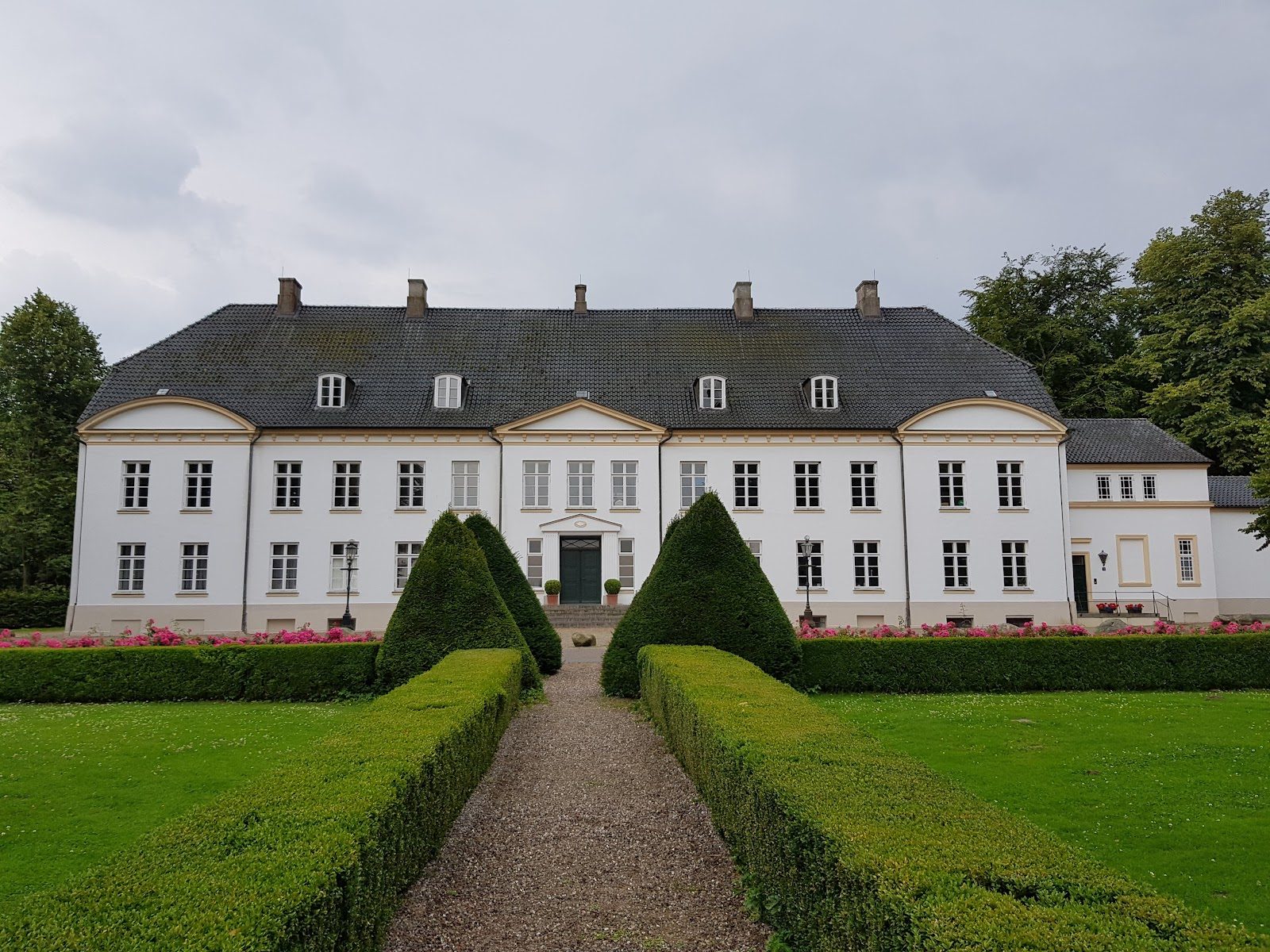
Stiftung Louisenlund
Güby · Germany
A fjord-side castle campus built on Kurt Hahn's ethos pairs IB rigor with a sailing harbour that breeds national champions.
Frankfurt International School
Frankfurt · Germany
A founding member of the International Baccalaureate since the 1960s, still shaping the diploma from its Taunus forest campus.
Same country and curriculum — closest matches within ±10 points either way