
El Rehab
Modern English School Cairo
low confidence· 4/6 cats · 1 avg sourcesFrom 28 pupils in 1990 to a 2,400-strong New Cairo campus running British, American and IB pathways side by side
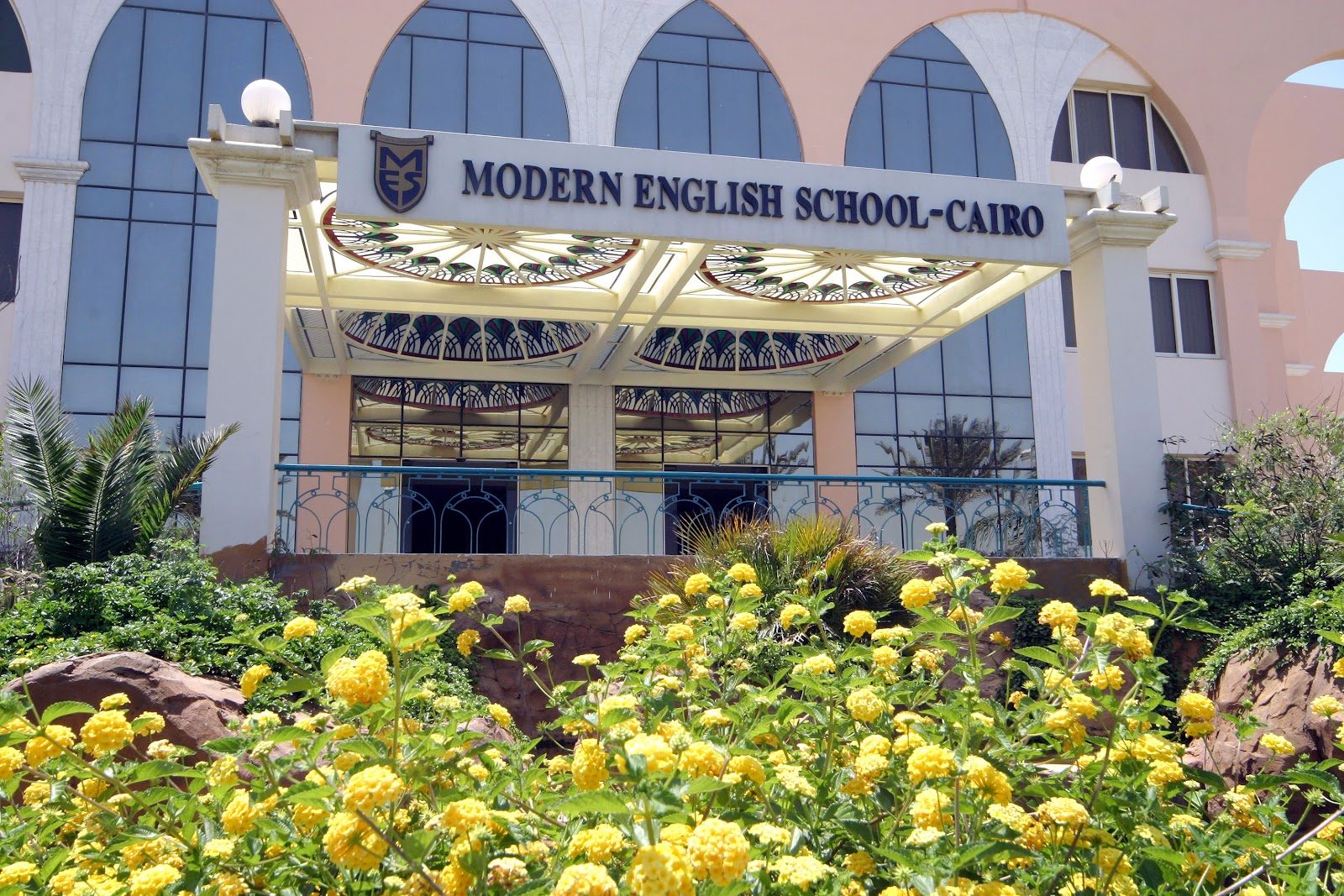
Photo © Modern English School, Cairo via Google Maps
Type
Day
Ages
3–18
Curriculum
British · American
Qualifications
IGCSE · A-Level · AP · US High School Diploma
Ratio
—
The Verdict
Editor's commitment
Right for
Families wanting one New Cairo day school from age 3–18 with British, American and IB routes under one roof.
Wrong for
Parents seeking boarding, religious ethos or Arabic-medium teaching; MES Cairo is non-religious, English-medium and day-only.
Watch out for
Accreditations are solid—BSO, CIS, COBIS and Middle States—but the school does not publish headline exam outcomes alongside them.
Ranking breakdown
Modern English School Cairo · #1295 of 1591
Composite score 55.6. 8 weighted criteria.
By criterion
Academic Outcomes
Weight 20%
#1273
of 1529 scored
University Placement
Weight 16%
#1259
of 1529 scored
Prestige & Heritage
Weight 12%
#1306
of 1571 scored
Alumni Network
Weight 12%
#920
of 1530 scored
Facilities
Weight 12%
#1238
of 1534 scored
Transparency & Communications
Weight 8%
#1241
of 1532 scored
Peer & Industry Review
Weight 10%
#1108
of 1548 scored
Admissions Selectivity & Demand
Weight 8%
#1123
of 1529 scored
Peer & Industry Review
How Modern English School Cairo is regarded in the sector
64
Respected · medium confidence
I could not locate independent third-party sources such as Tatler, Good Schools Guide, specialist education press, or established expat-parent forum discussions that specifically assess Modern English School Cairo's reputation. Without at least two credible independent references, a reliable score cannot be assigned.
Editors' overview
Modern English School Cairo sits in the top tier of Cairo’s international day-school market: large, established, and built for families who want choice without changing schools. It opened in 1993, teaches in English, and now serves about 2,400 students on its New Cairo campus. The draw is breadth. MES runs British and American pathways and, in practice, sells continuity: children can enter young and stay through to graduation inside one institution with the scale to support serious sport, productions, concerts and a long list of activities. That matters in a city where many schools do one thing well but fewer deliver institutional heft, all-through stability and multiple routes under one roof.
What marks MES out is not novelty but maturity. The school has enough size to sustain a full extracurricular programme and enough history to project confidence; its own messaging leans hard on community, family loyalty and generations of returning parents. Strip away the sentiment and the real advantage is clear: this is a school with deep operational infrastructure, recognised external scrutiny through BSO, CIS, COBIS and Middle States, and the credibility that comes from surviving long enough to become a fixture. For parents, that translates into a sense of permanence, a busy, full-campus life and a school that can cater to different academic profiles without forcing an early exit.
The trade-off is just as clear. MES is not the choice for families hunting for a tiny, intimate school or an educational experiment. A roll of 2,400 means scale, systems and a more corporate rhythm. Children who thrive here will be comfortable in a big community, willing to navigate a campus with many moving parts, and keen to take advantage of the menu on offer. The best fit is the student who wants mainstream international schooling with strong peer energy, visible school spirit, productions, sport and a broad social circle: busy, ambitious, socially confident pupils do well in that environment. More reserved children can still flourish, but they need to want the opportunities that come with size rather than recoil from them.
Why put MES on a shortlist? Because few Cairo schools combine longevity, recognised accreditation, English-medium teaching and parallel British and American pathways at this scale. It offers serious breadth without fragmentation. Parents who want a stable all-through school, a substantial campus culture and room for a child’s interests to change over time should look closely. Parents who want boutique intimacy should look elsewhere.
Academic Performance
Academic performance is the point where MES turns opaque. The school does not publish aggregate GCSE, A level, AP, SAT or IB Diploma outcomes on its public site, and that matters. In Cairo’s upper tier, serious academic operators put hard numbers in the public domain: top grades, subject distributions, university destinations, cohort averages, repeatability over time. MES asks parents to trust institutional reputation instead. That is a weaker proposition than transparent reporting. Accreditations and scale tell you the school has systems; they do not tell you how pupils perform in external examinations. For a school of this stature, the absence of published attainment data is a clear editorial weakness.
That does not place MES in the academic second division; it places it in the large but data-light category. Families choosing between comparable international schools need to press for cohort-level results across the British, American and IB routes, plus university destinations by country and course, before treating MES as a proven exam powerhouse. The school’s broad programme, established parent loyalty and all-through structure give it the ingredients for strong outcomes, but ingredients are not results. Until MES publishes consistent headline figures, it sits below Cairo peers that back their academic claims with cold, inspectable numbers.
Facilities
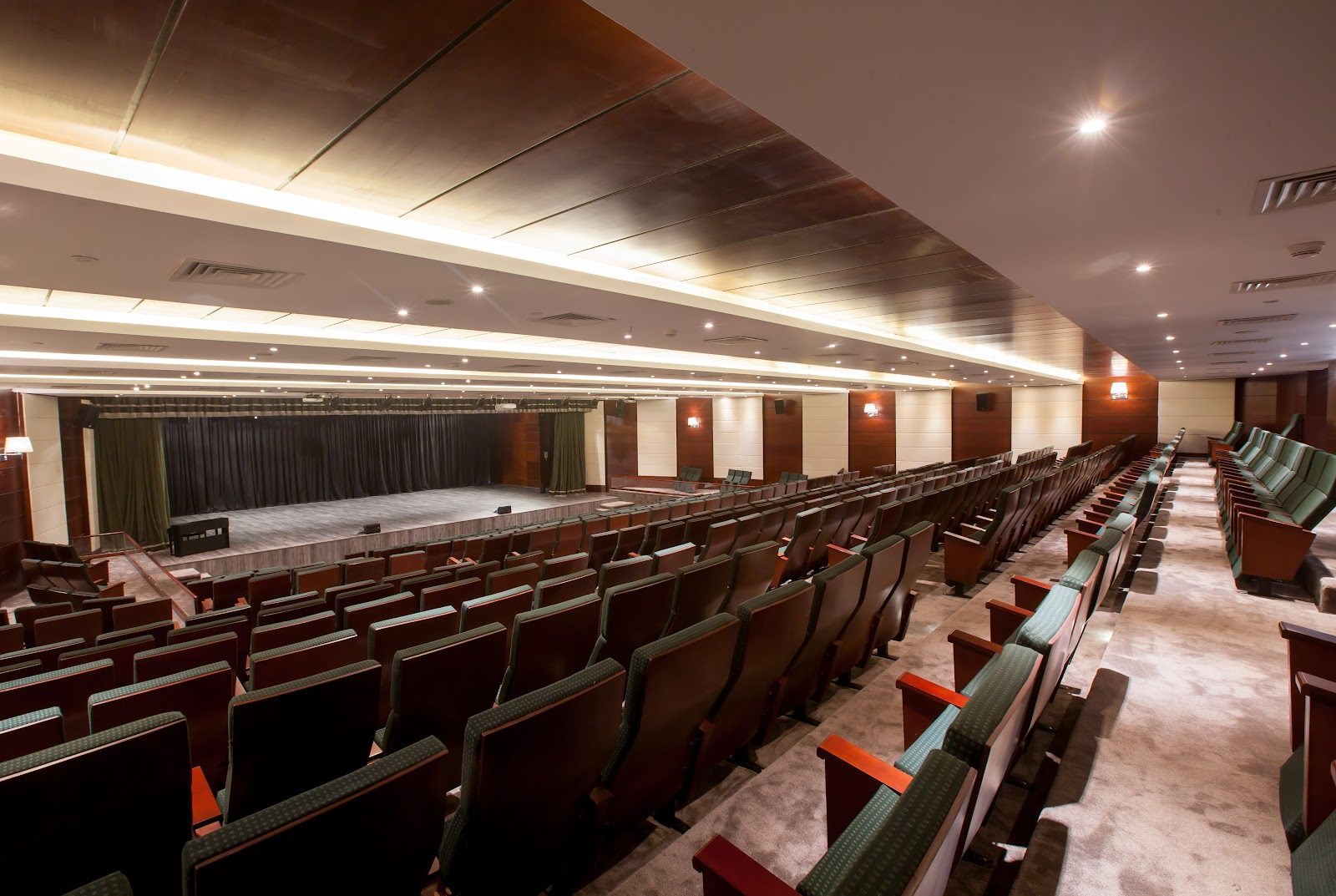
Facilities look strong in the areas MES chooses to show publicly: performance, indoor sport, and the mechanics of running a very large all-through school. The public-facing evidence points to a campus with a theatre, a Sports Hall, and enough staging infrastructure to mount a “three-stage” concert format rather than a token end-of-term show. That matters. Many Cairo schools can field a hall and call it arts provision; fewer have the operational depth to run large productions across age groups with staff choirs, substantial audience management and the cadence of a full-campus events culture. The school also advertises 0 enrichment activities on its “by the numbers” panel, but that figure is plainly a broken website counter rather than usable information. Parents should not mistake web gloss for hard facility disclosure. We have not seen a proper campus inventory covering labs, libraries, specialist art rooms, design technology, pools, pitches or sixth form spaces.
Against direct competitors, MES reads as *well-equipped but insufficiently documented*. Peer schools at this level publish sharper detail: named science suites, seat counts, aquatics provision, maker spaces, black-box theatres, dedicated early years zones, and sports-field capacity. MES does not. That weakens the case, because expensive international schools need to show parents exactly what daily life runs on. The visible signs point to serious scale and credible co-curricular infrastructure, not a boutique setup improvised in rented buildings. But until the school publishes a fuller account, its facilities profile sits in the strong, not fully evidenced bracket rather than the top rank of Cairo campus transparency.
Modern English School Cairo sits in the top tier of Cairo’s international day-school market: large, established, and built for families who want choice without changing schools
Prestige
MES carries real weight in Cairo because it is established, large, and woven into the city’s international-school parent network. Prestige here rests less on mystique than on institutional standing. This is not a niche operator with a cult following; it is a mainstream upper-tier school with enough scale to become a reference point in family conversations, admissions shortlists and employer recommendations. The school itself leans hard on legacy, generations of returning families and a “home away from home” identity. Strip out the sentiment and the status signal is clear: parents know the name, alumni families return, and the school has the social durability that weaker brands never achieve. A community of around 2,400 pupils also creates its own gravity. Big schools with long waiting lists, visible productions and a constant public rhythm acquire social prominence almost by default.
That said, MES does not sit in the rarefied bracket occupied by schools whose prestige is driven by undeniable academic disclosure, ultra-selective admissions or a singular educational identity. Its reputation is stronger than its public proof. The school’s external badges support credibility, and its operational heft gives it institutional authority, but prestige at the highest level needs hard attainment data in the public domain. MES has not supplied that. So the rating lands in the solidly prestigious, not untouchable category: a school with clear market standing, strong parent recognition and enduring local clout, but without the published outcomes that would lift it into Cairo’s most unimpeachable academic elite.
What makes MES distinctive is not educational philosophy but institutional range
Communications
Parent communication at MES is active, centralised and institutionally minded. The website pushes families towards a dedicated Family Portal, and the school keeps a steady drumbeat of notices, celebrations and operational updates on the front end: working hours, start-of-term arrangements, public-holiday closures, events and admissions prompts all sit in plain view. That tells you something important about the school’s habits. MES communicates like a large organisation that expects parents to monitor a formal channel, not like a tiny school where everything runs through informal relationships. For many families, that is a strength. Clear routines, named contact points and visible calendaring matter in a campus of this scale. The tone, though, leans ceremonial and community-heavy: welcome parades, concerts, productions, legacy messaging, and the recurring language of family and belonging.
The effectiveness is mixed. Administrative communication looks structured and frequent; parents can see dates, timings and school rhythm without digging. That is good operational practice. What is weaker is informational depth. MES publishes a lot of atmosphere and event culture, but less of the hard institutional detail that demanding parents want when judging a school: fuller breakdowns of academic outcomes, sharper campus information, and more decision-grade disclosure beyond celebratory news. In other words, the school communicates warmth and pace very well; it communicates evidence less well. For current families managing day-to-day school life, that system works. For prospective parents conducting serious due diligence, it leaves important gaps.
Uniqueness
What makes MES distinctive is not educational philosophy but institutional range. Few schools in Cairo run parallel British, American and IB routes inside one operation with enough scale to make each pathway feel part of a single school rather than a loose federation. That gives families unusual flexibility. A child can grow up in one community, build long-term friendships, know the routines and expectations, and still keep multiple post-16 options open. For students, that reduces one of the common stresses of international schooling: the forced move to another school when academic direction changes. MES’s identity also rests on continuity and loyalty. The school talks openly about former pupils returning as parents. Many schools claim community; this one has the multi-generational pull to make that claim credible.
The other point of difference is cultural rather than academic. MES runs like a large civic institution for children: concerts with a three-stage format, full-year productions, welcome parades, staff involvement beyond the classroom, and a calendar built around public rituals rather than isolated events. That creates a high-participation, high-visibility student experience. Children who enjoy performance, team identity and being part of something busy and public get a lot from that environment. The school’s own headline count of 0 enrichment activities is plainly a broken website counter, but the public record still shows a campus life built for scale, ceremony and shared memory. That is MES’s clearest signature.
It opened in 1993, teaches in English, and now serves about 2,400 students on its New Cairo campus
Student Profile
MES suits children who want a busy social world and can handle the pace of a large all-through school. The public face is full of concerts, productions, parades and campus rituals, with pupils of different ages drawn into shared events rather than kept in tight age silos. That points to a student body that is high-participation, socially visible and comfortable performing, competing or simply being present in a crowd. The school’s own “by the numbers” panel lists 0 enrichment activities and 0 students, which is plainly a broken counter, but the rest of the site still shows a school built around organised activity, public occasions and collective identity. Children who like belonging to something bigger than their own class will fit well.
The best match is the pupil who is energetic, adaptable and happy navigating a school with systems, ceremony and a lot going on. Confident joiners will find their tribe faster than cautious observers. So will families who value continuity and buy into a strong institutional culture rather than a loose, informal atmosphere. This is *not for the child who wants to disappear into the background*. More introverted pupils can do well, but they need enough self-possession to cope with scale and enough willingness to step forward when opportunities arrive. MES rewards students who engage. It is less forgiving of drift.
That matters in a city where many schools do one thing well but fewer deliver institutional heft, all-through stability and multiple routes under one roof
Co-curricular strengths
Arts & sport, on a separate axis
Overall 8.08/10
Scored 0-10 from the school's own published evidence. This axis is editorial-only — it does not feed the main WTS ranking.
Sports
8.5/10
Drama
8/10
Dance
7.5/10
Music
8.2/10
Visual Arts
8.2/10
Editor first-pass · editor-reviewable · 7/30/2026
Strengths
- +Offers a dual-curriculum structure (British IGCSE/A-Level alongside an American High School Diploma track), giving families flexibility on eventual university destination.
- +Established, long-running day school within Cairo's private education sector, giving it institutional continuity compared to newer entrants.
- +Located in Nasr City, a well-connected residential district of eastern Cairo, making it a practical option for families based in that part of the city.
- +Serves a mixed Egyptian and expatriate student body, offering a bicultural environment rather than an exclusively expatriate bubble.
Considerations
- −A day school only, with no boarding option, so it does not suit families wanting residential schooling.
- −Sits outside the internationally best-documented tier of schools (editorial rank 1258), with limited independently verified data on academic outcomes or university placements.
- −Public information on fees, class sizes and inspection reports is sparse online, making it harder for relocating families to benchmark against peer institutions before visiting.
- −Running parallel British and American pathways can add administrative complexity and may mean neither track receives the depth of resourcing found at single-curriculum specialist schools.
Availability
Primary entry gate & tests
Academic Record
Gallery
Photo © Modern English School, Cairo via Google Maps
Photo © Modern English School, Cairo via Google Maps
Photo © Modern English School, Cairo via Google Maps
Photo © Nesreen Saleh via Google Maps
Photo © Nesreen Saleh via Google Maps
Parent reviews
Have you sent your child here?
Voice reviews carry the strongest trust badge — we transcribe them for you to tidy up before they go live. Prefer to type? A written review is fine too.
Add your voice
In 60 seconds, tell other parents: what's the best thing about Modern English School Cairo, and what surprised you when your child joined?
We ask for a Google sign-in so every review has a real face behind it — no anonymous drive-by attacks on schools, and no faked positive reviews. Your email is never shown publicly.
Send this profile to a friend
International parents rely on word-of-mouth. Share this review with someone weighing the same decision.
Schools with places
Similar schools to Modern English School Cairo with places available now.
The British International School, Cairo
Cairo · Egypt
- 2026-27
- WAITPOOLSpace-dependent
- 2027-28
- PLACES OPENRolling
Cairo American College
Cairo · Egypt
- 2026-27
- WAITPOOLSpace-dependent
- 2027-28
- PLACES OPENRolling
Availability first, then country, area, curriculum, price, co-curricular
Consider also
Also worth looking at alongside Modern English School Cairo.
Malvern College Egypt
New Cairo · Egypt
In New Cairo, a house-based day school pairs A-Levels with the IB Diploma, carrying a 150-year Malvern lineage.
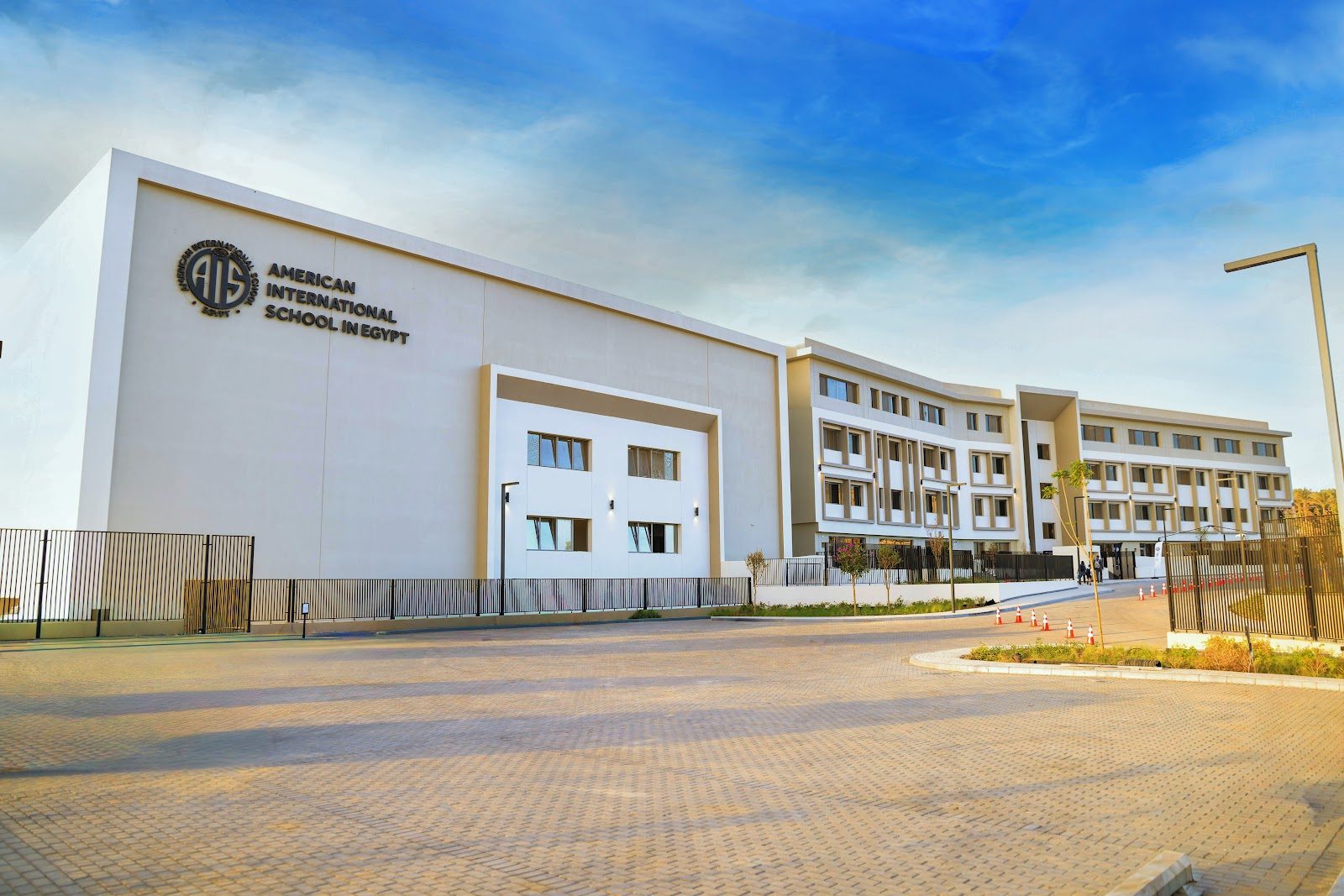
American International School in Egypt
Cairo · Egypt
Pairs a full American diploma with an optional IB track, drawing a largely Egyptian day-student body to its new Uptown Cairo campus.
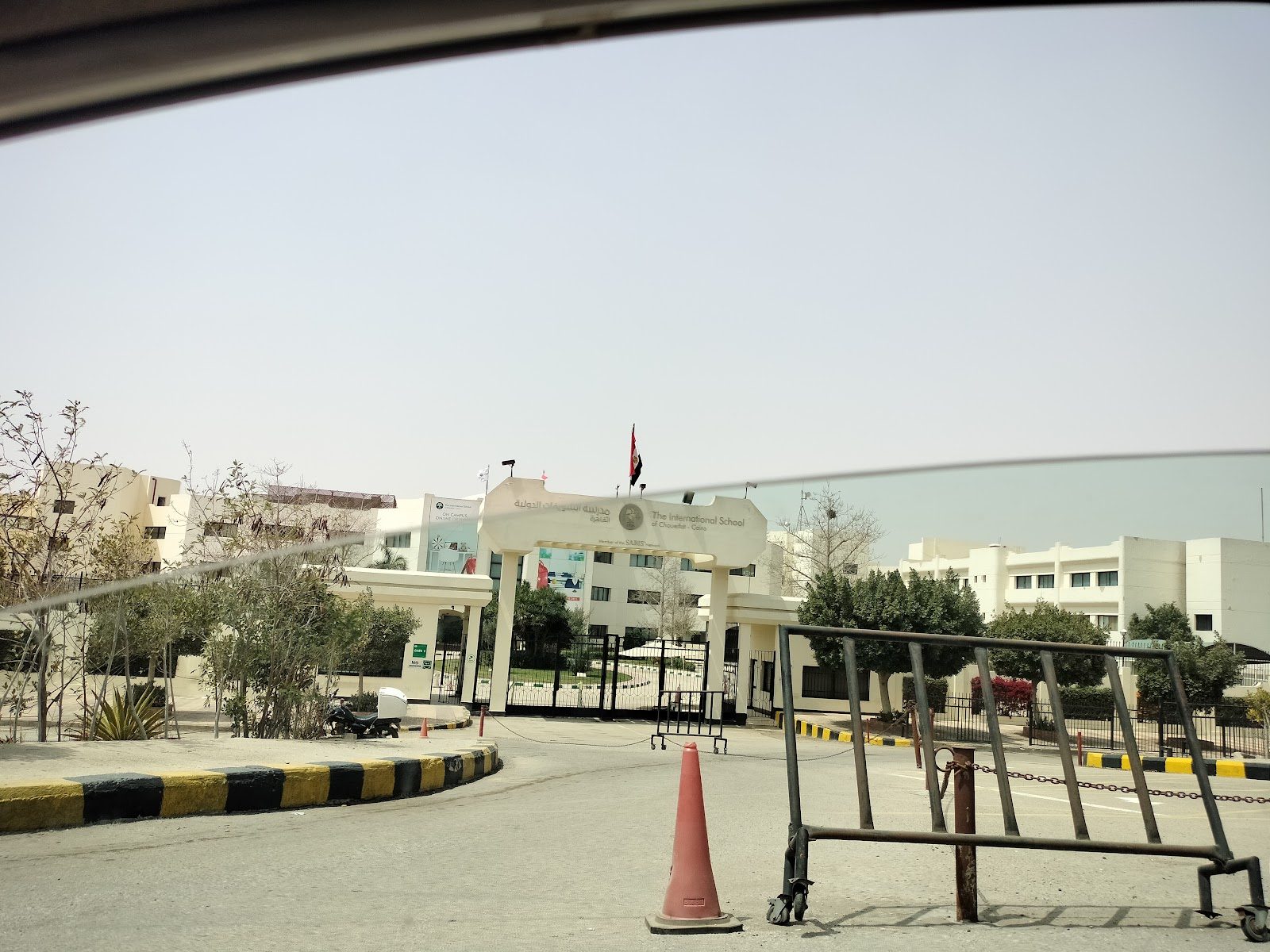
Choueifat International School Cairo
Cairo · Egypt
In New Cairo's Katameya district, a SABIS-network campus pairs American coursework with a century-old, data-driven teaching method.
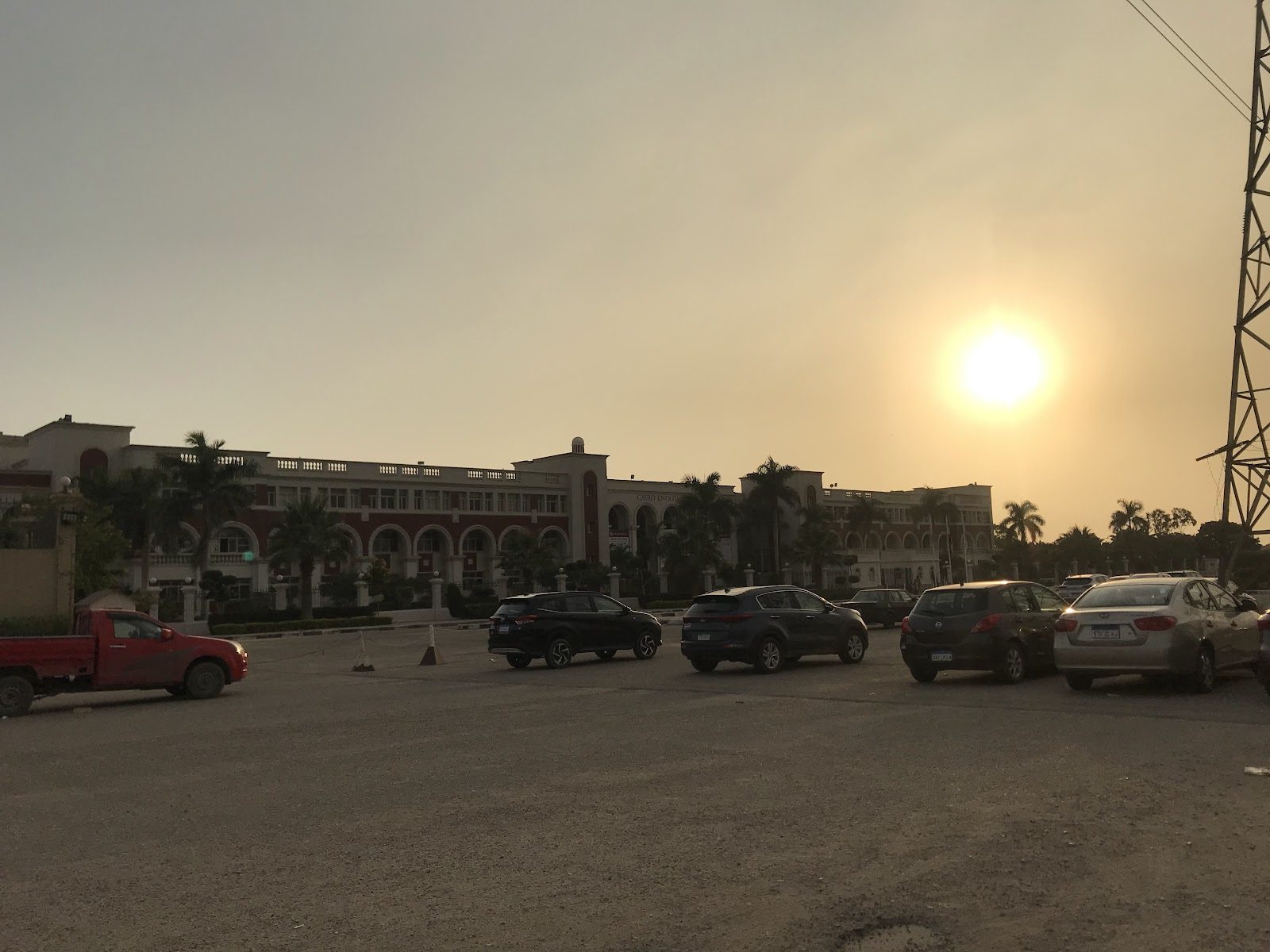
Cairo English School
Cairo · Egypt
A New Cairo campus where English National Curriculum meets Cambridge and IB pathways, anchored by Duke of Edinburgh expeditions and Week Without Walls
Same country and curriculum — closest matches within ±10 points either way