
Essex
Felsted School
low confidence· 6/6 cats · 0 avg sourcesOne of twelve founding HMC schools, pairing a Guildhall music partnership with sixth-form choice between A levels and the IB.
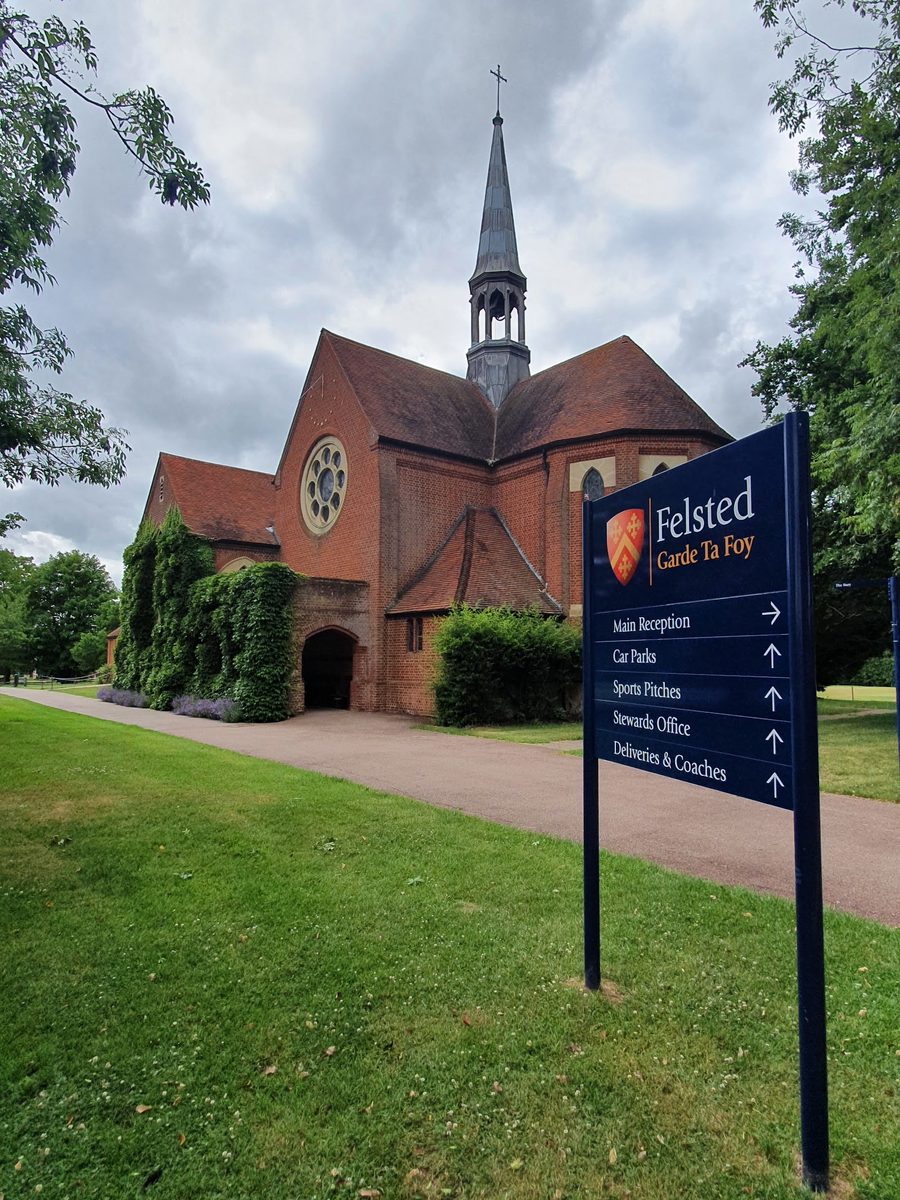
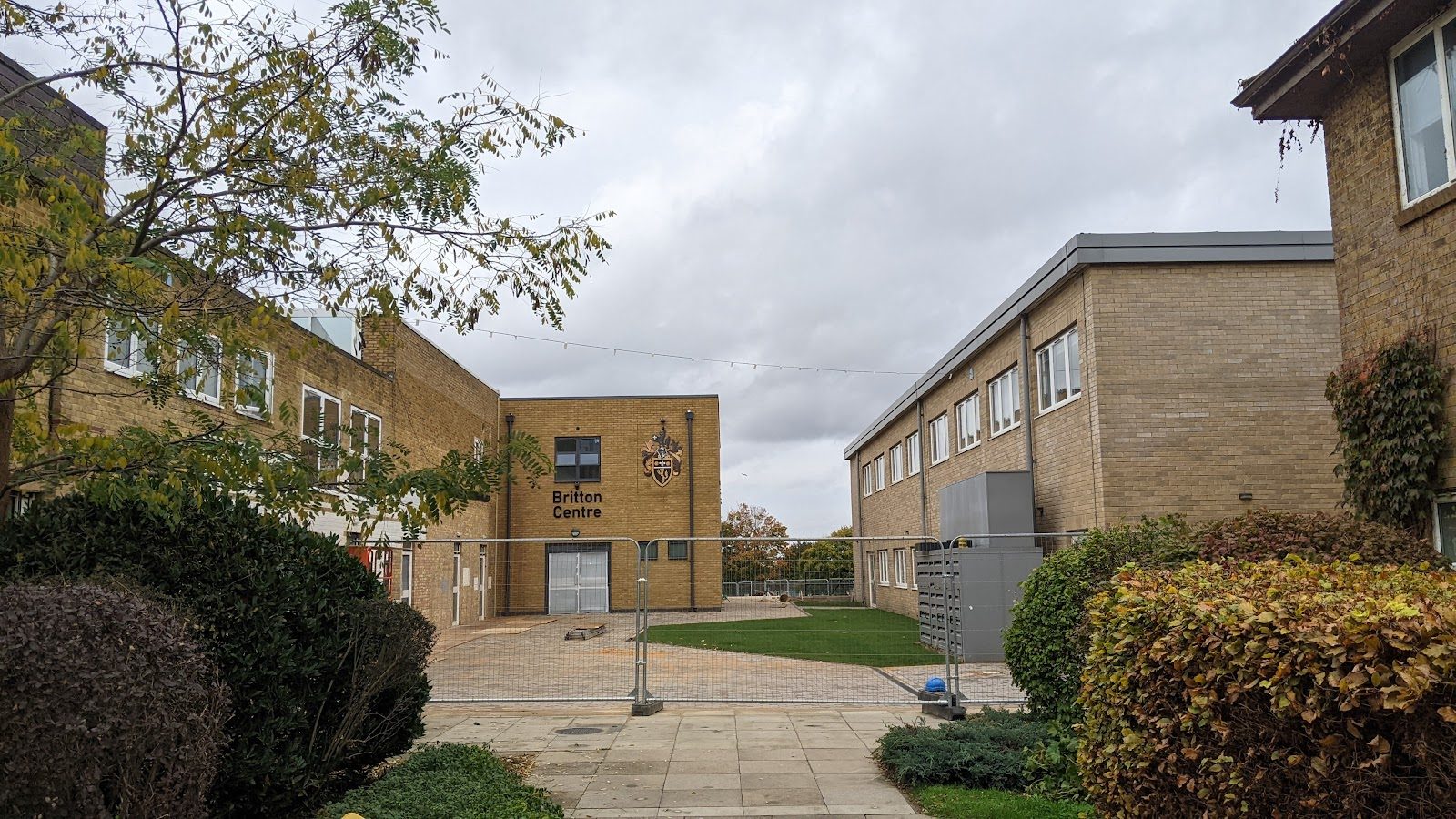
Photo © Dan Rad via Google Maps
Type
Both
Ages
13–18
Curriculum
British
Ratio
8:1
The Verdict
Editor's commitment
Right for
Families wanting a British 13–18 school with both boarding and day places, plus a sixth-form choice between A levels and the IB.
Wrong for
Anyone seeking a lower-cost route: average annual fees run about £23,000 day and £45,000 boarding for ages 13–18.
Watch out for
Felsted trades on 1564 heritage and a 90-acre Essex campus; parents still need hard data the school does not publish here.
Ranking breakdown
Felsted School · #375 of 1591
Composite score 70.9. 8 weighted criteria.
By criterion
Academic Outcomes
Weight 20%
#512
of 1529 scored
University Placement
Weight 16%
#516
of 1529 scored
Prestige & Heritage
Weight 12%
#377
of 1571 scored
Alumni Network
Weight 12%
#234
of 1530 scored
Facilities
Weight 12%
#406
of 1533 scored
Transparency & Communications
Weight 8%
#594
of 1532 scored
Peer & Industry Review
Weight 10%
#604
of 1548 scored
Admissions Selectivity & Demand
Weight 8%
#400
of 1529 scored
Peer & Industry Review
How Felsted School is regarded in the sector
68
Respected · medium confidence
Felsted School holds a consistent place among Britain's recognised independent schools, appearing in the Tatler Schools Guide year after year alongside heavyweight names such as Eton, Harrow and Cheltenham Ladies' College. The Good Schools Guide's independent verdict is notably warm, calling it "a school that's exceptionally easy to like" and praising its commitment to neurodiversity, wellbeing and sport alongside solid academics. As a founding member of the Headmasters' and Headmistresses' Conference and a full member of the Round Square Conference, its institutional standing among peer schools is well established, reinforced by a shortlisting for Boarding School of the Year by the TES. Coverage is thorough rather than sensational: there is no WhichSchoolAdvisor entry for this UK school, but the weight of Tatler and Good Schools Guide attention marks it as a respected, if not globally headline, name in the British boarding sector.
Editors' overview
Felsted’s case starts with two facts that matter in this market: it is one of the twelve founding HMC schools, and it gives sixth formers a genuine choice between A levels and the IB. That combination is not common. Plenty of long-established British boarding schools trade on history; fewer pair that inheritance with a broader post-16 academic offer. Set on a 90-acre rural campus in north Essex, about an hour from London and Cambridge, Felsted sits in the part of the market that still values full boarding-school scale and ritual, but without the grandiose self-mythology that can cling to older names. It is a school for ages 13 to 18 in this listing, co-educational, non-religious, and taught in English. The Guildhall music partnership adds a second point of distinction: families looking for serious music alongside a conventional British independent education will clock that immediately.
This is not a hothouse defined by one thing. The school pushes an all-round model hard, and the campus, boarding options and breadth of age-entry points back that up. For parents, the attraction is straightforward: Felsted offers the architecture of a traditional British boarding education, but with more flexibility than the old template. Sixth-form choice between A levels and the IB matters for students whose strengths are either sharply specialised or more evenly spread, and it widens the school’s usefulness. The average annual fee is £23,000 for day pupils and £45,000 for boarders, which puts Felsted in the expensive but not stratospheric band of UK independent schooling. At that price, parents are buying space, boarding infrastructure, and a school with real institutional heft, not a boutique day-school experience in the commuter belt.
The pupil who will want Felsted is the one who wants range rather than a narrow identity. A grounded, busy, outward-looking teenager will fit better here than a child who wants an ultra-urban sixth form or a school defined by relentless academic intensity alone. Musicians get an obvious draw through Guildhall; boarders get a campus built for boarding life rather than a day school with beds attached. The rural setting in Essex will read as refreshingly uncluttered to some families and too removed to others; that is a real dividing line and worth facing plainly. Parents should shortlist Felsted if they want a serious co-ed boarding school with long roots, broad extracurricular ambition and a credible academic fork in the road at 16, rather than a school that forces every pupil through the same mould.
Academic Performance
Felsted publishes only a thin public results picture, and that matters. The headline the school chooses to foreground is destination-led: 90% of leavers secured their preferred university, apprenticeship or employment route on the back of sixth-form results. That is a useful outcome measure, but it is not a substitute for hard exam data. We have seen no aggregate IB average, no A-level grade profile, no GCSE grade distribution, and no subject-level breakdowns in the public domain here. For a school competing in the serious independent boarding bracket, that opacity is a weakness. Parents can conclude that outcomes are good enough to support onward progression, but they cannot benchmark Felsted cleanly against the strongest academic peers without fuller disclosure.
That places the school in an awkward middle ground academically: not a school with poor outcomes, but not one making a hard-edged academic case through published numbers either. The existence of multiple sixth-form pathways broadens choice, yet it also makes transparent reporting more important, not less; mixed routes need clear aggregate data if families are to judge performance properly. The public emphasis on pastoral care, all-round education and destinations points to a school selling breadth over exam-table theatre. That will suit families who want a balanced senior school with credible outcomes and a less fevered culture. It will not satisfy parents who rank published top-end results as the decisive test.
Facilities
Facilities are one of Felsted’s stronger selling points because they match the school’s boarding scale rather than merely decorating it. The key fact is the campus itself: a rural estate of 90 acres with eight senior boarding houses spread across it, plus on-site medical and wellbeing centres. That combination matters. At peer schools in the traditional co-ed boarding bracket, extensive grounds are common; what separates the better-equipped campuses is whether the infrastructure supports day-to-day pupil life as well as sport and spectacle. Felsted clears that bar. The boarding houses give the place a lived-in boarding identity, not a token residential add-on, and the on-site health provision is a serious operational asset for families sending children away from home.
The school’s public emphasis on music, sport and all-round education points to a campus built for breadth rather than a single-minded academic machine. National titles in rugby and hockey indicate strong sporting provision, even if the school does not publish the detail on pitches, indoor training spaces or specialist performance facilities that top competitors now spell out. The music offer carries extra weight because of the Guildhall partnership flagged in the wider profile, which lifts Felsted above many similarly traditional schools whose arts provision is competent but ordinary. Against peers, then, Felsted sits in the well-resourced upper tier: strong boarding infrastructure, proper pastoral support, and enough space to deliver a full-scale independent-school life. What it lacks publicly is the granular facilities detail that the most transparent rivals provide.
It will not satisfy parents who rank published top-end results as the decisive test
Prestige
Felsted carries real establishment prestige, but not the feverish pecking-order power of the most socially dominant boarding brands. The HMC founder status matters: it places the school inside the old core of British independent education, and parents who know the sector will read that as institutional seriousness, not marketing garnish. The TES boarding award gives it a more current badge of external recognition, and the Round Square membership adds an international layer that many traditional schools lack. This is prestige built on continuity, boarding culture and recognised sector standing, not on relentless public performance data or a metropolitan aura. That distinction matters. Felsted has name-recognition in the right circles, but it does not command the same immediate cachet as the handful of schools that dominate every conversation about elite British boarding.
That is why the prestige level sits in the upper, not topmost, tier. The school has scale, history and a clear place in the public-school tradition; it also has enough contemporary breadth to avoid feeling museum-piece traditional. The public case is strengthened by visible sporting success and by the fact that boarders make up 63% of the school, which signals a boarding institution rather than a day school with houses attached. Against that, the school does not publish the kind of hard academic data that turns reputation into undeniable academic authority. Felsted’s status is therefore substantial, durable and well-earned — serious without being grand, respected without being socially overpowering.
That is why the prestige level sits in the upper, not topmost, tier
Communications
Felsted communicates like a school that still expects families to value direct contact with staff, not just polished systems. The public-facing site is busy but usable: key routes for visits, admissions, boarding, wellbeing and age-group entry points are easy to find, and practical contact details sit in plain view. That matters for a boarding school drawing local and international families. The school also signals operational confidence through multiple touchpoints — phone, email, event booking, transport references and clear open-event calls to action. Parent testimonials on the front end are overdone and too heavily curated to carry much editorial weight, but they do not block access to useful information. The stronger message is structural: this is a school set up to keep families in contact with people, not hidden behind forms and brand gloss.
Effectiveness is good, not exceptional. The tone is warm without being sloppy, and the emphasis on health, wellbeing and house support gives parents a clear picture of where day-to-day questions will land. For boarding families, that is more important than slick copy. The weak point is transparency. Felsted communicates atmosphere, care and breadth fluently; it communicates hard academic evidence far less well. That gap matters because strong communications are not only about responsiveness but about disclosure. A school with 8 senior boarding houses and 63% boarders needs disciplined, high-trust parent communication across pastoral life, logistics and academic tracking. Felsted looks strong on access and reassurance, but less rigorous on publishing the data that demanding parents now expect.
Uniqueness
What marks Felsted out is not heritage alone but the way it combines old-school boarding architecture with real post-16 flexibility. In a sector where many traditional senior schools still drive everyone down a single academic track, Felsted gives sixth formers a genuine fork in the road. That matters in practice: pupils with narrow strengths are not forced into artificial breadth, while those who thrive across subjects are not pushed into premature specialisation. Add the Guildhall connection and the school acquires a second point of difference that reaches beyond the standard “strong music” claim. For a talented young musician, that brings serious external linkage, not just internal ensembles and concerts. The result is a school with a broader operating range than many direct competitors.
Its other distinctive trait is that boarding sits at the centre of the institution rather than at the edge of it. With eight senior houses and 63% of pupils boarding, daily life is organised around a residential community, shared routines and staff presence beyond lessons. That brings social density, continuity and a stronger sense of belonging for teenagers who want school to feel like a full lived environment rather than a place they leave at the end of the day. The gain for students is clear: more adult support, deeper friendships, and a campus culture built for participation. The trade-off is clear too. This is not a slick urban sixth form for highly independent commuters; it is a boarding school in the full sense.
Its other distinctive trait is that boarding sits at the centre of the institution rather than at the edge of it
Student Profile
Felsted suits teenagers who want a full school life, not a narrow transaction of lessons and home time. The social centre of gravity sits with pupils who are comfortable joining in, living by shared routines and spending long hours on campus with peers and staff. Boarders will find the culture easiest to read, but day pupils who want the same immersion will also fit. The right student here is *busy rather than self-consciously brilliant*: someone happy moving between sport, music, house life and academic work without demanding that every part of school bend around a single obsession. Musicians with serious intent have an obvious reason to look closely, and strong team-sport pupils will also find a school that values competitive participation. With 63% of pupils boarding and 8 senior houses, this is a socially dense environment that rewards resilience, openness and a willingness to get involved.
The weaker fit is easy to identify. A teenager who wants anonymity, urban independence or a sharply intellectual, exam-first culture will find Felsted frustrating. So will a child who dislikes communal living, house expectations or the constant visibility that comes with a residential campus. This school works best for pupils who want structure, adult support and a high-participation peer culture; it works less well for solitary operators and young people who want school to function as a minimalist academic base. Families need to want the whole package, not just the lessons.
Plenty of long-established British boarding schools trade on history; fewer pair that inheritance with a broader post-16 academic offer
Co-curricular strengths
Arts & sport, on a separate axis
Overall 9.14/10
Scored 0-10 from the school's own published evidence. This axis is editorial-only — it does not feed the main WTS ranking.
Sports
9.5/10
Drama
9.2/10
Dance
8.5/10
Music
9.3/10
Visual Arts
9.2/10
Strengths
- +One of only 12 founding member schools of the Headmasters' and Headmistresses' Conference (HMC), reflecting a long-established public school pedigree dating to 1564.
- +Offers both A Levels and the International Baccalaureate Diploma within the same sixth form, a dual-pathway option not common among schools of similar size.
- +World-class co-curricular provision, with sport (9.5), music (9.3) and drama (9.2) all scoring in the top band and dance (8.5) rated elite.
- +Named Boarding School of the Year at the TES Schools Awards 2023, alongside a full range of flexible boarding patterns (three, five or seven nights a week).
- +All-through structure on a single 90-acre rural campus in Essex, roughly an hour from London and Cambridge and about 20 minutes from Stansted Airport, easing logistics for international and commuting families.
Considerations
- −Senior full (seven-night) boarding fees stand at £56,100 for 2025/26, placing the school firmly in the premium fee bracket typical of HMC boarding schools.
- −Sixth Form entry is competitive and grade-conditional, requiring a minimum of 32 points across six GCSEs plus grade 6 (grade 7 in maths/sciences) in intended A Level subjects, so weaker academic performers may struggle to secure a place at 16.
- −Rural Essex setting means day pupils rely on school bus routes rather than easy independent transport links, a factor for families without a car or living outside the catchment network.
- −Felsted lacks the national name recognition of the very top academically selective boarding schools, which may matter to families chasing the highest Oxbridge or elite-university placement rates.
Availability
Primary entry gate & tests
13+ ISEB / 16+ Exams
Gallery
Photo © abhimanyu kalita via Google Maps
Photo © abhimanyu kalita via Google Maps
Photo © abhimanyu kalita via Google Maps
Photo © Christine Zeelie via Google Maps
Photo © Christine Zeelie via Google Maps
Photo © Christine Zeelie via Google Maps
Photo © Christine Zeelie via Google Maps
Photo © P Reddy Madadi via Google Maps
Photo © Jonathan Davis via Google Maps
Parent reviews
Have you sent your child here?
Voice reviews carry the strongest trust badge — we transcribe them for you to tidy up before they go live. Prefer to type? A written review is fine too.
Add your voice
In 60 seconds, tell other parents: what's the best thing about Felsted School, and what surprised you when your child joined?
We ask for a Google sign-in so every review has a real face behind it — no anonymous drive-by attacks on schools, and no faked positive reviews. Your email is never shown publicly.
Send this profile to a friend
International parents rely on word-of-mouth. Share this review with someone weighing the same decision.
Schools with places
Similar schools to Felsted School with places available now.
Latymer Upper School
London · United Kingdom
- 2026-27
- CLOSEDStandard route
- 2027-28
- PLACES OPENCloses Nov
City of London School
London · United Kingdom
- 2026-27
- CLOSEDStandard route
- 2027-28
- PLACES OPEN11+/16+ Active
Emanuel School
London · United Kingdom
- 2026-27
- CLOSEDStandard route closed
- 2027-28
- PLACES OPEN11+ / 16+ active
University College School
London · United Kingdom
- 2026-27
- CLOSEDStandard route
- 2027-28
- PLACES OPEN11+ (9 Nov); 16+ (28 Sept)
Availability first, then country, area, curriculum, price, co-curricular
Consider also
Also worth looking at alongside Felsted School.
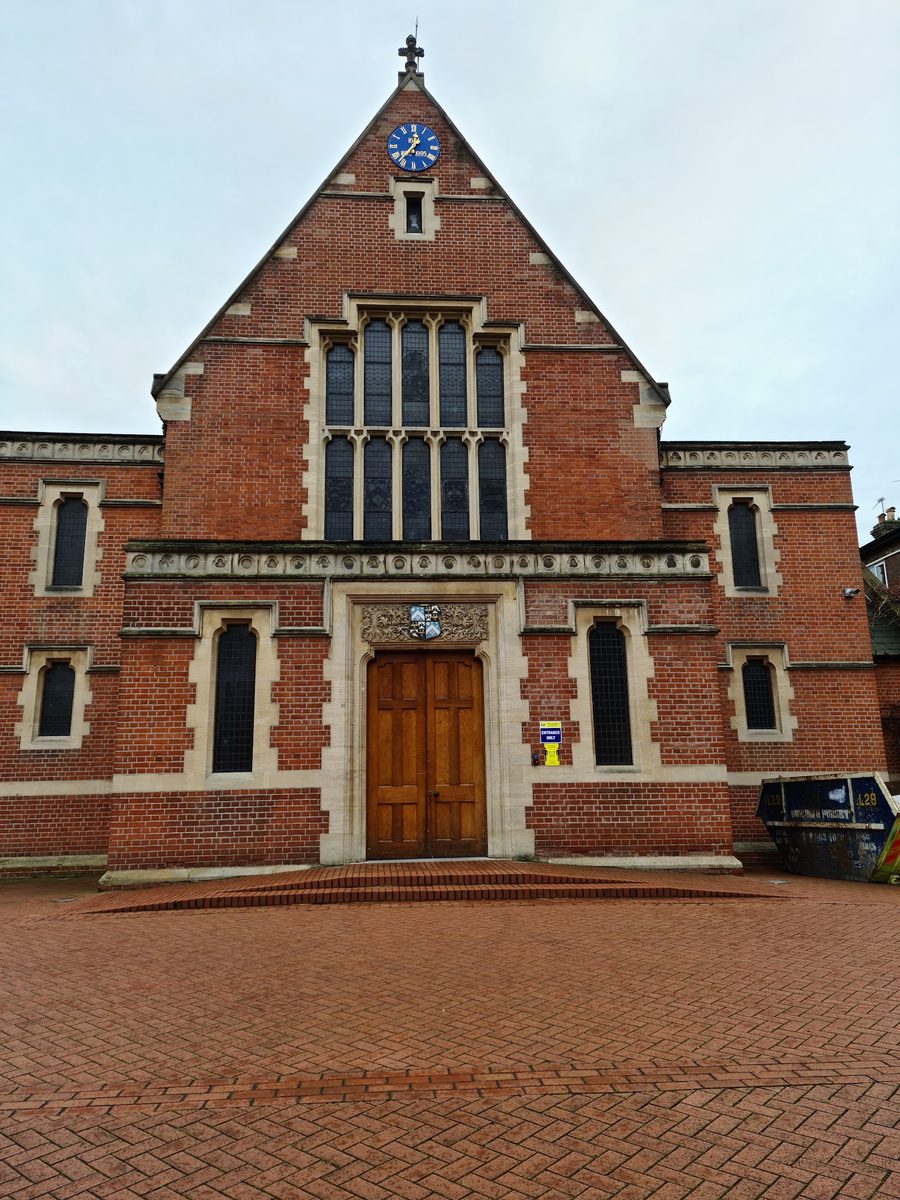
Latymer Upper School
London · United Kingdom
A 1624-founded, non-denominational day school in Hammersmith prized for its stellar Oxbridge and Russell Group outcomes.
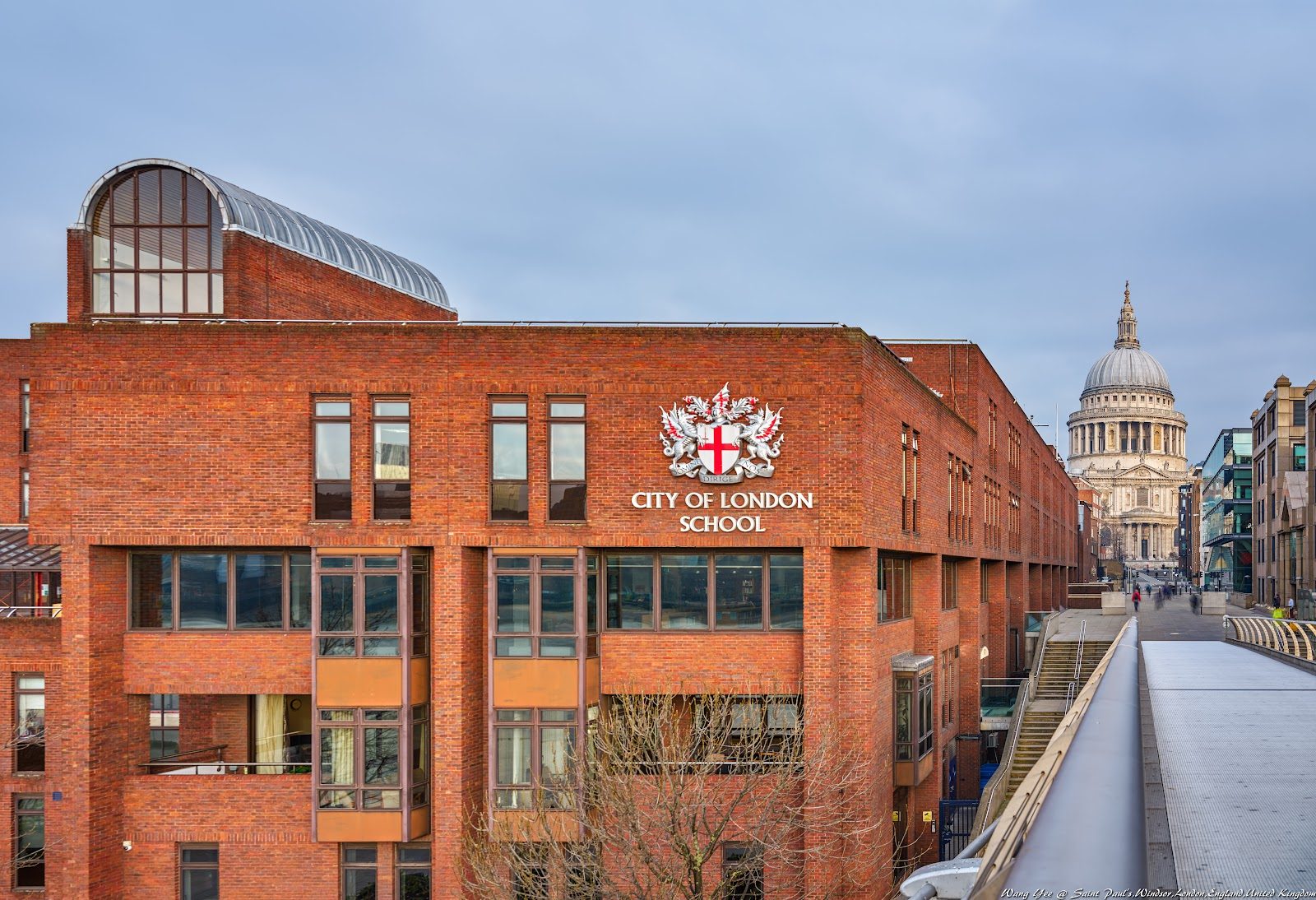
City of London School
London · United Kingdom
A 1442 bequest from the City's own Town Clerk still funds this rigorous day school perched on the Thames at Blackfriars.
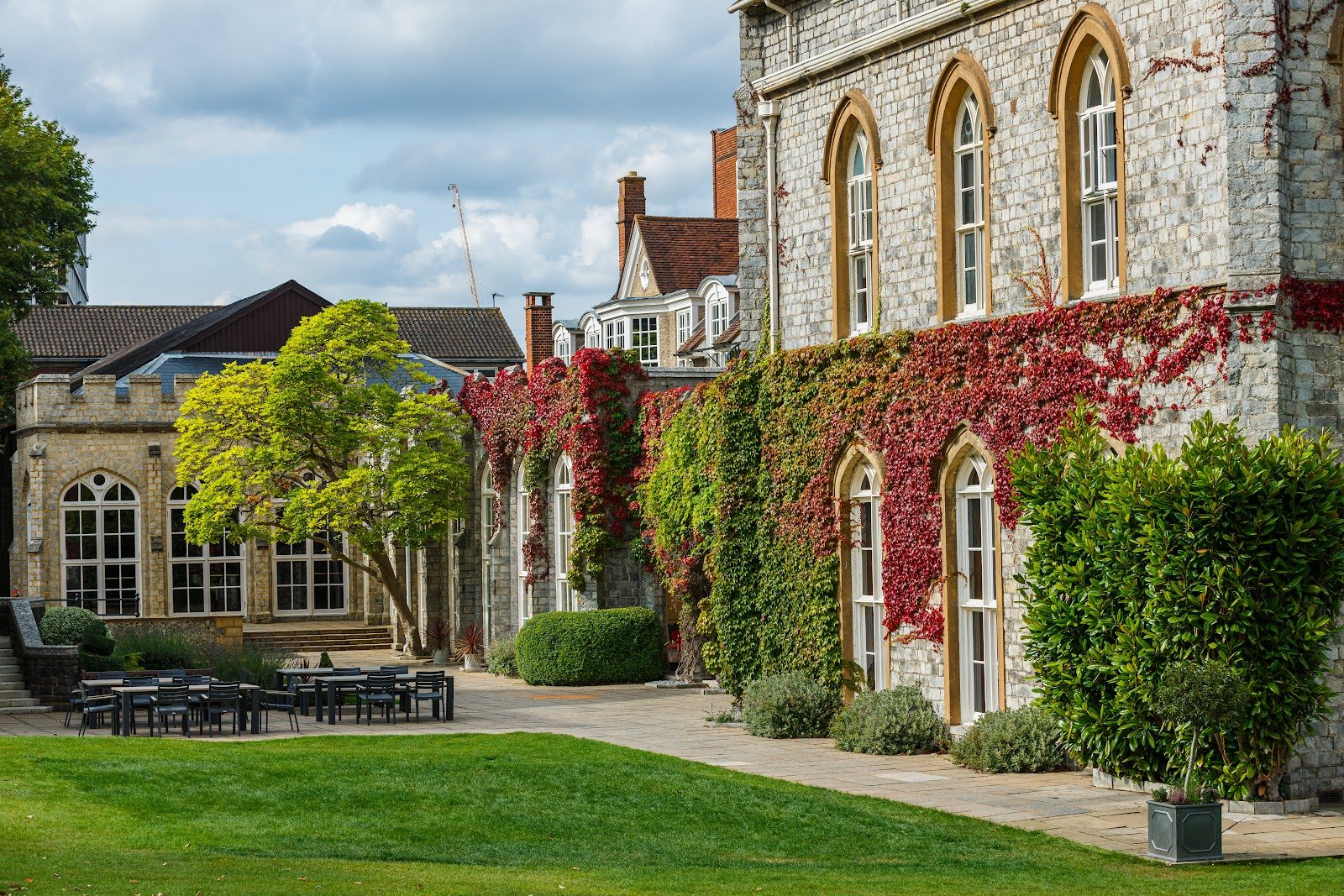
Wycombe Abbey
High Wycombe · United Kingdom
A Victorian pioneer's 1896 foundation, this Chiltern hills estate blends mixed-age boarding houses with one-in-five Oxbridge offers.
Wilson's School
Sutton · United Kingdom
A 1615 charity foundation turned super-selective grammar, thriving on a former Croydon airfield with a sharp focus on maths and computing.
Same country and curriculum — closest matches within ±10 points either way