
Uttarakhand
IB, American Diploma and Cambridge boarding amid the Himalayan foothills since 1854
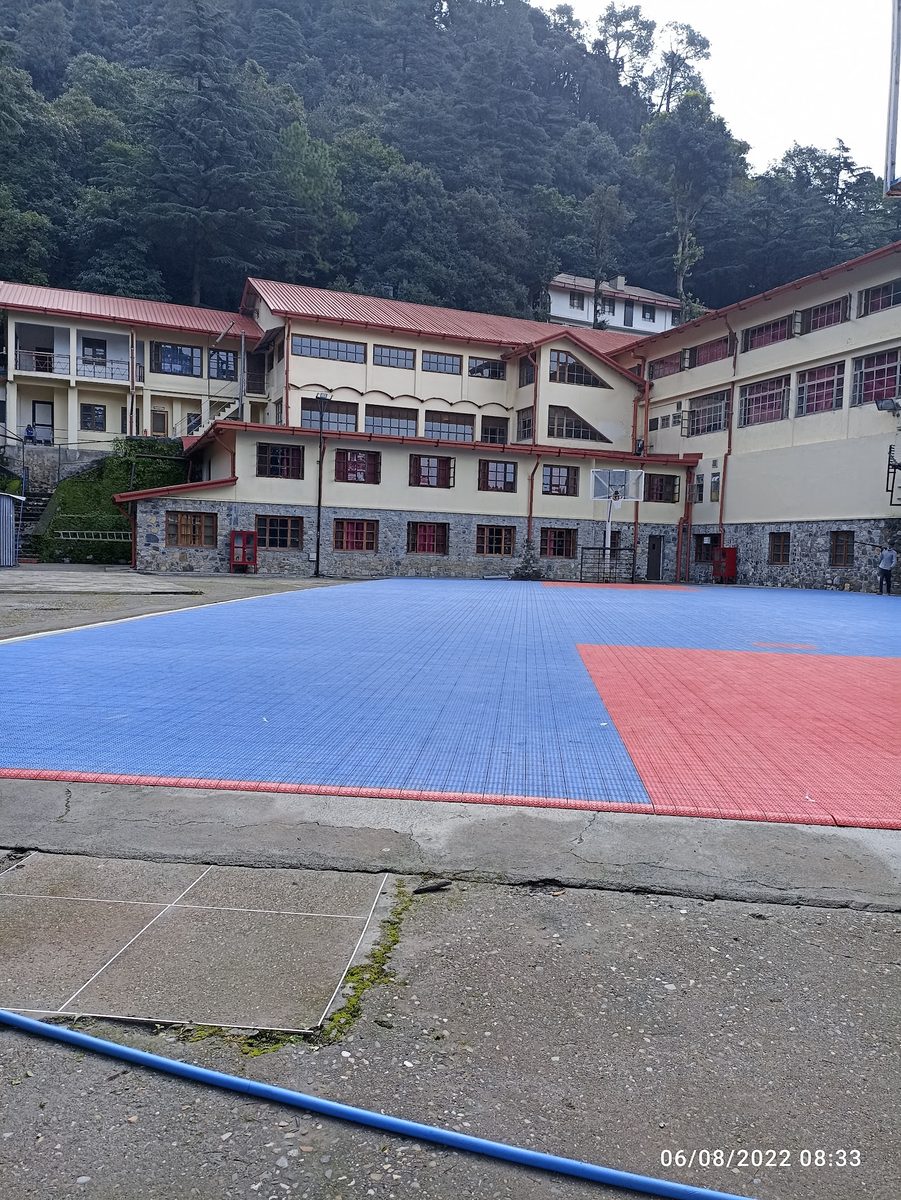
Photo © vikash kathariya via Google Maps
Type
Boarding
Ages
11–18
Curriculum
IB · Indian National · British
Qualifications
ISC · IGCSE
Ratio
—
The Verdict
Editor's commitment
Right for
Boarders aged 11–18 wanting range over purity: IB, American Diploma and Cambridge in Himalayan Mussoorie, with CIS and IBO accreditation.
Wrong for
Families wanting day school, religious formation or a single national pathway; Woodstock is boarding-only, non-religious and runs three curriculum tracks.
Watch out for
At $34,753 a year for boarding, this is expensive by Indian standards, and recent destinations listed are thin: ANU, Monash and UNSW.
Ranking breakdown
Woodstock School · #837 of 1591
Composite score 64.6. 8 weighted criteria.
By criterion
Academic Outcomes
Weight 20%
#450
of 1529 scored
University Placement
Weight 16%
#459
of 1529 scored
Prestige & Heritage
Weight 12%
#262
of 1571 scored
Alumni Network
Weight 12%
#1426
of 1530 scored
Facilities
Weight 12%
#279
of 1533 scored
Transparency & Communications
Weight 8%
#515
of 1532 scored
Peer & Industry Review
Weight 10%
#480
of 1548 scored
Admissions Selectivity & Demand
Weight 8%
#334
of 1529 scored
Score history
Woodstock School · 2026
Movement across 2024–2026. Peer average overlaid.
Overall — 2024–2026
64.6/ 100
▲ +9.1 vs 2025
year on year
Peer & Industry Review
How Woodstock School is regarded in the sector
68
Respected · medium confidence
Woodstock School is profiled in the Good Schools Guide International, which highlights its long history (founded 1854), strong academic and boarding reputation, and diverse international student body, and it holds accreditation from the Council of International Schools (CIS) and Middle States Association, both markers of peer-recognised standing. It also appears regularly in expat-parent forums and India-based 'best boarding schools' round-ups as one of the most established Himalayan boarding schools, though it lacks the broader global media/alumni-network visibility of top-tier international schools covered by Tatler or similar outlets.
Evidence sources
- Richard C. Blum — Investment banker/philanthropist, Finance
- Tom Alter — Actor, Film/Theatre
- Victor Banerjee — Actor, Film
Editors' overview
Woodstock’s draw is not hard to identify: a full boarding school in the Himalayan foothills, in Landour near Mussoorie, with a history that runs back to 1854 and a curriculum mix that spans IB, American Diploma and Cambridge pathways. That combination is rare. Many international schools in India offer day-school convenience and one curriculum lane; Woodstock offers residential immersion and multiple academic exits. It is non-religious, teaches in English, and carries both IBO and CIS accreditation, which gives it more external ballast than schools that trade on atmosphere alone. The average annual boarding fee is $34,753, which places it below the price of many Anglo-American boarding competitors while keeping it firmly in the premium bracket for India.
What is special here is not just age or altitude. It is the school’s distinctive setting and the kind of education that setting permits: enclosed, residential, self-contained, and far from the churn of big-city international schooling. Parents who want a glossy urban campus with easy airport runs every week will not find that. Parents who want a serious boarding environment with a strong sense of place will. The school has been educating students from across the globe for more than 160 years, and its alumni footprint has substance: at least 25 notable alumni are catalogued in Wikidata, including figures in business, science, writing and film. University destinations listed most recently include Australian National University, Monash and the University of New South Wales. That is a slim destinations list rather than a broad outcomes table, and Woodstock does not publish the kind of aggregate university-placement data that would allow a tougher audit of results.
The students who fit Woodstock best are independent, outward-facing and comfortable with boarding as a way of life rather than a reluctant add-on. This is a school for children who will use a remote, high-altitude campus as a stimulant, not a constraint; for families who value character, community and international breadth as much as exam mechanics; and for teenagers who can cope with a school that is deliberately apart from metropolitan distraction. It belongs on a shortlist because it offers a combination few schools can match: historic boarding, international reach, accredited academic breadth and a setting that gives the school a clear identity rather than a generic one. It will not suit every child. For the right one, it is uncommonly compelling.
Academic Performance
Woodstock does not publish a serious public results dashboard. There are no aggregate IB outcomes, no school-wide pass rates, no distribution tables, and no longitudinal data that would let parents test academic performance against peer boarding schools in India or against stronger international comparators in Asia. That absence matters. Schools with confident academic outcomes publish them. Woodstock asks families to take more on trust than the best data-led schools do, and that places it in the opaque end of the market on pure results reporting. The recent university destinations disclosed publicly amount to 3 named Australian institutions, which is too thin a sample to stand in for a full destinations picture.
That does not place Woodstock in a weak academic bracket; it places it in a school where the external evidence is thin. The combination of IB, American Diploma and Cambridge pathways gives students multiple routes out, which can suit a mixed international cohort, but it also makes clean comparison harder unless the school publishes route-by-route outcomes. Woodstock does not. Relative to peers, then, its academic standing rests more on institutional reputation, longevity and alumni depth than on hard-numbers accountability. Parents who want forensic clarity on examination performance will find stronger disclosure elsewhere. Parents content with a school whose academic case rests on breadth, setting and long-run reputation will tolerate the gap.
Facilities
Woodstock’s facilities matter because the campus has to function as a full-time living environment, not just a place for lessons. The key asset is the site itself: a residential school in the Himalayan foothills with the space, separation and self-contained rhythm that urban international schools cannot replicate. That gives it an advantage in outdoor life, community cohesion and the practical seriousness of boarding. A child here does not disperse into city traffic at the end of the day; school life keeps its hold. Against peer schools in India, that is a genuine differentiator. Against richer boarding schools in Britain, Switzerland or the US, the trade-off is clear: Woodstock offers atmosphere and setting in abundance, but not the sort of facility arms race defined by vast sports complexes, showpiece theatres or headline-grabbing specialist centres.
The difficulty is that Woodstock does not publish a detailed public inventory of campus assets, so parents cannot inspect the facilities with the precision available at more transparent competitors. There is no serious public-facing breakdown of labs, studios, performance spaces or sports provision. That does not invalidate the school’s physical appeal; it limits scrutiny. What one can say with confidence is that the campus experience, residential immersion and landscape are central to the offer, and that remains unusually powerful for the right child. Families seeking a high-spec hardware story will get less reassurance here than at schools that document every pool, pitch and maker space. Families seeking a place with grip will find Woodstock stronger than many better-advertised peers.
That edge — distinctive, demanding, memorable — is the school’s real uniqueness
Prestige
Woodstock carries real prestige, but it is a specific kind of prestige rather than a mass-market one. This is not the sort of school that dominates through published score tables, a conveyor belt to a handful of global universities, or metropolitan social cachet. Its standing rests on durability, selectivity of setting and the kind of alumni memory that boarding schools accumulate over generations. A verified floor of 25 notable alumni on Wikidata gives that claim substance. The school also benefits from a rare identity in the Indian market: an international residential school in the hills with a long institutional memory and a constituency that extends well beyond one city or one expatriate pocket. That gives it earned status with families who value heritage, continuity and a school culture that is not interchangeable with newer international brands.
The rating stops short of the top prestige tier because the school does not back its reputation with hard public outcomes. Prestige without disclosure has limits. Parents can see that Woodstock has reach, a distinctive aura and a name that travels; they cannot inspect a rigorous public record of examination performance or broad university placements to test how that reputation cashes out academically. That leaves Woodstock in a high-status but not fully transparent bracket: stronger in identity, heritage and boarding credibility than in publicly audited academic proof. For families drawn to old-school institutional weight and a campus life far removed from urban churn, that prestige is genuine. For parents who equate prestige with published results, it is incomplete.
The rating stops short of the top prestige tier because the school does not back its reputation with hard public outcomes
Communications
Woodstock’s parent communications trade on identity more than disclosure. The public-facing website does the core narrative work well: it tells families what the school thinks it is, foregrounds leadership, history, campus life and alumni, and gives a coherent sense of an institution with strong internal confidence. For an enquiry-stage parent, that matters. The school does not read like a fragmented operation. It reads like a place with a settled centre. The weakness sits elsewhere: communication is selective rather than forensic. Parents who want practical, decision-grade information — detailed academic reporting, a hard facilities inventory, fuller destination data, clearer operational specifics — get less than they need. The school communicates atmosphere and identity with real discipline; it communicates measurable performance with restraint.
That balance will satisfy families who choose schools through culture, boarding ethos and trust in institutional judgement. It will frustrate parents who expect a modern international school to publish more than the essentials. In a full-boarding context, communication needs to carry extra weight because parents are delegating daily oversight across distance and term time. Woodstock’s public communication clears the first hurdle: it is orderly, coherent and not obviously chaotic. It does not clear the higher one. The school gives a persuasive picture of life on campus, but not a hard-edged account of outcomes or provision. For some families that feels reassuringly old-fashioned. For others, it reads as too much trust asked at the point of purchase for a school charging an average of $34,753 a year.
Uniqueness
What sets Woodstock apart is not a single programme or a polished facilities story. It is the combination of institutional age, full residential immersion and a mountain setting that forces school life to become more than timetable management. Many international schools promise community; here, community is the operating condition. Students live, study and socialise in a place that is physically removed from the churn of large-city schooling and from the weekend fragmentation that weakens boarding at schools where day pupils dominate. The result is a contained adolescent world with stronger peer dependence, more adult oversight and a sharper sense of belonging. For the right student, that produces resilience, independence and social fluency faster than a commuter school can.
The other point of difference is reach across generations and geographies. Few schools in this market can point to more than 160 years of continuous life and a verified floor of 25 notable alumni across business, scholarship, writing and film. That does not prove superior teaching in any given classroom, but it does give students access to a deeper institutional memory and a network with genuine range. Woodstock offers a school identity that is hard to imitate: international but not placeless, historic but not ceremonial, and remote in a way that can be either transformative or too enclosed, depending on the child. That edge — distinctive, demanding, memorable — is the school’s real uniqueness.
Many international schools in India offer day-school convenience and one curriculum lane; Woodstock offers residential immersion and multiple academic exits
Student Profile
Woodstock suits students who do not need constant urban stimulation, instant convenience or a broad local social circuit outside school. The right child is comfortable living at school full-time, forming close peer bonds and handling the intensity that residential communities create. This is a strong fit for teenagers with independent habits, social stamina and a genuine appetite for life in a contained campus environment. Children who need frequent exits, heavy parental presence or a large margin of personal anonymity will struggle. The school’s draw reaches families from beyond one city or one national cohort, and that matters: pupils need to be at ease with difference, adaptable in mixed company and willing to take part rather than sit back. For the right student, that produces a serious sense of belonging.
It also fits students whose ambitions are broader than raw score-chasing. Woodstock suits articulate, outward-facing teenagers who will use a long-established international community and a verified floor of 25 notable alumni as context, not as a trophy. A recent public destinations list of 3 named universities points to a school where students need to take ownership of their next step rather than rely on a conspicuous conveyor belt. The best fit is a child who values character formation, close adult oversight and a school identity with real grip. The wrong fit is a brittle high-performer who wants a relentlessly transactional academic machine.
Parents who want a glossy urban campus with easy airport runs every week will not find that
Co-curricular strengths
Arts & sport, on a separate axis
Overall 8.5/10
Scored 0-10 from the school's own published evidence. This axis is editorial-only — it does not feed the main WTS ranking.
Sports
8.5/10
Basketball, Football and Hiking, and the facilities review refers to arts and sports provision on a large hillside campus plus outdoor education and trekking, indicating a solid multi-activity offer without named specialist sports facilities or competitive results.
Drama
8.5/10
Theatre Productions, and notable actor alumnus Tom Alter and singer-actress Aditi Saigal, so there is both an explicit programme and alumni pedigree supporting a notable strength.
Dance
7.5/10
Indian classical dance lessons were added, which is explicit evidence of a dance programme, and although no studio or department is named this still supports a notable programme above a bare listing.
Music
9/10
School Choir and Jazz Ensemble, plus that Indian classical music lessons were introduced, showing multiple named music activities and structured instruction even though no dedicated facility or major honours are cited.
Visual Arts
9/10
Visual Arts, and that art was introduced in cross-cultural courses.
Editor first-pass · editor-reviewable · 7/28/2026
Outcomes & destinations
Where students go next
Class of 2022
Top destinations
110 placements
- Australian National University· 1
- Monash University· 1
- University of New South Wales· 1
- University of Sydney· 1
- McGill University· 1
- McMaster University· 1
- Mount Allison University· 1
- Simon Fraser University· 1
- The University of British Columbia· 1
- University of Calgary· 1
- University of Ottawa· 1
- University of Toronto· 1
- Western University· 1
- Paris College of Art· 1
- Parsons Paris· 1
- Sciences Po· 1
- The Chinese University of Hong Kong· 1
- City University of Hong Kong· 1
- The Hong Kong Polytechnic University· 1
- The Hong Kong University of Science and Technology· 1
- Amity University· 1
- Ashoka University· 1
- FLAME University· 1
- Manipal University· 1
- O.P. Jindal Global University· 1
- Trinity College Dublin· 1
- Florence Design Academy· 1
- Istituto Europeo di Design, Rome· 1
- Ritsumeikan Asia Pacific University· 1
- Waseda University· 1
- University of Otago· 1
- Victoria University of Wellington· 1
- ESSEC Business School· 1
- James Cook University Singapore· 1
- S P Jain School of Global Management· 1
- Yale-NUS College· 1
- Ghent University Global Campus· 1
- Yonsei University, Underwood International College· 1
- IE University· 1
- Marbella Design Academy· 1
- Cesar Ritz Colleges· 1
- Franklin University Switzerland· 1
- Chulalongkorn University· 1
- Mahidol University· 1
- University of Amsterdam· 1
- Universiteit Leiden· 1
- Universiteit Maastricht· 1
- Central Saint Martins· 1
- Imperial College London· 1
- King's College London· 1
- London School of Economics and Political Science· 1
- The University of Edinburgh· 1
- The University of Manchester· 1
- The University of Warwick· 1
- University of Aberdeen· 1
- University of Bristol· 1
- University of Dundee· 1
- University of Exeter· 1
- University of Cambridge· 1
- University of St Andrews· 1
- Babson College· 1
- Bard College· 1
- Boston University· 1
- Brandeis University· 1
- Brown University· 1
- Bucknell University· 1
- Carnegie Mellon University· 1
- Claremont McKenna College· 1
- Colgate University· 1
- Colorado College· 1
- Cornell University· 1
- Emory University· 1
- Georgia Institute of Technology· 1
- Grinnell College· 1
- Harvard Univesity· 1
- Johns Hopkins University· 1
- Lehigh University· 1
- New York University· 1
- Northeastern University· 1
- Oberlin College· 1
- Parsons School of Design· 1
- Parsons, New York· 1
- Pitzer College· 1
- Pratt, New York· 1
- Scripps College· 1
- Stanford University· 1
- Swarthmore College· 1
- The University of Nottingham· 1
- Tufts University· 1
- University of California, Berkeley· 1
- University of California, Los Angeles· 1
- University of California, San Diego· 1
- University of California, Santa Barbara· 1
- University of Chicago· 2
- University of Illinois at Urbana-Champaign· 1
- University of Miami· 1
- University of Notre Dame· 1
- University of Richmond· 1
- University of Rochester· 1
- University of Southern California· 1
- University of Virginia· 1
- Vassar College· 1
- Wake Forest University· 1
- Washington and Lee University· 1
- Wellesley College· 1
- Wesleyan University· 1
- Williams College· 1
- Yale University· 1
- Ho Chi Minh City International University· 1
Reported by the school. Confirm with admissions.
Notable alumni · Wikidata
25notable alumni
5 historic (born pre-1930) · 4 modern (born post-1970)wikidata:2026-07-28 How we source this
Strengths
- +Founded in 1854, Woodstock is described as Asia's oldest international boarding school, operating as a private nonprofit with Indian Christian Minority Status on a 250-acre campus within a protected forest.
- +The school is a fully authorised IB World School for the Middle Years and Diploma Programmes, and was the first school in the region to receive full accreditation from the Middle States Association, in 1960.
- +Woodstock is a member of the Council of International Schools (CIS), the National Association of Independent Schools (US), the Masters Conference, and the Round Square association of schools.
- +The school enrolls approximately 500 students from over 30 nationalities, fostering a diverse, multicultural community where more than 40 languages are spoken and about half the student body is international.
- +A Scholars for Peace initiative allows students from fragile or conflict-affected regions to join the community as part of a wider need- and merit-based financial aid programme.
Considerations
- −The campus sits between 2,000 and 2,300 metres above sea level in the Himalayan foothills, meaning access involves a flight to Dehradun followed by a lengthy mountain-road transfer, a real logistical factor for relocating families.
- −Fees run between INR 18 lakh and INR 20 lakh per annum, and a separate, non-refundable Establishment Fee of Rs. 4,00,000 is charged in addition to the annual fee, putting total cost of entry well above many peer boarding schools.
- −The school accepts boarding students only from Grade 5 onwards, so families with younger children must arrange alternative schooling first.
- −Woodstock is explicitly described as a Christian, international, co-educational, residential school, a defined institutional heritage that will suit some families more than others, even though the community is presented as inclusive.
Availability
Primary entry gate & tests
Academic Record + Interview
Gallery
Photo © Cartio via Google Maps
Photo © mahendra singh raghuvanshi via Google Maps
Photo © Aspasia Narváez via Google Maps
Photo © Admission via Google Maps
Photo © Ebenezer Gangmei via Google Maps
Photo © Admission via Google Maps
Photo © SUHAS Dubey via Google Maps
Photo © Rahul Srivastava via Google Maps
Photo © Admission via Google Maps
Parent reviews
Have you sent your child here?
Voice reviews carry the strongest trust badge — we transcribe them for you to tidy up before they go live. Prefer to type? A written review is fine too.
Add your voice
In 60 seconds, tell other parents: what's the best thing about Woodstock School, and what surprised you when your child joined?
We ask for a Google sign-in so every review has a real face behind it — no anonymous drive-by attacks on schools, and no faked positive reviews. Your email is never shown publicly.
Send this profile to a friend
International parents rely on word-of-mouth. Share this review with someone weighing the same decision.
Schools with places
Similar schools to Woodstock School with places available now.
Welham Girls' School
Dehradun · India
- 2026-27
- WAITPOOLSpace-dependent
- 2027-28
- PLACES OPENRolling
The Doon School
Dehradun · India
- 2026-27
- CLOSEDStandard route
- 2027-28
- PLACES OPENAutumn '26 Exam
Availability first, then country, area, curriculum, price, co-curricular
Consider also
Also worth looking at alongside Woodstock School.
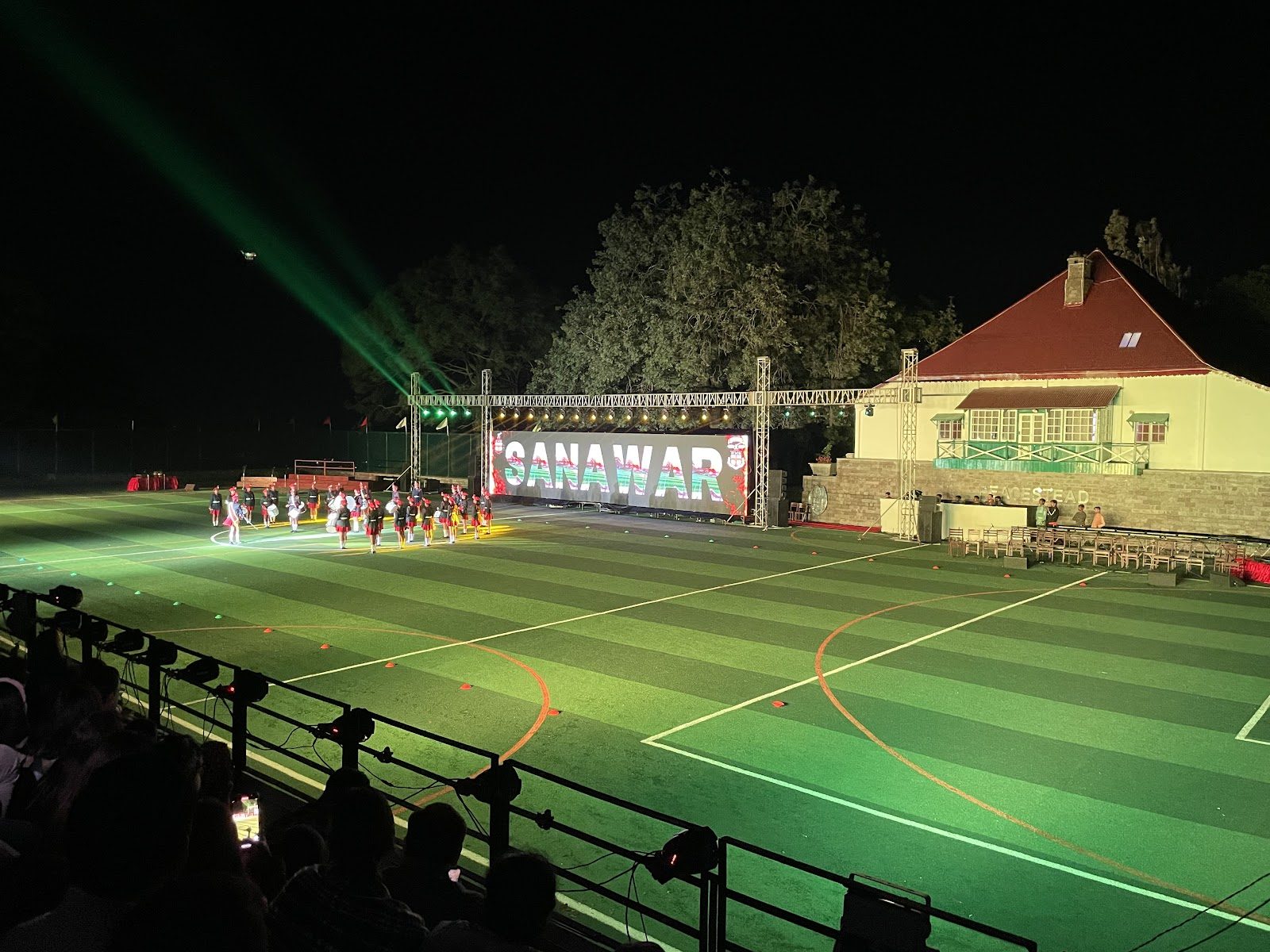
The Lawrence School, Sanawar
Solan · India
Perched at 1,750 metres in the Shivaliks, Asia's oldest co-educational boarding school sent the first team to summit Everest in 2013.
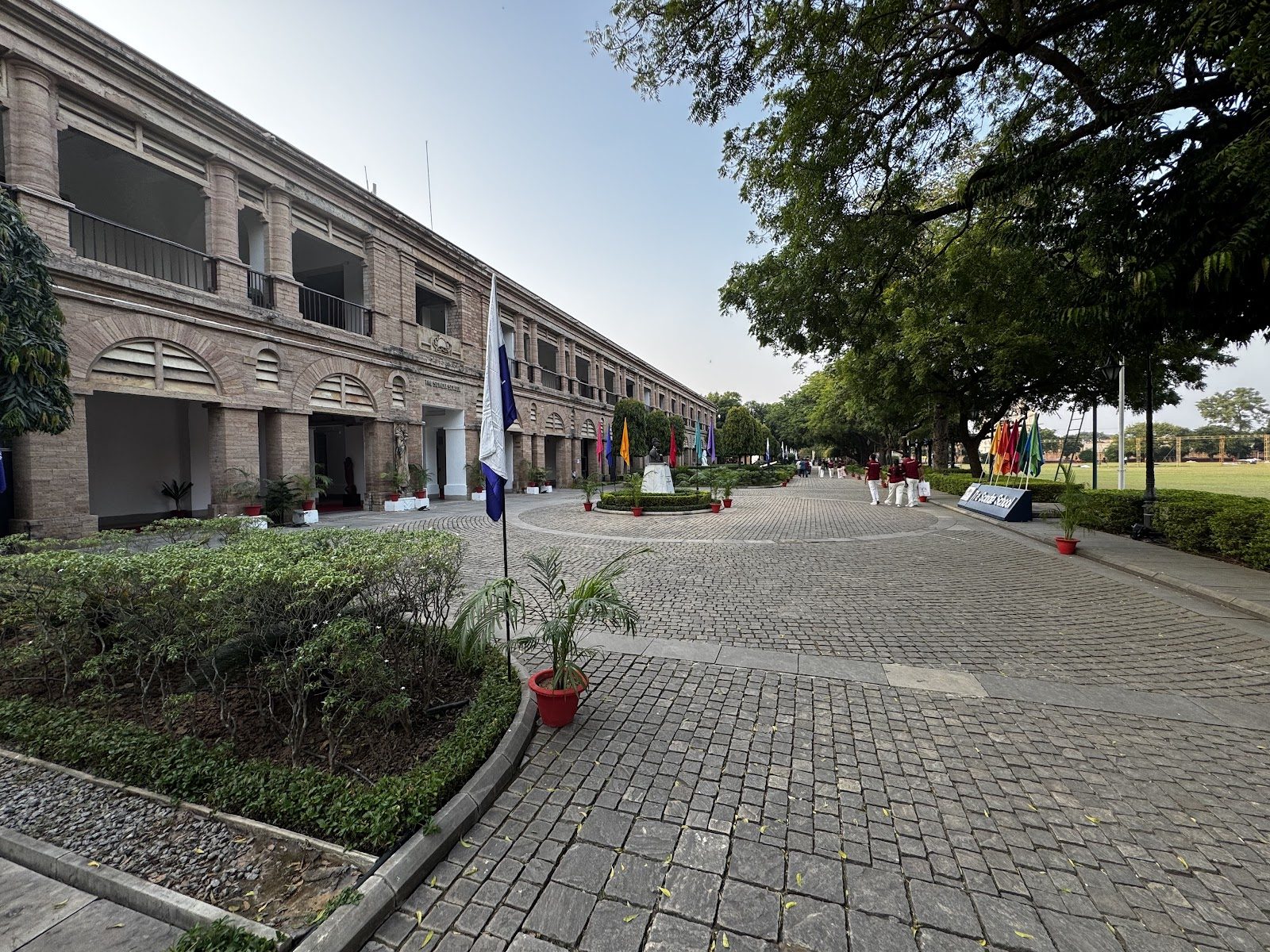
The Scindia School
Gwalior · India
Storied boys' boarding school inside Gwalior Fort, delivering a CBSE curriculum with a British public-school ethos.
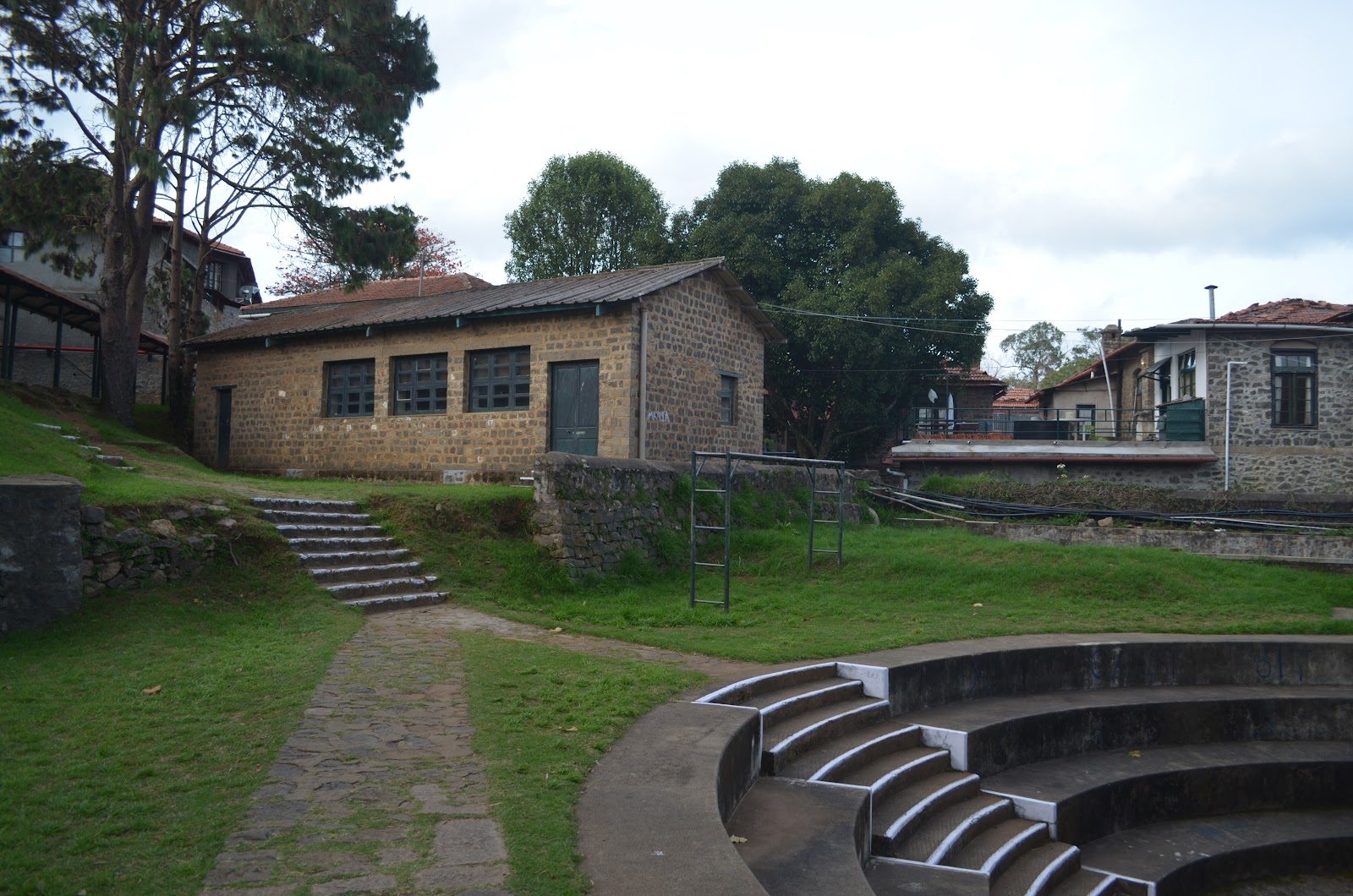
Kodaikanal International School
Kodaikanal · India
Founded in 1901 at 6,998 feet in the Palani Hills, it became India's first IB school and runs its own 135-acre wilderness campus for outdoor learning.
American International School Chennai
Chennai · India
Born of a 1995 US-India accord, this Taramani campus blends AP and IB rigor with the world's first K-12 LEED Platinum campus
Same country and curriculum — closest matches within ±10 points either way