
Maharashtra
In the heart of Bandra-Kurla Complex, three curricula converge to produce some of India's highest IB Diploma averages.
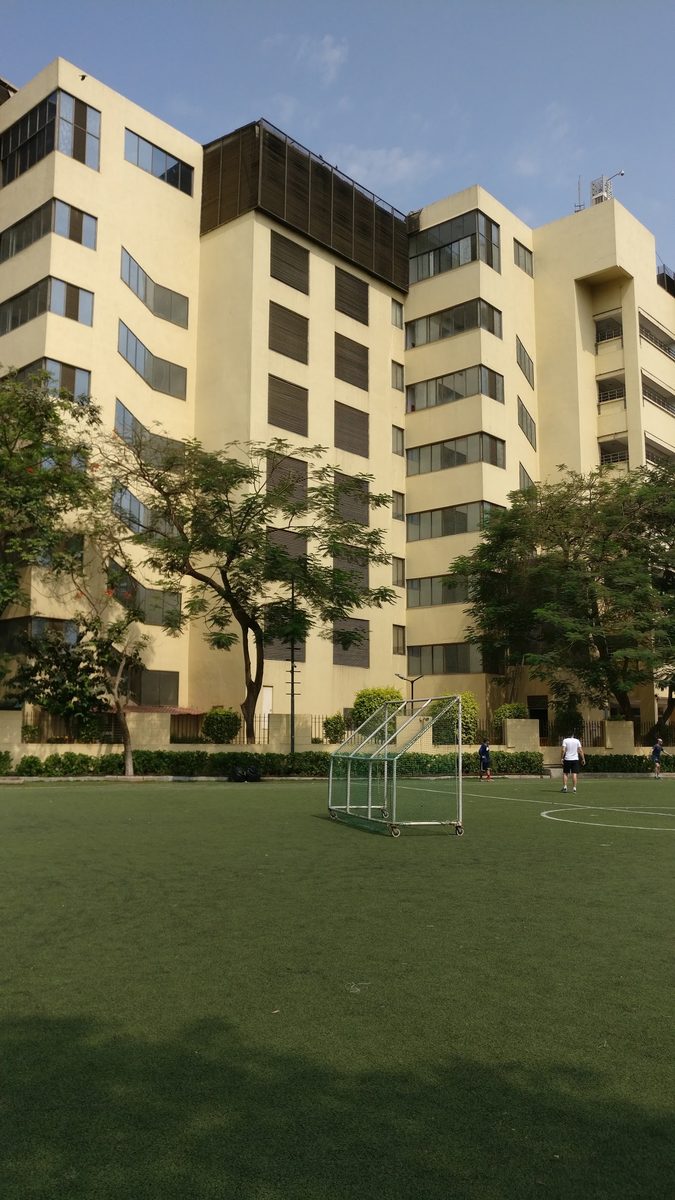
Photo © Vijai Singh via Google Maps
Type
Day
Ages
11–18
Curriculum
IB · Indian National · British
Qualifications
ISC · IGCSE
Ratio
—
The Verdict
Editor's commitment
Right for
Ambitious Mumbai families who want one school to cover ICSE, IGCSE and the IB Diploma, with CIS and IBO accreditation.
Wrong for
Parents wanting a lower-pressure route or broad destination spread; the Class of 2025 sent 111 leavers to a thinly dispersed list.
Watch out for
At an average annual fee of $7,703 for ages 11–18, DAIS is not the issue; selective entry at Class VIII and Class XI is.
Ranking breakdown
Dhirubhai Ambani International School · #239 of 1591
Composite score 73.5. 8 weighted criteria.
By criterion
Academic Outcomes
Weight 20%
#10
of 1529 scored
University Placement
Weight 16%
#18
of 1529 scored
Prestige & Heritage
Weight 12%
#441
of 1571 scored
Alumni Network
Weight 12%
#1254
of 1530 scored
Facilities
Weight 12%
#184
of 1534 scored
Transparency & Communications
Weight 8%
#123
of 1532 scored
Peer & Industry Review
Weight 10%
#155
of 1548 scored
Admissions Selectivity & Demand
Weight 8%
#120
of 1529 scored
Score history
Dhirubhai Ambani International School · 2026
Movement across 2024–2026. Peer average overlaid.
Overall — 2024–2026
73.5/ 100
▲ +25.1 vs 2025
year on year
Peer & Industry Review
How Dhirubhai Ambani International School is regarded in the sector
88
Strong · medium confidence
DAIS is consistently cited in Indian and international education press as one of India's premier schools, founded by Mukesh and Nita Ambani with strong IB program results and notable alumni (including members of the Ambani family). It is frequently referenced in 'best schools in India' rankings by outlets like Hindustan Times, Times of India, and Verdict/Education rankings, and is well-known among expat and high-net-worth parent communities in Mumbai for its facilities and IB Diploma outcomes. However, it has less international specialist press coverage (e.g., Tatler, Good Schools Guide) compared to top UK/international schools, reflecting strong regional/national peer reputation rather than unanimous global top-tier status.
Evidence sources
- Isha Ambani — Director, Reliance Retail - Business
- Akash Ambani — Chairman, Reliance Jio - Business
- Anmol Ambani — Director, Reliance Capital - Business
Editors' overview
In Bandra-Kurla Complex, Dhirubhai Ambani International School runs an unusually concentrated senior-school model: a day school for ages 11 to 18 offering three tracks under one roof — IB, Indian National and British — with English as the language of instruction. That mix matters. Few Mumbai schools try to serve families who want ICSE, IGCSE and the IB Diploma within a single institution, and fewer still build a serious reputation across all three. The school has held CIS and IBO accreditation, which gives it external scrutiny as well as brand value. It opened in 2003, so this is not a legacy institution trading on a century of history; it is a modern school that built its standing fast and built it on exam-facing academic ambition.
What puts DAIS on a shortlist is not mystique but concentration of academic intent. The school pushes entry points at Class VIII and Class XI, which tells you a lot about its structure: it is geared to families making deliberate curriculum choices at the point where those choices start to count. The public messaging leans heavily on rankings and prizes, which can read slightly over-polished, but there is substance behind the noise. The editorial tagline points to some of India’s highest IB Diploma averages, and the school’s own news flow is packed with Olympiads, essay competitions, economics, STEM and languages rather than a token parade of co-curricular badges. The average annual day fee is $7,703, which places it in an aggressively competitive position for a school with this profile in Mumbai.
This is a strong fit for the student who is fiercely academic, organised and happy in a high-expectation environment. It suits families who want a clear academic runway, not a loose progressive experiment. The recent destinations list for the Class of 2025 covers 111 leavers, with named placements including the University of New South Wales, the University of Sydney and HAN University of Applied Sciences. That list is too thin to prove a global destinations machine on its own, and the school does not disclose fuller destination patterns here, so parents should ask for the wider spread by country and course. Even so, DAIS belongs on a shortlist for children who want serious academics, multiple curriculum exits and a peer group that treats achievement as normal. It is not for the faint-hearted, and that is part of its appeal.
Academic Performance
Academic performance is the core of this school’s case. The public claim that matters is its place among the global top IB schools, and the wider pattern of achievement points in the same direction: this is a school with a hard-driving academic culture, a results-first mentality and a student body trained to treat external assessment as serious business. The school’s own news flow is heavy with economics, maths, science, essay prizes, robotics and international competitions. That does not replace published whole-cohort exam data, but it does show where institutional energy goes. DAIS sits in the upper tier of academically selective schools in India and in the top-flight of Mumbai’s exam-oriented market.
There is, however, a gap between reputation and disclosure. The school does not publish aggregate ICSE, IGCSE or IB Diploma results in the source material here: no cohort averages, no pass rates, no subject breakdowns, no top-score distribution. For a school trading on academic prestige, that opacity matters. Parents comparing DAIS with its closest peers should ask for the last three years of external results, including the number of candidates, mean IB points, score range, proportion at 40+ points, IGCSE grade profile and ICSE distinctions. Without that, the verdict rests on brand strength, competition outcomes and long-standing word-of-mouth rather than fully transparent exam reporting. Even so, the school’s standing is clearly elite within its market.
Facilities
Facilities are not the school’s headline selling point, and that distinction matters. DAIS does not trade on acreage, boarding houses, riding arenas or a grand suburban campus; it trades on access, density and an urban academic machine that keeps students close to the action. For families comparing it with larger international campuses on the edge of the city, that means a different proposition: less sprawl, fewer postcard amenities, more compressed intensity. The public-facing site foregrounds student achievement, competitions and admissions far more than specialist spaces, which tells you the school wants parents to value output over spectacle. That makes it function-first rather than campus-led.
What can be inferred with confidence is a facilities mix built to support a hard-charging senior school: science and STEM activity strong enough to sustain robotics, physics competition work and Olympiad culture; arts provision credible enough to feed writing, performance and creative success; sports infrastructure sufficient for swimming, chess, squash, judo, taekwondo, golf and karting pathways, even if some of that activity will depend on external venues in a dense city setting. Against peer schools in India’s premium day-school bracket, this reads as serious but unsentimental: enough specialist provision to back a demanding student body, without the resort-campus theatre that some rivals use to justify higher fees. The key omission is clear: the school does not publish a detailed facilities inventory, so parents need to ask for specifics on labs, libraries, indoor sport, performing arts space and dedicated sixth-form study areas before treating the campus itself as a decisive draw.
DAIS sits in the upper tier of academically selective schools in India and in the top-flight of Mumbai’s exam-oriented market
Prestige
Prestige here rests on selectivity, social capital and academic brand power, not on old-school heritage. DAIS carries the weight of the Ambani name, and in Mumbai that matters. It draws families who want their children in a high-status, high-pressure peer group where ambition is routine and competition is normal. The school amplifies that status aggressively: its homepage leads with rankings, headline positions and global-top-school claims rather than pastoral rhetoric or campus lifestyle. That tone is deliberate. It tells parents exactly what the school thinks its market advantage is. The floor of verified notable alumni is 8, with a strong tilt towards screen and creative industries, which adds public recognition even if it does not yet amount to a vast old-boy network.
The prestige rating also rests on scarcity. Few schools in India hold serious credibility across Indian national qualifications, IGCSE and the IB Diploma at the same time; fewer still convert that mix into a brand that families across business, media and professional circles instantly recognise. DAIS has done that. Its leavers’ list for the latest class is thin in published detail, which weakens the case for global university-placement prestige, and the school’s rankings-heavy self-presentation can feel over-managed. Even so, within its market this is top-table territory: a school with real cachet, strong name recognition and the kind of admissions interest that keeps demand high.
The alumni initiative adds another useful strand, signalling that communication does not stop at graduation but extends into networking and mentoring
Communications
Parent communication is active, centralised and relentlessly school-led. The homepage functions as a rolling bulletin board: admissions notices sit front and centre, application deadlines get updated in public, and the school pushes a constant stream of student wins across academics, sport, writing and STEM. That gives parents a clear read on institutional priorities. DAIS communicates achievement without embarrassment and uses frequency to reinforce culture: your child is entering a place where public recognition matters. The alumni initiative adds another useful strand, signalling that communication does not stop at graduation but extends into networking and mentoring. For families who value high-visibility performance culture, that is effective. For families who want quieter, more reflective communication about day-to-day school life, it is a narrower offer.
The weakness is balance. The school publishes an impressive volume of news items, but quantity is not the same as clarity. There is far more on prizes and headline success than on the mechanics parents often care about most: pastoral systems, learning support, class-level routines, staff accessibility, complaints handling, or a plain explanation of how the school communicates progress across the year. Even the destinations disclosure is thin despite a leaving class of 111. That pattern tells you a lot. DAIS communicates outwardly with tight message discipline and strong brand control, but less transparency on the operational detail that helps parents judge everyday responsiveness. Effective for signalling status and momentum; less effective for answering practical questions before they need asking.
Uniqueness
What sets DAIS apart is not a pretty philosophy but a tight institutional design. It serves a narrow age band, opens admissions at the two points where public examinations start to shape futures, and concentrates its energy on pupils who are already moving at pace. That produces a school with far less internal drag than all-through campuses carrying toddlers, prep pupils and teenagers under one umbrella. For students, the gain is focus: older peers, fewer distractions, sharper academic signalling and a culture where external benchmarks matter every day. The published destinations list for the latest class covers 111 leavers, and the school’s alumni initiative points to another strength: students leave with access to a network built for mentoring, internships and social reach, not just reunion nostalgia.
The other point of difference is social and institutional heft. This is a school built by one of India’s most powerful corporate families, and that connection gives it a rare level of visibility, expectation and scrutiny. Students benefit from that in concrete ways: ambitious peers, high parental engagement, and a school community plugged into business, media and public life. The risk is clear too. A culture this status-conscious can feel intense, and children who need anonymity or a softer pace will find it hard-edged. For driven pupils, though, that same pressure creates an environment where achievement is normalised and opportunity is treated as something to be used, not admired.
Children who are resilient, organised and happy to compete for top sets, captaincies, prizes and selective university outcomes will find fuel here
Student Profile
The student who thrives here is fast-moving, high-output and comfortable being measured against strong peers every week. DAIS rewards children who enjoy external benchmarks, carry their own momentum and do not need adults to manufacture motivation. The school’s public record is crowded with economics contests, robotics, essay prizes, chess, swimming, squash and science competitions; that pattern points to a pupil body that signs up, trains hard and treats enrichment as an extension of academic life, not a decorative extra. The latest leaving class of 111 also hints at a senior section large enough to offer serious competition for leadership, recognition and university attention, but still concentrated enough for reputations to travel fast. This is a hard-edged environment for ambitious adolescents, not a sanctuary for drift.
The best fit is the student who likes pace, structure and a status-conscious culture where achievement is visible. Children who are resilient, organised and happy to compete for top sets, captaincies, prizes and selective university outcomes will find fuel here. So will pupils with range: the school celebrates coders, writers, debaters, athletes and student founders, not one narrow type of high achiever. The weaker fit is just as clear. A child who needs anonymity, gentle pacing, heavy pastoral cushioning or room to fail in private will find the atmosphere intense. DAIS suits families who want their teenager surrounded by driven classmates and who accept that pressure is not an accident here; it is part of the design.
The school has held CIS and IBO accreditation, which gives it external scrutiny as well as brand value
Co-curricular strengths
Arts & sport, on a separate axis
Overall 8.4/10
Scored 0-10 from the school's own published evidence. This axis is editorial-only — it does not feed the main WTS ranking.
Sports
8.5/10
Basketball, football and swimming, while the external evidence adds shared outdoor facilities including an astroturf plus tennis and basketball courts and formal student sports leadership, indicating a solid programme with dedicated facilities.
Drama
8.5/10
Drama productions, and the external evidence notes a performing arts centre with soundproof walls and professional AV technology, which clears the dedicated facility threshold despite no verified star-tier laureates.
Dance
8.3/10
Music
8.5/10
School orchestra and choir ensemble, and the external evidence confirms dedicated music teaching rooms, supporting a notable music programme with specialist space.
Visual Arts
8.2/10
Visual arts, and external evidence adds dedicated art teaching rooms, a terrace garden for art students, and access to a performing arts centre, giving multiple concrete indicators of specialist provision.
Editor first-pass · editor-reviewable · 7/28/2026
Outcomes & destinations
Where students go next
Class of 2025
111 graduates
Top destinations
134 placements
- University of New South Wales· 1
- University of Sydney· 1
- HAN University of Applied Sciences· 1
- Charles University, Prague· 1
- Nanyang Technological University· 1
- National University of Singapore· 1
- IE University· 1
- New York University – Abu Dhabi· 1
- Cardiff University· 1
- City University of London· 1
- Hult International Business School· 1
- Imperial College London· 1
- Kings College London· 1
- London School of Economics & Political Science· 1
- Met Film School· 1
- Queen Mary University of London· 1
- Royal Holloway, University of London· 1
- Royal Veterinary College· 1
- The Glasgow School of Art· 1
- UAL - London College of Fashion· 1
- University College London· 1
- University of the Arts, London· 1
- University of Birmingham· 1
- University of Cambridge· 1
- University for the Creative Arts· 1
- University of Edinburgh· 1
- University of Leeds· 1
- University of Manchester· 1
- University of Nottingham· 1
- University of Oxford· 1
- University of Plymouth· 1
- University of St. Andrews· 1
- University of Warwick· 1
- University of Westminster· 1
- Amherst College· 1
- Babson College· 1
- Barnard College· 1
- Boston College· 1
- Boston University· 1
- Brandeis University· 1
- Brown University· 1
- California Institute of Technology· 1
- Carnegie Mellon University· 1
- Central Michigan University· 1
- Claremount McKenna College· 1
- Columbia University· 1
- Cornell University· 1
- Dartmouth College· 1
- Davidson College· 1
- Duke University· 1
- Emerson College· 1
- Emory University· 1
- Eugene Lang College of Liberal Arts· 1
- Georgia Institute of Technology· 1
- Grinnell College· 1
- Georgetown University· 1
- George Washington University· 1
- Harvey Mudd College· 1
- Haverford College· 1
- Indiana University at Bloomington· 1
- Johns Hopkins University· 1
- Marist College· 1
- New York University· 1
- Northeastern University· 1
- Northwestern University· 1
- Penn State University· 1
- Pomona College· 1
- Pratt Institute· 1
- Princeton University· 1
- Purdue University· 1
- Rensselaer Polytechnic Institute· 1
- Rhode Island School of Design· 1
- Rice University· 1
- Rose-Hulman Institute of Technology· 1
- Savannah College of Art and Design· 1
- School of the Art Institute of Chicago· 1
- Southern Methodist University· 1
- Stanford University· 1
- Parsons School of Design at The New School· 1
- Trinity College· 1
- Tufts University· 1
- Tulane University· 1
- University of Akron· 1
- University of California – Berkeley· 1
- University of California – Davis· 1
- University of California – Los Angeles· 1
- University of California – San Diego· 1
- University of California – Santa Barbara· 1
- University of Chicago· 1
- University of Illinois – Urbana Champaign· 1
- University of Massachusetts Amherst· 1
- University of Miami· 1
- University of Michigan - Ann Arbor· 1
- University of Michigan - Dearborn· 1
- University of North Carolina Chapel Hill· 1
- University of Notre Dame· 1
- University of Pennsylvania· 1
- University of Southern California· 1
- University of Texas at Austin· 1
- University of Virginia· 1
- University of Washington – Seattle· 1
- University of Wisconsin – Madison· 1
- Wake Forest University· 1
- Washington University in St. Louis· 1
- Wesleyan University· 1
- Wheaton College· 1
- Worcester Polytechnic Institute· 1
- Yale University· 1
- McGill University· 1
- McMaster University· 1
- Simon Fraser University· 1
- University of British Columbia· 1
- University of Calgary· 1
- University of Toronto· 1
- York University· 1
- Sciences Po· 1
- Bocconi University· 1
- Royal College of Surgeons· 1
- Trinity College Dublin· 1
- SRH Berlin University of Applied Sciences· 1
- Ashoka University· 1
- ATLAS Skill Tech University, Mumbai· 1
- CEPT University, Ahmadabad· 1
- Flame University, Pune· 1
- H.R. College of Commerce and Economics· 1
- Jai Hind College· 1
- Jindal Global Law School· 1
- Kirit P. Mehta School of Law, NMIMS· 1
- Krea University· 1
- NALSAR University of Law· 1
- National Law School of India University· 1
- Narsee Monjee Institute of Management Studies· 1
- St. Xavier's College· 1
- Shreemati Nathibai Damodar Thackersey University (SNDT)· 1
Reported by the school. Confirm with admissions.
Notable alumni · Wikidata
8notable alumni
0 historic (born pre-1930) · 8 modern (born post-1970)wikidata:2026-07-28 How we source this

WTS 300 badge
2025/26 editionDhirubhai Ambani International School is one of the World's Top 300 Schools for 2025/26. Claim your listing to add it to your site →
Strengths
- +In the May 2026 examination session, students achieved a historic average IB Diploma score of 40.8 points, significantly above the global average of 30.88 points, continuing a decade-long pattern of scores in the high 30s to low 40s.
- +The school is ranked #1 among international day schools of India by the EW India School Rankings 2020-21, reflecting sustained academic reputation rather than a single strong cohort.
- +The academic pathway is broad and staged: Lower KG to Grade 7 uses an integrated curriculum of national and international boards, Grades 8 to 10 offer ICSE or IGCSE, and Grades 11 and 12 pursue the IB Diploma Programme.
- +Co-curricular provision is unusually wide, spanning aerobics, athletics, badminton, basketball, chess, cricket, football, hill walking and camp craft, judo, rugby, salsa, table tennis, taekwondo, rope malkhamb, throwball, volleyball, jazz dancing and yoga.
- +Nita Ambani, wife of Mukesh Ambani, is the chairperson of the school, giving it access to significant corporate resourcing and a high public profile since its 2003 founding.
Considerations
- −Despite sometimes being listed as boarding, multiple independent sources describe it as a day school: Being a day school Dhirubhai Ambani International School does not provide accommodation facility, so relocating families must arrange their own housing in Mumbai.
- −Fees sit at the premium end of the Mumbai market: annual tuition ranges from INR 170,000 to INR 1,470,400 for 2026/27, before transport, trips and exam fees.
- −The school's legacy Indian board is being retired: the ICSE Secondary Programme for Classes VIII-X is being phased out, with the last batch in March 2026, adding a period of curricular transition for middle-years families.
- −School transport is fixed rather than expanding: the school operates 24 bus routes, with no plans to extend bus routes, which can limit accessibility for families settling outside existing catchment areas.
Availability
Primary entry gate & tests
Academic Record + Interview
Gallery
Photo © Vikas P via Google Maps
Photo © RamnNivash Yadav via Google Maps
Photo © Balraj Devendra via Google Maps
Photo © Ramesh Smile via Google Maps
Photo © Ramesh Smile via Google Maps
Photo © Yashamin Khatoon via Google Maps
Photo © LORD KRiShNA via Google Maps
Photo © LORD KRiShNA via Google Maps
Photo © LORD KRiShNA via Google Maps
Parent reviews
Have you sent your child here?
Voice reviews carry the strongest trust badge — we transcribe them for you to tidy up before they go live. Prefer to type? A written review is fine too.
Add your voice
In 60 seconds, tell other parents: what's the best thing about Dhirubhai Ambani International School, and what surprised you when your child joined?
We ask for a Google sign-in so every review has a real face behind it — no anonymous drive-by attacks on schools, and no faked positive reviews. Your email is never shown publicly.
Send this profile to a friend
International parents rely on word-of-mouth. Share this review with someone weighing the same decision.
Schools with places
Similar schools to Dhirubhai Ambani International School with places available now.
UWC Mahindra College
Pune · India
- 2026-27
- CLOSEDStandard route closed
- 2027-28
- WAITPOOLVaries by National Committee
Oberoi International School
Mumbai · India
- 2026-27
- WAITPOOLSpace-dependent
- 2027-28
- PLACES OPENRolling
The Cathedral and John Connon School
Mumbai · India
- 2026-27
- CLOSEDStandard route
- 2027-28
- PLACES OPENActive now (Forms live)
Availability first, then country, area, curriculum, price, co-curricular
Consider also
Also worth looking at alongside Dhirubhai Ambani International School.
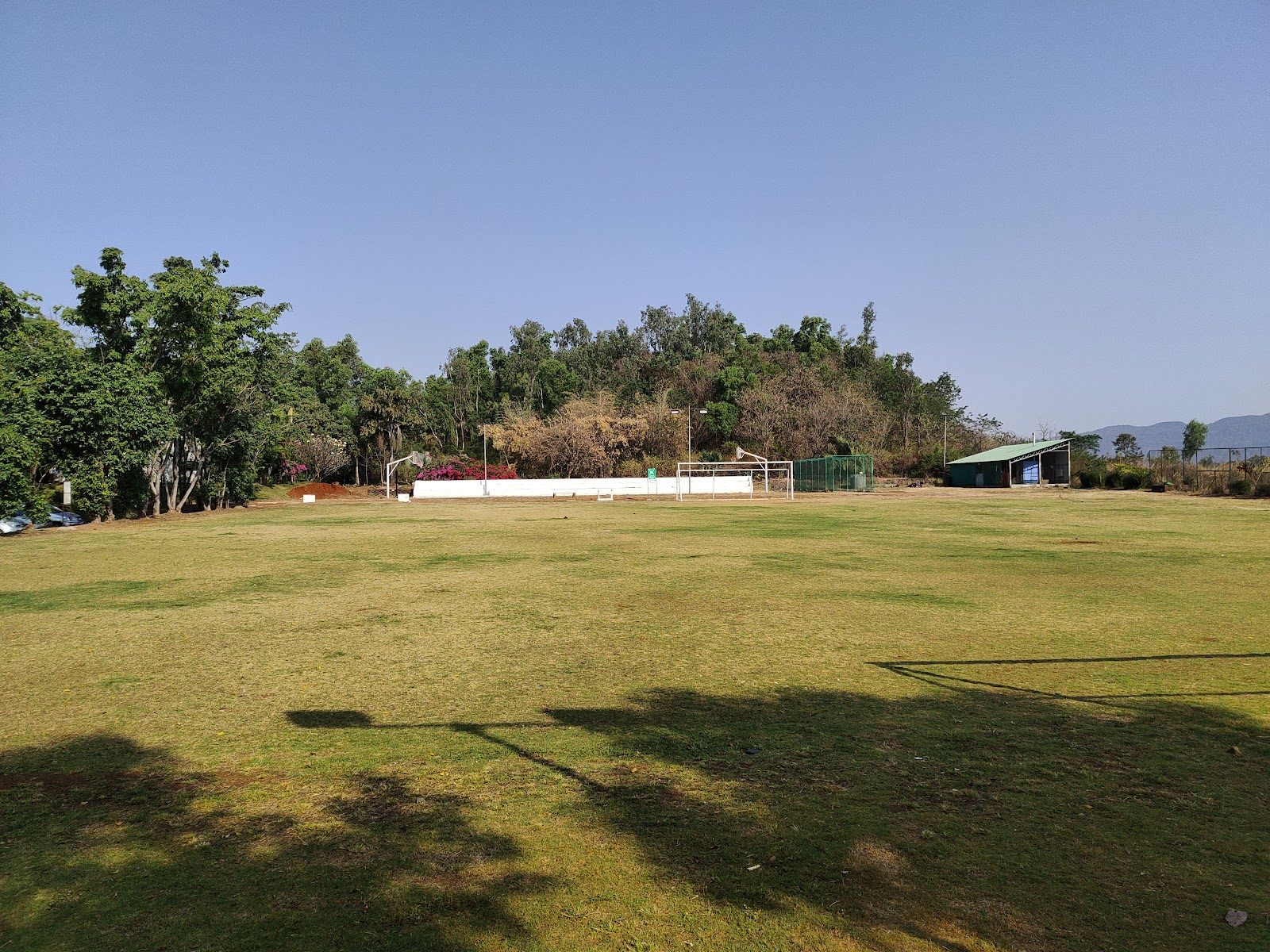
UWC Mahindra College
Pune · India
South Asia's only United World College, its 170-acre Western Ghats campus reforested tree by tree by its own students.
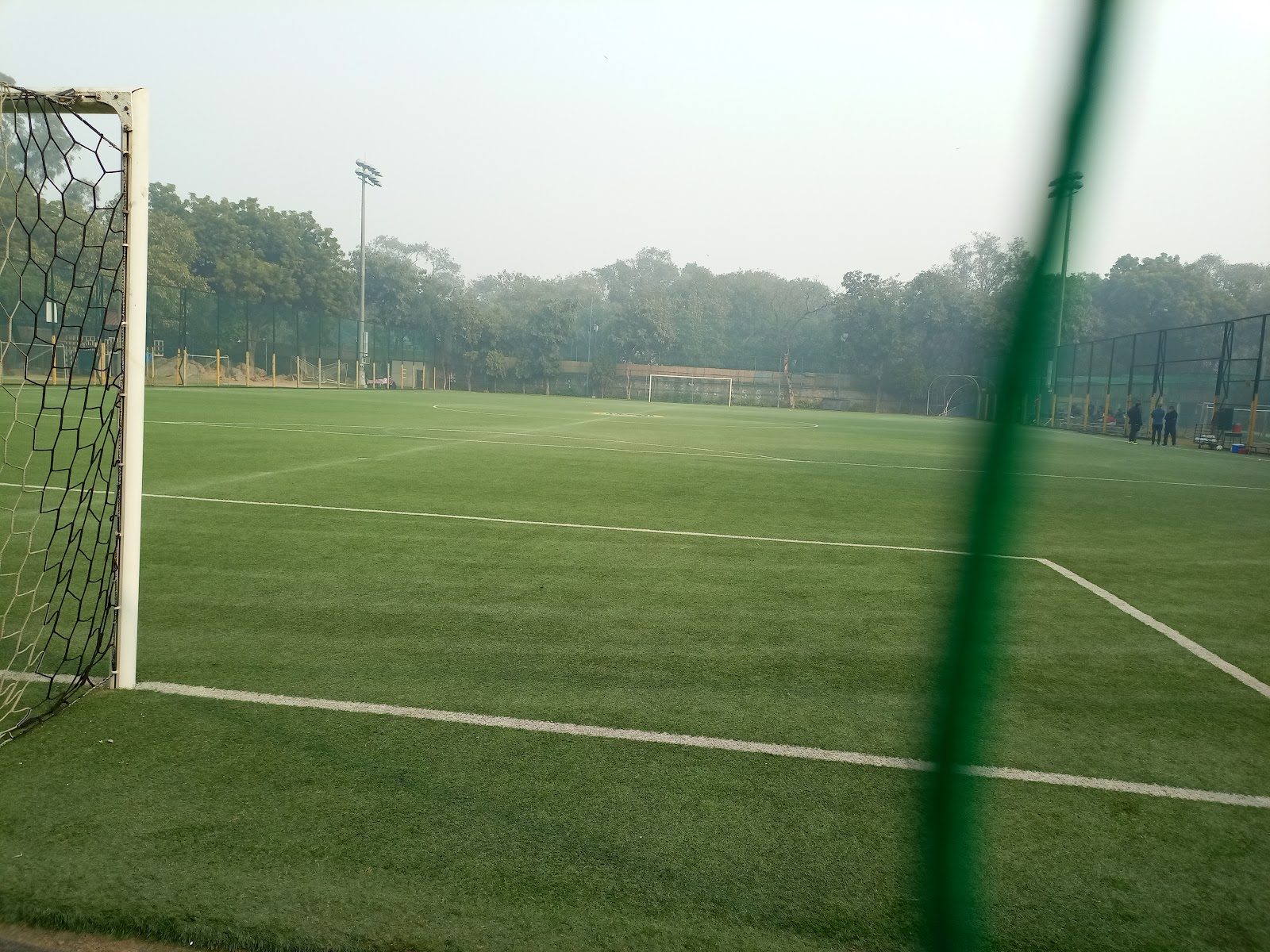
American Embassy School
New Delhi · India
Beside the U.S. Embassy in Chanakyapuri, a Joseph Stein-designed campus mixes American college prep with IB rigor for over 70 nationalities.
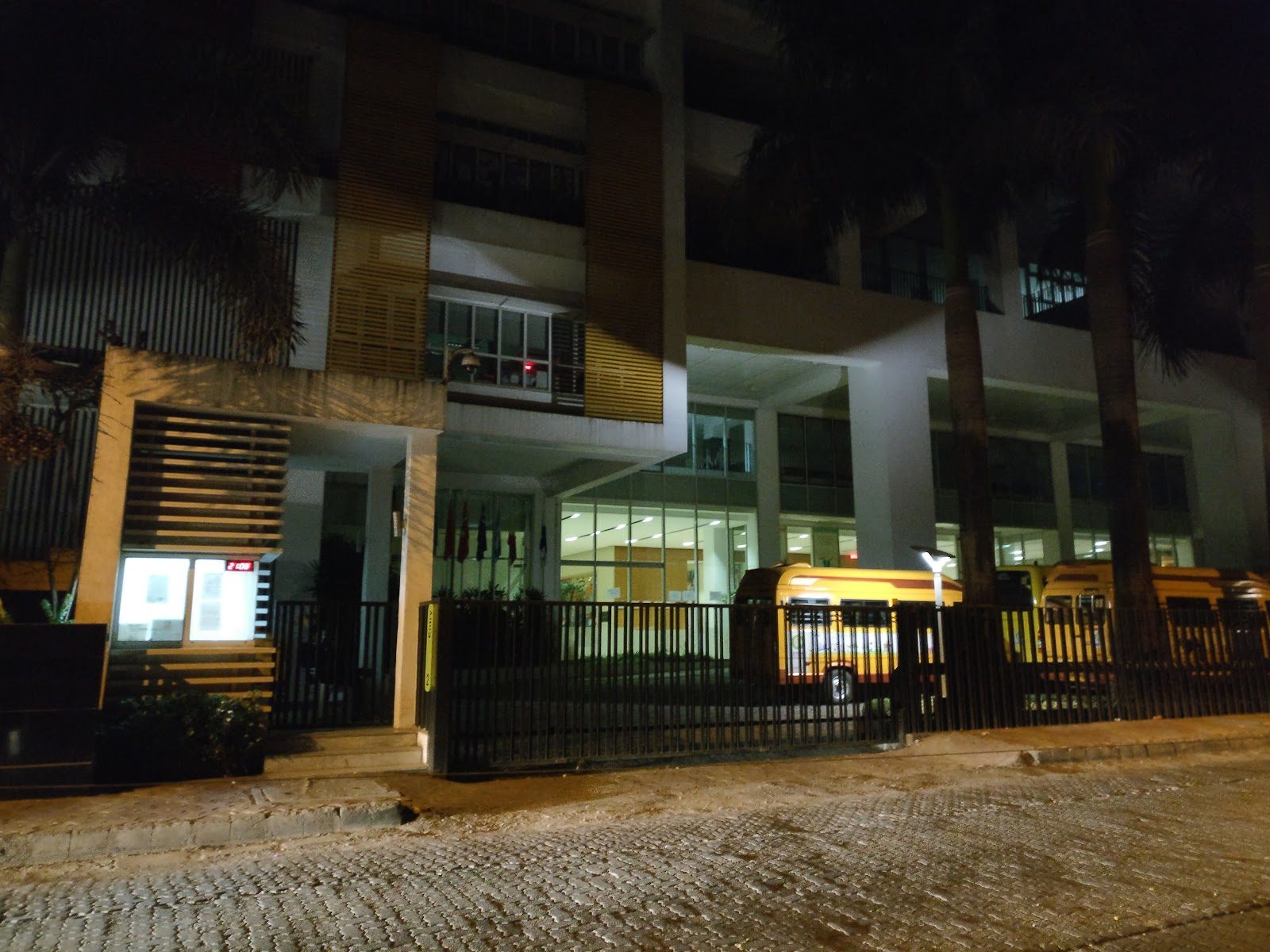
Oberoi International School
Mumbai · India
A full IB continuum from Nursery to Diploma, spread across twin Goregaon campuses inside Mumbai's Oberoi Garden City enclave.
Mayo College
Ajmer · India
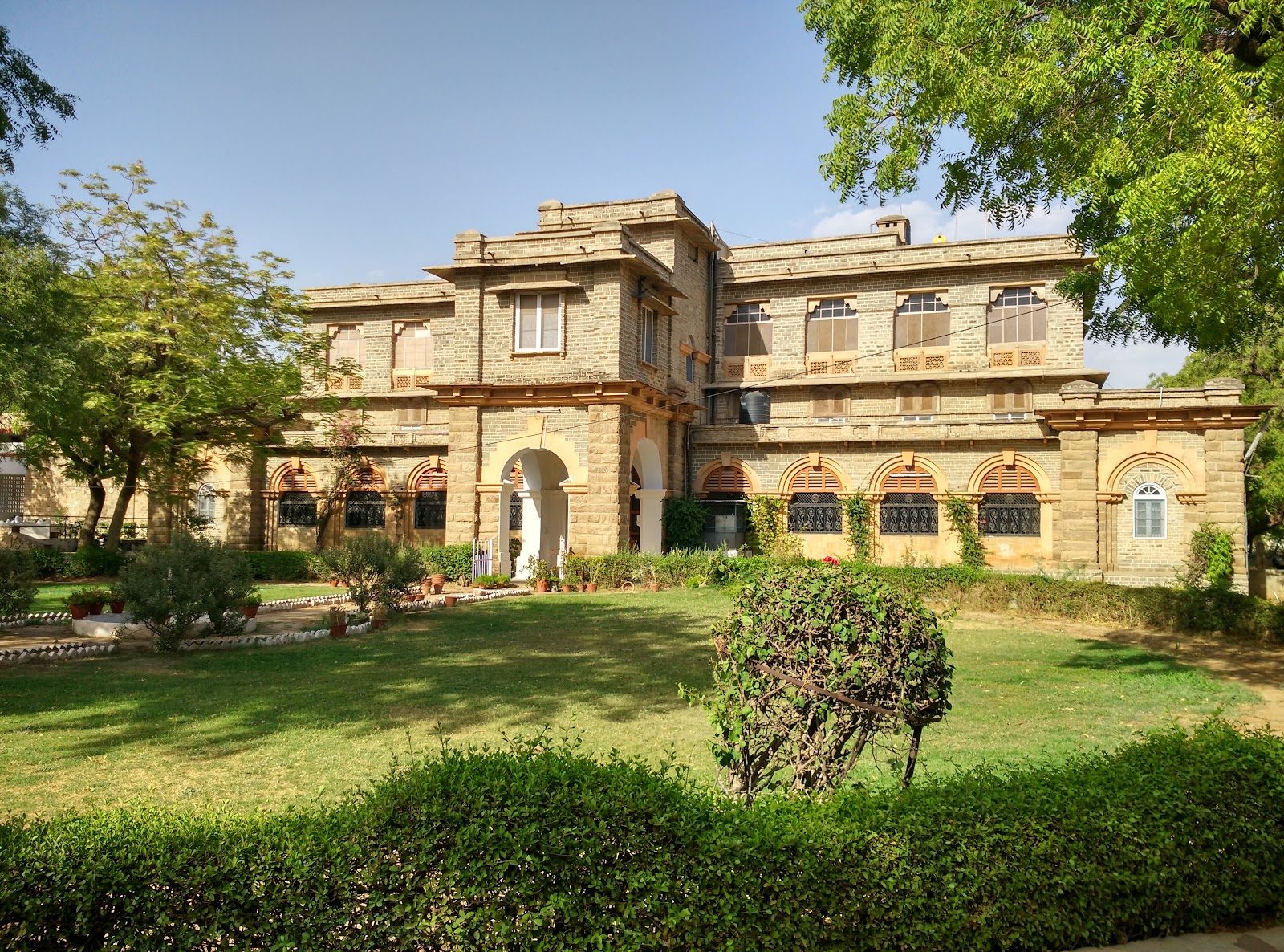
Historic all-boys boarding school in Ajmer offering the CBSE and Cambridge IGCSE curricula.
Same country and curriculum — closest matches within ±10 points either way