
Europe
Channing School
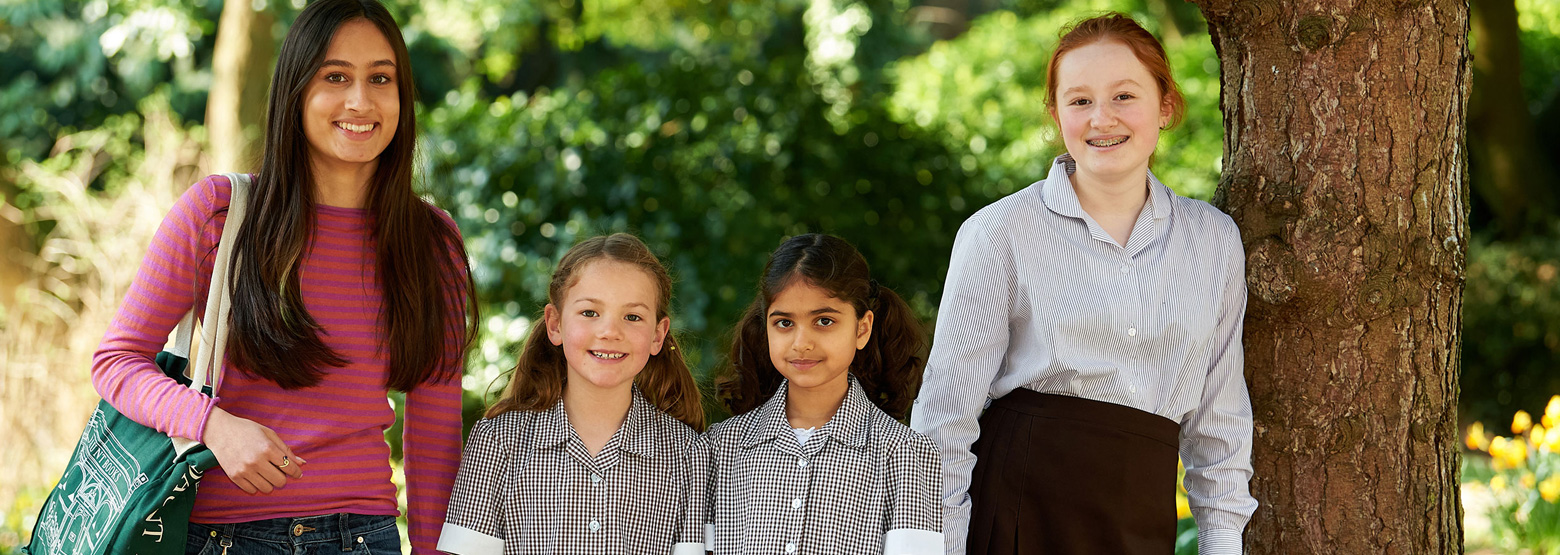
Highgate girls’ school with a 10% braver ethos
Type
Day
Ages
4–18
Curriculum
British
Ratio
—
The Verdict
Editor's commitment
Right for
Girls aged 4–18 who want a London day school in Highgate with British curriculum, free-thinking values and Channing’s 10% braver culture.
Wrong for
Families wanting boarding, a faith-driven school or a co-ed setting; Channing is non-denominational, day-only and girls-only from age 4.
Watch out for
At an average £26,115 a year, Channing sits firmly in London independent territory; the rhetoric is progressive, but results are not published here.
Ranking breakdown
Channing School · #735 of 1591
Composite score 66.1. 8 weighted criteria.
By criterion
Academic Outcomes
Weight 20%
#668
of 1529 scored
University Placement
Weight 16%
#848
of 1529 scored
Prestige & Heritage
Weight 12%
#1054
of 1571 scored
Alumni Network
Weight 12%
#835
of 1530 scored
Facilities
Weight 12%
#1004
of 1533 scored
Transparency & Communications
Weight 8%
#16
of 1532 scored
Peer & Industry Review
Weight 10%
#998
of 1548 scored
Admissions Selectivity & Demand
Weight 8%
#607
of 1529 scored
Peer & Industry Review
How Channing School is regarded in the sector
Insufficient peer signal
We couldn't find enough independent third-party evidence to score this school's peer & industry standing with confidence. It doesn't mean the school isn't well regarded — only that public reputation sources we trust don't yet cover it. This axis is left blank for now and the composite score is median-imputed from the other six categories.
Editors' overview
Channing occupies a distinctive niche in north London’s girls’ day-school market: academically ambitious, socially polished, and less rigid than the grander brand-name competitors nearby. Founded in 1885, it serves girls aged 4–18 and charges an average annual fee of £26,115 across the full school. The school’s selling point is not mystique or inherited grandeur. It is a clear internal philosophy: fearless learners, free thinking, and the school’s own “10% braver” mantra. That gives Channing a sharper identity than many schools that talk blandly about confidence and enrichment. Its Unitarian inheritance also matters. In practice, that signals a school built around inclusivity, tolerance and intellectual openness rather than doctrinal tradition.
What marks Channing out is the combination of an all-girls environment with a deliberate resistance to joyless hothousing. The school talks about success without undue pressure, and that line carries weight because it sits alongside a broad programme of co-curricular and extra-curricular activity, not just exam rhetoric. Parents who want a serious British education in English, but dislike schools that trade on stress, hierarchy or theatrical old-school formality, will find Channing compelling. It reads as a school with a close and supportive community, a strong sense of pastoral intent and a modern London sensibility. The tone is liberating and contemporary rather than traditionalist, even though the structure is conventional and academically focused.
This is not the right fit for every child. Girls who want an overtly competitive, hard-edged academic culture with maximum swagger may prefer a more combative school. Channing suits pupils who are bright, engaged and willing to participate, but who also benefit from encouragement to take risks, speak up and stretch themselves. The ideal student is intellectually curious, articulate, and receptive to a school culture that values kindness and responsibility alongside attainment. For families, the attraction is plain: an established London girls’ school with a coherent ethos, a full 4–18 journey, and a version of ambition that feels confident without being brittle. That earns it a place on a serious shortlist.
Academic Performance
Channing makes strong claims for academic success, but public disclosure is thinner than at the most results-forward London independents. The school states that its examination outcomes “bear testament” to its approach and points parents toward results and leavers’ destinations, yet the extracts here give no hard GCSE or A-level data, no subject breakdowns, and no destination pattern beyond a broad reference to university depth and breadth. That matters. In a market where serious competitors publish top-grade percentages and detailed destination lists, opacity counts against a school. It does not indicate weak performance, but it does limit external scrutiny and makes precise peer comparison harder than it should be.
Even so, the academic proposition is clear enough. Channing is not selling a cram-school mentality or a bruising race for league-table glory. It is selling an academically credible education tied to intellectual independence, classroom confidence and breadth beyond exams. That places it in the camp of schools that want strong outcomes without a joyless edge. For families, the conclusion is straightforward: this is a school with an academically serious self-image, but not one that backs that image in public with the level of numerical detail that the most hard-nosed parents will want. In competitive north London company, that leaves Channing needing to win trust through fit, ethos and first-hand impression as much as published attainment.
Facilities
Channing’s public case on facilities is weaker than its case on ethos. The extracts point to Forest School, productions and concerts, transport, wraparound care, and separate junior, senior and sixth-form sections, which tells parents the school has the core specialist spaces needed for a full girls’ day school. Music and drama matter here; schools do not foreground concerts and productions unless they have the halls, rehearsal rooms and performance infrastructure to sustain them. Forest School also signals more than a token patch of grass at the junior end. Even so, the school does not publish, in the extracts here, the kind of hard facilities inventory that sharper competitors now provide: no theatre specification, no sports-centre detail, no laboratory count, no library description, no design or tech spaces set out plainly. That leaves the estate under-described.
Against London peers, that matters. In this market, strong schools use facilities to prove seriousness in sport, science, the arts and sixth-form independence. Channing instead asks parents to buy into a culture-first proposition. That is coherent, but it also means the physical offer lacks the showpiece clarity of rivals with heavily marketed campuses and signature buildings. For some families, that is no loss; glossy estates can mask thin pastoral thinking. For others, especially those comparing high-fee London day schools line by line, the absence of specifics is a real weakness. The most defensible conclusion is plain: the facilities are functional and rounded, but not showcased with the precision that top competitors now treat as standard.
In a market where serious competitors publish top-grade percentages and detailed destination lists, opacity counts against a school
Prestige
Channing carries real standing in the north London day-school market, but it does not sit in the tiny bracket of schools whose names alone function as a social credential. Its prestige rests on substance over theatre: a long-established girls’ school, a selective independent setting, membership of the Girls’ Schools Association, and a coherent house style that parents can identify quickly. That gives it serious local cachet. It is the kind of school that well-informed families shortlist when they want academic ambition, polish and pastoral steadiness without the grander swagger of the most socially loaded London names. The average annual fee of £26,115 also places it firmly in the capital’s expensive independent sector, which itself carries a status signal.
Why not rate it higher? Because prestige at the very top end of London schooling depends on more than history, ethos and a good address. It depends on public academic dominance, deep institutional mythology, and a level of name-recognition that travels far beyond its immediate constituency. Channing does not project that commanding aura. Its identity is more self-possessed than famous, more trusted than mythologised. For many families, that is an advantage, not a deficit: the school offers quiet prestige rather than social display. The value of a Channing education lies in credibility, standards and fit, not in brute brand power.
Because prestige at the very top end of London schooling depends on more than history, ethos and a good address
Communications
Channing communicates like a school that wants parents inside the loop and on side. The public-facing structure is organised and practical: clear admissions routes at entry points, separate junior, senior and sixth-form pages, direct access to policies and reports, term dates, transport, bursaries, results and leavers’ destinations, plus named sections for wellbeing, co-curricular life, partnerships, sustainability and diversity. That breadth matters. It tells parents where the school puts its institutional energy, and it reduces the usual independent-school irritation of having to dig for basic operational facts. The inclusion of an inspection-report link and governance pages also points to a grown-up, orderly approach rather than a glossy one. For a school charging an average of £26,115 a year, that level of navigability is not a bonus; it is a baseline requirement, and Channing meets it.
Where the communication is less convincing is depth. The school is fluent on ethos — fearless learners, 10% braver, happiness, belonging — and those messages are internally consistent. But ethos is the easy part. Parents also need crisp disclosure on outcomes, facilities and the practical shape of school life. Here, Channing still reads as culture-first and detail-light. The tone is warm without becoming syrupy, and the school avoids the strenuous boastfulness common in this sector, which counts in its favour. Still, communication works best when it pairs values with hard evidence. Channing does that unevenly. The result is effective reassurance for families already sympathetic to the school, and weaker persuasion for the hard-questioning parent comparing top London girls’ schools line by line.
Uniqueness
What sets Channing apart is not a rare curriculum model or a grand London mythos. It is the school’s unusually explicit internal code: girls are pushed to be 10% braver, to think freely, and to treat success as something wider than grades alone. Plenty of schools talk about confidence. Channing turns that idea into a daily operating principle, and anchors it in a Unitarian inheritance that prizes acceptance, open-mindedness and respect across faiths. That gives the school a clear moral centre without religious heaviness. It also gives it a sharper identity than many girls’ schools whose ethos collapses into generic language about empowerment. Here, the message is coherent, modern and easy for a child to grasp: speak up, stretch yourself, and do it without trampling others.
For pupils, that brings a distinct kind of benefit. In an all-girls setting, a culture built around fearless learning and measured risk-taking can do real work in the classroom, on stage and in leadership. The school’s own language points to girls who are meant to be interesting as well as high-performing, engaged with the world as well as polished for exams. That matters. It produces a less brittle version of ambition than the one found in more status-driven schools. The result is a school that gives able girls permission to be bold without becoming hard-edged, and ambitious without becoming joyless. For the right child, that mix is genuinely distinctive.
Founded in 1885, it serves girls aged 4–18 and charges an average annual fee of £26,115 across the full school
Student Profile
The girl who fits Channing is bright, articulate and willing to join in, but not hungry for a gladiatorial school culture. This is a place for pupils who respond to encouragement, take ideas seriously and can live comfortably in a community that expects both kindness and backbone. The school’s own 10% braver line matters because it points to a student body being nudged towards risk-taking: speaking in class, trying for a production, stepping into leadership, recovering from mistakes without melodrama. Girls who need constant external ranking or enjoy social sharp elbows will find the tone too humane and the ambitions less performative than at more aggressively status-conscious rivals. Girls who are curious, steady and ready to stretch will fit far better.
The all-girls setting and the school’s Unitarian inheritance shape the social mix in a concrete way. Channing suits families who value open-minded conversation, respect across differences and a school identity that does not rest on rigid tradition or doctrinal religion. The right student does not need to be loud or precocious on day one, but she does need a degree of receptiveness: to pastoral guidance, to co-curricular participation, and to the idea that success includes character as well as grades. A child who wants anonymity, detachment or a purely transactional academic experience will not get much from Channing. A girl who wants to grow in confidence across a full 4–18 journey will.
The school’s selling point is not mystique or inherited grandeur
Co-curricular strengths
We haven't scored this school on the arts & sport axis yet. Our editorial team is working through the fleet — the school's public evidence will earn its own score, not a guess.
Parent reviews
Have you sent your child here?
Voice reviews carry the strongest trust badge — we transcribe them for you to tidy up before they go live. Prefer to type? A written review is fine too.
Add your voice
In 60 seconds, tell other parents: what's the best thing about Channing School, and what surprised you when your child joined?
We ask for a Google sign-in so every review has a real face behind it — no anonymous drive-by attacks on schools, and no faked positive reviews. Your email is never shown publicly.
Send this profile to a friend
International parents rely on word-of-mouth. Share this review with someone weighing the same decision.
Schools with places
Similar schools to Channing School with places available now.
University College School
London · United Kingdom
- 2026-27
- CLOSEDStandard route
- 2027-28
- PLACES OPEN11+ (9 Nov); 16+ (28 Sept)
Emanuel School
London · United Kingdom
- 2026-27
- CLOSEDStandard route closed
- 2027-28
- PLACES OPEN11+ / 16+ active
City of London School
London · United Kingdom
- 2026-27
- CLOSEDStandard route
- 2027-28
- PLACES OPEN11+/16+ Active
Latymer Upper School
London · United Kingdom
- 2026-27
- CLOSEDStandard route
- 2027-28
- PLACES OPENCloses Nov
Availability first, then country, area, curriculum, price, co-curricular
Consider also
Also worth looking at alongside Channing School.
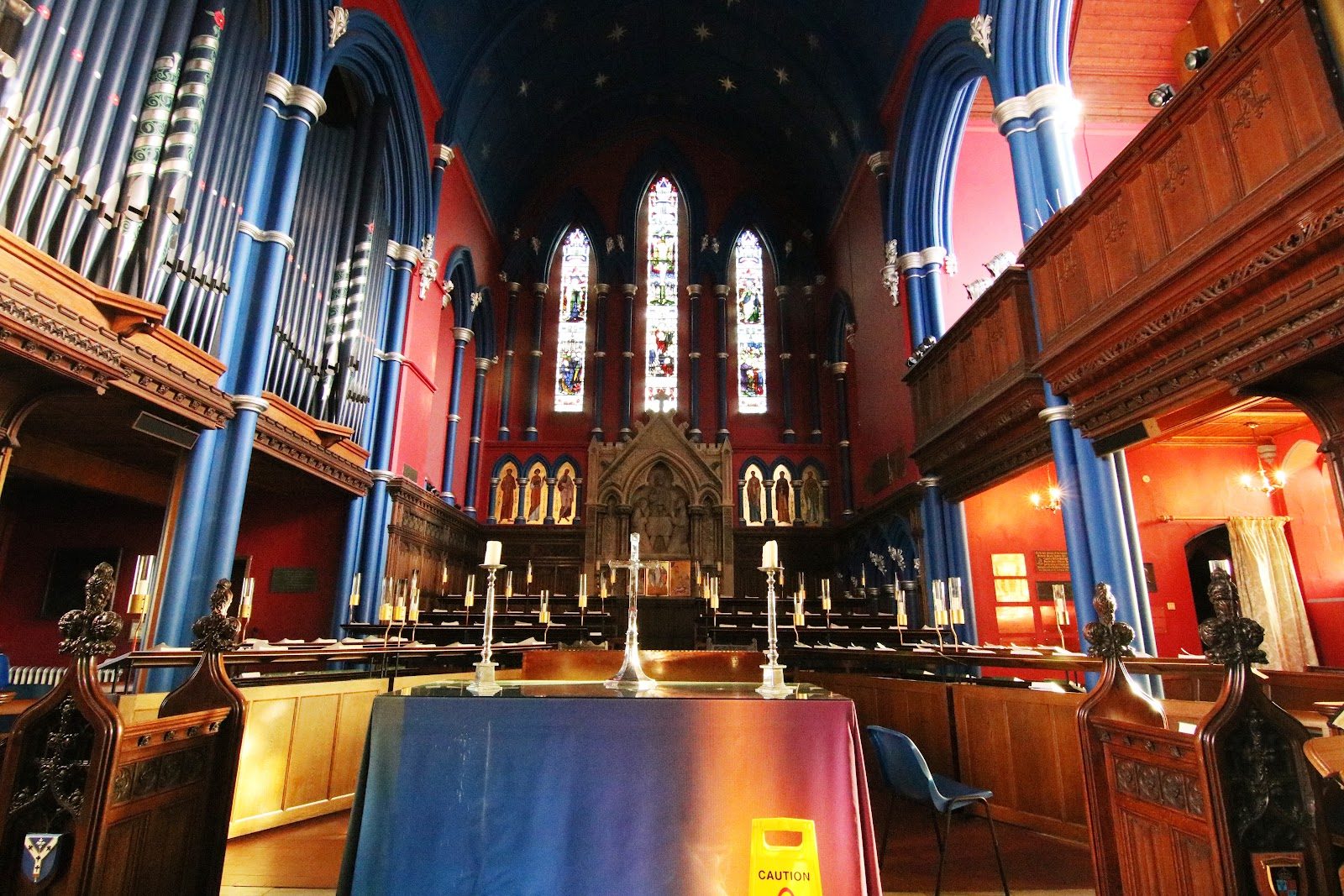
Shrewsbury School
Shrewsbury · United Kingdom
Curled inside a loop of the River Severn, twelve boarding houses keep alive a rowing tradition dating to 1866.
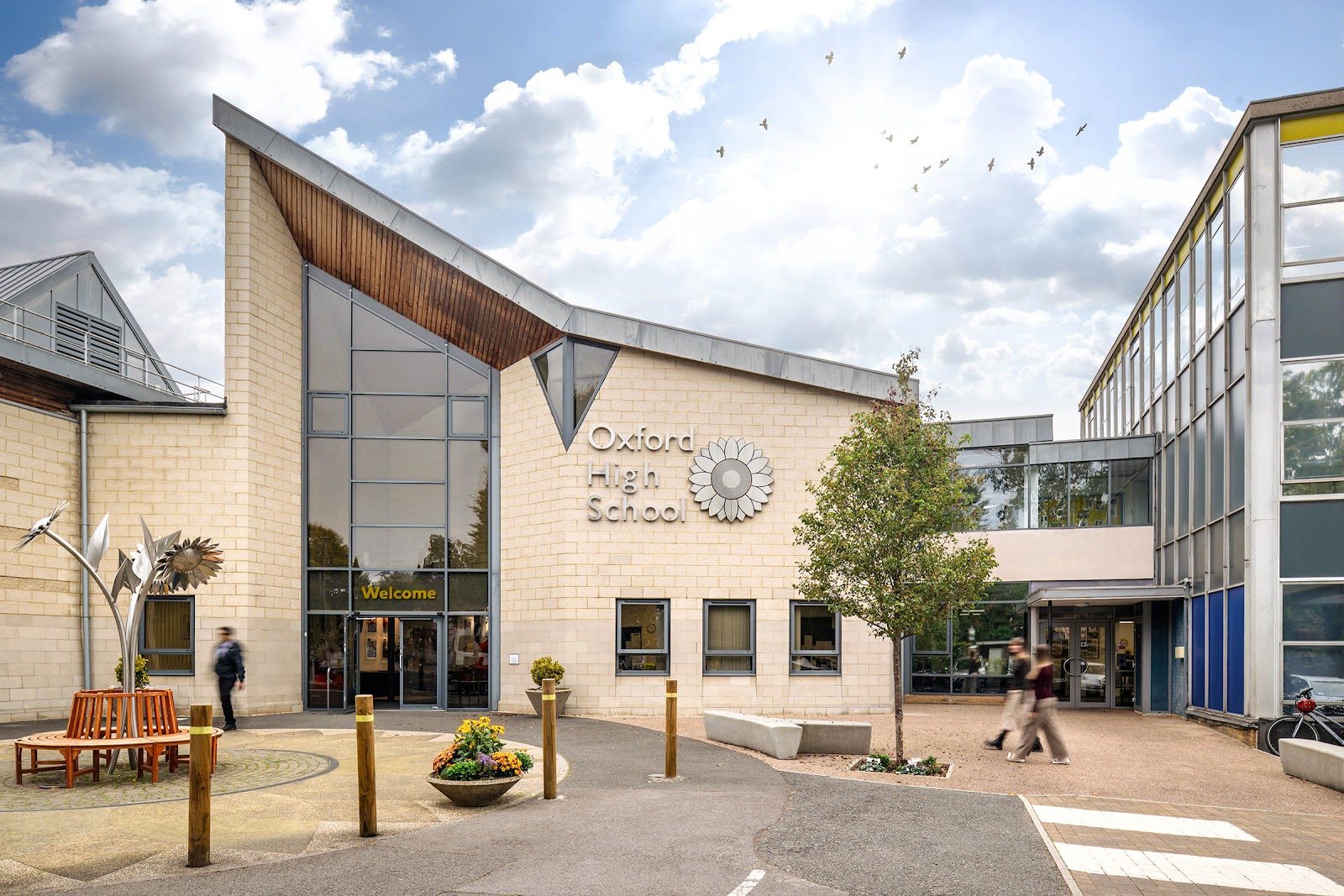
Oxford High School
Oxford · United Kingdom
One of England's earliest girls' day schools, founded in 1875, pairs Oxford scholarship with a culture of fearless inquiry.
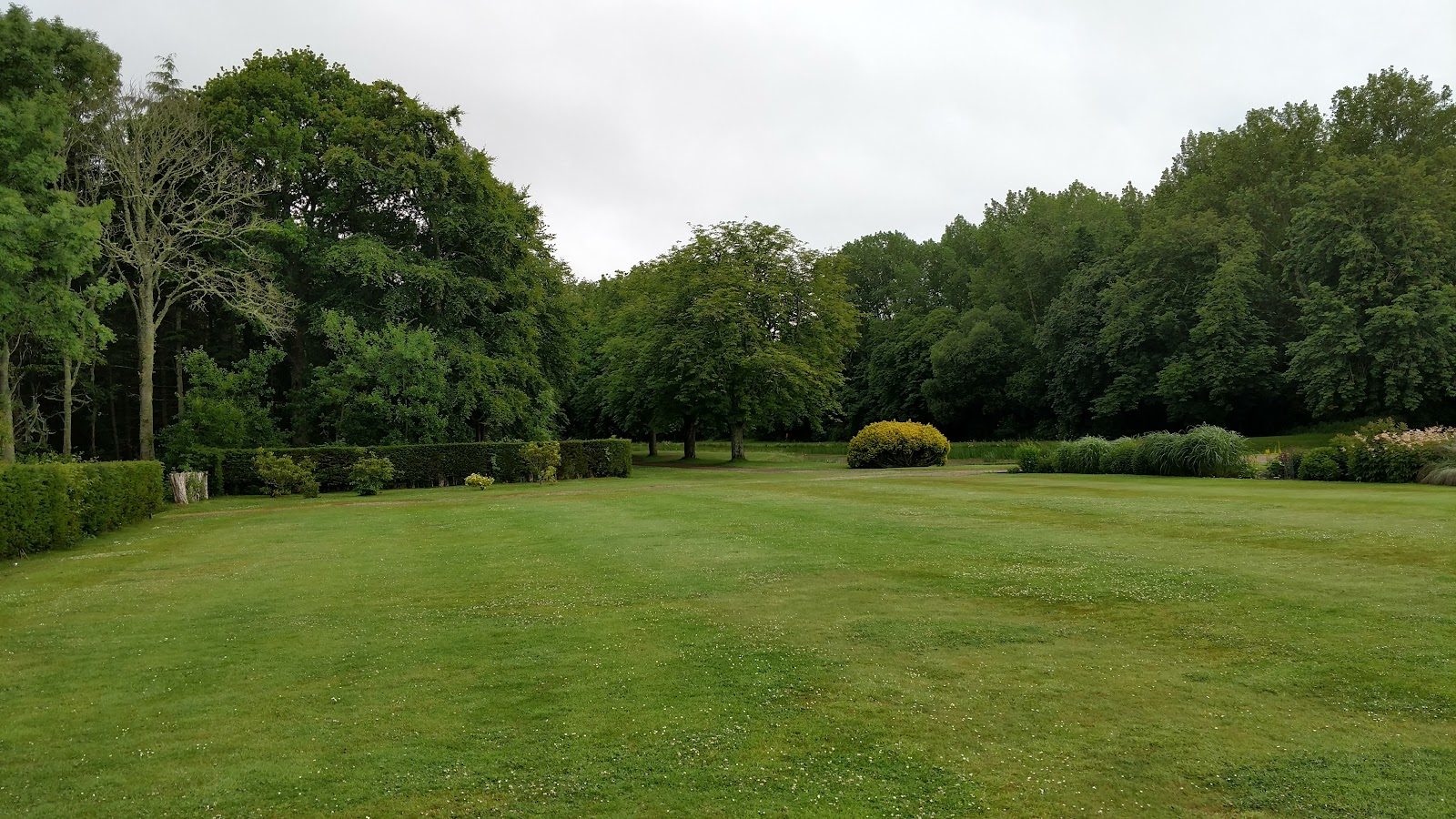
Gordonstoun
Elgin · United Kingdom
On Scotland's Moray coast, birthplace of Outward Bound, where sail training aboard the school's own ocean-going yacht counts as curriculum.
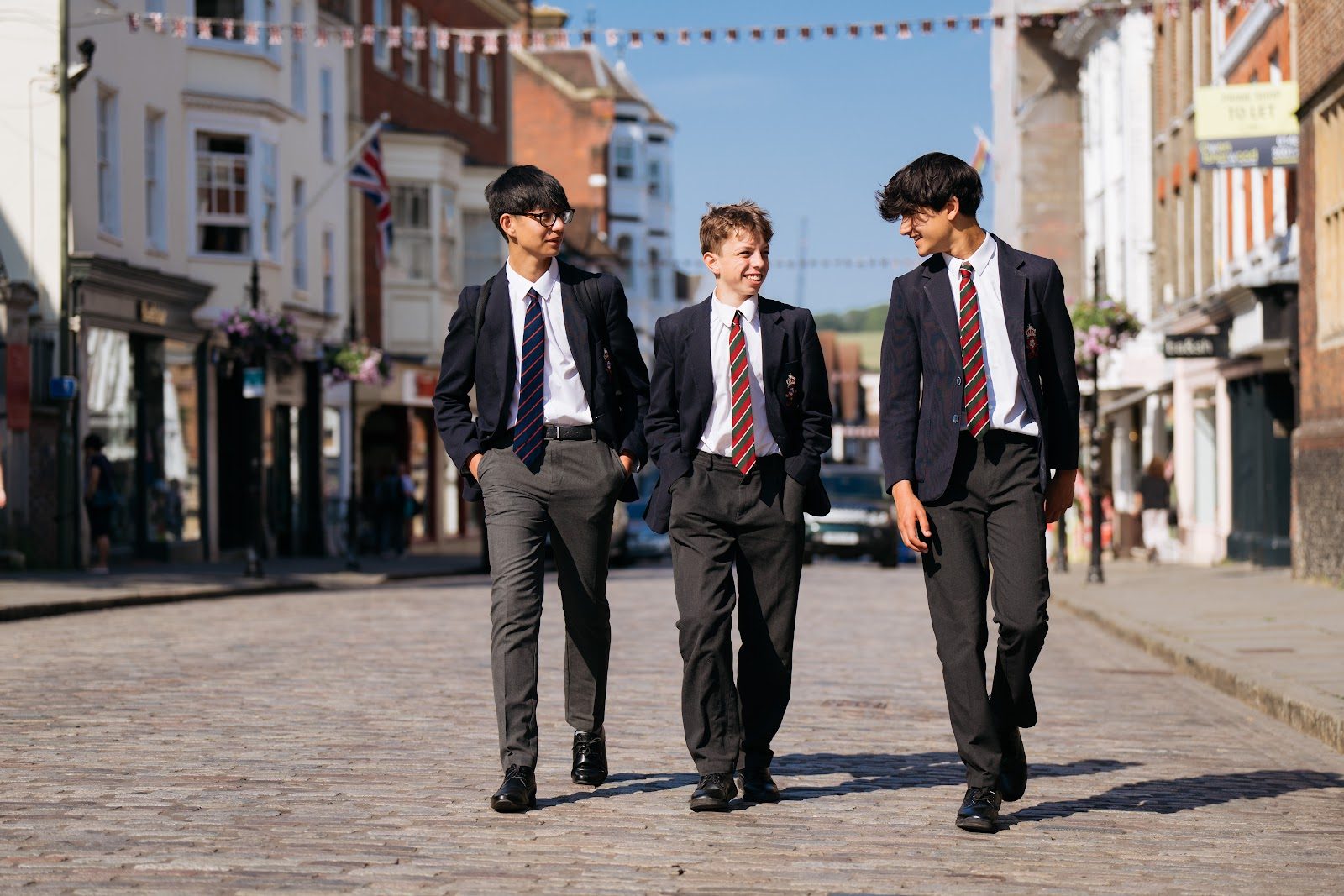
Royal Grammar School, Guildford
Guildford · United Kingdom
A working chained library inside a Grade I Tudor schoolroom anchors a 1509 foundation's steady march toward Oxbridge offers.
Same country and curriculum — closest matches within ±10 points either way