
Córdoba Province
Colegio Nacional de Monserrat
Founded in 1687 inside a UNESCO Jesuit block, this university-linked lyceum still elects its own leadership by vote.
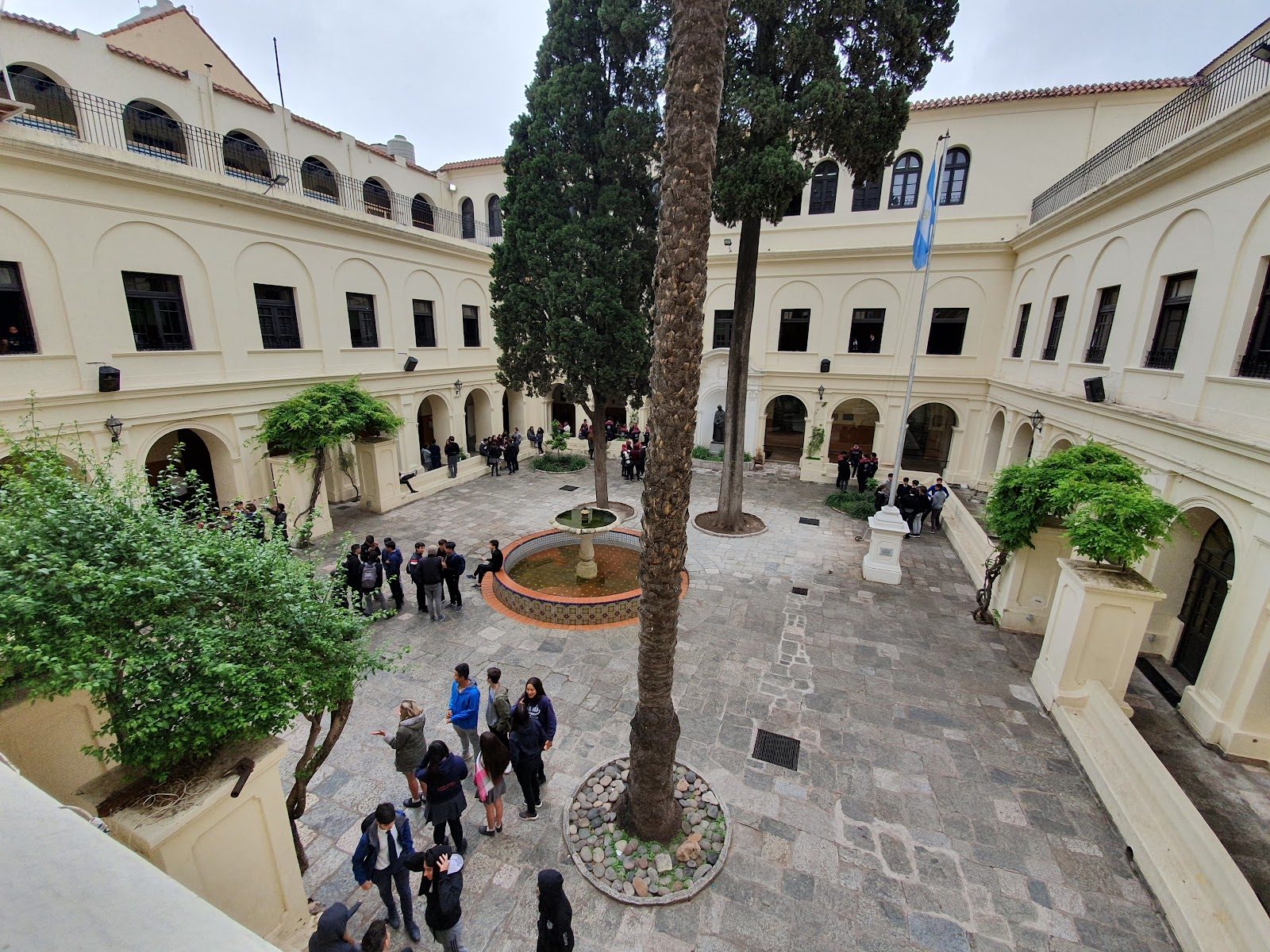
Photo © Jose Ladron de Guevara via Google Maps
Type
Day
Ages
13–18
Curriculum
Argentinian
Qualifications
Argentinian national curriculum (UNC-affiliated)
Ratio
—
The Verdict
Editor's commitment
Right for
Families who value substance over polish: a public, university-linked day school in Córdoba, founded in 1687, for ages 13–18.
Wrong for
Parents chasing a cushioned international-school package; this is an Argentinian secondary school in Spanish, English and Latin, not a concierge campus.
Watch out for
Prestige is real, but the model is exacting: a secular college-preparatory school, patterned after the European gymnasium, with no boarding escape hatch.
Ranking breakdown
Colegio Nacional de Monserrat · #736 of 1591
Composite score 66.0. 8 weighted criteria.
By criterion
Academic Outcomes
Weight 20%
#1002
of 1529 scored
University Placement
Weight 16%
#793
of 1529 scored
Prestige & Heritage
Weight 12%
#25
of 1571 scored
Alumni Network
Weight 12%
#442
of 1530 scored
Facilities
Weight 12%
#1336
of 1533 scored
Transparency & Communications
Weight 8%
#1151
of 1532 scored
Peer & Industry Review
Weight 10%
#893
of 1548 scored
Admissions Selectivity & Demand
Weight 8%
#247
of 1529 scored
Peer & Industry Review
How Colegio Nacional de Monserrat is regarded in the sector
66
Respected · medium confidence
Within Argentina, Monserrat is consistently paired with Colegio Nacional de Buenos Aires as one of the two oldest and most academically rigorous public preparatory schools in the country, a comparison repeated in national outlets like La Nacion and Clarin whenever education quality or historic 'colegios preuniversitarios' are discussed. Its status as part of the UNESCO World Heritage-listed Jesuit Block (inscribed 2000) gives it a cultural-heritage credibility that few secondary schools worldwide can claim, and this designation is frequently cited by heritage and education journalists covering Cordoba. Because it is constitutionally attached to Universidad Nacional de Cordoba, UNC admissions staff and faculty regard it as a reliable feeder whose graduates are well prepared for university coursework, a relationship documented in UNC's own institutional histories. Local Cordoba press (La Voz del Interior) regularly profiles the school during anniversaries, referencing its unbroken role since 1687 in shaping provincial and national elites, including multiple Argentine presidents. English-language independent guides (Good Schools Guide, WhichSchoolAdvisor) do not currently cover it, reflecting its public, non-international-market orientation rather than any deficit in regional standing.
- Juan Bautista Alberdi — Jurist and political theorist, law/politics
- Leopoldo Lugones — Poet and writer, literature
- Arturo Illia — President of Argentina, politics
Editors' overview
Colegio Nacional de Monserrat occupies rare ground in Latin American schooling: a public university-linked lyceum founded in 1687, housed within Córdoba’s UNESCO Jesuit block, and still marked by the intellectual discipline of the old gymnasium model. That combination gives it a profile few schools can match. This is not an international school, not a soft bilingual college-prep, and not a branded private campus trading on facilities. It is an academically serious Argentinian day school for ages 13–18, with teaching in Spanish, English and Latin, and a civic identity rooted in the National University of Córdoba. The result is institutional gravitas, scholarly seriousness and a sense of continuity that no new-build school can imitate.
What puts Monserrat on a parent’s shortlist is not polish; it is depth. The school’s public status matters. So does its long-standing reputation as a college preparatory institution. Families looking for an insulated international-school bubble will find the wrong fit here. Families who value intellectual tradition, public purpose and entry into one of Argentina’s strongest academic cultures will find a school with real academic weight. Its electoral governance also sets it apart: leadership chosen by vote signals a culture with civic backbone rather than top-down theatre. For the right student, that matters as much as the timetable.
The right student for Monserrat is academically ambitious, historically minded and comfortable in a demanding, text-based environment. A pupil drawn to languages, argument, humanities and disciplined study will thrive. A child who wants a glossy campus experience, heavy pastoral packaging or an easy ride will not. This is a school for students who value intellectual rigour, old-world discipline and the charge of studying in a place with more than 300 years of history behind it. In market terms, Monserrat sits in a narrow and distinguished category: a secular public lyceum with elite academic cachet, deep national roots and a university connection that gives it rare cultural authority.
Academic Performance
Monserrat’s academic standing rests on reputation, selectivity and university linkage more than on published exam data. The school is a college preparatory institution with national prestige, but it does not publish the kind of aggregate external-results dashboard international parents now expect: no IB averages, no A-level profile, no AP distribution, and no public table of cohort-wide outcomes. That is not a mark against the school in local terms; it is a feature of the system it sits in. For an overseas family used to forensic score reporting, the picture is opaque. For Argentine families who already know the school’s place in the hierarchy, the signal comes from status, admissions competition and the school’s long record of feeding students into demanding higher study.
Relative to peers, Monserrat sits in the top academic tier of traditional public secondary education in Argentina, with a profile closer to an old European lyceum than to a fee-driven international school. Its strength lies in intellectual formation rather than glossy metrics. Parents comparing it with private bilingual schools will find less data packaging and more reliance on institutional standing. That cuts both ways. The upside is a serious scholarly culture with clear academic cachet. The drawback is simple: without published cohort results, no outsider can verify year-by-year performance with precision. In editorial terms, this is a high-prestige, low-transparency academic proposition.
Facilities
Monserrat’s defining facility is the campus itself: not a purpose-built spread of sports halls, maker spaces and glossy theatres, but a historic academic building embedded in one of Argentina’s most important architectural ensembles. That gives students daily access to a setting with real intellectual atmosphere and a sense of seriousness that new private campuses struggle to manufacture. For families benchmarking on bricks and mortar, the trade-off is obvious. This is not a facilities-first school. Parents looking for resort-style grounds, aquatic centres or premium early-years design language are in the wrong market. What Monserrat offers instead is a scholarly, tradition-bound physical environment that suits text-heavy study, formal teaching and a strong institutional culture. In peer terms, it sits closer to an old European lyceum than to the amenity arms race of fee-charging bilingual schools.
The university linkage matters here because it changes the feel of the place, even when the school does not advertise a long list of specialist assets. We have not seen a published inventory covering science labs, arts spaces, sports provision or technology suites in the detail international parents now expect. That lack of disclosure leaves an information gap. Against elite private competitors, Monserrat loses on visible facilities packaging. Against public academic peers, it gains through historic setting, symbolic weight and proximity to a serious higher-education culture. That is a strong advantage for the right student and a weak proposition for families who equate quality with square metres and branded infrastructure.
Its electoral governance also sets it apart: leadership chosen by vote signals a culture with civic backbone rather than top-down theatre
Prestige
A Monserrat education carries genuine national prestige. The core reason is structural, not cosmetic: this is a public college-preparatory school tied to one of Argentina’s great university traditions, with a lineage closer to the European gymnasium than to the modern private-college marketplace. That distinction matters. In Argentina, public schools do not command elite status by default; most do not. Monserrat does because it occupies a narrow, culturally serious category associated with selection, intellectual discipline and high academic ambition. Its reputation extends well beyond its own city. When a school becomes shorthand for scholarly formation rather than convenience or social display, prestige hardens into something more durable.
We rate it highly because its status rests on institutional authority, not brand management. The school’s place inside a historic university ecosystem gives its name weight with families, academics and alumni in a way many expensive private schools cannot match. Its governance culture adds another layer: a school that elects its own leadership projects civic self-confidence and a sense of internal seriousness. There is, however, a limit to this prestige in international terms. Outside Argentina and parts of Latin America, the name carries less instant recognition than global private-school brands. That does not diminish its domestic standing. Within its own national context, Monserrat sits in a rarefied tier and delivers the kind of prestige that comes from intellectual reputation, not market gloss.
For students, that uniqueness brings a very specific kind of formation
Communications
Communication at Monserrat follows the logic of an old public institution, not a fee-paying service brand. Parents should expect formal notices, administrative updates and institutional announcements, not a polished stream of personalised engagement. That matters because the school’s culture places weight on student autonomy and on the institution itself, not on constant parental hand-holding. For families who want every deadline, event and policy change pushed out through slick multilingual platforms, this will feel spartan. For families comfortable navigating a serious public school, it reads as functional and adult. The website gives the school a clear official presence, but we have not seen the kind of parent-facing communications architecture common in international schools: no visible promise of concierge-style responsiveness, no heavy pastoral messaging, and no branded language built around customer care.
Effectiveness depends on what a parent needs. For routine institutional communication, Monserrat has the advantage of clarity of role: it is a school, not a hospitality operation. That keeps the tone direct. The weakness is transparency and ease of access. We have not seen a published communications charter, response-time standard, or a detailed breakdown of parent portals, reporting systems or community-engagement channels. That absence leaves an information gap. Our judgement: communication is serviceable rather than warm, strongest when handling official business and weaker for families who expect high-touch updates, extensive pastoral explanation or the white-glove cadence of expensive private schools.
Uniqueness
What makes Monserrat unique is not one feature but the collision of several that rarely coexist: a public secondary school, tied to a major university tradition, housed within a UNESCO-protected historic setting, and organised with an internal electoral culture that gives the institution a distinct civic seriousness. Most schools can claim heritage or academic ambition or public purpose. Monserrat combines all three, then adds a governance model that treats school life as participation rather than managed compliance. That gives students more than status. It places them inside a living institution with rules, rituals and expectations that carry real weight. The school’s European gymnasium lineage also matters. It signals a hard-edged intellectual identity built on disciplined study rather than the softer, service-heavy model now common in private education.
For students, that uniqueness brings a very specific kind of formation. They do not get a buffered campus experience or a consumer version of schooling. They get immersion in an environment where scholarship, history and institutional memory press in from every side, and where adolescence unfolds inside a school with more than 300 years of accumulated authority behind it. That can be galvanising for the right pupil: it sharpens seriousness, raises cultural horizons and makes education feel connected to something larger than personal advancement. It can also feel unforgiving for students who need warmth, flexibility or heavy pastoral scaffolding. Monserrat’s uniqueness lies in that exact exchange: less cushioning, more substance.
Monserrat’s uniqueness lies in that exact exchange: less cushioning, more substance
Student Profile
The Monserrat student is not a consumer of schooling but a participant in an institution with weight, rules and memory. The best fit is a teenager who enjoys hard study for its own sake, reads closely, argues well, and does not need constant adult cushioning to stay on track. Intellectual confidence matters here, but so does stamina. This is a school for pupils who can tolerate formality, absorb tradition without rolling their eyes, and take pride in belonging to something larger than their own personal brand. Students drawn to serious scholarship, civic responsibility and high-threshold academic culture will find peers who value the same things. Students who need continuous affirmation, flexible expectations or a soft landing from every setback will struggle.
Socially, the right pupil has a strong internal compass. Monserrat suits adolescents who can handle competition, respect authority without passivity, and work within a culture that asks for independence early. Curiosity in the humanities will play well; so will an appetite for languages, debate and disciplined written work. The school also suits families who value public institutions and accept that prestige here comes with fewer comforts and less hand-holding than at expensive private schools. For the right child, that trade is deeply formative. For the wrong one, it feels austere, pressurised and not for the faint-hearted.
This is not an international school, not a soft bilingual college-prep, and not a branded private campus trading on facilities
Co-curricular strengths
Arts & sport, on a separate axis
Overall 6.88/10
Scored 0-10 from the school's own published evidence. This axis is editorial-only — it does not feed the main WTS ranking.
Sports
8.2/10
Drama
6.5/10
Dance
5/10
Music
7.2/10
Visual Arts
7.5/10
Strengths
- +One of Argentina's oldest schools, founded in 1687 by the Jesuits and now affiliated with the National University of Cordoba since 1907.
- +Education is public and tuition-free, with only a modest voluntary annual cooperadora contribution rather than private-school fees.
- +Notable alumni include independence-era statesman Juan Jose Castelli, poet Leopoldo Lugones, and former presidents Nicolas Avellaneda and Jose Figueroa Alcorta.
- +The building is a declared National Historic Monument, sited in Cordoba's historic Jesuit block in the city centre.
- +Secondary graduates receive a reserved 10 percent direct-entry quota into the college's own pregrado (technical/vocational) courses.
Considerations
- −Entry is only at first year of secondary (around age 12-13) via a single competitive exam in language and maths, with limited places (240) against well over 1,100 applicants historically, making lateral entry for relocating families very difficult.
- −The school follows only the Argentinian national curriculum in Spanish, with no IB, A-Level or other international pathway on offer.
- −As a public institution it was single-sex (boys only) for over three centuries, with girls admitted only from 1998, a legacy that still shapes some of its institutional culture.
- −Facilities and resourcing reflect its status as a public university-run school rather than a fee-paying international school, so amenities may be more modest than private-sector rivals.
Availability
Primary entry gate & tests
UNC Merit Entry Course
Gallery
Photo © Alejandro Claverie via Google Maps
Photo © Pancho Marchiaro via Google Maps
Photo © Pablo Daniel Aodassio via Google Maps
Photo © Lucio Grinspan via Google Maps
Photo © Lucio Grinspan via Google Maps
Photo © Adela Jablonska via Google Maps
Photo © Ramiro S. via Google Maps
Parent reviews
Have you sent your child here?
Voice reviews carry the strongest trust badge — we transcribe them for you to tidy up before they go live. Prefer to type? A written review is fine too.
Add your voice
In 60 seconds, tell other parents: what's the best thing about Colegio Nacional de Monserrat, and what surprised you when your child joined?
We ask for a Google sign-in so every review has a real face behind it — no anonymous drive-by attacks on schools, and no faked positive reviews. Your email is never shown publicly.
Send this profile to a friend
International parents rely on word-of-mouth. Share this review with someone weighing the same decision.
Schools with places
Similar schools to Colegio Nacional de Monserrat with places available now.
Belgrano Day School
Buenos Aires · Argentina
- 2026-27
- CLOSEDStandard route closed
- 2027-28
- PLACES OPEN
Asociación Escuelas Lincoln
Buenos Aires · Argentina
- 2026-27
- WAITPOOLSpace-dependent
- 2027-28
- PLACES OPENRolling
St Andrew's Scots School (Colegio San Andrés)
Buenos Aires · Argentina
- 2026-27
- CLOSEDStandard route
- 2027-28
- WAITPOOL2027/28 enquiries underway
Availability first, then country, area, curriculum, price, co-curricular
Consider also
Also worth looking at alongside Colegio Nacional de Monserrat.

Belgrano Day School
Buenos Aires · Argentina
Since 1912, four houses have anchored a Belgrano campus blending English immersion from age two with Cambridge A-levels.
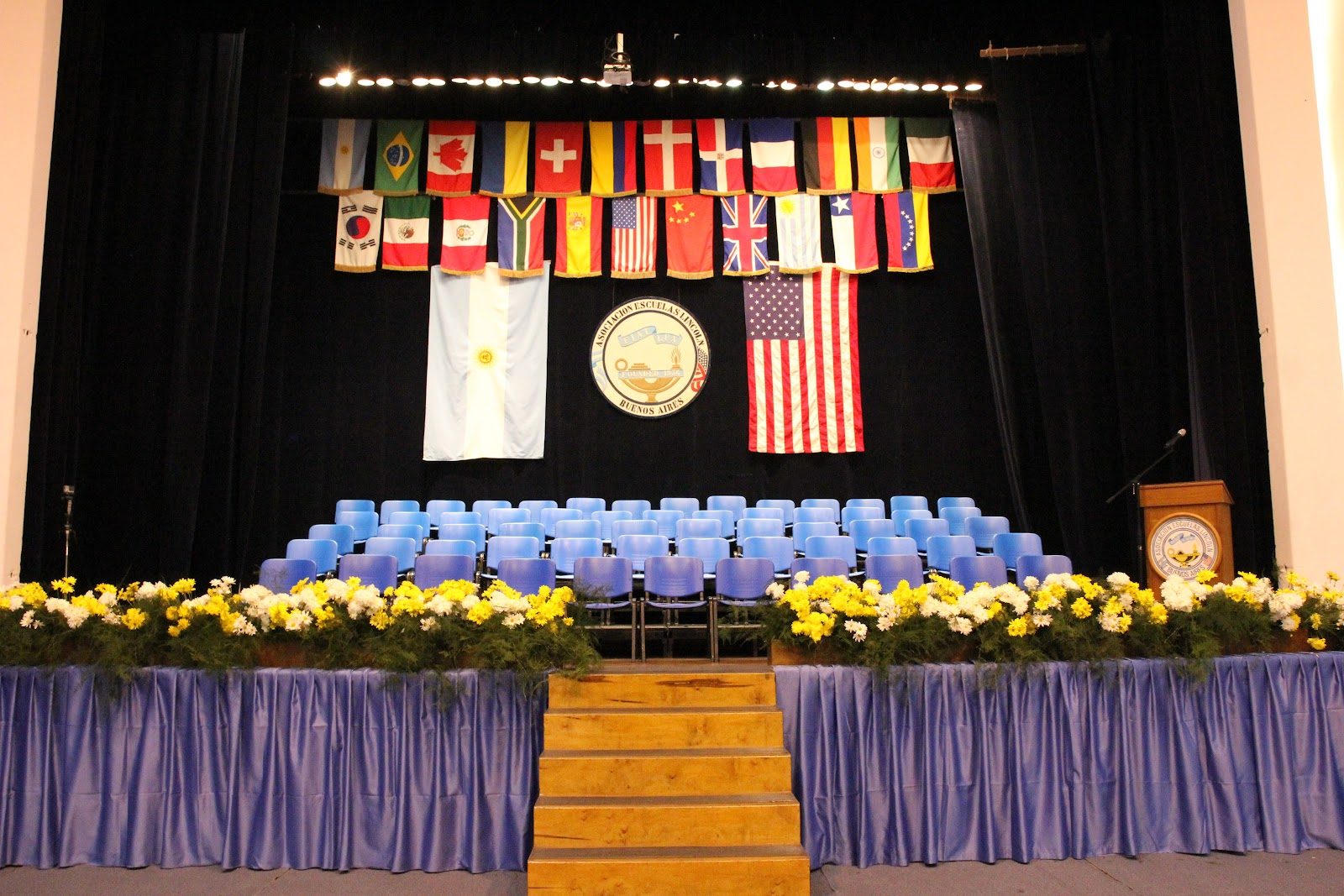
Asociación Escuelas Lincoln
Buenos Aires · Argentina
Where a Rio de la Plata campus in La Lucila delivers American, Argentine, and IB diplomas under Argentina's only US accreditation.

Millfield School
Street · United Kingdom
Sixty-plus sports and an Olympic-length pool anchor a 240-acre Somerset campus built for athletes and scholars alike.
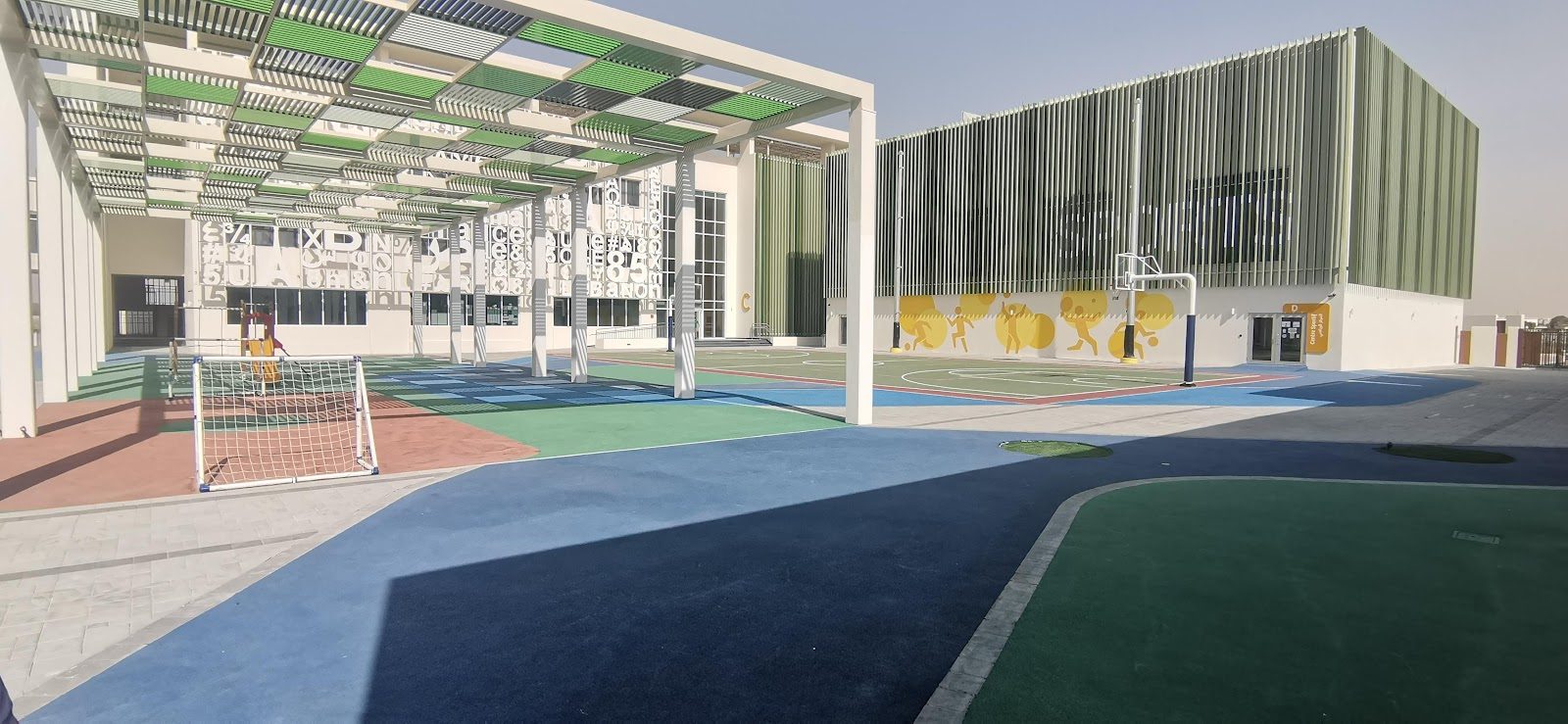
Lycée Libanais Francophone Privé
Dubai · United Arab Emirates
Rooted in Lebanese Francophone heritage, this trilingual lycee pairs rigorous French Baccalaureate study with a solar-powered Meydan campus.
Same country and curriculum — closest matches within ±10 points either way