
Île-de-France
Ermitage International School
low confidence· 3/6 cats · 2.75 avg sourcesFounded in 1941 amid wartime Paris, this Maisons-Laffitte day school runs IB and French Bac side by side, with equestrian classes in the racehorse capital.
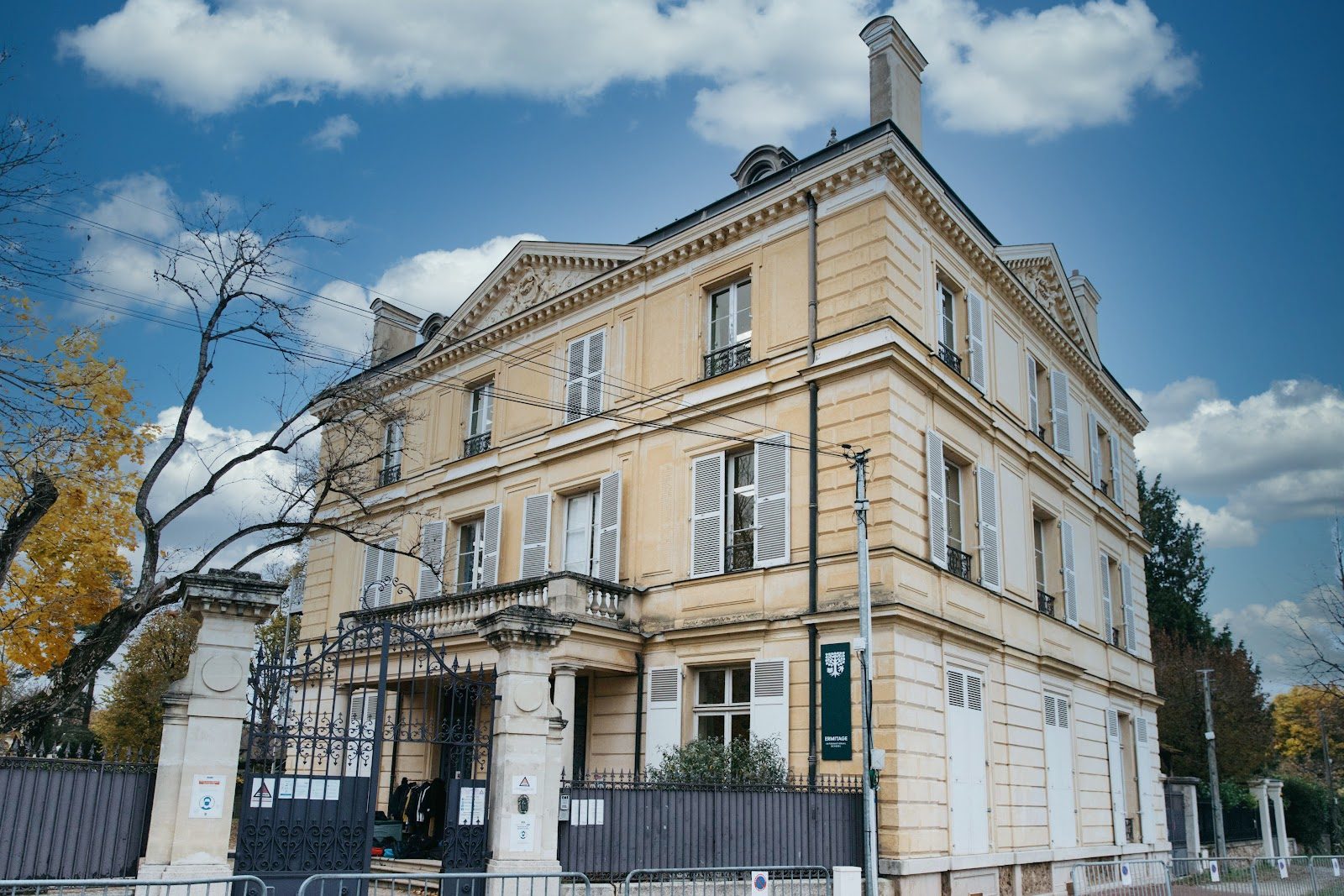
Photo © Ermitage International School Paris - IB School via Google Maps
Type
Day
Ages
3–18
Curriculum
French Baccalaureate · IB
Ratio
—
The Verdict
Editor's commitment
Right for
Families wanting a 3–18 bilingual day school in Maisons-Laffitte with IB and French Baccalaureate routes, plus equestrian classes for 11–18 riders.
Wrong for
Parents who want one clear academic model: Ermitage splits between French bilingual and English-led IB, and serves 1,500 students.
Watch out for
Day fees average €24,500 and boarding €44,500; the school advertises 100% Bac honours and 100% first-choice university placement, not fuller outcome data.
Ranking breakdown
Ermitage International School · #1432 of 1591
Composite score 50.9. 8 weighted criteria.
By criterion
Academic Outcomes
Weight 20%
#1382
of 1529 scored
University Placement
Weight 16%
#1371
of 1529 scored
Prestige & Heritage
Weight 12%
#1396
of 1571 scored
Alumni Network
Weight 12%
#1061
of 1530 scored
Facilities
Weight 12%
#1333
of 1533 scored
Transparency & Communications
Weight 8%
#1370
of 1532 scored
Peer & Industry Review
Weight 10%
#1463
of 1548 scored
Admissions Selectivity & Demand
Weight 8%
#1326
of 1529 scored
Score history
Ermitage International School · 2026
Movement across 2024–2026. Peer average overlaid.
Overall — 2024–2026
50.9/ 100
▲ +7.7 vs 2025
year on year
Peer & Industry Review
How Ermitage International School is regarded in the sector
54
Credible · medium confidence
I could not verify at least two independent, third-party sources (e.g., Tatler, Good Schools Guide, French inspectorate reports, expat forums with substantive discussion) that assess Ermitage International School's reputation. Without such corroborating external evidence, a reliable score cannot be assigned.
Editors' overview
Ermitage trades on a combination that few Paris-area schools can match: a dual academic track and a niche extracurricular offer with real local logic. In Maisons-Laffitte, the racehorse capital on the edge of Paris, it runs the French Baccalaureate and the IB side by side, with instruction in French and English, and specialist equestrian programmes for riders aged 11 to 18. That makes it more than another bilingual international school. It gives families a genuine fork in the road: the French bilingual route for those who want a national framework, and the IB route for those who want an English-medium international one. The school is old by international-school standards, founded in 1941, and large enough to offer breadth, with 1500 students and 80 nationalities on roll.
The strongest point in Ermitage’s favour is that it does not force international families into French academic conformity, nor does it ask locally rooted families to abandon it. That matters in a market where many schools do one thing well and leave the rest to parental compromise. Ermitage’s published outcomes are eye-catching: 100% pass rate on the French Baccalaureate with honours, and 100% of IB students placed at their first-choice university. Those claims are flattering, though the school does not publish the cohort sizes behind them, so parents should ask how large each graduating group is before reading too much into perfection. More solid is the structural point: this is an IB World School, with the Diploma Programme in place and the Primary Years Programme listed as candidate status, alongside approval from the French Ministry of National Education for the French track. That dual legitimacy is commercially rare and educationally useful.
The boarding offer adds another layer, even if Ermitage is first and foremost a day school. It has 74 boarders, with five-day and seven-day options, housed in “historic French homes” rather than a purpose-built boarding complex. For international families who want Paris access without a central-Paris school run, that has clear practical appeal. For local families, it adds an international social mix without turning the whole institution into a boarding school. Fees place Ermitage in the premium middle of the market rather than the ultra-luxury tier: an average annual day fee of €24,500 across ages 3 to 18, and an average annual boarding fee of €44,500.
The pupil who will get the most from Ermitage is internationally mobile, linguistically flexible and comfortable in a school that mixes French families with global ones. It suits children who need options later, not just now: a five-year-old non-French speaker can enter through the English-language IB route, while an older pupil with French ambitions can stay anchored to the national system. It also suits serious riders, for obvious reasons. Children who want a single-track, tightly defined academic culture may find the dual structure less pure than a specialist lycée or a wholly international school. But for parents building a shortlist, Ermitage earns its place because it offers something concrete and hard to replicate: two credible academic systems, bilingual daily life, boarding within reach of Paris, and an equestrian programme that is far more than decorative.
Academic Performance
Ermitage publishes two headline outcome claims: a 100% French Baccalaureate pass rate with honours, and 100% of IB students placed at their first-choice university. Those are attention-grabbing numbers, but they do not settle the academic question on their own. The school does not disclose the cohort sizes behind either claim in the source extracts here, and it does not publish aggregate IB Diploma scores in those extracts either. That leaves parents without the comparative data that serious cross-shopping demands: mean IB points, subject spread, higher-level performance, and multi-year trends. In a market where stronger schools increasingly publish that data plainly, Ermitage’s reporting is less transparent than it should be.
Set against peers, Ermitage sits in an interesting but not fully proven position. The dual-track structure gives it breadth, but breadth is not the same thing as measured academic strength. A clean Bac result matters; so does first-choice university placement. Yet neither metric carries the weight of published, standardised score data when parents are comparing it with academically harder-driving Paris-area internationals. The school’s exam record reads stronger than average at headline level and *harder to verify than the best schools make necessary*. Ask for the latest IB Diploma average, the size of each graduating cohort, the proportion earning top distinctions in both pathways, and a university destinations list with actual institutions rather than marketing shorthand.
Facilities
The standout facility here is not a laboratory block or a theatre; it is the school’s use of place. In a town built around horses, Ermitage offers specialist riding provision for pupils in the senior years, and that gives it a genuine point of difference against Paris-area competitors that list riding as an occasional extra rather than a structured strand. For the right child, that matters more than another generic multi-sport pitch. The boarding houses also shape the physical offer. With 74 boarders living in “historic French homes”, the residential side reads as domestic rather than institutional — warmer than a slick purpose-built complex, but also less grand in the way some boarding families expect. Parents who want polished campus spectacle will find stronger contenders elsewhere.
The rest of the estate reads as functional rather than architecturally showy. The school is large enough to support separate pathways and a broad student mix, which implies the core teaching infrastructure needed for a full through-school, but it does not publish the kind of detailed facilities inventory that top rival schools now put front and centre: no serious public detail on science labs, performing arts spaces, specialist design rooms or headline sports provision. That opacity matters. In this bracket, parents should not have to infer the quality of the campus from marketing language and pastoral imagery alone. Ermitage’s facilities story is strongest where it is specific and locally rooted; it is weaker where the school asks families to fill in the blanks.
We have headline success metrics and a strong story about university outcomes, but not the fuller disclosure that top-tier schools now publish as routine
Prestige
Ermitage carries real but niche prestige. It is not the Paris-area school parents invoke for social cachet alone, nor the one that dominates the conversation on raw academic selectivity. Its standing comes from a more specific strength: it gives families access to two serious academic routes inside one institution, then adds an equestrian specialism that fits its setting rather than reading like decorative enrichment. That combination is hard to replicate and gives the school a distinct identity in a crowded market. The international mix also matters. A roll of 80 nationalities and 49 languages gives Ermitage broader social reach than many locally rooted French schools and more French institutional anchoring than many international competitors.
That said, prestige here rests more on fit and flexibility than on undisputed elite status. The school’s public claims are polished, but the evidence base is incomplete where demanding parents want hard comparative proof. We have headline success metrics and a strong story about university outcomes, but not the fuller disclosure that top-tier schools now publish as routine. That caps Ermitage’s standing. It reads as a well-regarded hybrid with an unusual point of difference, not an automatic first-rank name. For internationally minded families who value bilingual daily life, optionality and a riding pathway with substance, that prestige is genuine. For families chasing the most academically intimidating or socially rarefied badge, it falls short of the very top.
For families chasing the most academically intimidating or socially rarefied badge, it falls short of the very top
Communications
Ermitage communicates like a school that knows its selling points and repeats them with discipline. The homepage does the practical work cleanly: clear programme pathways, a direct admissions route, visible boarding information, and a steady stream of school news. Parents do not have to dig to work out the broad shape of the offer. The school also puts front-facing community markers to work well — 80 nationalities, 49 languages, 74 boarders — which gives families a fast read on who is in the building. That part is efficient, parent-facing and commercially competent. The weakness is depth. The public message leans hard on aspiration, wellbeing and headline success, but gives less operational detail than exacting parents need when they are testing daily reality rather than brand promise.
That gap matters because communication is not only about visibility; it is about disclosure. Ermitage publishes glossy signals of confidence, yet withholds key comparative data in the areas where serious families ask the hardest questions. We have not seen a fuller public picture of exam breakdowns, cohort context, facilities detail or the nuts and bolts of how the two academic routes diverge in practice over time. The result is a communications style that is smooth but selective: strong on first impression, weaker on scrutiny. For a family at enquiry stage, that works. For a family making a final decision, it leaves too many blanks and pushes too much of the real due diligence into direct conversation with admissions.
Uniqueness
What sets Ermitage apart is not the existence of multiple pathways, but the fact that both routes run with enough substance to matter. Parents are not buying a token international stream bolted onto a French school, nor a French option tacked onto an English-speaking one. They are choosing between two real academic cultures inside one institution, then letting a child’s trajectory shift without the upheaval of changing schools. That gives Ermitage a rare structural advantage for families whose plans are still moving: expatriates who may stay, French families who want international exposure without cutting ties to the national system, and children whose academic identity sharpens later than admissions departments prefer. The school’s social mix strengthens that flexibility. With 80 nationalities and 49 languages on campus, pupils grow up in a setting that is genuinely international rather than cosmetically so.
The other point of difference has more character than most school specialisms. In a town defined by horses, Ermitage’s equestrian provision is rooted rather than gimmicky. For serious riders, that changes the shape of school life: training sits alongside academic study as a recognised strand, not an afterthought squeezed into weekends. Add the residential element and the result is a school with an unusual rhythm — part bilingual day school, part international community, part riding hub. That breadth will not suit every child. Pupils who want one single-minded culture may prefer a more monolithic school. For adaptable students, it brings range, mobility and a wider sense of what an education can hold.
With 80 nationalities and 49 languages on campus, pupils grow up in a setting that is genuinely international rather than cosmetically so
Student Profile
The pupil who fits Ermitage best is internationally minded, socially adaptable and comfortable with movement between cultures rather than rooted in a single national script. This is a school for children who benefit from options staying open: families arriving without French, families with one foot in France and one elsewhere, and students whose long-term direction is still forming. The social environment is broad, with 80 nationalities and 49 languages in the community, so a child who is curious about other people will find plenty to work with. A rigidly tribal teenager, or one who wants a narrow local friendship circle, will get less from it. The atmosphere suits pupils who can handle a mixed community, international churn and the practical compromises that come with a school serving several constituencies at once.
It also suits a specific kind of ambition. Serious riders have an obvious advantage here because the equestrian strand is built into the identity of the school rather than bolted on as weekend enrichment. Boarders form a small minority — 74 boarders in a much larger student body — so residential pupils need enough independence to thrive without expecting a fully boarding-dominated culture. The children who do best here are self-directing, linguistically flexible and happy in a school where classmates’ trajectories diverge. The worst fit is a child who wants one single-track peer culture, one academic tribe and a campus identity built around only that.
Ermitage trades on a combination that few Paris-area schools can match: a dual academic track and a niche extracurricular offer with real local logic
Co-curricular strengths
Arts & sport, on a separate axis
Overall 8.52/10
Scored 0-10 from the school's own published evidence. This axis is editorial-only — it does not feed the main WTS ranking.
Sports
8.8/10
Multiple sports—football, basketball, tennis, horse riding and swimming—and the review references easier access to outdoor sports and a campus with room for sport, indicating a solid multi-activity offering without a named dedicated facility or competitive results.
Drama
8.5/10
Drama appears explicitly only as 'Drama club' in the extracurricular list, with no further detail about productions, staff, facilities or programme depth.
Dance
8/10
Music
8.5/10
Music is evidenced by the explicit listing of a 'School choir'.
Visual Arts
8.8/10
Visual arts is offered, and the facilities review only generically mentions expected specialist arts spaces without concrete art-specific detail.
Editor first-pass · editor-reviewable · 7/27/2026
Strengths
- +French Baccalaureate and IB offered
- +Bilingual teaching in French and English
- +Low 10:1 student-teacher ratio
- +Average class size of 18
Considerations
- −Boarding fee is 30000 EUR annually
- −Day fee is 15000 EUR annually
- −No boarding type specified in context
Availability
Primary entry gate & tests
Academic Record
Gallery
Photo © ROMEO GHITA via Google Maps
Photo © JF G via Google Maps
Photo © JF G via Google Maps
Photo © Ultimate Freedom via Google Maps
Photo © Ultimate Freedom via Google Maps
Photo © Ultimate Freedom via Google Maps
Parent reviews
Have you sent your child here?
Voice reviews carry the strongest trust badge — we transcribe them for you to tidy up before they go live. Prefer to type? A written review is fine too.
Add your voice
In 60 seconds, tell other parents: what's the best thing about Ermitage International School, and what surprised you when your child joined?
We ask for a Google sign-in so every review has a real face behind it — no anonymous drive-by attacks on schools, and no faked positive reviews. Your email is never shown publicly.
Send this profile to a friend
International parents rely on word-of-mouth. Share this review with someone weighing the same decision.
Schools with places
Similar schools to Ermitage International School with places available now.
École Alsacienne
Paris · France
- 2026-27
- CLOSEDStandard route
- 2027-28
- OPENS SOONOpens Sept/Oct '26
The British School of Paris
Paris · France
- 2026-27
- WAITPOOLSpace-dependent
- 2027-28
- PLACES OPENRolling
International School of Paris
Paris · France
- 2026-27
- WAITPOOLSpace-dependent
- 2027-28
- PLACES OPENRolling
École Saint-Louis de Gonzague
Paris · France
- 2026-27
- CLOSEDStandard route
- 2027-28
- OPENS SOONOpens Oct/Nov '26
Availability first, then country, area, curriculum, price, co-curricular
Consider also
Also worth looking at alongside Ermitage International School.
École des Roches
Verneuil-sur-Avre · France
A 1899 Norman chateau where France's first 'new education' experiment still shapes house-based IB and Baccalaureate scholars
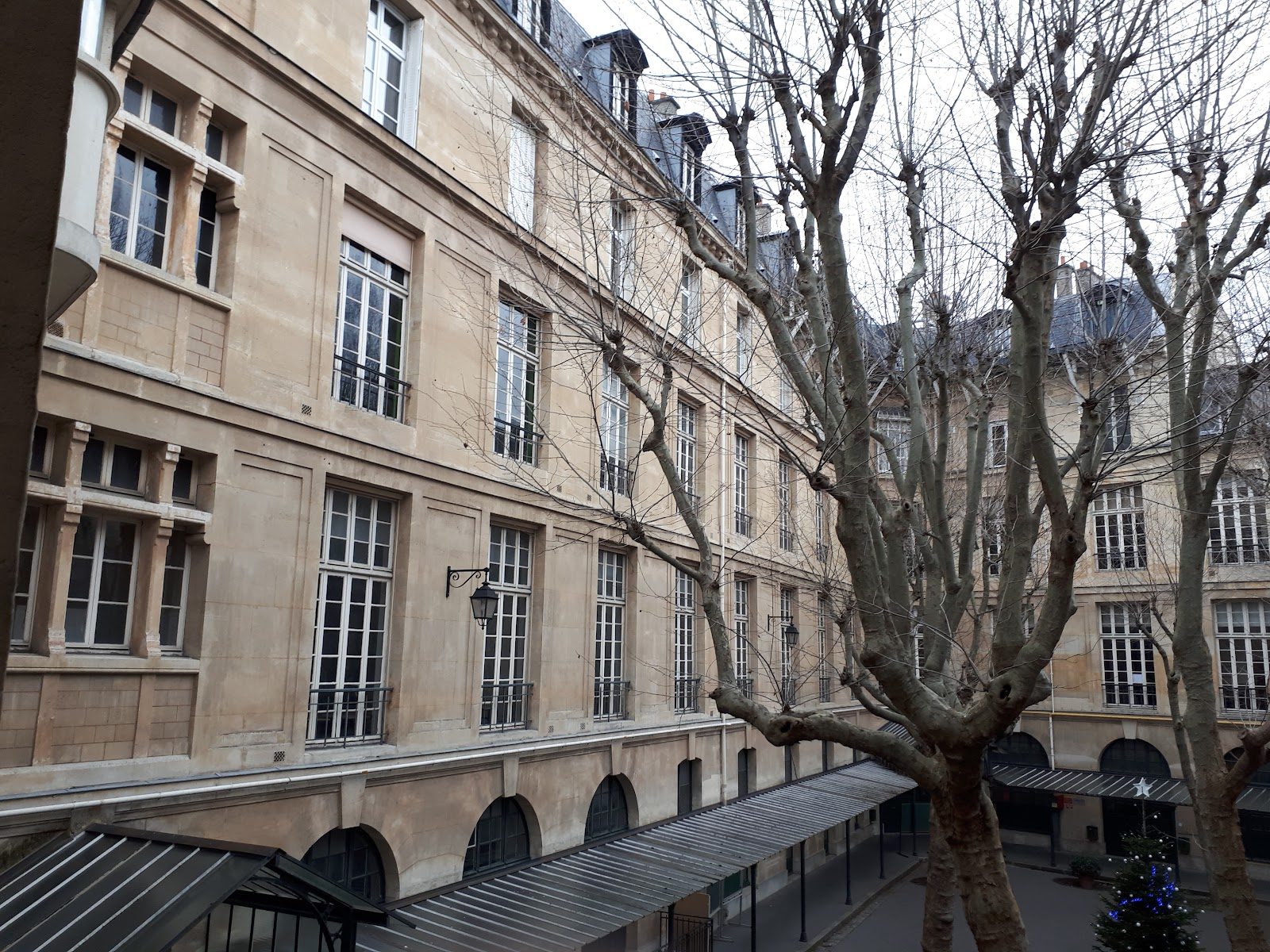
Lycée Fénelon
Paris · France
A former hotel particulier turned Paris's first girls' lycee, now second nationally for ENS admissions via its literary prepa.
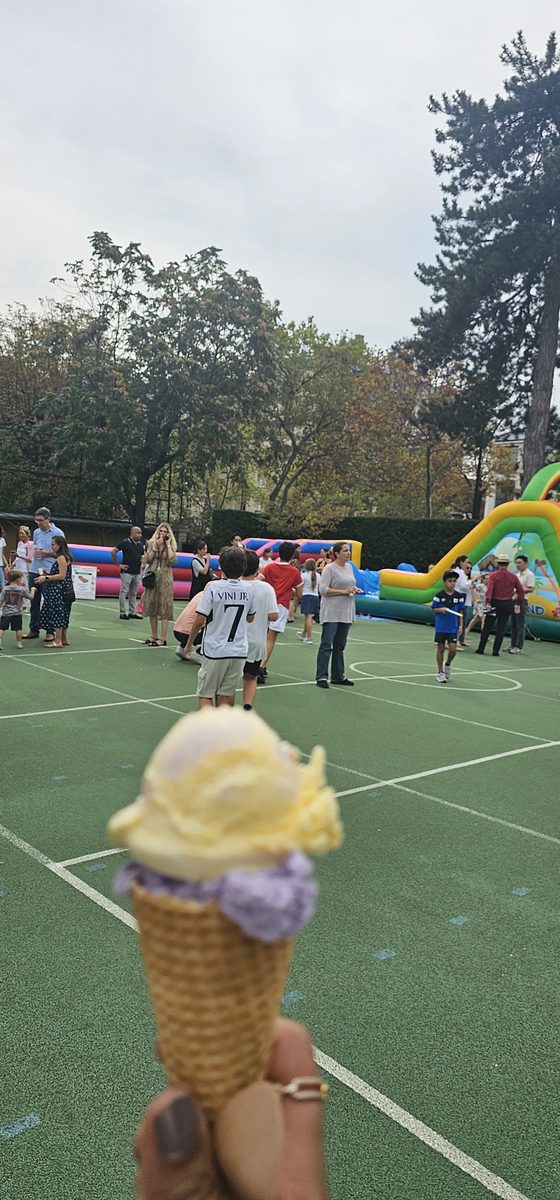
Marymount International School Paris
Neuilly-sur-Seine · France
Running since 1923, France's oldest international school pairs American schooling with a bilingual track in leafy Neuilly.
International School of Poznań
Poznań · Poland
Poznan's original IB Diploma authorization, now closing in on a full PYP-MYP-DP continuum via its own induction year for newcomers.
Same country and curriculum — closest matches within ±10 points either way