
Île-de-France
Marymount International School Paris
low confidence· 3/6 cats · 3.43 avg sourcesRunning since 1923, France's oldest international school pairs American schooling with a bilingual track in leafy Neuilly.
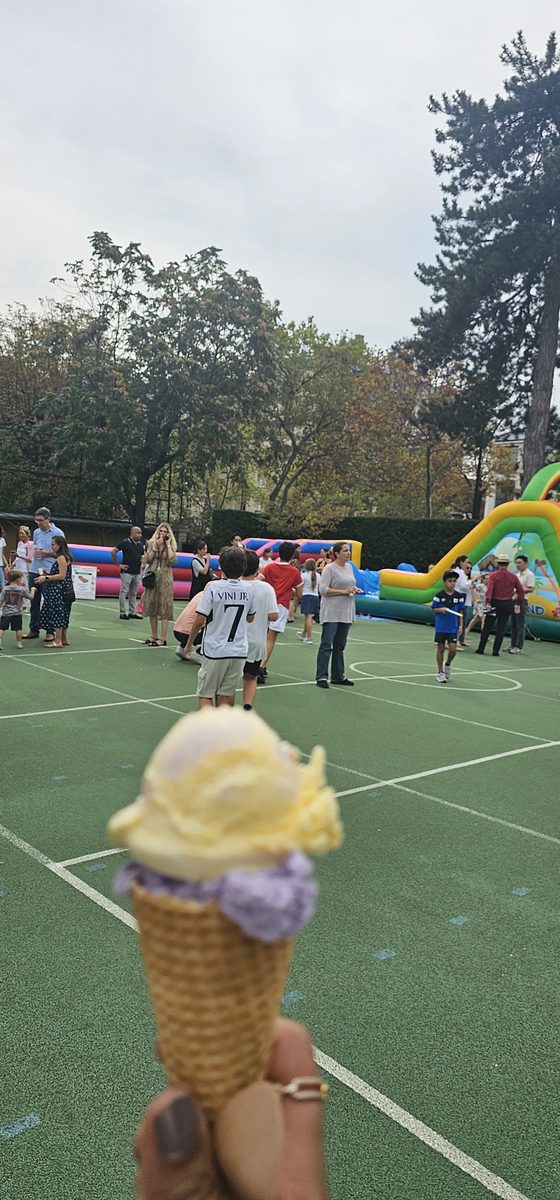
Photo © Iman Abdulwaheed via Google Maps
Type
Day
Ages
2–15
Curriculum
American
Qualifications
AP
Ratio
5:1
The Verdict
Editor's commitment
Right for
Families wanting an English-medium Catholic day school in Neuilly-sur-Seine, with an American curriculum from age 2 to 15.
Wrong for
Anyone needing boarding, post-16 provision or a non-religious setting; Marymount is day-only, Catholic, and stops at age 15.
Watch out for
NAIS and MSA accreditation give reassurance, but this is a relatively narrow offer: American curriculum, English instruction, ages 2–15 only.
Ranking breakdown
Marymount International School Paris · #1543 of 1591
Composite score 45.5. 8 weighted criteria.
By criterion
Academic Outcomes
Weight 20%
#1475
of 1529 scored
University Placement
Weight 16%
#1479
of 1529 scored
Prestige & Heritage
Weight 12%
#1493
of 1571 scored
Alumni Network
Weight 12%
#1181
of 1530 scored
Facilities
Weight 12%
#1498
of 1533 scored
Transparency & Communications
Weight 8%
#1472
of 1532 scored
Peer & Industry Review
Weight 10%
#1495
of 1548 scored
Admissions Selectivity & Demand
Weight 8%
#1471
of 1529 scored
Score history
Marymount International School Paris · 2026
Movement across 2024–2026. Peer average overlaid.
Overall — 2024–2026
45.5/ 100
▲ +2.9 vs 2025
year on year
Peer & Industry Review
How Marymount International School Paris is regarded in the sector
64
Respected · medium confidence
Marymount International School Paris appears in Good Schools Guide International's directory of Paris international schools and is regularly recommended on established expat-parent forums (e.g., Message Board Paris, Expat.com discussions) as one of the long-standing Catholic/IB options in the western Paris suburbs. It lacks the frequent 'best school in France' list placements or specialist press profiles seen for top-tier peers like the British School of Paris or Marymount's own reputation abroad, but it has a solid, multi-decade regional standing among the expat community.
Evidence sources
Editors' overview
Marymount International School Paris occupies a distinct niche in the Paris market: a small, old-established, English-medium day school with Catholic roots, an American curriculum, and a notably international intake. Founded in 1923 and based in Neuilly-sur-Seine, it trades less on Parisian prestige than on continuity, intimacy and portability. For families who may move countries again, that matters. The school says it is the oldest international school in France; more importantly, it appears built for globally mobile families who want an English-speaking environment without giving up French entirely. The headline numbers are strong and unusually concrete: a 1:5 teacher-student ratio, 63 nationalities, and a dual-language French-English programme from Grade 5 upwards. The atmosphere, at least by declaration, is purposeful, outward-looking and explicitly values service.
What is special here is not raw scale or selective glamour, but the combination of pastoral closeness and international breadth. Marymount is part of the RSHM network and still retains a visible religious heritage, yet it also presents itself as multi-faith, citing 18 faiths on campus. That will appeal to some families and deter others; either response is reasonable. This is not a secular, urban-lite international school trying to flatten out its identity. Its Catholic foundation is part of the proposition, even if the student body is broad. Academically, the school leans heavily on internal indicators, including its claim that 100% of students exceed MAP averages and that 99% gain entry to their first-choice high school internationally. Those figures are encouraging, though parents should still ask the more useful follow-up questions: which high schools, in which countries, and with what level of counselling support.
Why shortlist it? Because in a city where some international options are either very large, very French-facing, or highly transactional, Marymount offers something more grounded, warmly structured and unshowy. Its age range, 2–15, makes it especially attractive for families seeking a coherent early years to middle school journey before a later move into senior school elsewhere. The school will suit children who do well in smaller settings, benefit from close adult attention, and are comfortable in a values-led community. It is less obviously the choice for families wanting a vast sixth-form-style campus, a purely secular ethos, or an all-through school to age 18. The Marymount child is likely to be internationally minded, socially adaptable and happy in a school that combines moral seriousness with a genuinely global mix.
Academic Performance
Marymount International School Paris does not offer the usual public exam data that parents might use to benchmark a secondary school. It is a day school for ages 2–15, following an American curriculum in English, so there are no IB Diploma, GCSE or A level results to scrutinise here. The school instead points to internal and standardised indicators: it says that 100% of students exceed MAP averages at all grades, and that 99% secure admission to their first-choice high school internationally. Those claims suggest a well-drilled academic culture and strong preparation for transition, but they are not directly comparable with the exam profiles published by older or fully through-schools in Paris.
Relative to peers, Marymount appears strongest as a feeder into selective secondary education rather than as an exam-finishing institution in its own right. Its 1:5 teacher-to-student ratio is unusually low and likely supports consistently secure attainment, especially in a school with 63 nationalities and a notably international intake. That said, parents should read the performance story with some care: MAP is a useful adaptive assessment, but school-reported benchmark outperformance is *not the same thing as independently contextualised public results*. In the Paris market, this places Marymount in the category of highly credible preparatory schools rather than schools that can be ranked on terminal examination outcomes. The evidence available points to solid academic value added, but not to the sort of externally verifiable exam record that would settle comparisons conclusively.
Facilities
Marymount International School Paris is a compact day school rather than a sprawling all-through campus, so the facilities story is less about scale and more about how space is used. The clearest standout is the school’s claim to host France’s 1st fabrication laboratory, which gives its teaching spaces a practical edge that many similarly sized international schools around Paris still lack. The site also advertises 35+ after-school activities, suggesting specialist rooms and shared spaces are used hard beyond the core timetable. Its 1:5 teacher-student ratio points to small classrooms and close supervision rather than big, anonymous year groups. For families wanting vast sports grounds, theatres or boarding infrastructure, this is not that kind of campus; for younger children up to age 15, the likely appeal is a carefully scaled environment with strong day-to-day access to staff.
Against peer schools in and around Paris, Marymount appears stronger on intimacy than breadth. The campus in Neuilly-sur-Seine will inevitably feel more urban and constrained than larger suburban schools with extensive outdoor sports provision, but it seems to compensate with purposeful specialist provision and a notably international daily environment: 63 nationalities and 18 faiths on site, according to the school. The dual-language programme from Grade 5 also implies facilities that support parallel English and French learning. In short, parents should read this as a school with well-targeted academic spaces and limited grand-campus pretensions—better suited to families prioritising classroom experience, pastoral visibility and innovation over sheer square metreage.
Marymount International School Paris does not offer the usual public exam data that parents might use to benchmark a secondary school
Prestige
Marymount International School Paris has a credible, if quite specific, kind of prestige. Its strongest claim is historical: founded in 1923, it describes itself as the oldest international school in France, which carries weight in a market where longevity often signals institutional stability and an established parent network. The school also benefits from the wider Marymount and RSHM identity, giving it a recognisable Catholic heritage without suggesting a narrowly confessional intake; the school itself stresses a multicultural, multi-religious community, with 63 nationalities and 18 faiths represented. That makes its reputation less about French elite tradition and more about being a *long-established international institution, globally minded rather than locally grand, and particularly legible to mobile expatriate families*.
Why not place it in the very top tier of prestige? Because this is a day school in Neuilly-sur-Seine serving ages 2–15, so its status is naturally more bounded than that of older all-through schools whose reputations are built on university destinations at 18. Its American curriculum, taught in English, will strongly suit internationally mobile families and those planning onward moves, but it does not carry the automatic cachet in France of the most academically selective French establishments. Still, the school presents several markers of seriousness: a 1:5 teacher-student ratio, NAIS and MSA accreditation, and a reported 99% first-choice high school acceptance rate. Overall, this is respected rather than rarefied, *well regarded in the international circuit, and prestigious in its niche rather than universally formidable*.
Marymount International School Paris has a credible, if quite specific, kind of prestige
Communications
Marymount appears to run parent communication in a fairly structured, modern way. The school site points to a dedicated Parent Portal and Parent App, which suggests routine information, notices and practical updates are centralised rather than scattered across email chains. There is also a Parent-Teacher Organisation, alongside clearly signposted sections for admissions, student life, safeguarding, student services and after-school activities. For a day school in Neuilly-sur-Seine serving children aged 2–15, that matters: parents need quick access to logistics as much as to educational detail. The school’s published facts also help. It states a 1:5 teacher-student ratio, 35+ after-school options and a community spanning 63 nationalities, all of which imply a parent body that is both involved and diverse, and therefore in need of well-organised channels.
How effective is it? Broadly, more convincing than glossy. Marymount gives parents enough visible infrastructure to suggest communication is deliberate rather than improvised: portal, app, PTO, and substantial website navigation around academics and student life. The tone is also relatively clear about mission and practical provision. That said, the public-facing material tells us less about frequency, responsiveness or whether difficult matters are handled with candour. The school talks confidently about outcomes and community, but less openly about process. So the impression is of competent, professional communication with good institutional scaffolding, rather than unusually transparent communication. For internationally mobile families, especially those seeking English teaching within an American curriculum and Catholic setting, that will probably be sufficient — but not necessarily exceptional.
Uniqueness
Marymount International School Paris stands apart less for scale than for composition. This is a small, English-medium day school in Neuilly-sur-Seine with Catholic roots, founded in 1923 and still linked to the RSHM network; the school says it shares its campus with four RSHM sisters. That combination gives it a character many international schools claim but few quite sustain: *religiously grounded without being narrowly confessional, conspicuously international in make-up, and unusually intimate in daily life*. The numbers are telling: 63 nationalities, 18 faiths and a 1:5 teacher-student ratio. For students, that likely means a school where difference is normal rather than managed, and where adults have little excuse for not knowing children well.
Its distinctiveness also lies in how it mixes an American curriculum with a more international self-description. The school presents its programme as based on “a range of best international standards”, with service learning built into the curriculum and a French-English dual-language programme from Grade 5. That is a more hybrid academic identity than the simple “American school in Paris” label suggests. The school also claims to be the oldest international school in France and points to practical outcomes — students exceeding MAP averages and a 99% first-choice high school acceptance rate — though parents should read such internal claims with due caution. Still, the likely benefit is clear: close academic monitoring, early exposure to multilingualism, and a student culture shaped as much by service and community as by test performance.
Marymount International School Paris stands apart less for scale than for composition
Student Profile
Marymount International School Paris will suit families looking for a day school with an American curriculum, English as the main language of instruction, and a clear Catholic inheritance that is present but not narrowly confessional. The intake appears notably international: the school cites 63 nationalities and 18 faiths, which suggests a community used to cultural variety rather than one dominant local cohort. This is likely to appeal to mobile expatriate families, mixed-nationality households and parents who want a child to move later into another international system without too much disruption. It will particularly suit children who do well in small-scale, closely supervised settings: the stated 1:5 teacher-student ratio points to a relatively high level of adult attention.
The best fit is a child who is comfortable in a community with explicit values around service, global citizenship and pastoral care, and whose parents want structure rather than looseness. Marymount is also a plausible choice for families who like the idea of *serious internationalism without social grandstanding and Catholic roots within a multi-religious environment*. From Grade 5, the dual-language French-English programme will suit pupils who can handle a more bilingual academic life. Less ideal, perhaps, for families seeking a large, anonymous campus, a secular ethos, or the breadth of a full through-school to age 18. In character, it reads as intentionally intimate, values-led and *academically monitored rather than laissez-faire*.
The Marymount child is likely to be internationally minded, socially adaptable and happy in a school that combines moral seriousness with a genuinely global mix
Co-curricular strengths
Arts & sport, on a separate axis
Overall 3.2/10
Scored 0-10 from the school's own published evidence. This axis is editorial-only — it does not feed the main WTS ranking.
Sports
4/10
The extracurriculars explicitly list Basketball, Soccer, Volleyball, Swimming, and Tennis, showing a solid multi-sport offering.
Drama
3/10
Drama club is explicitly named in the extracurriculars list, but there is no further detail on productions, facilities, staff, or department.
Dance
—
Music
3/10
Choir is offered, but there is.
Visual Arts
3/10
Visual arts is explicitly named in the extracurriculars list.
Editor first-pass · editor-reviewable · 7/27/2026
Strengths
- +Founded in 1923; long-established Paris-area option.
- +English instruction suits internationally mobile families.
- +American curriculum may ease US school transitions.
- +Catholic ethos will appeal to some families.
Considerations
- −Day school only; no boarding option.
- −Stops at age 15; no full secondary pathway.
- −Catholic character may not suit every family.
Availability
Primary entry gate & tests
Academic Record
Gallery
Photo © Marymount International School, Paris via Google Maps
Photo © Asok Kumar Mitra via Google Maps
Photo © Asok Kumar Mitra via Google Maps
Photo © Asok Kumar Mitra via Google Maps
Parent reviews
Have you sent your child here?
Voice reviews carry the strongest trust badge — we transcribe them for you to tidy up before they go live. Prefer to type? A written review is fine too.
Add your voice
In 60 seconds, tell other parents: what's the best thing about Marymount International School Paris, and what surprised you when your child joined?
We ask for a Google sign-in so every review has a real face behind it — no anonymous drive-by attacks on schools, and no faked positive reviews. Your email is never shown publicly.
Send this profile to a friend
International parents rely on word-of-mouth. Share this review with someone weighing the same decision.
Schools with places
Similar schools to Marymount International School Paris with places available now.
Availability first, then country, area, curriculum, price, co-curricular
Consider also
Also worth looking at alongside Marymount International School Paris.

École des Roches
Verneuil-sur-Avre · France
A 1899 Norman chateau where France's first 'new education' experiment still shapes house-based IB and Baccalaureate scholars
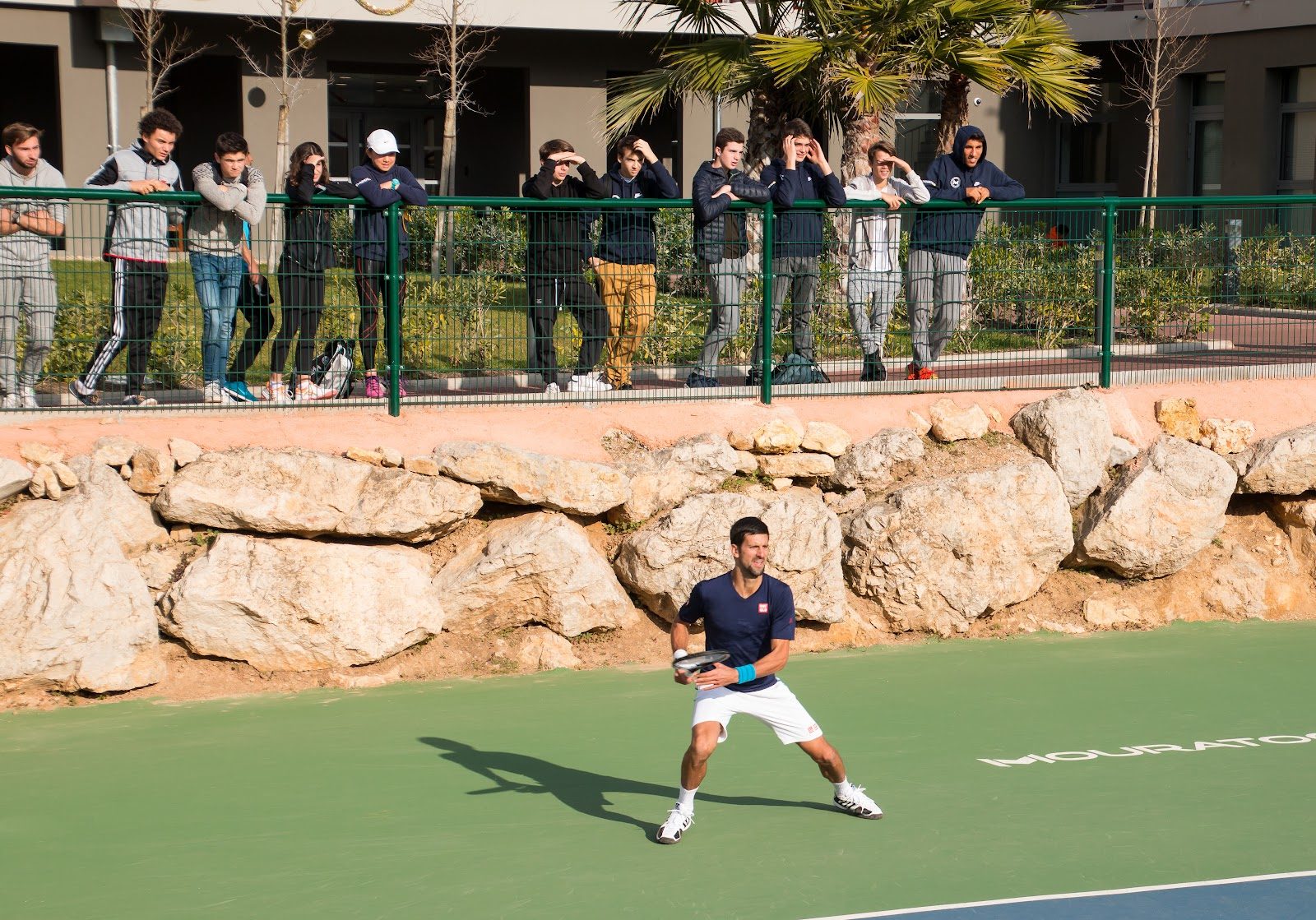
Mouratoglou Academy & School
Sophia Antipolis · France
Elite tennis training and the French Baccalaureate share equal billing across 33 courts on the Cote d'Azur.
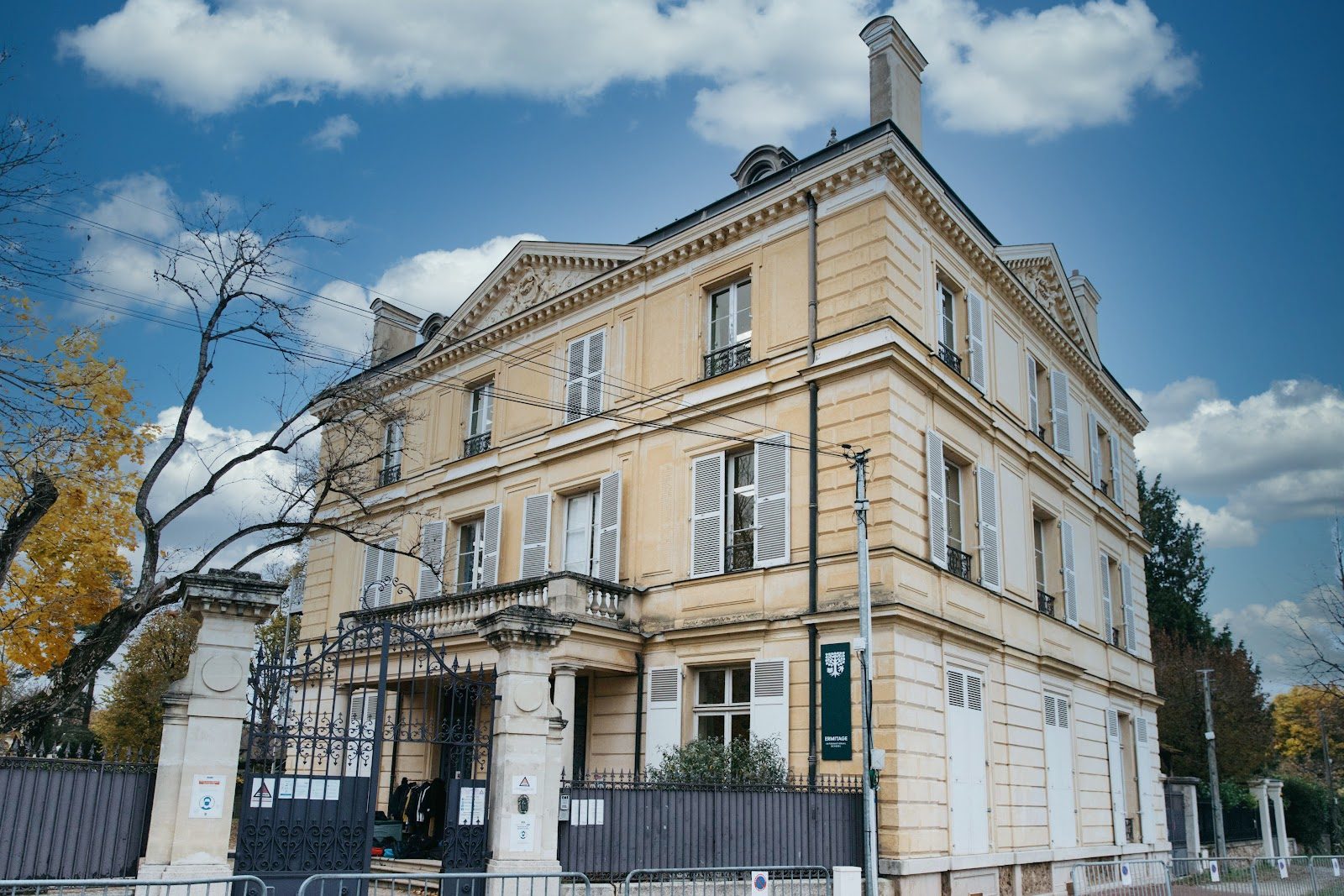
Ermitage International School
Maisons-Laffitte · France
Founded in 1941 amid wartime Paris, this Maisons-Laffitte day school runs IB and French Bac side by side, with equestrian classes in the racehorse capital.
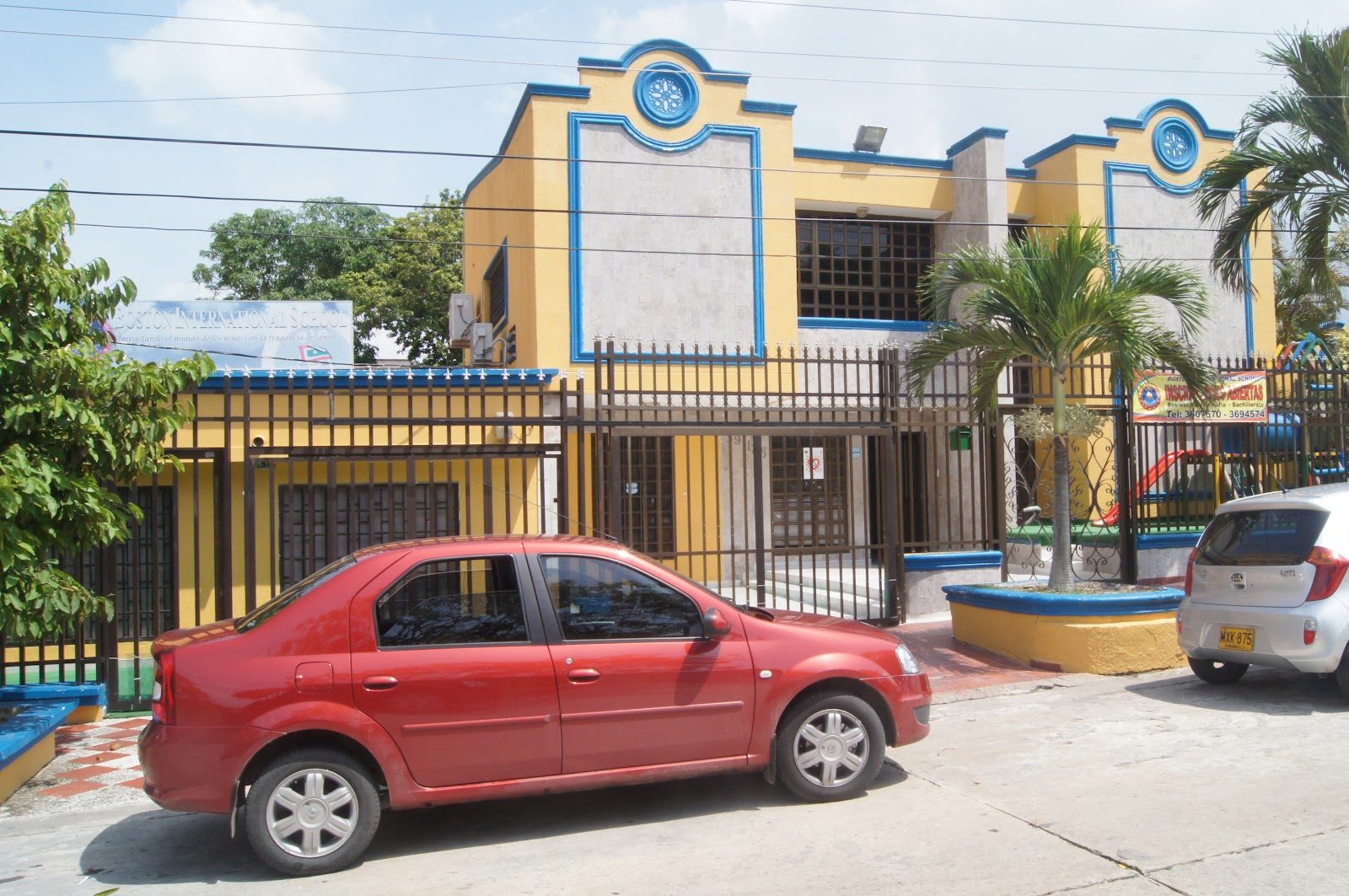
Colegio Boston Internacional
Barranquilla · Colombia
From a rented house with 20 pupils in 2002 to Colombia's top-ranked school in the 2025-2026 Col-Sapiens survey
Same country and curriculum — closest matches within ±10 points either way