
Île-de-France
Jesuit since 1894 on the Chaillot hill, still teaching Ignatian rigor into France's top-ranked lycee and its elite prep classes.
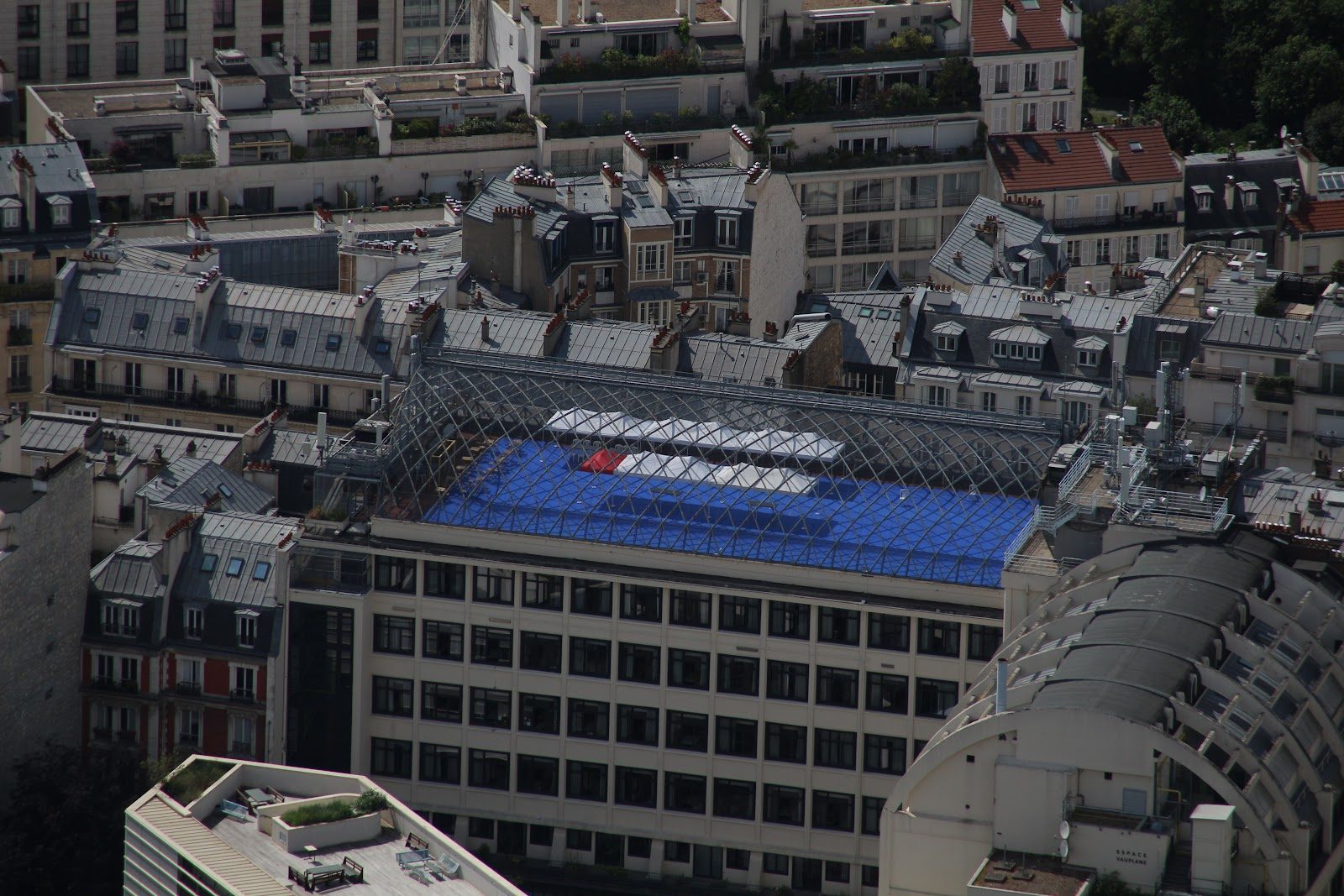
Photo © Aleksejs T. via Google Maps
Type
Day
Ages
3–18
Curriculum
French Baccalaureate
Qualifications
French Baccalauréat
Ratio
—
The Verdict
Editor's commitment
Right for
Families who want a French Baccalaureate school in Paris, Jesuit and Catholic since 1894, with routes that sent students to HEC, ESSEC and ESCP.
Wrong for
Parents seeking English-medium teaching, boarding, or anything outside a day school for ages 3–18 in French will hit the wrong school.
Watch out for
This XVI arrondissement school trades on elite outcomes and prep classes, but it does not publish aggregate destination data beyond HEC 1, ESSEC 1 and ESCP 1.
Ranking breakdown
École Saint-Louis de Gonzague · #229 of 1591
Composite score 73.7. 8 weighted criteria.
By criterion
Academic Outcomes
Weight 20%
#261
of 1529 scored
University Placement
Weight 16%
#263
of 1529 scored
Prestige & Heritage
Weight 12%
#262
of 1571 scored
Alumni Network
Weight 12%
#195
of 1530 scored
Facilities
Weight 12%
#857
of 1533 scored
Transparency & Communications
Weight 8%
#388
of 1532 scored
Peer & Industry Review
Weight 10%
#424
of 1548 scored
Admissions Selectivity & Demand
Weight 8%
#198
of 1529 scored
Score history
École Saint-Louis de Gonzague · 2026
Movement across 2024–2026. Peer average overlaid.
Overall — 2024–2026
73.7/ 100
▲ +31.6 vs 2025
year on year
Peer & Industry Review
How École Saint-Louis de Gonzague is regarded in the sector
78
Strong · medium confidence
Collège-Lycée Saint-Louis de Gonzague (known as 'Franklin') is a long-established Catholic private school in Paris's 16th arrondissement that consistently appears in French education press rankings such as Le Figaro's and L'Express's annual 'meilleurs lycées de Paris/France' classements, typically cited for very high baccalauréat pass and mention rates. It has a strong reputation among French elite/bourgeois circles and a notable alumni network in politics, business and culture, though it registers less in Anglophone expat-focused guides (Good Schools Guide, Tatler) since it operates on the French national curriculum rather than an international track.
Evidence sources
Editors' overview
École Saint-Louis de Gonzague, known across Paris as Franklin, occupies a rare position in the French market: a Jesuit day school founded in 1894 that runs the full route from nursery to lycée and on into elite preparatory classes. That matters. Parents are not buying a glossy “values” statement; they are buying institutional continuity, academic discipline and a house style that has held for well over a century. The school’s own language is explicit: intellectual, human and spiritual formation “in the unity of the person”. In practice, this is a Catholic school with a serious centre of gravity, under Jesuit oversight and under contract with the French state, in the 16th arrondissement. *This is old Parisian Catholic education with teeth.*
What sets Franklin apart is not novelty but concentration of purpose. It combines a strong lycée with prépa provision on the same platform, which gives ambitious pupils a direct line of sight to France’s most selective higher education routes. The recent destinations listed here — HEC (1), ESSEC (1) and ESCP (1) — are slender in number but revealing in type: this is a school that feeds the grande école ecosystem, not a school trying to be everything to everyone. The Jesuit frame also remains active rather than decorative: pastoral life, social action, missionary weekends and a foundation focused on solidarity and widening access all sit inside the institution, not in a side brochure. *That gives the school moral seriousness as well as academic ambition.*
Why shortlist it? Because Franklin offers a high-pressure, high-trust version of the French Baccalaureate in a setting that still treats formation of character as part of the job. Families who want a loose, child-led atmosphere should look elsewhere. Families who want a prestigious address without a demanding culture should also look elsewhere. Franklin suits pupils who are bright, disciplined, comfortable in a structured Catholic environment, and willing to work within a school that expects commitment rather than performance theatre. *For the right child, it is a formidable launch pad.* For the wrong child, it will feel constricting. That clarity is one of its strengths. Franklin knows exactly what it is.
Academic Performance
Franklin advertises “des résultats d’exception” for the baccalauréat, the anticipatory exams and the brevet. That signals confidence, but confidence is not the same as transparency. The school does not publish aggregate pass rates, mention rates, subject-level distributions or multi-year trend data on the pages quoted here. For a school with a hard-charging academic reputation, that omission matters. Parents can infer that outcomes are strong; they cannot test how strong, in which subjects, or with what consistency across cohorts. The same opacity applies to the prep classes: the school states that they admit the best pupils across several pathways, yet no public admissions-to-grande-école conversion figures are cited here. This is *elite schooling with selective disclosure*.
Relative to peers, Franklin sits in the *top-tier Parisian Catholic academic market*: the combination of a serious lycée and on-site prépa places it in a narrow band of schools built for high attainment and competitive post-school routes. The recent business-school destinations listed for this profile reinforce that orientation, even if the numbers here are too thin to carry a full outcomes judgement. Where Franklin falls short against the best data-publishing competitors is plain evidence. Schools at this level need to show more than celebratory headlines. Until Franklin puts headline exam metrics into the public domain, its academic standing rests on reputation, selectivity and destination signals rather than clean, comparable proof.
Facilities
Franklin’s public-facing facilities story is thinner than a school of this stature should allow. The site makes the structural offer clear — school, collège, lycée and prep classes on one platform, plus a cultural centre and an active pastoral and social-action infrastructure — but it does not publish the kind of campus detail that serious parents need. There is no proper account of science labs, sports provision, performing-arts spaces, libraries, dining, technology or specialist sixth-form study areas. That leaves an information gap around the physical plant. What the school does communicate is institutional use rather than architectural show: a cultural programme, community events, charitable shopping, and mission weekends that pull families, staff and pupils into shared spaces. This reads as a working school, not a showcase campus.
Against Parisian academic peers, that cuts both ways. On one hand, elite French schools rarely indulge in the facilities arms race common in international education; academic density and institutional seriousness matter more than swimming pools and black-box theatres. On the other, top competitors still explain how their sites support demanding older students. Franklin does not. The inclusion of prep classes matters because it implies facilities built for older, high-pressure learners as well as younger children, yet the school leaves that case unmade. Parents comparing Franklin with other selective Catholic schools or strong state-contract independents will not find a clear facilities edge here. They will find a campus whose value rests on use, culture and academic purpose, not on published physical assets.
On the other, top competitors still explain how their sites support demanding older students
Prestige
Franklin carries serious Parisian prestige because its name travels well in the circles that matter for French academic advancement: selective lycées, elite prep pathways, grande école families and employers who know the old educational map of the capital. This is not the prestige of branding, architecture or international-school theatre. It is the prestige of institutional clout inside a national system that still rewards recognised academic houses. The school’s Jesuit identity adds weight rather than ornament. In France, that signals discipline, intellectual ambition and a moral framework with staying power. The under-contract status also matters: Franklin sits inside the state-recognised system while retaining a high-status Catholic identity. That combination gives it social legitimacy as well as cachet.
I rate it highly because the school spans the full school journey and also runs prep classes, which places it in a rarified bracket of institutions that do not merely educate children but channel them towards the country’s most selective routes. The recent higher-education destinations listed here are tiny in count — 1 each to HEC, ESSEC and ESCP — but they point in the right direction. More important than those sparse numbers is the school’s standing in the Paris market: families apply to Franklin because the name carries consequence. The caveat is clear. Prestige here rests on entrenched reputation, selectivity and social recognition more than on published performance data. That still counts. It just is not the same thing as open proof.
At the top end, the presence of prep classes sharpens the atmosphere
Communications
Franklin communicates like an old, self-confident institution. The website is structured around the school’s internal divisions, admissions, pastoral life, social action, news and community bodies, so parents get a clear map of how the place is run. It also gives visible weight to parent and alumni association channels, fundraising, missionary weekends and the JES foundation, which tells you communication is not confined to timetables and admin. The school wants families inside a shared moral project, not parked at the gates. That will suit parents who value institutional coherence and a strong home-school alliance. It will irritate families who want cleaner separation between academic provision, religious life and community expectations.
The weakness is precision. For a school with this level of status, the public-facing communication is selective rather than comprehensive. News items celebrate distinction and engagement, but the site does not publish enough hard operational detail on results, facilities or the day-to-day experience in different phases. That matters because polished navigation is not the same as full disclosure. The admissions prompt is prominent, and the tone is orderly and high-control, yet much of what demanding parents need still depends on direct contact with the school. My judgement: effective at signalling culture, authority and seriousness; less effective at answering forensic parental questions without follow-up. In short, Franklin communicates its identity with considerable force and its evidence with restraint.
Uniqueness
Franklin’s real distinction is structural and cultural at once. Few schools hold together early years, the main school and elite prep classes inside one Jesuit institution without losing coherence. Here, the through-line is explicit: intellectual formation, spiritual life and social responsibility belong to the same project. That gives pupils more than academic continuity. It gives them a school culture in which standards, conscience and service are treated as part of the same education. The active pastoral programme, social-action work, missionary weekends and the JES foundation’s focus on equality of opportunity stop the Catholic identity from collapsing into ceremony. This is formation with backbone, not chapel-window branding.
For students, that produces a distinctive kind of pressure. They grow up in a place that keeps older academic ambition in view from the start: prep classes are not an abstract future stage but a visible part of the institution’s horizon. That can sharpen habits of work, seriousness and self-command long before the final school years. It also binds achievement to community expectations. Parents, alumni and staff are drawn into a tight, high-expectation ecosystem built around mutual support and obligation. For the right child, that is clarifying and formidable: a school that does not fragment intellectual life, moral formation and social duty into separate boxes. For the wrong child, it is intense, tradition-bound and unforgiving. That tension is central to Franklin’s identity.
The school’s own language is explicit: intellectual, human and spiritual formation “in the unity of the person
Student Profile
Franklin suits children who thrive under sustained expectation and do not need constant praise to keep moving. The school’s own language about intellectual, human and spiritual formation points to a student body shaped for disciplined seriousness, not self-expression as an organising principle. The best fit is a pupil who can handle hierarchy, clear rules and a Catholic framework without endless negotiation. That child does not need to be pious, but does need respect for institutional authority and willingness to join collective life: pastoral activity, service, community events, the whole high-commitment ecosystem. At the top end, the presence of prep classes sharpens the atmosphere. Ambition is not hidden here; it is visible early and normalised.
The social fit matters as much as raw ability. Franklin will reward students who are steady, resilient and comfortable among peers with strong family support and high educational expectations. It will not suit children who need a loose pastoral style, broad experimentation, or a school culture that treats pressure lightly. Nor is it ideal for families who want to hold religion at arm’s length while taking only the academic upside. The right student is *hard-working, self-possessed and robust under pressure; the wrong one will feel boxed in* by the school’s codes, pace and communal demands. This is a school for pupils ready to be formed, not indulged — and that distinction is not for the faint-hearted.
What sets Franklin apart is not novelty but concentration of purpose
Co-curricular strengths
Arts & sport, on a separate axis
Overall 7.2/10
Scored 0-10 from the school's own published evidence. This axis is editorial-only — it does not feed the main WTS ranking.
Sports
8/10
Basketball, Football, and Judo as extracurriculars.
Drama
8/10
Theatre as an extracurricular.
Dance
4.5/10
Music
8/10
Choir and Orchestra as extracurriculars, but provides.
Visual Arts
7.5/10
Editor first-pass · editor-reviewable · 7/27/2026
Outcomes & destinations
Where students go next
Class of 2025
Top destinations
7 placements
- HEC· 1
- ESSEC· 1
- ESCP· 1
- EML· 1
- EDHEC· 1
- ENS· 1
- ENSAE· 1
Reported by the school. Confirm with admissions.

WTS 300 badge
2025/26 editionÉcole Saint-Louis de Gonzague is one of the World's Top 300 Schools for 2025/26. Claim your listing to add it to your site →
Strengths
- +Founded in 1894 as a Jesuit day school in Paris's 16th arrondissement, giving it over 130 years of continuous operation under Jesuit tutelage.
- +A large, multi-level institution running from maternelle through classes preparatoires, with the elementary school alone enrolling more than 520 pupils and the whole group around 1,870-1,980 students.
- +Strong 2025 baccalaureat results, with 100% of the 157 candidates passing and 99% obtaining a mention, placing it among France's top-ranked lycees.
- +Its economics/business preparatory classes (CPGE ECG) sent 49.4% of students into targeted grandes ecoles in 2025, versus a 14.9% national average, ranking 8th out of 170 over five years.
- +A dedicated foundation (JES-Franklin) offers income-tested fee reductions of 50% to 100% for scholarship-eligible families, plus support toward CPGE competition costs.
Considerations
- −The school has an explicit Catholic Jesuit character, including weekly 'Formation Humaine et Spirituelle' sessions, rather than a secular or interfaith ethos.
- −It teaches solely the French Baccalaureate with no IB or A-level option, which can complicate transitions for families who may relocate again to non-French systems.
- −Admissions are competitive and paper-based with fixed annual deadlines (historically mid-September to mid-October for most levels), and the CPGE received 453 applications for only 40 places in 2025.
- −Headline tuition figures are not published on the website; families must use a private online simulator or contact the school directly to estimate fees, and as a day school in the affluent 16th arrondissement there is no boarding option.
Availability
Primary entry gate & tests
Academic Dossier
Gallery
Photo © Paris C via Google Maps
Photo © Julij Zupan via Google Maps
Photo © Omar Albarracin via Google Maps
Photo © RUAMPS via Google Maps
Photo © RUAMPS via Google Maps
Parent reviews
Have you sent your child here?
Voice reviews carry the strongest trust badge — we transcribe them for you to tidy up before they go live. Prefer to type? A written review is fine too.
Add your voice
In 60 seconds, tell other parents: what's the best thing about École Saint-Louis de Gonzague, and what surprised you when your child joined?
We ask for a Google sign-in so every review has a real face behind it — no anonymous drive-by attacks on schools, and no faked positive reviews. Your email is never shown publicly.
Send this profile to a friend
International parents rely on word-of-mouth. Share this review with someone weighing the same decision.
Schools with places
Similar schools to École Saint-Louis de Gonzague with places available now.
École Jeannine Manuel
Paris · France
- 2026-27
- CLOSEDStandard route
- 2027-28
- OPENS SOONOpens Oct '26
The British School of Paris
Paris · France
- 2026-27
- WAITPOOLSpace-dependent
- 2027-28
- PLACES OPENRolling
École Alsacienne
Paris · France
- 2026-27
- CLOSEDStandard route
- 2027-28
- OPENS SOONOpens Sept/Oct '26
Availability first, then country, area, curriculum, price, co-curricular
Consider also
Also worth looking at alongside École Saint-Louis de Gonzague.
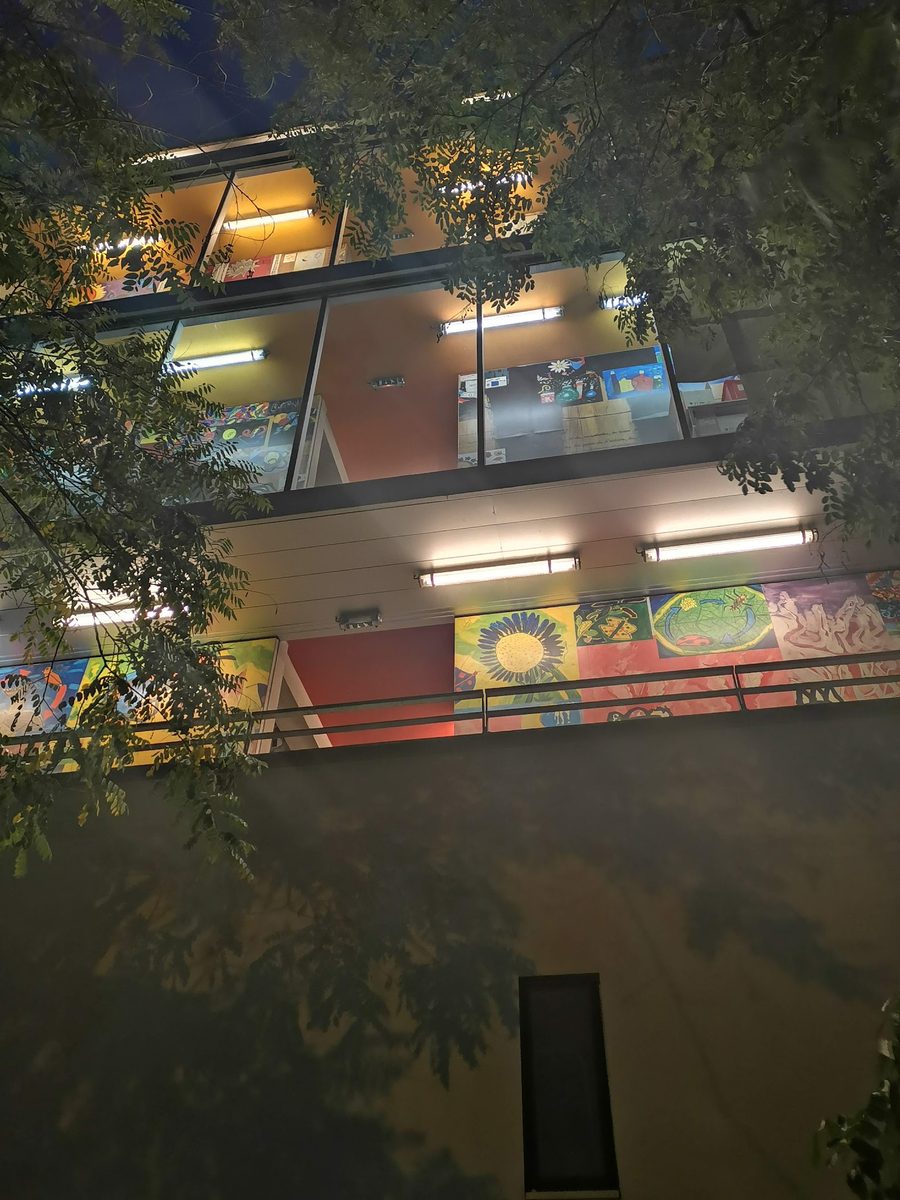
École Jeannine Manuel
Paris · France
Founded by a Resistance veteran, this Left Bank lycee teaches core subjects bilingually and has topped France's rankings for a decade.
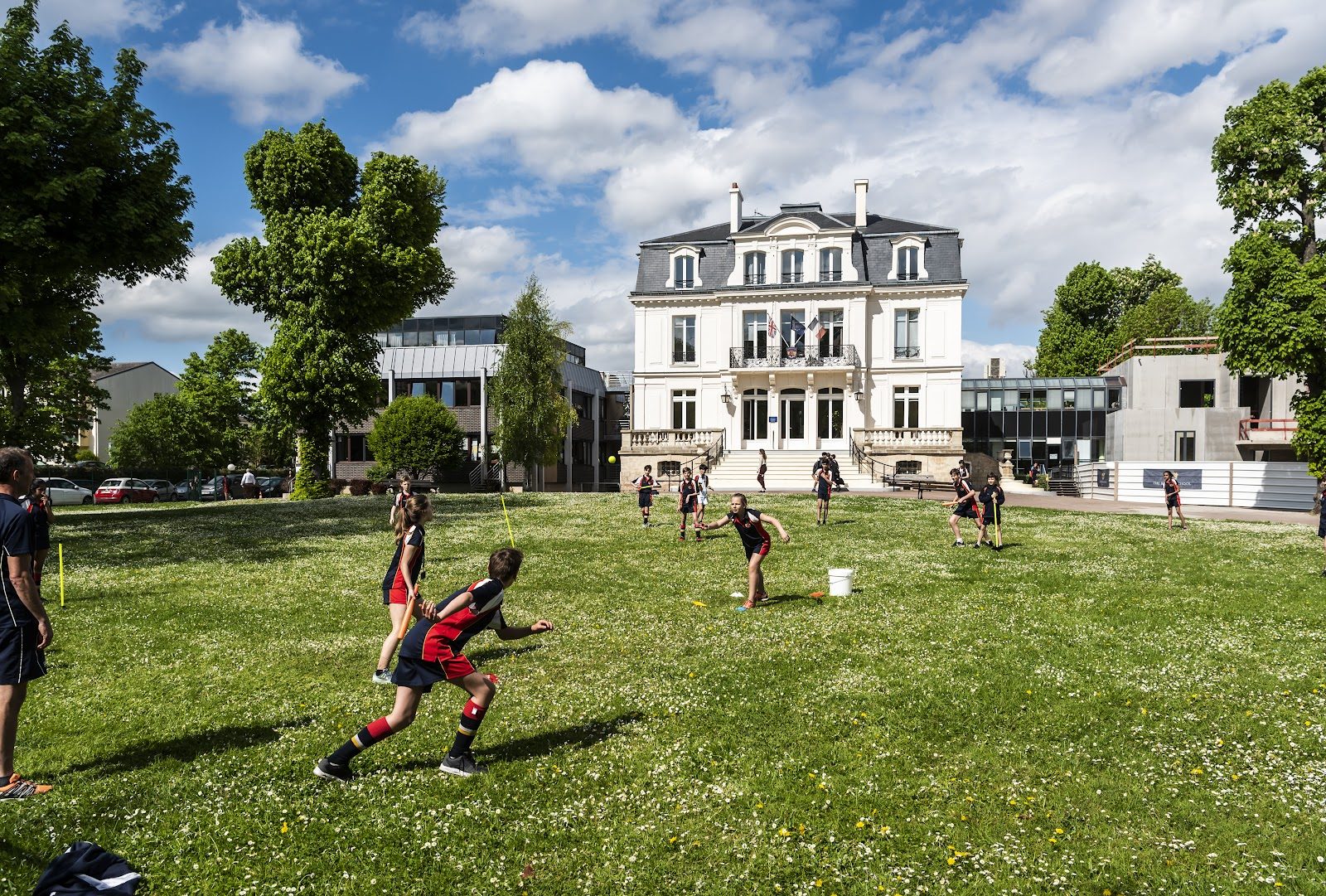
The British School of Paris
Paris · France
The only UK-government-accredited British School Overseas in France, pairing A-Levels and IB on the Seine west of Paris
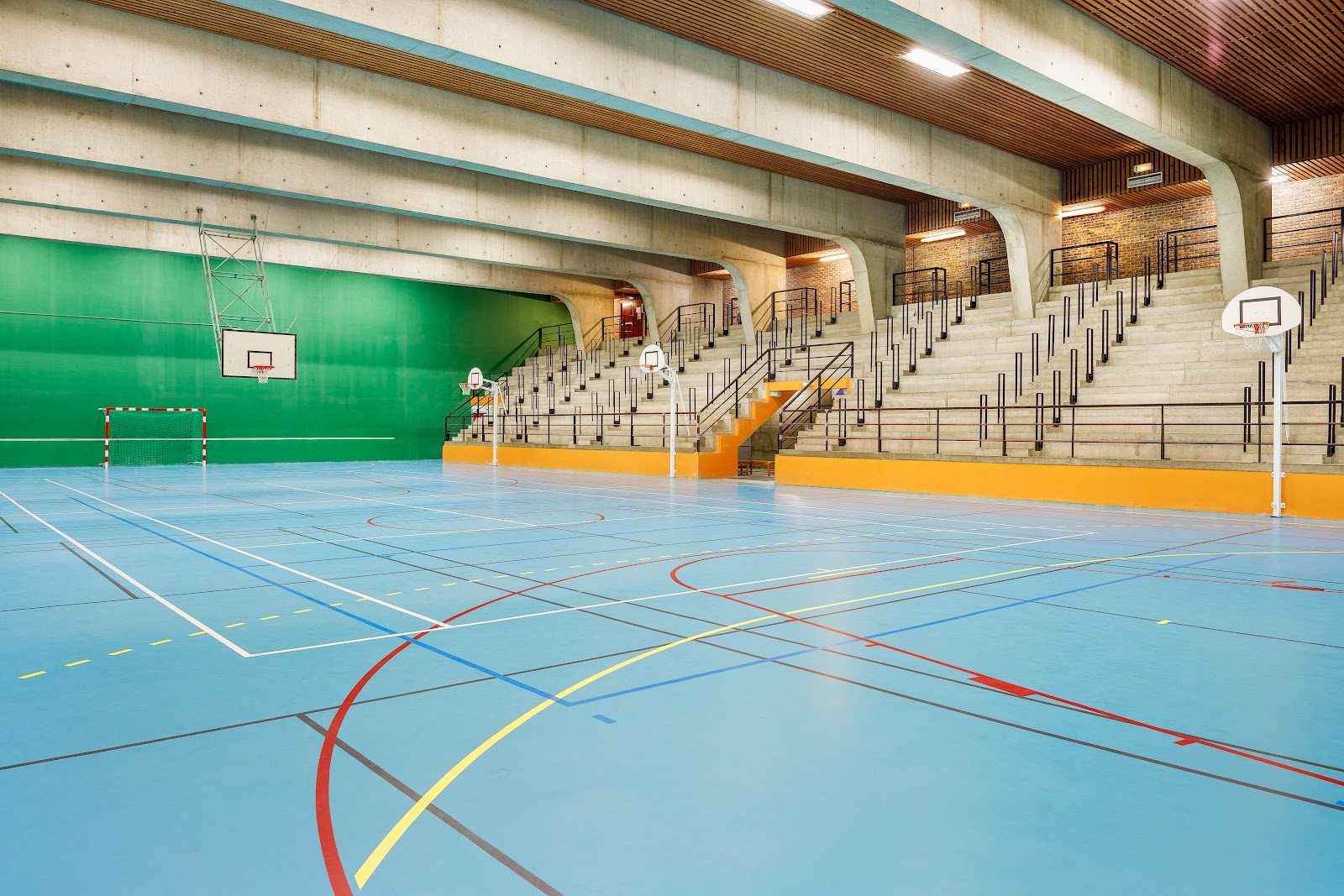
Collège Stanislas de Paris
Paris · France
In Montparnasse since 1804, this Catholic day school channels rigorous bac prep straight into France's grandes ecoles pipeline.
École Alsacienne
Paris · France
Founded by Alsatian refugees in 1874, a Left Bank laboratory for secular, progressive pedagogy that shaped France's republican school system.
Same country and curriculum — closest matches within ±10 points either way