
Oregon
Catlin Gabel School
low confidence· 2/6 cats · 2.33 avg sourcesFirst U.S. high school online in 1989, still pairing progressive pedagogy with a 67-acre Portland woodland campus.
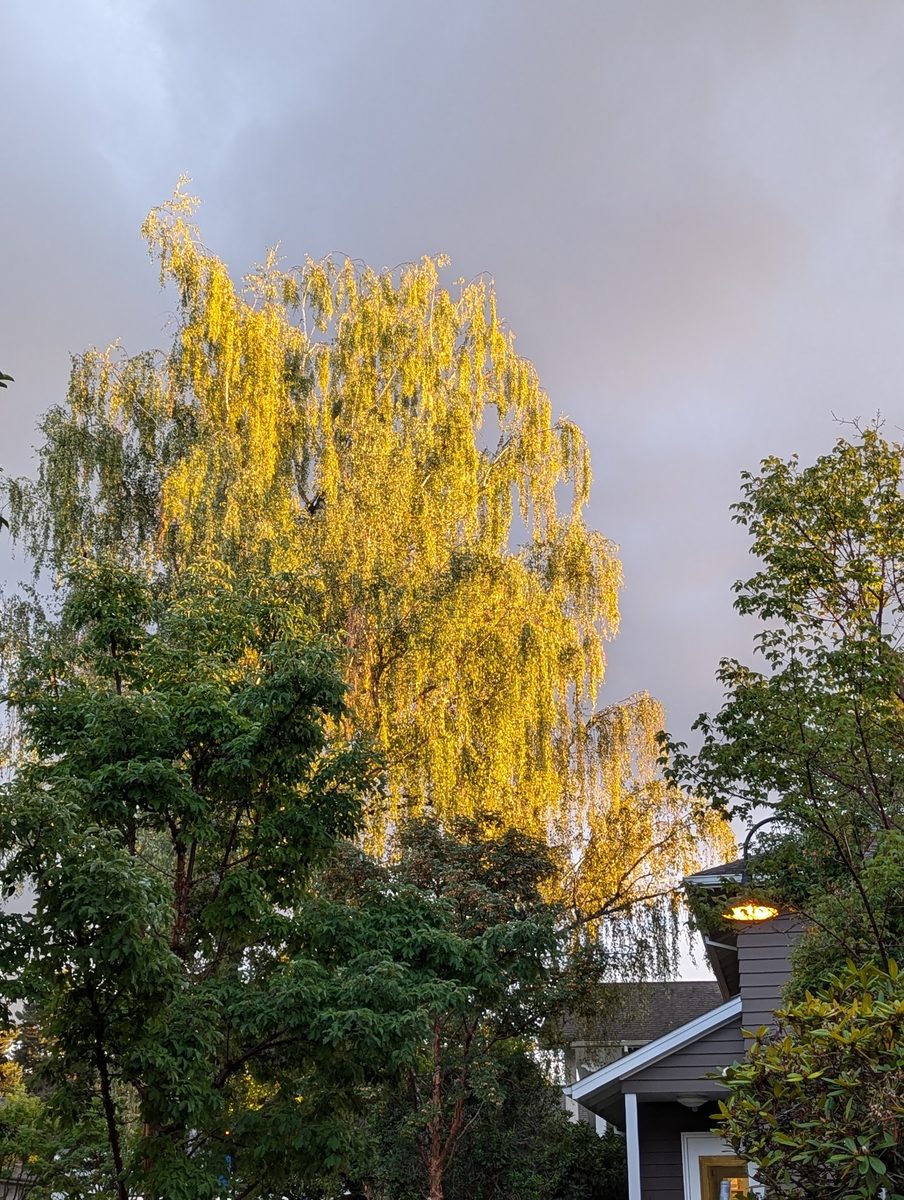
Photo © max perrella via Google Maps
Type
Day
Ages
3–18
Curriculum
American
Qualifications
AP
Ratio
15:1
The Verdict
Editor's commitment
Right for
Children aged 3–18 who flourish in progressive American schooling on a 67-acre campus, with 787 pupils and a 15:1 ratio.
Wrong for
Families wanting religious education, boarding, or a conventional drill-heavy model; this is non-religious, day-only, inquiry-driven and five miles west of Portland.
Watch out for
At an average $43,120 a year, Catlin Gabel is expensive; 27% receive aid, and the school does not publish aggregate exam results.
Ranking breakdown
Catlin Gabel School · #741 of 1591
Composite score 65.9. 8 weighted criteria.
By criterion
Academic Outcomes
Weight 20%
#334
of 1529 scored
University Placement
Weight 16%
#305
of 1529 scored
Prestige & Heritage
Weight 12%
#296
of 1571 scored
Alumni Network
Weight 12%
#1437
of 1530 scored
Facilities
Weight 12%
#279
of 1533 scored
Transparency & Communications
Weight 8%
#288
of 1532 scored
Peer & Industry Review
Weight 10%
#335
of 1548 scored
Admissions Selectivity & Demand
Weight 8%
#369
of 1529 scored
Peer & Industry Review
How Catlin Gabel School is regarded in the sector
74
Respected · medium confidence
Within Pacific Northwest independent-school circles, Catlin Gabel is generally grouped with Lakeside (Seattle) and Oregon Episcopal School as one of the region's academically serious non-sectarian options, though it is smaller and more overtly progressive in pedagogy than either. Its college matriculation lists, published annually by the school, show consistent placement at Reed, the University of Oregon, Stanford, and a scattering of Ivy League and small liberal-arts destinations, suggesting admissions officers read its distinctive transcript format and limited AP slate without penalty. Coverage in national boarding-school-oriented outlets like the Good Schools Guide or WhichSchoolAdvisor is essentially absent, since these focus on UK and international boarding markets; instead, its reputation is built through regional vehicles - Niche.com's Oregon private-school rankings, where it routinely sits near the top, and periodic 'best schools' features in Portland-area press. Among independent-school heads nationally, its Senior Spring Project and progressive governance model are cited occasionally at NAIS-adjacent conferences as an example of experiential-learning design, though it remains a regional rather than a nationally benchmarked exemplar.
- Matt Groening — Cartoonist/Animator, Creator of The Simpsons
- Storm Large — Singer/Actress, Music
- Doug Erwin — Paleontologist, Academia
Editors' overview
Catlin Gabel’s defining trait is the tension it manages well: a genuinely progressive classroom model inside a school that still talks openly about rigour. This is not a loose, child-led enclave pretending structure is optional. The school states that learning is hands-on, inquiry-driven and deeply personal, while also claiming one of the more rigorous educations in Oregon. For parents who want an American day school that rejects rote instruction without sacrificing intellectual demand, that combination puts Catlin Gabel firmly on the shortlist. The scale helps: 787 students from preschool through 12th grade is large enough to sustain breadth, but still contained, and the 15:1 student-teacher ratio supports the school’s insistence on close adult knowledge of each child.
The campus is part of the appeal and part of the educational proposition. A 67-acre site five miles west of downtown Portland gives the school room to make outdoor learning, arts, sport and community activity more than brochure filler. Catlin Gabel has done this for a long time: it was founded in 1957, and the school’s own history includes an early move into online schooling in 1989 that still marks it out as intellectually adventurous rather than tradition-bound. This is a non-religious day school teaching in English, accredited by NAIS, and it draws from across the metro area, with students coming from 60 zip codes. Diversity is not incidental here either: 51% of students identify as people of colour or multiracial, and students speak 44 languages. That gives the school a wider social and cultural mix than many expensive American independents.
Fees sit at an average of $43,120 a year across the full age range, which places Catlin Gabel in the expensive tier of the Portland market and squarely in the premium U.S. independent bracket. Parents paying that level need clarity on what they are buying. Here, the case is strong: a serious progressive school with tangible scale, visible diversity and enough land and programme breadth to turn inquiry-based education into daily practice rather than rhetoric. It will suit bright, self-motivated children who like discussion, experimentation and teacher attention, and whose families want a school that values initiative, creativity and civic engagement alongside academic foundation. It will not suit children who want a highly conventional or tightly hierarchical education, nor families looking for a narrow exam factory. Catlin Gabel’s strongest market position is with parents who want their child challenged, known well, and given room to think in more than one direction.
Academic Performance
Catlin Gabel does not publish the hard outcome data that let parents place an American independent school cleanly against peers. We have not seen aggregate SAT or ACT averages, AP participation, AP score distributions, IB results, or a college-matriculation table by institution. That is a real weakness in any assessment of academic performance. The school talks clearly about rigour, critical thinking and college readiness, but public scrutiny still depends on externally benchmarked results. Without those figures, Catlin Gabel sits in the category of *academically serious but statistically opaque* schools: attractive to families who trust pedagogy and school culture, less satisfying for those who want a spreadsheet before they write a cheque.
That said, there are useful indirect signals. A progressive model can drift into soft-edged expectations; Catlin Gabel’s language does not. It stresses challenge, problem-solving and strong teacher knowledge of students, and the school has the scale to sustain a broad senior programme rather than a thin menu of advanced courses. In the U.S. independent-school market, that places it closer to the demanding progressive end than to the permissive one. The missing piece is proof. Until the school publishes a consistent set of external exam measures and university destinations, its academic standing relative to top American day-school peers remains credible, but unverified.
Facilities
The campus does real work here. A wooded estate of 67 acres gives Catlin Gabel the kind of spatial advantage many urban day schools simply do not have: room for outdoor education, sport, arts activity and unhurried movement between age groups without the site feeling cramped or over-programmed. That matters in a school built around hands-on, inquiry-driven learning. On tighter campuses, progressive rhetoric can outrun physical reality; here, the land supports it. The school also has the scale to avoid the thin, improvised feel that dogs smaller progressive schools. Families get a proper all-through environment, not a converted-site compromise. For a non-boarding independent in this market, the setting is a genuine competitive strength.
Against peers, the facilities story is strong but not fully transparent. We know the campus is substantial and that the school sustains athletics, outdoor learning and broad co-curricular use of the site; we do not have a published roll call of specialist labs, theatres, studios or standout sports infrastructure. That gap matters, because top U.S. independents now spell out those assets in detail. Even so, Catlin Gabel benchmarks well on the fundamentals that count most day to day: land, flexibility, and a campus that supports serious progressive schooling rather than constraining it. In Portland, that puts it in the upper tier of day-school estates. Nationally, it has a distinctive campus rather than a facilities arms race showpiece.
Catlin Gabel’s defining trait is the tension it manages well: a genuinely progressive classroom model inside a school that still talks openly about rigour
Prestige
Catlin Gabel has real prestige, but it is a specific kind of prestige. This is not the social-signalling glamour of an East Coast legacy school, nor the brute brand power of a national boarding heavyweight. Its standing rests on something narrower and more durable: a long-established reputation for serious progressive education done at a high level. In the Portland market, that carries weight. Nationally, the school has name recognition among families and educators who follow progressive independents, and its early move into online schooling still marks it as intellectually adventurous rather than merely fashionable. The broad draw across the metropolitan area, the healthy financial-aid commitment, and a student body of 787 all reinforce the sense of a school with reach, stability and civic relevance rather than niche eccentricity.
That said, prestige here is stronger in educational circles than in the raw prestige economy parents trade in over dinner. Catlin Gabel has a distinctive identity, a substantial campus, visible diversity and enough co-curricular substance to feel like a complete school rather than a boutique experiment. Those are real assets. The limit is public proof at the sharp end: without published aggregate external results or a university-destinations table, it lacks the hard data that convert respect into top-tier academic prestige. So the verdict is clear. Catlin Gabel is a high-status regional independent with authentic educational credibility and a loyal following, but it does not occupy the most rarefied national tier. The average annual fee of $43,120 places it firmly in premium-company territory, and parents are paying for ethos, programme breadth and institutional confidence as much as for brand.
That gap matters, because top U.S. independents now spell out those assets in detail
Communications
Catlin Gabel communicates in the way many progressive schools aspire to but do not always execute: with a clear line between ethos and practical information. The public-facing messaging is coherent. It tells parents what the school values — inquiry, relationships, action, leadership — without drowning every page in slogans. That matters, because schools with a strong educational philosophy can lapse into self-congratulatory language or abstraction. Catlin Gabel keeps the core message readable and concrete. The admissions side is also straightforward, with a clean route into enquiry and application rather than a needlessly opaque maze. For parents weighing an expensive school, that baseline clarity counts.
The stronger point is that the school gives enough substance to signal a live community rather than a static institution. References to leadership transition, student voice, inclusion work, alumni teaching links and financial assistance all help parents understand what the school talks about when it is not selling itself. The diversity snapshot — students from 60 zip codes, 44 languages spoken, 51% identifying as people of colour or multiracial — also gives communications some social texture instead of the airbrushed sameness common in this market. The limitation is depth. We have not seen the kind of detailed public academic reporting, parent-handbook transparency or performance dashboard that marks out first-rate institutional communication. So the verdict is solid rather than exceptional: strong on identity, decent on accessibility, thinner on hard accountability.
Uniqueness
What sets Catlin Gabel apart is not progressive branding on top of a conventional school. The progressive model runs through the place: hands-on work, inquiry, problem-solving, outdoor education, community partnerships and student leadership all sit inside one educational logic rather than a collection of add-ons. That gives pupils a schooling experience with more range and more responsibility than the standard American independent formula. The social mix also matters. Students travel in from 60 postcode areas, 44 languages are spoken across the student body, and the school directs serious money into financial assistance. That does not make it socially egalitarian, but it does make it less insular than many expensive U.S. independents and gives children a wider field of reference in daily school life.
The second point of difference is institutional temperament. This school has a record of trying things early, including its move into online schooling decades ago, and that history still matters because it signals a culture that values experimentation rather than tradition for its own sake. For students, the gain is clear: more permission to test ideas, speak up, lead, make, revise and connect academic work to action beyond the classroom. The risk is also clear. This is not a school that hides behind rigid structures or a narrow exam treadmill. Children who need constant external direction will find it demanding in a different way; intellectually curious pupils with initiative will find it liberating.
Nationally, it has a distinctive campus rather than a facilities arms race showpiece
Student Profile
The pupils who thrive here are the ones who want to do more than comply. Catlin Gabel suits children who like being known by their teachers, can handle discussion-based classes, and have the confidence to test ideas aloud, revise them, and try again. The school’s emphasis on inquiry, community partnerships, student leadership and action means passive passengers will struggle. So will children who need constant surveillance, heavy external structure or the social certainty of a more orthodox independent school. This is a better fit for the self-propelled, the intellectually restless, and the student whose strengths spread across classrooms, arts, sport and civic life rather than a single narrow metric.
The social profile is broader than at many fee-charging American independents. The draw from across the metropolitan area, the presence of 44 languages, and a student body in which 51% identify as people of colour or multiracial give the school a more mixed daily culture than the polished monoculture families find elsewhere. Financial assistance reaching 27% of students also matters: it does not erase affluence, but it does widen the intake. The pupil who fits best will value that mix, use the campus and programme fully, and meet progressive freedom with responsibility. Children who want a highly conventional, rank-conscious, adult-directed education are in the wrong place.
So the verdict is solid rather than exceptional: strong on identity, decent on accessibility, thinner on hard accountability
Co-curricular strengths
Arts & sport, on a separate axis
Overall 8.64/10
Scored 0-10 from the school's own published evidence. This axis is editorial-only — it does not feed the main WTS ranking.
Sports
8.5/10
Drama
9/10
Dance
7.5/10
Music
9/10
Visual Arts
9.2/10
Strengths
- +Progressive, project-based pedagogy delivered through small classes, with the school describing itself as built around close teacher-student relationships and the philosophy that "there is no back row"
- +Ninety-nine percent of Catlin Gabel graduates go on to four-year colleges or universities, and the senior class has regularly included National Merit and Presidential Scholars
- +More than a quarter of the student body receives need-based or merit financial assistance, with the school publishing income bands for aid recipients rather than leaving affordability opaque
- +Long-established institution (formed in a 1957 merger) on a 67-acre suburban campus, accredited by the Northwest Association of Independent Schools
- +Alumni track record spans creative and public-service fields, including film director Gus Van Sant and television writer Megan Amram
Considerations
- −Tuition is high by national standards, listed at roughly $33,500 to $41,500 depending on grade level for the 2023-24 year, before fees
- −Admissions are competitive: independent rankings place Catlin Gabel among Oregon private schools with the lowest acceptance rates
- −It is a day school only, with no boarding option, so relocating or international families must independently arrange local housing and a resident guardian
- −The school's progressive, discussion- and project-based educational model is a deliberate departure from conventional exam- or textbook-driven curricula, which may be an adjustment for families expecting a more traditional academic structure
Availability
Primary entry gate & tests
ISEE/SSAT + Interview
Gallery
Photo © Mun Jeong Kang via Google Maps
Photo © Mun Jeong Kang via Google Maps
Photo © Mun Jeong Kang via Google Maps
Photo © Mun Jeong Kang via Google Maps
Photo © Adrian Cisowski via Google Maps
Parent reviews
Have you sent your child here?
Voice reviews carry the strongest trust badge — we transcribe them for you to tidy up before they go live. Prefer to type? A written review is fine too.
Add your voice
In 60 seconds, tell other parents: what's the best thing about Catlin Gabel School, and what surprised you when your child joined?
We ask for a Google sign-in so every review has a real face behind it — no anonymous drive-by attacks on schools, and no faked positive reviews. Your email is never shown publicly.
Send this profile to a friend
International parents rely on word-of-mouth. Share this review with someone weighing the same decision.
Schools with places
Similar schools to Catlin Gabel School with places available now.
Friends Seminary
New York City · United States
- 2026-27
- WAITPOOLLate/held pending openings
- 2027-28
- OPENS SOONExpected Sept '26
The Haverford School
Haverford · United States
- 2026-27
- CLOSEDRegular cycle closed
- 2027-28
- OPENS SOONOpens Sept '26
The Buckley School
New York City · United States
- 2026-27
- CLOSEDConfirmed full
- 2027-28
- OPENS SOONOpens post-Labor Day '26
Head-Royce School
Oakland · United States
- 2026-27
- CLOSEDRegular cycle
- 2027-28
- OPENS SOONOpens Sept '26
Availability first, then country, area, curriculum, price, co-curricular
Consider also
Also worth looking at alongside Catlin Gabel School.
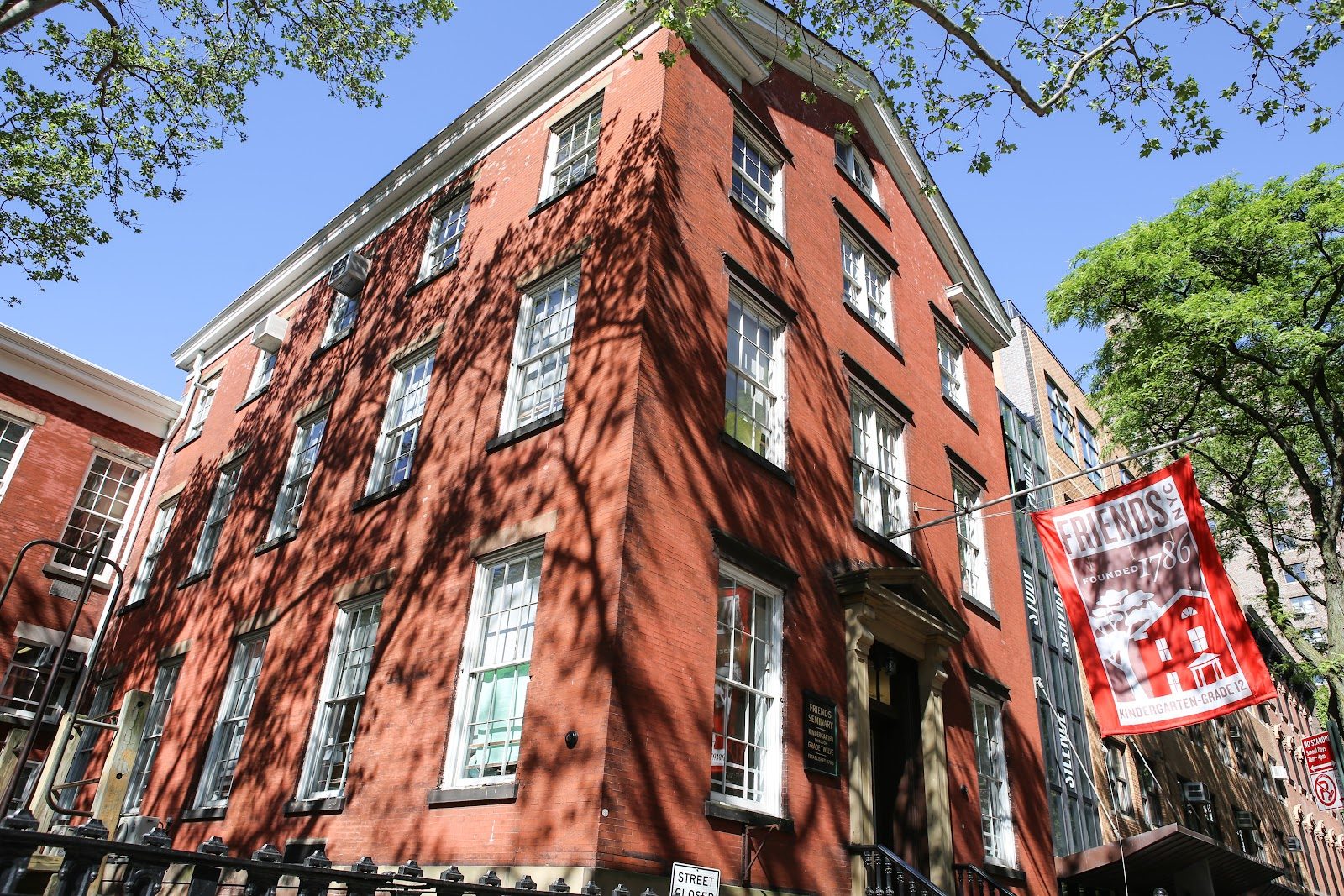
Friends Seminary
New York City · United States
Founded in 1786, the oldest coeducational school in New York City still teaches Quaker simplicity and peace amid Manhattan's bustle
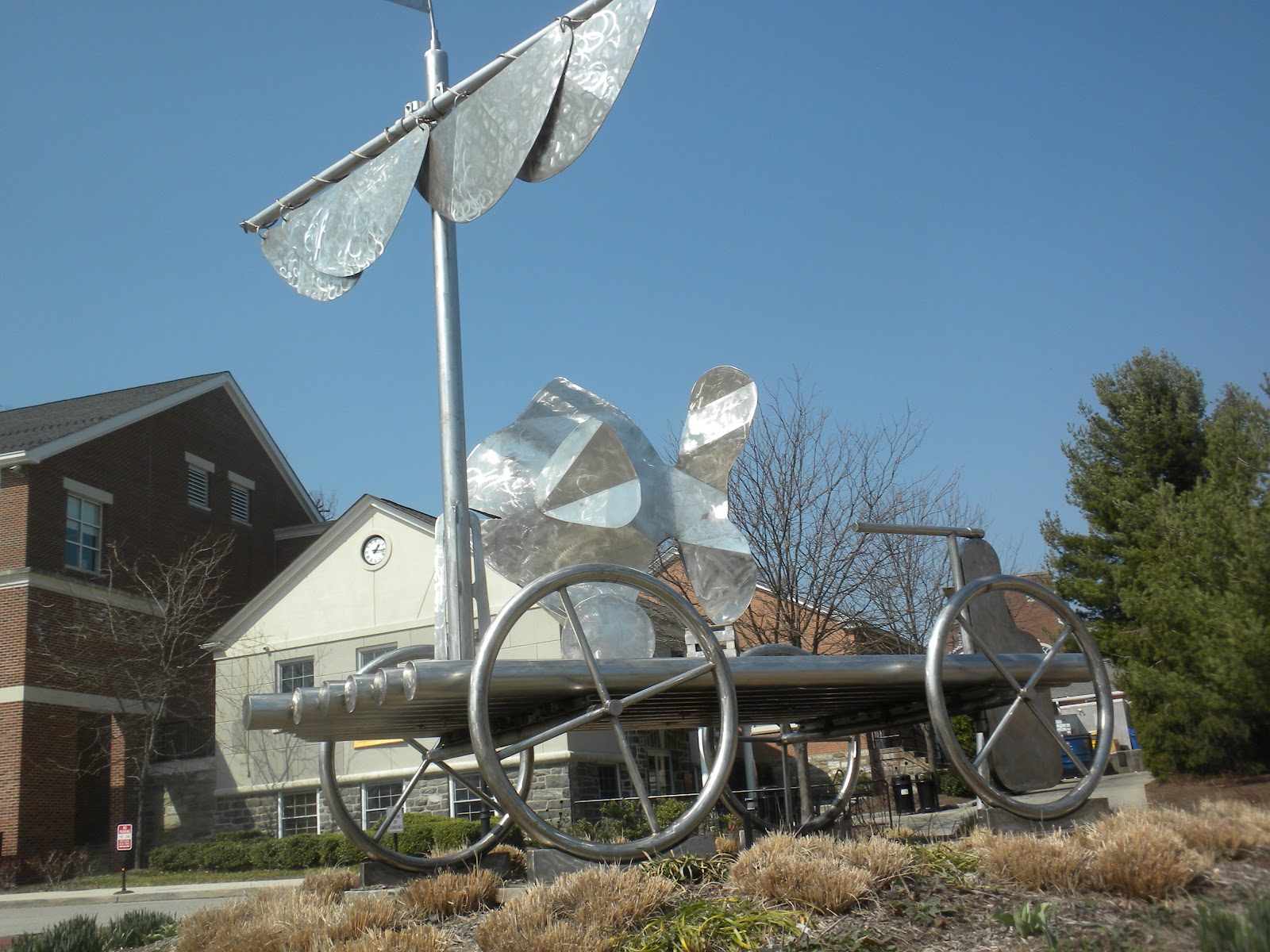
The Haverford School
Haverford · United States
Since 1884 on Philadelphia's storied Main Line, an all-boys campus balances rigorous academics with athletics and the arts.
The Buckley School
New York City · United States
On Manhattan's Upper East Side since 1913, a K-9 boys' school pairing classical rigor with mandatory public-speaking training for every student.
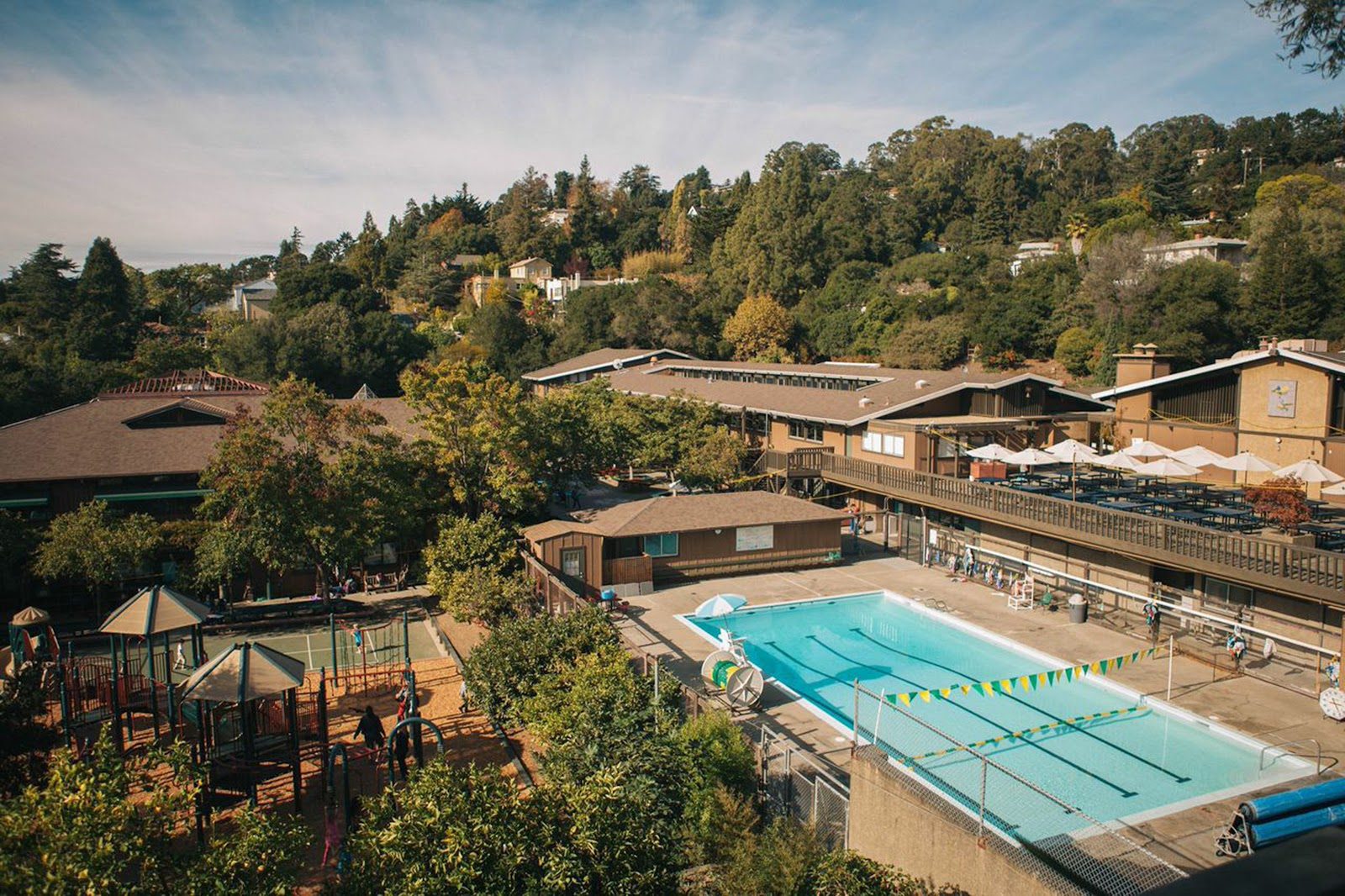
Head-Royce School
Oakland · United States
Since 1887 on a wooded Oakland hills campus, pairing rigorous scholarship with a decades-old public-school partnership that opens college doors for first-generation students
Same country and curriculum — closest matches within ±10 points either way