
Buenos Aires
Instituto Libre de Segunda Enseñanza
Born from an 1892 faculty walkout at Colegio Nacional, still governed under University of Buenos Aires oversight near Plaza Lavalle.
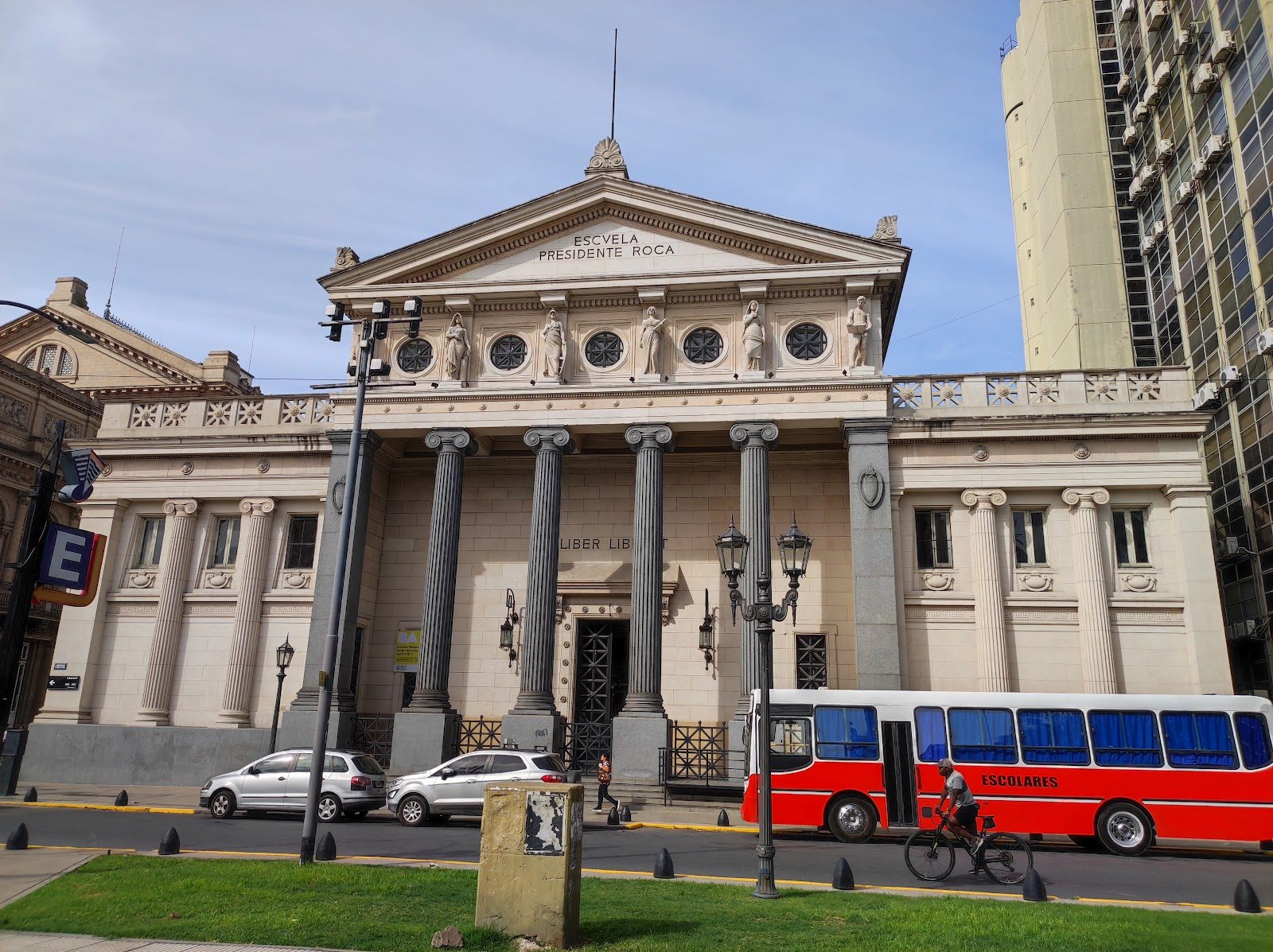
Photo © Irina Dorantes. via Google Maps
Type
Day
Ages
12–18
Curriculum
Argentinian
Qualifications
Argentinian national curriculum (UBA-affiliated)
Ratio
—
The Verdict
Editor's commitment
Right for
Families wanting a day school in Buenos Aires for ages 12–18, under University of Buenos Aires oversight since 1892.
Wrong for
Parents seeking boarding, religious formation, or a published international curriculum; ILSE is secular, day-only, and declares an Argentinian programme.
Watch out for
Public information is thin: the school's own about page returns a 404, and ILSE does not publish academic outcomes here.
Ranking breakdown
Instituto Libre de Segunda Enseñanza · #1198 of 1591
Composite score 58.2. 8 weighted criteria.
By criterion
Academic Outcomes
Weight 20%
#1157
of 1529 scored
University Placement
Weight 16%
#1015
of 1529 scored
Prestige & Heritage
Weight 12%
#734
of 1571 scored
Alumni Network
Weight 12%
#966
of 1530 scored
Facilities
Weight 12%
#1297
of 1533 scored
Transparency & Communications
Weight 8%
#1293
of 1532 scored
Peer & Industry Review
Weight 10%
#1415
of 1548 scored
Admissions Selectivity & Demand
Weight 8%
#1077
of 1529 scored
Peer & Industry Review
How Instituto Libre de Segunda Enseñanza is regarded in the sector
58
Credible · medium confidence
Within Argentina, ILSE is consistently grouped by education commentators and rival school leaders alongside Colegio Nacional de Buenos Aires and Carlos Pellegrini as one of only a handful of UBA-affiliated 'escuelas preuniversitarias,' entry to which requires a competitive public examination rather than fees. This affiliation itself functions as the strongest peer signal: Universidad de Buenos Aires treats graduates of these schools as a distinct, academically trusted feeder pool, and Argentine national press (Clarin, La Nacion) periodically profiles the intense entrance-exam competition for places as evidence of the school's standing among Buenos Aires's academic elite. Because ILSE is a public, UBA-run institution rather than a fee-charging international school, it sits outside the coverage universe of Anglophone guides such as the Good Schools Guide or WhichSchoolAdvisor, and there is no verifiable record of quoted assessments from those outlets. Its reputation is therefore carried almost entirely through domestic academic and journalistic channels and through informal comparison with its UBA sister schools, rather than through international league tables, university admissions-officer commentary abroad, or peer-conference visibility.
Editors' overview
Instituto Libre de Segunda Enseñanza occupies a narrow and interesting niche in Buenos Aires. Founded in 1892, it is not another polished private school selling global branding and inflated promises. ILSE sits under the University of Buenos Aires, and that matters: the school carries the weight of a public intellectual tradition rather than the social signalling of a clubby fee-paying institution. For parents, the attraction is clear. This is a secular day school for ages 12 to 18, teaching in Spanish and English, with an Argentinian curriculum and a university-linked identity that gives it institutional seriousness, historic ballast and a distinctly academic cast.
What is special here is governance and lineage. The school’s editorial history starts with an 1892 faculty walkout at Colegio Nacional, and that origin still gives ILSE a sharper profile than many conventional local schools. It belongs on a shortlist for families who value intellectual rigour over polish, and substance over spectacle. The UBA connection sets an expectation of demanding teaching, academic independence and a culture that prizes ideas. That same connection also marks it out from both the city’s elite private schools and its standard state options: ILSE occupies a hybrid, semi-private space, tied to one of Argentina’s most important universities and located near Plaza Lavalle. At 134 years old, it has longevity few schools can match.
The right student for ILSE is academically motivated, self-directed and comfortable in a school that carries a serious scholastic temperament. This suits pupils who want challenge, who like being around peers with intellectual drive, and who do not need glossy pastoral packaging to thrive. It will also appeal to families who want a secular education with public purpose rather than imported prestige. Parents hunting for lavish facilities, heavy hand-holding or the social theatre of the top-fee market will find stronger fits elsewhere. Parents who want a strong sense of mission and an education with civic weight should pay close attention.
Academic Performance
Academic performance is the hardest part of ILSE to judge from public data, because the school does not publish aggregate external examination results, university placement figures, or benchmarking against peer schools. That is a real weakness. For a school with a serious academic identity and university oversight, families deserve more than institutional reputation. They need hard numbers: pass rates, grade distributions, progression data, and evidence of how pupils fare against other selective secondary schools in the city. Without that, any claim of academic strength rests on history and governance rather than disclosed outcomes.
Even so, the structure matters. A secondary school tied to the University of Buenos Aires enters the market with higher intellectual expectations than the average private day school, and ILSE’s profile points towards a demanding academic culture rather than a soft, parent-pleasing one. That places it closer to the city’s selective, academically minded schools than to polished international brands that advertise every result. The trade-off is clear: ILSE carries scholastic credibility, but not result transparency. Parents who are comfortable judging a school by institutional lineage, selectivity and academic tone will find that acceptable. Parents who want published proof, clean comparators and measurable performance data will find the picture frustratingly opaque.
Facilities
Public information on ILSE’s facilities is thin, and that matters. The school’s own “about” page was returning a 404 at the time of review, and we have not seen a published facilities overview, campus map, specialist-room list or photographic record substantial enough to judge laboratories, arts spaces, sports provision or library quality with confidence. For parents, that leaves a gap. Schools with a strong academic identity still need to show where learning happens and how well those spaces are equipped. On this point, ILSE is opaque, and that places more burden on the admissions visit than at peer schools that publish clear, usable detail.
Against Buenos Aires peers, that lack of disclosure is a weakness in itself. The city’s top private schools tend to document science rooms, performance venues, sports grounds and student commons in exact terms; ILSE does not. That does not mean the facilities are poor. It means the school gives families little basis for comparison before they walk through the door. Given its university-linked status and serious academic culture, the most important spaces here are the academic ones: classrooms, labs, study areas and any library provision. Those matter more than showpiece architecture. Still, families expecting campus spectacle, extensive athletic infrastructure or the polished transparency of premium private competitors will find ILSE behind the market. This is a school that demands an in-person inspection.
Instituto Libre de Segunda Enseñanza occupies a narrow and interesting niche in Buenos Aires
Prestige
ILSE carries real local prestige, but it is a specific kind of prestige. This is not the glossy, fee-fuelled status of Buenos Aires schools that trade on manicured campuses, international branding or polished parent experience. Its standing comes from intellectual lineage and institutional attachment. A secondary school that depends on the University of Buenos Aires holds cachet with families who value scholarship, seriousness and public-minded education. That gives ILSE cultural weight in the city’s academic imagination. Among informed local families, the name signals a school tied to ideas, standards and a tougher educational tradition than the average private day option.
That said, prestige here is earned rather than advertised, and it has limits. Outside Argentina, the name carries little resonance. Even inside the city, its reputation rests more on history and university affiliation than on published outcomes or contemporary market theatre. Families who equate prestige with elite social networks, luxury facilities or international university pipelines will not rank ILSE at the top of the tree. Families who prize scholastic seriousness, selectivity of ethos and distance from private-school showmanship will. In editorial terms, ILSE sits in the high-prestige academic tier locally, but not in the conspicuous-luxury tier. That distinction matters: this school offers intellectual status, not aspirational gloss.
Parents hunting for lavish facilities, heavy hand-holding or the social theatre of the top-fee market will find stronger fits elsewhere
Communications
Parent communication looks weak in public-facing terms. The school’s own “about” page returned a 404, which is not a cosmetic fault; it blocks a basic route for families trying to understand ethos, leadership and day-to-day expectations. We have not seen a clear parent information architecture in the public domain: no usable overview of key contacts, no obvious explanation of how pastoral or academic updates are handled, and no substantial admissions-facing guidance that answers ordinary parental questions before a visit. For a school with institutional gravity and a serious academic culture, that gap matters. Strong schools do not get a free pass on basic communication because they have history.
That does not mean communication inside the school is poor. It means the school does not demonstrate it publicly. Some university-linked schools run on old-fashioned assumptions: families find things out through established channels, internal notices and direct contact rather than polished websites. That model can work for existing parents and still be needlessly opaque for prospective ones. ILSE gives little sign of a modern, parent-oriented communication strategy, and that makes the first impression stubbornly austere. Parents who value independence and do not need hand-holding will tolerate that. Parents who expect fast, clear, well-organised information before committing will judge it a weakness.
Uniqueness
What sets ILSE apart is not a glossy educational concept but its constitutional place in the system. A secondary school that depends on the University of Buenos Aires occupies a rare institutional middle ground: neither a standard state school nor a conventional private school built around customer service and brand management. That governance structure gives the school a harder academic edge and a different internal logic. The centre of gravity sits with scholarship, institutional continuity and intellectual standards, not with parent appeasement. For students, that can be powerful. They grow up inside a school shaped by university oversight, which pushes them towards independence, argument, disciplined study and a more adult relationship with learning.
That distinctiveness also brings a specific culture. ILSE suits pupils who want to be taken seriously before university, not cushioned on the way there. In practice, that means a peer group and teaching environment with more intellectual pressure, less theatrical polish and stronger expectations of self-management than many fee-paying rivals. The payoff is an education with civic and academic weight. The drawback is plain too: families looking for a heavily curated experience, abundant hand-holding or the status rituals of elite private schooling will not find them here. ILSE’s uniqueness lies in that refusal. It offers students a route into serious secondary education that feels institutionally grounded, unfashionable in the best sense, and closely tied to the habits of mind a university values.
The city’s top private schools tend to document science rooms, performance venues, sports grounds and student commons in exact terms; ILSE does not
Student Profile
The students who fit ILSE are the ones who do not need school to flatter them. This suits adolescents with strong academic stamina, intellectual curiosity and a tolerance for institutions that expect them to get on with the job. A pupil who enjoys argument, reads beyond the set task, asks precise questions and copes well without constant reassurance will find the culture congenial. So will families who value substance over theatre. Children who need a highly managed environment, glossy affirmation or intensive pastoral packaging will struggle. The school’s university dependence shapes the type: students are expected to think with some independence, handle adult expectations early and accept that standards matter more than comfort.
Socially, the best fit is a child who does not measure school life by polish, status display or endless extracurricular spectacle. ILSE suits self-possessed, internally motivated pupils who can make their own momentum and who do not need every process explained twice. That does not mean the school is only for narrow bookishness; it means the centre of gravity is academic seriousness, not performance for parents. The strongest candidates are the ones who want peers with intellectual bite and teachers who treat them as students rather than customers. For the right teenager, that is formative and bracing. For the wrong one, it is hard-edged and unsparing.
Families who equate prestige with elite social networks, luxury facilities or international university pipelines will not rank ILSE at the top of the tree
Co-curricular strengths
Arts & sport, on a separate axis
Overall 6.4/10
Scored 0-10 from the school's own published evidence. This axis is editorial-only — it does not feed the main WTS ranking.
Sports
6.5/10
Drama
7/10
Dance
4.5/10
Music
7/10
Visual Arts
7/10
Strengths
- +Founded in 1892 as the first secondary school placed under the academic supervision of the Universidad de Buenos Aires (UBA), giving it a unique century-long university affiliation.
- +Teaching staff is drawn largely from UBA professors, and the school offers an optional sixth year equivalent to the UBA's Ciclo Basico Comun, letting students start university credit while still at school.
- +Notable alumni include Nobel Peace Prize laureate Carlos Saavedra Lamas, former president Roberto M. Ortiz, and Cervantes Prize-winning writer Adolfo Bioy Casares.
- +Curriculum is plurilingual, including English and French, with the possibility of sitting international language certifications alongside the Argentine bachillerato.
- +Offers three differentiated bachillerato tracks (Social Sciences and Humanities, Natural Sciences, and Economics and Administration), giving some academic specialisation before university.
Considerations
- −Entry is via a competitive year-long curso de ingreso with exams in Mathematics, Language, History and Geography, so places are not guaranteed and the process is demanding for 12-year-olds.
- −Unlike the other two UBA-affiliated secondary schools, ILSE is self-financed through monthly family fees rather than public funding, and current fee levels are not published online.
- −The school was boys-only and morning-shift only until 1985, a comparatively recent shift to coeducation that some families may want to weigh when assessing institutional culture.
- −It follows the standard Argentine curriculum rather than an international programme (IB, A-Levels, etc.), which may matter for expat families planning onward moves to other education systems.
Availability
Primary entry gate & tests
UBA Merit Entry Course
Gallery
Photo © Juan Ciordia via Google Maps
Photo © Juan Pablo Gimenez via Google Maps
Photo © María Eugenia Gutiérrez Fernández via Google Maps
Photo © Marcelo Pompei via Google Maps
Photo © belmo amor via Google Maps
Photo © Marcos Stigliano via Google Maps
Photo © Marcos Stigliano via Google Maps
Parent reviews
Have you sent your child here?
Voice reviews carry the strongest trust badge — we transcribe them for you to tidy up before they go live. Prefer to type? A written review is fine too.
Add your voice
In 60 seconds, tell other parents: what's the best thing about Instituto Libre de Segunda Enseñanza, and what surprised you when your child joined?
We ask for a Google sign-in so every review has a real face behind it — no anonymous drive-by attacks on schools, and no faked positive reviews. Your email is never shown publicly.
Send this profile to a friend
International parents rely on word-of-mouth. Share this review with someone weighing the same decision.
Schools with places
Similar schools to Instituto Libre de Segunda Enseñanza with places available now.
Belgrano Day School
Buenos Aires · Argentina
- 2026-27
- CLOSEDStandard route closed
- 2027-28
- PLACES OPEN
Asociación Escuelas Lincoln
Buenos Aires · Argentina
- 2026-27
- WAITPOOLSpace-dependent
- 2027-28
- PLACES OPENRolling
St Andrew's Scots School (Colegio San Andrés)
Buenos Aires · Argentina
- 2026-27
- CLOSEDStandard route
- 2027-28
- WAITPOOL2027/28 enquiries underway
Availability first, then country, area, curriculum, price, co-curricular
Consider also
Also worth looking at alongside Instituto Libre de Segunda Enseñanza.
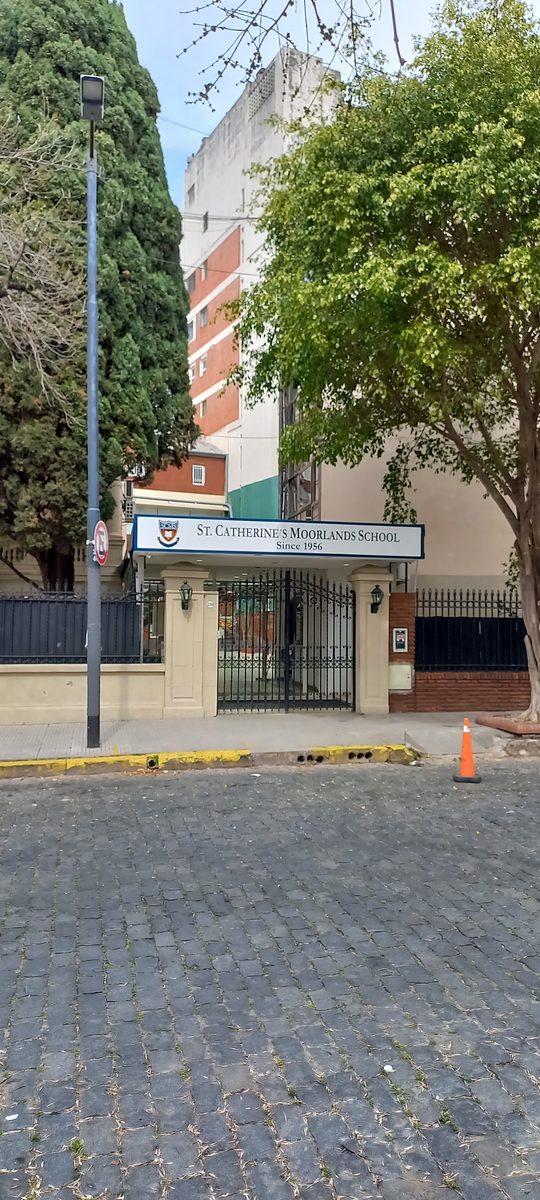
St. Catherine's Moorlands School
Buenos Aires · Argentina
Argentina's IB pioneer since 1973, pairing a British-rooted curriculum with a storied Buenos Aires hockey tradition
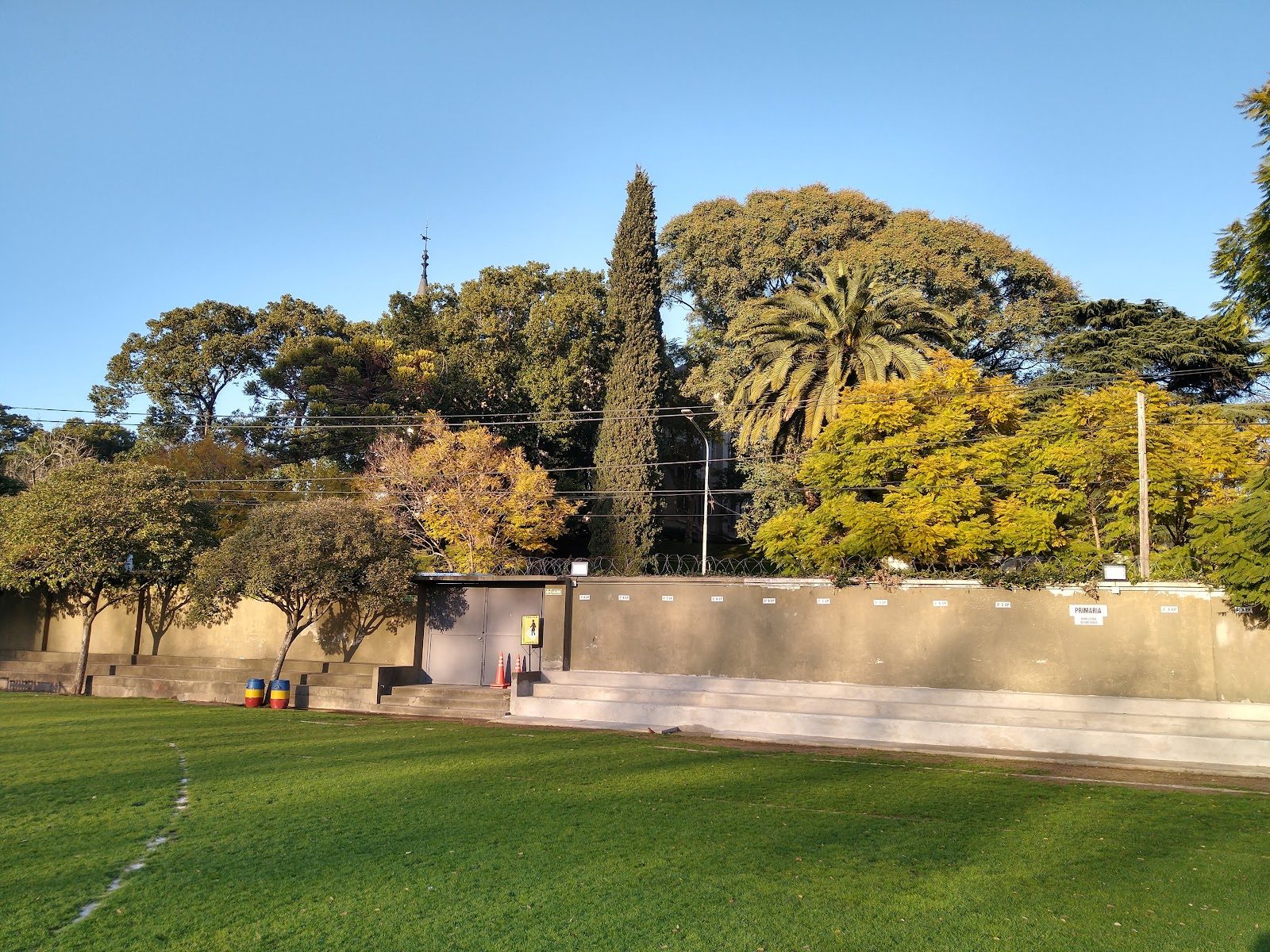
Colegio Michael Ham
Buenos Aires · Argentina
Inside a neo-Gothic castle on the Vicente Lopez barranca, nearly a century of girls-only schooling has just given way to coeducation.
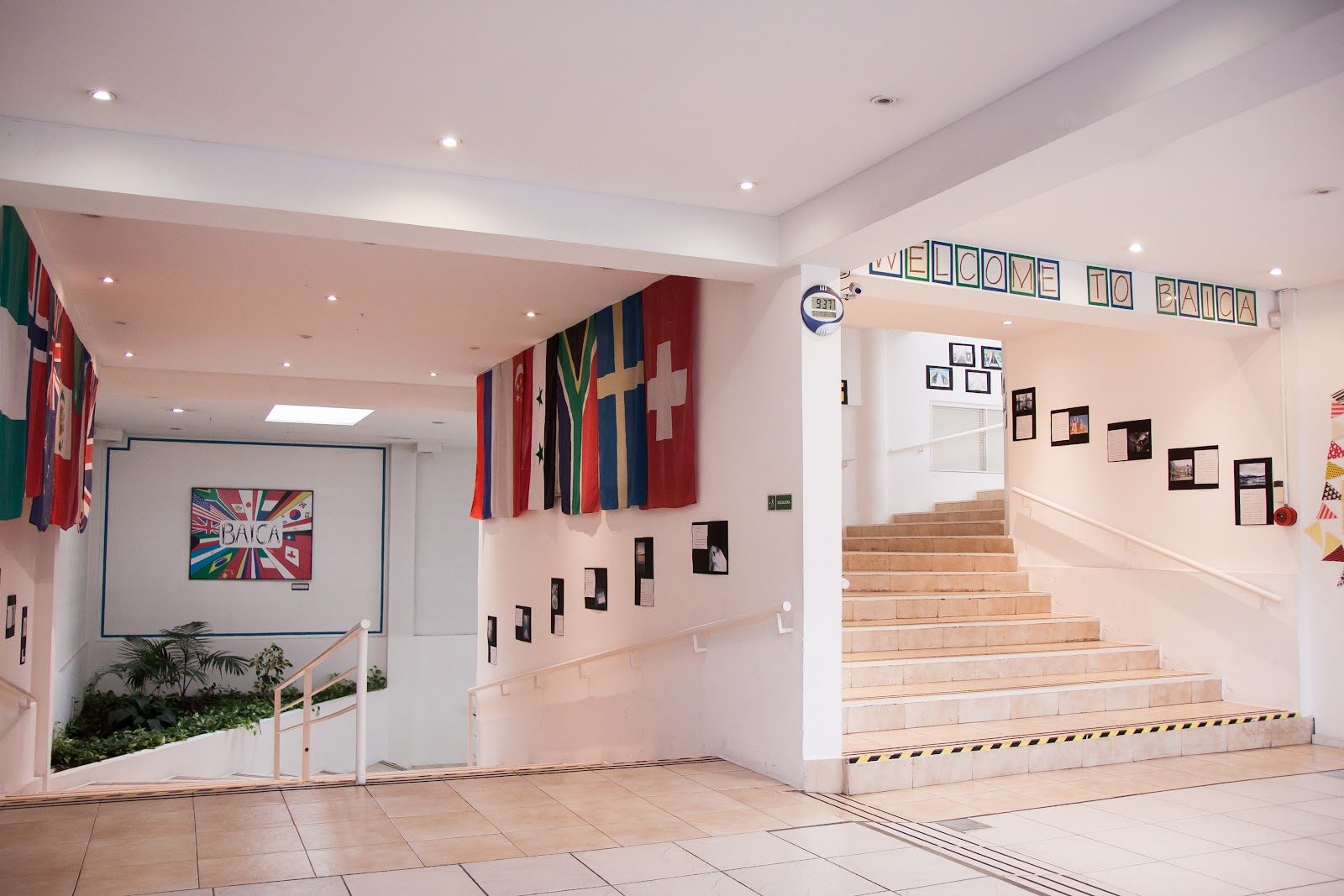
Buenos Aires International Christian Academy
Buenos Aires · Argentina
Buenos Aires' only Christian international school pairs a US college-prep track with a dual Argentine diploma.
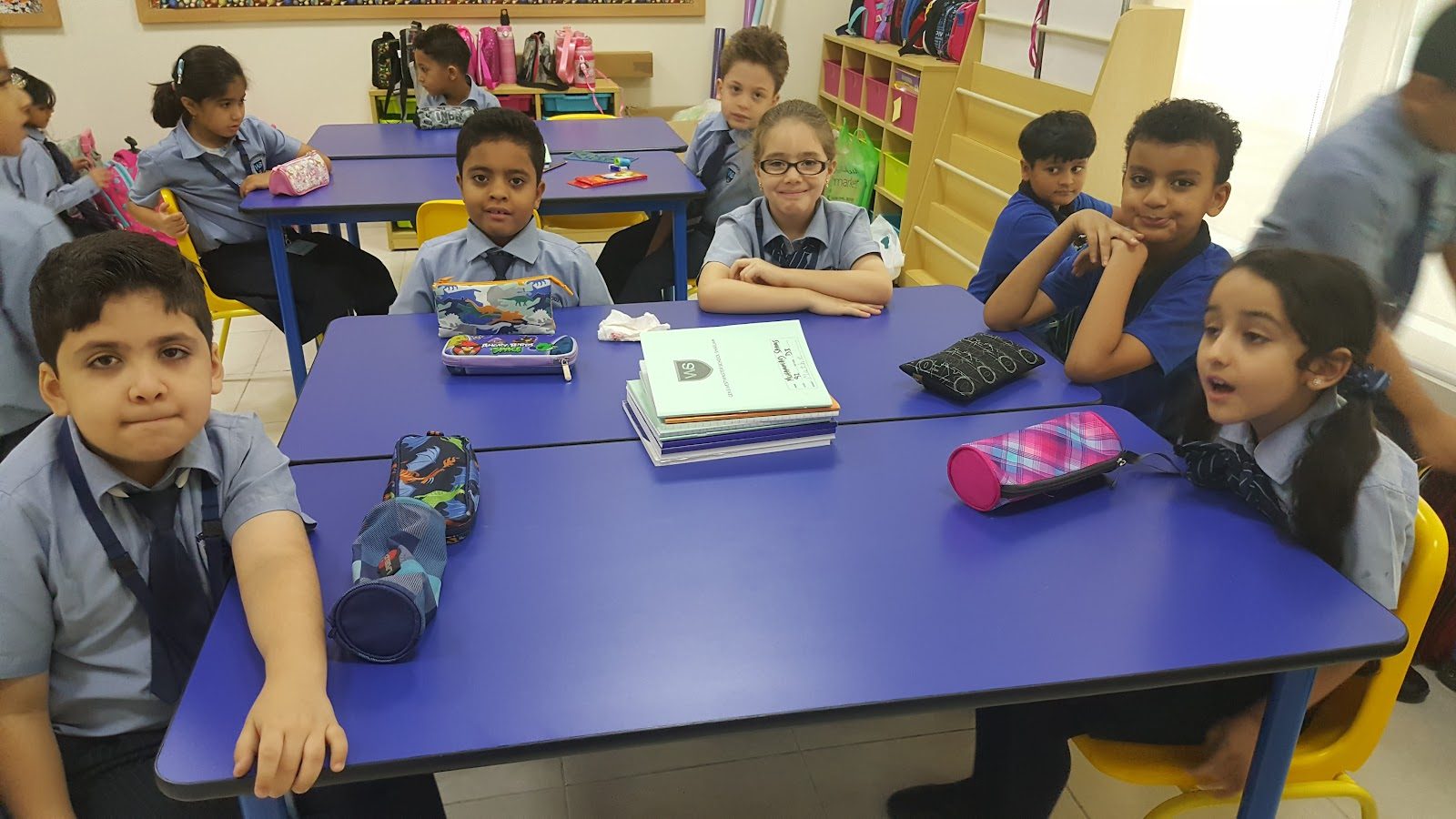
GEMS Westminster School - Sharjah
Sharjah · United Arab Emirates
A flexible two- or three-year IGCSE pathway in Muwaileh gives Sharjah families room to pace their children's British education.
Same country and curriculum — closest matches within ±10 points either way