
Ciudad Autónoma de Buenos Aires
Colegio del Salvador
Tracing its Jesuit lineage to 1617, this Callao landmark ended 154 years of all-boys tradition by admitting girls in 2023.
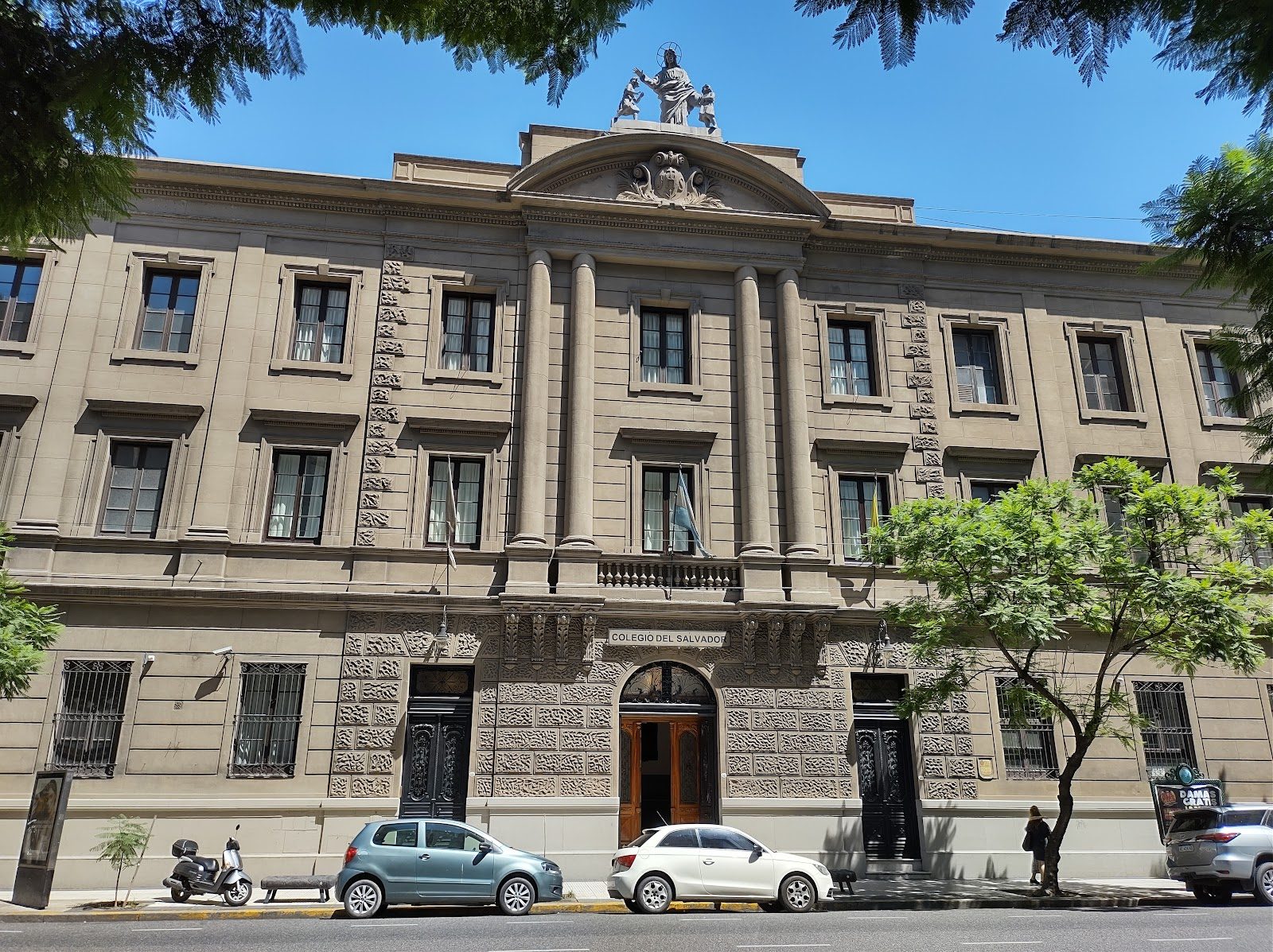
Photo © Cristian Gabriel Sebille via Google Maps
Type
Day
Ages
6–18
Curriculum
Argentinian
Qualifications
Argentinian national curriculum
Ratio
—
The Verdict
Editor's commitment
Right for
Families in Buenos Aires who want a Jesuit day school founded in 1868, teaching in Spanish and English from ages 6–18.
Wrong for
Parents wanting boarding, a non-Catholic ethos, or a settled boys-only environment: Colegio del Salvador admitted girls only in 2023.
Watch out for
The school traces its lineage to 1617 but this Buenos Aires campus dates to 1868; public academic outcome data are not published.
Ranking breakdown
Colegio del Salvador · #1199 of 1591
Composite score 58.2. 8 weighted criteria.
By criterion
Academic Outcomes
Weight 20%
#1157
of 1529 scored
University Placement
Weight 16%
#1164
of 1529 scored
Prestige & Heritage
Weight 12%
#733
of 1571 scored
Alumni Network
Weight 12%
#900
of 1530 scored
Facilities
Weight 12%
#1247
of 1534 scored
Transparency & Communications
Weight 8%
#1242
of 1532 scored
Peer & Industry Review
Weight 10%
#1373
of 1548 scored
Admissions Selectivity & Demand
Weight 8%
#991
of 1529 scored
Peer & Industry Review
How Colegio del Salvador is regarded in the sector
60
Respected · medium confidence
Colegio del Salvador's standing rests primarily on its identity as one of Argentina's oldest Jesuit institutions, founded in 1858 and operating within the worldwide Society of Jesus education network that also produced Universidad del Salvador, with which it shares heritage and name recognition in Buenos Aires. Within the city's private and confessional school landscape it is consistently grouped alongside other historic Catholic colegios (such as those run by Jesuits, Marists and Salesians) as a traditional, academically serious option rather than an internationally branded modern academy. English-language comparative sources like WhichSchoolAdvisor and the Good Schools Guide do not maintain independent coverage of Argentine schools, so peer standing is better evidenced by its long-running affiliation with Jesuit educational bodies (FLACSI, the Latin American federation of Jesuit schools) and its graduates' continued entry into Argentina's leading universities (UBA, UCA, Universidad del Salvador). Local press references tend to focus on its historical and religious significance rather than league-table rankings, reflecting Argentina's weaker culture of formal school rankings compared to the UK or US.
Editors' overview
Colegio del Salvador holds a rare place in Buenos Aires schooling: a Jesuit institution founded in 1868, with roots the school traces back to 1617, and a reputation built on continuity rather than reinvention. In a market crowded with bilingual private schools chasing global branding, this one trades on history, Catholic formation and institutional weight. The decisive recent shift came in 2023, when the school ended 154 years as an all-boys school and admitted girls. That matters. It marks a cultural change at the heart of a school long defined by tradition. For parents, the attraction lies in that combination of historic gravitas, Catholic seriousness and a school identity that has not been diluted for convenience.
The offer is clear. This is a private day school in Buenos Aires for ages 6–18, teaching the Argentinian curriculum in Spanish and English, under Jesuit Catholic leadership. Parents considering Colegio del Salvador are not buying progressive educational fashion or an international-school pastiche. They are choosing a school shaped by doctrine, structure and inherited expectations. That will suit families who want moral discipline, strong adult authority and a school culture with an explicit religious centre. It will not suit parents who want a loose, child-led ethos, nor those seeking the curricular flexibility or international portability of IB or A Levels. The school’s public profile rests far more on tradition and identity than on published academic metrics; exam data and comparative outcomes are not in the public domain, and that opacity is a real weakness in a competitive fee-paying market.
Why shortlist it? Because few schools in the city carry this level of institutional memory and social recognition. Colegio del Salvador offers deep-rooted identity, ritual and belonging, and the force of a long-established Jesuit education in the Argentine context. The right student for this school is one who thrives with structure, respects hierarchy, and wants to belong to something older and larger than the individual timetable: a pupil who values community, faith and continuity over novelty. Families who want a school with a sense of inheritance and the confidence to remain itself will find a serious contender here.
Academic Performance
Academic performance is hard to judge because the school does not publish the data that matter. We have not seen aggregate results for national examinations, no subject-level breakdowns, no university placement profile, and no benchmarking against other leading private schools in the capital. For a fee-paying school with a serious academic reputation, that is a material gap. Parents can infer that classroom standards are sustained by the school’s long-standing institutional discipline and selective social cachet, but inference is not evidence. In this area, Colegio del Salvador is opaque.
Relative to peers, that opacity places it behind academically transparent schools that publish pass rates, score distributions or destination lists. The school’s standing rests more on name, tradition and parental confidence than on disclosed performance metrics. That does not mean weak results; it means unverified results. For some families, especially those choosing on ethos and community, that will suffice. For parents making a hard comparison across Buenos Aires private schools, it will not. In editorial terms, this is a school with institutional authority but no public exam narrative. Until it releases consistent outcome data, its academic position remains a matter of reputation rather than demonstrated, comparable proof.
Facilities
The school’s strongest facility asset is not scale but setting: a historic urban campus with the kind of architectural presence newer private schools cannot manufacture. That brings advantages and constraints. A long-established Jesuit school in a dense city setting tends to offer formal teaching spaces, a chapel or equivalent religious core, assembly areas and solid everyday infrastructure for primary and secondary pupils, rather than the sprawling sports fields, design labs and resort-style extras that define many premium suburban competitors. We have not seen a published facilities inventory detailed enough to verify specialist science provision, theatre infrastructure, maker spaces or elite athletic amenities. That lack of disclosure matters. Parents comparing hard assets across schools will find the picture frustratingly thin.
Against Buenos Aires peers, Colegio del Salvador’s facilities profile reads as institution-first, not amenity-led. Families choosing older Catholic schools often accept a more compact site in exchange for heritage, discipline and location. That trade-off is real here. If your benchmark is a modern bilingual campus with expansive outdoor sport, glossy innovation suites and a facilities arms race, this school sits behind the top tier. If your benchmark is a serious city school where buildings serve order, worship and academic routine, it holds its ground. The impression is solid rather than lavish, functional rather than showy—credible, but not a facilities leader from what the school publishes.
Parents considering Colegio del Salvador are not buying progressive educational fashion or an international-school pastiche
Prestige
Colegio del Salvador carries real social weight in Argentine education. Its prestige rests on three things: Jesuit heritage, endurance, and recognition among families who value old institutions over fashionable ones. This is not prestige manufactured through glossy international branding; it is the harder kind built through generational familiarity and a school name that has circulated in professional, Catholic and civic circles for a very long time. The shift after 154 years as an all-boys school adds another layer: it shows a school strong enough in its identity to alter a core tradition without surrendering the tradition itself. That combination of continuity and controlled change gives it institutional authority.
We rate its prestige as high, but with limits. It has established cachet and a serious old-school reputation, yet not the kind of prestige reinforced by public academic disclosure. Parents choosing this school are buying standing, formation and network as much as measurable outcomes. In Buenos Aires terms, that still counts for a great deal. A Jesuit school with this lineage carries cultural capital that newer private schools cannot replicate. The constraint is obvious: prestige based on history and social recognition is powerful, but less convincing than prestige backed by transparent results. Colegio del Salvador remains a name with weight; it does not make the full academic case in public.
Colegio del Salvador offers deep-rooted identity, ritual and belonging, and the force of a long-established Jesuit education in the Argentine context
Communications
Parent communication looks serviceable rather than polished. The school runs on institutional reputation and internal order, not on the kind of high-frequency, parent-facing communications operation that newer private schools use to reassure every family at every turn. We have not seen the hallmarks of a highly developed public information culture: no rich stream of published academic reporting, no detailed outcomes dashboards, and no expansive explanation of school life in the style of an admissions-led international school. That matters because communication is not just about notices and calendars; it is about how clearly a school explains standards, expectations, pastoral systems and academic progress. Here, the public-facing picture is thin, and that limits confidence.
That does not make communication weak inside the school. Long-established Catholic schools with strong internal hierarchy often communicate directly, with clear lines of authority and little decorative language. For many families, that works: messages are functional, decisions are communicated as decisions, and parents are treated as members of a school community rather than customers needing constant persuasion. The trade-off is obvious. Families who value crisp institutional discipline and do not need endless updates will tolerate a more formal, less chatty style. Families who expect transparent data, regular explanatory detail and a high-touch parent experience will find the model dated. Our read: effective enough for committed insiders; unconvincing for comparison shoppers.
Uniqueness
What marks Colegio del Salvador out is not novelty but institutional depth. This is a school shaped by the Jesuit habit of forming the whole person through study, discipline, conscience and service, and that gives it a different centre of gravity from secular bilingual competitors. The school’s long run as an all-boys institution, followed by the admission of girls after 154 years, makes it unusual in another way: students now enter a community in the middle of a genuine cultural transition, not a cosmetic rebrand. That matters. They inherit rituals, symbols and expectations forged over generations, while learning inside a school recalibrating who belongs within that tradition.
For students, that mix brings clear gains and clear demands. The gain is strong identity: a sense that school life stands for something beyond grades, branding and convenience. In the right hands, Jesuit education develops moral seriousness, verbal confidence, intellectual stamina and a durable understanding of duty to others. The demand is equally plain. This is not a loose, permissive environment built around personal preference. It asks students to adapt to a tradition-heavy culture, formal authority and a religious framework that shapes the school’s view of character. For families who want inheritance, structure and formation, that is the point. For those who want ideological neutrality or a lighter-touch school culture, it is a poor fit.
Against Buenos Aires peers, Colegio del Salvador’s facilities profile reads as institution-first, not amenity-led
Student Profile
The best fit here is a student who accepts structure without bargaining over it. Colegio del Salvador suits children who can work within a rule-bound, adult-led culture and who do not need school to orbit their preferences. Respect for authority matters. So does comfort with explicit religious formation and the public rituals that go with it. Students who thrive in environments built on routine, hierarchy and collective identity will find traction. Those who need a highly personalised, therapeutically framed, endlessly negotiable school experience will clash with the institution’s centre of gravity. This is a school for families who want moral seriousness, clear boundaries and a community that asks pupils to belong, not just attend.
The recent shift to co-education adds a layer of complexity. New entrants are joining a school in the first few years of a major cultural adjustment, and that carries opportunity as well as friction. The right student will handle transition with patience, social intelligence and a willingness to help shape norms rather than test every limit. There is room here for intellectually able, community-minded pupils with strong self-command and a tolerance for tradition-heavy environments. There is less room for performative individualism, anti-institutional instincts or children who need constant affirmation. In blunt terms: this suits the steady, dutiful, thick-skinned student far better than the restless iconoclast.
Colegio del Salvador carries real social weight in Argentine education
Co-curricular strengths
Arts & sport, on a separate axis
Overall 6.8/10
Scored 0-10 from the school's own published evidence. This axis is editorial-only — it does not feed the main WTS ranking.
Sports
7.3/10
Drama
6.7/10
Dance
6.3/10
Music
6.9/10
Visual Arts
6.8/10
Strengths
- +Traces its lineage to the Jesuit Colegio de Loreto founded in 1617, making it one of the oldest continuous educational institutions in Buenos Aires, with the current Colegio del Salvador established in 1868.
- +Offers a bilingual programme from Nivel Inicial with international certifications and exchange programmes, alongside English and French language instruction.
- +Counts notable alumni such as football executive Julio Grondona, who served as AFA president and a senior FIFA vice-president, and economist Juan Jose Llach.
- +Occupies a heritage building on Avenida Callao with a French Baroque facade that also houses the Jesuit provincial offices for Argentina and Uruguay.
- +Structures its senior secondary years into distinct bachillerato tracks in Mathematics and Physics, Social Sciences and Humanities, and Economics and Administration.
Considerations
- −Was an all-boys school for more than 150 years; it only began admitting girls in 2023, and this mixed policy currently applies to the initial level only, meaning full coeducation across primary and secondary will take years to phase in.
- −Was named in 2023 public allegations, with ten former students denouncing sexual abuse at the school, to which the institution issued a formal response acknowledging the matter.
- −Sits at editorial rank 496 in the challenger_300 tier, indicating it is not positioned among the highest-ranked schools in this ranking system.
- −Admission gives explicit priority to siblings of current students and children of alumni, and all entry is subject to available vacancies, which can disadvantage families with no prior connection to the school.
Availability
Primary entry gate & tests
Internal Merit Course (Boys)
Gallery
Photo © Cristian Gabriel Sebille via Google Maps
Photo © Cristian Gabriel Sebille via Google Maps
Photo © Cristian Gabriel Sebille via Google Maps
Photo © Guillermo Rubinetti via Google Maps
Photo © Jose Manuel Duran via Google Maps
Photo © Ariel Osvaldo A via Google Maps
Photo © Diego S. via Google Maps
Parent reviews
Have you sent your child here?
Voice reviews carry the strongest trust badge — we transcribe them for you to tidy up before they go live. Prefer to type? A written review is fine too.
Add your voice
In 60 seconds, tell other parents: what's the best thing about Colegio del Salvador, and what surprised you when your child joined?
We ask for a Google sign-in so every review has a real face behind it — no anonymous drive-by attacks on schools, and no faked positive reviews. Your email is never shown publicly.
Send this profile to a friend
International parents rely on word-of-mouth. Share this review with someone weighing the same decision.
Schools with places
Similar schools to Colegio del Salvador with places available now.
Belgrano Day School
Buenos Aires · Argentina
- 2026-27
- CLOSEDStandard route closed
- 2027-28
- PLACES OPEN
Asociación Escuelas Lincoln
Buenos Aires · Argentina
- 2026-27
- WAITPOOLSpace-dependent
- 2027-28
- PLACES OPENRolling
St Andrew's Scots School (Colegio San Andrés)
Buenos Aires · Argentina
- 2026-27
- CLOSEDStandard route
- 2027-28
- WAITPOOL2027/28 enquiries underway
Availability first, then country, area, curriculum, price, co-curricular
Consider also
Also worth looking at alongside Colegio del Salvador.
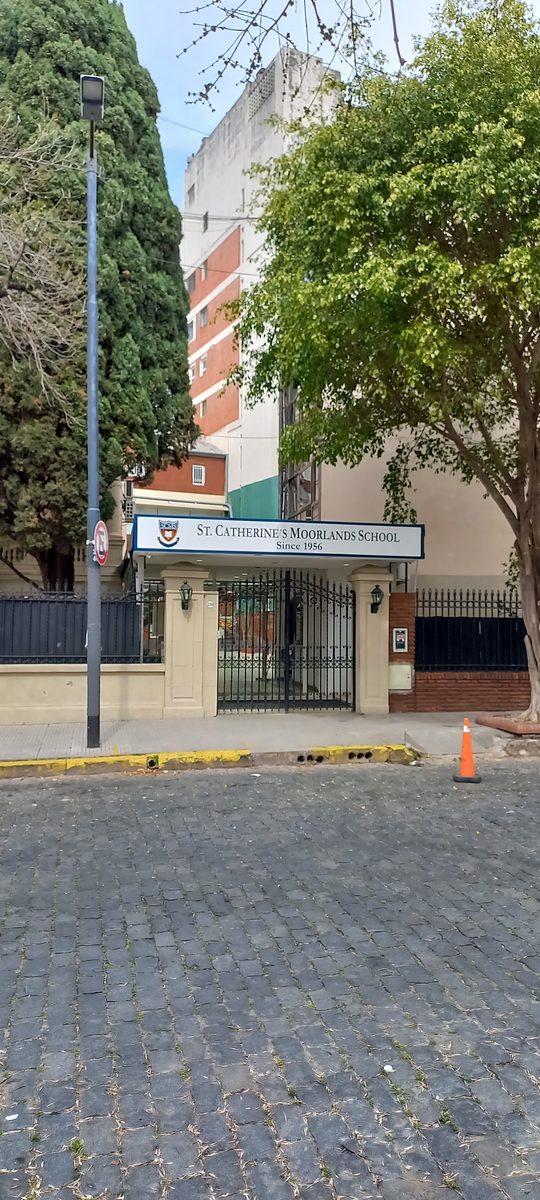
St. Catherine's Moorlands School
Buenos Aires · Argentina
Argentina's IB pioneer since 1973, pairing a British-rooted curriculum with a storied Buenos Aires hockey tradition
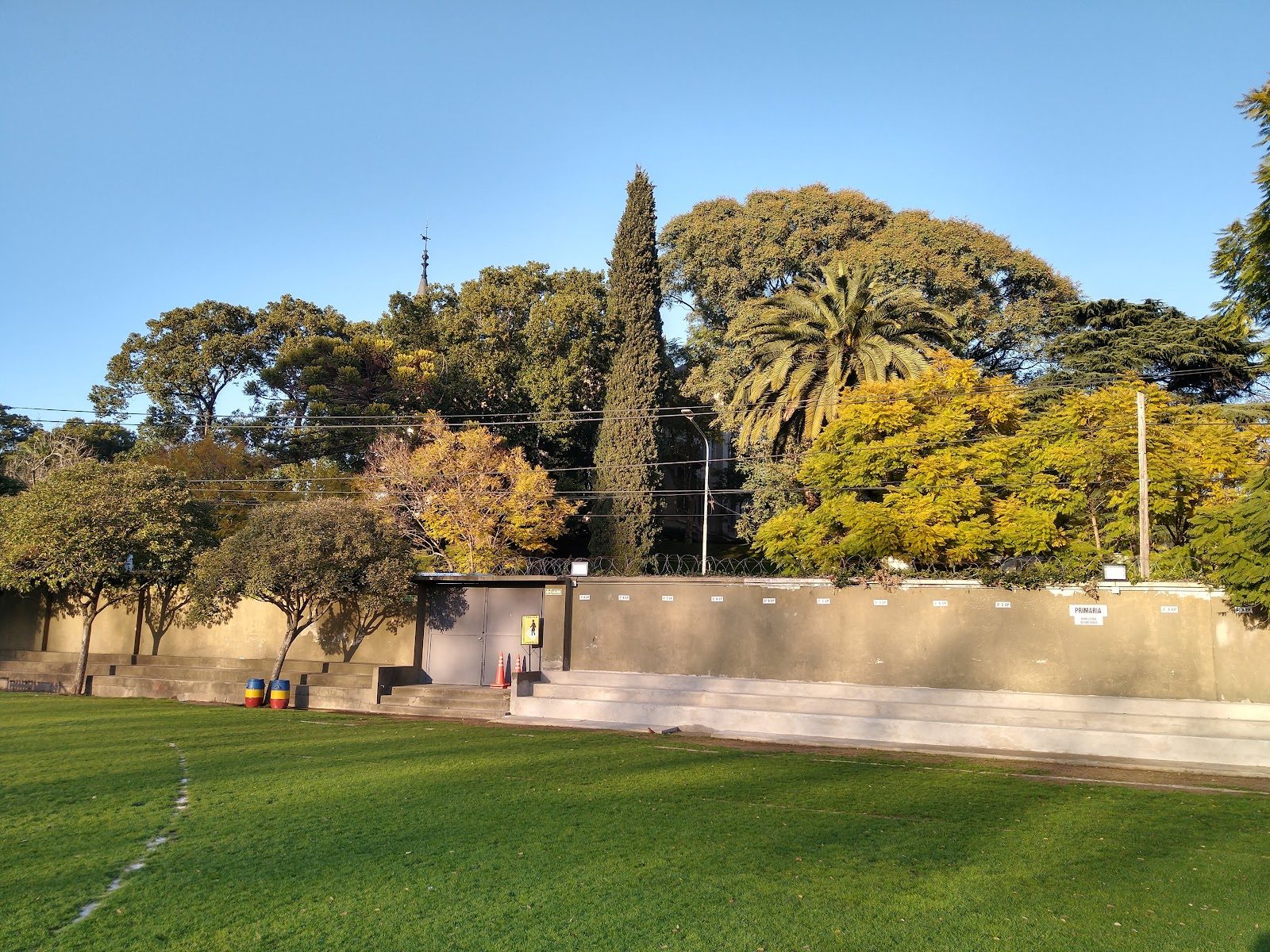
Colegio Michael Ham
Buenos Aires · Argentina
Inside a neo-Gothic castle on the Vicente Lopez barranca, nearly a century of girls-only schooling has just given way to coeducation.
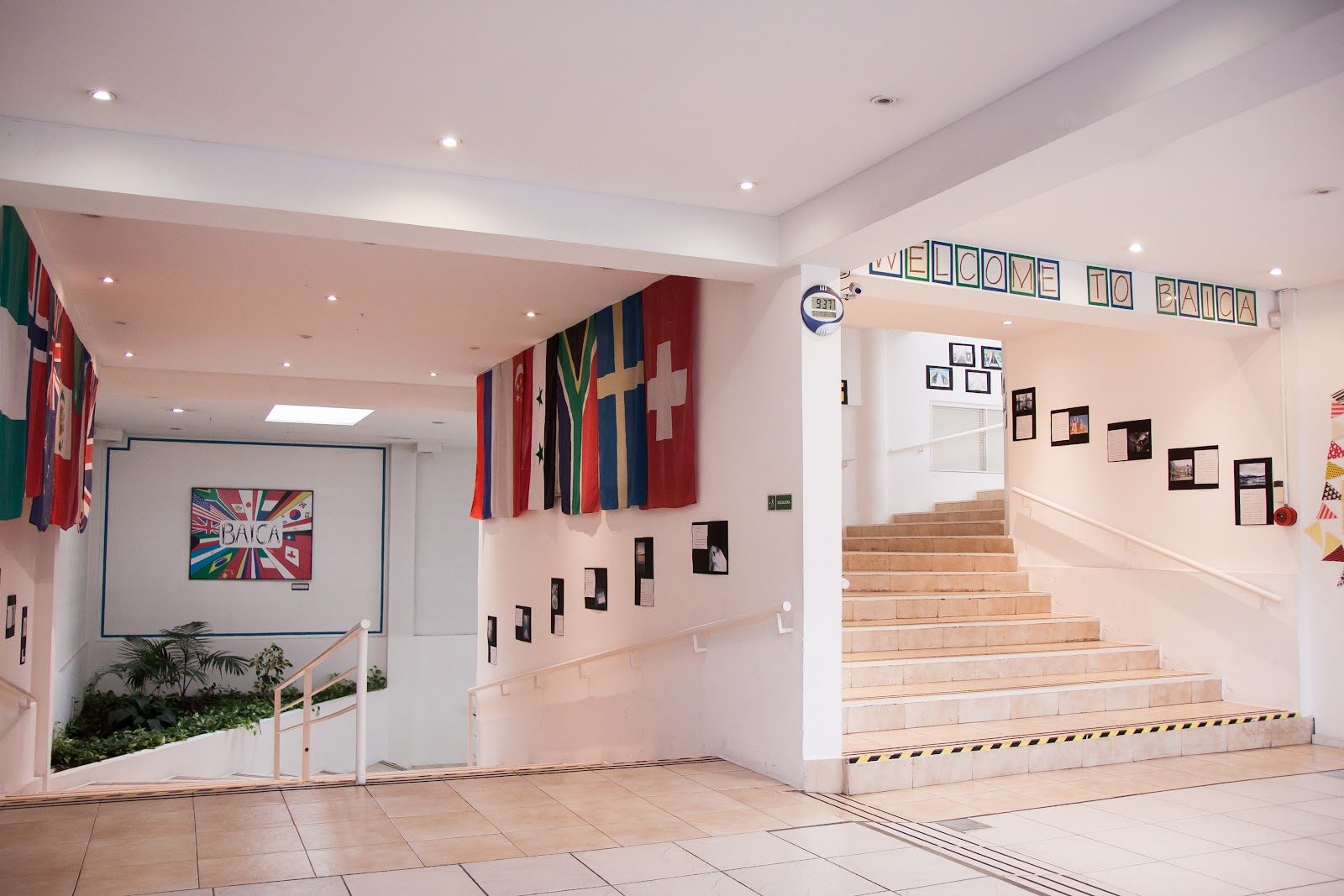
Buenos Aires International Christian Academy
Buenos Aires · Argentina
Buenos Aires' only Christian international school pairs a US college-prep track with a dual Argentine diploma.
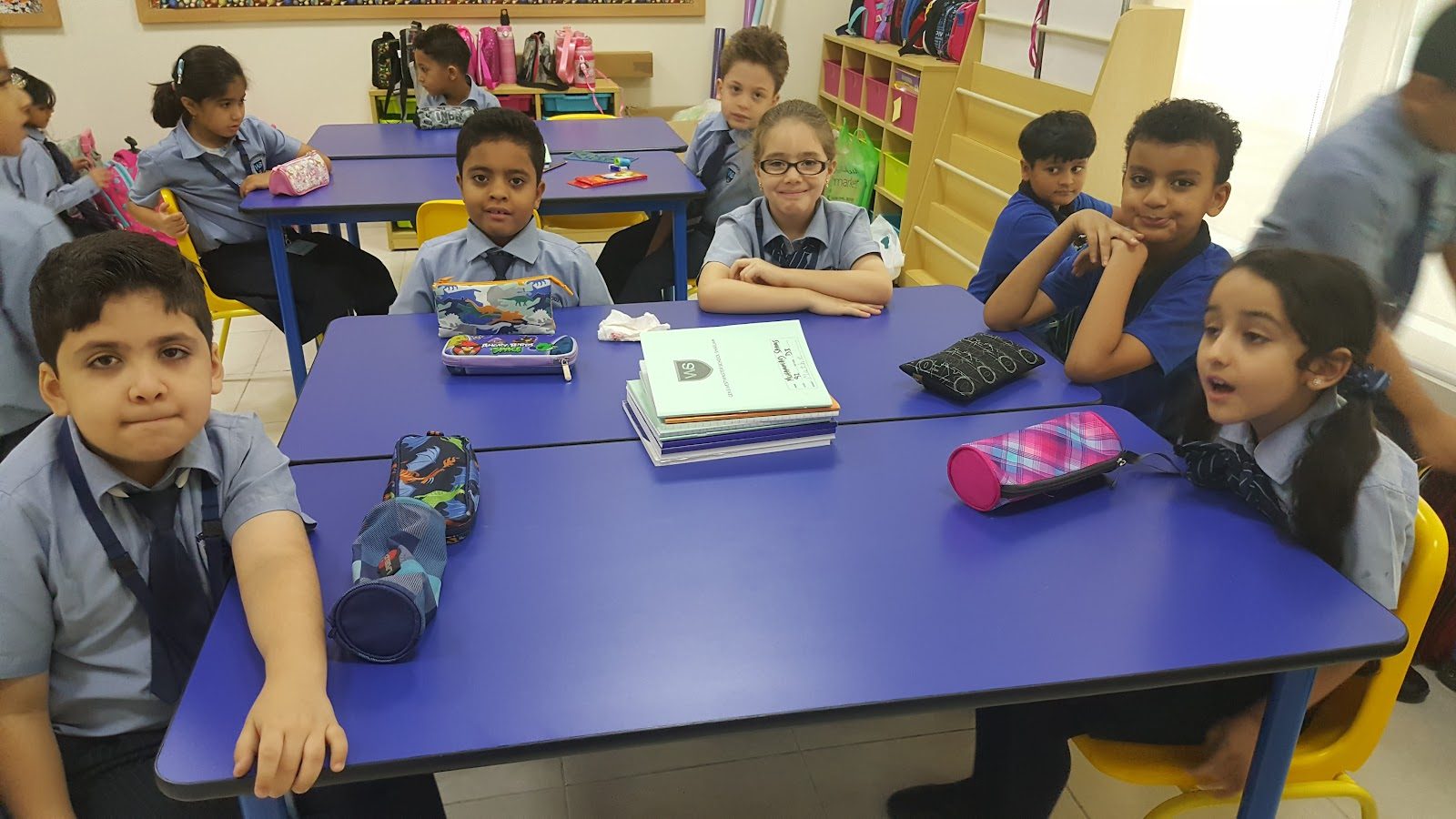
GEMS Westminster School - Sharjah
Sharjah · United Arab Emirates
A flexible two- or three-year IGCSE pathway in Muwaileh gives Sharjah families room to pace their children's British education.
Same country and curriculum — closest matches within ±10 points either way