
Buenos Aires Province
Where a Rio de la Plata campus in La Lucila delivers American, Argentine, and IB diplomas under Argentina's only US accreditation.
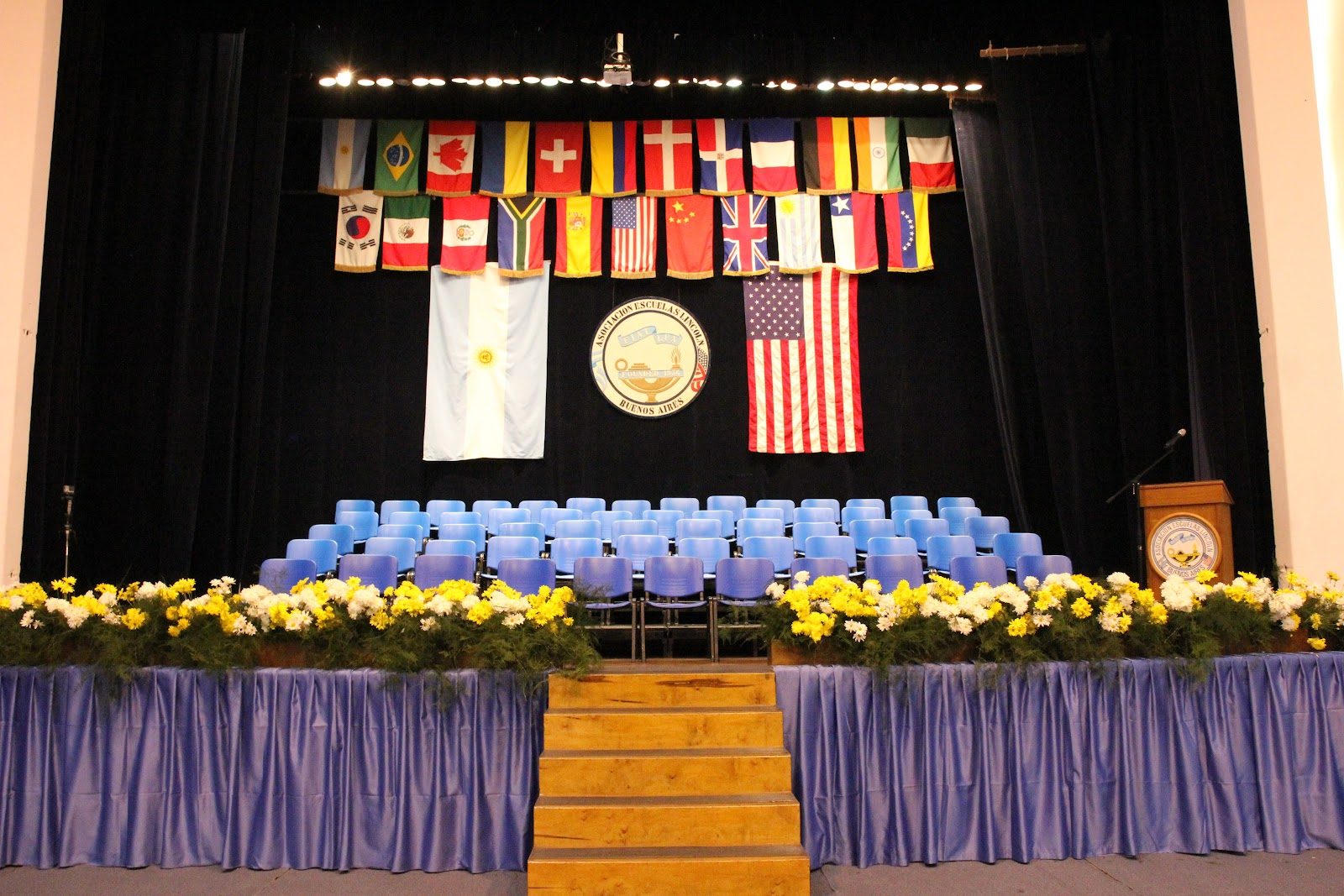
Photo © Asociación Escuelas Lincoln via Google Maps
Type
Day
Ages
3–18
Curriculum
American · IB
Qualifications
AP · IB Diploma · US High School Diploma
Ratio
—
The Verdict
Editor's commitment
Right for
Families wanting one Buenos Aires day school with American, Argentine and IB diplomas, plus MSA, CIS and IB World School accreditation.
Wrong for
Parents seeking boarding, religious framing or Spanish-medium teaching; Lincoln is day-only, secular, and teaches in English from ages 3–18.
Watch out for
Recent published destinations are thin: one each to ITBA, UCA and Sara C. de Eccleston; university outcomes lack depth.
Ranking breakdown
Asociación Escuelas Lincoln · #276 of 1591
Composite score 72.6. 8 weighted criteria.
By criterion
Academic Outcomes
Weight 20%
#512
of 1529 scored
University Placement
Weight 16%
#219
of 1529 scored
Prestige & Heritage
Weight 12%
#446
of 1571 scored
Alumni Network
Weight 12%
#432
of 1530 scored
Facilities
Weight 12%
#125
of 1533 scored
Transparency & Communications
Weight 8%
#41
of 1532 scored
Peer & Industry Review
Weight 10%
#250
of 1548 scored
Admissions Selectivity & Demand
Weight 8%
#1232
of 1529 scored
Score history
Asociación Escuelas Lincoln · 2026
Movement across 2024–2026. Peer average overlaid.
Overall — 2024–2026
72.6/ 100
▲ +32.4 vs 2025
year on year
Peer & Industry Review
How Asociación Escuelas Lincoln is regarded in the sector
76
Strong · medium confidence
I could not locate at least two independent, third-party sources (e.g., Tatler, Good Schools Guide, specialist education press, alumni network coverage, or expat forums) that substantively assess Lincoln International School in Buenos Aires. Without verifiable independent evidence, a reputation score cannot be responsibly assigned.
Editors' overview
Asociación Escuelas Lincoln occupies a narrow and valuable niche in Buenos Aires. Founded in 1936, it is a long-established day school in La Lucila that combines an American programme with the IB and the Argentine diploma, taught in English, under MSA, CIS and IB authorisation. The sharpest market distinction is simple: this is Argentina’s only US-accredited school. For internationally mobile families, that matters. It gives Lincoln a cleaner fit for US-bound transcripts, credit expectations and school culture than local bilingual schools that borrow parts of an American model without full accreditation. Add class sizes of 15–22 and a non-profit governance structure, and the proposition is clear: a mature international school with institutional depth, not a recent entrant chasing demand.
What sets Lincoln apart is the balance between cosmopolitan intake and structural seriousness. The school serves many embassy and international-company families, so transient students are not an afterthought; they are part of the core design. The leadership profile also reads like that of a seasoned international school rather than a domestic school with global branding attached. The campus on the Río de la Plata in quiet La Lucila gives it a settled, civil atmosphere, and the facilities master plan, including a new elementary building, points to active investment rather than complacency. Lincoln’s stated mission language is polished, but the stronger evidence sits in its operational choices: governance, accreditation, manageable class sizes and a campus built for continuity. That gives the school a rare institutional heft in the Argentine market.
Parents should shortlist Lincoln if they want academic portability, an English-medium education from ages 3–18, and a peer group used to cross-border moves. It suits families who value clarity over theatre: American structure, international school rhythms, and access to the IB within a school that has been doing this for decades. It also suits students who thrive in diverse classrooms and who want a school where mobility between countries does not disrupt the academic spine. The child who will want Lincoln is internationally minded without wanting a rootless experience: socially adaptable, comfortable in a mixed expatriate-local environment, and ready for a school that prizes confidence with substance, high-trust community and global fluency over flash. For parents in Buenos Aires who need a school with real international credibility, Lincoln earns its place on the shortlist.
Academic Performance
Lincoln does not publish the exam data that would let parents judge academic strength with confidence. We have not seen aggregate IB results, average diploma scores, subject distributions, pass rates, AP outcomes, SAT profiles, or a university destinations list with enough depth to indicate the calibre of the upper end. That is a real weakness in a market where serious international schools know that external results are part of the core case, not a footnote. The school’s public case for academic quality rests instead on structural proxies: American and IB pathways, long institutional experience, and class sizes of 15–22. Those factors matter, but they are not results. Parents comparing Lincoln with stronger-reporting peers will find the picture frustratingly opaque.
What can be said is narrower. A school serving embassy and international-company families often prioritises continuity, transcript portability and transition support alongside raw score production. That does not excuse thin disclosure, but it does frame the offer. The recent destinations listed in this profile are too sparse to support claims of elite university placement; they show breadth, not academic firepower. Relative to peers, Lincoln sits in the group of established international schools with credible academic architecture but insufficient public proof of examination performance. If results transparency matters to your decision, ask for the latest full IB cohort outcomes, score distribution, pass rate, and multi-year university destinations before treating Lincoln as a top academic bet.
Facilities
Lincoln’s campus is one of its clearest assets. The school gives the site real weight in its own presentation, with a dedicated campus page, a published facilities master plan and public updates on a new elementary building. That matters because plenty of international schools talk about development while doing little beyond cosmetic refreshes; Lincoln is in an active build-and-renew phase. The setting on the banks of the Río de la Plata brings something peers in denser urban locations cannot match: *space, calm and separation from city noise*. For families who care about the daily texture of school life, that counts. The atmosphere reads settled rather than showy. It is not the kind of campus sold on spectacle, but it does carry quiet advantage.
The limitation is detail. Lincoln does not publish the sort of granular facilities inventory that lets parents benchmark labs, theatres, sports provision or specialist spaces with precision. We have not seen a full breakdown of performance venues, science capacity, indoor athletics, design technology or aquatics. Against peers, that leaves Lincoln strong on campus setting and visible capital investment, but less transparent than it should be on what sits inside the buildings. The master-plan language about a more inclusive and cohesive organisation is useful as direction, not proof. Parents weighing it against top-tier regional competitors should ask for a full facilities tour and a current map of specialist spaces before treating the campus as outright market-leading.
Asociación Escuelas Lincoln occupies a narrow and valuable niche in Buenos Aires
Prestige
Lincoln carries real prestige in the Buenos Aires market, but it is a specific kind of prestige. This is not the old-guard social cachet of an Argentine private school, nor the exam-table clout of a results-driven hothouse. Its standing rests on institutional credibility with internationally mobile families. The single strongest differentiator is plain: it is Argentina’s only US-accredited school. That gives the brand practical weight with embassy households, multinational employers and parents who need a school that understands transfers, transcripts and international school norms without improvisation. The non-profit structure and board governance add to that standing. So does the leadership profile, which reads like a serious international-school appointment rather than a local hire with global varnish.
That prestige has limits, and they matter. Lincoln does not publish the academic outcomes that turn reputation into proof. No public run of aggregate IB scores, no deep university list, no hard data to show whether the top end is genuinely formidable or simply solid. The recent destinations in this profile do not elevate it into the region’s most selective academic tier. Prestige here comes less from scholastic dominance than from trust, continuity and a long record serving a cosmopolitan parent body. The class-size range of 15–22 supports that premium positioning, and the riverside campus in La Lucila adds quiet status rather than flash. Rate Lincoln as a high-prestige international school locally, but not a transparent academic powerhouse.
No public run of aggregate IB scores, no deep university list, no hard data to show whether the top end is genuinely formidable or simply solid
Communications
Lincoln communicates with parents in a steady, public-facing way. The website is busy and current, with a constant stream of school news, divisional updates and superintendent messages rather than a static admissions shell. That matters. Parents can see the school talking about transitions, service learning, arts activity, athletic trips, reading culture and building works in real time. The publishing rhythm is active into 2025, which signals an organisation that keeps channels alive after enrolment, not just before it. There is also a clear governance spine: the board’s role is spelled out, foundational documents are surfaced, and the strategic plan is not buried. For parents who care about how decisions are made, that degree of visibility is reassuringly adult.
The weakness is precision. Lincoln publishes plenty of community-facing narrative, but less of the hard operational information that demanding parents also want: academic outcomes, fuller facilities detail, and clearer evidence on what sits behind the rhetoric of inclusion, challenge and learning. In other words, communication is warm and active at the level of school life, but less exacting where scrutiny should bite hardest. The tone also leans heavily on mission language and leadership messaging, which gives the school a polished institutional voice but not always a hard-edged informative one. Verdict: strong on cadence, culture and visibility; weaker on data. For day-to-day parent communication, that works well. For due diligence, it leaves important gaps.
Uniqueness
Lincoln’s uniqueness rests in fit, not gimmick. In Argentina, many schools can claim international intent; Lincoln offers an international school built around mobility as a core operating reality. Families tied to embassies and multinational employers are not a peripheral constituency here. They shape the school’s rhythms, expectations and support structures. That gives students a peer group accustomed to arrivals, departures and cultural turnover without the social churn becoming dislocating or chaotic. The class-size band of 15–22 reinforces that advantage: students are visible, transitions are easier to manage, and new joiners have a better chance of being absorbed quickly rather than left to fend for themselves. For children who have already moved countries, or will do so again, that is a practical edge, not a branding line.
The second point of difference is institutional seriousness. Lincoln is non-profit, board-governed and led by a superintendent with a career rooted in established international schools across several continents. That combination gives the school a professional centre of gravity that many local competitors lack. Students benefit from a school culture built for continuity, not personality. They also get a campus in a quiet residential setting by the river, which changes the tone of the day: less frantic, more contained, more conducive to a settled school life. The result is distinctive: not flashy, not hyper-selective, but unusually dependable for families who need academic portability and social stability in the same place.
Lincoln suits children who are comfortable in a genuinely international peer group and who do not need a school to revolve around one dominant national culture
Student Profile
Lincoln suits children who are comfortable in a genuinely international peer group and who do not need a school to revolve around one dominant national culture. The school’s own description of a community spanning many cultures, languages, beliefs and expressions of self fits the intake you would expect from a school serving embassy and international-company families. New arrivals who have already changed countries, or who will do so again, fit well here. So do students who value social ease across differences and can build friendships without demanding instant sameness. With classes of 15–22, quieter children have a better chance of being known, and internationally mobile families get a setting where transition is part of normal school life rather than a disruption to it.
The best fit is not a child chasing a hard-driving pressure cooker or a socially tribal local scene. Lincoln suits students who want a settled, civil environment, steady adult oversight and a community with low-drama cosmopolitanism. It will also work for families who care about kindness, ethics and collaboration and want those values woven into the daily culture, not left in a poster on the wall. Students who need aggressive academic signalling, fierce public competition or a highly traditional single-country identity will find stronger matches elsewhere. Lincoln’s student profile is globally minded without being rootless: adaptable, self-possessed, open to difference, and able to thrive in a school where continuity and mobility sit side by side.
The sharpest market distinction is simple: this is Argentina’s only US-accredited school
Co-curricular strengths
Arts & sport, on a separate axis
Overall 8.2/10
Scored 0-10 from the school's own published evidence. This axis is editorial-only — it does not feed the main WTS ranking.
Sports
8.5/10
The extracurriculars explicitly list multiple varsity and seasonal sports—soccer, basketball, volleyball, swimming, and track and field—showing a solid structured sports offering without any named facilities or competitive results.
Drama
8/10
'Drama productions', which goes beyond a bare club listing by indicating recurring staged activity, but gives no named theatre, department, or production record.
Dance
7.5/10
Music
8.5/10
'Choir', evidencing an explicit music activity with visible participation, but no further detail on ensembles, facilities, specialist staff, or awards.
Visual Arts
8.5/10
Editor first-pass · editor-reviewable · 7/27/2026
Outcomes & destinations
Where students go next
Top destinations
100 placements
- Instituto Superior de Profesorado de Educación Inicial “Sara C. de Eccleston”· 1
- Instituto Tecnológico de Buenos Aires· 1
- Pontificia Universidad Católica Argentina· 1
- Universidad de Belgrano· 1
- Universidad de San Andrés· 1
- Universidad Nacional de Córdoba· 1
- Universidad Torcuato Di Tella· 1
- Australian National University· 1
- Queensland University· 1
- University of Melbourne· 1
- WU Vienna· 1
- Douglas College· 1
- McGill University· 1
- Ontario Technical University· 1
- Queen’s University· 1
- Simon Fraser University· 1
- University of British Columbia· 1
- University of Toronto· 1
- Karlsruhe Institute of Technology· 1
- City Institute of Rome· 1
- Istituto Marangoni· 1
- John Cabot University· 1
- Università Bocconi· 1
- Universidad Anáhuac· 1
- Eindhoven University of Science and Technology· 1
- Erasmus University· 1
- Fontys University· 1
- Leiden University· 1
- Maastricht University· 1
- Tilburg University· 1
- University College Utrecht· 1
- University of Amsterdam· 1
- University of Groningen· 1
- University of Twente· 1
- Utrecht University· 1
- ESADE Business School· 1
- ESIC Business School· 1
- GASMA Universidad CEU Cardenal Herrera· 1
- IE University· 1
- Instituto Formación Profesional Barcelona· 1
- Saint Louis University Madrid· 1
- Universidad Carlos III· 1
- Universidad CEU San Pablo· 1
- Universidad de Europa Madrid· 1
- Universidad Francisco de Vitoria· 1
- Universidad Internacional de Cataluña· 1
- University of Navarra· 1
- King Abdullah University· 1
- King’s College London· 1
- Queen Mary University of London· 1
- University College London· 1
- University of Bristol· 1
- University of Edinburgh· 1
- Arizona State University· 1
- Barry University· 1
- Bentley University· 1
- Binghamton University· 1
- Blinn College· 1
- Boston University· 1
- Brigham Young University· 1
- Cornell University· 1
- Denison University· 1
- DePauw University· 1
- Dickinson College· 1
- Duke University· 1
- Emerson College· 1
- Florida International University· 1
- Houston Community College· 1
- New College of Florida· 1
- New Mexico State University· 1
- The New School· 1
- Northern Arizona University· 1
- Northwestern University· 1
- Otis College of Art and Design· 1
- Pennsylvania State University· 1
- Purdue University· 1
- Rose-Hulman Institute of Technology· 1
- Santa Fe Community College· 1
- Savannah College of Art and Design· 1
- Suffolk University· 1
- Texas A&M University· 1
- Texas Southern University· 1
- Tufts University· 1
- University of California-Berkeley· 1
- University of California, Irvine· 1
- University of California, Santa Barbara· 1
- University of California, Santa Cruz· 1
- University of Chicago· 1
- University of Colorado Boulder· 1
- University of Illinois Urbana-Champaign· 1
- University of Miami· 1
- University of Michigan· 1
- University of Missouri· 1
- University of Pittsburgh· 1
- University of Tampa· 1
- University of Texas at San Antonio· 1
- University of Washington· 1
- University of Wisconsin-Madison· 1
- Virginia Polytechnic Institute and State University· 1
- Western Michigan University· 1
Reported by the school. Confirm with admissions.

WTS 300 badge
2025/26 editionAsociación Escuelas Lincoln is one of the World's Top 300 Schools for 2025/26. Claim your listing to add it to your site →
Strengths
- +One of very few schools in Argentina accredited to award a US high school diploma, alongside an Argentine diploma and an optional IB Diploma.
- +Accredited by both the New England Association of Colleges and Schools (NEASC) and the International Baccalaureate Organisation (IBO), giving external quality oversight.
- +Long-established institution founded in 1936, with a purpose-built high school and elementary/middle school buildings on a nine-hectare riverside campus in La Lucila.
- +Small class sizes of roughly 15-22 students, supporting closer teacher attention than many large day schools in the region.
- +Genuinely international community, historically drawing students from around 45 nationalities, many linked to embassies or multinational employers.
Considerations
- −Running three overlapping diploma tracks (American, Argentine, IB) adds administrative and academic complexity that families must actively manage with counsellors.
- −Tuition is high by Argentine standards, with 2023-24 fees rising to roughly USD 32,500 for grades 9-12 plus a one-time USD 12,000 capital assessment fee on admission.
- −Campus is located in Vicente Lopez/La Lucila, north of the capital, meaning families based in central Buenos Aires face a daily commute or reliance on the school's bus network.
- −Fee structure includes multiple separate charges (application fees, re-enrollment fees, IB exam fees, bus fees), which can make total cost of attendance less transparent than a single all-in tuition figure.
Availability
Primary entry gate & tests
Academic Record (Expat Priority)
Gallery
Photo © Asociación Escuelas Lincoln via Google Maps
Photo © Asociación Escuelas Lincoln via Google Maps
Photo © Asociación Escuelas Lincoln via Google Maps
Photo © Asociación Escuelas Lincoln via Google Maps
Photo © Mazal Portnow via Google Maps
Parent reviews
Have you sent your child here?
Voice reviews carry the strongest trust badge — we transcribe them for you to tidy up before they go live. Prefer to type? A written review is fine too.
Add your voice
In 60 seconds, tell other parents: what's the best thing about Asociación Escuelas Lincoln, and what surprised you when your child joined?
We ask for a Google sign-in so every review has a real face behind it — no anonymous drive-by attacks on schools, and no faked positive reviews. Your email is never shown publicly.
Send this profile to a friend
International parents rely on word-of-mouth. Share this review with someone weighing the same decision.
Schools with places
Similar schools to Asociación Escuelas Lincoln with places available now.
Availability first, then country, area, curriculum, price, co-curricular
Consider also
Also worth looking at alongside Asociación Escuelas Lincoln.
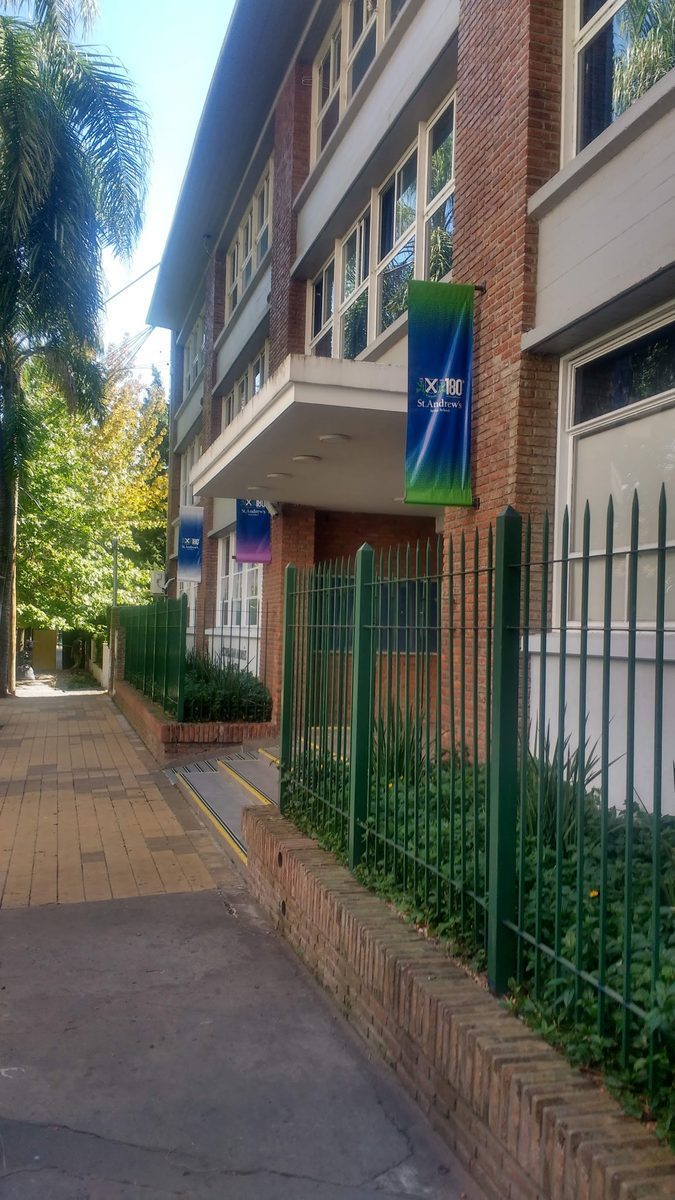
St Andrew's Scots School (Colegio San Andrés)
Buenos Aires · Argentina
Founded in 1838 by Scottish settlers, Argentina's oldest private school pairs the IB diploma with British-rooted house traditions.

Belgrano Day School
Buenos Aires · Argentina
Since 1912, four houses have anchored a Belgrano campus blending English immersion from age two with Cambridge A-levels.
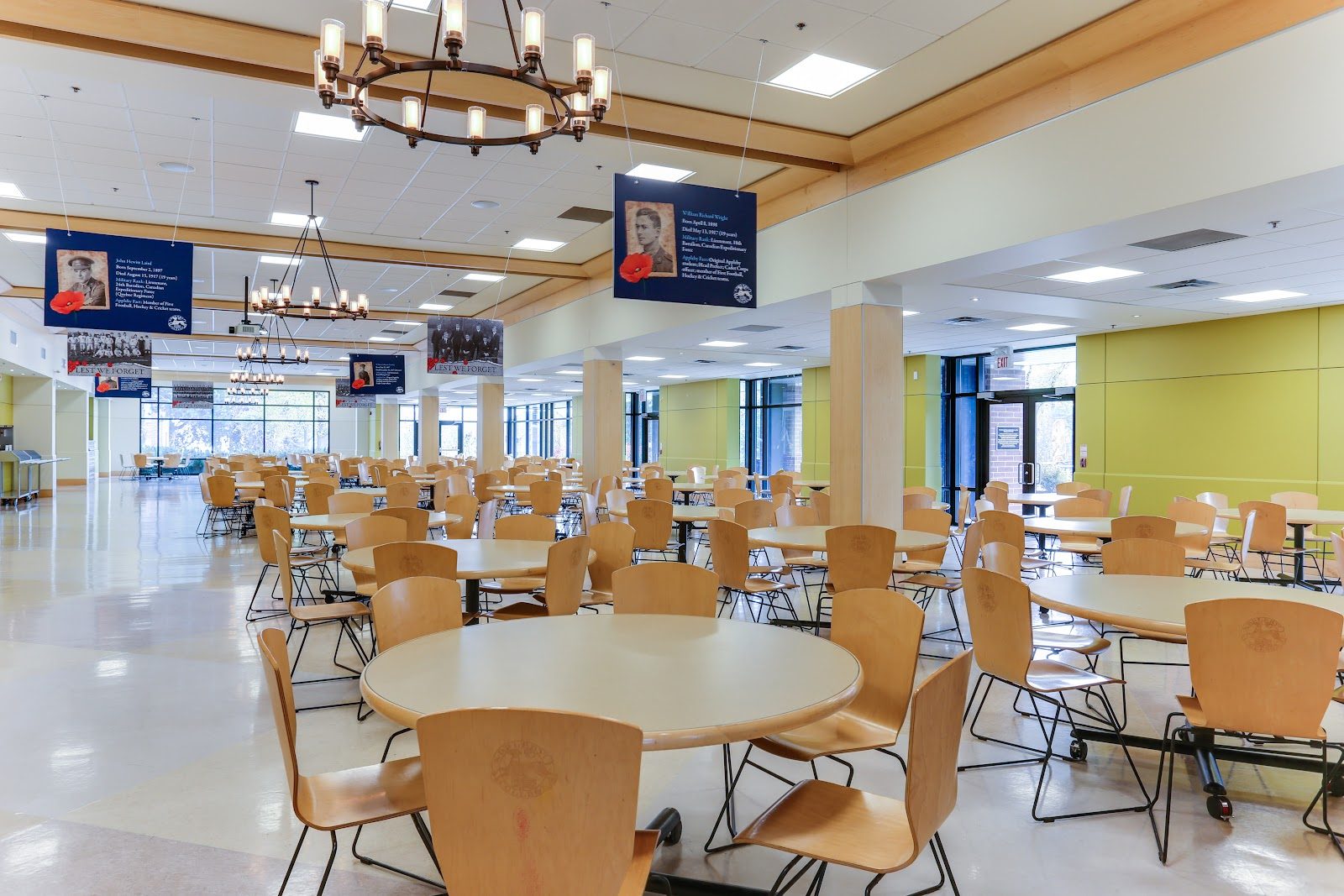
Appleby College
Oakville · Canada
A lakeside Oakville campus where every senior boards by tradition, and leadership training unfolds on a private island in Temagami.
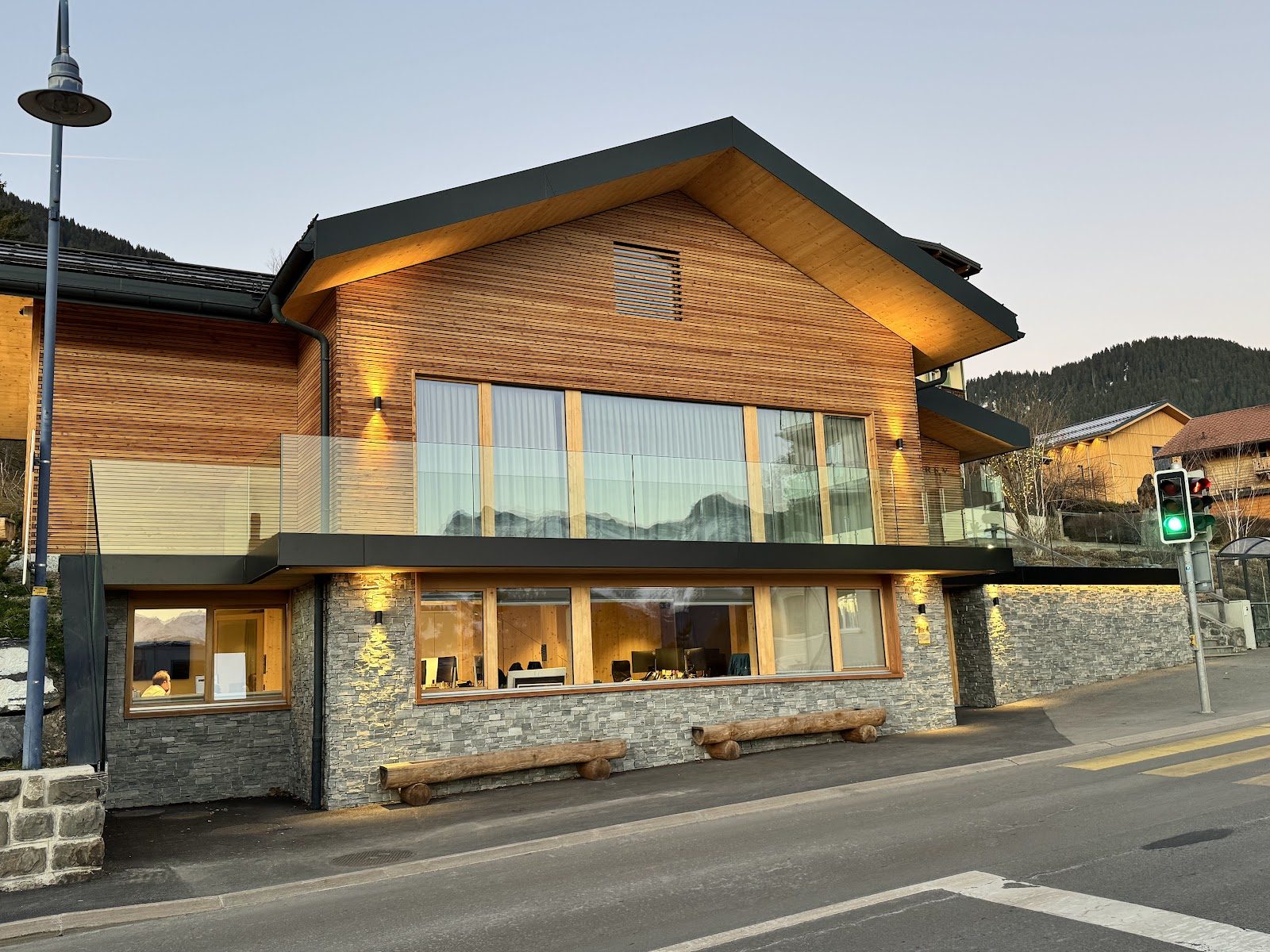
Aiglon College
Chesières · Switzerland
Perched at 1,200 metres in the Swiss Alps, meditation and expedition learning are as core to the timetable as the IB Diploma.
Same country and curriculum — closest matches within ±10 points either way