
Villa Devoto
Buenos Aires International Christian Academy
low confidence· 4/6 cats · 1.2 avg sourcesBuenos Aires' only Christian international school pairs a US college-prep track with a dual Argentine diploma.
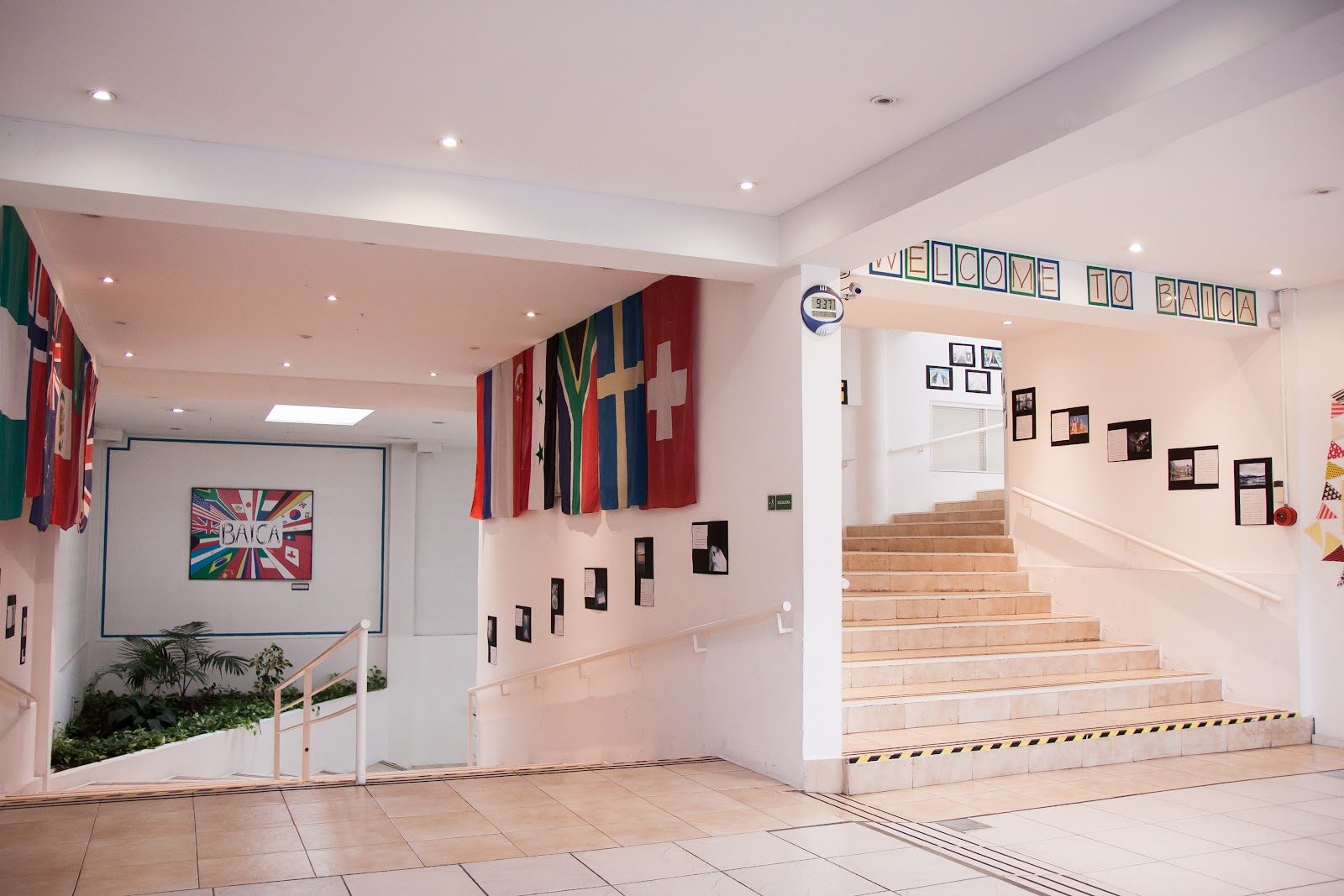
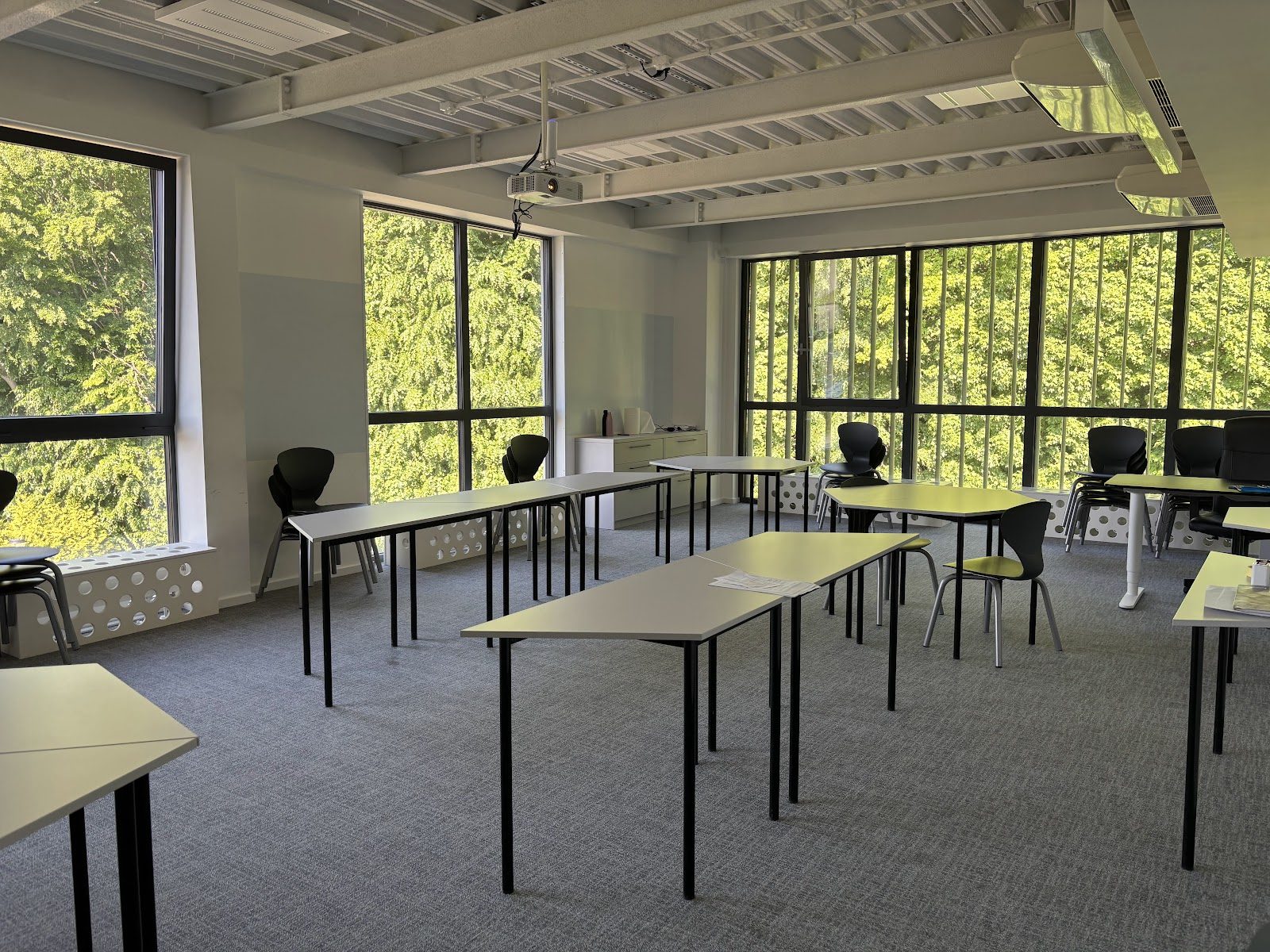
Photo © BAICA - Buenos Aires International Christian Academy via Google Maps
Type
Day
Ages
3–18
Curriculum
American
Qualifications
AP · US High School Diploma
Ratio
—
The Verdict
Editor's commitment
Right for
Families in Buenos Aires who want a Christian day school, founded in 1983, with American curriculum and English-Spanish teaching.
Wrong for
Parents who want secular schooling, boarding, or IB; this is a day school for ages 3–18 with ACSI accreditation.
Watch out for
The selling point is specific: Buenos Aires' only Christian international school, plus a dual Argentine diploma. Beyond that, published academic detail is thin.
Ranking breakdown
Buenos Aires International Christian Academy · #1457 of 1591
Composite score 49.0. 8 weighted criteria.
By criterion
Academic Outcomes
Weight 20%
#1432
of 1529 scored
University Placement
Weight 16%
#1414
of 1529 scored
Prestige & Heritage
Weight 12%
#1477
of 1571 scored
Alumni Network
Weight 12%
#1372
of 1530 scored
Facilities
Weight 12%
#1471
of 1533 scored
Transparency & Communications
Weight 8%
#1474
of 1532 scored
Peer & Industry Review
Weight 10%
#1216
of 1548 scored
Admissions Selectivity & Demand
Weight 8%
#1394
of 1529 scored
Peer & Industry Review
How Buenos Aires International Christian Academy is regarded in the sector
63
Respected · medium confidence
I could not identify at least two independent third-party sources (specialist education press, expat forums, inspectorate reports, or peer benchmarking coverage) discussing Buenos Aires International Christian Academy's reputation. Available information appears limited to the school's own promotional materials or is otherwise unverifiable through credible independent channels.
Editors' overview
Buenos Aires International Christian Academy occupies a narrow, defensible niche. It is Buenos Aires’ only Christian international school, and that alone gives it a clear market position. For families who want an English-medium American education without giving up a local Argentine leaving route, BAICA offers a combination that few schools in the city match: a US college-prep track alongside a dual Argentine diploma. Founded in 1983, it is not a start-up trading on novelty. It is a long-running, faith-based day school for ages 3–18, with English and Spanish both part of the academic fabric. That mix will appeal to parents who want moral clarity, a smaller and more defined community, and a school that treats Christian formation as part of the core offer rather than an optional add-on.
What sets BAICA apart is not scale, glamour or brand prestige. It is specificity. This is a school for families who want alignment between home values, classroom culture and academic structure. The American curriculum gives it a recognisable route for internationally mobile families and for those aiming at university options beyond Argentina; the dual diploma matters for families who want to keep local doors open as well. The Christian identity will be a strength for the right family and a hard filter for the wrong one. That is useful. Schools with a clear worldview save parents time. BAICA belongs on a shortlist when parents want conviction rather than vagueness, bilingual schooling that does real work, and a campus culture that puts conduct and community in the foreground.
The trade-off is plain. BAICA will not suit families chasing the widest subject menu, the deepest facilities arms race or the social capital of Buenos Aires’ largest international names. Its accreditation profile is also narrow in public terms: ACSI is the published accreditation, and no broader set of international accreditations is disclosed here. Parents who care about institutional breadth and external validation will ask hard questions. Parents who care first about ethos, pastoral environment and a coherent Christian framework will ask different ones. For that second group, BAICA has a strong sense of purpose, a clear educational lane, and an offer that is easier to understand than many of its competitors.
The student who will thrive here is one who benefits from structure, close adult guidance and a school culture with explicit expectations. Children from Christian families, bilingual or bicultural households, and internationally minded families who still want an Argentine qualification will find the fit strongest. So will students who do better in a close-knit setting than in a sprawling, socially competitive campus. BAICA is not trying to be all things to all families. That restraint is one of its strengths.
Academic Performance
BAICA does not publish the data parents need to judge academic performance against other international schools. We have not seen aggregate SAT, ACT, AP or other external exam results, and the school does not disclose university destinations in any systematic way. That leaves a clear transparency gap. For a school selling a college-prep route and a local leaving qualification, the absence of published outcomes is a material weakness. Families cannot test headline claims against hard numbers, cannot compare cohorts year by year, and cannot place the school with confidence beside Buenos Aires competitors that release pass rates, score distributions or destination lists.
That does not mean weak results; it means opaque results. In market terms, BAICA sits in the group of schools where fit and ethos are easier to verify than academic yield. Parents considering BAICA should ask for cohort sizes, exam entry patterns, average and top scores, the share of graduates entering universities abroad versus in Argentina, and the range of institutions reached over the past 3 to 5 years. Without that, academic performance remains a matter of trust rather than evidence. Relative to peers, that places BAICA at a disadvantage with data-minded families and at an advantage only with parents for whom community, pastoral structure and faith framework matter more than published league-table ammunition.
Facilities
BAICA does not trade on a facilities arms race, and parents should judge the campus on utility rather than spectacle. The public picture points to a school built around the daily needs of a faith-based day community, not the high-cost amenity stack seen at Buenos Aires’ top-tier international competitors. That has consequences. Families should not expect the kind of showpiece campus used by larger schools to signal status: no published evidence of major performing-arts infrastructure, specialist science complexes, aquatics provision or extensive outdoor sports plant. Against peers, that places BAICA in the modest, practical bracket. For some families, that is perfectly acceptable. For others, it is a constraint that narrows enrichment and raises questions about how far sport, arts and lab work can stretch beyond the basics.
The more relevant test is whether the school’s facilities support close supervision, orderly routines and a coherent all-through experience from early years to sixth form. On that front, a smaller-scale campus can work in BAICA’s favour: less anonymous, easier to manage, and better suited to a community where conduct and pastoral oversight matter. But parents need specifics before enrolling. Ask what dedicated spaces exist for science, music, visual art, libraries, indoor sport and outdoor play; ask how secondary students access specialist rooms; ask how often off-site venues are used. In this market, schools with stronger facilities publish them plainly. BAICA does not, and that opacity leaves it trailing better-documented rivals.
Buenos Aires International Christian Academy occupies a narrow, defensible niche
Prestige
BAICA’s prestige is niche rather than broad. In Buenos Aires’ international-school pecking order, it does not carry the social weight, institutional reach or public profile of the city’s biggest legacy names. Its appeal rests on fit, not status. For families who prize elite-brand recognition, expansive alumni networks and the cachet that attaches to older, larger schools, BAICA sits lower down the prestige scale. The school’s public accreditation profile is narrow, with 1 published accreditor, and that limits the external signals parents use as shorthand for standing. The lack of published aggregate outcomes also hurts prestige. In this market, schools build reputation not only through ethos but through visible academic proof, and BAICA does not put that proof into the public domain.
That said, prestige is not one thing. Within its own lane, BAICA has clear identity, strong community value and a form of conviction-led appeal that carries real weight with the right families. Being the city’s only Christian international school gives it distinction that more generic schools cannot claim. For parents who want a school where faith is embedded in daily life rather than bolted on, that matters more than metropolitan glamour. So the rating here is *modest in mainstream prestige, stronger in segment prestige*: respected inside a defined constituency, but not a school that confers automatic social capital across the wider Buenos Aires international market.
It is Buenos Aires’ only Christian international school, and that alone gives it a clear market position
Communications
BAICA’s parent communication looks functional rather than polished. The website covers the school’s core identity, admissions route and contact points, and it does so in a way that makes the school’s priorities easy to read. That matters. Parents do not have to decode a fog of branding to work out what the school is for. The tone is direct, the faith commitment is explicit, and the basic journey from enquiry to application is clear. What the school does not offer is the richer layer of public-facing information that strong communicators now treat as standard: detailed leadership visibility, routine news flow, published academic reporting, or a deep archive of school life that lets parents judge the rhythm of the place before they visit. That leaves communication serviceable but thin.
Effectiveness, then, depends on what a family needs. For parents already sold on the school’s ethos, BAICA gives enough to start a conversation and book a visit. For parents comparing schools line by line, the communication falls short. There is a clear imbalance between message and evidence: the school states who it is, but gives less proof of how daily life, teaching quality and outcomes actually play out. We have not seen the kind of high-trust transparency that calms anxious international parents or answers hard practical questions before they are asked. In a school with a defined worldview and a more specialised audience, communication needs extra precision. BAICA has clarity of identity; it needs greater depth.
Uniqueness
BAICA’s uniqueness rests on a combination that almost no other school in the city offers in one place: an explicitly Christian school culture, an international-school format, and a route that keeps a recognised local qualification in play. That matters because it removes a choice many families resent having to make. Parents do not need to pick between faith formation and an outward-facing education, or between an English-medium environment and an Argentine pathway. For students, that creates a school life with clear moral boundaries, shared assumptions and fewer of the mixed signals that can plague more generic international schools. The benefit is not glamour; it is coherence.
That coherence carries practical advantages. A child moves through the day in a setting where conduct, values and relationships are treated as part of the school’s core job, not a side programme. For the right family, that produces a tighter community, more consistent adult expectations and a stronger sense of belonging than a larger, looser institution can manage. The school’s distinctiveness also acts as a filter. It will attract families who want conviction, not ambiguity, and that tends to make peer culture more stable. The flip side is obvious: this is a defined, values-driven environment, not a broad church. Students who thrive here gain clarity, structure and cultural continuity; students who want a more plural, less directed atmosphere will find the fit restrictive.
It is a long-running, faith-based day school for ages 3–18, with English and Spanish both part of the academic fabric
Student Profile
The best fit is a student who does well with clear rules, close adult oversight and a community where home and school values pull in the same direction. Children from practising Christian families will find the social codes legible from the start; they will not spend their week switching between one set of expectations at home and another at school. The school also suits families who want their child known personally rather than managed as part of a large cohort. In that setting, quieter pupils, children who need steady encouragement, and students who benefit from a more sheltered peer culture can do well. So can internationally minded families who still want an Argentine route kept open through to graduation.
The weaker fit is just as clear. Students who want a socially expansive, highly plural environment, or who measure school life by breadth of clubs, subjects and big-campus buzz, will hit the school’s limits quickly. Teenagers who push hard against authority or want maximum personal latitude may find the culture too bounded. This is also not the natural first choice for families who treat faith as private and want school to stay neutral. BAICA works best for parents who value conduct, pastoral structure and moral instruction as daily practice, not background decoration, and for children who are more secure in a tight-knit, values-led setting than in a looser, more performative international scene.
What sets BAICA apart is not scale, glamour or brand prestige
Co-curricular strengths
Arts & sport, on a separate axis
Overall 4.9/10
Scored 0-10 from the school's own published evidence. This axis is editorial-only — it does not feed the main WTS ranking.
Sports
7/10
Drama
4/10
Dance
4/10
Music
4.5/10
Visual Arts
5/10
Editor first-pass · editor-reviewable · 7/30/2026
Strengths
- +Delivers an American-style curriculum taught in English, which can ease transitions for US-bound or English-speaking expatriate families.
- +Explicit Christian ethos and faith-based programming appeals to families specifically seeking a religious education environment.
- +Day-school structure allows children to remain living at home in Buenos Aires rather than boarding, keeping families together locally.
- +Location in Buenos Aires gives access to the city's established expatriate and missionary community networks.
- +Small school scale is typical of this category and can allow closer teacher-student contact than larger international campuses.
Considerations
- −The school's editorial rank (1361) and 'candidate' tier indicate it has not yet built the track record or public data of more established international schools.
- −Little independently verifiable information is available on examination results, university placement, or accreditation status.
- −As a small, single-campus day school, the range of extracurriculars, sports facilities and elective subjects is likely narrower than at larger regional international schools.
- −The explicitly Christian character of the school will not suit secular families or those from other faith traditions seeking a religiously neutral environment.
Availability
Primary entry gate & tests
Academic Record
Gallery
Photo © Joaquín Viretti via Google Maps
Photo © Joaquín Viretti via Google Maps
Photo © Joaquín Viretti via Google Maps
Parent reviews
Have you sent your child here?
Voice reviews carry the strongest trust badge — we transcribe them for you to tidy up before they go live. Prefer to type? A written review is fine too.
Add your voice
In 60 seconds, tell other parents: what's the best thing about Buenos Aires International Christian Academy, and what surprised you when your child joined?
We ask for a Google sign-in so every review has a real face behind it — no anonymous drive-by attacks on schools, and no faked positive reviews. Your email is never shown publicly.
Send this profile to a friend
International parents rely on word-of-mouth. Share this review with someone weighing the same decision.
Schools with places
Similar schools to Buenos Aires International Christian Academy with places available now.
Availability first, then country, area, curriculum, price, co-curricular
Consider also
Also worth looking at alongside Buenos Aires International Christian Academy.
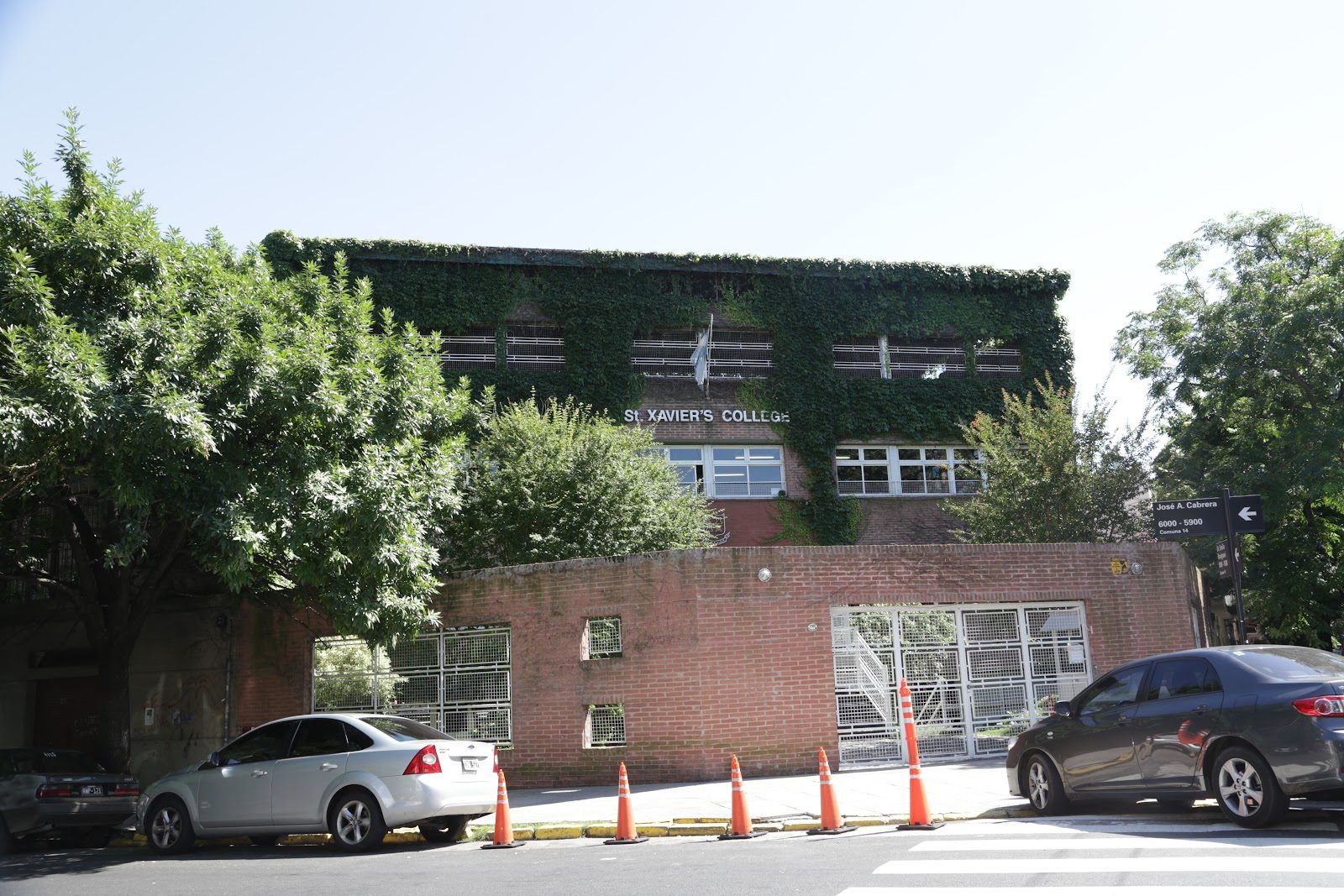
St Xavier's College
Buenos Aires · Argentina
In Palermo Viejo, a bilingual Catholic education blends Argentina's national curriculum with the IB Diploma and Cambridge IGCSE.
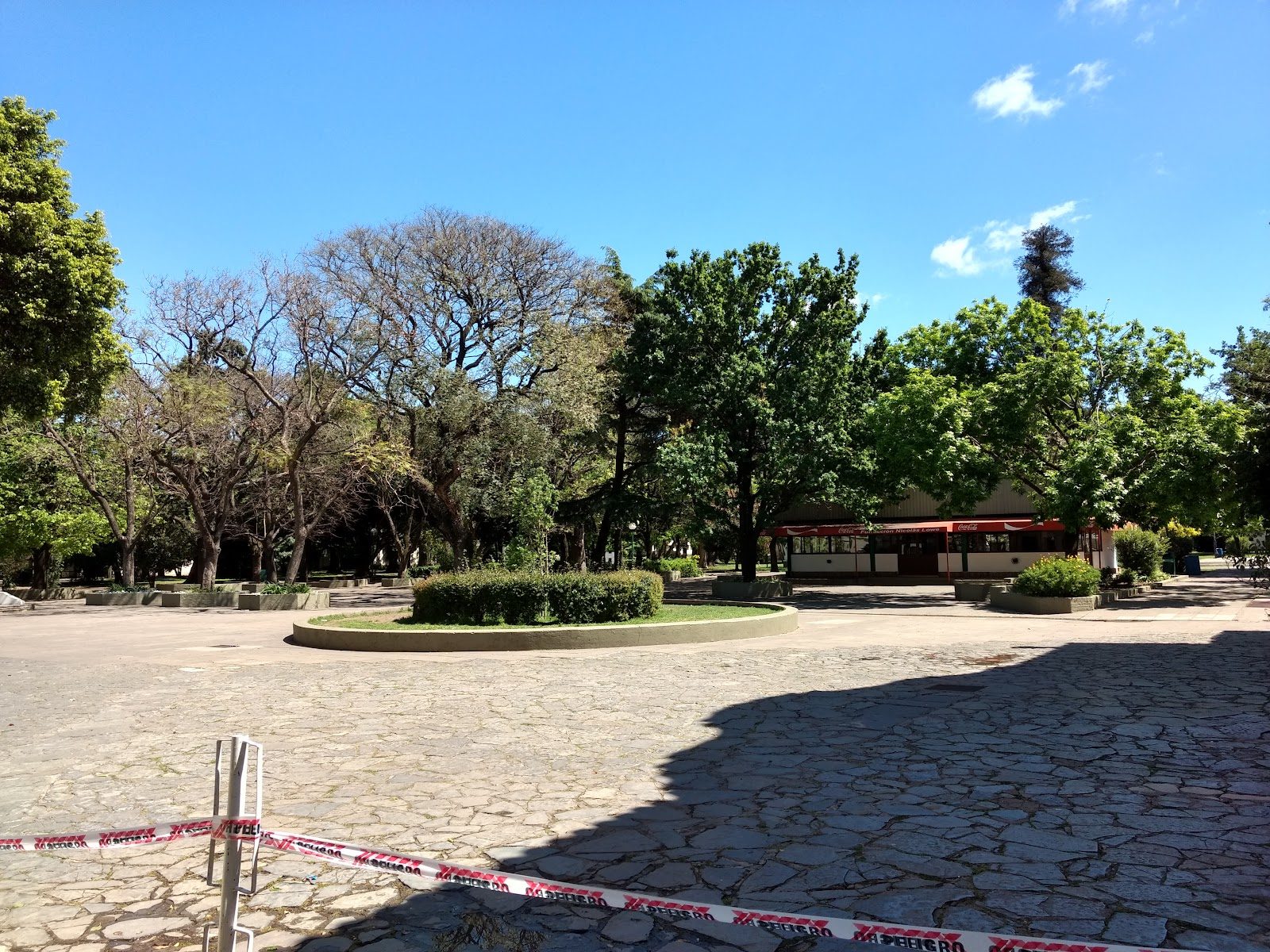
Colegio Ward
Ramos Mejía · Argentina
A Methodist-founded campus whose 13 wooded hectares serve as the green lung of Ramos Mejia's western suburbs
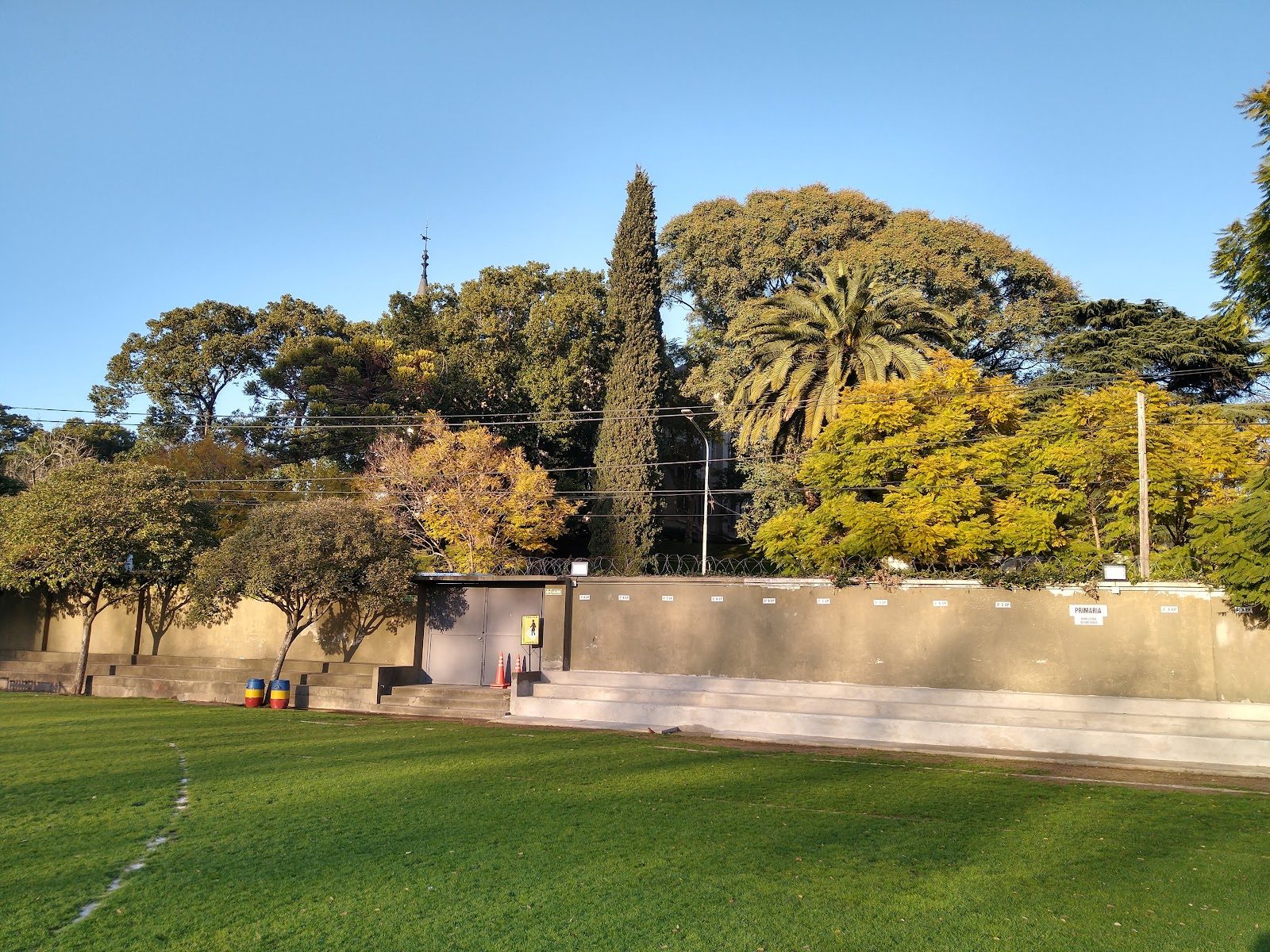
Colegio Michael Ham
Buenos Aires · Argentina
Inside a neo-Gothic castle on the Vicente Lopez barranca, nearly a century of girls-only schooling has just given way to coeducation.
International School of Kraków
Kraków · Poland
A forested Lusina campus outside Krakow pairs an American diploma with the IB, drawing more than 35 nationalities since 1993.
Same country and curriculum — closest matches within ±10 points either way