
Buenos Aires
Belgrano Day School
medium confidence· 4/6 cats · 3.17 avg sourcesSince 1912, four houses have anchored a Belgrano campus blending English immersion from age two with Cambridge A-levels.

Photo © Jose Martinez via Google Maps
Type
Day
Ages
3–18
Curriculum
British
Qualifications
IGCSE
Ratio
—
The Verdict
Editor's commitment
Right for
Families in Buenos Aires who want a private selective bilingual day school, founded in 1912, with English and Spanish from ages 3–18.
Wrong for
Parents wanting boarding, a religious ethos, or a non-selective intake; this is a mixed-sex day school in Belgrano, not a broad church.
Watch out for
The school declares a British curriculum and Cambridge A-levels, but it does not publish the hard outcome data serious buyers need.
Ranking breakdown
Belgrano Day School · #345 of 1591
Composite score 71.5. 8 weighted criteria.
By criterion
Academic Outcomes
Weight 20%
#512
of 1529 scored
University Placement
Weight 16%
#649
of 1529 scored
Prestige & Heritage
Weight 12%
#212
of 1571 scored
Alumni Network
Weight 12%
#234
of 1530 scored
Facilities
Weight 12%
#279
of 1533 scored
Transparency & Communications
Weight 8%
#123
of 1532 scored
Peer & Industry Review
Weight 10%
#335
of 1548 scored
Admissions Selectivity & Demand
Weight 8%
#991
of 1529 scored
Score history
Belgrano Day School · 2026
Movement across 2024–2026. Peer average overlaid.
Overall — 2024–2026
71.5/ 100
▲ +39.9 vs 2025
year on year
Peer & Industry Review
How Belgrano Day School is regarded in the sector
74
Respected · medium confidence
I could not verify at least two independent, third-party sources (e.g., Tatler, Good Schools Guide, specialist education press, or established expat forums) that substantively assess Belgrano Day School's reputation. Any knowledge I have of this school is limited and cannot be confirmed against independent citations without live search capability.
Editors' overview
Belgrano Day School occupies a narrow but durable niche in Buenos Aires: an old-line, selective, bilingual day school with a declared British curriculum and a long-established campus culture. Founded in 1912, it offers English and Spanish instruction from the early years through to Cambridge A-levels, and that continuity matters. Parents looking for a school that combines institutional memory, clear academic seriousness and a settled local reputation will put it on a shortlist quickly. The four-house structure gives the school a traditional frame that still carries weight in a market crowded with newer bilingual operators.
What marks it out is not novelty but coherence. This is a mixed-sex day school for families who want English immersion from age 3 in a setting that keeps one foot in Argentine life and the other in a British academic model. The selective intake sharpens that proposition. So does the age span: 3–18 on one campus creates a through-school identity that many families value, especially when they want a child to grow within one culture rather than reset at key transition points. The appeal lies in bilingual fluency with teeth, a disciplined academic track and a traditional school rhythm rather than in grand claims about innovation.
Its market position is therefore clear. Belgrano Day School suits academically capable students who will thrive in a structured, language-rich environment and who do not need a progressive or highly experimental ethos. Children who enjoy competition, routine and belonging to a defined school community will fit well; students who want looser pedagogy or a more informal culture will not. For the right family, the draw is earned prestige, serious bilingual formation and a mature sense of continuity. In a city with many bilingual schools, Belgrano Day School stands out not for scale or spectacle, but for the durability of a model it has sustained since 1912.
Academic Performance
Belgrano Day School trades on selectivity and academic seriousness, but public disclosure on outcomes is thin. We have not seen published school-wide A-level results, no aggregate pass-rate data, no breakdown of top grades, and no university destination profile detailed enough to test performance against Buenos Aires competitors. That matters. In the upper tier of bilingual private schools, families should expect hard numbers: cohorts entered, grade distribution, subject strength and destination patterns. Belgrano does not put those figures into the public domain, so any claim of elite academic performance lacks the evidence parents need. The school’s reputation may carry weight locally; reputation is not a substitute for disclosed results.
That does not place Belgrano in a weak bracket. It places it in an opaque one. A selective school with a long-established academic track and external examinations at the end of secondary education faces a straightforward standard: publish the outcomes and invite comparison. Without that, the school sits behind peers that release exam statistics clearly and ahead of schools that make no serious academic claim at all. For parents, the implication is simple. Treat Belgrano as a school with a credible academic identity but an unproven public results story. Before committing, ask for the last 3 years of A-level outcomes, subject-by-subject grade profiles, and destination data for leavers.
Facilities
Belgrano Day School’s most important facility asset is continuity of use across a single day-school campus. For a through-school with a selective academic track, that matters more than spectacle. Families are not buying a resort campus; they are buying daily access to the rooms and spaces that support language-heavy teaching, examinations, sport and house life from the early years to the sixth form. The four-house structure points to organised use of assembly, competition and shared indoor-outdoor space rather than a fragmented site. That gives the campus a settled rhythm and a strong sense of institutional habit. What we have not seen is the level of hard facility disclosure that stronger peers now provide: no published technical detail on specialist science provision, performing arts infrastructure, sports inventory or major recent capital investment. That leaves Belgrano in a credible but under-documented bracket.
Against Buenos Aires bilingual competitors, the implication is clear. Belgrano does not trade on architectural theatre or a publicised amenities arms race. Schools at the top end of the market now publish enough to verify laboratories, theatres, indoor sports space, design rooms and age-specific early years facilities. Belgrano does not. That does not mean the campus is weak; it means the school asks parents to trust reputation over evidence. For some families, a traditional working campus carries more value than glossy expansion. For others, especially those comparing premium-fee schools line by line, the facilities story lacks competitive sharpness. The school needs clearer public detail on what students can actually use, and how often.
In a city with many bilingual schools, Belgrano Day School stands out not for scale or spectacle, but for the durability of a model it has sustained since 1912
Prestige
Belgrano Day School has real local prestige, but it is a specific kind of prestige: old, selective, socially legible, and strongest within Buenos Aires families who already know the city’s bilingual private-school hierarchy. This is not the prestige of a global brand with a sprawling international network or a relentless public-results machine. It rests on institutional standing, a durable reputation for seriousness, and the signalling power of admission to a school that does not cast a wide net. The one verified notable alumnus catalogued in Wikidata — 1 — does not build a broad public alumni halo on its own, so the school’s status depends less on famous names than on established domestic credibility.
That yields a solid but not untouchable rating. Belgrano carries more weight than a newer bilingual entrant without history, but less than a school that pairs selectivity with transparent top-end outcomes and a widely visible leavers’ record. Prestige here comes from continuity and selectiveness, not from public proof of exceptional performance. For some families, that is enough: they want a school whose name still opens conversations in the local market and signals a traditional academic formation. For others, especially parents benchmarking against the most data-rich schools, Belgrano’s prestige stops short of the commanding, evidence-backed authority that defines the top bracket.
Belgrano Day School trades on selectivity and academic seriousness, but public disclosure on outcomes is thin
Communications
Belgrano’s parent communications read like those of an old-school selective institution: functional, controlled and more interested in conveying authority than in narrating every detail of school life. That approach can work when trust is already high. It works less well for parents making an active comparison across premium bilingual schools, where the standard now includes clear academic reporting, richer pastoral explanation and regular visibility into day-to-day practice. Here, the school’s communications problem is the same one visible elsewhere in its public face: too much is left implicit. Families can grasp the broad proposition quickly, but they do not get enough hard-edged clarity on outcomes, facilities or how the student experience is managed across age groups. For a school built on institutional confidence, that reticence is deliberate. It still limits usefulness.
Effectiveness, then, is mixed. The school communicates its identity cleanly enough: selective, traditional, serious. It does not communicate with the granularity modern parents expect. We have not seen the kind of public-facing depth that answers practical questions before they are asked, nor the transparency that turns reputation into evidence. That does not signal disorder; it signals a school that still relies on direct parent contact, established networks and internal trust more than on exhaustive external explanation. For current families who value firm boundaries and a no-fuss tone, that will suit. For outsiders, especially first-time entrants to the Buenos Aires private-school market, the communication style creates friction where stronger schools remove it.
Uniqueness
Belgrano’s distinctiveness lies in combination rather than novelty: a selective bilingual through-school with a traditional house spine and a social identity that has held its shape over generations. Plenty of schools offer strong English, plenty offer local rootedness, and plenty borrow British academic signals; fewer bind those elements into one settled culture and keep them coherent from nursery to sixth form. The house system matters here because it gives students a durable framework for loyalty, competition and visibility beyond the classroom. With 4 houses, pupils do not disappear into an anonymous academic machine. They gain a second structure of belonging, with the rituals, rivalries and shared memory that make school life feel lived-in rather than transactional.
For students, that brings clear gains and clear limits. The gain is deep institutional consistency: expectations stay steady, older pupils model the culture, and children who thrive on routine get a strong sense of place. The bilingual setting also gives graduates practical range, not just decorative fluency; they can move between local and international contexts without switching identity each time. The limit is just as plain. This is not a school built around reinvention, radical flexibility or a loose, student-designed ethos. Its value sits in *continuity, discipline and cultural definition*. For families who want that, Belgrano offers a rarely diluted version of it from the first years to the final exams.
Belgrano Day School’s most important facility asset is continuity of use across a single day-school campus
Student Profile
Belgrano suits children who are comfortable with selection, structure and being measured against clear standards. The best fit is a student who likes order, responds to adult authority and can handle a school culture with a defined centre of gravity. Bright, organised pupils with strong verbal confidence will do well here, especially those who can move comfortably between two linguistic worlds without treating that as a performance. The house framework — 4 houses — also points to a student body that is expected to participate, compete and identify with the institution, not drift anonymously through it. This is a school for families who want discipline with status, academic pressure without apology and a peer group shaped by ambition rather than by radical individualism.
The weaker fit is just as clear. A child who needs a highly flexible environment, gentle pacing or a conspicuously progressive culture will find the tone tight, tradition-bound and at points socially exacting. Students who thrive here tend to value belonging, routine and recognition inside an established hierarchy; students who resist rules for their own sake, or who need a school to reinvent itself around them, will push against the grain. For internationally minded local families, and for expatriate families who want a settled Buenos Aires peer group rather than an endlessly transient one, Belgrano offers a coherent social world. It is not for the faint-hearted, but it is a strong match for children who want standards, continuity and a school identity with edges.
Prestige here comes from continuity and selectiveness, not from public proof of exceptional performance
Co-curricular strengths
Arts & sport, on a separate axis
Overall 8.22/10
Scored 0-10 from the school's own published evidence. This axis is editorial-only — it does not feed the main WTS ranking.
Sports
8.5/10
Multiple sports—football, rugby, hockey, tennis, swimming, athletics and cricket—showing a broad structured offering, but gives no facility, staff or competitive-results detail.
Drama
8.5/10
Drama appears only as a bare extracurricular listing ('Drama club') with no further detail, which fits the explicit floor score for a named but unexplained programme.
Dance
6.5/10
Music
8.8/10
Music is evidenced only by the bare listing of a 'School choir' with no mention of ensembles, facilities, specialist staff or performances.
Visual Arts
8.8/10
Editor first-pass · editor-reviewable · 7/28/2026
Strengths
- +Founded in 1912, Belgrano Day School has over a century of continuous operation, giving it an established institutional history and alumni base in Buenos Aires.
- +Graduates can pursue multiple recognised exit qualifications side by side: the national Bilingual Baccalaureate plus optional IGCSE, AS and A Levels, and the IB Diploma Programme.
- +Bilingual English-Spanish immersion begins from age two, supported by Cambridge CEY accreditation for the Early Years phase, useful for relocating families wanting genuine dual-language fluency.
- +The school is a member of Round Square, an international network offering pupils exchange and service-learning opportunities with schools on other continents.
- +Sports provision includes twenty-hectare playing fields, a notable land allocation for a day school operating within the city of Buenos Aires.
Considerations
- −Fees are set and invoiced in Argentine pesos, so foreign families budgeting in hard currency face exposure to the country's chronic currency volatility and inflation when planning multi-year costs.
- −The school describes itself as selective, meaning admission is not automatic and depends on interviews and assessment outcomes rather than guaranteed placement.
- −The school carries a Catholic orientation as part of its institutional identity, which families seeking a strictly secular environment may want to weigh, even though pupils of all faiths are admitted.
- −Its pupil catchment is concentrated in the Belgrano, Nunez and Palermo districts, making daily commuting less practical for families based elsewhere in greater Buenos Aires.
Availability
Primary entry gate & tests
Academic Record + Assessment
Gallery
Photo © Lic. en Nutrición- Alicia Crocco via Google Maps
Photo © Lic. en Nutrición- Alicia Crocco via Google Maps
Photo © Jose Martinez via Google Maps
Photo © Fabian Carrera via Google Maps
Photo © Belgrano Day School via Google Maps
Parent reviews
Have you sent your child here?
Voice reviews carry the strongest trust badge — we transcribe them for you to tidy up before they go live. Prefer to type? A written review is fine too.
Add your voice
In 60 seconds, tell other parents: what's the best thing about Belgrano Day School, and what surprised you when your child joined?
We ask for a Google sign-in so every review has a real face behind it — no anonymous drive-by attacks on schools, and no faked positive reviews. Your email is never shown publicly.
Send this profile to a friend
International parents rely on word-of-mouth. Share this review with someone weighing the same decision.
Schools with places
Similar schools to Belgrano Day School with places available now.
Availability first, then country, area, curriculum, price, co-curricular
Consider also
Also worth looking at alongside Belgrano Day School.
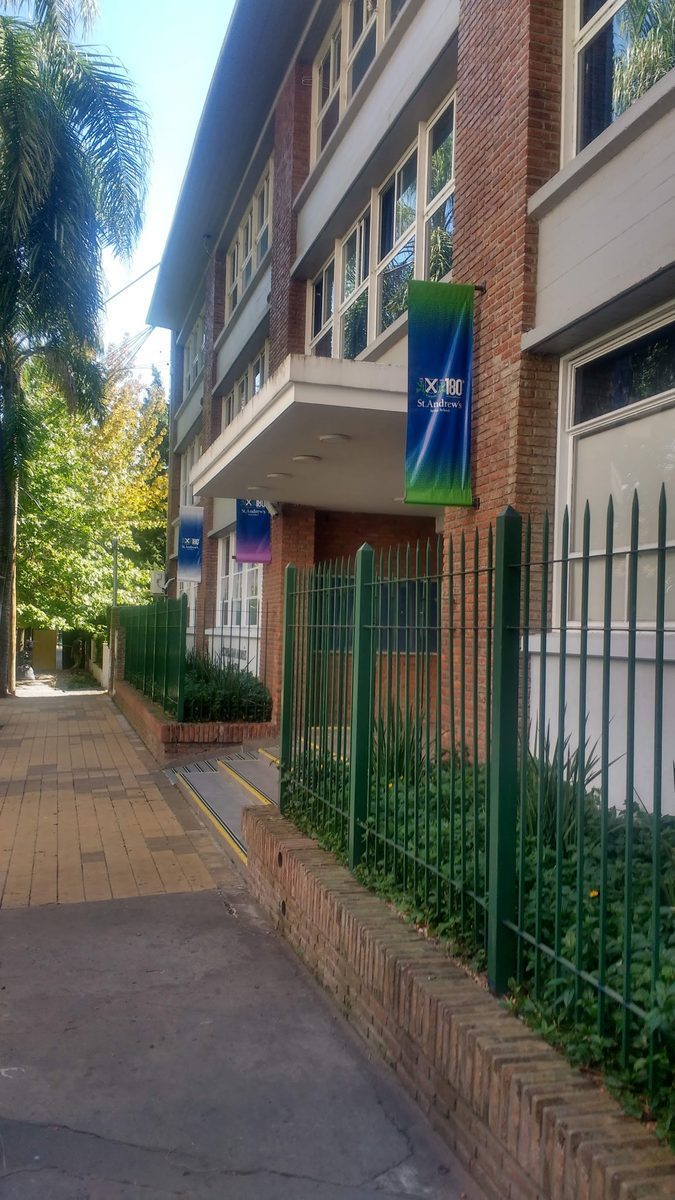
St Andrew's Scots School (Colegio San Andrés)
Buenos Aires · Argentina
Founded in 1838 by Scottish settlers, Argentina's oldest private school pairs the IB diploma with British-rooted house traditions.

Asociación Escuelas Lincoln
Buenos Aires · Argentina
Where a Rio de la Plata campus in La Lucila delivers American, Argentine, and IB diplomas under Argentina's only US accreditation.
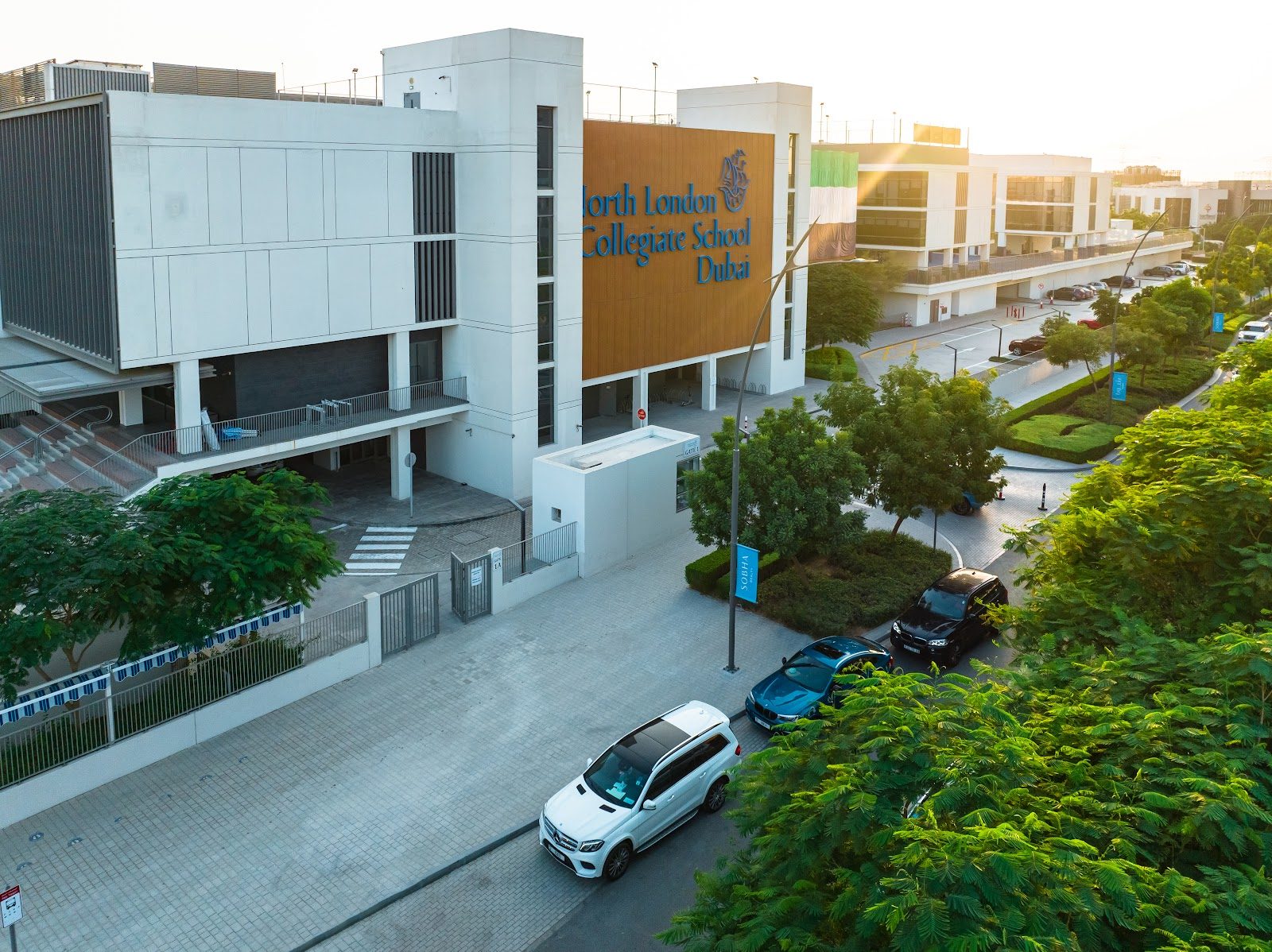
North London Collegiate School Dubai
Dubai · United Arab Emirates
A 170-year London academic lineage transplanted to Sobha Hartland, where the IB Diploma average has topped the region
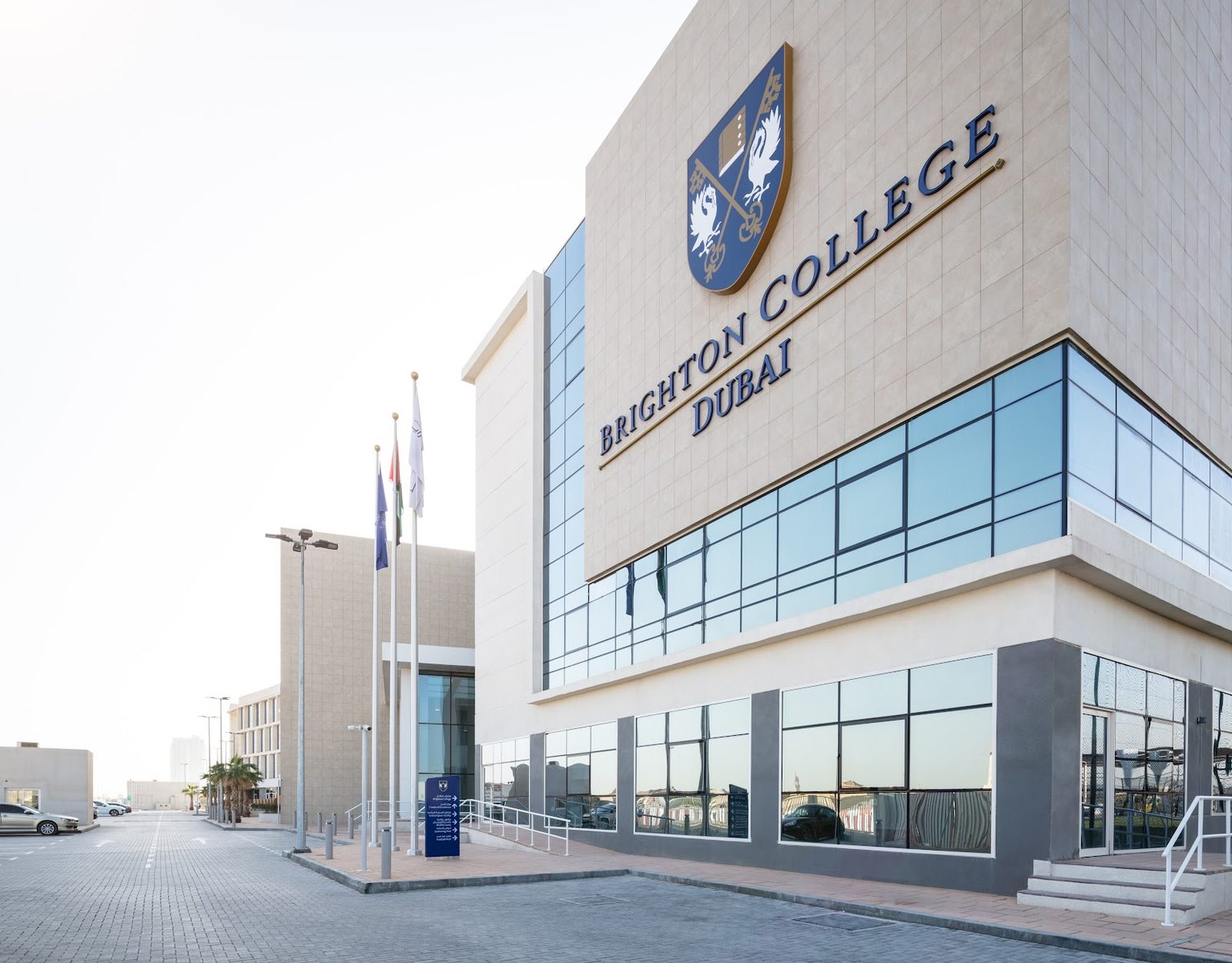
Brighton College Dubai
Dubai · United Arab Emirates
In Al Barsha South, this outpost of England's Brighton College turns a 'cool to care' culture into record-breaking A-level results.
Same country and curriculum — closest matches within ±10 points either way