
Hyogo
Sacred Heart School Kobe
low confidence· 4/6 cats · 1.33 avg sourcesPerched above Kobe, this Catholic girls' school blends Japan's curriculum with an American track in an Antonin Raymond-designed hall.
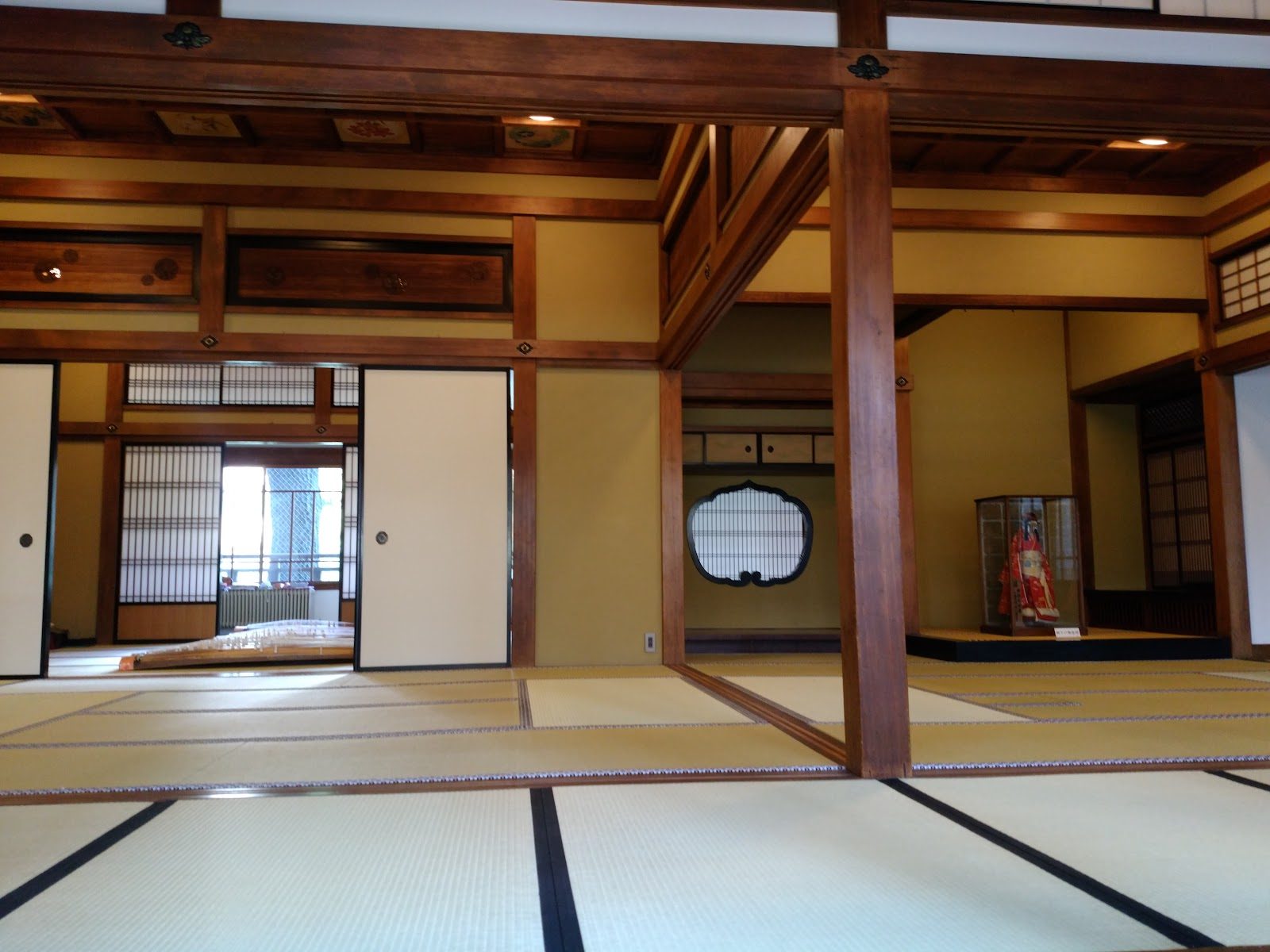
Photo © souchoukan souchoukan via Google Maps
Type
Day
Ages
3–18
Curriculum
Japanese National · American
Ratio
—
The Verdict
Editor's commitment
Right for
Girls who can use Japanese National and American pathways in a Catholic day school founded in 1923, with Japanese and English both active.
Wrong for
Families wanting co-education, boarding, or a secular ethos; this is a girls' Catholic day school in Kobe, not a broad church.
Watch out for
The average annual day fee is JPY 2,736,000, and ACS Global accreditation does not erase the demands of a dual-language, dual-curriculum model.
Ranking breakdown
Sacred Heart School Kobe · #1336 of 1591
Composite score 54.3. 8 weighted criteria.
By criterion
Academic Outcomes
Weight 20%
#1299
of 1529 scored
University Placement
Weight 16%
#1300
of 1529 scored
Prestige & Heritage
Weight 12%
#1324
of 1571 scored
Alumni Network
Weight 12%
#966
of 1530 scored
Facilities
Weight 12%
#1382
of 1533 scored
Transparency & Communications
Weight 8%
#1326
of 1532 scored
Peer & Industry Review
Weight 10%
#1216
of 1548 scored
Admissions Selectivity & Demand
Weight 8%
#1156
of 1529 scored
Peer & Industry Review
How Sacred Heart School Kobe is regarded in the sector
63
Respected · medium confidence
I could not identify at least two independent third-party sources (e.g., Tatler, Good Schools Guide, expat forums, specialist education press) that substantively assess Sacred Heart School Kobe's reputation. Available information appears limited to the school's own materials or passing mentions without independent evaluative context.
Editors' overview
Perched above Kobe rather than buried in the city’s international-school circuit, Sacred Heart School Kobe has a profile of its own: a Catholic girls’ day school for ages 3 to 18 that runs both the Japanese National curriculum and an American track, in Japanese and English. That dual structure is the point. This is not an international school that has added a little local compliance at the edges; it is a school built to straddle two academic cultures. For families who want serious continuity in Japan without giving up an Anglophone pathway, that is genuinely distinctive. The school’s Society of the Sacred Heart foundation also gives it a clear identity, and the Antonin Raymond-designed hall adds a layer of architectural and institutional character that newer competitors cannot manufacture.
The attraction here is precision of fit, not scale or flash. Sacred Heart covers ages 3–18, remains day-only, and carries ACS Global accreditation. Its average annual day fee is JPY 2,736,000 across the full ladder, which places it in the premium but not stratospheric bracket for Kobe. Parents should shortlist it if they want a girls’ school with a defined moral and academic frame, a bilingual environment, and a curriculum model that keeps one foot in Japan and one in the American system. That combination is rare, and for the right family it solves a real problem.
It will not suit everyone. Families looking for a broad co-educational social mix, a rootless international atmosphere, or a school that dilutes its ethos to please every market will find this too specific. Sacred Heart suits girls who are comfortable in a structured setting, can handle academic life across two curricular traditions, and value a school with a strong internal culture. It also suits families who want substance over theatre: a school founded in 1923, with a settled religious identity and a clear sense of purpose, rather than a glossy newcomer selling facilities first and educational coherence second.
Academic Performance
Sacred Heart School Kobe does not publish the kind of exam data that lets parents benchmark it cleanly against Japan’s stronger private girls’ schools or against the more transparent international sector. We have not seen aggregate SAT, AP, or other external results, and the school does not put cohort-wide university placement figures into the public domain. That matters. In a market where ambitious schools use outcomes to prove academic seriousness, this level of opacity leaves parents relying on reputation, selectivity, and institutional continuity rather than hard numbers. For a school with a long-established academic identity, that is a real weakness in public accountability.
The dual-track structure still gives the school a clear academic proposition. Pupils following the Japanese route sit within a system that is already exam-driven; pupils on the American side have a pathway that points outward beyond Japan. That arrangement places Sacred Heart in a distinctive middle ground: more academically anchored than many lifestyle-led international schools, but less legible to outsiders than peers that publish full results tables and matriculation lists. The absence of disclosed headline outcomes does not make the school weak; it makes it hard to verify. For parents who prize published evidence, that is decisive. For families who trust the school’s long record and value fit over data, the gap carries less weight.
Facilities
The standout facility here is not a sports dome or a glossy innovation centre. It is the school’s Antonin Raymond-designed hall, which gives Sacred Heart a piece of architecture with real institutional presence rather than generic function. That matters because it shapes daily life as much as aesthetics: assembly, performance, ceremony and the school’s religious life all gain a setting with far more character than the multi-purpose boxes found on many Japanese and international campuses. The hilltop site also counts as a facility in its own right. It offers separation from the city and a self-contained atmosphere that suits families who want order and enclosure, though it does not deliver the vast, flat sports acreage available at some suburban competitors.
Against peer schools, Sacred Heart’s facilities read as purposeful rather than showy. The campus has heritage and identity; it does not trade on spectacle. That will appeal to parents who care more about coherent use of space than atrium theatre. The trade-off is plain. Schools built or rebuilt in the last two decades often offer sharper specialist provision in STEM, indoor athletics and large-format performing arts. Sacred Heart’s advantage lies elsewhere: a campus that feels settled, recognisable and aligned with the school’s ethos. For some families that is deeply attractive. For others, especially those benchmarking by laboratories, sports complexes and visible capital spend, it will feel underpowered.
For families who want serious continuity in Japan without giving up an Anglophone pathway, that is genuinely distinctive
Prestige
Prestige here rests on pedigree, selectivity and social signalling, not on public exam tables. Sacred Heart carries the cachet of a long-entrenched Catholic girls’ school with a name that means something to the families who know the Kansai private-school world. That matters more than glossy international-school branding. The hilltop setting, the school’s association with the Society of the Sacred Heart, and the presence of an Antonin Raymond-designed hall give it institutional weight and a sense of old-guard confidence. This is quiet prestige: less visible to transient expatriate families, more resonant among parents who value continuity, discipline and a school culture that has not been rebuilt around the latest market demand. The average annual fee of JPY 2,736,000 reinforces that positioning. It is expensive enough to mark the school as a serious private choice, without tipping into the fee theatre that some international competitors use to manufacture status.
We rate its prestige as strong but specialised. In mainstream global terms, Sacred Heart lacks the published destination data and headline results that turn reputation into a universally legible brand. Outside its own circles, that limits reach. Inside those circles, the school has real standing. A Sacred Heart education signals cultural confidence, academic intent and comfort with a defined moral frame. For families who want a broad, highly networked international badge, the prestige here will feel narrow. For families who want a respected girls’ school with deep roots and a clear social identity, it lands with force.
The other element that makes Sacred Heart distinctive is atmosphere
Communications
Parent communication reads as orderly, formal and rooted in the habits of an older private school rather than the service language of a modern international operator. That has strengths. Families who value structure, punctual notices and a clear chain of authority will find a system that fits the school’s culture. A school with pupils spanning 3–18 and running two academic pathways cannot function on improvisation; it needs disciplined routines, and Sacred Heart’s public face points to that kind of administration. The tone matters here: this is not a school that courts parents with chatty transparency or constant digital performance. It communicates from the institution outward. For some families, that feels reassuringly grown-up. For others, it feels closed.
Effectiveness depends on what a parent wants communication to do. For day-to-day organisation, Sacred Heart looks competent. For strategic transparency, it is weaker. The school does not publish the level of outcome data that would let parents test academic claims against results, and that same reserve shapes the broader communications picture. You get culture, continuity and a strong sense of internal standards; you do not get much consumer-facing clarity. That is a deliberate style, not an accident. Parents who want a school to explain itself in full, anticipate questions and lay out performance evidence plainly will find Sacred Heart guarded. Parents who prefer institution-led discipline over hand-holding will cope well.
Uniqueness
What sets Sacred Heart apart is not novelty but institutional specificity. Few schools ask girls to inhabit two academic systems inside one settled culture, and fewer still do it without collapsing into the bland, hotel-international style that flattens everything into transferable credentials. Here, the point is formation as much as qualification: students move through a school with a declared religious centre, a single-sex environment, and a social code that asks for discipline, courtesy and composure. That produces a sharply defined experience. Girls who thrive in clear structures gain intellectual flexibility without losing a stable sense of where they belong; girls who need looser edges or a more casual social climate will find it constraining.
The other element that makes Sacred Heart distinctive is atmosphere. The architectural inheritance, the elevated site and the continuity of ethos give the school a rare internal coherence. Daily life carries ritual, hierarchy and memory in a way newer schools cannot fake with branding. For students, that brings advantages that are easy to underrate: seriousness of tone, strong peer identity, and the confidence that comes from being educated in a place with its own standards rather than one assembled to satisfy every segment of the market. The average annual fee of JPY 2,736,000 buys access not to spectacle but to a self-contained world with a very exact shape. For the right girl, that is deeply formative.
This is not an international school that has added a little local compliance at the edges; it is a school built to straddle two academic cultures
Student Profile
The girls who fit best here are those who do not need a school to flatter them. Sacred Heart suits students who can work within a clear hierarchy, absorb correction without drama, and take standards seriously in class, chapel and daily conduct. This is a strong match for families who want education tied to manners, self-command and a defined moral frame, not just credentials. Girls who value routine, respect adult authority and are comfortable in a closely bounded school culture will settle well. So will students who are academically steady and can manage the demands of moving between different expectations across the school’s two pathways. The age span of 3–18 also gives the school a through-line that favours girls who benefit from continuity over reinvention.
The weaker fit is just as clear. A child who wants a loud social scene, a casual relationship with rules or a broad co-educational environment will find this restrictive. The same goes for families seeking constant affirmation, flexible boundaries or a school built around adolescent self-expression first and institutional discipline second. Sacred Heart works for girls who gain confidence from structure and from belonging to a community with strong internal codes. It works less well for those who test every limit or need a looser, more negotiable culture to thrive. In short: purposeful, contained, and not for everyone—but exact in what it offers.
Sacred Heart covers ages 3–18, remains day-only, and carries ACS Global accreditation
Co-curricular strengths
Arts & sport, on a separate axis
Overall 6.3/10
Scored 0-10 from the school's own published evidence. This axis is editorial-only — it does not feed the main WTS ranking.
Sports
7.2/10
Drama
6.8/10
Dance
3.2/10
Music
7.4/10
Visual Arts
6.9/10
Editor first-pass · editor-reviewable · 7/30/2026
Strengths
- +Part of the international Sacred Heart network (Society of the Sacred Heart / RSCJ), giving access to a global tradition of Catholic girls' education.
- +Offers both Japanese national curriculum and an American-curriculum track, giving families some flexibility for repatriation or overseas university pathways.
- +Located in Kobe, a city with an established expatriate community and long history of international schooling in Japan.
- +As a day school, it avoids the cost and separation issues associated with boarding options.
- +Small, values-driven institution with a defined religious and pastoral ethos rather than a purely academic-results factory.
Considerations
- −All-girls institution, which immediately excludes families seeking co-education for their children.
- −Editorial rank (1279) and 'candidate' tier status reflect limited international profile and scant independently verifiable outcome data (university placement, exam results, inspection reports).
- −Running two curricula (Japanese national and American) in one small school raises questions about depth and resourcing in each track compared with schools dedicated to a single system.
- −Public information in English is limited; families relocating from abroad will find it harder to verify fees, staff qualifications, or accreditation status without direct enquiry.
Availability
Primary entry gate & tests
Academic Record
Gallery
Photo © souchoukan souchoukan via Google Maps
Photo © International School of the Sacred Heart via Google Maps
Photo © International School of the Sacred Heart via Google Maps
Photo © International School of the Sacred Heart via Google Maps
Photo © International School of the Sacred Heart via Google Maps
Parent reviews
Have you sent your child here?
Voice reviews carry the strongest trust badge — we transcribe them for you to tidy up before they go live. Prefer to type? A written review is fine too.
Add your voice
In 60 seconds, tell other parents: what's the best thing about Sacred Heart School Kobe, and what surprised you when your child joined?
We ask for a Google sign-in so every review has a real face behind it — no anonymous drive-by attacks on schools, and no faked positive reviews. Your email is never shown publicly.
Send this profile to a friend
International parents rely on word-of-mouth. Share this review with someone weighing the same decision.
Schools with places
Similar schools to Sacred Heart School Kobe with places available now.
Canadian Academy
Kobe · Japan
- 2026-27
- WAITPOOLSpace-dependent
- 2027-28
- OPENS SOONExpected ~Sept '26 (one-year-ahead policy)
Nada High School
Kobe · Japan
- 2026-27
- CLOSEDStandard route
- 2027-28
- OPENS SOONOpens Late '26
Availability first, then country, area, curriculum, price, co-curricular
Consider also
Also worth looking at alongside Sacred Heart School Kobe.
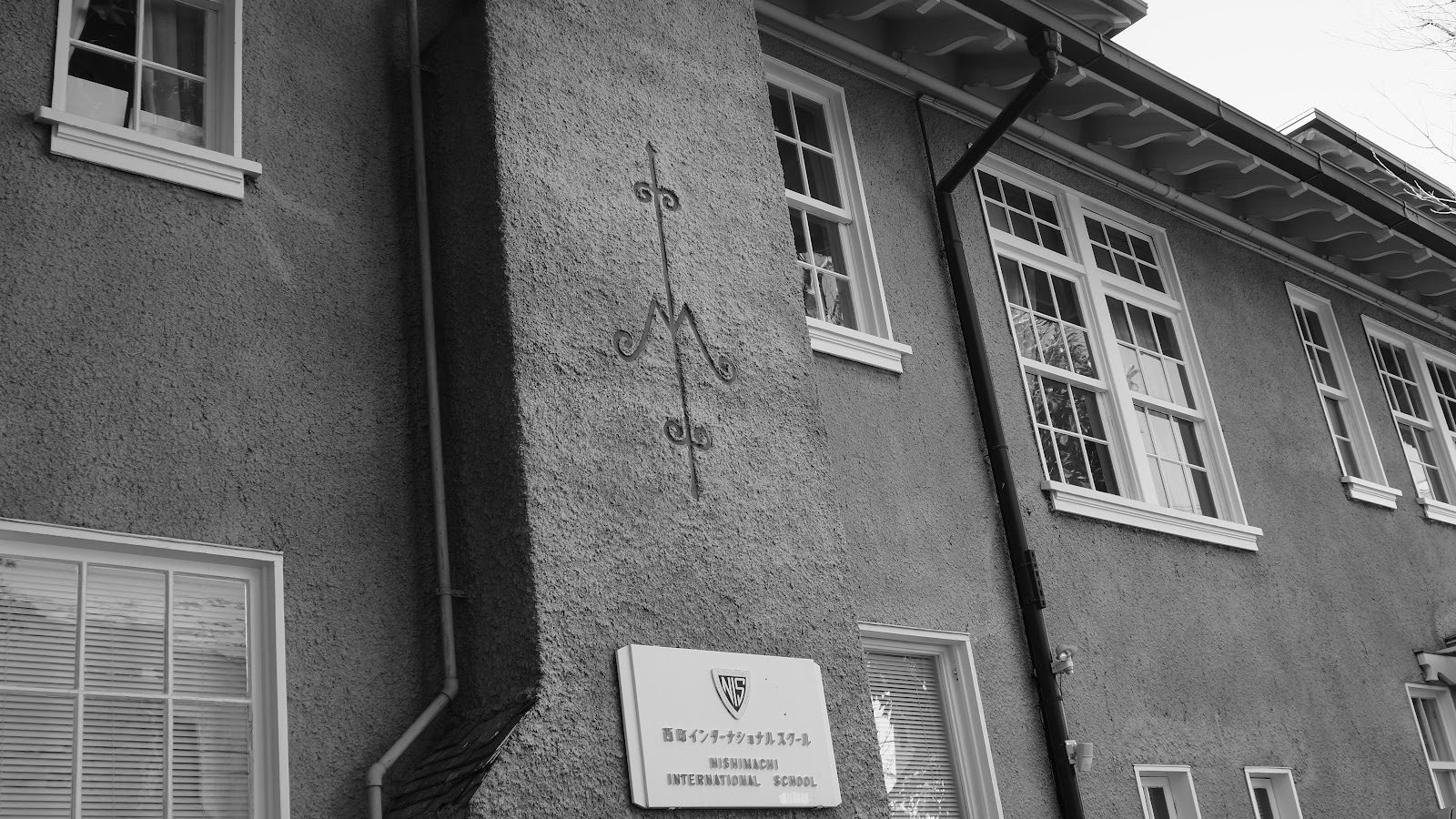
Nishimachi International School
Tokyo · Japan
On a Meiji-era Moto-Azabu estate since 1949, an American K-9 curriculum paired with mandatory daily Japanese lessons
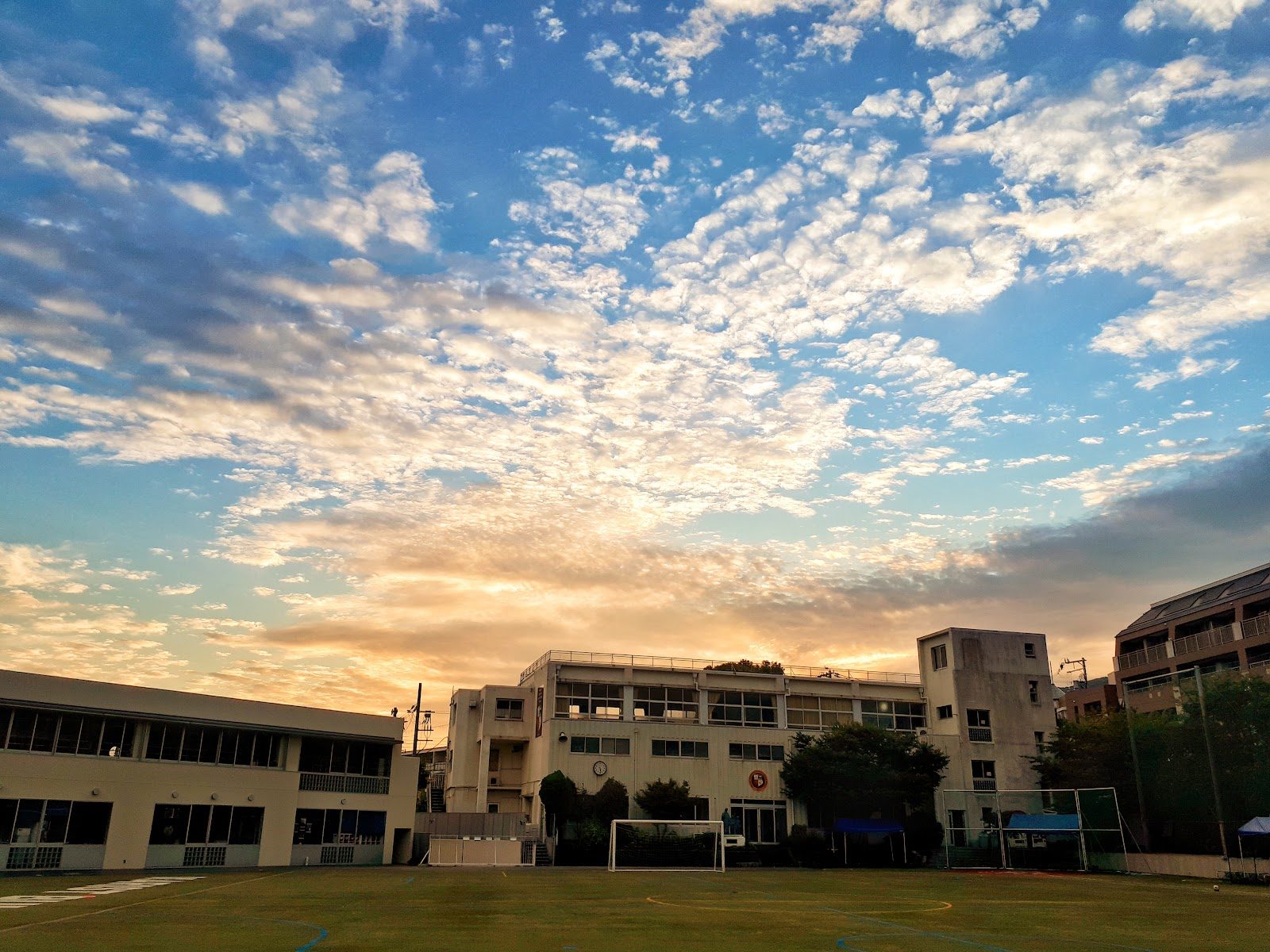
Marist Brothers International School
Kobe · Japan
The only international school run by the Marist Brothers, rebuilt from Kobe's 1995 quake into an American-IB dual pathway.
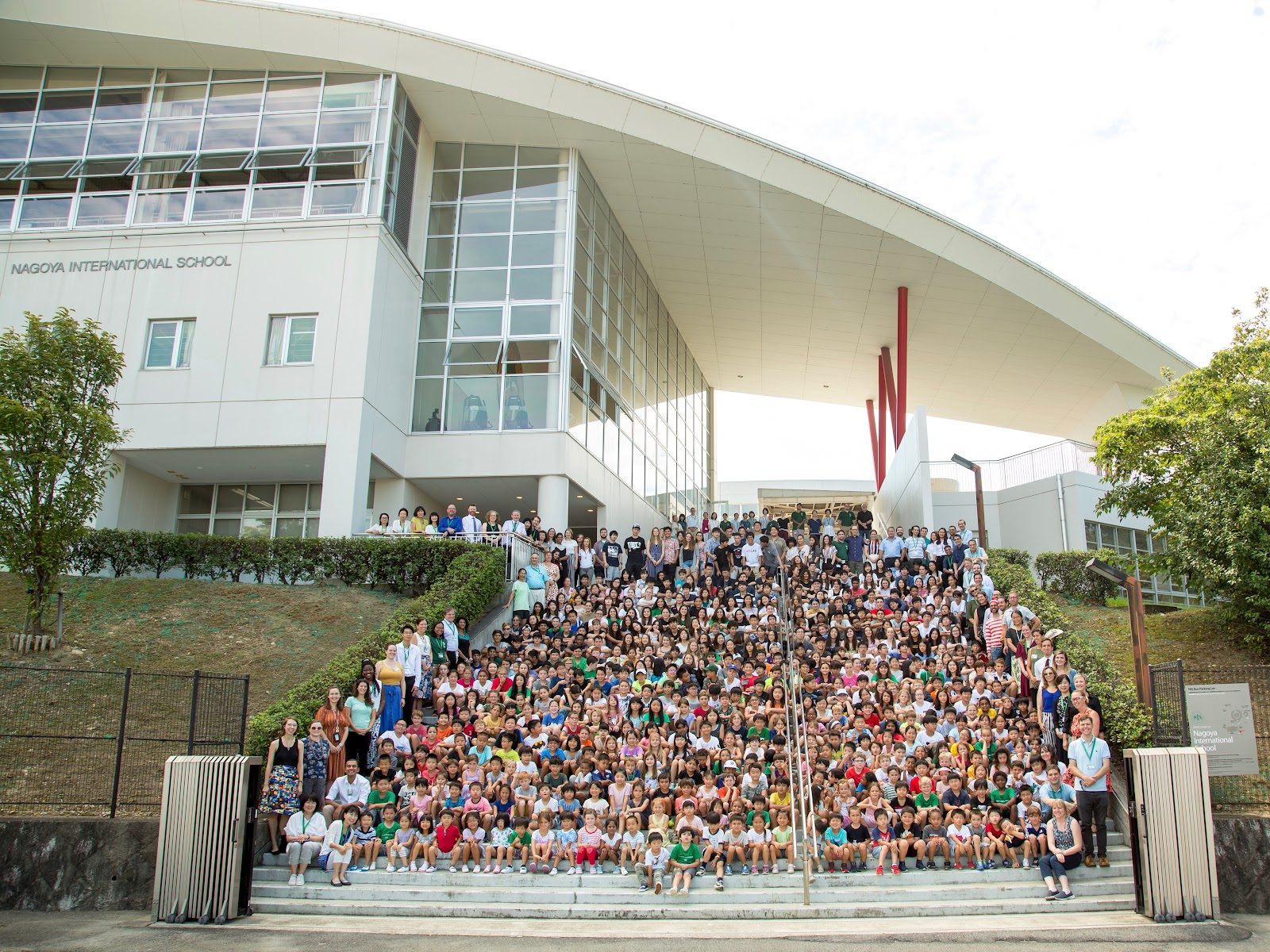
Nagoya International School
Nagoya · Japan
Since 1964, a full IB continuum school anchoring Nagoya's expatriate community at the heart of Japan's auto and aerospace corridor

Tokyo International School
Tokyo · Japan
Grown from five preschoolers into a full IB continuum, this Minato campus relocates to Takanawa Gateway City ahead of its first DP class in 2027.
Same country and curriculum — closest matches within ±10 points either way