
Greater Manchester
Chetham's School of Music
Set on a medieval site by Manchester Cathedral, entry here turns on musical audition, not fees, at the north's only specialist music school.
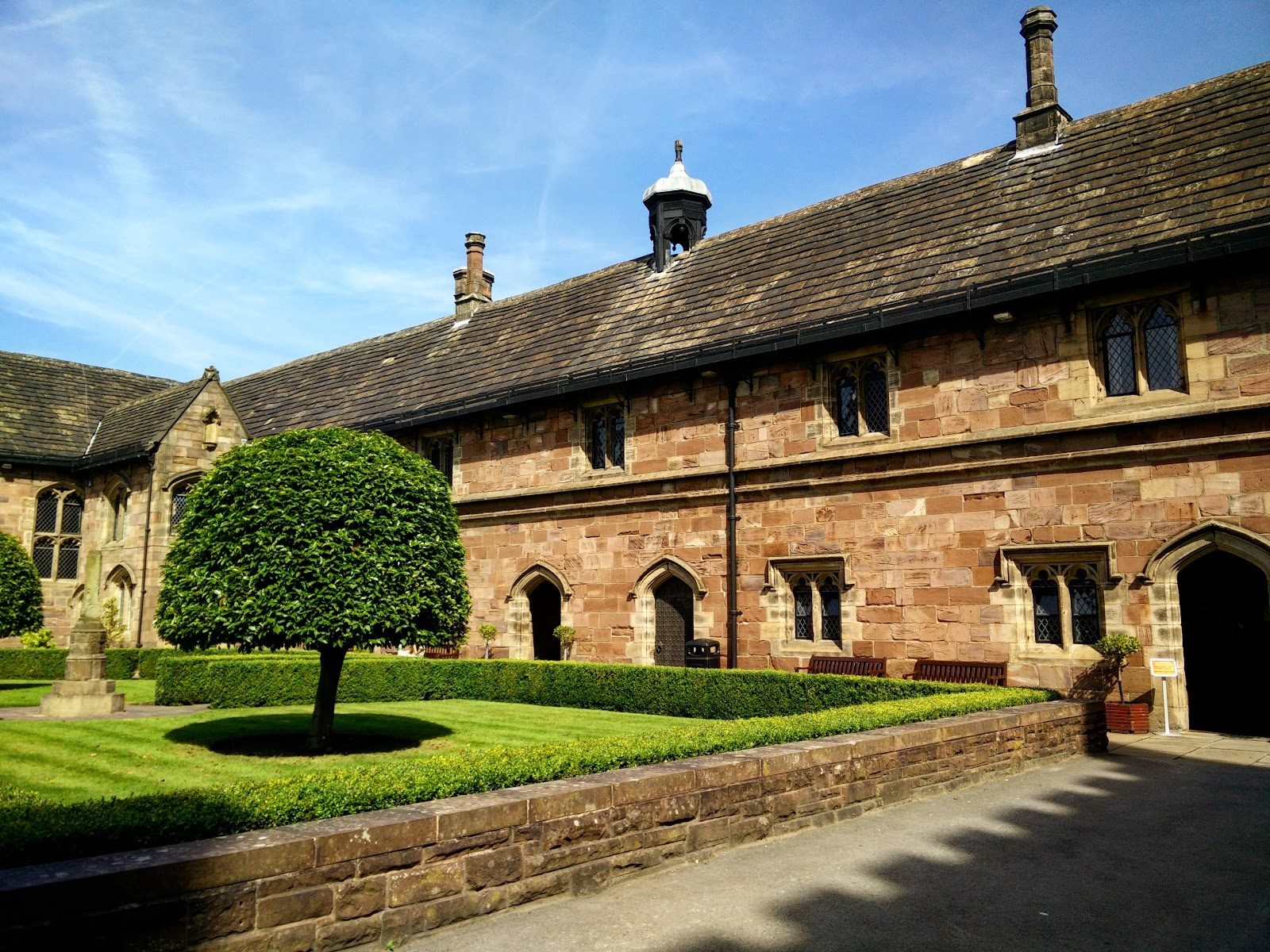
Photo © Darío Llanos Javierre via Google Maps
Type
Day + Boarding
Ages
8–18
Curriculum
GCSE · A-Level
Ratio
—
The Verdict
Editor's commitment
Right for
Young musicians aged 8–18 who want GCSE and A-Level study in Manchester, with admission decided by audition rather than bank balance.
Wrong for
Families wanting a conventional all-round school: this is a private day and boarding music school, not a broad church of interests.
Watch out for
Fees are steep at £45,000 boarding and £33,000 day, and ISI accreditation tells you nothing about artistic fit or pressure.
Ranking breakdown
Chetham's School of Music · #1337 of 1591
Composite score 54.2. 8 weighted criteria.
By criterion
Academic Outcomes
Weight 20%
#1220
of 1529 scored
University Placement
Weight 16%
#1332
of 1529 scored
Prestige & Heritage
Weight 12%
#733
of 1571 scored
Alumni Network
Weight 12%
#1464
of 1530 scored
Facilities
Weight 12%
#1246
of 1533 scored
Transparency & Communications
Weight 8%
#1151
of 1532 scored
Peer & Industry Review
Weight 10%
#35
of 1548 scored
Admissions Selectivity & Demand
Weight 8%
#153
of 1529 scored
Peer & Industry Review
How Chetham's School of Music is regarded in the sector
89
Strong · medium confidence
Chetham's sits alongside Wells Cathedral, Purcell and the Yehudi Menuhin School as one of only five institutions in England's DfE Music and Dance Scheme, and heads of these rival specialist schools regularly cite Chetham's as the benchmark for conservatoire-track training, given its size and orchestral resources. The Good Schools Guide's entry singles out its 'exceptional' music staff and practice facilities while noting the intense academic-musical balance pupils must manage. Feeder relationships are strong and verifiable: leavers routinely progress to the Royal Northern College of Music, Royal Academy of Music, Royal College of Music, and Oxbridge choral/organ scholarships, with admissions tutors at these conservatoires openly favourable toward Chetham's-trained applicants. However, independent press coverage-BBC and Guardian reporting on the historic Michael Brewer/Frances Andrade abuse case-has left a lasting mark on how education journalists frame the school, prompting scrutiny of safeguarding reforms that continues to surface in later Good Schools Guide updates and Ofsted commentary. So peer regard is high on musical pedigree but tempered by press vigilance on pastoral governance.
Award

Elite Music 50
World's Top School · The Global Ranking
Chetham's School of Music is featured on our Global Top 50 ranking at #5. This seal is available for the school's marketing team to use on their website, prospectus and social channels.
- Alison Balsom — Trumpeter, Classical Music
- Peter Donohoe — Pianist, Classical Music
- Kathryn Stott — Pianist, Classical Music
Editors' overview
Chetham’s occupies a rare niche in British education: a specialist music school for children aged 8–18 where admission turns on audition, not family wealth. That matters. Most schools bolt strong music on to a conventional academic offer; Chetham’s inverts the order. Music is the organising principle, and the school sits within a singular Manchester complex that also includes Chetham’s Library and The Stoller Hall. The setting by the cathedral gives it a monastic intensity and a serious artistic charge that general independent schools do not match. For families who want elite pre-professional music training without the social coding of a southern conservatoire pipeline, this is one of the strongest options in England.
The academic framework is straightforward — GCSEs and A-levels, taught in English — but the decisive question here is not the exam list. It is whether a child wants to live inside music. Chetham’s suits the student who practises without being chased, who wants peers with the same level of focus, and who thrives in an environment where performance, rehearsal and artistic discipline shape the week. It is the north’s only specialist music school, and that scarcity gives it clear market distinction. A family considering boarding at £45,000 a year, or day places at £33,000, needs to be convinced that music is not an extracurricular strength but the child’s central ambition. At Chetham’s, talent is the entry currency.
Why shortlist it? Because few schools offer this depth of specialisation from such a young age, and fewer still combine that with full schooling rather than stand-alone conservatoire tuition. A gifted instrumentalist, singer or composer gets not only teaching, but a peer group built around the same pursuit. That creates constant artistic pressure and, for the right child, extraordinary momentum. It will not suit the pupil who wants a broad all-round school with music as one strand among many. It suits the young musician who wants immersion, accepts scrutiny, and is ready for a school where the standard is set by the next practice room.
A Global Elite 50 Music school
Chetham's School of Music sits in Tier 1, Band 1-10, of the Global Elite 50 Music Schools — the Pinnacle Candidates group — because it is, on almost any measurable basis, among the largest and most productive specialist music schools in Europe. Its 300-pupil enrolment and five-decade track record of conservatoire matriculation make it, alongside Purcell, a definitive example of the British Integrated Specialist model — and Chetham's Library, dating to 1653, is a genuine national music-research resource attached to a secondary school.
Its specialisms cover the full classical range at senior-conservatoire preparation standard: piano, all orchestral strings, brass, woodwind and percussion, plus a strong jazz stream, a chamber-music programme, a serious composition department and a nationally recognised choir. The Stoller Hall, a professional 482-seat concert venue opened in 2017, together with extensive rehearsal, recital and recording spaces, gives pupils performance infrastructure most senior conservatoires would recognise as their own.
Progression evidence is dense. Chetham's is one of the small handful of UK schools whose graduating class routinely matriculates into the Royal Academy of Music, the Royal College of Music, the Royal Northern College of Music, the Guildhall and top American and European conservatoires including Juilliard and Curtis. Alumni across recent generations include Sir Stephen Hough, Sunwook Kim, Peter Donohoe, Wayne Marshall, Guy Johnston and Alina Ibragimova.
International openness is high. Chetham's is one of the DfE Music & Dance Scheme schools whose UK fees are largely means-tested, with the school reporting around 85 per cent of pupils receiving up to full funding; overseas families pay full published fees of £33,000 for day places and £45,000 for boarding. The school handles UK student visas for enrolled pupils, provides embedded EAL support, and boarding places are available from Year 7. Recorded audition submissions followed by in-person recall auditions are the standard route into the school, with admission based on musical talent and no academic entry criteria.
Academic Performance
Chetham’s does not publish headline public exam data in the public domain with the clarity parents get from academically selective day schools that trade on top-grade tables. That matters. In a school where the central selection mechanism is musical rather than purely academic, raw GCSE and A-level outcomes need context anyway: the relevant comparison group is not the generic independent sector but other specialist arts schools balancing rehearsal, performance and study. On that measure, the school’s academic offer reads as supporting architecture for a demanding artistic education, not the main event. Families who want forensic grade transparency will find the picture frustratingly opaque.
That opacity does not equal weak academics. It does mean parents must ask harder questions: subject breadth in the sixth form, attainment by department, value added, university destinations beyond music, and how timetable pressure affects revision in exam years. A specialist music school can produce serious intellectual discipline alongside conservatoire-level training, but the burden of proof sits with the school when aggregate results are not published. Relative to mainstream high-performing independents, Chetham’s competes on depth of specialism, not on a barrage of published top grades. For the right child, that is the correct trade. For families seeking cold, hard exam metrics, it is a limitation.
Facilities
The decisive facility here is not a glossy sports complex or a sprawling campus. It is a site built around music-making. Chetham’s shares its setting with The Stoller Hall, and that matters more than brochure language about “performing arts spaces”. A specialist music school with an on-site public concert venue gives pupils access to a serious professional context that most independent schools cannot replicate. Add the presence of Chetham’s Library on the same medieval site by the cathedral, and the physical environment carries real cultural density. Against peer specialist schools, that combination stands out: some have excellent teaching rooms and performance spaces, but few sit inside a working cultural complex with this level of institutional gravitas.
Parents still need practical detail that the school does not publish clearly enough. We have not seen a full public breakdown of practice-room provision, recording facilities, ensemble rehearsal spaces, instrument storage, academic classrooms, boarding-house amenities or sports infrastructure. That gap matters because at fees of £45,000 for boarders and £33,000 for day pupils, families deserve precision, not atmosphere. Relative to mainstream all-round independents, Chetham’s facilities proposition is narrower but deeper: less emphasis on conventional breadth, more on the spaces that sustain constant rehearsal and performance. For a young musician, that is exactly the right trade. For a family expecting the usual independent-school spread of standout athletic and leisure facilities, it is a specialist bet, not a universal one.
The result is intense artistic normality: serious rehearsal, high standards and constant comparison stop feeling exceptional and start feeling routine
Prestige
Chetham’s carries real prestige within its field, but it is specialist prestige, not the social cachet of a grand all-round public school. That distinction matters. In the music world, admission by audition gives the place hard-earned credibility: pupils have cleared a talent bar, not a lifestyle filter. For serious young instrumentalists, singers and composers, that confers status of the only kind that counts — peer respect. The school also benefits from a rare institutional identity tied to a site shared with a historic library and concert hall, which gives the whole enterprise cultural weight beyond the usual school-brand theatre. Among families and teachers who know specialist arts education, Chetham’s name carries force.
We rate it highly because the school occupies a scarce national niche. There are very few places in England where a child can pursue intensive pre-professional music training within a full school structure from the prep years through sixth form. That scarcity creates prestige on its own; the audition threshold sharpens it. Fees at £45,000 for boarding and £33,000 for day pupils also place it in the expensive end of the market, though cost here does not explain the reputation. The limitation is clear: outside music, the name does not command the same instant recognition as the country’s headline independents, and families chasing broad-brush social prestige will find it too narrowly defined. For the right child, that narrowness is the point.
Music is the organising principle, and the school sits within a singular Manchester complex that also includes Chetham’s Library and The Stoller Hall
Communications
Chetham’s public-facing communication is culturally coherent but not parent-first. The website makes the institutional identity clear at once: school, library and concert hall share one enterprise, and the message lands with confidence and clarity of purpose. That suits families already sold on specialist training. It does less for parents trying to understand daily mechanics. We have not seen enough plainly organised information on pastoral systems, reporting routines, boarding-house life, timetable pressures, or the practical overlap between rehearsals and academic study. At annual fees of £45,000 for boarders and £33,000 for day pupils, that lack of operational detail is a weakness, not a quirk.
The likely pattern is that communication works best once a family is inside the school and speaking directly to staff who deal with music, boarding and welfare day by day. For a specialist institution, that person-to-person channel matters more than polished admissions copy. Still, parents making first enquiries need more than atmosphere and institutional romance. They need direct answers on who contacts home, how progress is reported, how concerns are escalated, and how the school handles the pressure points that accompany elite musical training. Chetham’s communicates its mission extremely well; it communicates the parent experience with less rigour. For some families, that is acceptable. For others, it is a sign to ask hard, specific questions before committing.
Uniqueness
What makes Chetham’s distinct is not simply that it teaches music well. It is that the school, library and concert hall occupy one site, so students work inside a live cultural institution rather than a sealed school campus. That changes the texture of daily life. A child here does not treat performance as an annual showcase bolted on to school; performance sits close to the centre of the enterprise. Entry by audition from ages 8–18 sharpens that identity further. Every pupil has cleared the same artistic gate, which creates a peer group built on ability, practice habits and tolerance for scrutiny. The result is intense artistic normality: serious rehearsal, high standards and constant comparison stop feeling exceptional and start feeling routine.
That brings clear gains for the right student. Young musicians get early professional conditioning — not in the crude sense of pressure for its own sake, but in learning how to prepare, listen, recover from mistakes and improve in public. The setting also gives unusual historical and cultural depth; working beside a medieval library and major venue lends the place a rare seriousness that few schools can fake. The trade-off is equally clear. This is a narrow-gauge education by design. Students who want a broad, low-pressure school life with music as one enthusiasm among many will find the atmosphere too exacting. For the committed young musician, that exacting culture is the point.
Relative to mainstream high-performing independents, Chetham’s competes on depth of specialism, not on a barrage of published top grades
Student Profile
The student who fits here has already decided that music is not a hobby dressed up as an ambition. Entry rests on audition, so a child arrives knowing that peers have earned their place the same way. That creates a high-pressure peer culture in the best and worst senses: standards are visible, comparison is constant, and weak preparation shows fast. The right pupil draws energy from that. They practise without parental nagging, accept correction without drama, and recover quickly after a poor rehearsal or performance. They also need stamina. School life in a specialist conservatoire-style environment carries a demanding rhythm that can expose disorganisation, fragility or lukewarm commitment very quickly.
Socially, this suits young people who do not need the reassurance of a conventional all-round school identity. A child who wants sport, casual breadth and a diffuse extracurricular menu as equal priorities will feel miscast. A child who wants to spend large parts of the week around other serious instrumentalists, singers or composers will feel among their own. Because the school takes pupils from 8–18, families also need to judge maturity with care: early starters need unusual self-discipline for their age, while older entrants need the confidence to slot into an established musical culture. At annual fees of £45,000 for boarding and £33,000 for day places, it also helps to be clear-eyed: this is specialist formation, not a safety-first version of school with extra concerts.
Chetham’s occupies a rare niche in British education: a specialist music school for children aged 8–18 where admission turns on audition, not family wealth
Co-curricular strengths
Arts & sport, on a separate axis
Overall 6.58/10
Scored 0-10 from the school's own published evidence. This axis is editorial-only — it does not feed the main WTS ranking.
Sports
4.5/10
Drama
7.5/10
Dance
4.5/10
Music
9.9/10
Visual Arts
6.5/10
Strengths
- +One of only a handful of specialist music schools in England, combining a full academic curriculum with intensive daily instrumental and vocal tuition.
- +Long institutional history dating to 1653, with dedicated specialist music school status established in 1969.
- +City-centre Manchester location gives students proximity to the Halle Orchestra, Manchester Cathedral and the Royal Northern College of Music for masterclasses and performance opportunities.
- +Both day and full-boarding places available, offering flexibility for local and relocating families.
- +Eligible UK residents can apply for means-tested support through the government's Music and Dance Scheme; the school reports around 85 per cent of pupils receive up to full funding.
- +Most recent ISI inspection rating is Excellent.
Considerations
- −Entry is by demanding musical audition, making the school unsuitable for children without advanced instrumental or vocal ability.
- −Non-UK-resident families cannot access Music and Dance Scheme funding, so full fees apply to most international applicants.
- −The school's history includes a serious safeguarding failure — a former director of music was convicted in 2013 of historical sexual abuse of a pupil — which families should factor into due diligence despite subsequent reforms.
- −The single-discipline focus on music narrows the breadth of extracurricular life compared with generalist independent schools.
Gallery
Photo © David Barton via Google Maps
Photo © David Barton via Google Maps
Photo © David Barton via Google Maps
Photo © E. via Google Maps
Photo © Francisca Fabiano via Google Maps
Photo © Lovin Joy via Google Maps
Photo © Kevin Williams via Google Maps
Parent reviews
Have you sent your child here?
Voice reviews carry the strongest trust badge — we transcribe them for you to tidy up before they go live. Prefer to type? A written review is fine too.
Add your voice
In 60 seconds, tell other parents: what's the best thing about Chetham's School of Music, and what surprised you when your child joined?
We ask for a Google sign-in so every review has a real face behind it — no anonymous drive-by attacks on schools, and no faked positive reviews. Your email is never shown publicly.
Send this profile to a friend
International parents rely on word-of-mouth. Share this review with someone weighing the same decision.
Schools with places
Similar schools to Chetham's School of Music with places available now.
Availability first, then country, area, curriculum, price, co-curricular
Consider also
Also worth looking at alongside Chetham's School of Music.
The Purcell School for Young Musicians
Bushey, Hertfordshire · United Kingdom
Britain's oldest specialist music school, home to the first Fazioli Pianoforti Centre of Excellence and talent-blind admissions.
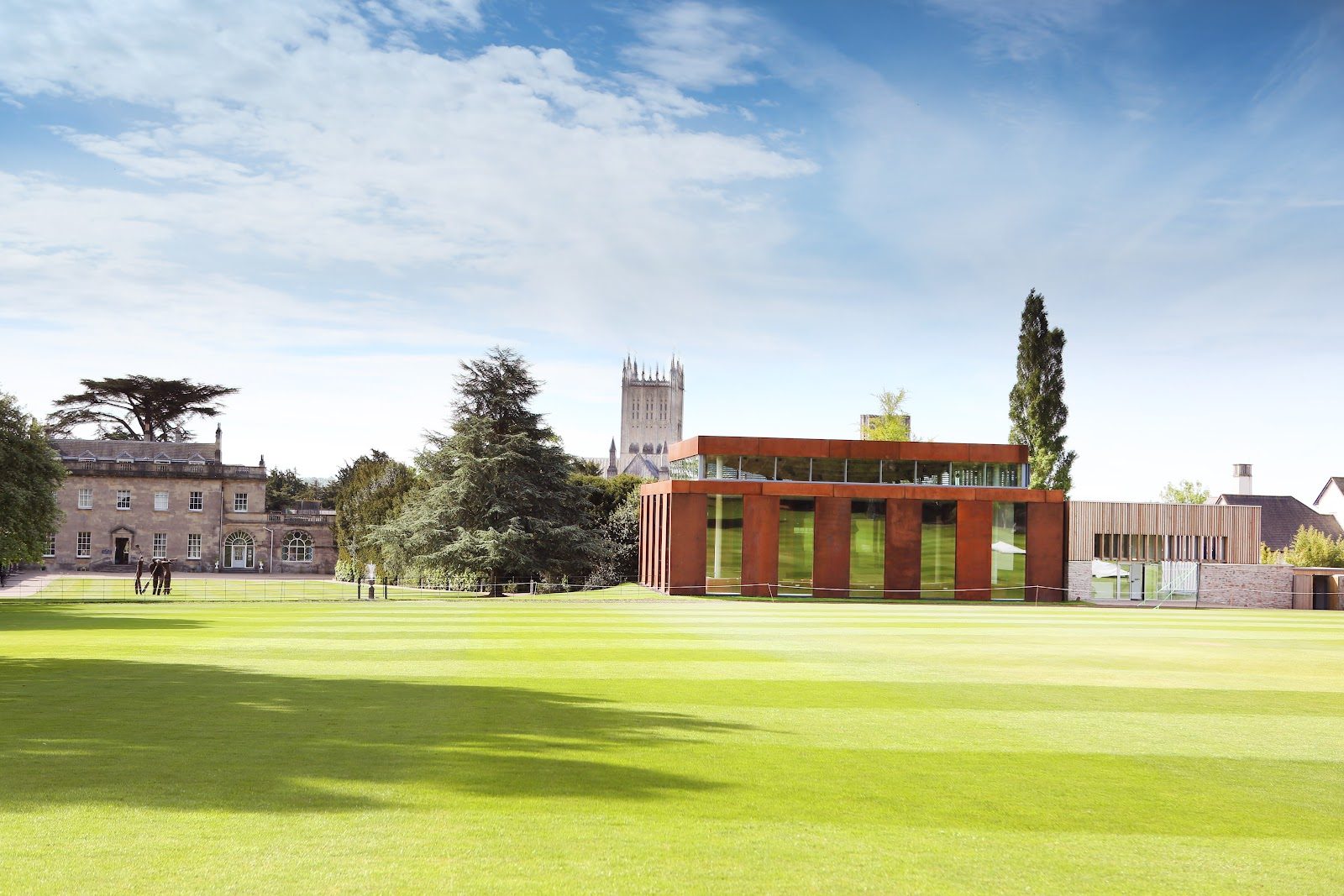
Wells Cathedral School
Wells, Somerset · United Kingdom
A thousand years of choral tradition anchors one of Britain's five specialist music schools, tucked beside a medieval cathedral close.
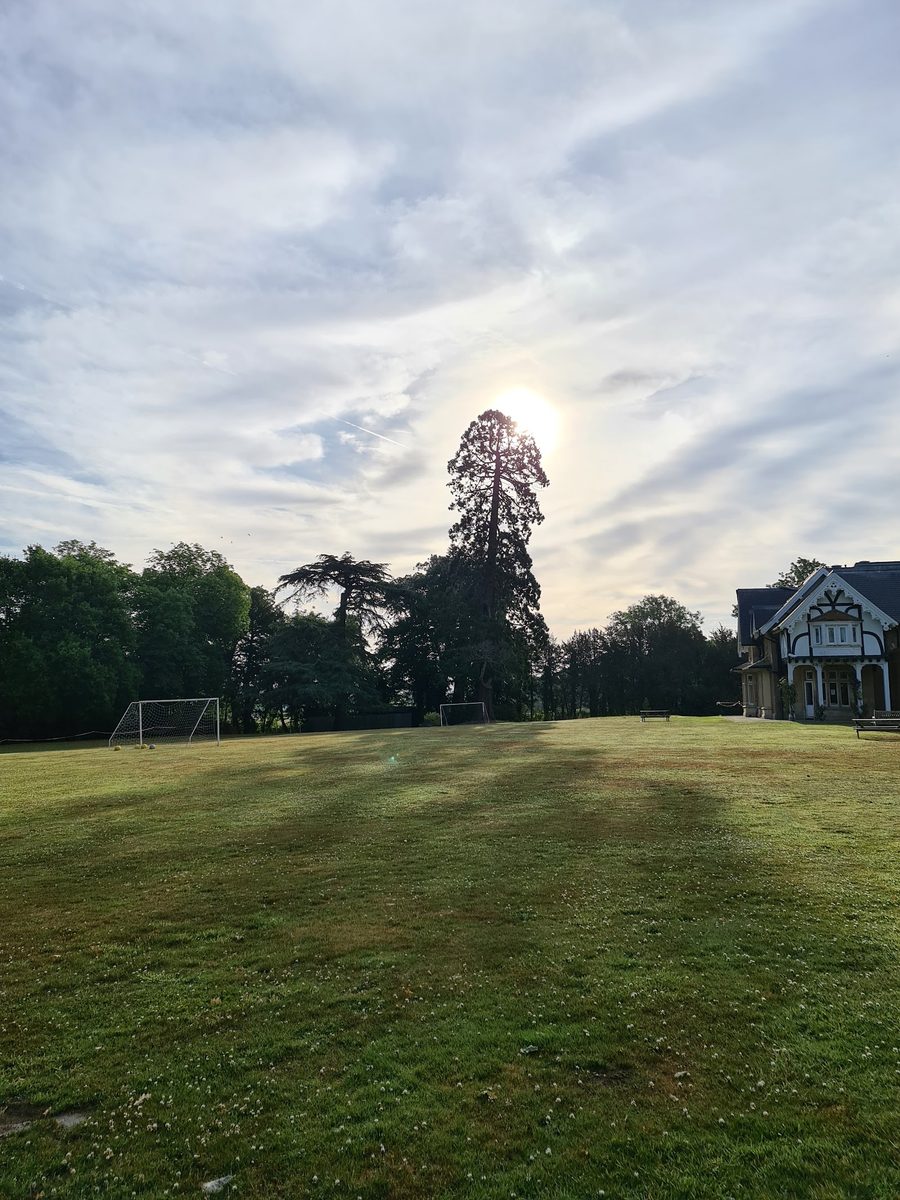
The Yehudi Menuhin School
Stoke d'Abernon, Surrey · United Kingdom
Set in Surrey woodland, this specialist conservatoire trains string, piano and guitar prodigies, sending most graduates straight into music careers.
St Mary's Music School
Edinburgh · United Kingdom
Scotland's only full-time specialist music school, splitting each day between instrumental training and academic study for pupils aged 9 to 19.
Same specialism, country and curriculum — closest matches within ±10 points either way