
Tokyo
Tokyo International School
medium confidence· 4/6 cats · 2.78 avg sourcesGrown from five preschoolers into a full IB continuum, this Minato campus relocates to Takanawa Gateway City ahead of its first DP class in 2027.

Photo © Tokyo International School via Google Maps
Type
Day
Ages
3–18
Curriculum
IB
Ratio
—
The Verdict
Editor's commitment
Right for
Families who want an English-language IB World School in Tokyo with CIS backing, 3–18 continuity and a genuinely international roll-call.
Wrong for
Parents chasing old-school scale or anonymity: Tokyo International School has just over 500 students, a 22-student class cap and a tight urban feel.
Watch out for
The average annual fee is JPY 3,450,000, and the school shifts to Takanawa Gateway City before its first Diploma Programme class in 2027.
Ranking breakdown
Tokyo International School · #1390 of 1591
Composite score 52.6. 8 weighted criteria.
By criterion
Academic Outcomes
Weight 20%
#1352
of 1529 scored
University Placement
Weight 16%
#1332
of 1529 scored
Prestige & Heritage
Weight 12%
#1396
of 1571 scored
Alumni Network
Weight 12%
#1061
of 1530 scored
Facilities
Weight 12%
#1382
of 1533 scored
Transparency & Communications
Weight 8%
#1370
of 1532 scored
Peer & Industry Review
Weight 10%
#1216
of 1548 scored
Admissions Selectivity & Demand
Weight 8%
#1232
of 1529 scored
Score history
Tokyo International School · 2026
Movement across 2024–2026. Peer average overlaid.
Overall — 2024–2026
52.6/ 100
▲ +28.2 vs 2025
year on year
Peer & Industry Review
How Tokyo International School is regarded in the sector
63
Respected · medium confidence
I could not verify at least two independent, third-party sources (e.g., Tatler, Good Schools Guide, specialist education press, or established expat forums) that substantively discuss Tokyo International School's reputation. Without such corroborating external evidence, I cannot responsibly assign a score on this scale.
Editors' overview
Tokyo International School has taken an unusual route through the Tokyo market: it started in 1995 with five preschoolers and now runs a full IB continuum for ages 3 to 18, with its first Diploma Programme cohort due in 2027. That matters. Many international schools claim continuity; this one is building it in real time, and parents considering a long stay in Japan can watch the school shift from a well-established lower and middle years offer into a complete K–12 proposition. The setting is another differentiator. This is a downtown Minato school, soon relocating to Takanawa Gateway City, and it trades on urban access rather than sprawling suburban acreage. For families who want Tokyo itself woven into school life, that has force. The school leans into that idea with more than 70 field trips and the line “Tokyo as our classroom”, which is more convincing here than at campuses that sit far outside the city.
The community profile is one of its strongest assets. Tokyo International School states more than 70 nationalities, over 500 students and a maximum class size of 22. That is a compact scale by major-city standards, and it gives the school a more close-knit feel than the larger embassy-school operators. It is also accredited by CIS and authorised as an IB World School, which gives the academic model external scrutiny and a degree of institutional seriousness. The average annual day fee across the full age range is JPY 3,450,000, placing it in the expensive bracket, though not at the very top end of the international market. Parents are paying for central Tokyo, an English-medium education, and a school that has moved from boutique beginnings into a properly international operation.
What is special here is not grand facilities or inherited prestige. It is the combination of a genuinely diverse student body, a city-centre identity and an inquiry-led IB framework in a school that remains small enough to avoid feeling corporate. That will appeal to internationally mobile families, mixed-nationality households and parents who want an English-language education without sending their child to a vast campus on the edge of town. The right student for Tokyo International School is curious, articulate and comfortable in a community where movement, transition and cultural variety are normal. Children who thrive on discussion, independence and learning beyond the classroom walls will fit well. Those who want a highly traditional, exam-drilled or ultra-competitive school with a long-published record of Diploma results have stronger options elsewhere; Tokyo International School’s upper-secondary story is still being written.
Academic Performance
Academic performance is the section where Tokyo International School still has work to do. The school now advertises a full continuum through the Diploma Programme, but its own public-facing information still carries legacy wording that limits the offer to younger year groups. That mismatch matters. Parents looking for a settled senior-school proposition want clean, current academic disclosure, especially around examination pathways and outcomes. At present, the school does not publish aggregate IB Diploma results, subject scores, pass rates, university destinations or benchmarked attainment data in the public domain. It does flag MAP testing in the upper school calendar, which shows some use of external benchmarking below the diploma years, but that is not the same as a transparent outcomes record. The first DP cohort is due in 2027, so there is no diploma results history yet.
That places Tokyo International School in a transitional academic category rather than among Tokyo’s established exam-outcome leaders. Its strength lies in programme continuity and inquiry-led teaching, not in a long scoreboard of external results. For parents choosing early and middle years, that gap carries less weight. For families focused on sixth form and university entry, it is a material limitation. Against peers with published IB averages and multi-year destination lists, Tokyo International School is not yet in the top results conversation. It remains a school with an unfinished senior academic record, and parents need to treat it that way.
Facilities
Tokyo International School’s facilities story is defined less by scale than by use. The school trades on an urban campus and says so openly: “Tokyo as our classroom” is backed by more than 70 field trips and a fleet of 7 school and after-school buses. That matters, because peer schools on larger suburban sites can offer wider acreage, more standalone sports provision and the visual reassurance of big-campus infrastructure. TIS offers a different bargain: direct access to the city, small-group tours for prospective families, and a campus designed around day-to-day learning rather than spectacle. The public site also points parents to a virtual tour, but it gives little hard detail on specialist rooms, science labs, performing arts spaces or sports facilities. That omission leaves the physical offer under-explained.
What does stand out is operational clarity in the parts that affect family life most. The school runs a substantial co-curricular programme, advertising more than 50 before- and after-school activities, and it caps classes tightly enough to support contained, human-scale learning spaces rather than warehouse-sized year groups. Against Tokyo peers, that will suit families who value access, manageable movement through the school day and a campus with a city-living logic. It will not satisfy parents who want the facility arms race: full athletic complexes, extensive grounds or the kind of specialist senior-school infrastructure that larger, older competitors publish in detail. Here, the facilities case rests on location and livability, not grandeur.
Against peers with published IB averages and multi-year destination lists, Tokyo International School is not yet in the top results conversation
Prestige
Tokyo International School carries real local standing in the Tokyo international market, but not the kind of prestige that rests on old-name cachet, giant campuses or a long ledger of elite university placements. Its reputation comes from a different source: longevity in a transient city, a downtown identity that suits internationally mobile families, and a student body drawn from over 70 nationalities. That mix gives the school social credibility with parents who value cosmopolitanism over status theatre. The non-profit structure helps too. It reads as an institution built around school life rather than branding. Add a maximum class size of 22, and the appeal sharpens: this is a school where parents expect visibility, access and a community that knows its children. In a city where some international schools feel transactional or hard-edged, Tokyo International School has a more grounded kind of prestige.
That said, prestige here is earned rather than inherited, and it has limits. The school has not yet built the top-tier aura that attaches to institutions with a decades-deep senior school, famous alumni, or published exam outcomes that dominate parent conversation. Its public case rests more on ethos, community and educational seriousness than on headline academic clout. For younger children and families planning a city-centre international education, that is enough to make it a credible, respected choice. For parents shopping for the most socially prized badge in Tokyo, or for the school with the strongest established sixth-form reputation, it sits a rung below the market’s heavier hitters.
Tokyo International School states more than 70 nationalities, over 500 students and a maximum class size of 22
Communications
Tokyo International School communicates with parents through a busy, visible public-facing operation. The website carries a live events rhythm rather than a static admissions brochure: back-to-school evenings for lower and upper school, activity launches, assessment dates and regular prompts to visit campus or join an online open house. That cadence matters. It tells parents what the school is doing, when it is doing it, and where they can engage. Social channels are pushed hard, and the school invites families into school life with direct calls to book tours, submit questions and follow day-to-day updates. The parent body itself is framed as active and engaged rather than decorative, which fits a school that wants families involved rather than parked at the gate.
The effectiveness is strong in accessibility and less strong in precision. For a relocating or newly arrived family, the tone is open, immediate and easy to navigate. Contact routes are plain, events are surfaced early, and there is little friction in making first contact. Where the school is weaker is in public clarity around the older years. Parts of the site still carry stale wording about the age range, and that undercuts confidence in the school’s editorial discipline. For parents choosing early years or primary, that is a minor irritation. For families weighing upper school, it is a serious communications flaw. A school asking parents to trust a growing through-school model needs cleaner version control than this.
Uniqueness
What marks Tokyo International School out is not inherited stature or acres of land, but an urban model that takes the city seriously as part of the school day. Many international schools use place-marketing language; here, the combination of downtown location, bus provision and over 70 field trips gives that idea practical force. For students, that brings a more outward-facing education: museums, neighbourhoods, public institutions and the daily texture of Tokyo sit closer to the curriculum than they do at edge-of-city campuses. The school’s compact scale also changes the lived experience. Children move through a human-sized environment where staff, parents and pupils know one another, and that can make transition into an international setting less socially brutal than at larger schools.
The other point of difference is timing. This is a school extending itself into a complete through-school model in full public view, rather than trading on a senior-school reputation built decades ago. For families joining in the lower or middle years, that creates a community with more room to breathe than highly stratified, status-conscious competitors. Students get the benefits of a long-established younger-school culture while the older end develops around them. That brings opportunity as well as risk: children who enjoy voice, agency and a school willing to evolve will find that energising; families who want a finished, deeply proven sixth-form machine will not. The range of nationalities — over 60 on one part of the school’s site, over 70 on another — also signals a genuinely international intake, even if the school needs cleaner public consistency.
Academic performance is the section where Tokyo International School still has work to do
Student Profile
The best fit here is a child who likes to participate, not just comply. Tokyo International School talks repeatedly about voice, choice and ownership, and the student comments point in the same direction: pupils are expected to speak up, ask questions and take some charge of how they learn. That suits confident children, but it also suits thoughtful ones who need a community that is open rather than intimidating. The social mix is a major draw. With over 70 nationalities cited on the school’s site, this is a student body where cross-cultural movement is routine, not staged for admissions copy. New arrivals, third-culture children and families used to international turnover will find that normalising rather than destabilising. The school’s published maximum class size of 22 also points to a student experience with more adult visibility and less chance of vanishing into the crowd.
This is not the right school for every temperament. Pupils who want a highly conventional, teacher-led environment with fixed answers and a strong culture of academic rank-ordering will find a mismatch. So will children who need the social anonymity of a very large campus. TIS suits students who are articulate, adaptable and comfortable in a close-observed, community-heavy setting where parents are engaged and school life is hard to ignore. The urban setting, bus network and 50-plus co-curricular activities also favour children with energy for movement, variety and life beyond the classroom. For self-directed, internationally minded students, it is a convincing fit.
That places Tokyo International School in a transitional academic category rather than among Tokyo’s established exam-outcome leaders
Co-curricular strengths
Arts & sport, on a separate axis
Overall 8.3/10
Scored 0-10 from the school's own published evidence. This axis is editorial-only — it does not feed the main WTS ranking.
Sports
8/10
Football and Basketball as extracurriculars.
Drama
8.5/10
Drama Club is explicitly named in the extracurricular list.
Dance
8/10
Music
8.5/10
Both Music Ensemble and Choir, showing more than a bare mention through multiple named music activities, but gives no facility, department or specialist-staff evidence.
Visual Arts
8.5/10
Visual Arts is explicitly named in the extracurricular list, but there is no added detail on exhibitions, studios, specialist staff or dedicated facilities.
Editor first-pass · editor-reviewable · 7/27/2026
Strengths
- +IB World School from kindergarten to Grade 12
- +Over 70 nationalities represented across the student body
- +Maximum class size capped at 22 students
- +Downtown Tokyo location enables 70+ field trips
Considerations
- −Over 470 students may feel sizeable for some families
- −More than 60 nationalities can mean less cultural continuity
- −School does not publish fees in provided sources
Availability
Primary entry gate & tests
Academic Record
Gallery
Photo © Tokyo International School via Google Maps
Photo © Kkl F via Google Maps
Photo © Nathan Gildart via Google Maps
Photo © Happy Otto via Google Maps
Photo © Vincent T. via Google Maps
Photo © Soph Constant via Google Maps
Photo © Tokyo International School via Google Maps
Photo © Kkl F via Google Maps
Photo © Tokyo International School via Google Maps
Parent reviews
Have you sent your child here?
Voice reviews carry the strongest trust badge — we transcribe them for you to tidy up before they go live. Prefer to type? A written review is fine too.
Add your voice
In 60 seconds, tell other parents: what's the best thing about Tokyo International School, and what surprised you when your child joined?
We ask for a Google sign-in so every review has a real face behind it — no anonymous drive-by attacks on schools, and no faked positive reviews. Your email is never shown publicly.
Send this profile to a friend
International parents rely on word-of-mouth. Share this review with someone weighing the same decision.
Schools with places
Similar schools to Tokyo International School with places available now.
Aoba-Japan International School
Tokyo · Japan
- 2026-27
- WAITPOOLSpace-dependent
- 2027-28
- PLACES OPENRolling
Seisen International School
Tokyo · Japan
- 2026-27
- WAITPOOLSpace-dependent
- 2027-28
- PLACES OPENRolling
K. International School Tokyo
Tokyo · Japan
- 2026-27
- WAITPOOLSpace-dependent
- 2027-28
- PLACES OPENRolling
Kaisei Academy
Tokyo · Japan
- 2026-27
- CLOSEDStandard route
- 2027-28
- OPENS SOONOpens Late '26
Availability first, then country, area, curriculum, price, co-curricular
Consider also
Also worth looking at alongside Tokyo International School.
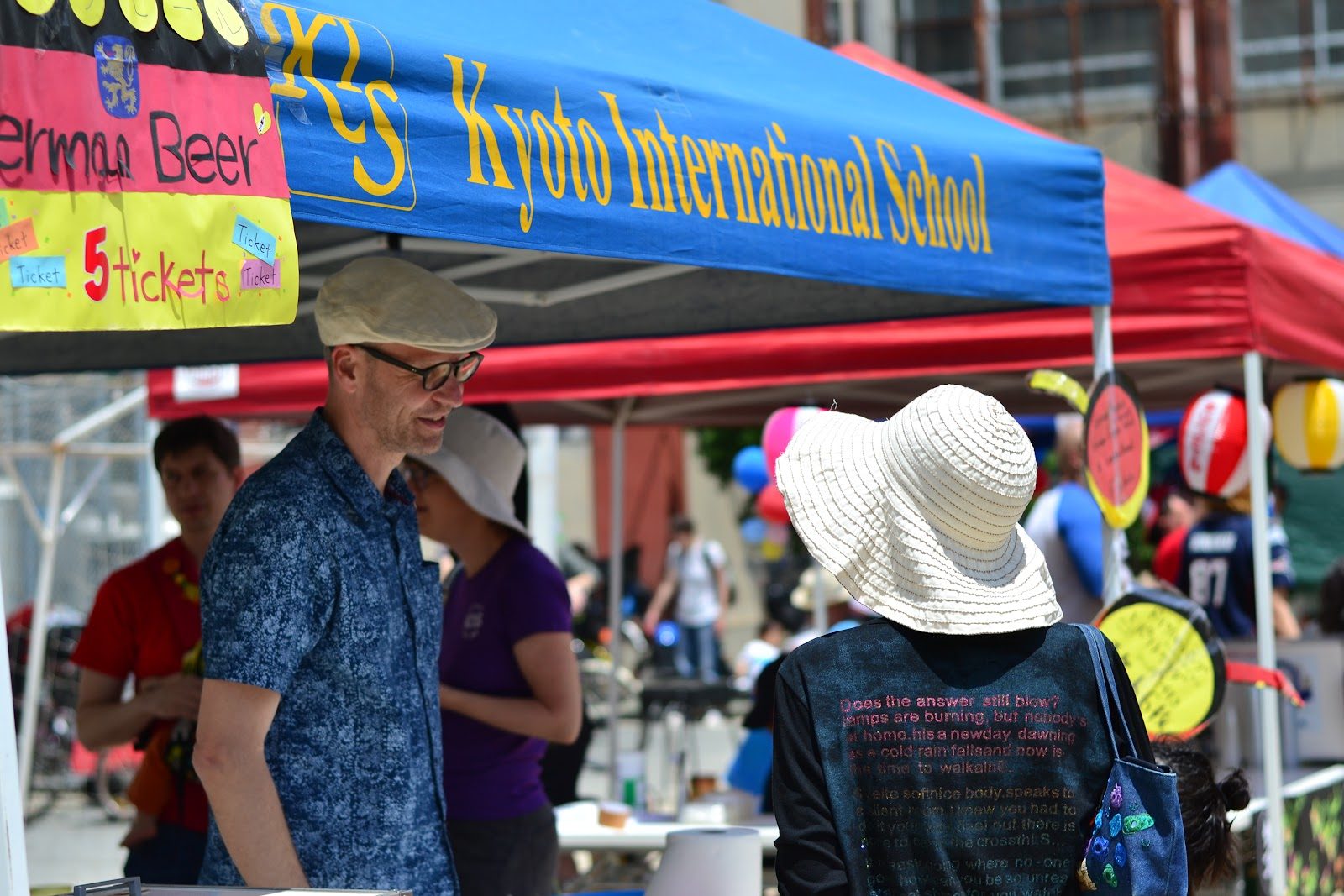
Kyoto International School
Kyoto · Japan
Grown from a 1957 missionary homeschool into Kyoto's only full IB continuum, blending British rigor with inquiry-based learning.
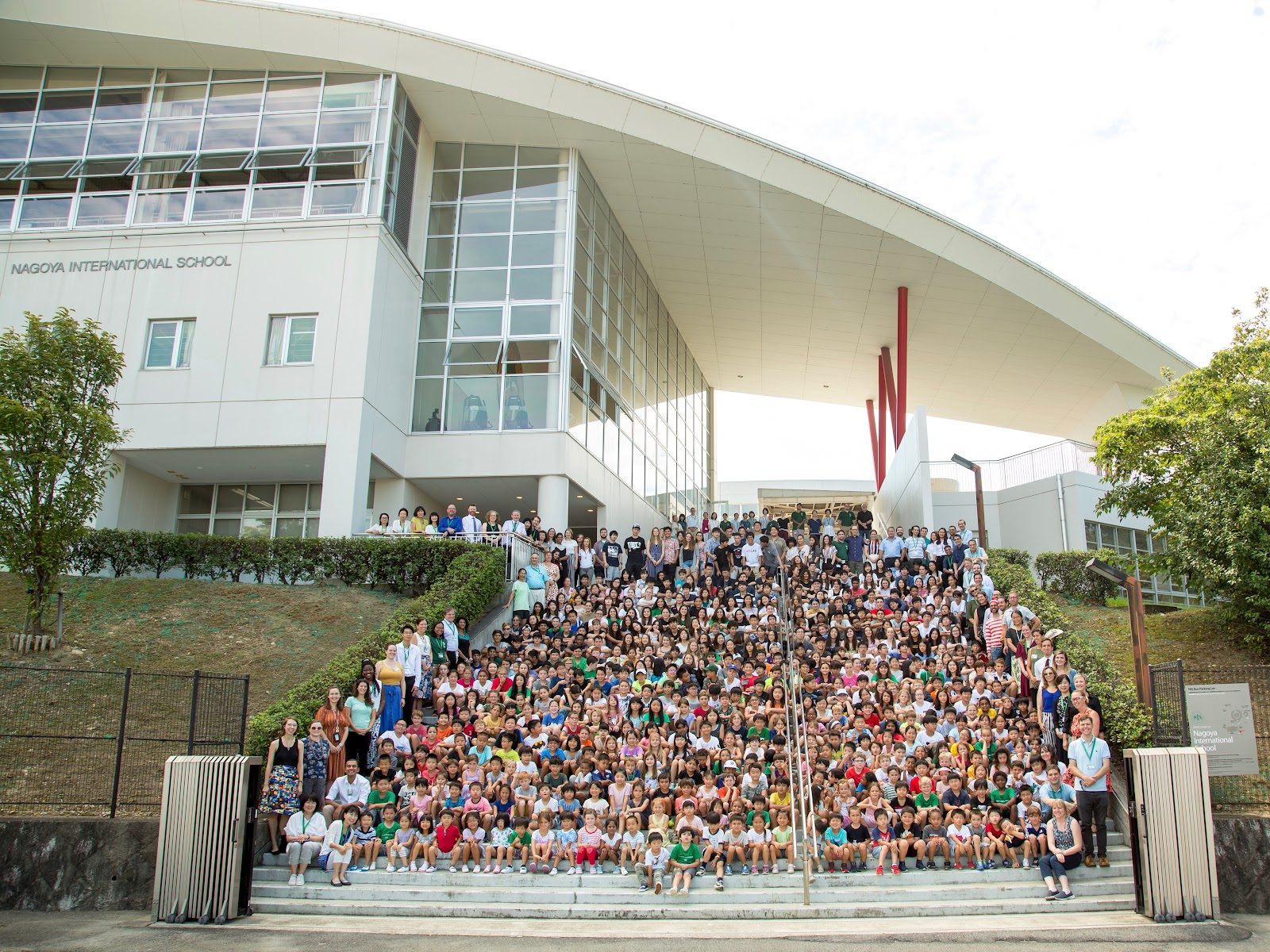
Nagoya International School
Nagoya · Japan
Since 1964, a full IB continuum school anchoring Nagoya's expatriate community at the heart of Japan's auto and aerospace corridor
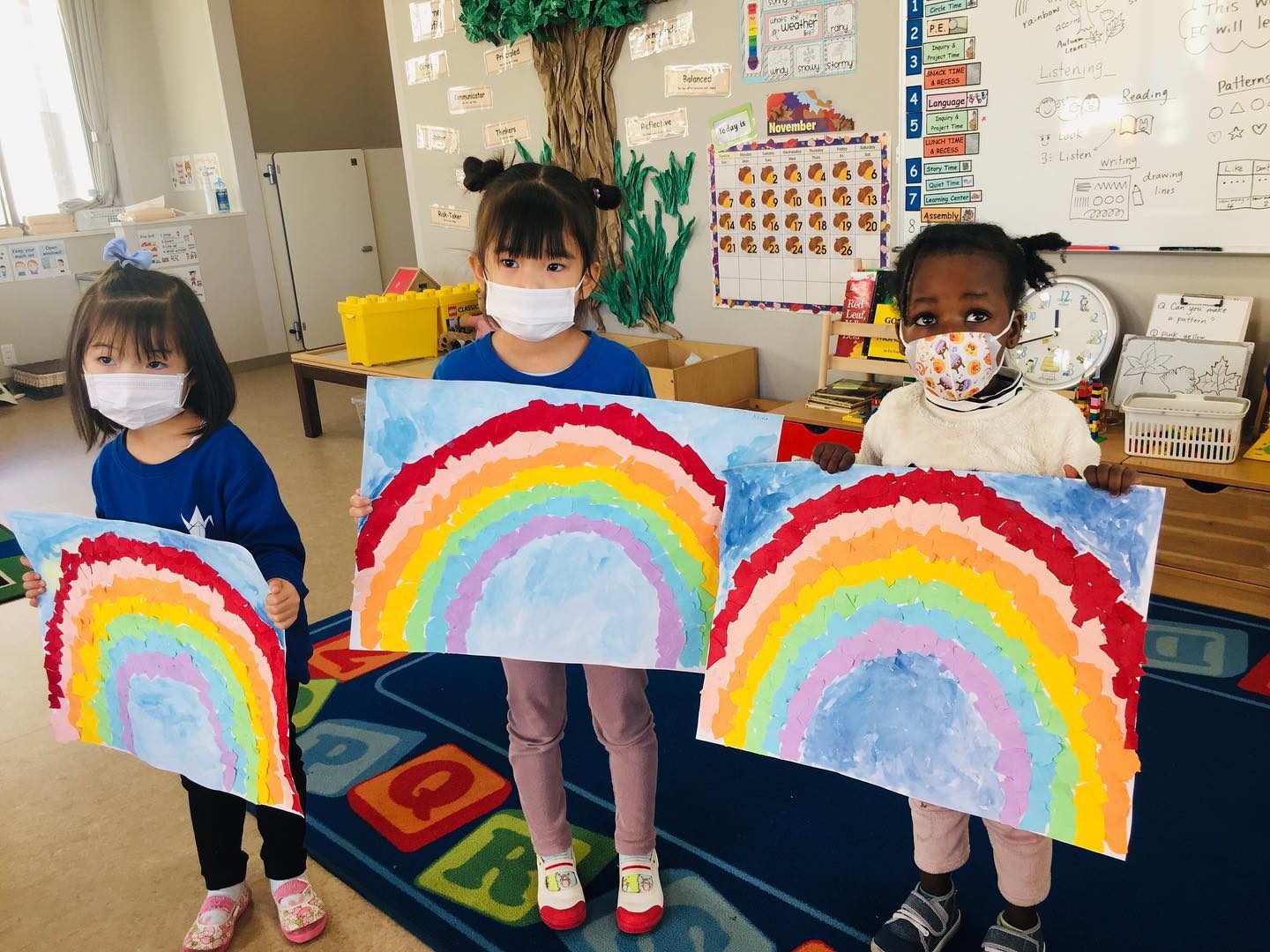
Hiroshima International School
Hiroshima · Japan
One of Japan's oldest IB schools, where students carry origami cranes to Hiroshima's Sadako Peace Monument each year.
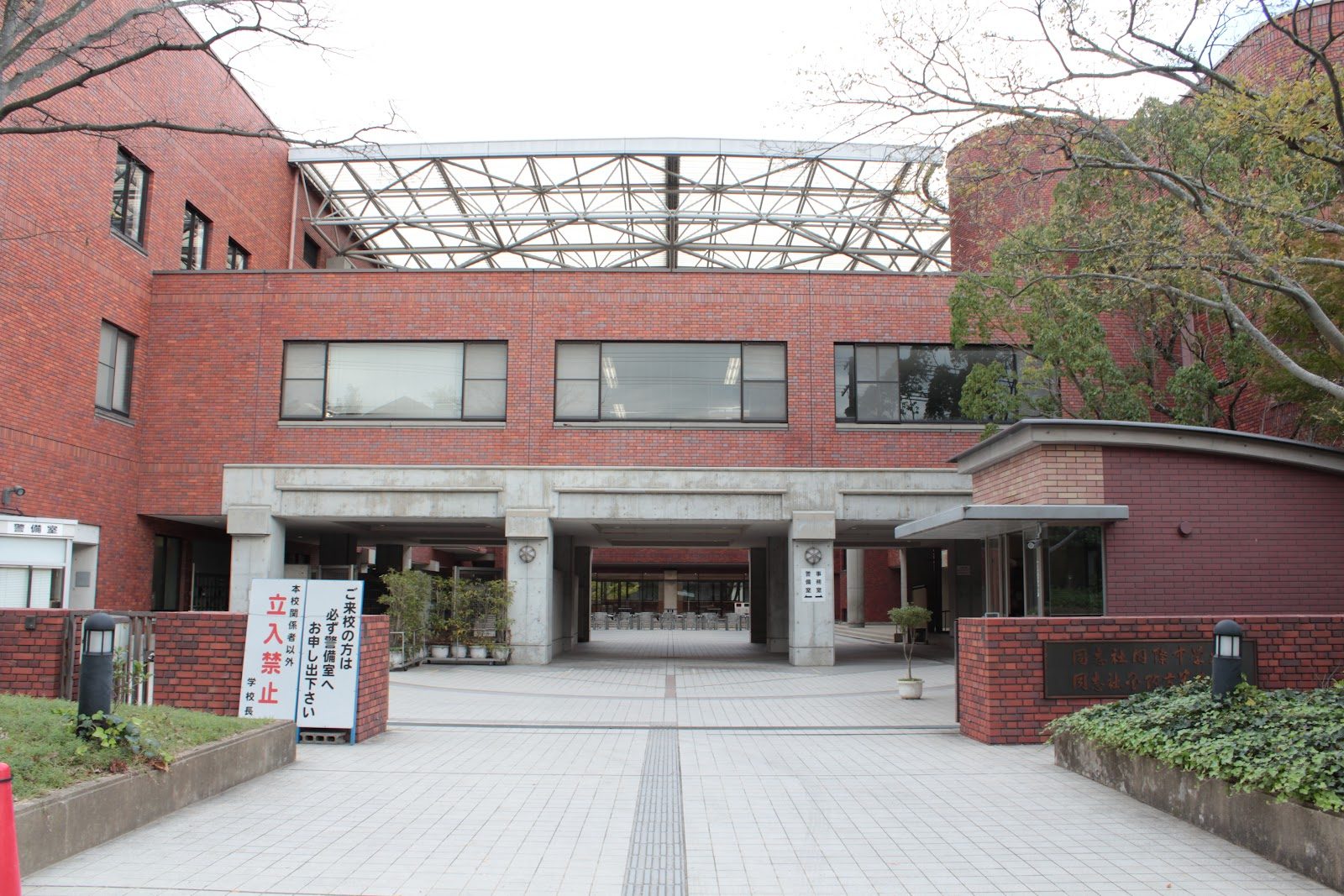
Doshisha International School Kyoto
Kyotanabe · Japan
Small IB classes inside a research-park campus, carrying the 1875 Christian-liberal ethos of the Doshisha network into Kansai Science City.
Same country and curriculum — closest matches within ±10 points either way