
Hyogo Prefecture
Marist Brothers International School
medium confidence· 4/6 cats · 2.62 avg sourcesThe only international school run by the Marist Brothers, rebuilt from Kobe's 1995 quake into an American-IB dual pathway.
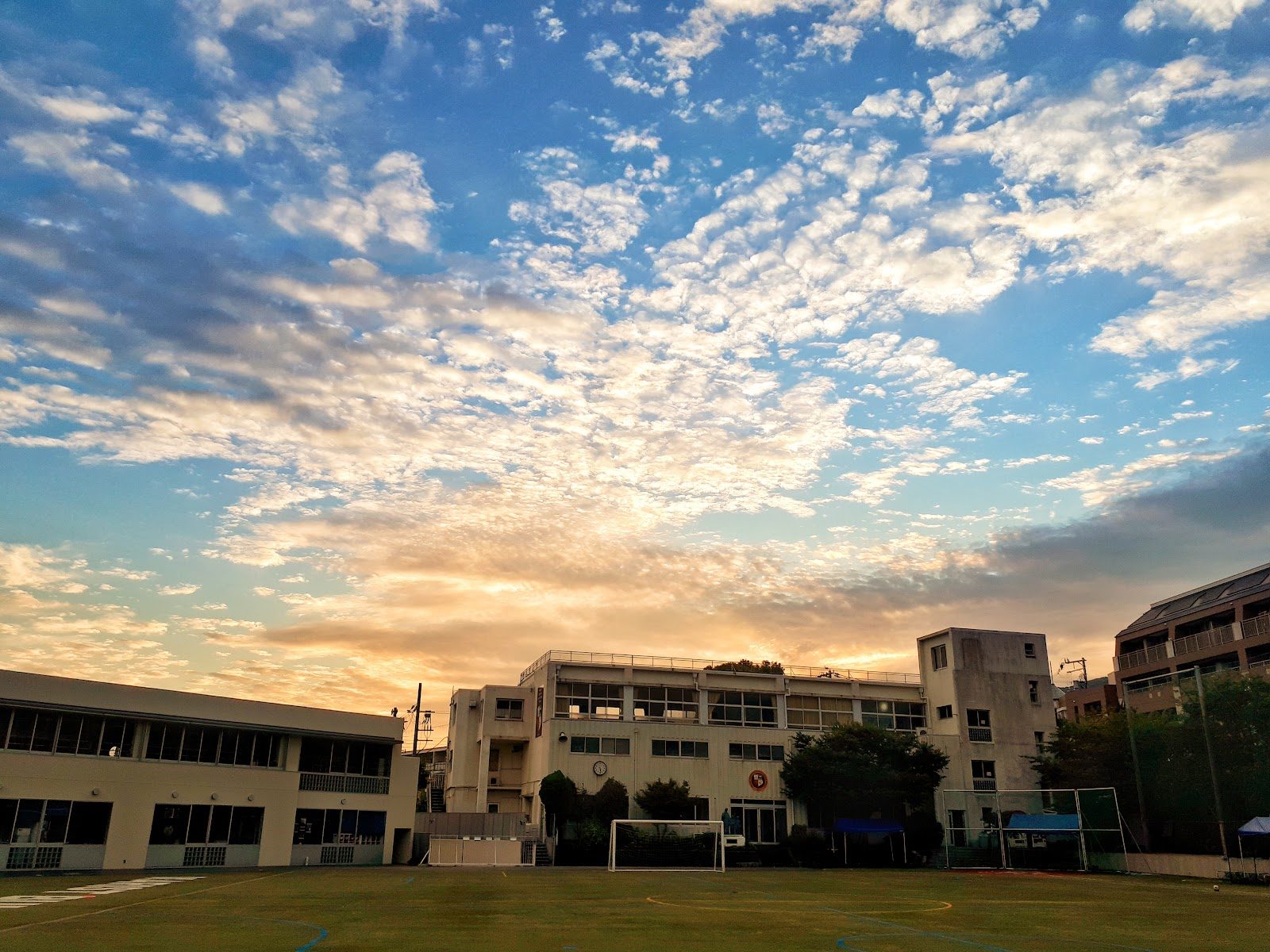
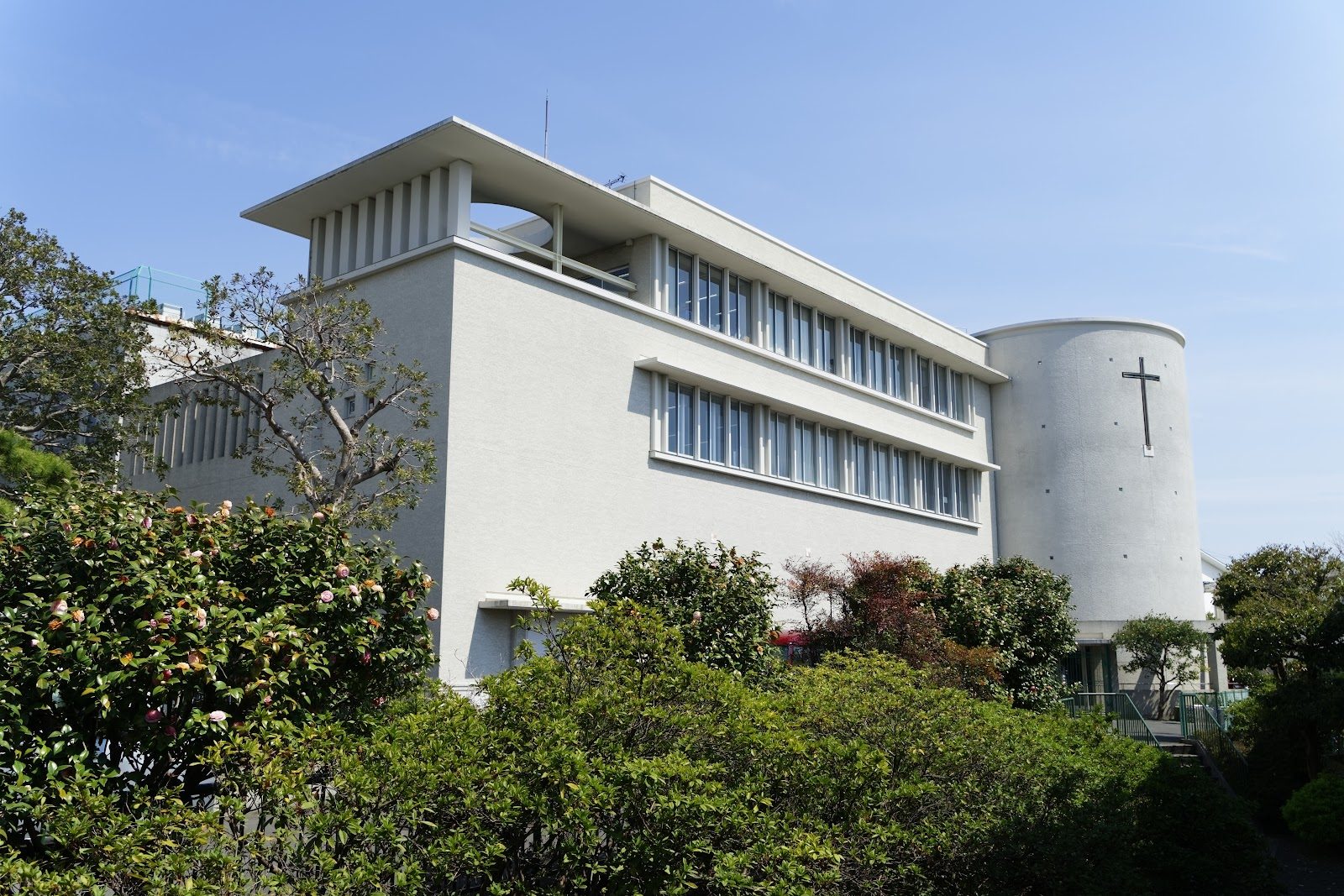
Photo © Allen via Google Maps
Type
Day
Ages
3–18
Curriculum
American
Ratio
—
The Verdict
Editor's commitment
Right for
Kobe families wanting English-medium day schooling from age 3 to 18, with American standards and the IB PYP, MYP and IBDP.
Wrong for
Families wanting boarding, Japanese-medium teaching or a secular setting; MBIS is day-only, English-language, Catholic and WASC-accredited.
Watch out for
This is a dual American-IB school founded in 1951; the school does not publish aggregate IBDP results or university destination figures.
Ranking breakdown
Marist Brothers International School · #995 of 1591
Composite score 63.1. 8 weighted criteria.
By criterion
Academic Outcomes
Weight 20%
#958
of 1529 scored
University Placement
Weight 16%
#965
of 1529 scored
Prestige & Heritage
Weight 12%
#983
of 1571 scored
Alumni Network
Weight 12%
#728
of 1530 scored
Facilities
Weight 12%
#1015
of 1533 scored
Transparency & Communications
Weight 8%
#998
of 1532 scored
Peer & Industry Review
Weight 10%
#893
of 1548 scored
Admissions Selectivity & Demand
Weight 8%
#726
of 1529 scored
Score history
Marist Brothers International School · 2026
Movement across 2024–2026. Peer average overlaid.
Overall — 2024–2026
63.1/ 100
▲ +28.8 vs 2025
year on year
Peer & Industry Review
How Marist Brothers International School is regarded in the sector
66
Respected · medium confidence
I could not identify at least two independent, third-party sources (e.g., Tatler, Good Schools Guide, specialist education press, or established expat forums) that substantively assess Marist Brothers International School Kobe's reputation. Available information is largely limited to the school's own materials or passing directory-style mentions, which do not meet the threshold for a reliable peer-reputation assessment.
Editors' overview
Marist Brothers International School occupies a rare niche in Japan: a Catholic international day school in Kobe, founded in 1951, with English-medium teaching and a clean American-IB structure. It teaches the Common Core State Standards alongside the IB PYP, MYP and Diploma Programme, which gives families both continuity and a serious academic frame from the early years to Grade 12. The religious character matters here. This is the only international school run by the Marist Brothers, and that gives MBIS a distinct institutional identity: a strong moral centre, a visible service ethos, and an older-school belief that character formation sits alongside academic work rather than beneath it.
What puts it on a shortlist is not flash. It is coherence. Many international schools bolt together mission statements, pathways and values with little sign that they belong to the same institution. MBIS has a tighter fit. Its four pillars — academics, athletics, arts, and service and character development — align with the IB learner profile and with the school’s Catholic foundation. The result is a school for parents who want structure without sterility and *pastoral seriousness without sentimentality*. Kobe also works in its favour. MBIS sits within reach of a broad Kansai catchment, with the school itself pointing to access from Kobe, Osaka, Kyoto, Akashi and Himeji. For families weighing city convenience against a more contained school community, that matters.
The caveat is scale and visibility. MBIS does not trade on the deep public profile of the biggest Tokyo and Yokohama names, and it does not publish the kind of headline-grabbing outcome data that hard-driving parents often demand. If you want a school that sells itself through league-table style noise, this is not it. If you want clarity of purpose, a stable dual-track academic spine, and a school that still treats values, relationships and service as core work, MBIS earns attention. It will suit students who thrive in a close community, value teacher oversight, and want an English-language international education with IB continuity through all major stages. It will appeal less to teenagers chasing a sprawling campus culture or a brand built on status display. This is a school for families who want substance over theatre and a child who will use both the American curriculum and the IB to grow into a disciplined, outward-facing adult.
Academic Performance
Academic performance is harder to judge here than at schools that publish a full annual outcomes sheet. MBIS offers the Diploma Programme at the top end, but the school does not disclose aggregate IB results in the public domain: no average score, no pass rate, no subject breakdown, no university destinations table tied to examination outcomes. That leaves parents without the clean comparative data that stronger self-auditing schools provide. In a market where ambitious families scrutinise external results closely, that is a real weakness. A school asking parents to trust its academic standards still needs to show them.
Relative to peers, MBIS sits in the credible but opaque tier rather than the publicly proven top rank. The academic framework is serious, and the all-through structure gives students continuity into the final years, but continuity is not the same thing as published performance. The school’s own emphasis on character, relationships, arts, athletics and service points to a broader educational brief than pure exam maximisation. That suits many families well. It does not place MBIS in the bracket of international schools that compete through hard-result visibility and relentless outcomes messaging. If your priority is a school with transparent external examination data and easy benchmarking against other IB schools in Japan, MBIS does not meet that standard. If you value a more whole-child model and can tolerate limited disclosure, the academic proposition remains defensible.
Facilities
Facilities are not the school’s selling point. MBIS does not trade on a vast campus, marquee architecture or the specialist sprawl that wealthier regional competitors use to signal status. The public picture centres less on buildings than on programme balance: academics, athletics, arts, and service. That tells you something important. This is a school where the physical plant supports a contained, functional all-through education rather than a showpiece estate. The setting between mountain and sea gives it a distinctive natural backdrop, and the school stresses transport access across the wider Kansai area, which matters for day families. It also points to a multilingual community with more than 20 other languages spoken, so shared spaces carry an authentically international mix rather than a narrow local intake with imported branding.
Against peer schools, that places MBIS in the middle tier for facilities: sufficient for a rounded education, short of the capital-heavy standard set by the biggest international names in Japan. Parents should not expect the sheer breadth of specialist infrastructure that large flagship campuses provide across sport, performance, design or science. They should expect a campus built for regular use, teacher oversight and community cohesion. For some families, that reads as refreshingly unpretentious. For others, it reads as limited. The gap matters most for older students who want an expansive campus life with abundant niche spaces and high-end amenities. MBIS offers a workmanlike environment, not a destination campus.
Relative to peers, MBIS sits in the credible but opaque tier rather than the publicly proven top rank
Prestige
MBIS carries niche prestige, not mass-market cachet. Its standing rests on distinctiveness and seriousness rather than social display. For a certain parent, the draw is obvious: a Catholic international school with a coherent identity, a clear moral frame, and the rare institutional continuity of a single school carrying children from the early years to university entry. The Marist name gives it a recognisable religious pedigree, and the school’s claim that it is the only international school run by the Marist Brothers adds a layer of institutional singularity that few competitors can match. The linguistic mix also strengthens its international credibility: the school cites more than 20 other languages spoken across the community, which signals genuine diversity rather than a token overseas label.
That said, this is contained prestige, not dominant prestige. MBIS does not hold the public heft of the biggest expatriate names, nor does it publish the kind of outcomes data that turns reputation into hard proof. Prestige in international education comes from three things: selectivity, results, and brand reach. MBIS has a clear identity and a long-established presence, but weaker public visibility on the other two. That places it below the headline schools of the market and above schools with no defining character at all. Parents who value moral seriousness, community and institutional clarity will rate it highly. Parents who equate prestige with broad name recognition and published academic dominance will not.
Parents should not expect the sheer breadth of specialist infrastructure that large flagship campuses provide across sport, performance, design or science
Communications
Parent communication is competent, plain and more useful than polished. The school gives families clear entry points — enquire, tour, apply, calendar — and the public-facing structure is easy to navigate. That matters for a day school drawing commuters from a wide catchment: logistics, dates and process need to be obvious, and here they are. The messaging also carries a consistent internal logic. The school talks in the same register across mission, values and student expectations, so parents get a coherent picture of what staff will care about in daily life: conduct, relationships, service and personal responsibility. That coherence reads as disciplined rather than slick. It also reads as institutionally confident. A school that knows what it is tends to communicate better with families than one that lurches between slogans.
The limitation is depth. MBIS communicates ethos more strongly than evidence. It tells parents what kind of community it wants to run, and does that with real clarity; it tells them far less about measurable outcomes, comparative performance or the hard data many international families expect before committing serious fees. Even the attractive claim of more than 20 languages spoken functions more as a signal of community mix than as proof of educational effectiveness. So the verdict is mixed but firm: communication is clear, orderly and values-led on culture and process, and thin where scrutiny matters most. For parents who prize pastoral fit and institutional character, that works. For parents who want dashboards, published results and hard self-audit, it falls short.
Uniqueness
What sets MBIS apart is institutional identity. Plenty of international schools borrow the language of service, character and global citizenship; this one is run by the Marist Brothers, and the Catholic frame is built into the school rather than layered on top of it. That gives the place a clear moral grammar: relationships matter, conduct matters, and education is treated as formation as much as instruction. For students, that brings strong adult oversight, a more explicit ethical vocabulary, and a school culture that pushes responsibility beyond classroom performance. The Marist imprint also gives MBIS a rare coherence across daily life. Its stated pillars — academics, athletics, arts, and service and character development — fit together instead of competing for attention.
The other distinctive feature is the community mix. The school cites more than 20 other languages spoken, which gives students regular contact with different backgrounds without the forced cosmopolitanism that some international schools market too hard. That matters in practice: children learn to communicate across difference, not just celebrate it on poster days. Combined with an all-through structure and a tighter-knit campus culture, MBIS offers students continuity, familiarity and a more accountable environment than larger, looser schools. The trade-off is obvious. Teenagers who want anonymity, scale or a socially dominant brand will find MBIS constrained. Students who benefit from close guidance, consistent expectations and a community with an actual point of view will gain a great deal from it.
Its standing rests on distinctiveness and seriousness rather than social display
Student Profile
MBIS suits children who do well in a close-watch school: students who benefit from adults knowing them, noticing lapses quickly, and expecting decent conduct as a matter of routine. The school’s own language points to a community built around inquiry, communication, reflection and service, not adolescent swagger or status competition. The student body is also more internationally mixed than many small schools, with 20-plus other languages spoken across families. That gives room for children who are mobile, cross-cultural and used to navigating difference. It also suits parents who want classmates from varied backgrounds without the social sprawl of a giant campus. Pupils with steady habits, a cooperative streak and some tolerance for institutional structure will fit best.
The weaker fit is just as clear. This is not the place for teenagers who want anonymity, loose boundaries or a high-octane social scene built around scale and spectacle. Nor is it the obvious choice for families chasing a win-at-all-costs academic culture with public brag sheets to match. MBIS will work for thoughtful students who can engage with a Catholic ethos without resisting it, whether or not they are Catholic themselves. It will also suit children whose interests spread across classroom work, sport, the arts and service rather than one narrow lane. In short: a grounded, community-minded student thrives here; a child who needs constant novelty, elite-brand theatre or maximum independence will chafe.
Marist Brothers International School occupies a rare niche in Japan: a Catholic international day school in Kobe, founded in 1951, with English-medium teaching and a clean American-IB structure
Co-curricular strengths
Arts & sport, on a separate axis
Overall 7.04/10
Scored 0-10 from the school's own published evidence. This axis is editorial-only — it does not feed the main WTS ranking.
Sports
7.5/10
A broad multi-sport extracurricular offering—Soccer, Basketball, Volleyball, Tennis, Track and Field, Swimming, Baseball, and Martial Arts—and also describes athletics as one of the school's four pillars, indicating solid visible participation.
Drama
7.2/10
Drama appears explicitly only as a bare extracurricular listing through 'Drama Club,' with no further detail about productions, facilities, or specialist staff.
Dance
5.5/10
Music
7.5/10
Visual Arts
7.5/10
The facilities and uniqueness sections refer broadly to 'arts' as one of the school's pillars, but provide no visual-arts-specific programme details, facilities, or activities.
Editor first-pass · editor-reviewable · 7/27/2026
Strengths
- +IB PYP, MYP and Diploma offered on one campus.
- +Common Core standards alongside IB framework.
- +English-medium instruction suits many expatriate families.
- +Open from Early Years through Grade 12.
Considerations
- −American label may feel muddled with extensive IB provision.
- −English-primary teaching may not suit Japanese-medium preferences.
- −Over 20 languages spoken can mean less linguistic uniformity.
Availability
Primary entry gate & tests
Academic Record
Gallery
Photo © マリスト国際学校 via Google Maps
Photo © Michiya Tokunaga via Google Maps
Photo © マリスト国際学校 via Google Maps
Photo © K Y1m1ur1 via Google Maps
Photo © K Y1m1ur1 via Google Maps
Photo © K Y1m1ur1 via Google Maps
Photo © K Y1m1ur1 via Google Maps
Photo © K Y1m1ur1 via Google Maps
Photo © masayuki morita via Google Maps
Parent reviews
Have you sent your child here?
Voice reviews carry the strongest trust badge — we transcribe them for you to tidy up before they go live. Prefer to type? A written review is fine too.
Add your voice
In 60 seconds, tell other parents: what's the best thing about Marist Brothers International School, and what surprised you when your child joined?
We ask for a Google sign-in so every review has a real face behind it — no anonymous drive-by attacks on schools, and no faked positive reviews. Your email is never shown publicly.
Send this profile to a friend
International parents rely on word-of-mouth. Share this review with someone weighing the same decision.
Schools with places
Similar schools to Marist Brothers International School with places available now.
Canadian Academy
Kobe · Japan
- 2026-27
- WAITPOOLSpace-dependent
- 2027-28
- OPENS SOONExpected ~Sept '26 (one-year-ahead policy)
Nada High School
Kobe · Japan
- 2026-27
- CLOSEDStandard route
- 2027-28
- OPENS SOONOpens Late '26
Availability first, then country, area, curriculum, price, co-curricular
Consider also
Also worth looking at alongside Marist Brothers International School.
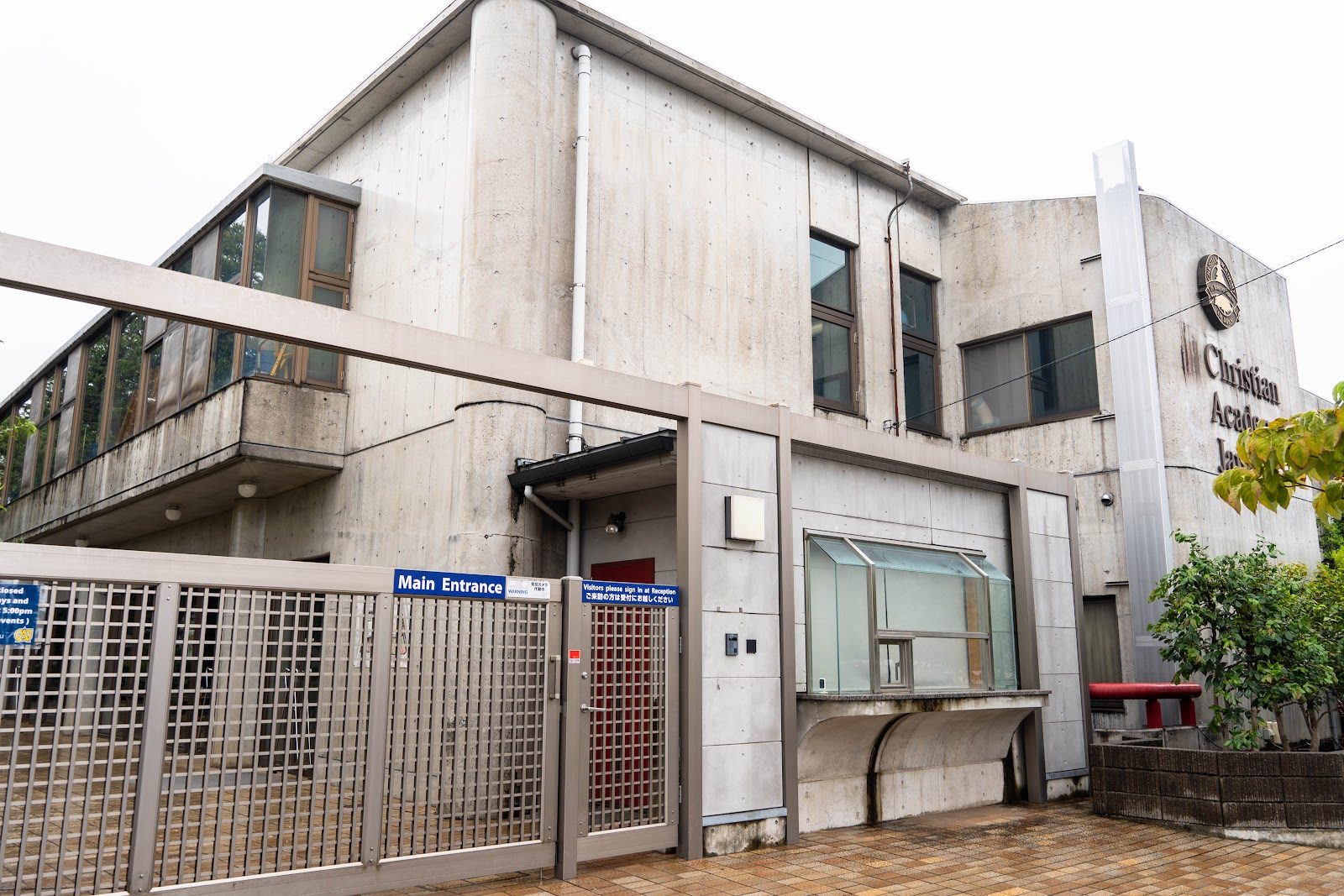
Christian Academy in Japan
Tokyo · Japan
Born from postwar missionary schooling on former imperial dairy land, now pairing AP rigor with a campus-wide week of off-site service leadership.
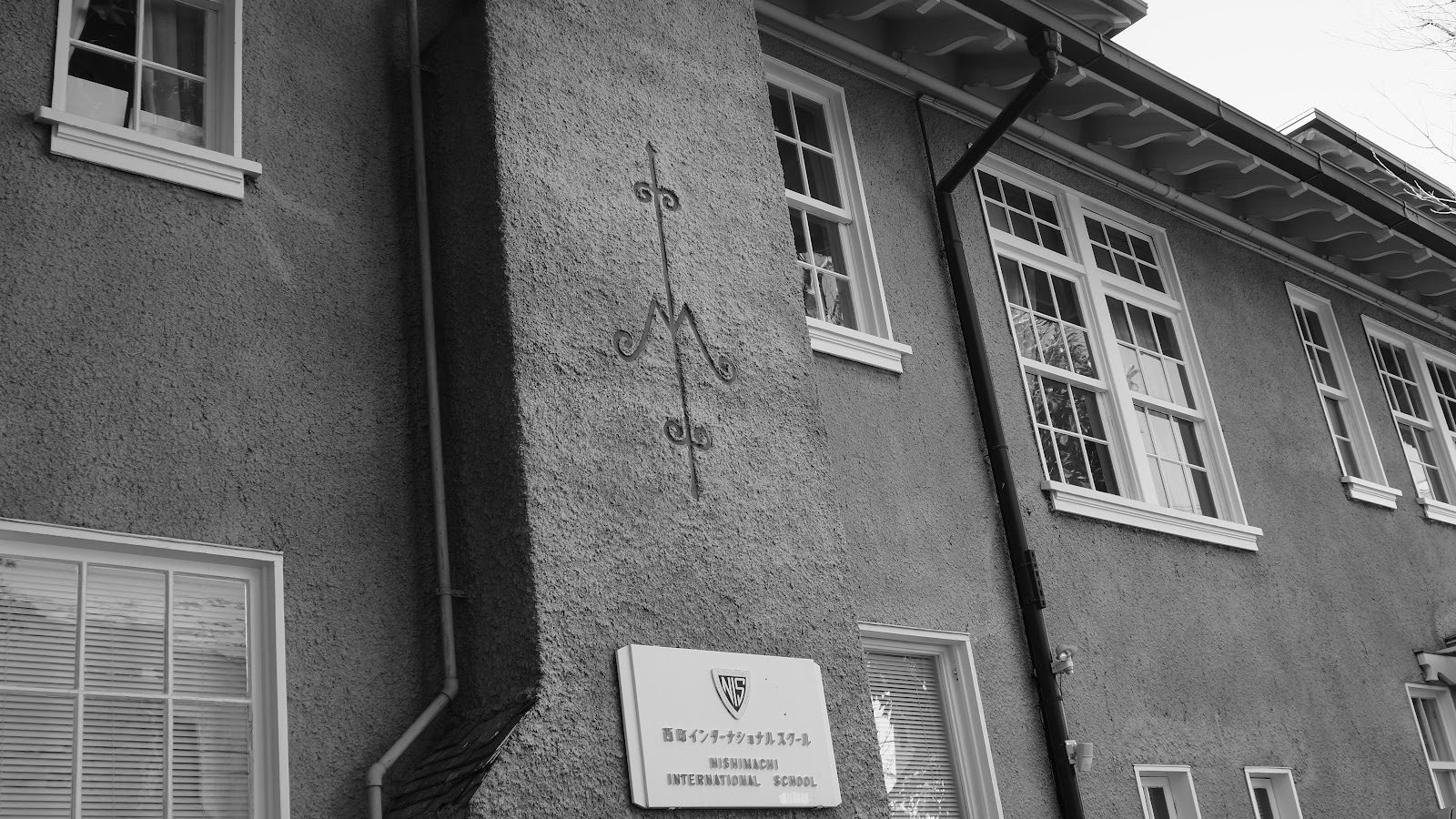
Nishimachi International School
Tokyo · Japan
On a Meiji-era Moto-Azabu estate since 1949, an American K-9 curriculum paired with mandatory daily Japanese lessons
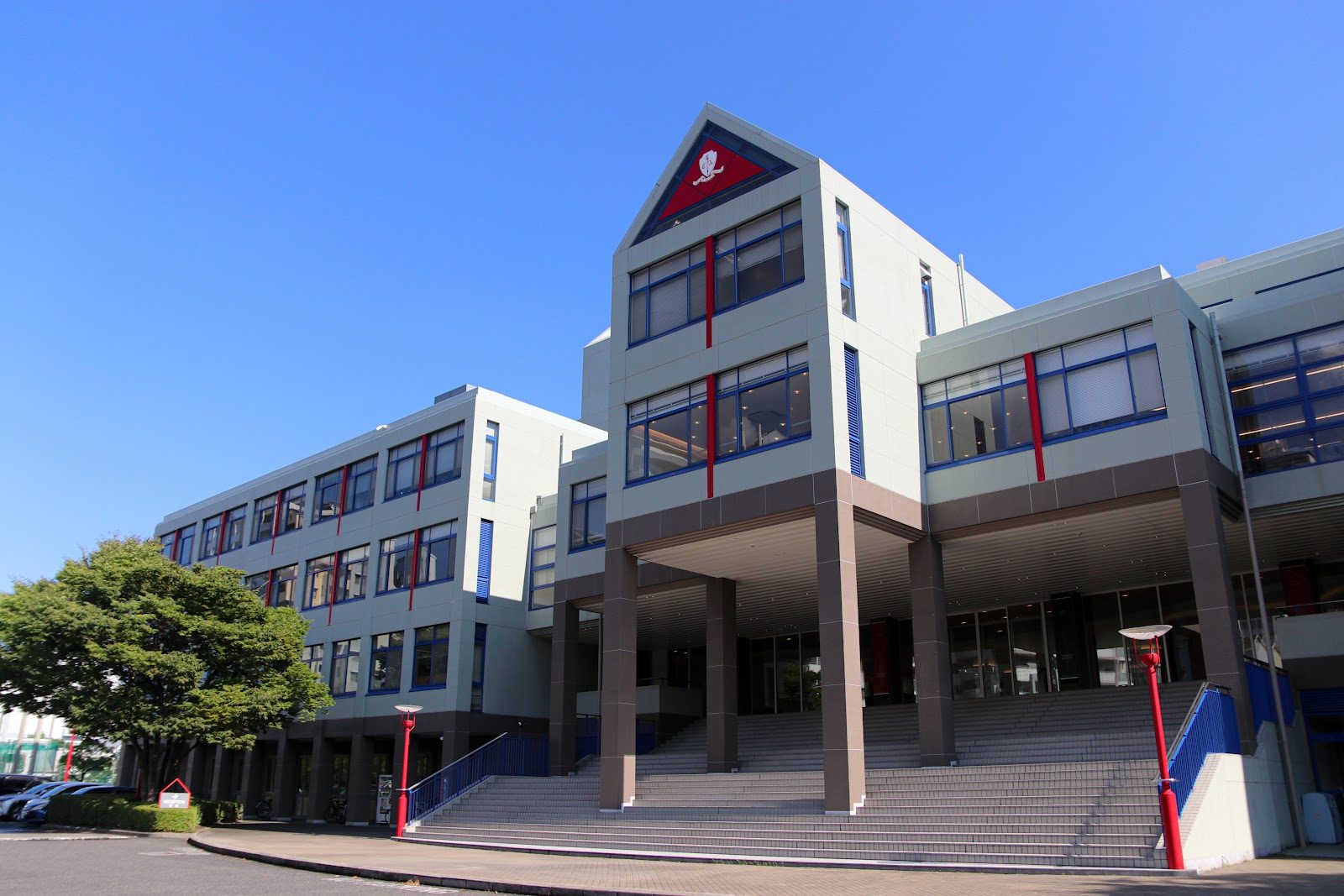
Canadian Academy
Kobe · Japan
On a man-made island in Kobe, a century-old boarding tradition dating to 1929 anchors a full IB continuum since 1980.
Saint Maur International School
Yokohama · Japan
Founded by missionary nuns in 1872, Yokohama's Yamate hillside campus still runs Asia's oldest international school, Montessori through IB
Same country and curriculum — closest matches within ±10 points either way