
Bahrain
Bahrain Bayan School
medium confidence· 4/6 cats · 3.27 avg sourcesFounded by parents in 1982, this Isa Town campus pairs Arabic-English bilingual roots with dual IB and American diplomas.
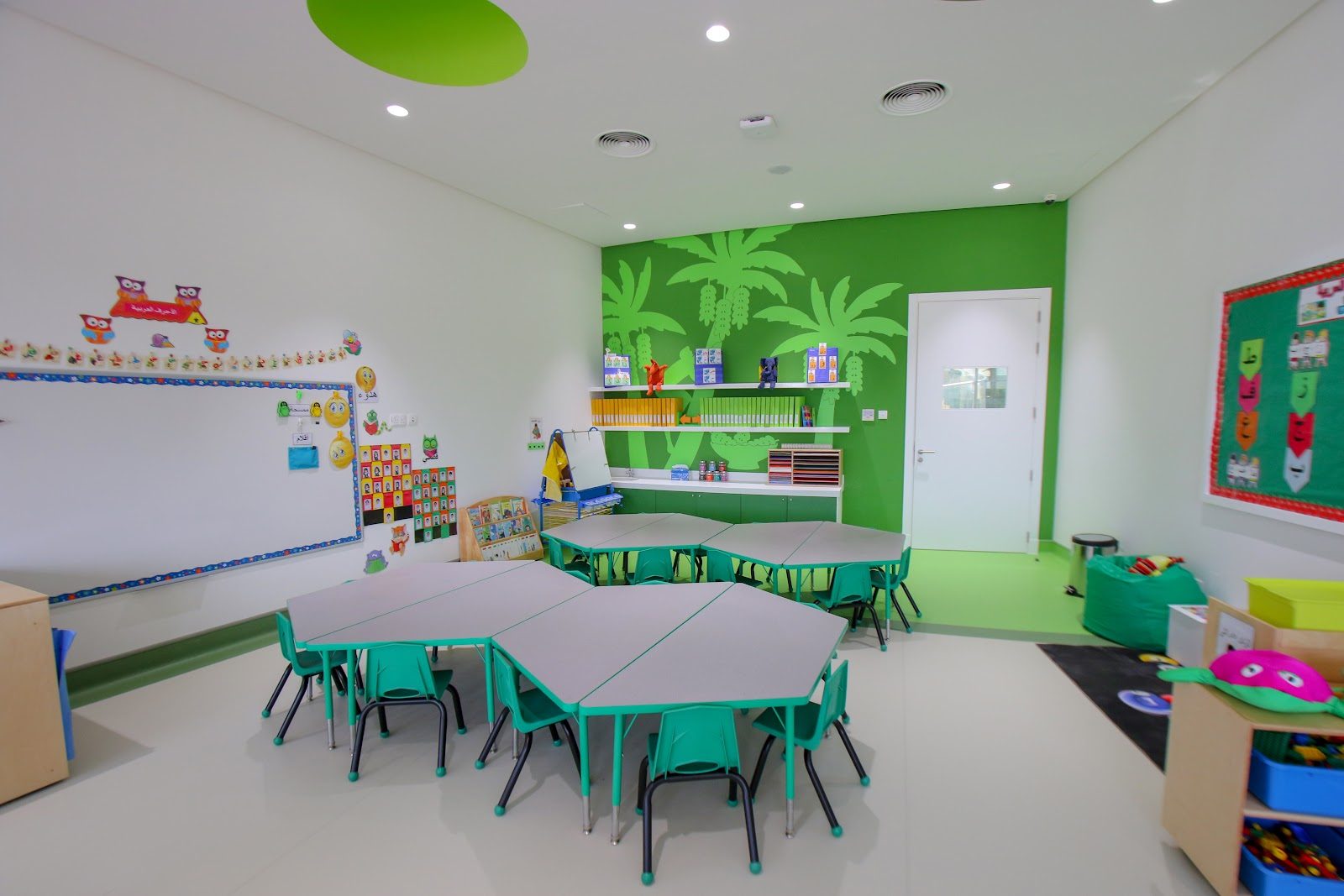
Photo © Bahrain Bayan School via Google Maps
Type
Day
Ages
3–18
Curriculum
American · IB
Qualifications
AP
Ratio
—
The Verdict
Editor's commitment
Right for
Families wanting a bilingual Arabic-English day school in Isa Town, founded in 1982, with American curriculum plus the IB Diploma.
Wrong for
Families wanting boarding, a single-curriculum school, or monolingual English teaching; Bahrain Bayan runs day-only and teaches in English and Arabic.
Watch out for
MSA accreditation and Ministry licensing give baseline reassurance, but the school does not publish aggregate IB Diploma results or university destinations.
Ranking breakdown
Bahrain Bayan School · #1211 of 1591
Composite score 57.8. 8 weighted criteria.
By criterion
Academic Outcomes
Weight 20%
#1192
of 1529 scored
University Placement
Weight 16%
#1201
of 1529 scored
Prestige & Heritage
Weight 12%
#1219
of 1571 scored
Alumni Network
Weight 12%
#835
of 1530 scored
Facilities
Weight 12%
#1164
of 1533 scored
Transparency & Communications
Weight 8%
#1197
of 1532 scored
Peer & Industry Review
Weight 10%
#1108
of 1548 scored
Admissions Selectivity & Demand
Weight 8%
#991
of 1529 scored
Score history
Bahrain Bayan School · 2026
Movement across 2024–2026. Peer average overlaid.
Overall — 2024–2026
57.8/ 100
▲ +27.6 vs 2025
year on year
Peer & Industry Review
How Bahrain Bayan School is regarded in the sector
64
Respected · medium confidence
I could not identify at least two independent, third-party sources (e.g., Tatler, Good Schools Guide, specialist education press, or established expat forums) that substantively assess Bahrain Bayan School's reputation. Any available information appears limited to the school's own materials or unverifiable mentions, which do not meet the bar for independent corroboration.
Editors' overview
Bahrain Bayan School occupies a distinct niche in Bahrain’s market: a 1982 parent-founded, non-profit day school that has kept a genuine bilingual core while adding an American pathway and the IB Diploma. That combination matters. Many schools in the Gulf offer English-medium teaching with Arabic added around the edges; Bayan’s identity runs deeper, with Arabic and English built into the school’s foundations. For families who want a child fluent across both linguistic and cultural registers, this is a serious proposition, not a cosmetic one. The Isa Town campus serves ages 3–18, which also gives it the continuity many international families value: one school, one ethos, one peer group carried through to graduation. This is not a transient expat startup. It is a long-established local institution with a clear brief.
What puts it on a shortlist is that dual character: rooted in Bahrain, but not parochial; academically structured, but not trapped in a single leaving qualification. Students can move through an American-based programme and finish with the IB Diploma, while remaining in a bilingual environment that reflects the country they live in. That will suit families who want serious academic mobility without sacrificing Arabic. It will also suit parents who dislike schools that treat local language and culture as secondary. Bahrain Bayan offers a more integrated answer. The non-profit status strengthens that case. It does not guarantee brilliance, but it does signal a school built around educational purpose rather than franchise expansion or investor return. *That matters in a market crowded with polished salesmanship.*
The school will appeal most to students who are comfortable switching between languages, expectations and cultural settings. A child who wants a purely Westernised school experience, with Arabic kept at arm’s length, has stronger fits elsewhere. Bayan works best for students who can handle a bilingual academic environment and families who value cultural fluency, institutional steadiness and *a less synthetic version of international education*. It also suits ambitious local and mixed-background families who want an American curriculum with the option of the IB Diploma, rather than an all-or-nothing model. The school’s challenge, from a parent’s perspective, is the same as its strength: this is a more specific proposition than the generic “international school” label. If that fit is right, Bahrain Bayan earns a place on the shortlist with unusual clarity of purpose.
Academic Performance
Public evidence on exam performance is thin. The school offers the IB Diploma alongside its American pathway, but it does not publish the headline data parents use to judge academic strength: no aggregate IB average, no pass rate, no subject breakdowns, no university destinations list tied to results, and no comparative trend over time. That leaves Bahrain Bayan in an opaque position academically. In a market where stronger schools put outcomes in plain view, that silence matters. It does not prove weak results, but it does block serious comparison. For a family treating external results as the main filter, this is a material gap.
Where does that place the school relative to peers? Not among Bahrain’s most transparent operators. Schools with genuinely strong examination records publish them because results are one of the few hard measures parents can test. Bahrain Bayan asks families to buy into the school’s model without that public proof. The more generous reading is that the school trades on long-term local trust rather than scoreboard marketing; the harder reading is that parents must do more diligence themselves. Ask for recent IB outcomes, grade distributions, score ranges, and university matriculation by cohort. Until those figures are public, Bahrain Bayan sits in the middle tier for visibility, with academic quality harder to verify than it should be.
Facilities
Public detail on facilities is sparse, and that in itself is a useful finding. Bahrain Bayan operates as an all-through campus, so parents get continuity of site as well as continuity of schooling, but the school does not publish the kind of granular campus information stronger communicators now treat as standard: no clear breakdown of specialist labs, arts provision, sports infrastructure, library scale or dedicated early-years spaces. That leaves the physical offer hard to audit from the outside. In a competitive Bahrain market, peers with stronger estates tend to show them plainly — science rooms, theatres, indoor sport, shaded outdoor areas, specialist design spaces. Bahrain Bayan does not give parents that level of visibility, which puts it at a clear disadvantage on transparency.
That does not mean the campus is weak. It means families must inspect it properly. For this school, the key question is not architectural spectacle but whether the site supports a genuinely bilingual, academically mixed all-through education without feeling cramped or improvised. On a visit, test the basics hard: library quality in both languages, condition of classrooms, specialist provision for older students, sports capacity in Bahrain’s climate, and whether early-years areas feel distinct from the rest of the school. Against premium regional peers, Bahrain Bayan does not project high-gloss facilities theatre. It reads instead as a school where the educational model carries more weight than the campus narrative. That will satisfy some families and frustrate others.
Schools with genuinely strong examination records publish them because results are one of the few hard measures parents can test
Prestige
Bahrain Bayan carries solid local standing rather than elite international cachet. The parent-founded, non-profit structure gives it credibility with families who value institutional purpose over branding, and the bilingual model gives it a distinct identity in a crowded market. That matters in Bahrain. A school that handles both Arabic and English as core working languages, rather than treating one as decorative, occupies a serious space with local and mixed-background families. Add the option of two leaving routes at the top end, and the school has a clear claim on parents who want flexibility without a cultural trade-off. This is earned prestige, built through longevity, community trust and relevance to its setting.
It does not sit in the top prestige bracket for internationally mobile families who buy schools on public outcomes, selective admissions or university-placement theatre. The reason is simple: the school does not publish the kind of performance data that turns reputation into hard status. Prestige in this sector rests on visible results, destination lists and scarcity. Bahrain Bayan does not trade on any of those in the public domain. Its reputation is therefore stronger in-country than abroad, and *stronger with informed local families than with status-conscious newcomers*. That is not a weakness if your benchmark is fit and substance. It is a limit if your benchmark is headline prestige.
Add the option of two leaving routes at the top end, and the school has a clear claim on parents who want flexibility without a cultural trade-off
Communications
Bahrain Bayan’s parent communication reads as serviceable rather than strong. The school’s public-facing information does the basics: it establishes what the school is, who it serves and the broad structure of the offer. Beyond that, detail drops away. Parents do not get the depth that now marks first-rate school communications: no rich academic reporting, no serious facilities walk-through, no granular explanation of how day-to-day school life runs, and no public performance data to anchor trust. That matters because communication is not a cosmetic extra; it is how a school proves it is organised, transparent and confident in its own standards. Here, the external picture is thin.
That does not make the school disorganised. It does mean families must ask more questions than they should. A well-run parent communication culture gives clear answers on routines, leadership visibility, student progress, safeguarding process, co-curricular structure and what parents can expect at each stage of the school. Bahrain Bayan does not put enough of that into the public domain. For current families, the real test is whether internal communication is prompt, bilingual where needed, and consistent across year levels. Prospective parents should press hard in admissions meetings: how often does the school report progress, which channels carry urgent notices, who answers parent concerns, and how quickly? Until those answers are plainly visible, the school sits in the middle of the pack for communications: functional, but not reassuringly transparent.
Uniqueness
What marks Bahrain Bayan out is not novelty but coherence. This school was built by parents, organised as a non-profit, and anchored in Bahrain rather than imported as a franchise product. That gives it a different centre of gravity from many international schools in the Gulf. The point is not brand theatre or a polished export model; it is a school designed to serve families who want children to move confidently between local and international frames without treating one as subordinate. The bilingual structure is the crucial differentiator. In plenty of schools, Arabic sits at the margins while English carries the real academic weight. Here, the bilingual proposition sits much closer to the core, and that produces students with genuine cultural dexterity rather than a thin version of globalism.
That brings concrete advantages. Students grow up navigating two linguistic systems, two sets of expectations and two social registers across the full span from early years to graduation. For the right child, that is serious preparation for life in Bahrain and beyond: stronger communication across family, community and academic settings; less cultural compartmentalisation; and a clearer sense that local identity and outward-facing ambition do not need to compete. Add the option of 2 leaving credentials at the end of school, and Bahrain Bayan offers a more integrated route than the standard one-size-fits-all international model. Its uniqueness lies in that refusal to force a false choice between rootedness and mobility.
Its uniqueness lies in that refusal to force a false choice between rootedness and mobility
Student Profile
The best fit here is a child who can live comfortably in more than one frame at once. Not just switching languages, but switching codes: home and school, local and international, direct instruction and independent study, community belonging and outward ambition. Students who thrive at Bahrain Bayan tend to have a strong tolerance for duality. They do not need a school to flatten identity into a generic international mould. They value continuity, know how to work across different expectations, and are not rattled by a peer body that includes both firmly local families and households with mixed backgrounds. For children who want their schooling detached from the country around them, this is a poor fit. For children who gain confidence from cultural range rather than cultural insulation, it is a serious option.
Age range matters here: this is an all-through school serving 3–18, so the social experience suits families who want one community carried from the early years to graduation. That can produce a grounded, less transient student culture than schools driven by constant expatriate turnover. The strongest fit is not the child chasing status performance or a highly branded school identity. It is the student who wants solid academic options without sacrificing local relevance, and who can handle a setting that asks for adaptability, self-possession and a genuine willingness to belong in 2 worlds at once.
For families who want a child fluent across both linguistic and cultural registers, this is a serious proposition, not a cosmetic one
Co-curricular strengths
Arts & sport, on a separate axis
Overall 7.66/10
Scored 0-10 from the school's own published evidence. This axis is editorial-only — it does not feed the main WTS ranking.
Sports
8.3/10
The extracurriculars explicitly list Basketball, Football, and Swimming, showing a structured multi-sport offering.
Drama
7.5/10
Drama productions, which goes beyond a bare listing of drama by indicating recurring staged activity, but gives no dedicated theatre, department, or specialist staff.
Dance
6.5/10
Music
8/10
A Choir ensemble, indicating an explicit organised music activity, but there is no evidence of broader ensembles, facilities, specialist staff, or awards.
Visual Arts
8/10
Editor first-pass · editor-reviewable · 7/27/2026
Strengths
- +Bilingual Arabic-English teaching from preschool to Grade 12
- +Offers American-based curriculum with IB Diploma option
- +Independent, non-profit, co-educational school
- +Accredited by MSA and Bahrain Ministry of Education
Considerations
- −Day school only; no boarding option
- −American-based curriculum may not suit British-curriculum families
- −Arabic is part of the bilingual programme
Availability
Primary entry gate & tests
CAT4 / Assessment
Gallery
Photo © Ali Aljishi via Google Maps
Photo © Basel Aljeshi via Google Maps
Photo © Bahrain Bayan School via Google Maps
Photo © Bahrain Bayan School via Google Maps
Photo © Bahrain Bayan School via Google Maps
Parent reviews
Have you sent your child here?
Voice reviews carry the strongest trust badge — we transcribe them for you to tidy up before they go live. Prefer to type? A written review is fine too.
Add your voice
In 60 seconds, tell other parents: what's the best thing about Bahrain Bayan School, and what surprised you when your child joined?
We ask for a Google sign-in so every review has a real face behind it — no anonymous drive-by attacks on schools, and no faked positive reviews. Your email is never shown publicly.
Send this profile to a friend
International parents rely on word-of-mouth. Share this review with someone weighing the same decision.
Schools with places
Similar schools to Bahrain Bayan School with places available now.
Availability first, then country, area, curriculum, price, co-curricular
Consider also
Also worth looking at alongside Bahrain Bayan School.
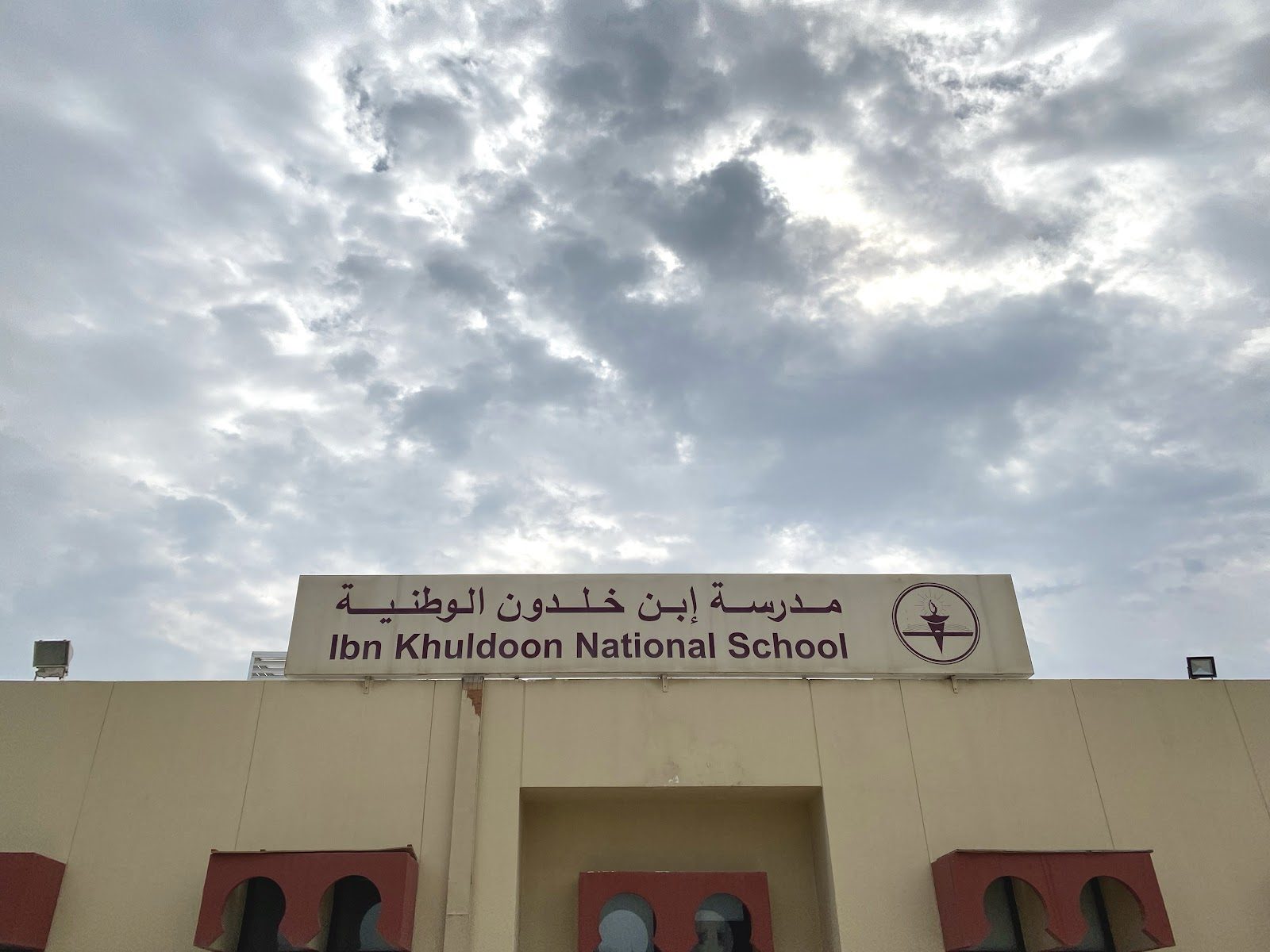
Ibn Khuldoon National School
Isa Town · Bahrain
In Isa Town, one of Bahrain's few IB Continuum schools runs its Diploma Programme alongside a parallel American track, bilingual since 1983.
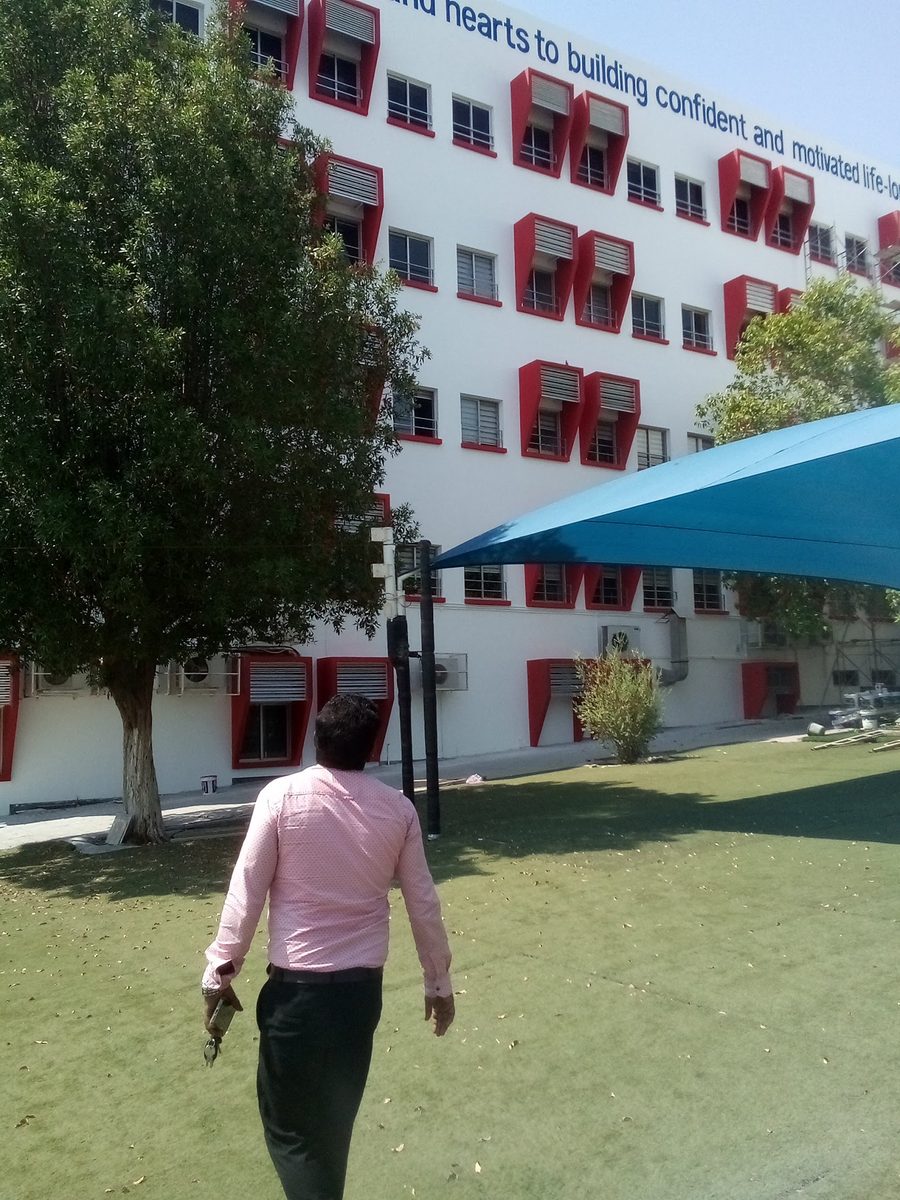
Al Hekma International School
Manama · Bahrain
Bahrain's first STEM-certified school pairs an American diploma track with an IB pathway for Manama's college-bound.
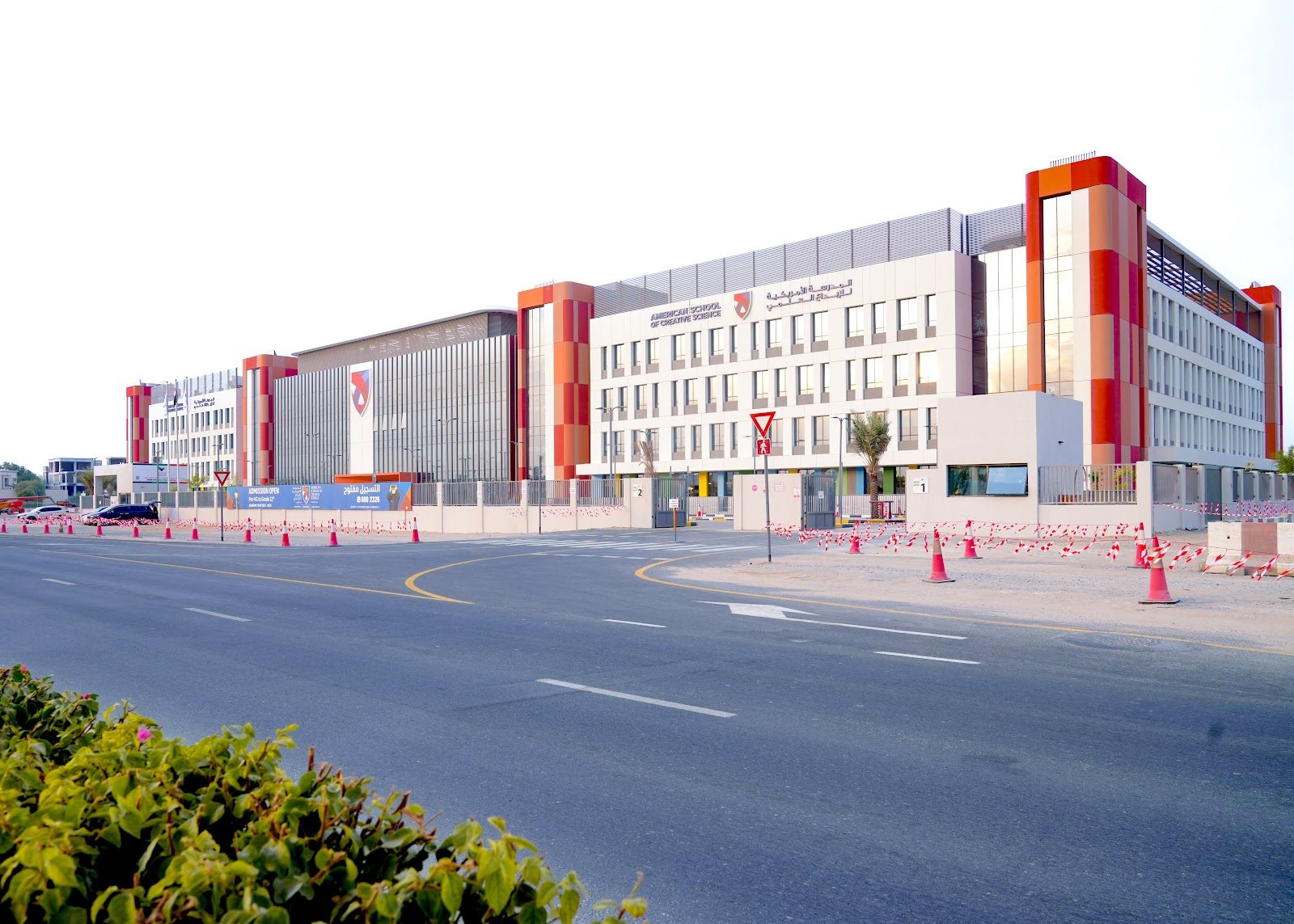
American School of Creative Science
Dubai · United Arab Emirates
Pairing California Common Core rigor with a dedicated Quran programme, this Nad Al Sheba campus is on a steady KHDA upswing
International School of Latvia
Riga · Latvia
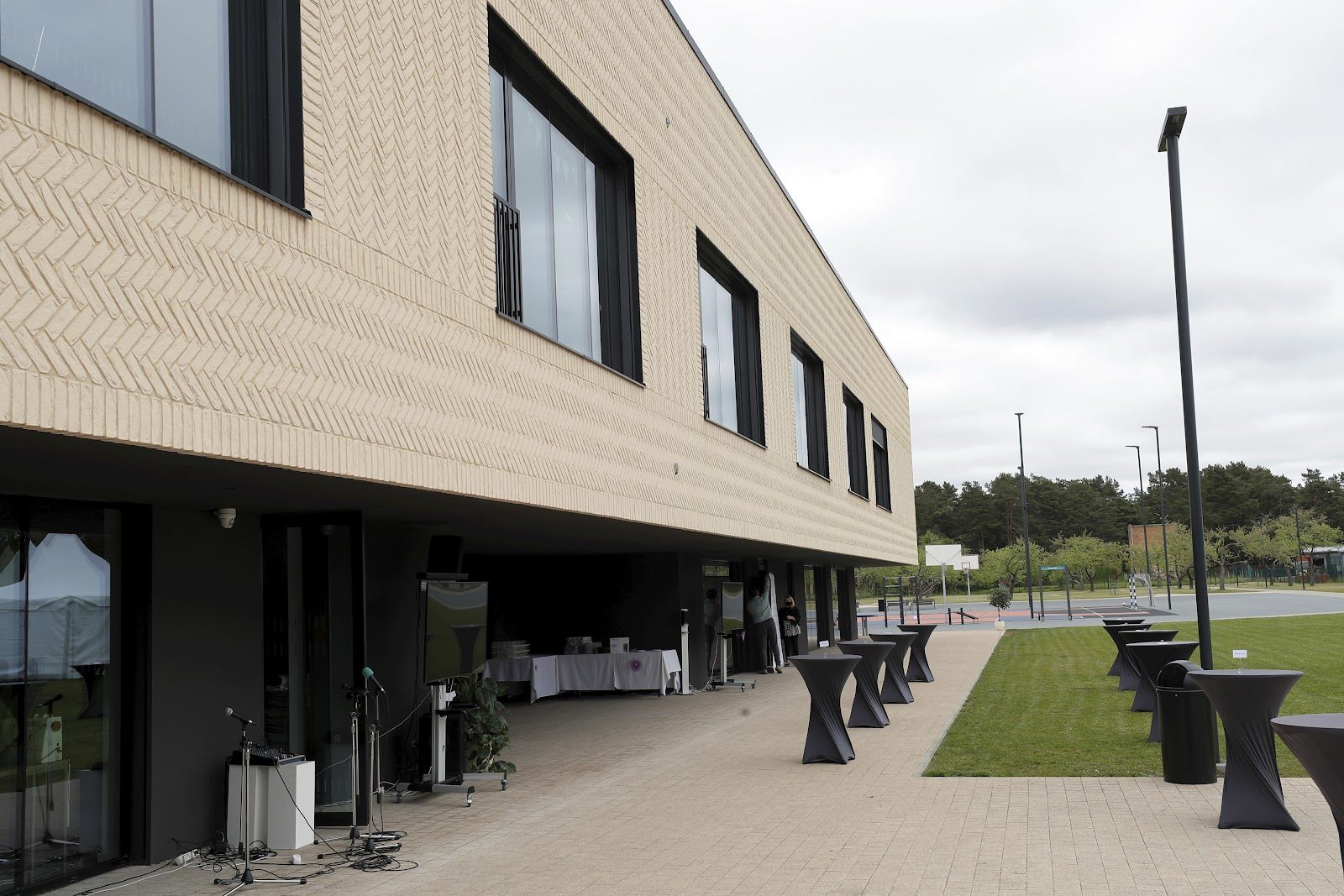
Set among green fields between Riga and Jurmala, this IB-American day school pairs a college-prep track with Baltic calm.
Same country and curriculum — closest matches within ±10 points either way