
Riga
International School of Latvia
low confidence· 4/6 cats · 0 avg sourcesSet among green fields between Riga and Jurmala, this IB-American day school pairs a college-prep track with Baltic calm.
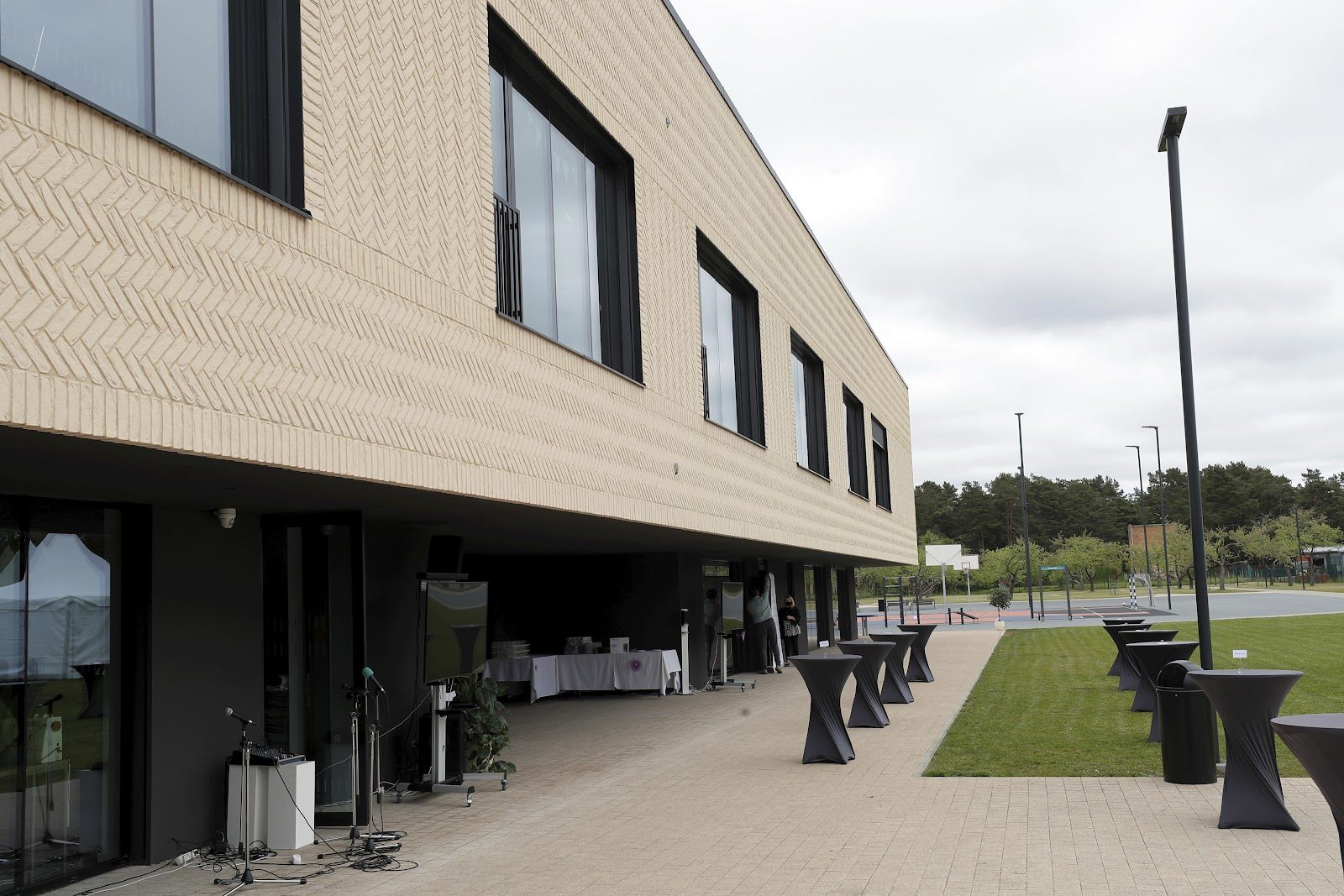
Photo © International School of Latvia via Google Maps
Type
Day
Ages
2–18
Curriculum
IB · American
Qualifications
IB PYP · IB MYP · IB Diploma
Ratio
12:1
The Verdict
Editor's commitment
Right for
International families wanting an English-language day school for ages 2–18, founded in 1994, with IB and American college-prep in Piņķi.
Wrong for
Families needing boarding, a city-centre campus, or a bigger-school feel; a 12:1 ratio and average class size of 20 keep it contained.
Watch out for
The 15-minute drive from central Riga cuts both ways: greener, calmer, less urban. The school does not publish headline academic outcomes here.
Score history
International School of Latvia · 2026
Movement across 2024–2026. Peer average overlaid.
Overall — 2024–2026
57.6/ 100
▲ +21.3 vs 2025
year on year
Peer & Industry Review
How International School of Latvia is regarded in the sector
64
Respected · medium confidence
I could not identify at least two independent third-party sources (e.g., Tatler, Good Schools Guide, specialist education press, government inspectorate reports, or established expat forums) that substantively discuss the International School of Latvia's reputation. Any information available appears limited to the school's own materials or unverified listings, which do not meet the evidentiary bar required for scoring.
Editors' overview
International School of Latvia occupies a clear niche in the Riga market: an English-medium, non-profit, co-educational day school for ages 2 to 18, founded in 1994, with an IB-American academic structure and an explicit college-preparatory purpose. Its setting matters. Piņķi, between Riga and Jūrmala, gives the school a calmer daily rhythm than a city-centre campus and a green, outward-looking feel that many international families actively want. This is not a giant institution trading on scale or spectacle. With a 12:1 student-teacher ratio and average class sizes of 20, it offers a more contained environment, which in turn gives it appeal for families who value access, continuity and a school community that does not sprawl.
What puts it on a shortlist is that combination of breadth and manageability. In a small national market, parents need a school that covers the full age range, teaches in English, and keeps a firm line of sight on university entry. ISL does that. The attraction lies less in grand claims and more in practical strengths: a through-school structure from early years to graduation, an international intake, and a curriculum model that can serve both globally mobile families and locally based parents who want an English-language route with recognised academic currency. The school’s non-profit status also counts in its favour; it signals an institution built around educational delivery rather than investor return. The result is a school with Baltic composure, a direct academic purpose and a more personal scale than larger metropolitan competitors.
The best fit is a student who thrives in a focused, international environment without craving the noise and social churn of a very large campus. Children who benefit from teachers knowing them well, who want an English-speaking peer group, and who are heading towards higher education in an international frame will find the proposition coherent. This also suits families relocating to Latvia who need immediate continuity and families already in Riga who want an unflashy, steady route to university preparation. Students seeking a vast campus, heavy institutional prestige signalling or a highly local Latvian educational experience will find stronger alternatives elsewhere. For parents who prize clarity, calm and consistency, International School of Latvia earns its place on the list.
Academic Performance
Academic performance is the area where International School of Latvia leaves parents wanting harder evidence. The school states a college-preparatory purpose and offers an IB-American pathway, but it does not publish the exam data that would let families test that claim against peers. We have not seen aggregate IB diploma scores, pass rates, subject averages, AP participation, AP score distributions, SAT or ACT profiles, or university destination lists with enough detail to judge academic yield. That opacity matters. In an international market, even a small one, schools serious about outcomes publish at least a basic results picture. ISL does not. That places it at a disadvantage against competitors that disclose headline attainment and destination trends with plain numerical discipline.
That does not make the school weak academically; it makes it hard to verify. Its scale and through-school structure can support close monitoring of students, and the college-prep framing gives the academic model a clear end point. For some families, that individual attention outweighs the absence of public scoreboards. For others, especially parents comparing selective university trajectories, the lack of published external benchmarks will be a decisive drawback. Relative to peers, ISL fits the group of smaller international schools whose value rests on continuity, access and environment more than on a loudly advertised record of elite exam outcomes. Until the school publishes concrete results, its academic standing stays credible but unproven in public terms.
Facilities
The campus setting is one of ISL’s clearest physical assets. Piņķi gives the school room that many urban international schools in the region lack, and that matters in day-to-day use: easier movement, more outdoor space and a calmer working atmosphere than a tight city-centre site can offer. For families weighing it against Riga schools with more compressed footprints, that green, low-drama environment is a real point of difference. The school’s average class size of 20 also matters here. Facilities do not need to absorb huge cohort pressure, which tends to preserve a more orderly, personal scale across classrooms and shared spaces. For younger children especially, that can make the site feel manageable rather than sprawling.
The limitation is disclosure. The school does not publish enough public detail on specialist provision to let parents judge the depth of its science labs, arts spaces, sports infrastructure or performing arts facilities against stronger-documented peers. That gap is important because facilities are where smaller international schools either punch above their weight or show their limits. ISL’s setting and scale give it a genuinely appealing backdrop for school life, but the public picture stops short of the specifics serious parents need. Against peer schools, the verdict is clear: the environment looks stronger than a dense urban campus, while the specialist facilities remain under-explained and therefore harder to rate with confidence.
For parents who prize clarity, calm and consistency, International School of Latvia earns its place on the list
Prestige
International School of Latvia carries modest prestige. In Latvia, that still has value. A school that offers a full international through-route, serves an internationally mixed community and operates on a non-profit basis holds real standing with mobile professional families. Its location outside the city centre adds to a certain quiet confidence: this is not a flagship urban institution trading on spectacle, but a more contained school with a clear remit. The low staffing ratio of 12:1 also feeds that reputation. Parents read it as a sign of access and attention, not exclusivity for its own sake. Among families who prioritise stability, personal knowledge of each child and a less performative school culture, ISL has solid local credibility.
Its prestige stops well short of the top tier because the school does not publish the public proof that turns a good reputation into a strong one. We have not seen headline exam outcomes, destination patterns or the kind of external performance data that confer serious academic weight. Nor does the school have the scale, historic cachet or global brand recognition that lift certain international schools above the pack. This leaves ISL in a clear category: respected rather than coveted, valued more for fit and function than for status. For the right family, that is a strength. For parents shopping for institutional prestige in its pure form, it is not enough.
Academic performance is the area where International School of Latvia leaves parents wanting harder evidence
Communications
International School of Latvia communicates in the way smaller through-schools need to: through direct parent-school contact rather than a heavy institutional machine. The low staffing ratio of 12:1 matters here. In practice, it gives parents a better chance of reaching people who know their child rather than being routed through layers of administration. That suits the school’s scale and community type. Families choosing this sort of school are not buying glossy corporate comms; they want answers, access and quick read-through when an issue arises. On that front, ISL has an inherent structural advantage. A contained day-school community also makes day-to-day communication easier to keep personal, legible and responsive.
The weakness is public-facing communication. The school does not publish the level of detail strong international schools now treat as standard: hard academic outcomes, richer destination data, and a more developed picture of specialist provision. That shortfall is not cosmetic; it affects trust. Parents can tolerate a modest website if the essentials are clear, but they need the school to disclose the facts that matter when comparing options. ISL communicates its identity well enough — college-prep, international, non-profit, calm setting — yet stops short where scrutiny gets serious. The result is competent but limited communication: *better for existing families than for evaluating families*, and stronger in relationship than in transparency.
Uniqueness
What marks International School of Latvia out is not grandeur but combination. Few schools in this market offer a continuous route from nursery to school-leaving within one institution while keeping a distinctly international frame and a genuinely manageable daily scale. That matters more than brochures admit. For children, it reduces the friction of repeated school transitions, preserves relationships with teachers and peers, and creates a more coherent educational arc from the earliest years to university preparation. The school’s non-profit structure also gives it a different feel from investor-owned operators: less sales polish, more focus on the core business of teaching and keeping families anchored through a relocation or a long local stay.
Its location adds a second point of difference. The school sits outside the bustle, between the capital and the coast, and that gives students a calmer social climate and a less compressed school day than a dense urban campus. For many families, that translates into better concentration, easier routines and a stronger sense that childhood has not been swallowed by traffic and city pressure. The low staffing ratio of 12:1 reinforces that advantage. In practice, students get more adult attention, faster pastoral read-through and fewer opportunities to disappear into the crowd. That does not make ISL high-prestige or results-driven in public view; it makes it distinctive in a different way: steady, intimate and livable.
ISL’s setting and scale give it a genuinely appealing backdrop for school life, but the public picture stops short of the specifics serious parents need
Student Profile
The students who fit best here are those who do not need scale, spectacle or a hard-edged social hierarchy to feel engaged. This is a school for children who work better when adults know them, routines stay legible and the peer group remains manageable. New arrivals to Latvia also make sense here: a through-school with a clear college-prep purpose gives internationally mobile families immediate continuity and a faster route into school life than a more fragmented system. The low staffing ratio of 12:1 supports that fit. So does the absence of boarding. Daily life centres on school, home and family routine, not on a residential culture. The result suits students who are steady rather than showy, who value personal recognition and who benefit from a calmer social temperature.
It is less convincing for children who want the buzz of a very large cohort or who define school life through intense competition, big-event culture or a strongly local national identity. Ambitious students can do well here, but they need to be self-driven; the school does not publish the public outcomes data that reassure families chasing an overtly results-stamped environment. Socially, this fits children who are internationally minded without needing a grand stage. With average classes of 20, there is less room to vanish into anonymity and less tolerance for disengagement. For the right student, that is quietly protective. For the wrong one, it can feel confining.
What marks International School of Latvia out is not grandeur but combination
Co-curricular strengths
Arts & sport, on a separate axis
Overall 7.54/10
Scored 0-10 from the school's own published evidence. This axis is editorial-only — it does not feed the main WTS ranking.
Sports
8.5/10
Basketball, Football and Volleyball, showing a structured multi-sport extracurricular offering, but provides no named facilities, specialist staff or competitive results.
Drama
7.5/10
'Drama productions', and recurring named productions clear the 6 floor even though no theatre, department or further detail is given.
Dance
5.5/10
Music
8/10
A Choir ensemble, which is direct evidence of music provision.
Visual Arts
8.2/10
Editor first-pass · editor-reviewable · 7/27/2026
Strengths
- +Founded in 1994
- +Offers IB and American curricula
- +English-language instruction throughout
- +Day school for ages 3–18
Considerations
- −Located outside central Riga, in Piņķi
- −Average class size is 20
- −No boarding option
Availability
Primary entry gate & tests
Academic Record
Gallery
Photo © International School of Latvia via Google Maps
Photo © International School of Latvia via Google Maps
Parent reviews
Have you sent your child here?
Voice reviews carry the strongest trust badge — we transcribe them for you to tidy up before they go live. Prefer to type? A written review is fine too.
Add your voice
In 60 seconds, tell other parents: what's the best thing about International School of Latvia, and what surprised you when your child joined?
We ask for a Google sign-in so every review has a real face behind it — no anonymous drive-by attacks on schools, and no faked positive reviews. Your email is never shown publicly.
Send this profile to a friend
International parents rely on word-of-mouth. Share this review with someone weighing the same decision.
Schools with places
Similar schools to International School of Latvia with places available now.
Bishop Cotton School
Shimla · India
- 2026-27
- WAITPOOLSpace-dependent
- 2027-28
- PLACES OPENRolling
Yew Chung International School of Chongqing
Chongqing · China
- 2026-27
- WAITPOOLSpace-dependent
- 2027-28
- WAITPOOLRolling / space-dependent
Al Hekma International School
Manama · Bahrain
- 2026-27
- PLACES OPENApps open / space-dependent
- 2027-28
- WAITPOOL2027/28 timetable TBC
Christ's College
Christchurch · New Zealand
- 2026-27
- WAITPOOLVacancy-dependent
- 2027-28
- PLACES OPEN
Availability first, then country, area, curriculum, price, co-curricular
Consider also
Also worth looking at alongside International School of Latvia.
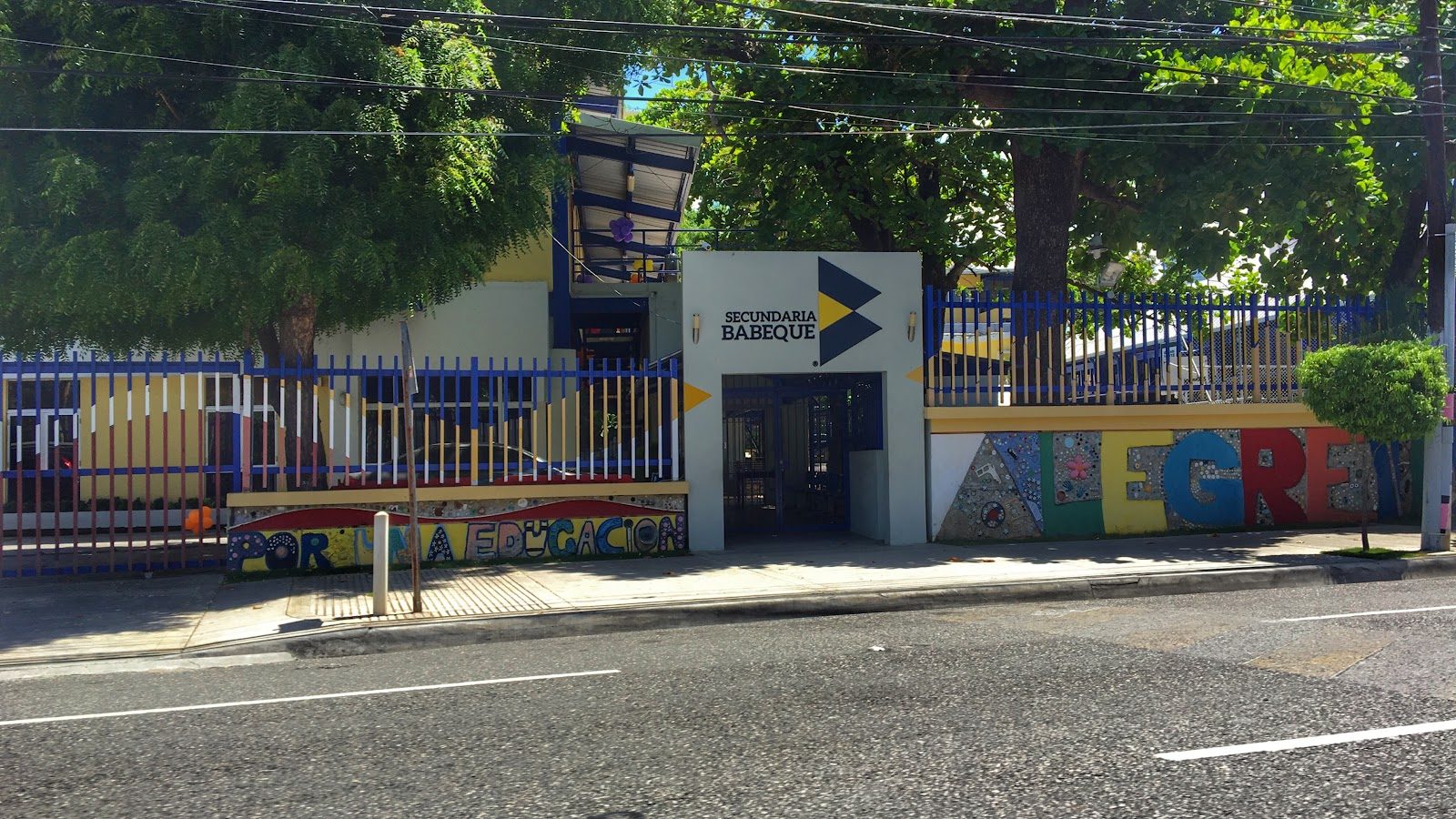
Colegio Babeque Secundaria
Santo Domingo · Dominican Republic
A parent-founded cooperative school in Naco pairs the IB Diploma with unusual language tracks in French and Portuguese literature
Daystar Academy
Beijing · China
A Chaoyang campus where bilingual immersion tilts from mostly Mandarin to mostly English by senior year, anchored by China's first K-12 social innovation curriculum.
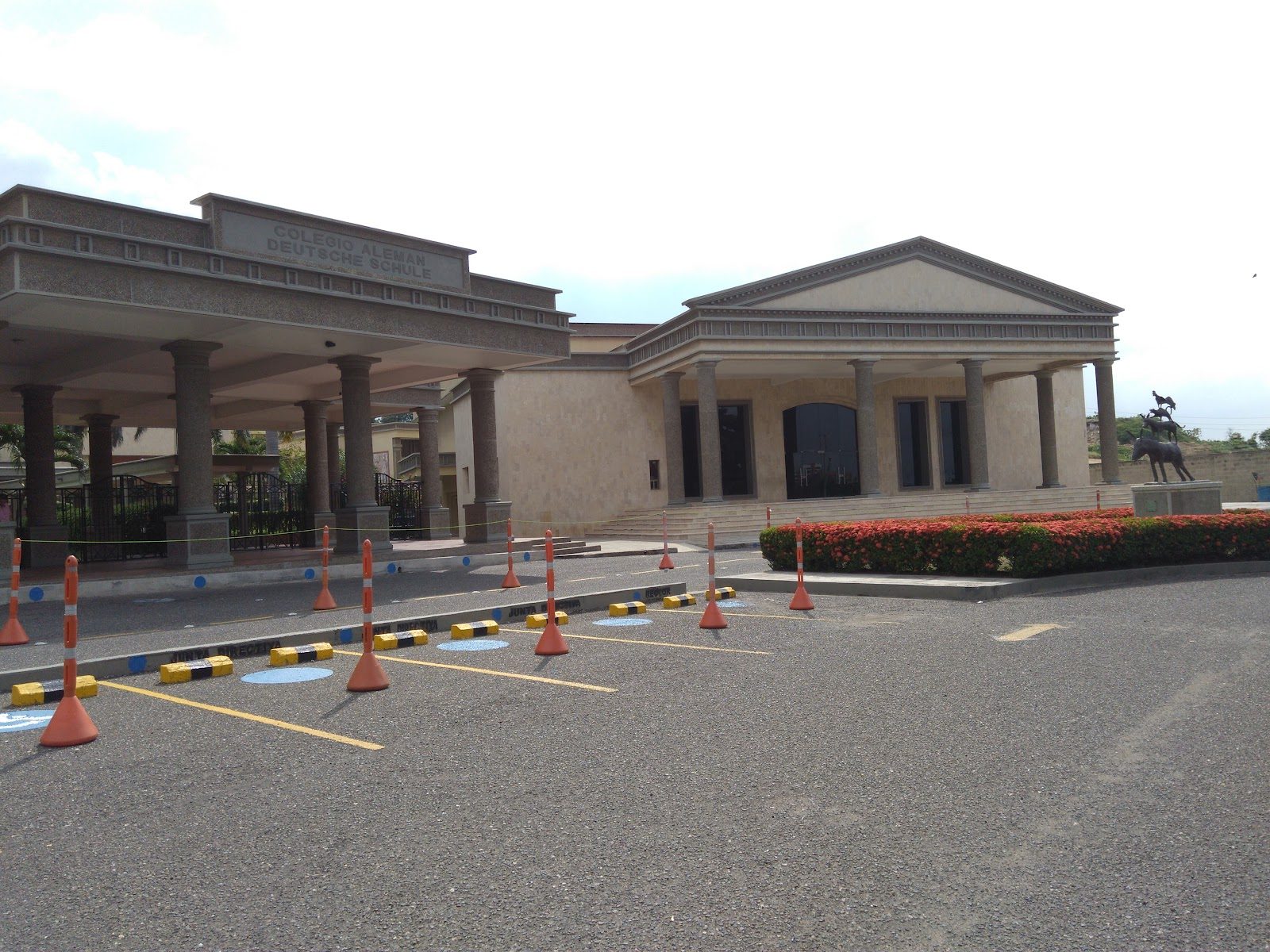
Colegio Alemán de Barranquilla
Barranquilla · Colombia
On Colombia's Caribbean coast, a century-old German school pairs Abitur rigor with the IB diploma in three languages.
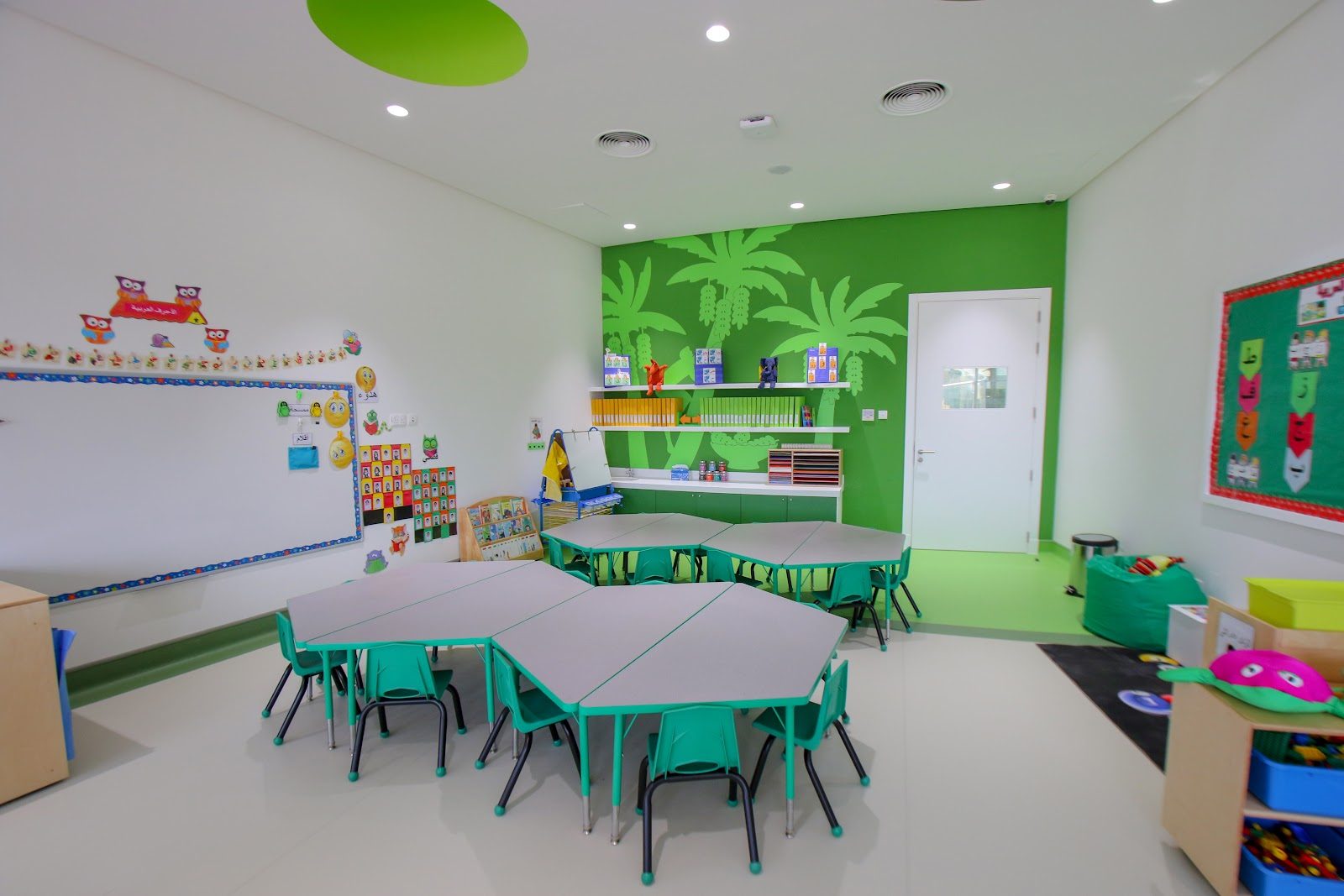
Bahrain Bayan School
Isa Town · Bahrain
Founded by parents in 1982, this Isa Town campus pairs Arabic-English bilingual roots with dual IB and American diplomas.
Same country and curriculum — closest matches within ±10 points either way