
Alberta
West of Calgary, sport blocks are built into the timetable, pairing hockey, dance, golf and soccer academies with core academics.
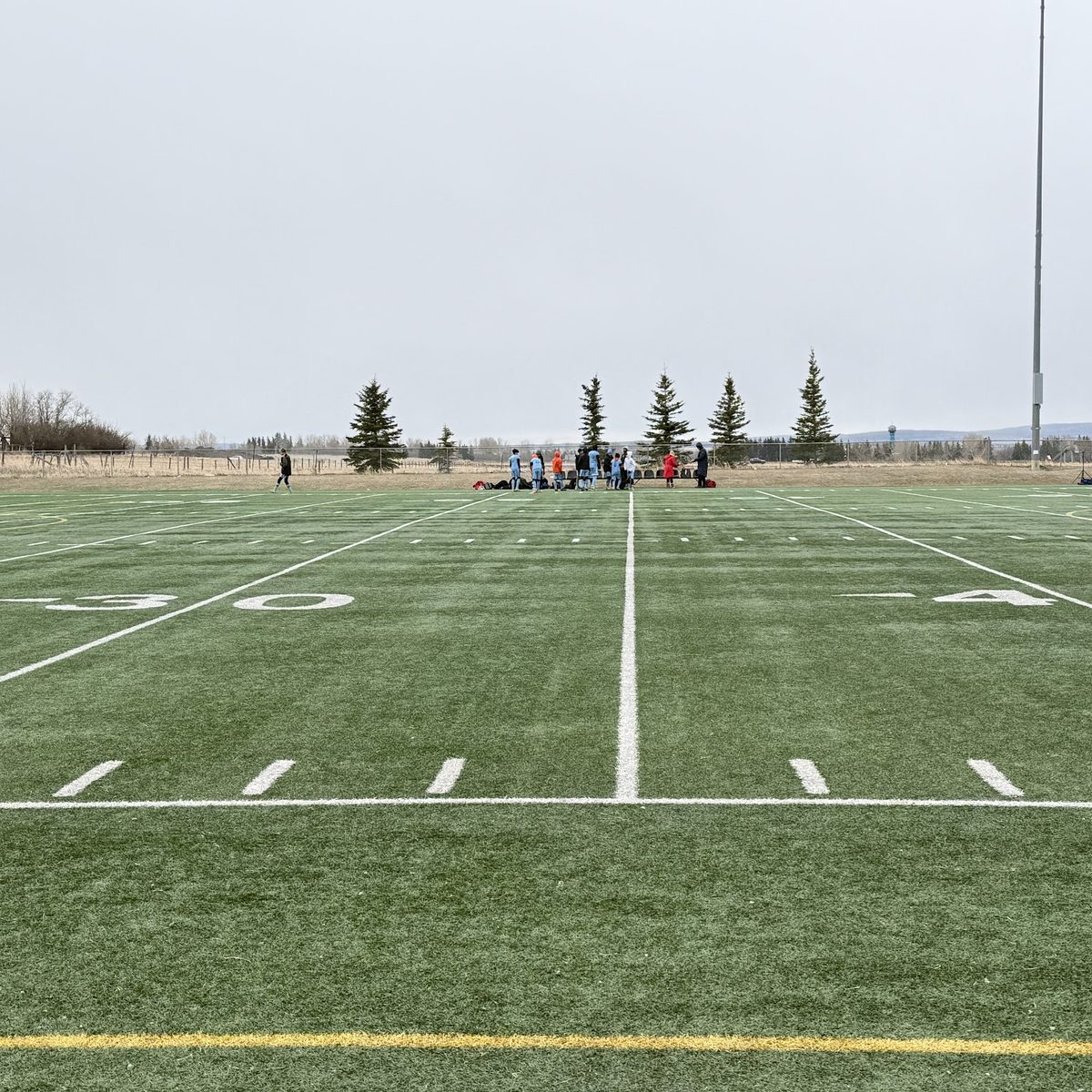
Photo © Victor Mansilla via Google Maps
Type
Day
Ages
10–18
Curriculum
Alberta High School Diploma
Ratio
—
The Verdict
Editor's commitment
Right for
Student-athletes aged 10–18 who want Alberta Diploma academics built around hockey, dance, golf, soccer or basketball, with average classes of 18.
Wrong for
Children who want school before sport; Edge counts 460+ student-athletes and organises itself around athletics, character and academics in that order.
Watch out for
At an average CAD 21,808 a year, this is a specialist day school west of Calgary; 25% receive aid, so most families pay full freight.
Ranking breakdown
Edge School · #1212 of 1591
Composite score 57.8. 8 weighted criteria.
By criterion
Academic Outcomes
Weight 20%
#1382
of 1529 scored
University Placement
Weight 16%
#1300
of 1529 scored
Prestige & Heritage
Weight 12%
#1219
of 1571 scored
Alumni Network
Weight 12%
#1013
of 1530 scored
Facilities
Weight 12%
#71
of 1533 scored
Transparency & Communications
Weight 8%
#1151
of 1532 scored
Peer & Industry Review
Weight 10%
#893
of 1548 scored
Admissions Selectivity & Demand
Weight 8%
#1232
of 1529 scored
Peer & Industry Review
How Edge School is regarded in the sector
66
Respected · medium confidence
Edge School is regarded less as a traditional academic peer of Calgary's other elite independents (Webber, Strathcona-Tweedsmuir) and more as Canada's benchmark hybrid sports-academic institution. Its standing rests on its pipeline into the Western Hockey League, U SPORTS, and NCAA Division I programs, with scouts and junior/college recruiters citing its structured on-ice and classroom balance as a model other Alberta sports academies have tried to replicate. Coverage in hockey-industry outlets (The Hockey News, WHL team media) and CAIS-affiliated school networks references Edge as a credible dual-track option for elite-level athletes rather than a conventional university-prep feeder, so it rarely appears in mainstream independent-school league tables or Good Schools Guide/WhichSchoolAdvisor-style rankings, which focus on UK/US prep models. Within Canadian private-school circles it is respected for solving the athlete-scheduling problem credibly, but independent education press treats it as a specialist niche institution rather than a broad academic powerhouse, and there is limited public commentary from university admissions officers specifically praising its academic pipeline compared with its athletic one.
Award

Elite Sport 80
World's Top School · The Global Ranking
Edge School is featured on our Global Top 80 ranking at #61. This seal is available for the school's marketing team to use on their website, prospectus and social channels.
- Emily Clark — Ice Hockey Player, Olympic Athlete
- Josh Mahura — Ice Hockey Player, NHL
- Kailer Yamamoto — Ice Hockey Player, NHL
Editors' overview
Edge School sits in a clear niche west of Calgary: a day school for students who want sport embedded in the working week, not bolted on after lessons. The proposition is plain. Core academics lead to the Alberta High School Diploma, while academy training in hockey, dance, golf, soccer, figure skating and basketball runs inside the timetable, with a flex route for athletes outside those headline programmes. For families juggling school hours, training loads and travel, that structure solves a real problem. It also gives the school a distinct identity: high-performance without boarding, a timetable built for training, and an unapologetic focus on students whose lives already revolve around sport.
The numbers sharpen that picture. Edge enrols 460+ student-athletes, runs with 18 as the average class size, and says 25% of students receive financial aid. It also states that 92% of scholarship graduates were awarded the Rutherford Scholarship. Those figures point to a school with enough scale to sustain specialist sports provision, while staying smaller than a mass-market independent. The phrase “Graduating Awesome Humans” is pure branding, but the underlying three-part model — academics, athletics and character — is coherent. Parents do need to accept the trade-off. This is not a conventional all-round independent school with sport as one enrichment option among many; it is a performance-led school day for students whose training demands shape family life.
Why put Edge on a shortlist? Because few schools in the Calgary market organise themselves so directly around the realities of competitive youth sport. That matters for committed players, dancers and skaters who need coaching, recovery time and academic continuity in one place. The school’s clear sporting specialism, smallish classes, and practical day-school format give it a precise market position. It will suit disciplined, ambitious students who are serious about development in a chosen sport and who can handle a schedule with expectation built in. It will not suit children who want a broad, conventional school experience with sport kept in its place. Edge is for the student who wants training to be part of school, not something squeezed in after it.
An Elite Sport 80 school
Edge School in Calgary sits at rank sixty-one on the Elite Sport 80 because it operates one of the most distinctive full-time hockey and multi-sport academic-athletic hybrids in North America. Its combined ice-hockey, soccer, golf and STEM programmes have produced NHL Draft picks, Canadian Premier League professionals and multiple NCAA D1 recruits from a compact prairie campus.
The specialisms are ice hockey (a formal academy model with professional coaching, integrated sports-science support and links to the WHL and NCAA D1), soccer, golf and STEM-oriented academic pathways. The ice-hockey programme runs multiple age-group teams competing in the Canadian Sport School Hockey League — one of the most competitive prep hockey circuits in the world — and the golf programme has links to Canadian PGA and NCAA D1 recruiting.
Notable alumni across codes include several NHL professionals, WHL and OHL first-round selections, Canadian national junior team representatives, and — in soccer — Canadian Premier League and MLS-adjacent professionals. The golf programme has produced multiple national junior champions and NCAA D1 recruits.
International openness is high. Edge is a co-ed boarding school with an established overseas cohort — particularly from the United States, Europe, Scandinavia, Asia and Latin America — and Canadian study permits are handled by the school. ESL support is available. Admissions is a standard application process plus a sport-specific tryout (for hockey and soccer) or a golf handicap assessment. Tuition and boarding sit around C$50,000-58,000, positioning Edge substantially below equivalent US boarding academies while producing comparable NHL and NCAA D1 output. For a family with a genuinely elite hockey, soccer or golf prospect looking for a full boarding school combined with a WHL, NCAA D1 or PGA-track pathway at reasonable cost, Edge is one of the highest-value options in North America and one of the few schools that manages to sustain multiple genuinely elite sports simultaneously.
Academic Performance
Edge does not publish the core data a serious parent needs to judge academic performance against peers: no aggregate diploma outcomes, no subject-by-subject results, no university destinations list, and no comparative attainment data across the cohort. That leaves a real transparency gap. The one published academic indicator is indirect: the school says 92% of scholarship graduates received the Rutherford Scholarship. That is a useful signal, because the award is tied to academic standing, but it is not a full results profile. It tells parents that a defined subset of graduates clears a recognised bar; it does not show how the whole graduating class performs, how strong results are at the top end, or how Edge compares with academically selective independents in Alberta.
Relative to peers, Edge sits in a different lane from schools that trade on examination statistics and university placements. Its public case rests on integrating serious training with academic continuity, not on publishing a hard-edged academic scorecard. That does not make the academic side weak; it makes it opaque. Families choosing Edge need to judge it as a school built around performance sport, where academic success has to coexist with training load, travel and recovery. For the right student, that structure is highly practical. For parents who want clean external proof of academic strength, Edge gives too little.
Facilities
Edge’s facilities matter in one area above all: sport-specific training built into the school day. The school lists academies in hockey, dance, golf, soccer, figure skating and basketball, plus a flex route for athletes whose discipline sits outside the standard roster. That breadth is the key facility story here. At many conventional day schools, “facilities” means a general gym, a pitch or two, and after-school coaching layered on top. Edge runs a different operating model: spaces, scheduling and staff are organised around training as a central function of the school, not an extracurricular extra. For student-athletes, that is materially more useful than a polished but generic sports hall. For families outside that performance lane, it is a narrower proposition than the broad arts-and-activities campuses offered by bigger all-round independents.
The academic side reads as practical rather than grand. With average classes of 18 and a staff body above 60, the school has the human infrastructure to support students balancing lessons with heavy training demands. What Edge does not advertise is equally important: no obvious claim to landmark science facilities, major performing arts venues, design workshops or the sprawling multi-building campus arms race seen at wealthier peers. That puts it in the specialist, functional bracket rather than the showpiece campus one. If your benchmark is an orthodox independent school with every facility under the sun, Edge is leaner. If your benchmark is a school that knows exactly what its athletes need during the working week, the fit is sharp and purposeful.
Edge School sits in a clear niche west of Calgary: a day school for students who want sport embedded in the working week, not bolted on after lessons
Prestige
Edge’s prestige is specialist prestige, not general-market prestige. In mainstream independent-school terms, it does not trade on old-school cachet, selective academic mythology or a trophy cabinet of published university outcomes. It trades on something narrower and more concrete: a school day engineered around serious youth sport. For families inside that world, that has status. Coaches, committed athletes and performance-minded parents recognise the value of training built into the week, sport-specific pathways and a peer group living the same rhythm. The school’s scale — 460+ student-athletes — gives that proposition weight. This is not a hobbyist add-on. It is a defined performance environment with enough breadth to sustain multiple academies and a flex route beyond them.
That is why the prestige rating sits in the credible niche category rather than the broad elite one. Edge carries real standing with the audience that wants school organised around athletic development, and the published scholarship figure — 92% of scholarship graduates receiving the Rutherford Scholarship — helps protect it from the charge that sport has displaced academics altogether. Even so, the school does not publish the kind of outcome data that builds wider intellectual prestige across the independent sector. Its reputation rests on fit, discipline and specialism, not on universal brand power. For the right student, that is serious value. For families chasing a blue-chip academic name, it is not the obvious play.
At many conventional day schools, “facilities” means a general gym, a pitch or two, and after-school coaching layered on top
Communications
Edge communicates in a direct, serviceable way rather than a polished one. The public face centres on the website, a visible phone number, a general email address and a digital flipbook-style prospectus. That gives parents the basic routes in, but it does not amount to a high-clarity communications operation. The site’s headline messaging is strong on ethos and identity — “Graduating Awesome Humans” is memorable, if overcooked — and clear enough on the school’s sport-driven purpose. Where it thins out is in the detail serious parents use to make decisions: academic outcomes, destinations, and a fuller account of how day-to-day school life works for families managing training loads. The school does publish a few memorable signals, including 25% on financial aid and 92% tied to Rutherford Scholarship outcomes, but the overall information set stays selective rather than comprehensive.
That matters because Edge serves families with complex, schedule-heavy lives. In that market, good communication is not a branding exercise; it is an operating necessity. Parents need timetables, expectations, travel implications, support structures and academic safeguards set out with plain precision. Edge communicates its core proposition well: sport sits inside the school week, not outside it. It communicates the harder proof less well. The result is *effective at first impression, thinner under scrutiny*. Families already sold on the model will get enough to enquire. Families comparing schools line by line will want more substance before committing.
Uniqueness
Edge’s uniqueness is structural. Most schools fit sport around lessons; Edge fits lessons and training into the same working week for students whose athletic lives already drive the family calendar. That produces a rarely compromised school day. Hockey players, dancers, golfers, footballers, skaters and basketball athletes train inside a system built for them, while the flex route keeps the model open to students in other disciplines. The result is not a broad independent-school experience with stronger-than-average coaching on the side. It is a purpose-built performance environment where academics, sport and character are treated as co-equal parts of the job. For the right child, that clarity is hugely valuable: less commuting between school and training, fewer clashes between fixtures and lessons, and a peer group that understands the demands of serious competition.
That structure brings gains beyond convenience. Students learn time discipline early, because the school expects them to manage workload, training intensity and recovery without the slack a conventional timetable offers. The school’s scale and staffing add substance here, with 460+ student-athletes and 60+ staff giving the model enough depth to avoid the feel of a boutique experiment. The distinctive risk is just as clear: this is a narrow-band choice. Children who want sport as one interest among many will find the culture too concentrated. Students who want their education organised around a chosen discipline will find something genuinely uncommon in the Calgary market.
The distinctive risk is just as clear: this is a narrow-band choice
Student Profile
Edge suits the student whose week already revolves around training. The right fit is disciplined, physically driven and comfortable in a peer group where sport is not a hobby but the organising fact of school life. Hockey players, dancers, golfers, footballers, skaters and basketball athletes will find classmates on the same clock: practice, recovery, travel, schoolwork, repeat. The flex route also opens the door to committed athletes outside the named academies. This is a strong match for children who want their identity taken seriously in both classroom and training space, and a poor one for students who want a loose, exploratory adolescence. The culture reads performance-minded, schedule-heavy and not for the faint-hearted.
It also suits families who value structure over spectacle. With an average class size of 18 and a student body built around athletes, Edge has room for individual oversight without pretending to be a broad all-purpose independent. The student who thrives here will handle expectation, accept routine and respond to coaching. Self-management matters. So does resilience. A child who needs endless optionality, or who wants school to major on arts clubs, social buzz and generalist enrichment, will find the offer narrow by design. A child who wants a school day built to accommodate ambition in sport will find a clear, demanding fit.
Students who want their education organised around a chosen discipline will find something genuinely uncommon in the Calgary market
Co-curricular strengths
Arts & sport, on a separate axis
Overall 6.26/10
Scored 0-10 from the school's own published evidence. This axis is editorial-only — it does not feed the main WTS ranking.
Drama
4/10
Dance
9.5/10
Music
4/10
Visual Arts
4/10
Strengths
- +Combines the Alberta High School Diploma curriculum with structured elite athletic training in sports such as hockey, golf, soccer and tennis under one timetable.
- +Purpose-built campus in Springbank, west of Calgary, includes dedicated training facilities (rinks, gyms, fields) alongside standard classrooms.
- +Small class sizes typical of specialized sport-academic day schools allow scheduling flexibility around training and competition travel.
- +Long-standing partnerships with regional sports bodies (including junior hockey programs) give student-athletes a recognized pathway toward higher-level competition.
- +Alberta High School Diploma is a recognized Canadian credential accepted for university entry across Canada and internationally.
Considerations
- −The core value proposition is athletic development, so families seeking a purely academic, university-prep environment may find the offering narrower than a traditional independent school.
- −Location in Springbank means a longer commute for families based in central or northeast Calgary compared with downtown day schools.
- −Tuition for combined academic-athletic programming is generally higher than a standard Alberta day school, reflecting specialized coaching and facilities, though exact current fees should be confirmed directly with the school.
- −As an unranked, athletics-first institution, it lacks the academic league-table profile or breadth of AP/IB offerings found at some competing Calgary independent schools.
Gallery
Photo © Edge School via Google Maps
Photo © CoachOwen via Google Maps
Photo © CoachOwen via Google Maps
Photo © CoachOwen via Google Maps
Photo © CoachOwen via Google Maps
Photo © CoachOwen via Google Maps
Photo © CoachOwen via Google Maps
Parent reviews
Have you sent your child here?
Voice reviews carry the strongest trust badge — we transcribe them for you to tidy up before they go live. Prefer to type? A written review is fine too.
Add your voice
In 60 seconds, tell other parents: what's the best thing about Edge School, and what surprised you when your child joined?
We ask for a Google sign-in so every review has a real face behind it — no anonymous drive-by attacks on schools, and no faked positive reviews. Your email is never shown publicly.
Send this profile to a friend
International parents rely on word-of-mouth. Share this review with someone weighing the same decision.
Schools with places
Similar schools to Edge School with places available now.
St Michaels University School
Victoria · Canada
- 2026-27
- CLOSEDRegular cycle closed
- 2027-28
- PLACES OPEN2027/28 open; priority 1 Dec '26
Ashbury College
Ottawa · Canada
- 2026-27
- CLOSEDRegular cycle closed
- 2027-28
- PLACES OPENDay Dec / Boarding rolling
Shawnigan Lake School
Shawnigan Lake · Canada
- 2026-27
- CLOSEDRegular cycle closed
- 2027-28
- PLACES OPENActive now
Havergal College
Toronto · Canada
- 2026-27
- CLOSEDRegular cycle closed
- 2027-28
- OPENS SOONOpens 1 Sept '26 (Day) / Boarding active
Availability first, then country, area, curriculum, price, co-curricular
Consider also
Also worth looking at alongside Edge School.
National Sport School
Calgary, AB · Canada
Classrooms embedded inside WinSport's Olympic Park let student-athletes train by day and study around competition travel by design

Athol Murray College of Notre Dame
Wilcox, SK · Canada
On the Saskatchewan prairie, hockey, faith and academics share equal billing beneath the campus's landmark Tower of God
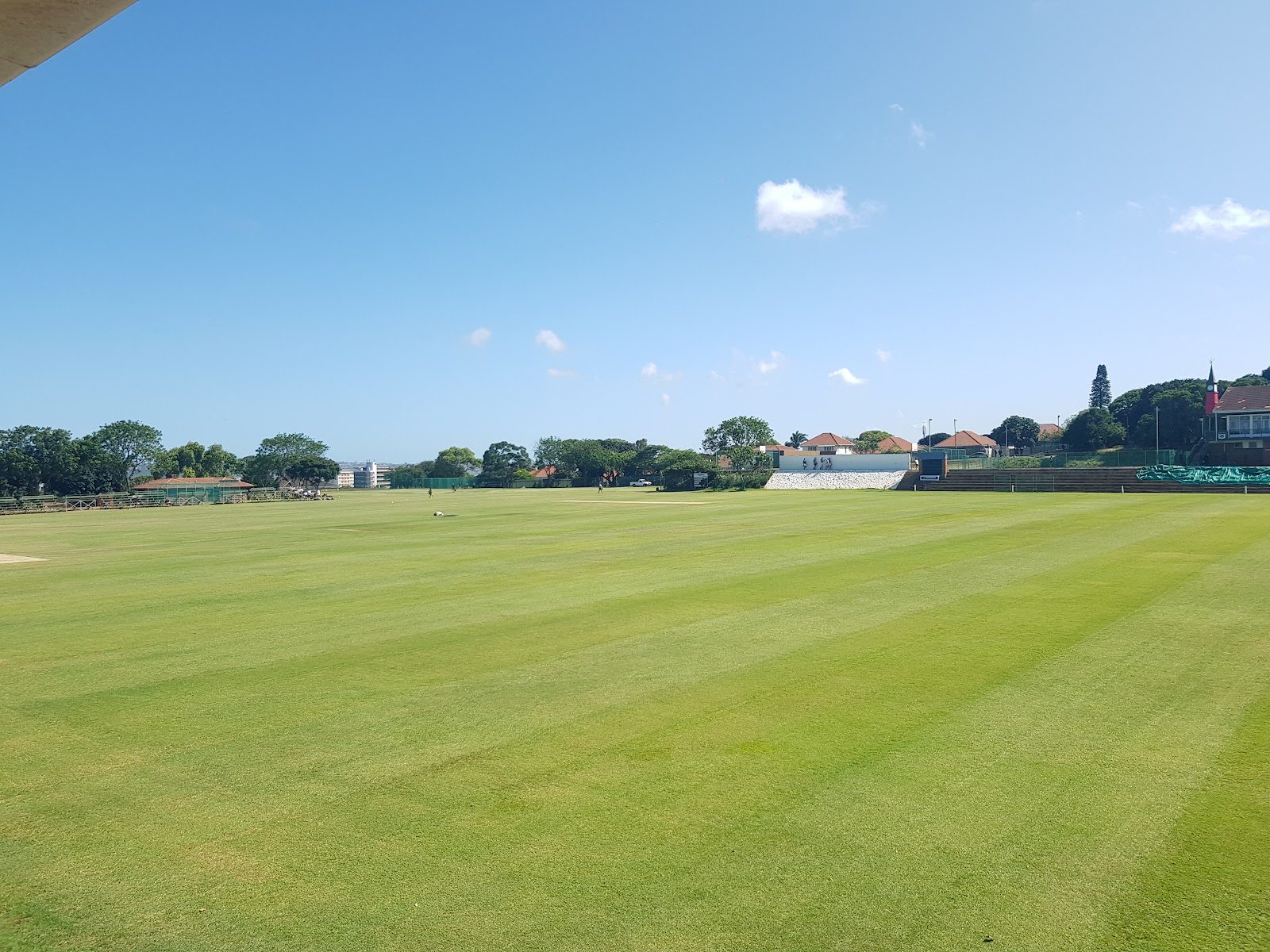
Glenwood High School
Durban · South Africa
A century-old Durban boys' school where sport is prized as 'the other half' of an education, not an afterthought

Culford School
Bury St Edmunds · United Kingdom
Set within 480 acres of Repton-landscaped Suffolk parkland around an 18th-century mansion, home to specialist tennis and golf academies.
Same specialism, country and curriculum — closest matches within ±10 points either way