
Bahrain
Ibn Khuldoon National School
high confidence· 5/6 cats · 3.23 avg sourcesIn Isa Town, one of Bahrain's few IB Continuum schools runs its Diploma Programme alongside a parallel American track, bilingual since 1983.
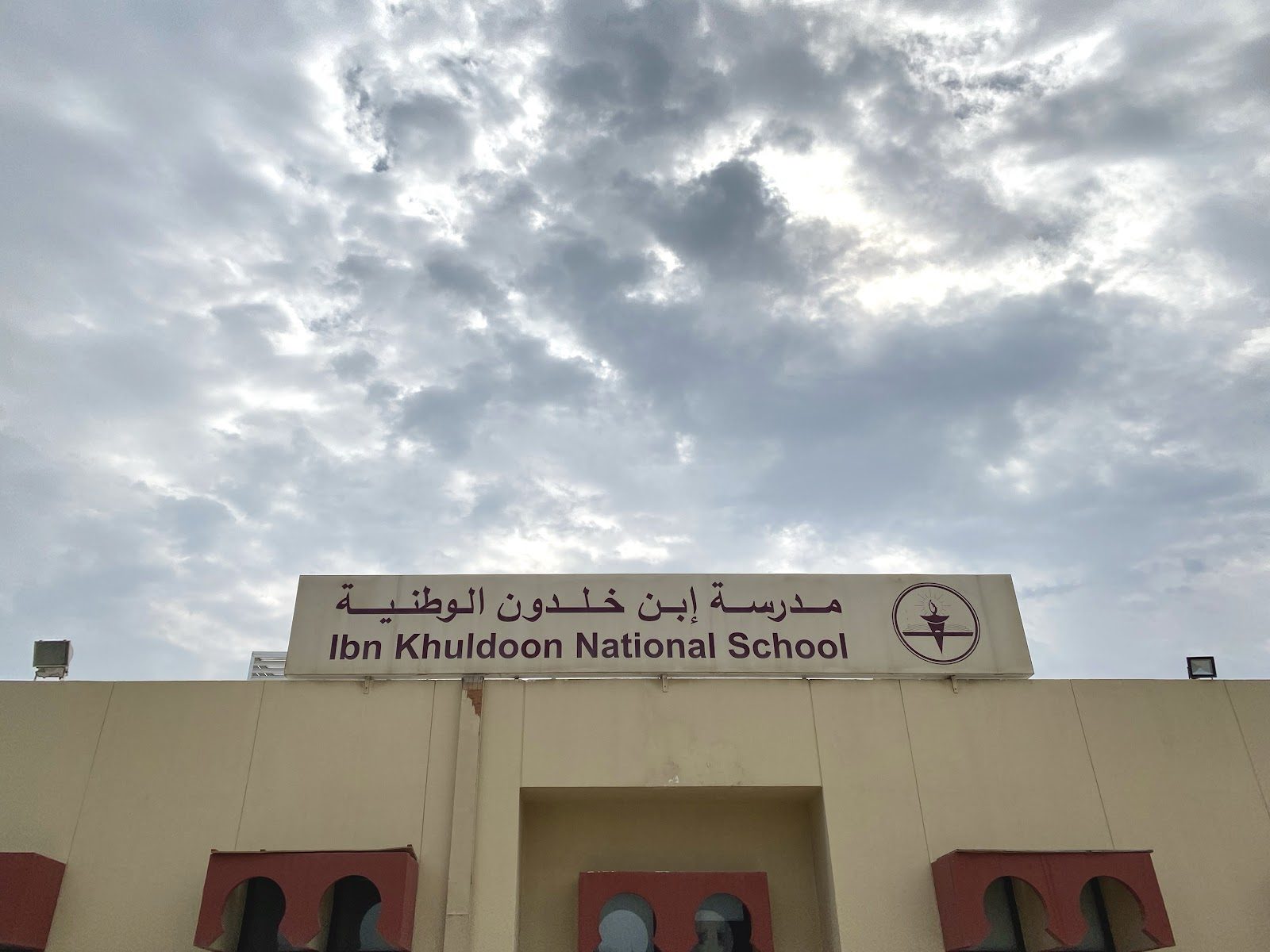
Photo © Ali Khalaf via Google Maps
Type
Day
Ages
3–18
Curriculum
American
Qualifications
AP · IB Diploma
Ratio
—
The Verdict
Editor's commitment
Right for
Bahraini families wanting a bilingual English-Arabic day school from ages 3–18, with American curriculum plus an IB World School pathway.
Wrong for
Families wanting boarding, a single-curriculum sixth form, or a broad published destinations list beyond Harvard, McGill and Imperial College London.
Watch out for
IKNS runs since 1983 as a private, coeducational, non-profit school, but it does not publish aggregate IB or wider university outcomes.
Ranking breakdown
Ibn Khuldoon National School · #1212 of 1591
Composite score 58.0. 8 weighted criteria.
By criterion
Academic Outcomes
Weight 20%
#1195
of 1529 scored
University Placement
Weight 16%
#1201
of 1529 scored
Prestige & Heritage
Weight 12%
#1204
of 1529 scored
Alumni Network
Weight 12%
#1005
of 1529 scored
Facilities
Weight 12%
#1171
of 1529 scored
Transparency & Communications
Weight 8%
#1199
of 1529 scored
Peer & Industry Review
Weight 10%
#1098
of 1529 scored
Admissions Selectivity & Demand
Weight 8%
#991
of 1529 scored
Score history
Ibn Khuldoon National School · 2026
Movement across 2024–2026. Peer average overlaid.
Overall — 2024–2026
58.0/ 100
▲ +23.1 vs 2025
year on year
Peer & Industry Review
How Ibn Khuldoon National School is regarded in the sector
65
Respected · medium confidence
Ibn Khuldoon National School is consistently cited in expat parent forums (ExpatWoman, Bahrain expat community threads) as one of the leading private/IB schools in Bahrain, and it has been reviewed by Bahrain's national education inspectorate (BQA) with favorable ratings in past inspection cycles. It lacks coverage in international specialist press like Tatler or Good Schools Guide, which focus on UK/Gulf international-chain schools rather than Bahrain's oldest national private institutions, limiting broader peer benchmarking beyond the local market.
Evidence sources
- Mona Almoayyed — CEO, Y.K. Almoayyed & Sons - business
- Nada Haffadh — Former Minister of Health, politics
- Sameera Rajab — Politician/Journalist
Editors' overview
Ibn Khuldoon National School occupies a specific niche in Bahrain: a bilingual, non-profit private day school in Isa Town that has run since 1983 and carries both an American curriculum and IB World School status. The distinguishing point is not branding but structure. Few schools in Bahrain offer a full K–12 bilingual pathway in English and Arabic while also giving families a parallel choice between an American route and the IB Diploma Programme. That combination puts IKNS on a serious shortlist for parents who want academic flexibility without giving up Arabic or local cultural fluency. It is a school for families who value institutional seriousness, academic range and bilingual command more than social gloss.
The school’s strongest market advantage is that dual-track sixth form proposition. For the right student, that matters. A pupil targeting North American university admissions can stay on the American path; a pupil who wants the breadth and external discipline of the IB can take the Diploma Programme. That is a practical advantage, not a decorative one. The bilingual model also gives IKNS a sharper identity than many international schools that operate in English first and treat Arabic as an obligation. Here, bilingualism sits closer to the core. For Bahraini families in particular, that holds real weight. The trade-off is clear enough: parents seeking a fully expatriate international-school atmosphere or a British curriculum school will look elsewhere.
Who thrives here? Students who can handle a school with clear academic expectations and a more rooted national character than transient international campuses. It suits families who want continuity from age 3–18, and students who are capable of choosing between two credible senior-school pathways rather than being funnelled into one. It also suits parents who care about substance over spectacle: the recent destinations list includes Harvard, McGill and Imperial, which signals that top-end progression exists, even if the school does not publish the wider outcomes data that would let parents judge consistency across the cohort. That opacity matters. Ambitious families should ask directly about IB results, university counselling load, and the split between the American and IB tracks before enrolling.
Why shortlist it? Because IKNS offers something hard to replicate in Bahrain: a long-established, bilingual, non-profit school with American foundations, an IB option, and a local identity that does not dilute itself to chase the generic international market. For the student who wants intellectual stretch, linguistic fluency and a school anchored in Bahrain rather than floating above it, IKNS has a compelling case. For families chasing prestige packaging, it has less to offer. For families chasing a durable educational model with real choice at the top end, it has more.
Academic Performance
The hard fact is that IKNS does not publish the data parents need for a clean academic verdict. We have not seen aggregate IB Diploma results, average point scores, subject distributions, AP outcomes, SAT profiles, or grade-by-grade attainment data for the American track. That leaves a real gap in accountability. In a market where strong schools use external results to prove consistency, this school asks families to trust structure and destination anecdotes more than published performance. One elite destination each to Harvard, McGill and Imperial shows that top-end progression exists, but a trio of headline names does not tell parents how the wider cohort performs, how many students apply abroad, or how results split between the two senior pathways. The verified alumni footprint is also thin in public databases at 1 catalogued notable alumna, which is a weak proxy for long-term reach.
Relative to peers, that places IKNS in an opaque middle ground. It has more academic seriousness than schools that sell atmosphere first and outcomes second, yet less public proof than Bahrain’s best-documented exam performers. For parents comparing IB options, that matters. A school running the Diploma Programme alongside an American route needs to publish enough data to show whether both tracks deliver consistent academic traction. IKNS does not do that in public. The sensible reading is disciplined rather than flattering: there is evidence of genuine individual success, but not enough disclosed evidence to rank the school among the Gulf’s clearly proven academic heavyweights.
Facilities
Public detail on facilities is thin, and that matters. The school does not publish the kind of campus inventory that lets parents judge specialist provision with confidence: no theatre specification, no laboratory count, no library scale, no sports-field detail, no performing-arts suite breakdown. For a school covering ages 3–18, that is a clear informational weakness. Parents comparing campuses in Bahrain need more than general assurance; they need to know whether senior science runs in fully equipped labs, whether arts teaching has dedicated space, and whether PE relies on compact on-site provision or external facilities. IKNS does not disclose that level of detail in public.
Against peer schools, that puts it at a disadvantage on facility transparency even before any judgement on quality. The strongest competitors in this segment spell out their STEM rooms, indoor and outdoor sports assets, libraries, auditoria and specialist early-years spaces because facilities shape daily school life as much as exam routes do. IKNS’s identity rests more on academic structure and bilingual purpose than on campus spectacle, which will suit families unmoved by glossy architecture. It will not satisfy parents who want a hard-edged comparison of physical resources before shortlisting. The practical response is simple: visit in person, ask for a full campus tour, and inspect science, arts, sports and sixth-form spaces with care.
For families chasing a durable educational model with real choice at the top end, it has more
Prestige
IKNS carries real local standing and modest international prestige. The distinction matters. In Bahrain, a long-established non-profit private school with a serious academic offer, a bilingual identity and a route that reaches selective universities commands respect among families who value substance over imported brand theatre. That respect rises further because the school serves a clearly defined constituency rather than chasing every segment of the international market. Prestige here rests on institutional credibility, not social cachet. The recent destinations list helps at the margin: 1 place each at Harvard, McGill and Imperial proves that exceptional students can convert an IKNS education into entry at globally recognised universities. It does not prove broad elite placement across whole graduating classes.
That is why the school sits in a second tier of prestige rather than the top bracket. The ceiling is high; the public proof is thin. Schools with the strongest prestige in this market publish deep outcomes data, build a wider pattern of top university destinations, and accumulate a larger public alumni footprint over time. IKNS does not do that. Its Wikidata tally of 1 notable alumna is not a verdict in itself, but it underlines the absence of a widely visible old-boy or old-girl halo. So the rating lands in a serious but not glamorous zone: respected by informed local families, credible with admissions offices, yet short of the global name recognition and documented track record that define the region’s true prestige leaders.
That is why the school sits in a second tier of prestige rather than the top bracket
Communications
Parent communication has to carry more weight here than at a generic international school, because families are not choosing a single, standard senior route and then coasting. They need clear operational guidance on pathway decisions, subject choices, assessment expectations and university planning. Publicly, the school does not give enough away to prove excellence in that area. We have not seen a detailed parent communications architecture: no clear published rhythm of newsletters, no visible parent portal explanation, no calendar depth that signals tight institutional organisation, and no public-facing archive that shows how the school handles routine information flow. That does not mean communication is poor. It means the school leaves parents to test it firsthand rather than demonstrating it in advance.
The strongest inference comes from the school’s structure and constituency. A school serving ages 3–18 and running a bilingual programme for Bahraini students cannot function on loose, improvised messaging. It needs disciplined parent contact and consistent explanation across year groups. That gives IKNS a baseline of seriousness. Still, baseline seriousness is not the same as communication excellence. The public picture lacks the hallmarks of the best-run schools: transparent channels, accessible key documents, and enough specificity for a parent to judge responsiveness before booking a visit. Treat this as a watch point, not a fatal flaw. Ask blunt questions: who answers parent queries, how fast, through which platform, and how the school communicates academic concerns before they become problems.
Uniqueness
What sets IKNS apart is not a glossy selling point but a structural one: it gives Bahraini families a rare degree of educational control inside a single school. The bilingual programme runs all the way through school life, and the senior years do not force every student into one mould. That matters in practice. Students can build strong command of Arabic without treating it as an afterthought, while still working within an internationally legible academic system. For families who want children rooted in Bahrain rather than educated at a cultural distance from it, that is a serious differentiator. The school’s non-profit status also changes the tone. It reads as a school built around continuity and academic purpose, not a school engineered first as a premium lifestyle product.
For students, the gain is a form of double fluency: linguistic fluency, yes, but also fluency across educational expectations. They learn to move between local identity and international progression without the institutional split that many families patch together through tutoring, transfers or compromise. That can produce students who are more anchored, more adaptable and less dependent on a single definition of success. The restriction is clear enough: this model is not designed for every family in the market. It serves a defined national constituency, and that focus is exactly what gives it shape. In a region crowded with interchangeable international schools, IKNS has a clearer spine than most.
That combination puts IKNS on a serious shortlist for parents who want academic flexibility without giving up Arabic or local cultural fluency
Student Profile
The best fit is a student who can live comfortably inside a school with a clear national centre of gravity. This is not the anonymous, floating expatriate environment some international families want. The school’s bilingual structure for Bahraini students shapes the peer group, the rhythms of school life and the social tone. Children who value belonging, routine and a more rooted identity than the usual Gulf international-school circuit will fit well. So will students who are academically purposeful without needing constant theatre around achievement. The strongest candidates for this setting are self-directed, steady and able to handle choice later on without treating every decision as a crisis. Pupils who need a highly permissive culture, a broad social mix drawn from every passport group, or a showier, more performative atmosphere will find the fit tighter.
There is also a clear personality type that benefits most from the school’s structure. It suits students who can move between expectations, respect institutional rules and work within a community that has more spine than gloss. That includes children who are serious about university options but do not need a school to package ambition as lifestyle. The public record of recent top-end destinations is slim but real, with 1 place each at Harvard, McGill and Imperial; that points to room for high individual attainment for students with the discipline to use the school well. In short: a strong fit for grounded, capable students and committed local families; a weaker one for children who want a socially loose campus with maximal international churn.
It is a school for families who value institutional seriousness, academic range and bilingual command more than social gloss
Co-curricular strengths
Arts & sport, on a separate axis
Overall 7.36/10
Scored 0-10 from the school's own published evidence. This axis is editorial-only — it does not feed the main WTS ranking.
Sports
8/10
The extracurriculars explicitly list Basketball, Football, and Volleyball, showing a clear multi-sport offering but with no named facilities, specialist staff, or competitive results described.
Drama
7.2/10
Drama club is offered, but there is no further detail on productions, facilities, staff, or programme depth.
Dance
6/10
Music
7.8/10
School choir is offered, but there is no additional evidence of ensembles, facilities, staff, or broader music provision.
Visual Arts
7.8/10
Art club is offered, but there is.
Editor first-pass · editor-reviewable · 7/28/2026
Outcomes & destinations
Where students go next
Top destinations
6 placements
- Harvard University· 1
- McGill University· 1
- Imperial College London· 1
- Wharton School of Business (University of Pennsylvania)· 1
- Northeastern University· 1
- Royal College of Surgeons Ireland· 1
Reported by the school. Confirm with admissions.
Strengths
- +American curriculum with IB option.
- +Bilingual English-Arabic instruction.
- +Ages 3–18 on one campus.
- +Non-profit, coeducational, non-religious school.
Considerations
- −Bilingual programme only for Bahraini students.
- −Day school only; no boarding.
- −American curriculum may not suit British-path families.
Availability
Primary entry gate & tests
CAT4 / Assessment
Gallery
Photo © Khalid Khan Photography via Google Maps
Photo © elmamoun ahmed via Google Maps
Photo © Ibn Khuldoon National School via Google Maps
Photo © Mark Villaruel via Google Maps
Photo © Khalid Khan Photography via Google Maps
Parent reviews
Have you sent your child here?
Voice reviews carry the strongest trust badge — we transcribe them for you to tidy up before they go live. Prefer to type? A written review is fine too.
Add your voice
In 60 seconds, tell other parents: what's the best thing about Ibn Khuldoon National School, and what surprised you when your child joined?
We ask for a Google sign-in so every review has a real face behind it — no anonymous drive-by attacks on schools, and no faked positive reviews. Your email is never shown publicly.
Send this profile to a friend
International parents rely on word-of-mouth. Share this review with someone weighing the same decision.
Schools with places
Similar schools to Ibn Khuldoon National School with places available now.
Bahrain Bayan School
Isa Town · Bahrain
- 2026-27
- PLACES OPENApps open / space-dependent
- 2027-28
- FUTURE CYCLE2027/28 not explicitly published in audit
Al Hekma International School
Manama · Bahrain
- 2026-27
- PLACES OPENApps open / space-dependent
- 2027-28
- WAITPOOL2027/28 timetable TBC
Availability first, then country, area, curriculum, price, co-curricular
Consider also
Also worth looking at alongside Ibn Khuldoon National School.
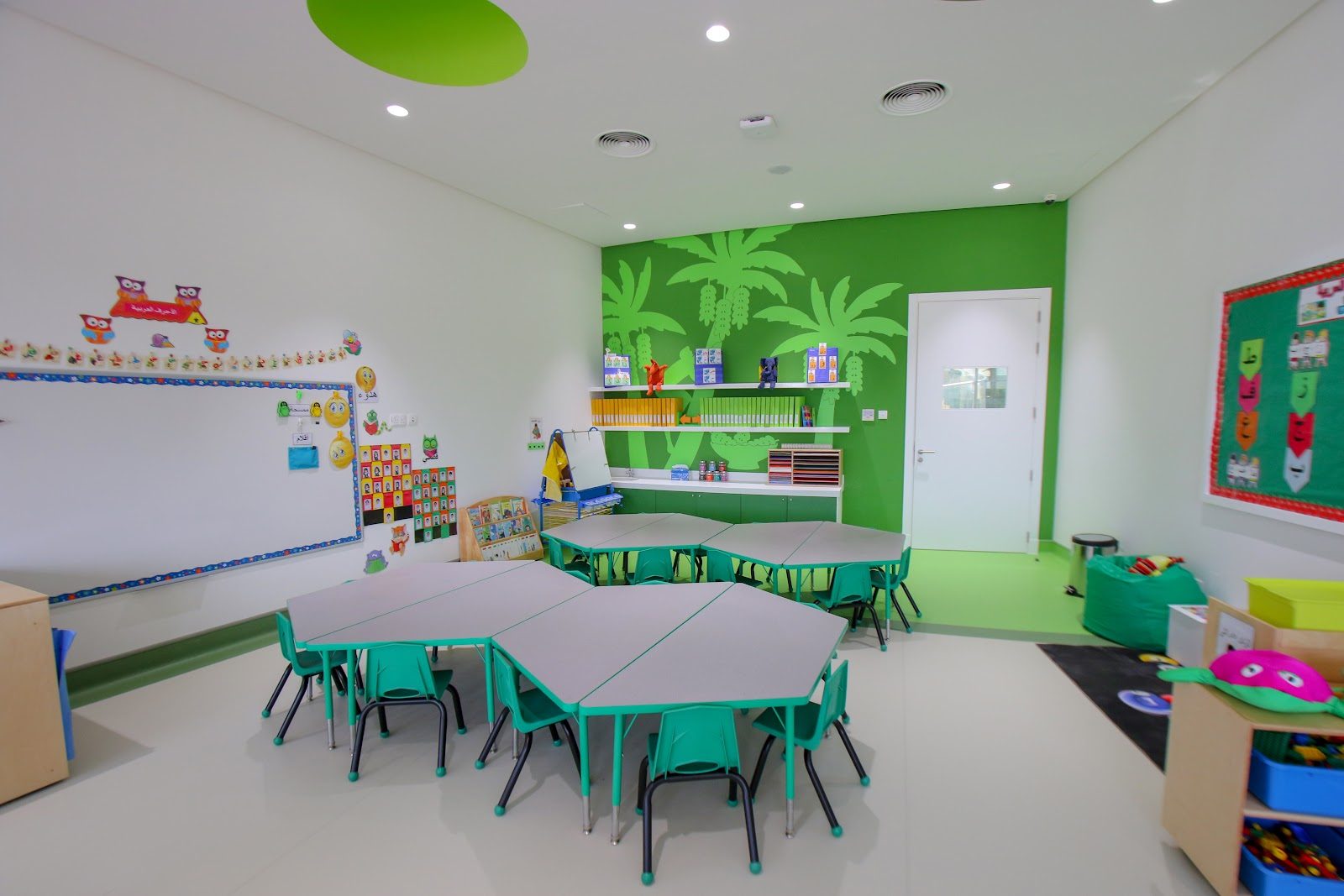
Bahrain Bayan School
Isa Town · Bahrain
Founded by parents in 1982, this Isa Town campus pairs Arabic-English bilingual roots with dual IB and American diplomas.
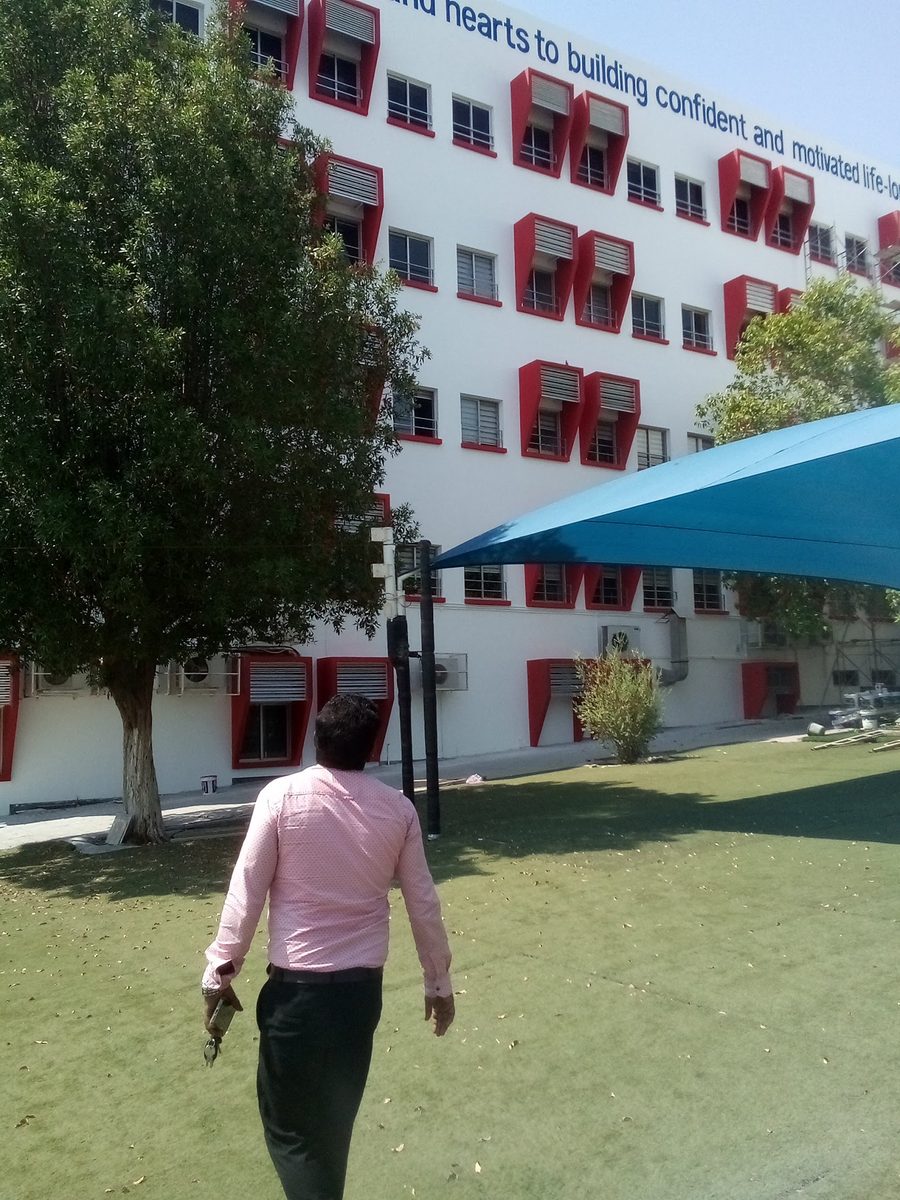
Al Hekma International School
Manama · Bahrain
Bahrain's first STEM-certified school pairs an American diploma track with an IB pathway for Manama's college-bound.
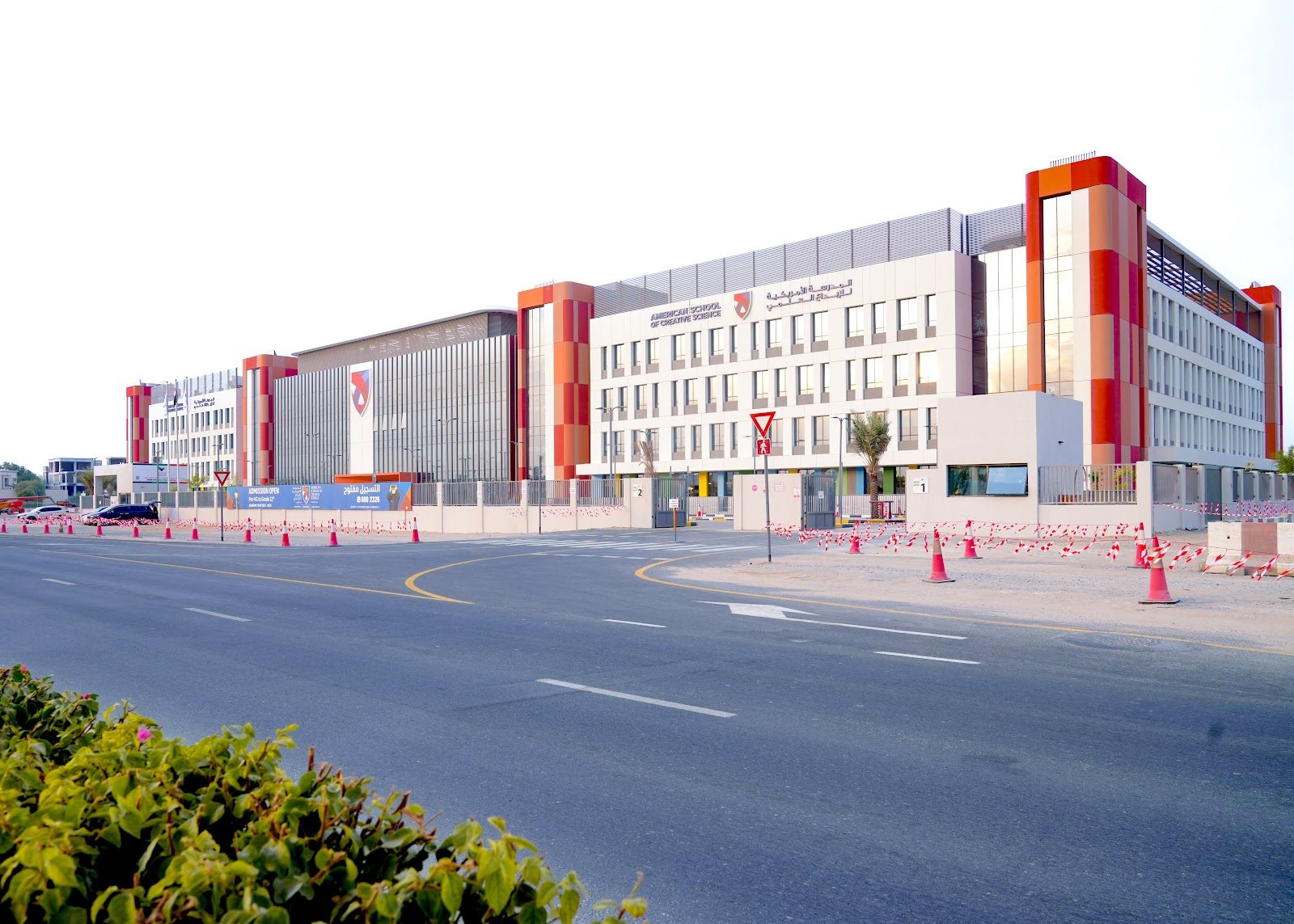
American School of Creative Science
Dubai · United Arab Emirates
Pairing California Common Core rigor with a dedicated Quran programme, this Nad Al Sheba campus is on a steady KHDA upswing
International School of Latvia
Riga · Latvia
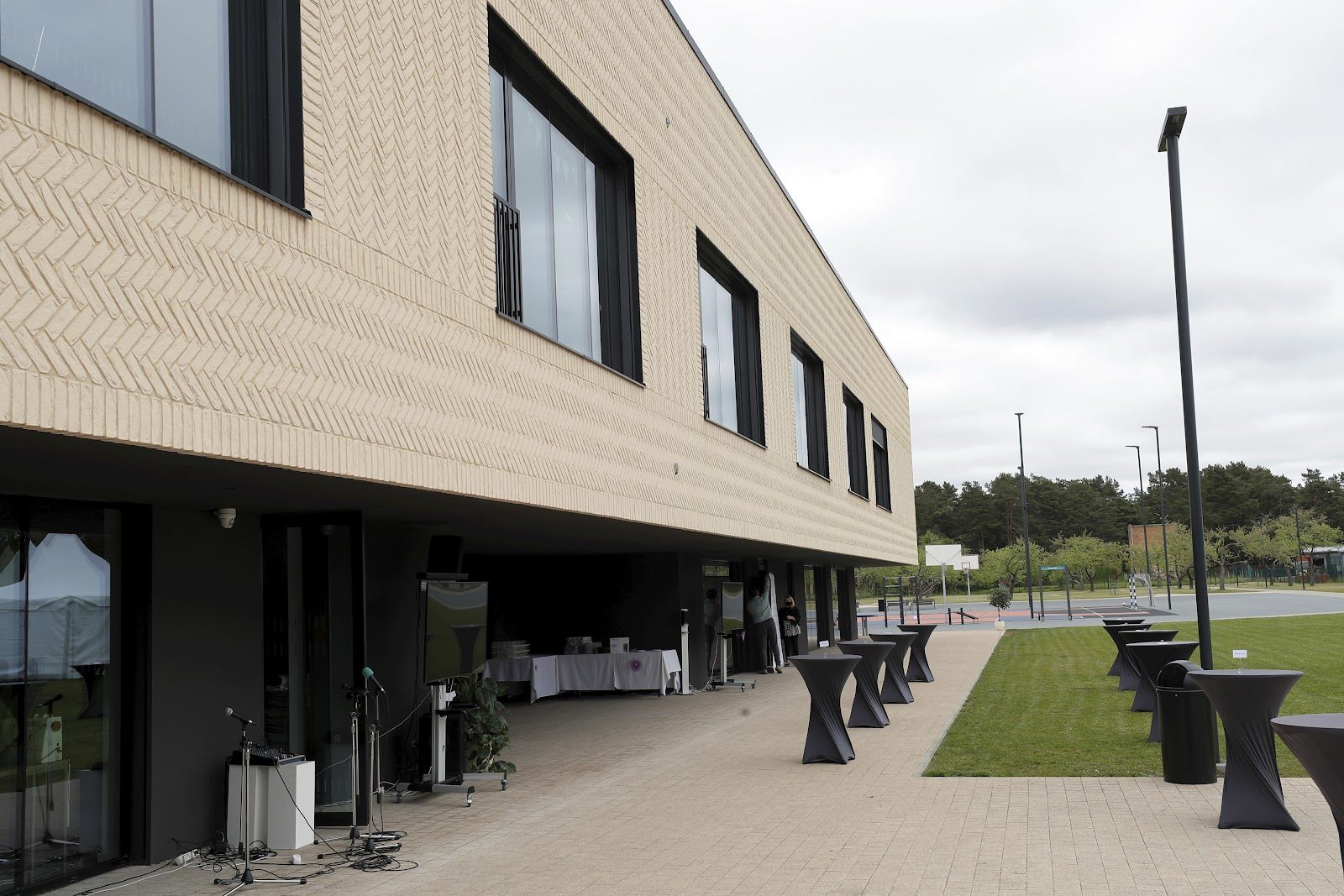
Set among green fields between Riga and Jurmala, this IB-American day school pairs a college-prep track with Baltic calm.
Same country and curriculum — closest matches within ±10 points either way