
Karen
Hillcrest International School
low confidence· 4/6 cats · 1 avg sourcesOn a 35-acre Karen campus since 1965, sixth formers choose between Cambridge A-Levels and BTEC vocational pathways.
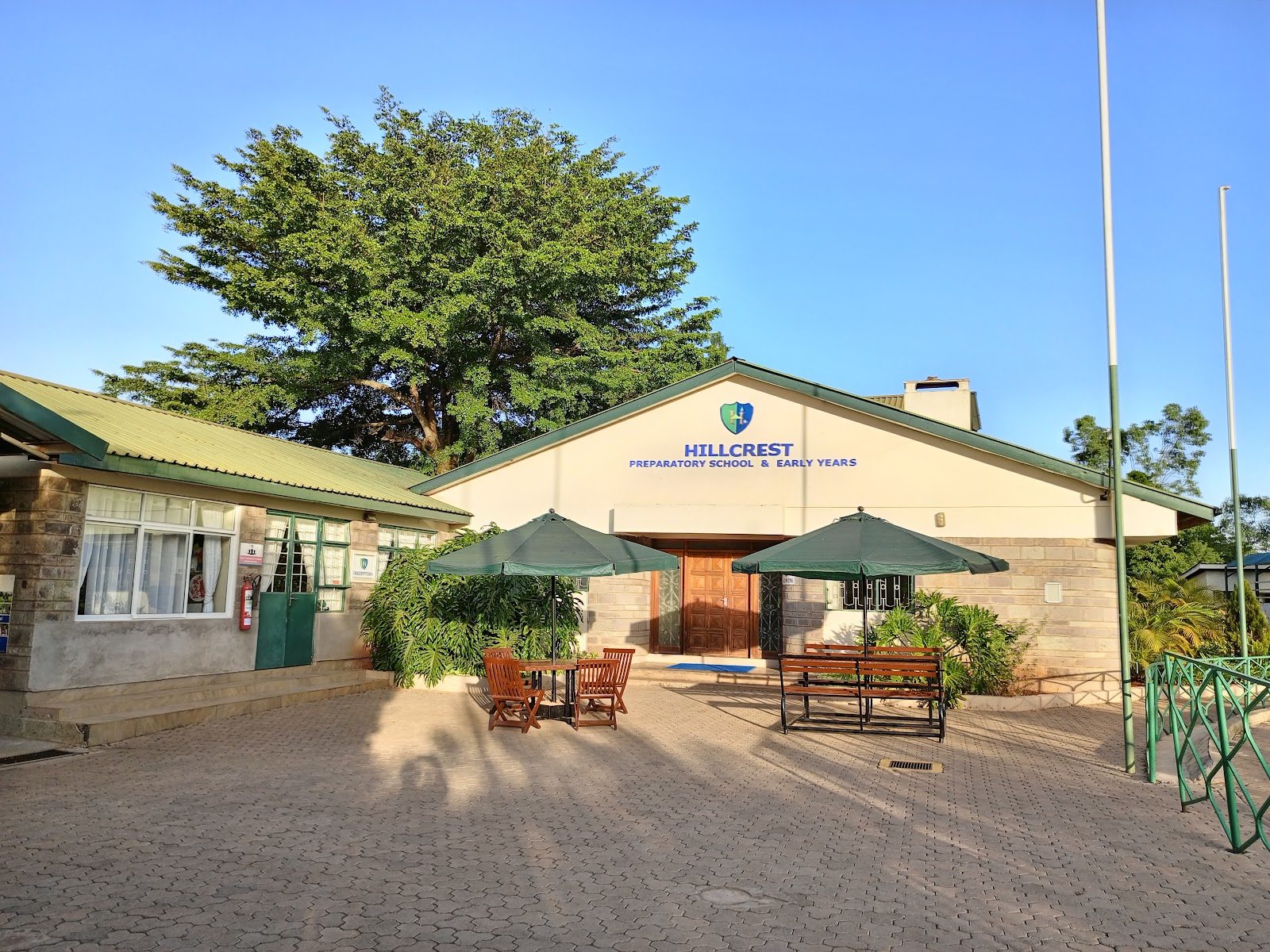
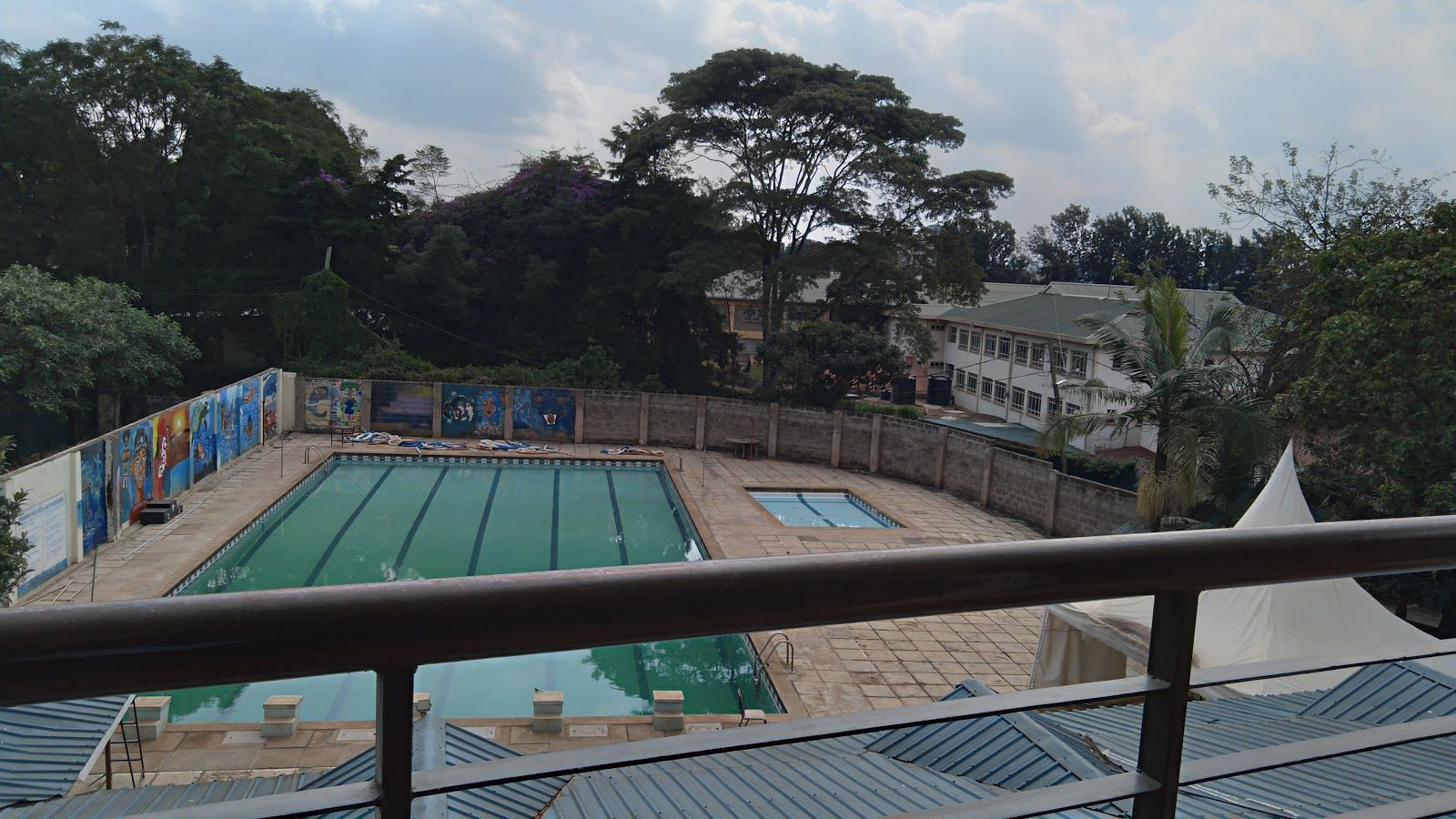
Photo © Maxwell Mbugua via Google Maps
Type
Day
Ages
3–18
Curriculum
British
Qualifications
IGCSE · A-Level
Ratio
—
The Verdict
Editor's commitment
Right for
Families in Nairobi who want a British day school on Karen’s 35-acre campus, with A-Levels or BTEC in sixth form.
Wrong for
Parents seeking boarding, religious ethos or another curriculum: Hillcrest is non-religious, day-only, and school-declared British since 1965.
Watch out for
Average annual day fees are 800,443 KSh; boarding averages 1,158,562 KSh, and the school publishes no public exam outcomes here.
Ranking breakdown
Hillcrest International School · #1210 of 1591
Composite score 57.8. 8 weighted criteria.
By criterion
Academic Outcomes
Weight 20%
#1192
of 1529 scored
University Placement
Weight 16%
#1201
of 1529 scored
Prestige & Heritage
Weight 12%
#1219
of 1571 scored
Alumni Network
Weight 12%
#835
of 1530 scored
Facilities
Weight 12%
#1164
of 1533 scored
Transparency & Communications
Weight 8%
#1197
of 1532 scored
Peer & Industry Review
Weight 10%
#1108
of 1548 scored
Admissions Selectivity & Demand
Weight 8%
#991
of 1529 scored
Peer & Industry Review
How Hillcrest International School is regarded in the sector
64
Respected · medium confidence
I could not identify at least two independent, verifiable third-party sources (e.g., Tatler, Good Schools Guide, expat forums, inspectorate reports) that substantively assess Hillcrest International School Nairobi's reputation. Any available information appears limited to school-published materials or unverifiable mentions, which do not meet the evidentiary threshold required.
Editors' overview
Hillcrest’s selling point is not novelty but range. On its 35-acre Karen campus, this Nairobi day school takes children from ages 3–18 and keeps a clear British spine all the way through, then opens up at sixth form with a choice between Cambridge A Levels and BTEC. That matters. In a market where many schools talk a good game about personalised pathways, Hillcrest actually gives older pupils an academic route and a vocational one on the same site. Founded in 1965, it also has longevity that newer entrants cannot manufacture. Parents looking for a school with institutional memory, a settled campus and a broad age range under one roof will put that high on the list.
There is also a distinct social proposition here. Hillcrest trades on inclusion, cooperation and mutual respect, and the Karen setting gives it physical room that cramped urban campuses do not have. A school on this scale can feel properly established rather than improvised. It is non-religious, teaches in English, and carries BSO and COBIS accreditation, which gives parents a useful quality marker in an international market full of loose claims. The average annual day fee across the full age range is KSh 800,443, with boarding averaging KSh 1,158,562. That places Hillcrest in the serious-fee bracket for Nairobi: not an impulse buy, but not an ultra-elite outlier either.
The strongest fit is for families who want a British curriculum without an excessively narrow, exam-only culture, and for students who benefit from a school large enough to offer options at 16 rather than force a single definition of success. The A Level/BTEC split will suit teenagers with a clear academic bent as well as those who want a more applied sixth-form track. Children who thrive in ordered, traditional school structures, value continuity from early years to sixth form, and want a genuinely international peer group will find Hillcrest compelling. Families hunting for radical progressive education, a bilingual model or a low-cost international option should look elsewhere.
Academic Performance
Hillcrest gives sixth formers two external routes, but the school does not publish the data parents need to judge either one properly. We have not seen aggregate A Level outcomes, no BTEC profile is disclosed, and there is no public breakdown showing grade distribution, cohort size, top grades, or year-on-year consistency. That leaves a real transparency gap. In a market where stronger operators publish at least headline results, that omission matters. It makes peer comparison harder than it should be and forces parents to rely on anecdote, university destinations or an admissions tour rather than a clean academic record in the public domain.
That does not place Hillcrest in the weak-results camp; it places it in the opaque-results camp. Those are not the same thing. A long-established school with a full age range and parallel post-16 pathways carries academic substance, but substance needs proof. Relative to Nairobi schools that release hard numbers, Hillcrest gives parents less to work with. Relative to schools that hide almost everything, it still benefits from a stable institutional profile and a clear examination structure at the top end. The verdict is straightforward: this is not a school you choose for brag-sheet statistics. You choose it for breadth and continuity, then press hard for destination lists, recent grade spreads and subject-level performance before signing anything.
Facilities
The headline facility is space. A 35-acre campus in Karen gives Hillcrest an advantage that many Nairobi peers do not have: room for proper separation between age groups, outdoor circulation that does not feel cramped, and the capacity to run sport, play and day-to-day school life without every corner serving three purposes at once. For parents comparing campuses, that matters more than glossy interiors. Space changes the rhythm of a school. It supports better timetabling, less congestion and a more settled, less improvised daily experience. The split contact points for preparatory and secondary also indicate a campus organised around distinct phases rather than a single block trying to do everything. Against peer schools in the city, that puts Hillcrest in the serious-estate category, not the compact urban one.
What is missing is the detail that would let parents judge how far the physical plant matches the scale. The school does not publish a clear public inventory of specialist rooms, performance spaces, sports provision, libraries, laboratories or design facilities. That is a weakness. Schools charging at this level need to show parents exactly what pupils use, not rely on the reassurance of acreage and longevity. So the facilities verdict is mixed: Hillcrest has the infrastructure advantage of land and an established site, which many competitors would envy, but the public picture lacks the specificity that marks out the best-run international schools. Book the tour and inspect the practical assets closely.
Relative to schools that hide almost everything, it still benefits from a stable institutional profile and a clear examination structure at the top end
Prestige
Hillcrest carries solid local standing rather than rarefied cachet. Its prestige rests on endurance, a broad age range, and a campus footprint that signals permanence in a city where some international schools still feel rented-in. The sixth-form structure adds weight: families know older pupils do not hit a dead end at sixteen, and that matters in status terms. So do the fees. An average day bill of KSh 800,443 and boarding at KSh 1,158,562 place the school firmly in the bracket where parents expect institutional depth, decent facilities and a peer group drawn from professional, internationally minded households. That buys recognition. It does not buy automatic elite mystique.
Why not a higher prestige rating? Because top-tier prestige in this market rests on two things Hillcrest does not put cleanly into public view: hard academic outcomes and a sharper external narrative of distinction. The school has name recognition, social credibility and the confidence of an established operator, but not the results-driven aura that turns a respected school into a first-rank status badge. For many families, that is a strength rather than a weakness. Hillcrest reads as grown-up and well-rooted, not glossy or feverishly selective. The prestige here is durable and practical: the kind that reassures parents in the car park, not the kind that dominates dinner-party conversation.
Founded in 1965, it also has longevity that newer entrants cannot manufacture
Communications
Hillcrest’s parent communication is functional, visible and narrower than the best schools now offer. The public front door does the basics: clear prompts to arrange a visit, published term dates, a named road address and separate phone and email contacts for the preparatory and secondary sections. That split matters. It tells parents whom to call rather than funnelling every question into one generic inbox, and it gives the school a more organised, less muddled feel. The site also repeats its visit invitation with unusual insistence, which reinforces a simple message: this is a school that expects families to make direct contact rather than complete the entire decision online. For some parents that feels reassuringly human; for others it reads as old-school.
The weakness is depth. We have not seen the richer communications architecture that marks out sharper operators: detailed leadership messaging, regular news flow, transparent academic reporting, or a strong bank of practical parent information online. That matters because communication is not just about being reachable; it is about reducing friction before and after enrolment. At fee levels of KSh 800,443 for day families and KSh 1,158,562 for boarding on average, parents can ask for more than phone numbers and an invitation to tour. The verdict: serviceable but thin. Hillcrest communicates well enough to start a conversation, but not well enough to answer the harder questions before a family asks them directly.
Uniqueness
Hillcrest’s real point of difference is structural breadth on one site. Few schools give children a through-school journey across a 35-acre campus, then keep enough flexibility at the top to offer two distinct sixth-form directions without forcing every teenager down the same academic track. That matters because it changes the school’s definition of success. A pupil who wants a conventional university-facing route can stay in place; so can a pupil who works better with a more applied course mix. For students, that reduces the disruption and status anxiety that often arrive at sixteen when families have to change schools to find a better fit. It also supports a more adult, less doctrinaire transition into the final years.
The other distinctive feature is tone. Hillcrest talks openly about inclusion, cooperation and mutual respect, and that ethos fits a school serving children from early years through to school-leaving age. In practice, a school with that span has to manage difference well: age difference, cultural difference, and difference in ambition and temperament. When it does, students get a community that is broader than a narrow hot-house and less brittle than schools built around pure exam prestige. That will suit families who want their children educated in a setting with institutional depth and social range, not just coached for the next set of grades.
Parents looking for a school with institutional memory, a settled campus and a broad age range under one roof will put that high on the list
Student Profile
Hillcrest suits children who do well in a school with social range and a clear communal code. The school talks in the language of inclusion, cooperation and mutual respect, and that points to a student body that is expected to function in groups rather than chase individual status at all costs. Families who want a hard-edged, hyper-competitive atmosphere are better off elsewhere. This is a stronger fit for pupils who value continuity, cope well in a mixed international community, and benefit from a school culture that prizes steadiness over show. On a campus of 35 acres, there is also room for children who need physical space in the school day rather than a compressed, high-pressure urban routine.
The best fit extends into the senior years. Teenagers who want choice at the top end, and who do not want their strengths measured by one narrow academic yardstick, will find more room to breathe here than at schools with a single sixth-form route. That makes Hillcrest a good match for students with different kinds of ambition: conventional university applicants, pupils who want a more applied course mix, and children whose confidence grows in a less brittle environment. It will also suit parents who value a grown-up, internationally minded peer group over social flash. The annual cost sets a clear filter: with day fees averaging KSh 800,443 and boarding averaging KSh 1,158,562, the intake will skew towards affluent families who can sustain that commitment over time.
Hillcrest trades on inclusion, cooperation and mutual respect, and the Karen setting gives it physical room that cramped urban campuses do not have
Co-curricular strengths
Arts & sport, on a separate axis
Overall 7.64/10
Scored 0-10 from the school's own published evidence. This axis is editorial-only — it does not feed the main WTS ranking.
Sports
8.1/10
Drama
7.8/10
Dance
7.2/10
Music
7.6/10
Visual Arts
7.5/10
Editor first-pass · editor-reviewable · 7/30/2026
Strengths
- +Delivers the English National Curriculum through to IGCSE and A-Level, giving families a recognised pathway into UK and international universities.
- +Long-established presence in Nairobi's Karen area, giving it a track record as one of the city's older international day schools.
- +Single campus structure spanning early years through secondary, which simplifies logistics for families with children of different ages.
- +Day-only model keeps the school embedded in Nairobi's expatriate and professional community rather than operating as an isolated boarding environment.
Considerations
- −As a day school with no boarding option, it is not suited to families based outside commutable distance from Karen/Nairobi.
- −British curriculum focus narrows appeal for families seeking IB, American, or bilingual pathways.
- −Public information on recent inspection outcomes, exact class sizes, and university placement data is limited, making outcomes harder to verify independently.
- −As a lower-tier/candidate-ranked school in this review system, it has less international profile or documented track record compared with Nairobi's more established international schools.
Availability
Primary entry gate & tests
Academic Record
Gallery
Photo © Grace Gichia via Google Maps
Photo © HILLCREST INTERNATIONAL SCHOOLS via Google Maps
Photo © HILLCREST INTERNATIONAL SCHOOLS via Google Maps
Photo © Dennis Mwaiseghe via Google Maps
Photo © EdwinMoses via Google Maps
Parent reviews
Have you sent your child here?
Voice reviews carry the strongest trust badge — we transcribe them for you to tidy up before they go live. Prefer to type? A written review is fine too.
Add your voice
In 60 seconds, tell other parents: what's the best thing about Hillcrest International School, and what surprised you when your child joined?
We ask for a Google sign-in so every review has a real face behind it — no anonymous drive-by attacks on schools, and no faked positive reviews. Your email is never shown publicly.
Send this profile to a friend
International parents rely on word-of-mouth. Share this review with someone weighing the same decision.
Schools with places
Similar schools to Hillcrest International School with places available now.
Availability first, then country, area, curriculum, price, co-curricular
Consider also
Also worth looking at alongside Hillcrest International School.
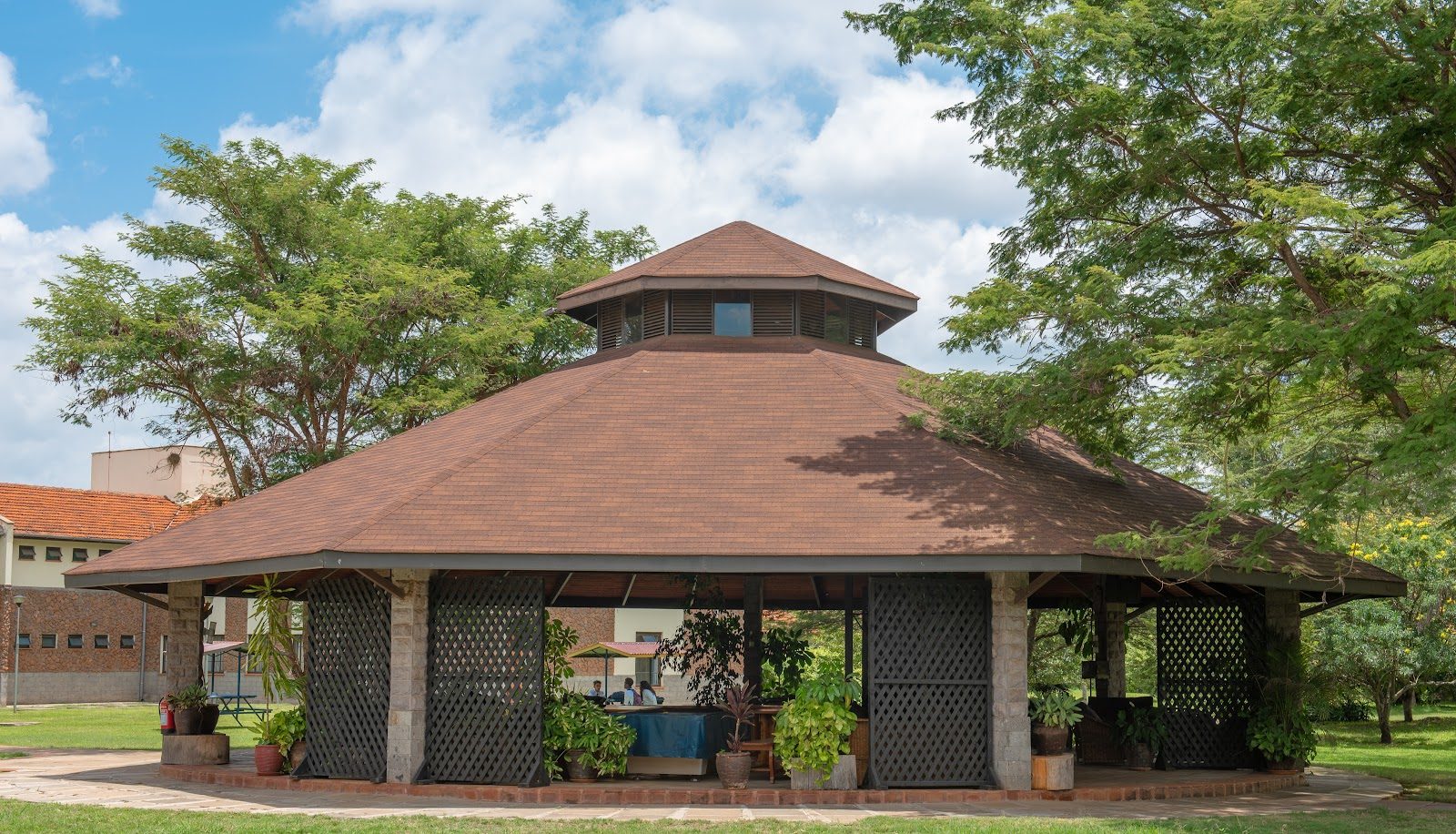
Peponi School
Ruiru · Kenya
Rift Valley lake names anchor its boarding houses, grounding a British sixth-form culture on a Nairobi ranch nearly three decades old.
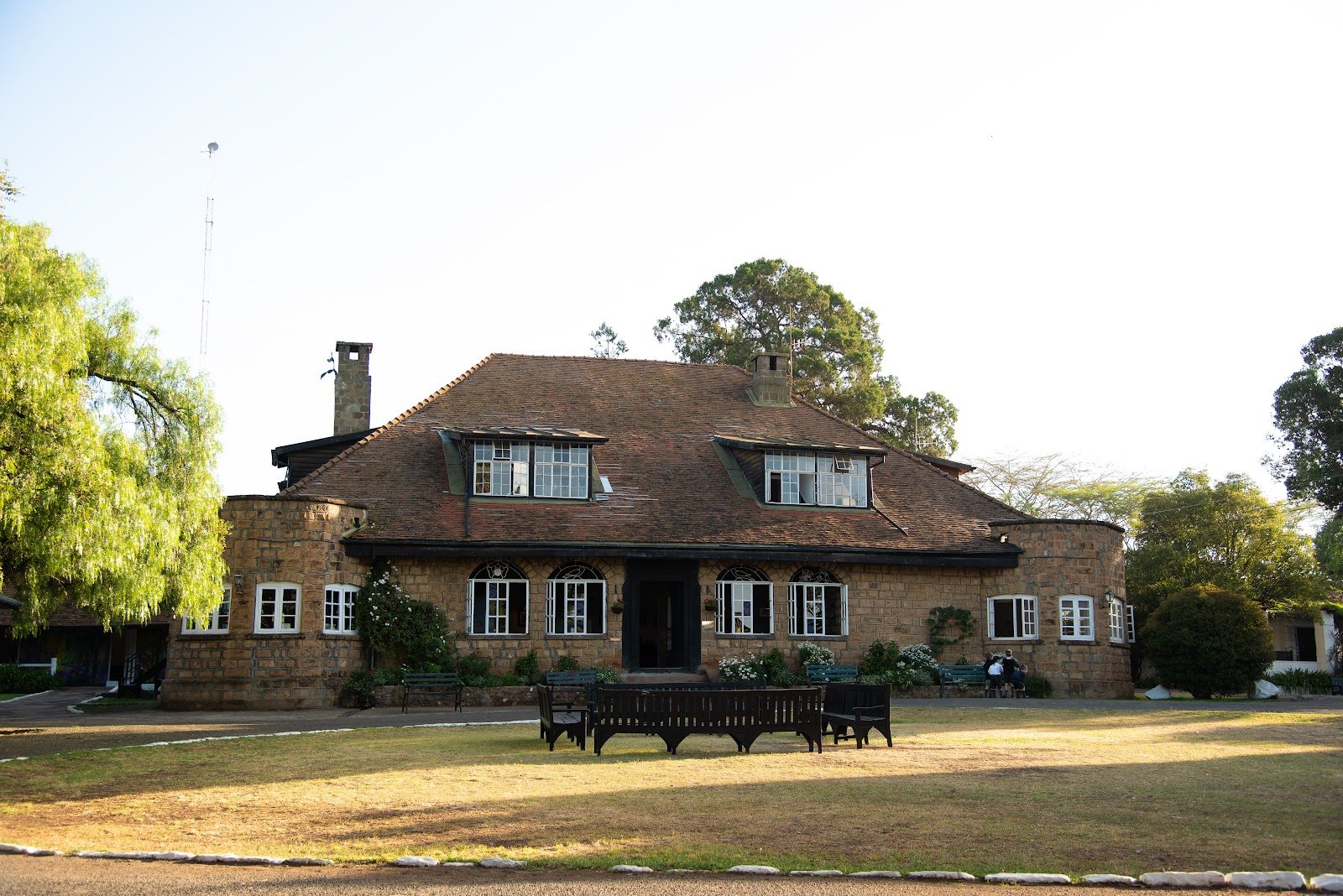
Pembroke House School
Gilgil · Kenya
Nearly a century deep in the Great Rift Valley, this British prep drills pupils through Common Entrance into top senior schools abroad.
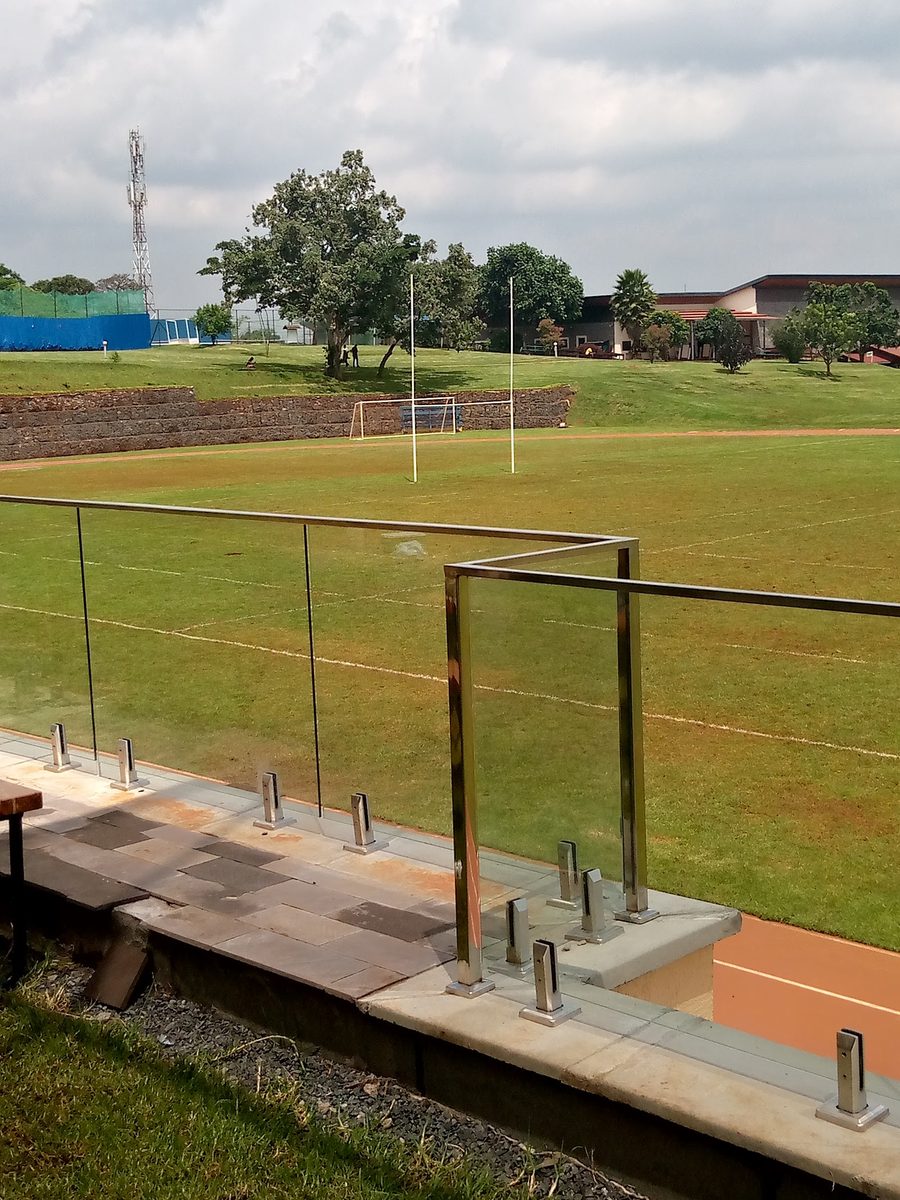
International School of Kenya
Nairobi · Kenya
Nestled on a former Nairobi coffee plantation, this embassy-backed campus channels a demanding IB pathway into global universities.
Rusinga School
Nairobi · Kenya
Named for a Lake Victoria island, this Lavington day school pairs the British curriculum with a Christian ethos dating to 1975.
Same country and curriculum — closest matches within ±10 points either way