
Virginia
Woodberry Forest School
high confidence· 6/6 cats · 3 avg sourcesAn all-boys, all-boarding community on 1,200 Piedmont acres, run on a century-old honor code and a football rivalry dating to 1901
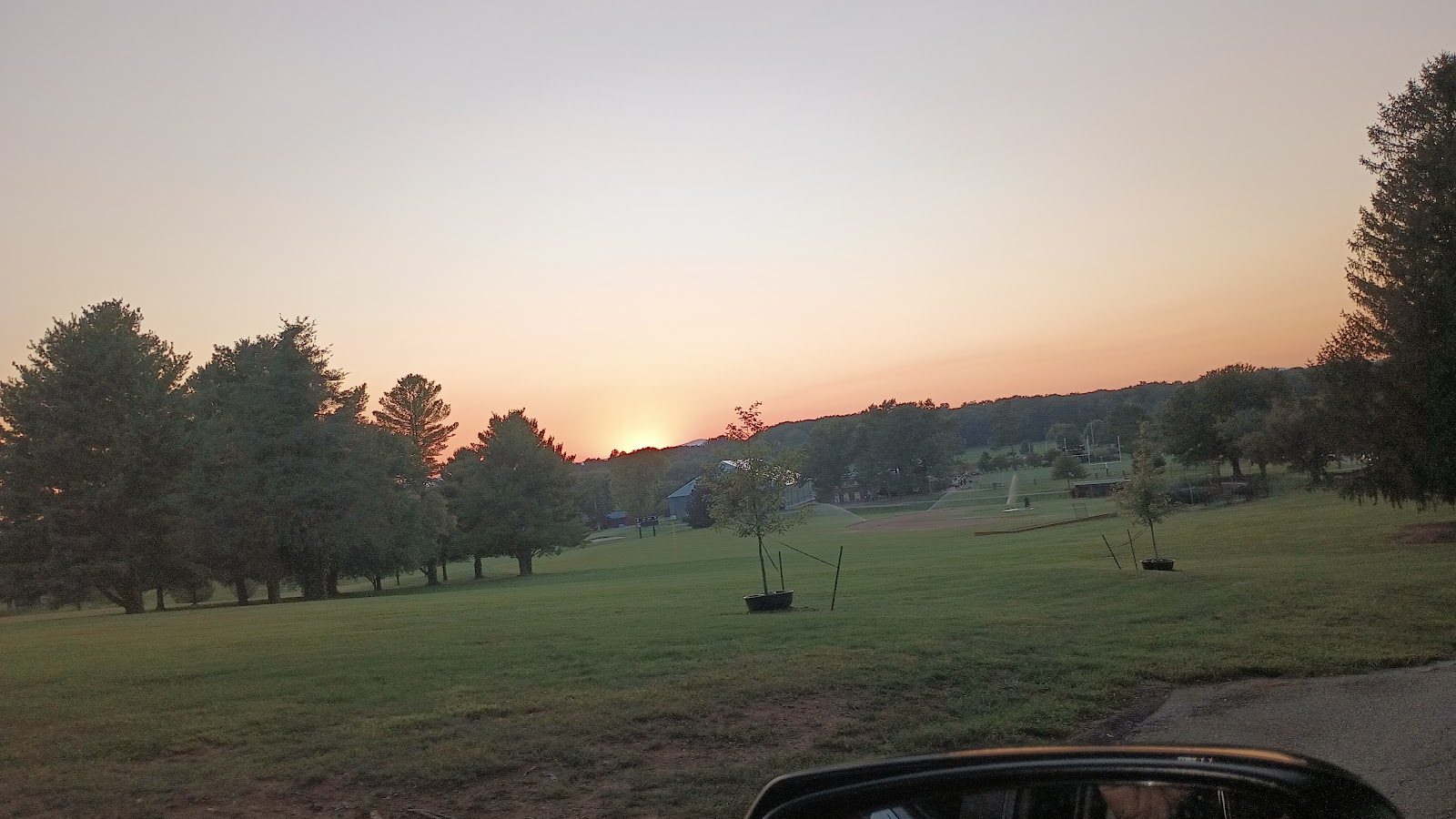
Photo © jonnn56 via Google Maps
Type
Boarding
Ages
14–18
Curriculum
American (US High School Diploma) · AP (Advanced Placement)
Ratio
5:1
The Verdict
Editor's commitment
Right for
Boys, 14–18, who want total immersion: all-boarding, all-boys, 1,200 acres, 5:1 staffing and classes of 10.
Wrong for
Families wanting day places, coeducation or a softer culture; this 1889 school runs on an honour system and residential intensity.
Watch out for
US$71,000 buys a narrow proposition: American diploma plus AP, NAIS accreditation, and a campus life that leaves little room to hide.
Ranking breakdown
Woodberry Forest School · #406 of 1591
Composite score 70.4. 8 weighted criteria.
By criterion
Academic Outcomes
Weight 20%
#668
of 1529 scored
University Placement
Weight 16%
#584
of 1529 scored
Prestige & Heritage
Weight 12%
#296
of 1571 scored
Alumni Network
Weight 12%
#158
of 1530 scored
Facilities
Weight 12%
#406
of 1533 scored
Transparency & Communications
Weight 8%
#652
of 1532 scored
Peer & Industry Review
Weight 10%
#645
of 1548 scored
Admissions Selectivity & Demand
Weight 8%
#438
of 1529 scored
Peer & Industry Review
How Woodberry Forest School is regarded in the sector
88
Strong · high confidence
Woodberry Forest is consistently ranked among the top all-boys boarding schools in the US by Niche and Boarding School Review, and is regularly grouped with elite peer institutions like Episcopal, St. Paul's, and Woodberry's traditional rival Woodberry Forest holds a strong alumni network including prominent business and political figures often referenced in Chronicle of Higher Education and other alumni press. It is frequently cited in specialist boarding school guides as a top-tier all-boys school with highly selective admissions and strong college placement outcomes.
Evidence sources
Editors' overview
Woodberry Forest occupies a narrow niche and does it with unusual conviction: an all-boys, all-boarding American secondary school on 1,200 acres in rural Virginia, with every pupil in residence and 95% of faculty living on campus. That matters. It produces a school where supervision, pastoral care, sport, teaching and social life are not separate departments but one continuous system. The scale is small enough for close adult oversight — a 5:1 student–teacher ratio and average class size of 10 — yet the campus and endowment give it the reach of a much larger institution. The defining features are plain: a student-run honour code more than a century old, a full residential model, and a culture that prizes structure, loyalty and male peer bonding. A hard-edged sense of community is the point here, not an add-on.
Academically, Woodberry offers the US High School Diploma with AP courses, backed by the sort of staffing and facilities that affluent American boarding schools can fund. It also leans heavily on the educational case for living together: faculty mentorship, study-abroad options, student fellowships, and a timetable that extends beyond lessons into dorm life, athletics, arts and service. Parents should also note what the school emphasises because it tells you how it thinks: boys, boarding, brotherhood, honour, leadership. That clarity is a strength. It is not trying to serve every type of teenager. It is built for families who want constant adult presence, old-school residential discipline and a school identity strong enough to shape daily behaviour.
The market position is distinct. Woodberry sits in the top tier of US boarding schools for families who want a boys-only environment without compromise. There are very few all-boys, all-boarding schools left in the United States, and Woodberry has the resources, history and alumni depth to make that model credible at scale. The annual boarding fee of $71,000 places it firmly in the expensive bracket, but the proposition is more coherent than at many rivals: this is not a day school with dorms attached, nor a co-ed boarding school asking boys to carve out their own space. It is a fully residential male community with a famous athletic rivalry, substantial land, and an alumni network that reaches into politics, finance, journalism and the arts. The atmosphere is intense, the traditions are thick, and the institutional self-belief is strong.
The right student for Woodberry is a boy aged 14 to 18 who wants immersion, not flexibility. He will thrive if he enjoys competition, responds to clear rules, and can live productively inside a tightly knit community where reputation matters. He does not need to be a star athlete, but he must tolerate a campus culture in which sport carries status and shared rituals carry weight. Boys who want anonymity, urban energy, or a more fluid social environment will find the setting restrictive. Boys who want a disciplined brotherhood, high-contact mentoring and a contained world with real stakes will find one of the clearest boarding propositions in the American market.
Academic Performance
Woodberry does not publish the one set of figures parents need for a clean academic verdict: aggregate AP results, mean scores, score distribution, or a full university-matriculation breakdown. That opacity matters. In the top tier of American boarding schools, the stronger operators disclose at least some hard attainment data, even if selectively. Woodberry asks families to trust the broader proposition — rigorous teaching, close faculty contact, selective college destinations, fellowships and enrichment — without putting a public results table beside it. For a school with this level of resource and confidence, that is a conspicuous omission.
That said, there are credible indicators of academic seriousness. The school profile sits within a highly selective-college pipeline, the academic structure includes advanced courses, and the residential model gives staff unusual control over study habits and intervention. Small classes and constant adult oversight support strong performance, and the scale of the alumni footprint adds weight to the claim that graduates do well over time. Relative to peers, then, Woodberry fits best in the group of high-status, tradition-heavy US boarding schools whose reputation exceeds their published exam transparency. The school’s academic standing is clearly strong; its public reporting is not. Parents who want proof rather than prestige should ask for recent AP score distributions, college lists across several years, and evidence of outcomes beyond headline admits.
Facilities
Facilities are one of Woodberry’s strongest cards because the campus is not a decorative backdrop; it is the operating system of the school. The standout assets are the land itself, the residential estate, and the athletic plant. A boys’ boarding school with every pupil on site needs dorms that do more than warehouse teenagers, and Woodberry’s whole setup is built around that reality. The school also has unusual outdoor depth: a nine-hole Donald Ross golf course, miles of mountain-biking trails, and a stretch of the Rapidan River running through school land. Few peer schools can match that combination of organised sport and serious access to open ground. For families who value confinement, bustle and city culture, that reads as remote and narrow. For families who want boys outdoors and under watch, it is a clear institutional advantage.
Beyond sport, the school points to collegiate-level arts facilities, a gallery, library infrastructure, and a dedicated academic support centre. Those matter, but the public emphasis falls far more heavily on athletics and residential life than on laboratories, design spaces or specialist academic centres. That imbalance does not mean weak provision; it means the school advertises what it values. Against peer American boarding schools in the same fee bracket, Woodberry sits near the top for sheer campus scale and outdoor resources, and in the solid upper tier for arts and academic support. It does not read as a laboratory-driven or urban-opportunity campus. It reads as high-control, high-space, sport-forward boarding with facilities to match a fee of $71,000.
Woodberry sits in the top tier of US boarding schools for families who want a boys-only environment without compromise
Prestige
Woodberry carries real prestige in the American boarding market because its identity is so narrow and so fully executed. There are only a handful of schools in the country that combine a boys-only intake with a wholly residential structure, and Woodberry has the money, land, alumni reach and institutional confidence to make that model hold. The scale of the endowment — $432,000,000 in managed funds — puts it in rare company. So does the alumni record: at least 59 notable former pupils catalogued in Wikidata, with heavy representation in politics, finance, journalism and scholarship. That is not decorative prestige; it is the kind that feeds internships, introductions and social proof long after graduation. The school’s famous rivalry culture and old honour tradition add another layer of old-establishment cachet that many American families still value.
The prestige is strongest with a specific audience. For parents who want co-education, urban sophistication or a more relaxed social mix, Woodberry’s brand narrows fast. For families who prize *elite East Coast boarding-school tradition, male camaraderie, and a high-control residential culture*, the name carries serious weight. It reads as selective, well-connected and deeply embedded in the older American prep-school network. The limitation is plain: this is not prestige built on public academic transparency. It rests on history, resources, alumni power and institutional distinctiveness more than on published attainment data. That still makes Woodberry a high-prestige school. It does not make it above scrutiny.
In the top tier of American boarding schools, the stronger operators disclose at least some hard attainment data, even if selectively
Communications
Woodberry communicates like a school that expects families to stay inside its orbit. The parent-facing architecture is dense: calendar, transportation manual, livestreamed events, tuition payments, giving, reunion and regional events, transcript requests, college-counselling newsletters, and a parent login all sit in plain view. That breadth matters because this is a fully residential school with a strong internal culture; parents need systems, not sentiment. On that front, Woodberry looks organised. The site also shows a school comfortable with ongoing visibility into student life, from athletics schedules and livestreams to departmental listings and news. With all students on campus and 95% of faculty living there, communication has to bridge distance without pretending parents are in the room. Woodberry’s setup does that in a structured, institution-first way.
The limitation is tone. The public messaging leans hard on brotherhood, honour, leadership and belonging, with a lot of polished conviction and little hard operational candour about pain points, complaints channels or how the school handles conflict when the honour system fails. That does not mean weak communication; it means message discipline. Parents who value clear logistics and regular access to school life will find a well-drilled machine. Parents who want transparent public reporting on outcomes, fuller policy detail, or a less curated account of boarding reality will find gaps. In short: strong on channels, strong on consistency, guarded on scrutiny.
Uniqueness
What makes Woodberry distinct is not one feature but the closed-loop design of the whole school. Boys live where they study, train and socialise; staff live alongside them; and the place is governed by a student-run honour code old enough to shape institutional reflexes rather than decorate a prospectus. Add an all-male intake and you get a school with very little social drift. The rules, rituals and expectations all point in the same direction. That gives students unusual consistency. It also creates pressure. In a community this tight, reputation travels fast, privacy is thin, and mistakes carry weight. For the right boy, that produces serious self-command. For the wrong boy, it can feel confining.
The other differentiator is scale used for immersion rather than spectacle. A campus of 1,200 acres with an enrolment under 400 gives boys room to move physically while keeping the social world contained. That matters more here than at schools where boarding sits at the edge of the model. Woodberry can fold outdoor life, sport, dorm culture, service, study abroad and even investment work for the school endowment into one high-contact, high-accountability experience. The benefit is maturity earned through daily practice, not slogan. Boys learn to manage freedom inside a structure that watches closely and remembers everything. That is unusually formative — and *not for families seeking looseness or reinvention*.
It rests on history, resources, alumni power and institutional distinctiveness more than on published attainment data
Student Profile
The Woodberry boy is not hard to identify. He is comfortable in a male peer group, accepts public standards of conduct, and does not need a school to blur lines between school life and private life. With students drawn from 34 US states and 36 countries, the intake is not socially narrow in origin, but the culture is narrow by design: boys live inside one institution with a clear code, strong rituals and little room for detachment. A student who needs frequent escape, loose supervision or social anonymity will struggle. A boy who likes being known by teachers, challenged by other boys and held to account every day will do well. This is a school for the thick-skinned, the competition-minded and the community-compliant.
Athletes fit easily here, but the profile is not limited to athletes. The better fit is a boy who can handle intensity across the whole day: lessons, dorm life, sport, commitments, scrutiny. He does not need swagger, but he does need stamina and a willingness to join in. The school’s financial aid reach — 41% of students receive support — also tells you the student body is not reserved for one income bracket, even at this fee level. Still, the dominant social currency rests with boys who buy into the place rather than stand apart from it. For reflective, independent-minded students, that can be deeply formative. For boys who resist conformity, it can be claustrophobic, high-pressure and not for the faint-hearted.
That is unusually formative — and not for families seeking looseness or reinvention
Co-curricular strengths
Arts & sport, on a separate axis
Overall 8.26/10
Scored 0-10 from the school's own published evidence. This axis is editorial-only — it does not feed the main WTS ranking.
Sports
9.8/10
Absolute all-boys athletic force on a massive 1,200-acre Virginia estate; home to historically dominant football, track, and lacrosse programs.
Drama
8.8/10
Ambitious theater curriculum staging large-scale classical and contemporary plays inside their primary performing arts spaces.
Dance
4.5/10
Maintained strictly as a minor auxiliary component for stage movement in musical theater rather than an independent elective.
Music
9.2/10
Robust private vocal and instrumental infrastructure feeding active jazz big bands and full symphonies.
Visual Arts
9/10
Studio-intensive fine arts focus housed within custom studio environments, prioritizing landscape painting and portfolio layout.
Editor-verified · 8/6/2026
Notable alumni · Wikidata
59notable alumni
25 historic (born pre-1930) · 8 modern (born post-1970)wikidata:2026-08-02 How we source this
Strengths
- +Founded in 1889, Woodberry Forest is one of the few remaining all-boys, all-boarding schools in the United States, with a 1,200-acre campus in rural Virginia.
- +Very small classes and a low student-teacher ratio (average class size around 10-14 students, ratio near 6:1) allow close faculty contact.
- +The school meets 100 percent of demonstrated financial need for admitted boys, with roughly 41-46 percent of students currently receiving tuition assistance.
- +A substantial endowment (reported at $432 million as of mid-2023) underwrites more than half the true cost of each student's education.
- +The century-old, student-run honor system is central to campus culture and is frequently cited as a distinguishing feature of the school.
Considerations
- −The school is single-sex (all-boys), which removes it from consideration for families seeking a coeducational environment.
- −Its rural Madison County location, while within reach of Washington, D.C., Charlottesville, and Richmond, means no on-campus access to a major city, which can matter for international families used to urban day-to-day amenities.
- −Boarding tuition for 2025-2026 is $69,850, a significant recurring cost before any additional fees for international student services.
- −Reported acceptance rates in the high-40s to low-50s percent range make it less academically selective at the point of entry than several peer boarding schools, which may affect brand positioning for status-conscious applicants.
Availability
Primary entry gate & tests
SSAT/ISEE + Interview (Boys)
Gallery
Photo © Artem Tartakovskyi via Google Maps
Photo © Artem Tartakovskyi via Google Maps
Photo © Woodberry Forest School via Google Maps
Photo © Woodberry Forest School via Google Maps
Photo © Artem Tartakovskyi via Google Maps
Photo © Woodberry Forest School via Google Maps
Photo © Woodberry Forest School via Google Maps
Parent reviews
Have you sent your child here?
Voice reviews carry the strongest trust badge — we transcribe them for you to tidy up before they go live. Prefer to type? A written review is fine too.
Add your voice
In 60 seconds, tell other parents: what's the best thing about Woodberry Forest School, and what surprised you when your child joined?
We ask for a Google sign-in so every review has a real face behind it — no anonymous drive-by attacks on schools, and no faked positive reviews. Your email is never shown publicly.
Send this profile to a friend
International parents rely on word-of-mouth. Share this review with someone weighing the same decision.
Schools with places
Similar schools to Woodberry Forest School with places available now.
Episcopal High School
Alexandria · United States
- 2026-27
- CLOSEDRegular cycle closed
- 2027-28
- OPENS SOONOpens Sept '26
Thomas Jefferson High School for Science and Technology
Alexandria · United States
- 2026-27
- CLOSEDStandard route
- 2027-28
- OPENS SOONOpens 5 Oct '26
Availability first, then country, area, curriculum, price, co-curricular
Consider also
Also worth looking at alongside Woodberry Forest School.
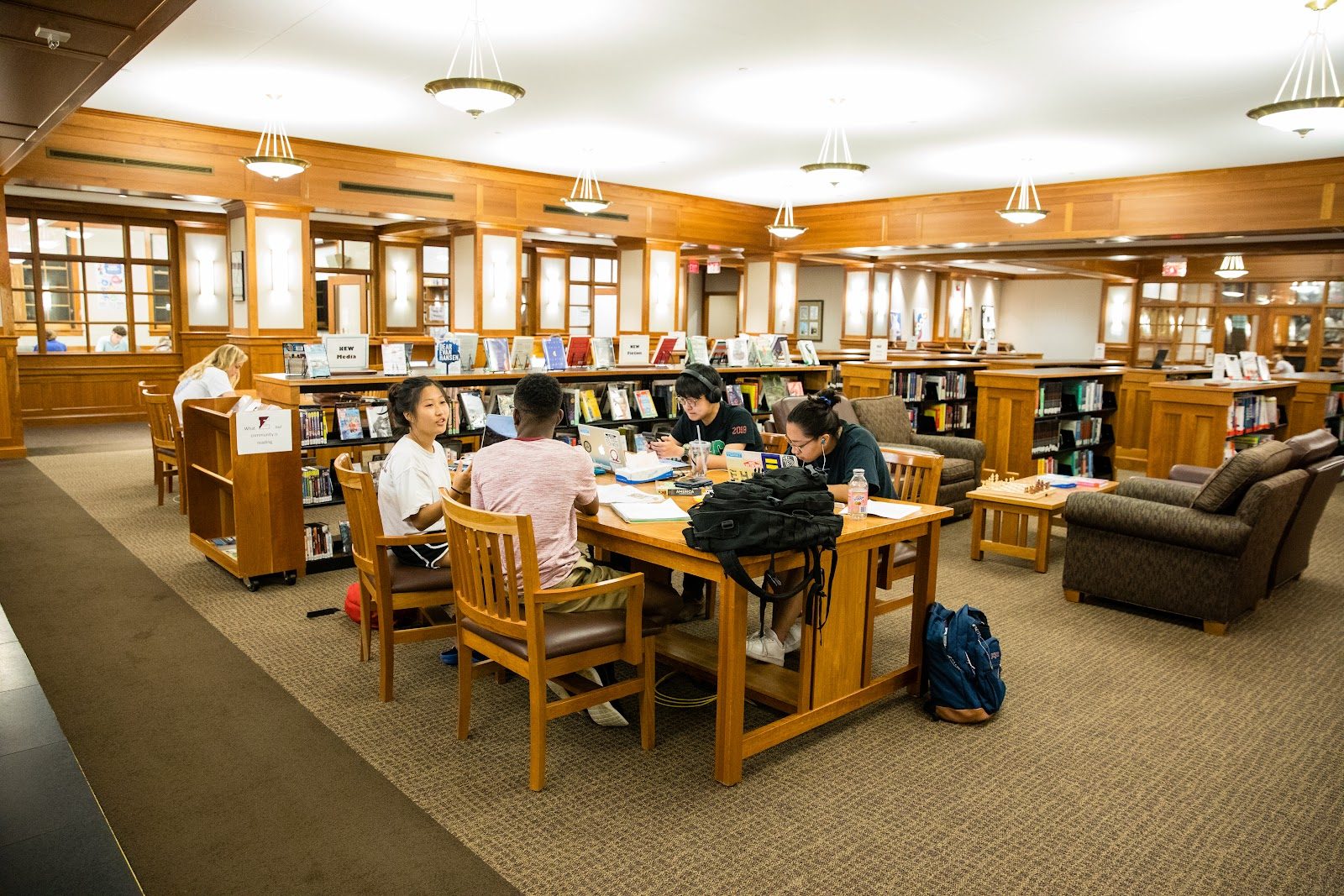
Episcopal High School
Alexandria · United States
A 130-acre hilltop campus 10 minutes from the Capitol, running America's only fully residential school of its caliber in a major metro area.

Ransom Everglades School
Miami · United States
On Biscayne Bay since 1903, where sailing and marine science turn the water itself into a classroom
The Hill School
Pottstown · United States
Born in 1851 as the nation's first family boarding school, still pairing faculty and students under one roof on a Pottstown hilltop.
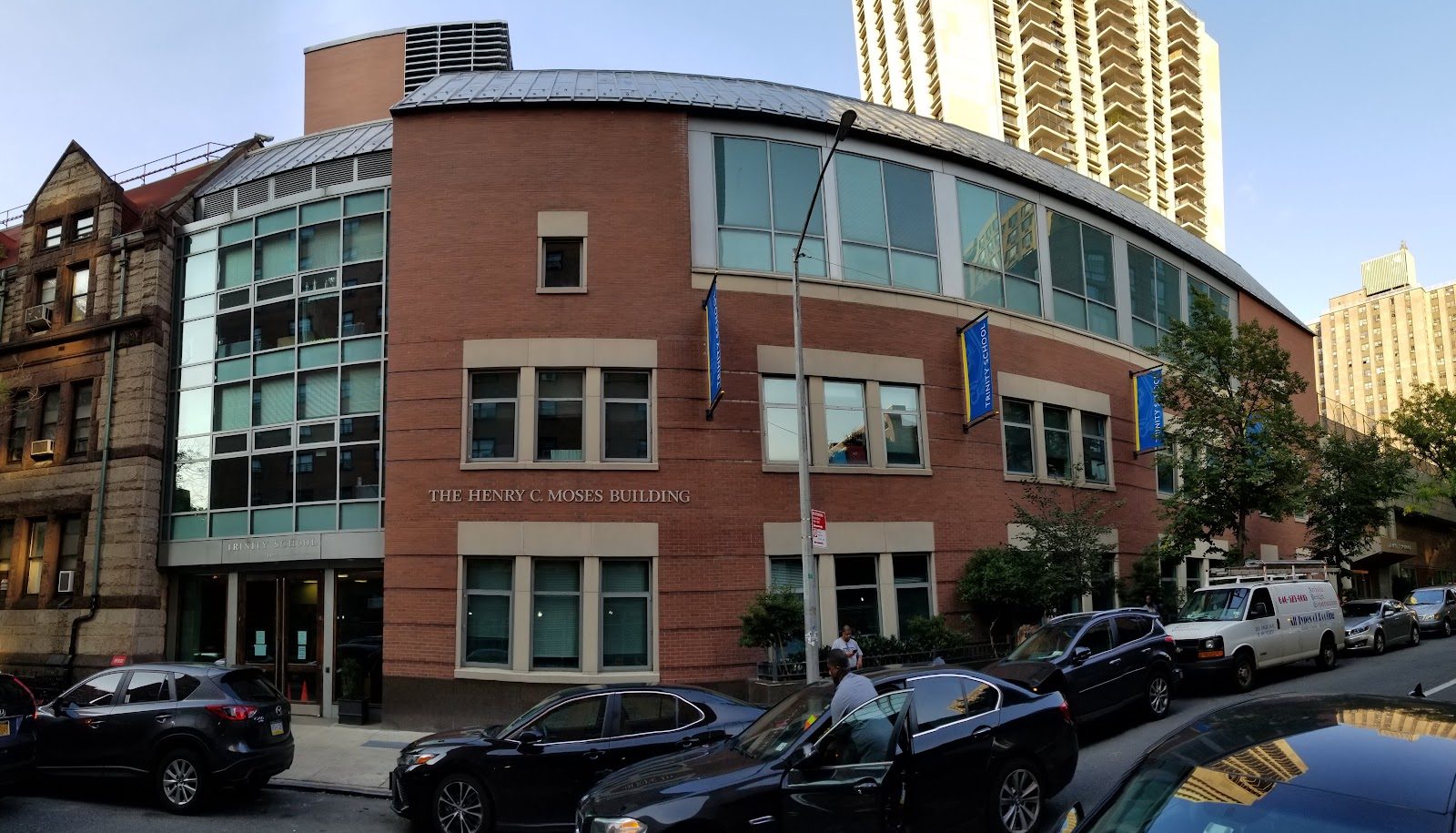
Trinity School
New York City · United States
Founded in 1709 as a charity school, now the oldest continuously operating school in New York City, still built on a rare full Classics department
Same country and curriculum — closest matches within ±10 points either way