
California
Troy High School
low confidence· 3/6 cats · 2.75 avg sourcesHome to Troy Tech, Orange County's original STEM magnet, pairing a four-year technology curriculum with a required senior-year industry internship.
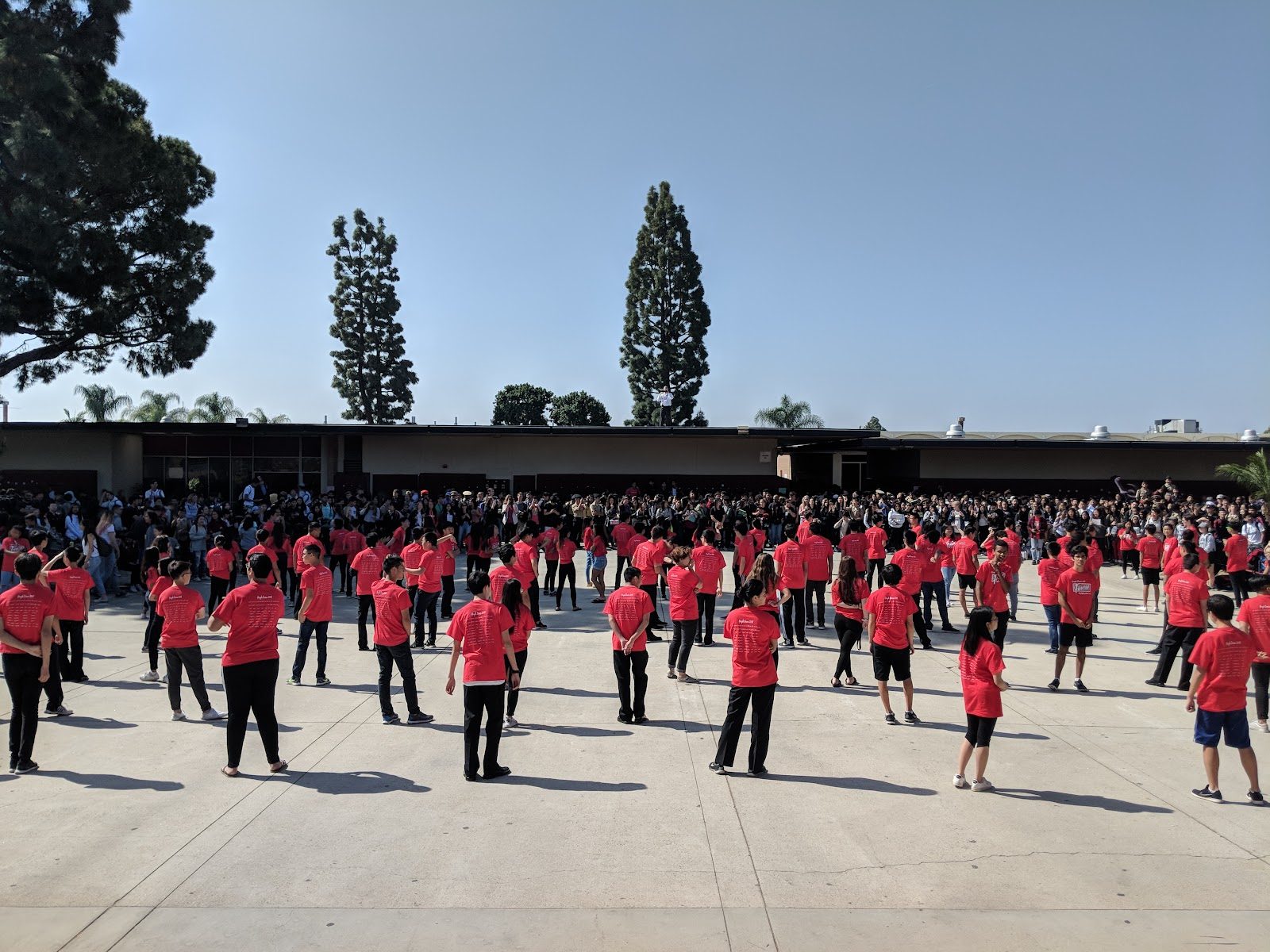
Photo © Daniel Jeong via Google Maps
Type
Day
Ages
13–18
Curriculum
American
Qualifications
AP · US High School Diploma
Ratio
1:24
The Verdict
Editor's commitment
Right for
Students aged 13–18 who want Troy Tech’s four-year technology curriculum and a required senior-year industry internship, not a generic American high school.
Wrong for
Families wanting low-contact teaching or close pastoral oversight; a 1:24 student/teacher ratio is big, and this is a day school only.
Watch out for
Founded in 1963 in Fullerton, Troy trades breadth for intensity: the STEM magnet identity dominates, and the school does not publish outcomes here.
Ranking breakdown
Troy High School · # of 1591
Composite score 70.4. 8 weighted criteria.
By criterion
Academic Outcomes
Weight 20%
#92
of 1533 scored
University Placement
Weight 16%
#219
of 1529 scored
Prestige & Heritage
Weight 12%
#1005
of 1580 scored
Alumni Network
Weight 12%
#718
of 1530 scored
Facilities
Weight 12%
#1113
of 1540 scored
Transparency & Communications
Weight 8%
#358
of 1547 scored
Peer & Industry Review
Weight 10%
#524
of 1564 scored
Admissions Selectivity & Demand
Weight 8%
#282
of 1529 scored
Peer & Industry Review
How Troy High School is regarded in the sector
70
Respected · medium confidence
Among Orange County's public magnet cohort, Troy is most often bracketed with Fullerton's own Oxford Academy and Irvine's University High and Northwood, against which it competes annually at Academic Decathlon and Science Olympiad state finals - a rivalry tracked through the California Department of Education's dashboard and local education reporting rather than any glossy independent guide. US News & World Report and Niche.com, the main arbiters US families consult in place of a Good Schools Guide-style review, place Troy consistently in the top tier of Californian public high schools, citing AP participation rates and Troy Tech outcomes. UC and Caltech admissions staff informally regard Troy Tech as a reliable STEM feeder, though this recognition is anecdotal rather than published. Troy rarely features in international independent-school press or private-school peer-conference circuits, reflecting its status as a public rather than private institution: its standing is domestic, competition-based and data-driven rather than reputational in the traditional private-school sense.
Editors' overview
Troy High School, founded in 1963 in Fullerton, is a public American day school with a clear identity: this is a place for academically serious teenagers who want STEM woven into the core of school life, not bolted on as an after-school extra. Its distinguishing asset is Troy Tech, Orange County’s original STEM magnet, built around a four-year technology sequence and a compulsory senior-year industry internship. That combination gives the school a sharper vocational edge than the standard high-achieving suburban high school. The proposition is hard-edged, purposeful and unusually coherent: students do not just study science and computing, they follow a structured route that pushes those disciplines towards application.
For parents, the attraction sits in that structure. A teenager with a strong appetite for mathematics, engineering, computing or applied science gets a school that has already organised itself around those interests. The internship requirement matters. It turns abstract academic ambition into contact with professional settings before graduation, and that carries more weight than a generic “innovation” slogan. The trade-off is obvious. This is not the right fit for a child who wants a loose, exploratory secondary education with equal emphasis across every field. With a student–teacher ratio of 1:24, individual attention also depends on a pupil’s willingness to seek it out. The school’s appeal rests less on pastoral intimacy and more on intellectual momentum, technical seriousness and clear direction.
Troy belongs on a shortlist for families who want a non-religious, English-medium American school for ages 13–18 that treats STEM as a central organising principle. The ideal student is disciplined, competitive, resilient and happy in an environment where ambitious peers set the pace. A teenager who enjoys solving problems, building things, coding, testing ideas and working towards concrete outcomes will find genuine traction here. A student whose strengths sit in the arts, or who needs a softer, more nurturing pace, may find the culture too narrow or too exacting. For the right child, though, the draw is serious opportunity and early exposure to the world of work delivered through a programme with a defined spine.
Academic Performance
Troy’s academic reputation rests on selectivity, peer competition and the demands of its STEM track, but the school does not publish the examination data that would let parents test that reputation properly. We have not seen aggregate SAT, ACT, AP or IB figures in the public domain for this listing, and that matters. In a school that trades on technical seriousness and high-pressure ambition, hard outcome data should be easy to find. Without it, any claim of academic standing sits on reputation rather than transparent proof. That does not put Troy in weak company; many strong American public schools remain uneven in how they publish results. It does place Troy in the group of schools where parents need to ask for exact numbers rather than accept a halo.
Relative to peers, the school fits the high-achieving public magnet mould more than the standard neighbourhood comprehensive. The existence of a specialist technology pathway and a compulsory work placement points to a student body working at a faster clip than the district norm. That said, external examination success cannot be ranked cleanly against rival US schools without published score distributions, subject entry patterns and top-end attainment rates. The school’s academic profile reads as demanding, competitive and results-conscious; its public reporting is less rigorous than that profile warrants. For data-minded families, that gap is the central issue.
Facilities
The school’s most important facilities are the ones tied to its specialist technology identity: spaces for computing, engineering and applied project work matter more here than ornamental campus extras. That focus places Troy in stronger territory than the average American public high school, where STEM branding often outruns the physical plant. A programme built around a four-year technology sequence and a compulsory internship needs rooms that support sustained technical work, not just standard science classrooms with updated posters. The weakness is disclosure. The school does not publish a clear, detailed public account of its labs, workshops, specialist equipment or arts and athletics provision, so parents cannot judge depth, upkeep or access with confidence. For a school with a hard-driving academic brand, that opacity is a real shortcoming.
Against peer magnet and high-performing suburban public schools, that leaves Troy in an awkward middle ground. The specialist track points to serious functional provision, and the school’s reputation would not hold without credible teaching spaces behind it. But top-tier peers now show parents exactly what that means: named labs, current kit, making spaces, research facilities, performance venues and sport infrastructure. Troy does not do that in public. The result is a facilities picture that reads as purpose-built rather than lavish, with value concentrated in STEM rather than in a broad campus showcase. Parents interested in robotics, computing or engineering should ask direct questions about lab access, equipment refresh cycles and whether specialist spaces serve all students or a select cohort within a 1:24 public-school setting.
A student at Troy benefits from association with a demanding environment and a flagship magnet programme that has genuine substance behind it
Prestige
Troy carries real prestige within its niche, not broad-brush glamour across every measure of American secondary education. Its standing rests on a hard-earned local reputation for academic intensity, selective pathways and students who choose challenge over ease. The school’s specialist technology track gives it a sharper public identity than the average US public school, and that matters: prestige in this market comes from distinctiveness, not polished branding. Among families who value STEM, problem-solving and competitive peer culture, Troy has serious name recognition. Outside that circle, the badge carries less universal weight than the most famous private independents or nationally dominant exam factories. This is earned prestige, tied to what students do, not to exclusivity by fee level or social cachet.
That is why the rating sits in the strong rather than exalted tier. A student at Troy benefits from association with a demanding environment and a flagship magnet programme that has genuine substance behind it. The required work placement adds practical credibility that many academically selective schools lack. At the same time, prestige needs transparent outcomes to hold full force, and Troy does not publish the aggregate score data that would let parents measure its claims against other high-performing schools. The staffing ratio of 1:24 also points to a large-scale public-school environment, not a rareified institution built around close adult attention. Troy’s prestige is real, but it is specialist prestige: strongest with families who know exactly what this school is for.
The flagship programme gives students a four-year sequence and then sends them into a compulsory industry placement before they leave
Communications
Troy’s parent communication does not match the sharpness of its academic identity. The school has a functioning public website, but it does not give parents the level of operational clarity that a demanding, specialist secondary school needs. We have not seen a strong public habit of publishing the sort of information that reduces friction for families: detailed outcome data, a granular account of facilities, or a crisp explanation of how core programmes work in practice beyond the headline proposition. That matters because a school with a high-pressure culture and a specialist pathway asks parents to commit early and commit hard. Communication in that setting needs to be exact, timely and concrete, not just serviceable.
The implication is straightforward: day-to-day communication with enrolled families may be perfectly competent, but the school’s outward communication is less transparent than it should be. For current parents, that can still work if internal channels are disciplined and responsive. For prospective parents, it leaves too much to inference, personal networks and direct enquiry. In a large public-school environment with a 1:24 staffing ratio, clear communication is not a cosmetic extra; it is basic infrastructure. Troy communicates enough to establish its identity, but not enough to give families a full, hard-edged picture of what life there actually entails. The result is communication that is credible but incomplete.
Uniqueness
What makes Troy distinct is not STEM branding in the loose American sense, but a magnet structure with a built-in route from classroom study to actual work. Plenty of schools offer coding clubs, robotics teams or advanced science classes. Troy’s defining difference sits in the way technology is treated as a sustained track rather than an optional enrichment layer. The flagship programme gives students a four-year sequence and then sends them into a compulsory industry placement before they leave. That is far more exacting than the standard high-school formula. It gives able teenagers an education with real spine: technical study, cumulative skill-building and an enforced encounter with professional expectations rather than a protected academic bubble.
For students, that brings two clear advantages. First, it turns interest into discipline. A child who likes engineering, computing or applied science does not drift here; the structure forces follow-through. Second, it exposes weak points early. Internship settings test punctuality, communication, teamwork and stamina as hard as exam classes do. That has value because it strips away fantasy. Students learn whether they enjoy the field itself, not just the idea of being good at maths. The trade-off is plain. This model suits the driven, systems-minded pupil and puts less weight on breadth, looseness or reinvention. In a large public-school setting with a 1:24 staffing ratio, that specialist route is Troy’s clearest advantage and its sharpest filter.
That combination gives the school a sharper vocational edge than the standard high-achieving suburban high school
Student Profile
The students who thrive here are the ones who do not need coaxing to work hard. Troy suits adolescents who enjoy pressure, can cope with fast-moving classes and take a certain satisfaction in mastery for its own sake. The peer group will reward competence, speed and persistence; a child who is thin-skinned about comparison or easily knocked by stronger classmates will struggle. This is a good fit for mathematically confident pupils, committed coders, serious builders and analytically minded teenagers who want their school life organised around challenge rather than comfort. It also suits students who can manage themselves in a large public setting with a staffing ratio of 1:24. Independence is not optional here; it is part of the deal.
The less suitable student is easy to identify. A teenager who wants room to drift between interests, who needs heavy adult prompting, or who flourishes only in a warm, protective pastoral culture will find the atmosphere too exacting. The same goes for pupils whose strongest identity sits in performance, studio art or a broad all-round school experience rather than in technical or academic ambition. Socially, the best fit is a student who can handle a competitive peer culture without turning brittle or joyless. Troy works for the self-propelled, the high-stamina and the workmanlike. It is not for the faint-hearted, and that is precisely its appeal for the right family.
It turns abstract academic ambition into contact with professional settings before graduation, and that carries more weight than a generic “innovation” slogan
Co-curricular strengths
Arts & sport, on a separate axis
Overall 8.28/10
Scored 0-10 from the school's own published evidence. This axis is editorial-only — it does not feed the main WTS ranking.
Sports
8.2/10
Drama
8.3/10
Dance
8.2/10
Music
8.4/10
Visual Arts
8.3/10
Strengths
- +Rated #5 among Best Public High Schools in California by Niche, with a 4.08/5 average from over 1,000 reviews.
- +Home to Troy Tech, a four-year STEM magnet program launched in 1986 as the first magnet program in Orange County, culminating in a senior internship.
- +Offers three distinct advanced academic tracks on one campus – Advanced Placement, International Baccalaureate, and Cambridge – giving families multiple rigor pathways.
- +Strong measured outcomes versus state benchmarks: SchoolDigger cites 87% English and 78% math proficiency, alongside a 95% graduation rate and 9.7% chronic absenteeism (about half the state average).
- +High engagement with college-level coursework, with a reported 75% AP exam participation rate among students.
Considerations
- −Non-resident families cannot simply enrol; access outside the Fullerton Joint Union High School District boundary depends on winning a competitive Troy Tech magnet place via an eighth-grade application and testing cycle.
- −It is a large, comprehensive public campus of roughly 2,500-2,700 students, with a student-teacher ratio reported between 23:1 and 27:1 depending on the source – higher than California's state average in some datasets.
- −As a district public school rather than an independent institution, facilities, staffing levels and budget are set by the Fullerton Joint Union High School District rather than by the school itself.
- −Published rankings are inconsistent across agencies (US News places it 23rd within California and 215th nationally, while SchoolDigger ranks it 36th of 2,162 California high schools), so families should treat any single league-table position as a snapshot rather than a fixed status.
Availability
Primary entry gate & tests
District Residency / Exam
Gallery
Photo © Daniel Jeong via Google Maps
Photo © Daniel Jeong via Google Maps
Photo © Steve Holm via Google Maps
Photo © Steve Holm via Google Maps
Photo © Steve Holm via Google Maps
Parent reviews
Have you sent your child here?
Voice reviews carry the strongest trust badge — we transcribe them for you to tidy up before they go live. Prefer to type? A written review is fine too.
Add your voice
In 60 seconds, tell other parents: what's the best thing about Troy High School, and what surprised you when your child joined?
We ask for a Google sign-in so every review has a real face behind it — no anonymous drive-by attacks on schools, and no faked positive reviews. Your email is never shown publicly.
Send this profile to a friend
International parents rely on word-of-mouth. Share this review with someone weighing the same decision.
Schools with places
Similar schools to Troy High School with places available now.
The Branson School
Ross · United States
- 2026-27
- CLOSEDRegular cycle
- 2027-28
- OPENS SOONOpens Sept '26
Crystal Springs Uplands School
Hillsborough · United States
- 2026-27
- CLOSEDRegular cycle
- 2027-28
- OPENS SOONOpens Sept '26
Lick-Wilmerding High School
San Francisco · United States
- 2026-27
- CLOSEDRegular cycle
- 2027-28
- OPENS SOONOpens early Sept '26
San Francisco University High School
San Francisco · United States
- 2026-27
- CLOSEDRegular cycle
- 2027-28
- OPENS SOONOpens 28 Aug '26
Availability first, then country, area, curriculum, price, co-curricular
Consider also
Also worth looking at alongside Troy High School.
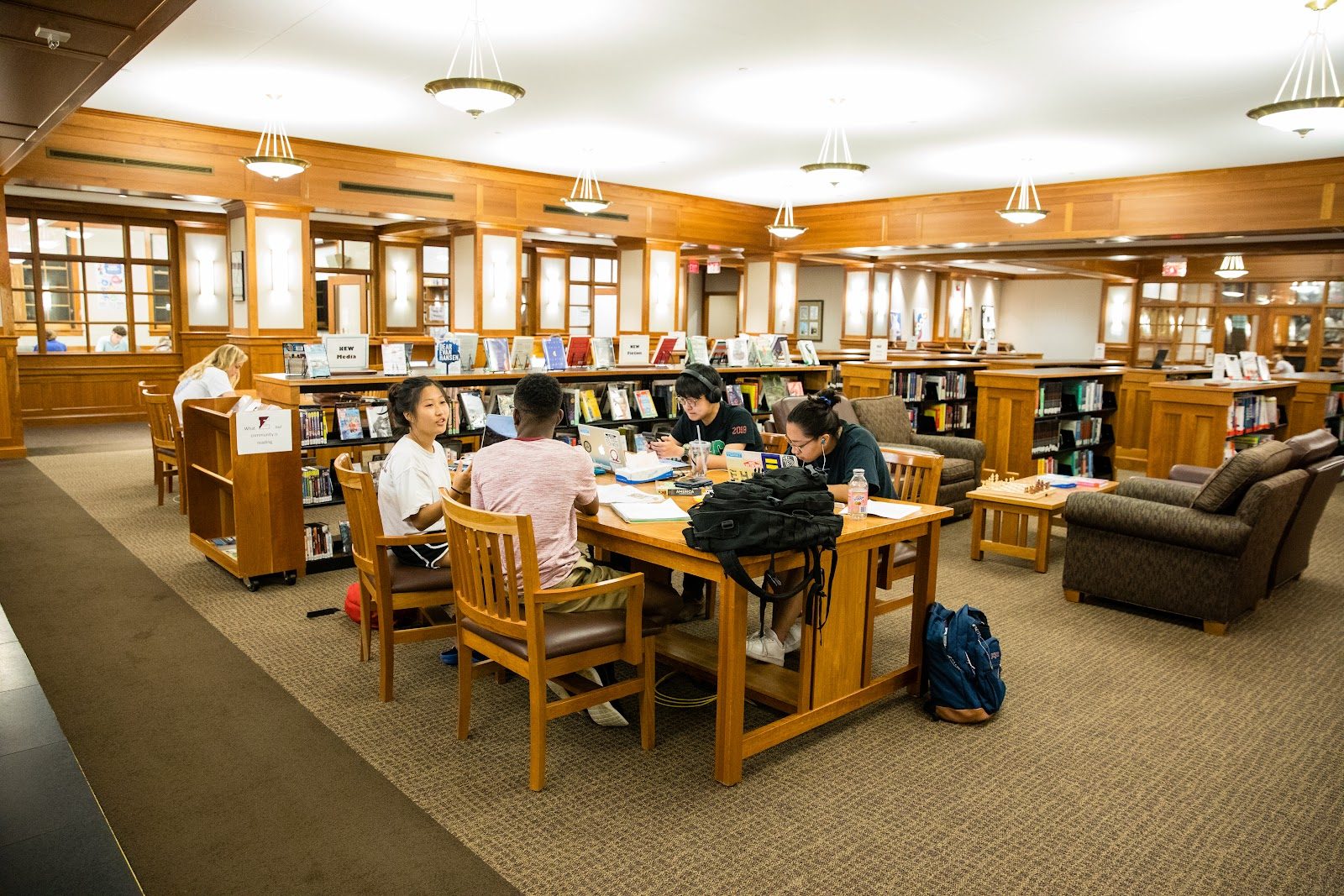
Episcopal High School
Alexandria · United States
A 130-acre hilltop campus 10 minutes from the Capitol, running America's only fully residential school of its caliber in a major metro area.
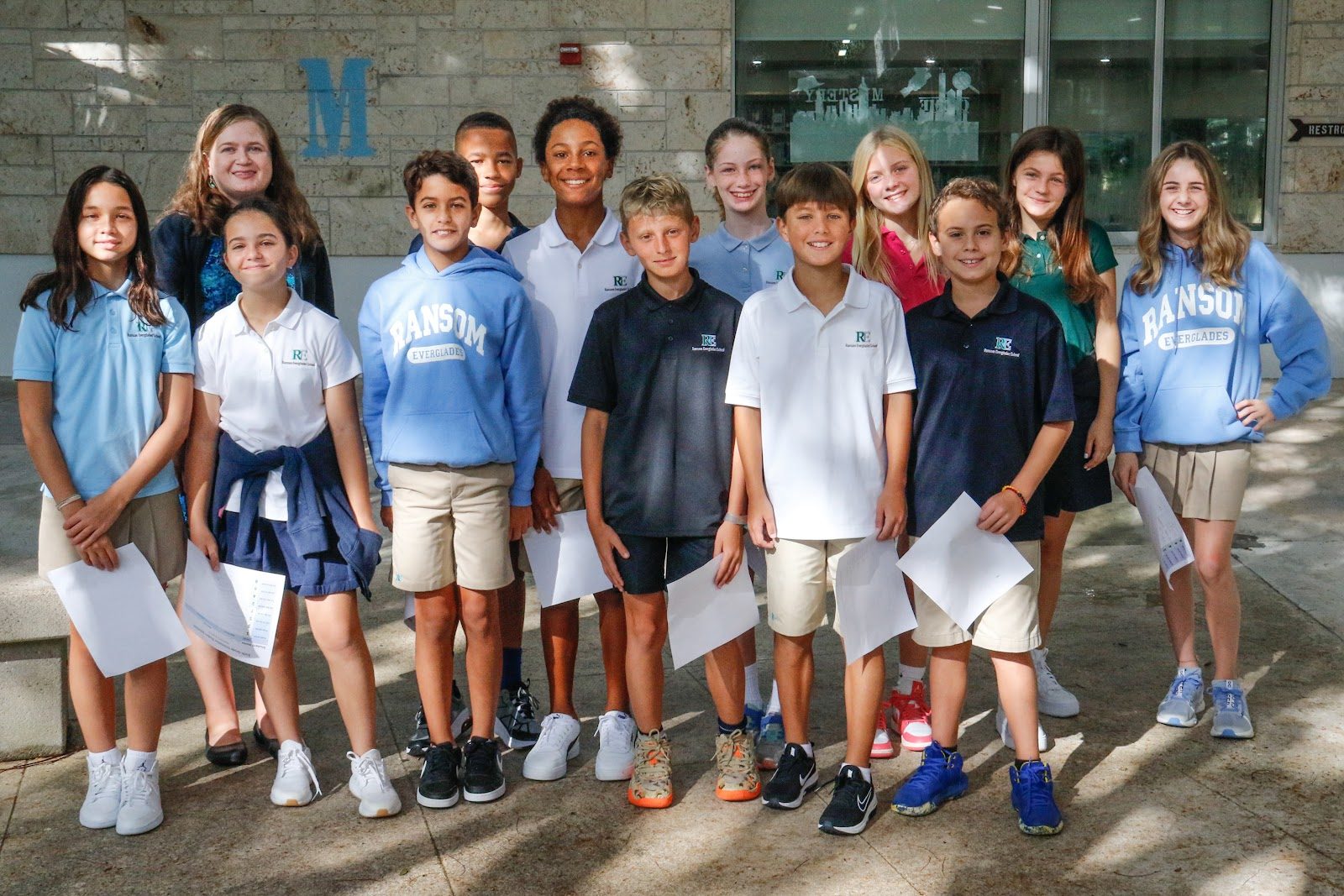
Ransom Everglades School
Miami · United States
On Biscayne Bay since 1903, where sailing and marine science turn the water itself into a classroom
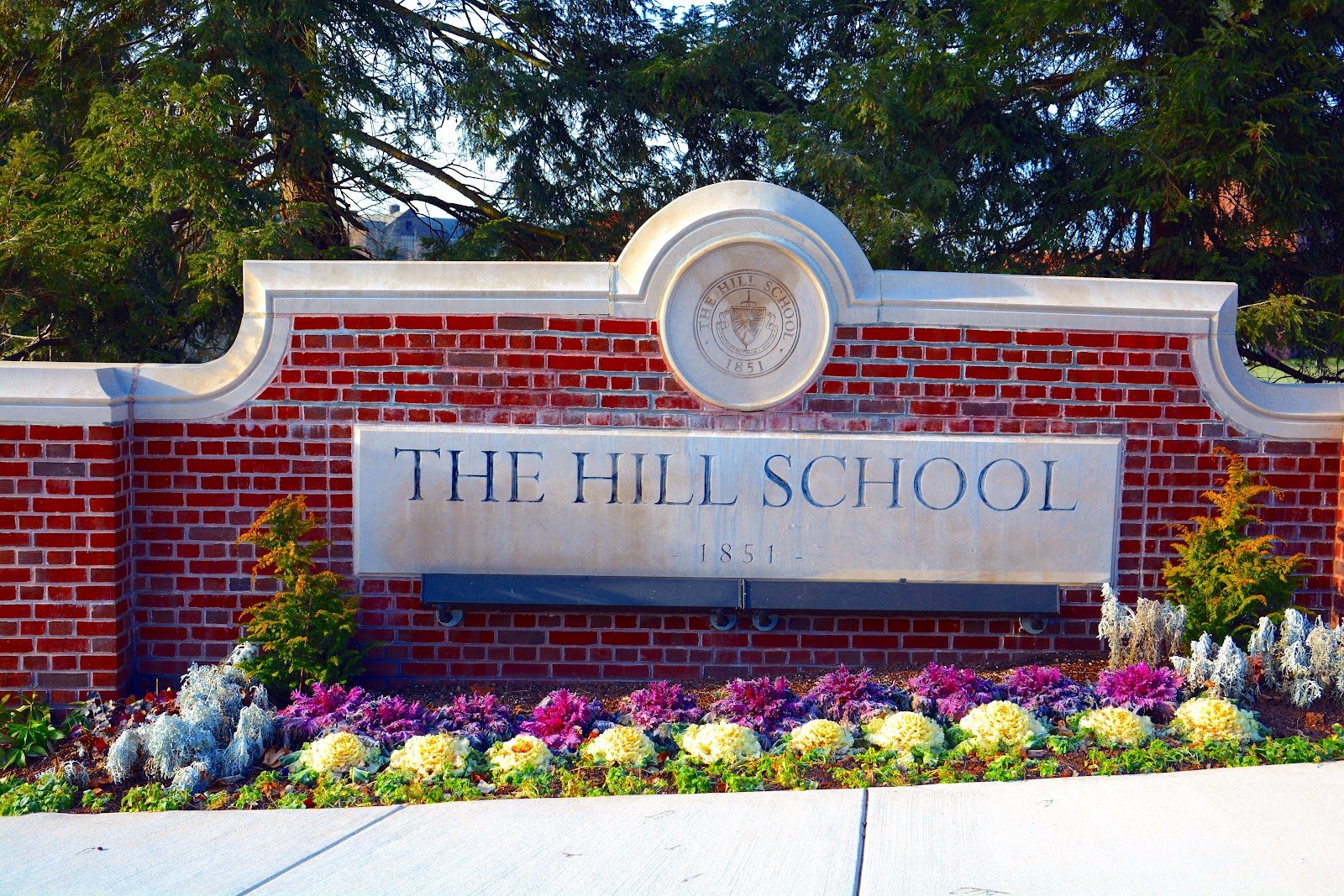
The Hill School
Pottstown · United States
Born in 1851 as the nation's first family boarding school, still pairing faculty and students under one roof on a Pottstown hilltop.
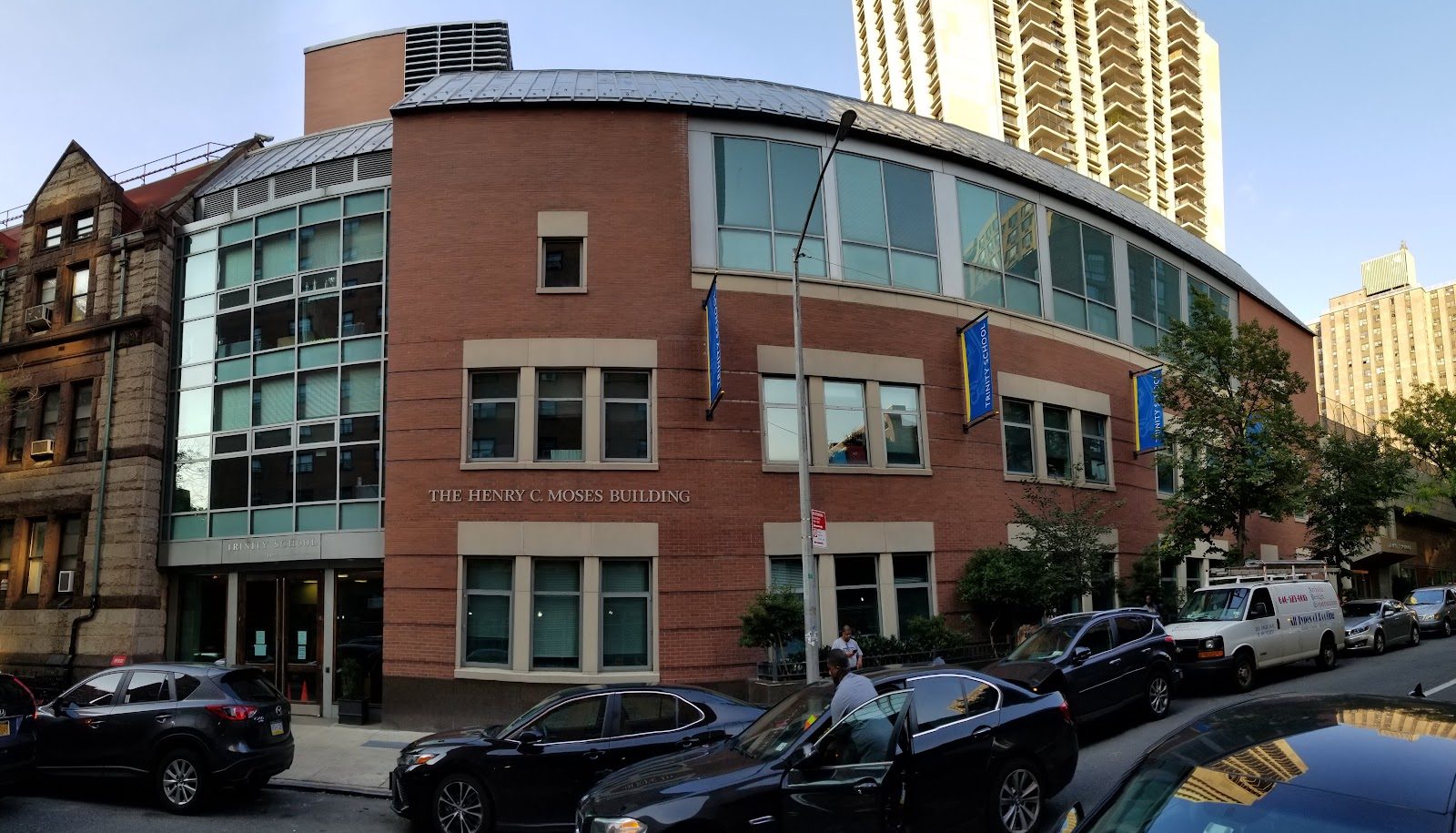
Trinity School
New York City · United States
Founded in 1709 as a charity school, now the oldest continuously operating school in New York City, still built on a rare full Classics department
Same country and curriculum — closest matches within ±10 points either way