
California
Arcadia High School
low confidence· 3/6 cats · 3.17 avg sourcesA Rose Parade marching band and sixty-plus scholastic teams share one San Gabriel Valley campus.
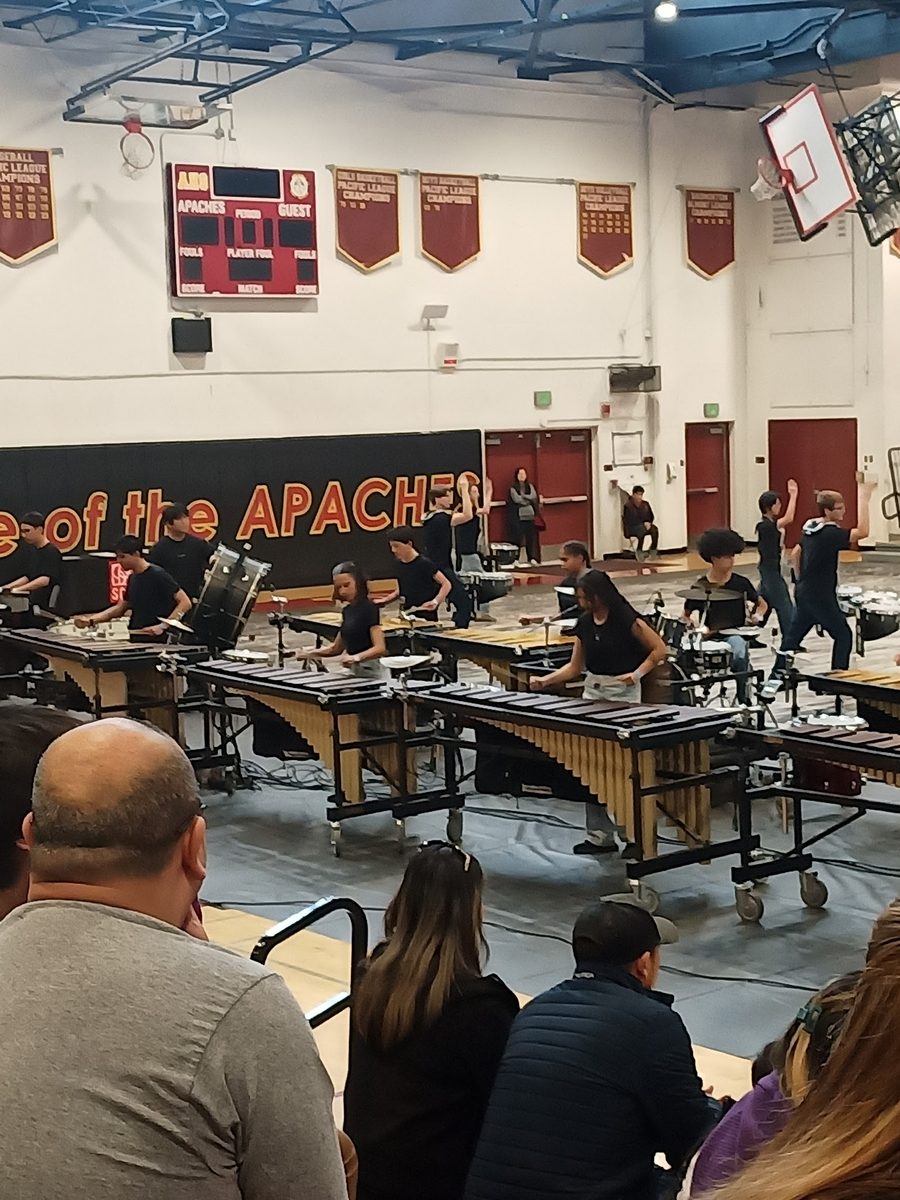
Photo © Suluhishi Heru via Google Maps
Type
Day
Ages
13–18
Curriculum
American
Qualifications
AP
Ratio
—
The Verdict
Editor's commitment
Right for
Families who want a public American day school, ages 13–18, inside a district of 11 schools serving about 9,500 students.
Wrong for
Anyone seeking boarding, religion, or a British or IB pathway; Arcadia High is a non-religious American school founded in 1952.
Watch out for
The district trumpets a 100 per cent graduation rate for the Class of 2023, but publishes no aggregate AP, SAT or university-matriculation data here.
Ranking breakdown
Arcadia High School · # of 1591
Composite score 70.3. 8 weighted criteria.
By criterion
Academic Outcomes
Weight 20%
#147
of 1529 scored
University Placement
Weight 16%
#263
of 1529 scored
Prestige & Heritage
Weight 12%
#953
of 1571 scored
Alumni Network
Weight 12%
#623
of 1530 scored
Facilities
Weight 12%
#1102
of 1534 scored
Transparency & Communications
Weight 8%
#389
of 1532 scored
Peer & Industry Review
Weight 10%
#467
of 1548 scored
Admissions Selectivity & Demand
Weight 8%
#282
of 1529 scored
Peer & Industry Review
How Arcadia High School is regarded in the sector
71
Respected · medium confidence
Within the San Gabriel Valley, Arcadia is routinely benchmarked against San Marino, Troy Tech (Fullerton) and Whitney High as the region's top public academic performers, a grouping that recurs in local press comparisons of API/CAASPP results and UC-bound cohorts. Its graduates feed heavily into UCLA, UC Berkeley and other UC campuses, giving it visibility among California admissions offices as a reliable, high-volume STEM feeder school rather than a boutique pipeline to Ivy-level institutions. Regional outlets, including the Los Angeles Times and San Gabriel Valley Tribune, have covered it repeatedly -- both for academic rankings and for scrutiny of the tutoring-driven, high-pressure culture common to the area's top public schools. It appears in U.S. News & World Report's national rankings, which anchors its standing statistically, but it lacks the sustained presence in independent-school press (Good Schools Guide, WhichSchoolAdvisor) reserved for private and international schools, reflecting its identity as a large zoned public campus rather than a selective institution competing on that circuit.
Editors' overview
Arcadia High School sits inside a large, high-performing public district in the San Gabriel Valley, and that context matters. Arcadia Unified runs 11 schools for about 9,500 students and trades hard on district-wide academic strength, heavy facilities investment and a culture of measurable attainment. For the high school itself, the public claims worth noting are concrete: the Class of 2023 recorded a 100 percent graduation rate, the school has held U.S. News “Gold Medal” status three times, and the district has already secured major capital support, including a $358 million bond measure. This is not a boutique school selling intimacy or pastoral charm. It is a large American high school in a well-resourced suburban system, with the scale to offer breadth and the local reputation to attract ambitious families. Serious academic momentum is the point here.
What sets Arcadia apart is the combination of academic pressure and mainstream American school life done at full volume. The school’s marching band and colour guard have enough profile to feature in district headlines and the Rose Parade connection gives the campus a public identity beyond test scores. That matters because many strong public high schools produce high grades but thin extracurricular culture; Arcadia sells both. The result is a school with real civic visibility, not a hidden achiever. Parents looking for the classic US high-school model — substantial co-curricular choice, visible school spirit, competitive college ambition, and a broad student body rather than a niche intake — will find that here. The trade-off is clear too: families wanting small classes, handcrafted guidance or a quieter social environment need to look elsewhere. This is big-school energy.
Arcadia belongs on a shortlist for students who want range, pace and competition. It suits self-directed teenagers who are ready to navigate a large campus, build a transcript in a demanding peer group and use the school’s scale to their advantage, whether in academics, music or other scholastic teams. It also suits families who value strong local public provision over private-school packaging. The school does not need romantic language: the appeal is institutional heft, visible outcomes and the chance to study in a district that already commands attention from universities and from families across the area. For the right student — organised, motivated, and happy in a crowded field — Arcadia High School offers substance over polish.
Academic Performance
Arcadia’s published academic story is strong on signals and thin on hard exam data. The clearest outcome in the public domain is the Class of 2023’s 100 percent graduation rate, which places the school in elite company for a large public high school. District claims add useful context: Arcadia High has held U.S. News “Gold Medal” status three times, has featured on Newsweek’s list of top public high schools in America, and sits among the top slice of California schools on Niche. Those markers do not replace transcript-level evidence, but they do place the school firmly in the upper tier of mainstream US public education. The district also states that, in one graduating cohort, at least one student won admission to every Ivy League university. That is a prestige signal, not a measure of whole-cohort attainment.
The missing piece is exam transparency. The school does not publish aggregate AP scores, SAT or ACT distributions, IB results, or subject-by-subject attainment tables in the public domain. That makes precise comparison with the best selective public magnets and top independent schools impossible. Even so, the pattern is clear: this is a high-output, results-conscious school with a student body competing at a serious level, not a pleasant suburban comprehensive coasting on reputation. Against ordinary district high schools, Arcadia stands out decisively. Against the most data-rich top performers, it needs fuller disclosure.
Facilities
Facilities are a serious part of Arcadia’s offer, and the district has put real money behind them. Publicly stated refurbishment and modernisation work covered classrooms, libraries and media centres, science labs, sports and recreation spaces, plus arts and music areas across the system, with newer construction updates still prominent in district communications. For a non-selective public school, that points to a campus built for scale rather than improvisation: students get access to the core academic and co-curricular infrastructure a large American high school needs in order to function well. The standout here is music. A marching band and colour guard with Rose Parade visibility, and a separate headline for performing at SoFi Stadium, do not operate out of thin air; they require rehearsal space, storage, staff support and organisational capacity. That gives Arcadia a genuinely heavyweight performing-arts platform by public-school standards, not a token band room attached to an academic campus.
Against affluent suburban public-school peers, Arcadia looks well equipped rather than exceptional in pure architecture. We have not seen the kind of school-specific detail that would confirm specialist engineering suites, elite athletics complexes, black-box theatres or research-grade labs. That gap matters. Families can infer a broad, functional, high-capacity campus with strong music provision and properly updated teaching spaces. They cannot verify a category-leading facility set in the way they can at top independent schools, which publish exhaustive campus detail. The verdict: more substantial than the average comprehensive, less transparent than the best benchmarked competitors, and strongest where public performance culture demands visible infrastructure.
Arcadia High School sits inside a large, high-performing public district in the San Gabriel Valley, and that context matters
Prestige
Arcadia High carries real local prestige and a measurable degree of national recognition, but the prestige has a specific shape. This is not the cachet of a tiny selective academy or an old private school with inherited mystique. It is the prestige of a high-performing suburban public school inside a district that has built a formidable reputation, with all schools holding National Blue Ribbon or California Distinguished status and the district itself trading heavily on top-tier comparative rankings. Arcadia High also has public honours that travel beyond the neighbourhood: repeated U.S. News “Gold Medal” recognition, inclusion on Newsweek’s top public high schools list, and a district claim that one graduating class sent at least one student to every Ivy League university. In American terms, that gives the school serious status.
Why not rate it even higher? Because the prestige rests more on reputation, district branding and selective headline achievements than on the forensic disclosure seen at the strongest exam-transparent schools. Families can see a 100 percent graduation rate for one recent class, visible distinctions for the marching band, and a district serving about 9,500 students with unusual confidence in its public profile. What they cannot see are the aggregate testing outcomes that would let Arcadia dominate on evidence alone. So the verdict is clear: this is a high-prestige public option with broad civic credibility and strong university-facing signals, but not an institution with the untouchable aura of the most data-rich, hyper-selective US schools.
For the right student — organised, motivated, and happy in a crowded field — Arcadia High School offers substance over polish
Communications
Parent communication runs through the district rather than through a polished, school-specific high-school front end, and that has consequences. Arcadia Unified keeps a busy public homepage with enrolment notices, construction updates, board items, community email sign-ups, district news, event listings and celebratory student stories. That gives families a constant flow of information and a clear sense that the system works on a public timetable rather than behind closed doors. The district has even appointed a chief communications officer, which tells you communication is treated as an operational function, not an afterthought. For practical matters — admissions, calendar changes, bond-funded works, major honours, community announcements — the machine looks well organised and high frequency.
For parents of a teenager at the high school itself, the weakness is precision. We do not see a rich, school-level communications ecosystem in the public domain: no obvious head-of-school letters archive, no detailed high-school news stream, and no deep publication of academic data or parent-facing performance dashboards. The tone is also heavily promotional, with district rankings and accolade headlines doing a lot of work. That does not make the communication bad; it makes it institutional rather than intimate. Families who value centralised updates and public-facing efficiency will find enough here. Families who want forensic transparency about sixth-form-style outcomes, or a close-grained sense of daily school life, get less than they need. The result is competent communication with clear administrative muscle, but limited depth where discerning parents ask harder questions.
Uniqueness
Arcadia’s distinctiveness lies in its refusal to split academic ambition from mass-participation school culture. Many strong public schools produce excellent transcripts and a thin communal life; Arcadia runs both at scale. The district covers 11 schools and nearly 10,000 students, yet the high school still projects a public identity of its own through the marching band, colour guard and the kind of civic visibility that places students in major regional events rather than keeping achievement locked inside classrooms. Add more than 60 scholastic teams on one campus and the picture sharpens: this is a school where high achievers do not have to choose between intellectual competition, performance culture and mainstream American teenage life. That breadth is genuinely unusual.
For students, the gain is clear. Arcadia offers a full-volume secondary experience in which ambition has social permission. A mathematically strong student can also march, compete, lead and belong without stepping outside the school’s central culture. That matters in adolescence: it builds confidence, range and resilience, not just credentials. The other side of that coin is pressure. A campus with this much visible performance can feel relentless, and quieter pupils will need enough self-possession to avoid being flattened by the pace. For the right student, though, Arcadia delivers something many polished schools do not: serious achievement with a real civic heartbeat.
They cannot verify a category-leading facility set in the way they can at top independent schools, which publish exhaustive campus detail
Student Profile
The students who thrive at Arcadia are the ones who want range and can handle pressure without needing constant adult shepherding. This is a campus for teenagers who are comfortable in a competitive mainstream, willing to earn their place in crowded classrooms, busy rehearsal schedules and a long list of teams and activities. The district’s own language points to ambition, performance and public visibility, and the high school’s identity follows suit. A pupil who wants to disappear into anonymity will find plenty of space to do it, but not much reward. A pupil who wants to build a strong academic record while also attaching themselves to music, leadership or one of the school’s 60-plus scholastic teams will find a high-output environment that takes effort seriously.
The best fit is an organised, self-propelled teenager who enjoys being surrounded by other capable students and does not wilt when standards rise. Arcadia suits families who value a full-scale American school experience over boutique pastoral attention: school spirit, large-group identity, visible achievement and a social scene shaped by participation. It does less well for students who need a quiet, low-stimulus setting, extensive hand-holding, or the emotional shelter of a small community. The school’s recent 100 percent graduation headline reinforces the point: this is a place where completion, momentum and follow-through matter. For confident adolescents with stamina, big-school intensity is the attraction, not the drawback.
That makes precise comparison with the best selective public magnets and top independent schools impossible
Co-curricular strengths
Arts & sport, on a separate axis
Overall 8.46/10
Scored 0-10 from the school's own published evidence. This axis is editorial-only — it does not feed the main WTS ranking.
Sports
8.1/10
Drama
8.4/10
Dance
8.3/10
Music
9.1/10
Visual Arts
8.4/10
Strengths
- +Arcadia High has been named a U.S. News & World Report Gold Medal School three times, a distinction given to less than 3 percent of the nation's high schools.
- +The school runs an 'open-access' policy offering 20 AP courses and eight Honors courses that any student may enroll in without meeting prerequisites.
- +Niche.com currently ranks Arcadia High #55 among Best Public High Schools in California with an overall A+ grade and a 3.81/5 review average from over 1,100 reviews.
- +Arcadia Unified School District has been placed on the College Board's AP District Honor Roll, one of only 22 California districts so recognized in that cycle.
- +The campus supports more than 60 academic teams and clubs, including Academic Decathlon, Science Olympiad, Quiz Bowl and Speech and Debate.
Considerations
- −The student-teacher ratio runs from roughly 25:1 to nearly 28:1 depending on source, noticeably higher than the California state average of about 21:1.
- −As a zoned public school, a place cannot be purchased or applied for on merit alone; enrollment is tied to residency within the Arcadia Unified School District boundaries.
- −Niche student and parent reviews describe the academic environment as rigorous and competitive, noting this 'can sometimes create pressure and stress for students.'
- −Minority enrollment sits at roughly 90-91 percent and is heavily concentrated in one ethnic group (majority Asian), giving the campus a less balanced demographic mix than some comparably ranked schools.
Availability
Primary entry gate & tests
District Residency Required
Gallery
Photo © Dan Romo via Google Maps
Photo © J M via Google Maps
Photo © Hock via Google Maps
Photo © Sy Moody via Google Maps
Photo © Dan Romo via Google Maps
Parent reviews
Have you sent your child here?
Voice reviews carry the strongest trust badge — we transcribe them for you to tidy up before they go live. Prefer to type? A written review is fine too.
Add your voice
In 60 seconds, tell other parents: what's the best thing about Arcadia High School, and what surprised you when your child joined?
We ask for a Google sign-in so every review has a real face behind it — no anonymous drive-by attacks on schools, and no faked positive reviews. Your email is never shown publicly.
Send this profile to a friend
International parents rely on word-of-mouth. Share this review with someone weighing the same decision.
Schools with places
Similar schools to Arcadia High School with places available now.
The Webb Schools
Claremont · United States
- 2026-27
- CLOSEDRegular cycle closed
- 2027-28
- PLACES OPENPortal live
The Branson School
Ross · United States
- 2026-27
- CLOSEDRegular cycle
- 2027-28
- OPENS SOONOpens Sept '26
Crystal Springs Uplands School
Hillsborough · United States
- 2026-27
- CLOSEDRegular cycle
- 2027-28
- OPENS SOONOpens Sept '26
Lick-Wilmerding High School
San Francisco · United States
- 2026-27
- CLOSEDRegular cycle
- 2027-28
- OPENS SOONOpens early Sept '26
Availability first, then country, area, curriculum, price, co-curricular
Consider also
Also worth looking at alongside Arcadia High School.
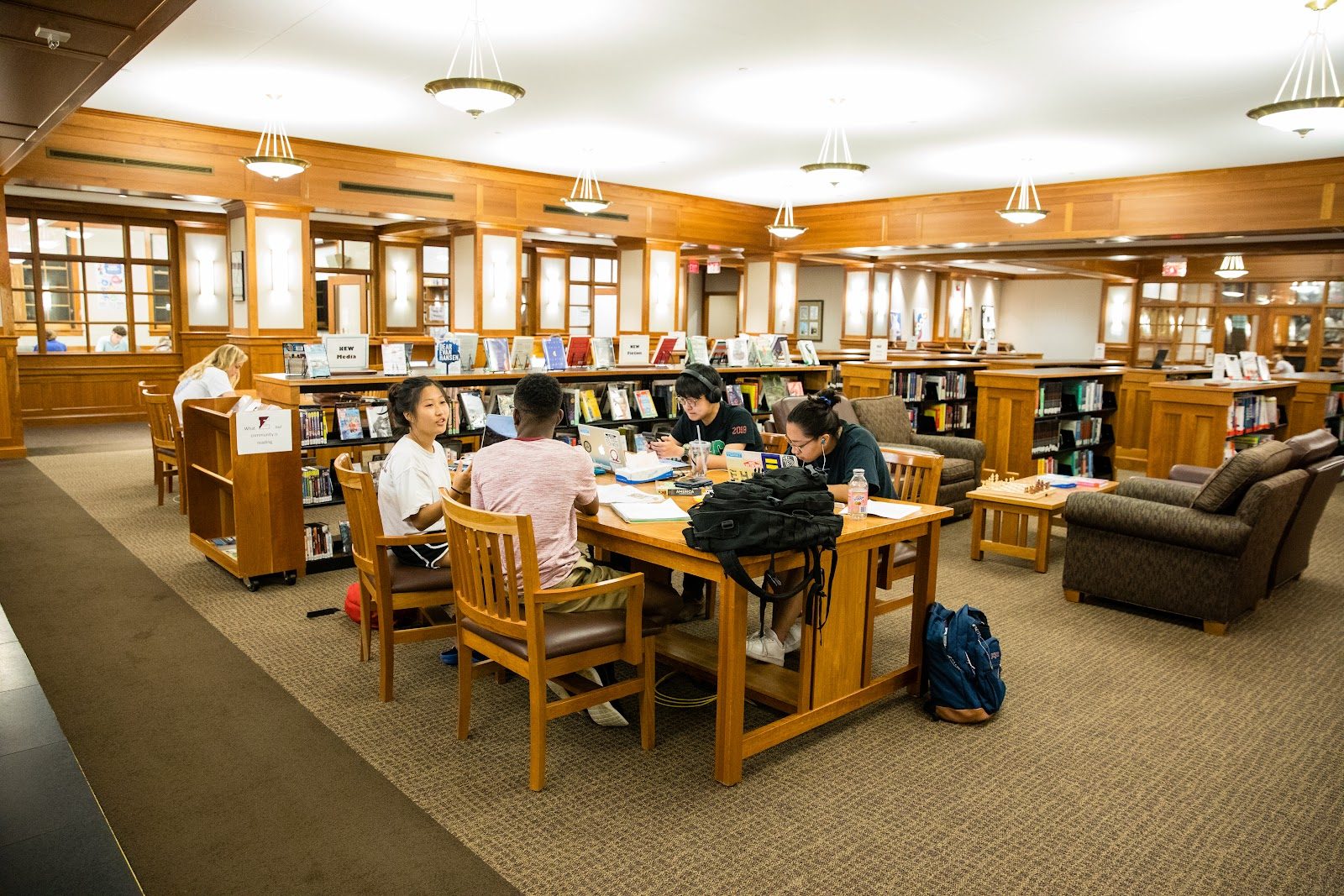
Episcopal High School
Alexandria · United States
A 130-acre hilltop campus 10 minutes from the Capitol, running America's only fully residential school of its caliber in a major metro area.
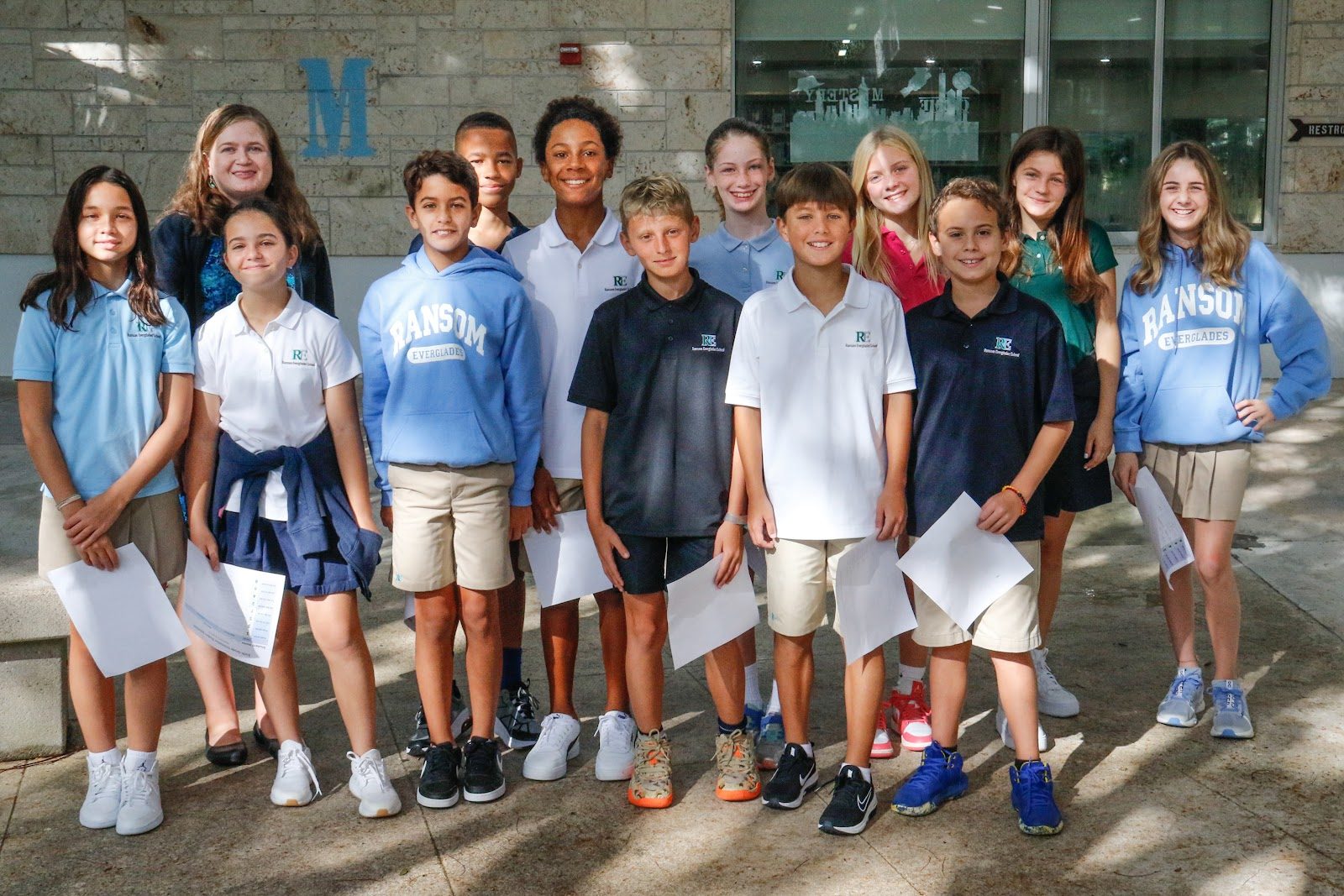
Ransom Everglades School
Miami · United States
On Biscayne Bay since 1903, where sailing and marine science turn the water itself into a classroom
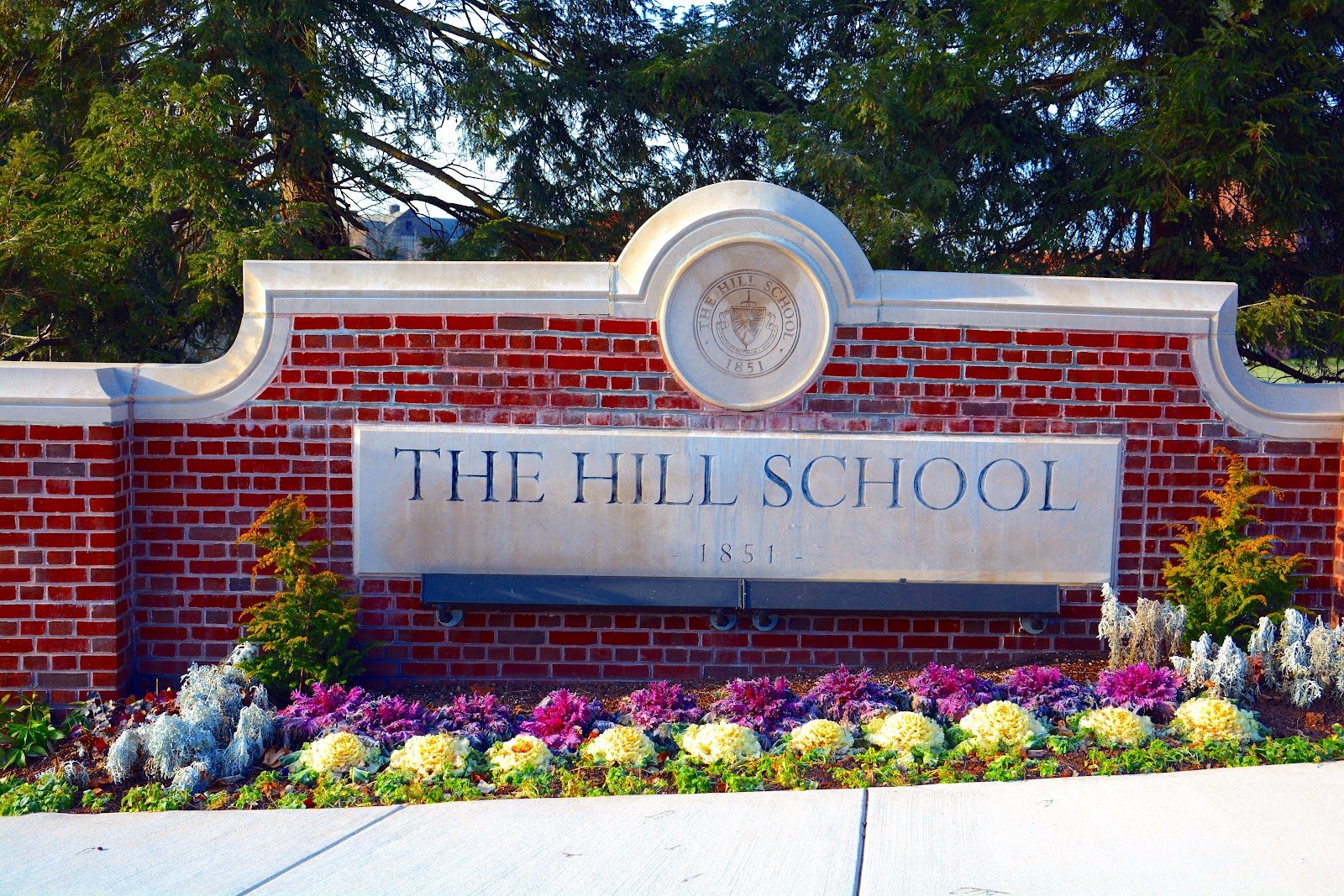
The Hill School
Pottstown · United States
Born in 1851 as the nation's first family boarding school, still pairing faculty and students under one roof on a Pottstown hilltop.
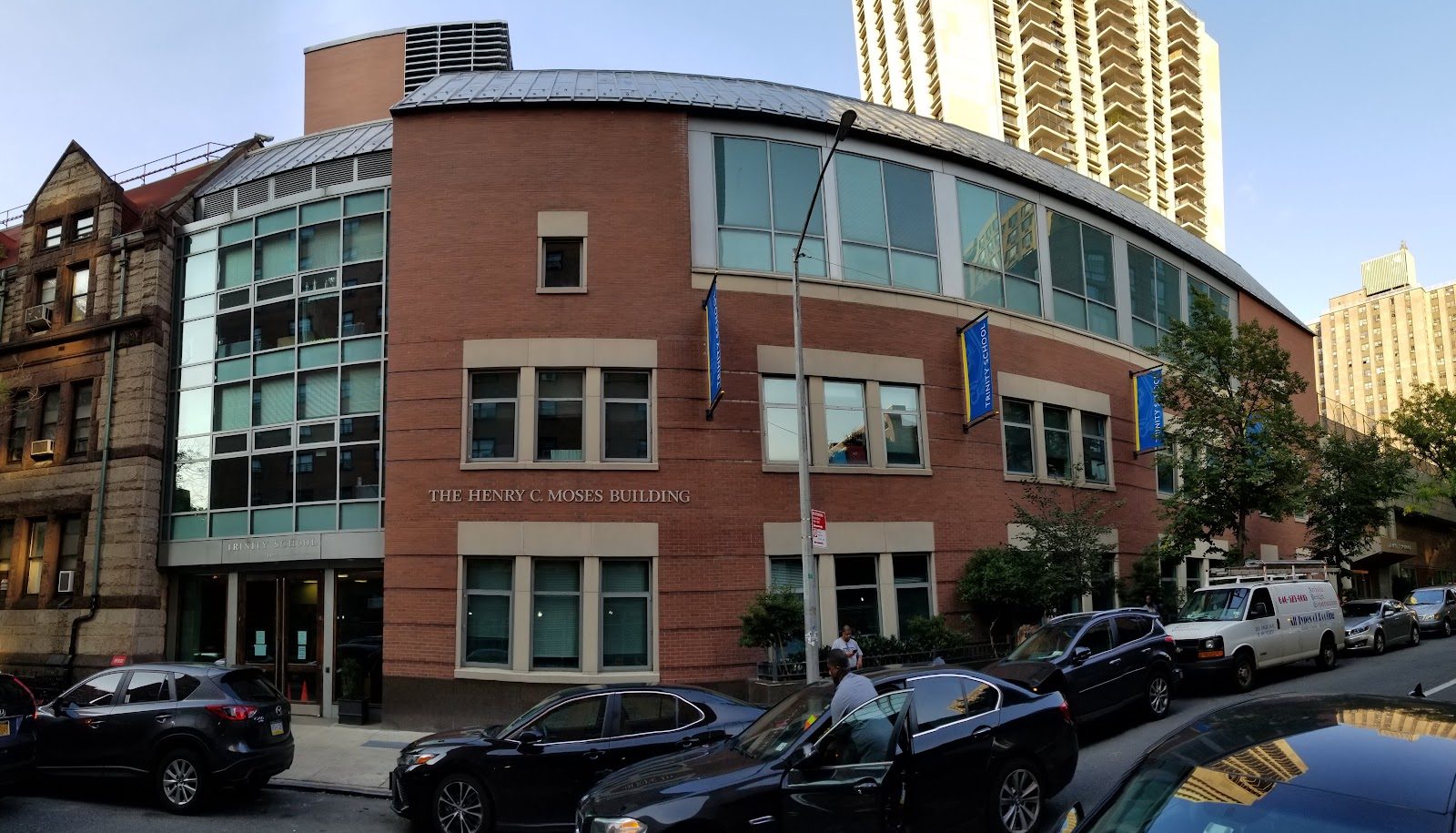
Trinity School
New York City · United States
Founded in 1709 as a charity school, now the oldest continuously operating school in New York City, still built on a rare full Classics department
Same country and curriculum — closest matches within ±10 points either way