
Pennsylvania
The Hill School
high confidence· 6/6 cats · 3.31 avg sourcesBorn in 1851 as the nation's first family boarding school, still pairing faculty and students under one roof on a Pottstown hilltop.
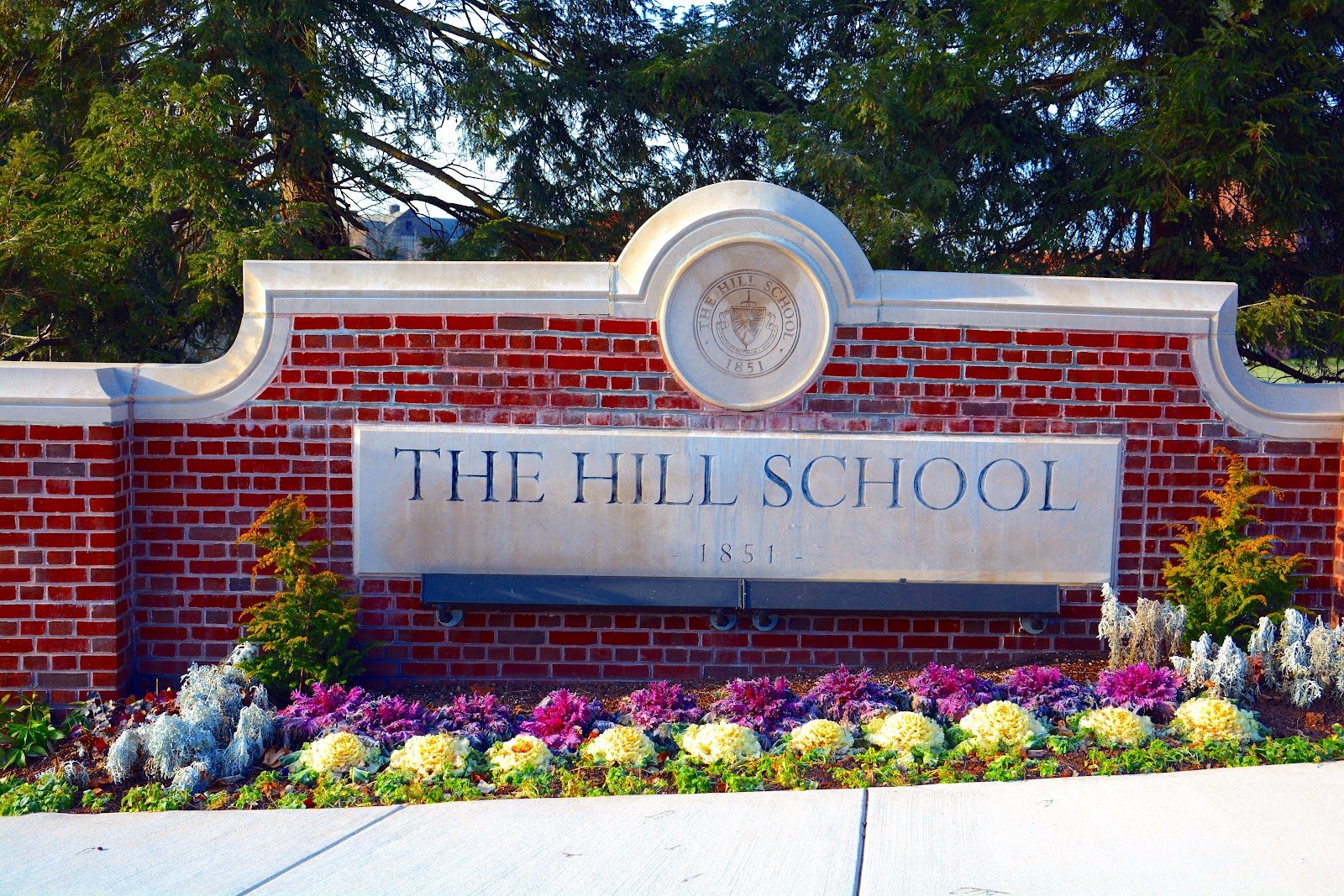
Photo © Richard K via Google Maps
Type
Both
Ages
14–19
Curriculum
American
Qualifications
AP
Ratio
7:1
The Verdict
Editor's commitment
Right for
Boarders aged 14–19 who want a true residential school: founded in 1851, 7:1 staffing, faculty and students still living together.
Wrong for
Families wanting a cheaper, looser American high school: day fees average $54,980, boarding $81,040, with dress code, Chapel and Honor Code.
Watch out for
This is grades 9–12 plus postgraduates only, not a through-school, and NEASC and NAIS tell you more than any glossy rhetoric.
Ranking breakdown
The Hill School · # of 1591
Composite score 70.7. 8 weighted criteria.
By criterion
Academic Outcomes
Weight 20%
#585
of 1529 scored
University Placement
Weight 16%
#516
of 1529 scored
Prestige & Heritage
Weight 12%
#369
of 1571 scored
Alumni Network
Weight 12%
#192
of 1530 scored
Facilities
Weight 12%
#395
of 1534 scored
Transparency & Communications
Weight 8%
#592
of 1532 scored
Peer & Industry Review
Weight 10%
#598
of 1548 scored
Admissions Selectivity & Demand
Weight 8%
#438
of 1529 scored
Score history
The Hill School · 2026
Movement across 2024–2026. Peer average overlaid.
Overall — 2024–2026
70.7/ 100
▲ +11.6 vs 2025
year on year
Peer & Industry Review
How The Hill School is regarded in the sector
78
Strong · medium confidence
The Hill School is a well-established elite boarding school (founded 1851) consistently grouped with other 'Ten Schools Admissions Organization' peers like Deerfield, Andover, and Exeter, reflecting strong peer-benchmarking status. It has a notable alumni network including business leaders and public figures frequently cited in prep-school and boarding-school press coverage (e.g., Town & Country, Boarding School Review), and is regularly featured in independent boarding school rankings and guides as a top-tier East Coast institution, though it garners somewhat less international/specialist press attention than the very top-tier schools like Andover or Exeter.
Evidence sources
Editors' overview
What still marks The Hill School out is the house style of boarding: it was founded in 1851 as the United States’ first family boarding school, and it still leans hard into that identity. Daily family-style meals, family nights in the dorms, weekly Chapel meetings, a traditional dress code and an Honor Code give the place a clear internal culture. That matters because plenty of American boarding schools talk about community; The Hill builds it into the daily machinery of school life. On a 200-acre campus in Pottstown, serving ages 14 to 19, it offers an American college-preparatory education in a setting that is structured, old-school and intimate rather than loose or progressive.
Parents should shortlist it if they want a boarding school with real adult presence and close supervision, not a glamorous version of sixth form with dormitories attached. The published 7:1 student-teacher ratio points to that level of access, and the school’s long-running claim that education continues beyond the classroom fits the boarding model better than the day-school import many competitors run. This is also an expensive school by any measure: the average annual fee is $54,980 for day pupils and $81,040 for boarders. That places The Hill firmly in the top tier of the US independent-school market, so families are paying for a full residential ecosystem, not just classes and sport.
The appeal is clearest for students who want strong boundaries, heavy participation and a campus culture that asks for buy-in. The Hill will suit teenagers who thrive on routine, teacher contact and a deliberately close-knit community. It will also suit pupils who want the breadth of a liberal-arts education without losing the pastoral grip of boarding. It will not suit every child. Students who resist dress codes, formal traditions or communal expectations will find it constraining. Students who want anonymity will not get it here. For the right teenager, though, The Hill offers something many schools no longer do: a serious residential education with a coherent ethos and the confidence to enforce it.
Academic Performance
The Hill does not publish the kind of clean examination dashboard that lets parents benchmark it quickly against top US boarding-school rivals. No aggregate SAT, ACT, AP or matriculation outcome data are in public view here, and that matters. In this tier of the market, some schools put hard numbers front and centre; The Hill asks families to buy more on ethos, structure and residential culture than on a public spreadsheet of academic outcomes. That does not read as academic weakness, but it does leave performance less transparent than at peers with fuller disclosure. For a school with a 7:1 staffing ratio and a strong college-preparatory brief, parents are entitled to expect sharper publication of results.
What the school does state points to an academically serious environment: a liberal-arts approach, teachers framed as subject specialists, and learning that extends beyond the classroom into purposeful, hands-on work. That combination fits a school aiming to produce strong university applicants rather than test-prep machines. Relative to peers, then, The Hill sits in an unusual spot: clearly ambitious in academic design, tightly managed in student support, but opaque on the external metrics that would confirm where it lands in the top boarding-school pack. Families who prize published proof over institutional confidence will want direct answers on AP volumes, score distribution, university destinations and year-on-year testing data before treating it as an academic first choice.
Facilities
The Hill’s key facility advantage is not a single showpiece building but the residential system itself: dormitories built around faculty presence, regular communal meals and programmed house life. For a boarding school, that matters more than a glossy innovation centre. Plenty of peers offer strong classrooms and playing fields; fewer organise the physical estate so clearly around adult supervision and daily contact. That gives Hill a tighter pastoral grip than schools where boarding sits beside the academic day rather than shaping it. The campus footprint is substantial at 200 acres, which gives room for breadth, but the stronger point is how deliberately the school uses space to enforce its structured, communal model.
The drawback is equally plain. Public detail on specialist facilities is thin. There is no clear public inventory here of standout science provision, arts spaces, performance venues, design workshops or sports complexes that would let parents weigh Hill cleanly against top American boarding-school competitors. At this level, many rivals publish those assets aggressively because facilities help justify premium fees and signal institutional priorities. Hill puts community first and infrastructure second in its public case. That does not mean the estate is weak; it means the school is less explicit about what sits behind the boarding culture. Families comparing it with facility-led peers should ask direct questions on laboratories, theatres, studios, strength and conditioning provision, rowing support and where the campus is genuinely exceptional rather than simply well-kept.
The Hill does not publish the kind of clean examination dashboard that lets parents benchmark it quickly against top US boarding-school rivals
Prestige
The Hill carries real prestige in the American boarding-school world, though not the flashiest kind. Its membership of the Ten Schools Admission Organization matters: that places it in a long-standing admissions set with old, established northeastern independents, and parents in that market recognise the signal. So does its alumni footprint. Wikidata alone records 95 notable former pupils across politics, business, scholarship, writing, the arts and elite sport, with verified top-tier awards in drama and music. That is not a vanity list padded with minor names; it points to a school with deep institutional reach and genuine social capital across several professions. Prestige here rests on durability, networks and name recognition among US preparatory schools, not on global mass-market branding.
The limit is equally clear. The Hill’s prestige is serious rather than glamorous. It has the authority of an old boarding school with a strong internal culture, but it does not command the same automatic international cachet as the very top handful of US names that dominate overseas parent chatter. That distinction matters. Within its home circuit, The Hill is a high-status, well-connected school with a credible claim to elite standing. Outside that circuit, its reputation depends more on informed recognition than universal fame. I rate it highly because the school combines historical weight, selective-market visibility and a documented alumni base, but I stop short of the absolute top tier because its public academic signalling is less forceful than the strongest competitors.
The school still uses the language of the “family boarding school”, but the distinctive point is not the slogan; it is the machinery behind it
Communications
The Hill communicates in a voice that is clear, high-control and steeped in ritual. The public-facing site does the basics well: contact details are easy to find, leadership is visible, news is current, and the school gives parents direct access to student and faculty voices through chapel talks and interviews. That matters in a boarding setting where families need more than calendar notices; they need a feel for the adult culture running the place. The messaging is consistent across pages: student wellbeing, communal expectations, honour, dress, meals, dorm life. Nothing here reads loose or improvised. Parents get a strong sense of what daily life asks of a teenager, and that is a communications strength. The low staffing ratio of 7:1 also raises the bar: families will expect communication to be personal, prompt and informed by adults who know their children well.
The weakness is breadth, not tone. The school communicates ethos better than evidence. It gives a vivid picture of culture and belonging, but less hard operational detail than exacting parents may want before committing fees at this level — an average of $81,040 for boarders and $54,980 for day pupils. There is little public substance here on academic reporting, outcome data, or the practical mechanics of parent-school communication once a child is enrolled. That leaves the external picture disciplined but incomplete. For families who value clarity on pastoral expectations, Hill will satisfy. For families who want exhaustive disclosure and a data-rich dashboard, it does not.
Uniqueness
What The Hill does that many boarding schools no longer manage is fuse schooling and domestic life into one operating system. The school still uses the language of the “family boarding school”, but the distinctive point is not the slogan; it is the machinery behind it. Daily family-style meals, family nights in the dormitories, weekly Chapel meetings, a traditional dress code and an Honor Code create a campus where adults and pupils meet each other constantly, not just in lessons or at fixtures. That gives students a high-contact, high-accountability education in which conduct, conversation and routine carry as much weight as formal teaching. For the right teenager, that produces rare consistency: the same values hold in class, at table and in the house.
That model brings clear gains and clear limits. Students who need structure, adult attention and a community with strong internal rules get a school that does not leave pastoral life to chance. The published 7:1 ratio reinforces that point: staff access is built into the day, and boarding is treated as education rather than accommodation. The result is intimate, old-fashioned in the best sense and unusually coherent. It also narrows the fit. Young people who want distance from adults, looser norms or room to reinvent themselves without scrutiny will feel the pressure quickly. Hill’s uniqueness lies in that refusal to separate character formation from daily living. It is a serious communal school, not a hotel with classrooms attached.
The result is intimate, old-fashioned in the best sense and unusually coherent
Student Profile
The Hill suits teenagers who do well with adults close by and expectations stated plainly. This is not a school for students who want to drift at the edge of the community. It asks for participation, self-command and a willingness to live inside a shared code, from meals to dress to dorm life. Pupils who value routine, direct feedback and a clear moral frame will find the place steadying and serious-minded. So will families who want boarding to function as an education in conduct as much as an academic programme. The low 7:1 student-teacher ratio reinforces that fit: pupils are known, watched and expected to contribute. Students who need freedom through structure, not freedom from structure, fit best.
The social profile is also clear. Hill will work for adolescents who can handle visibility in a close-run, high-accountability environment where teachers, house life and peers overlap every day. Kindness, listening and respect sit high in the school’s own account of what it values, so the strongest fit is not the swaggering self-promoter but the student who can live cooperatively without going limp. Ambitious, community-minded pupils will do well. Teenagers who push hard against rules, resist communal obligations or want a more loose-textured adolescence will chafe. This is a school for students ready to buy into a demanding communal culture, not test it from the sidelines.
Hill’s uniqueness lies in that refusal to separate character formation from daily living
Co-curricular strengths
Arts & sport, on a separate axis
Overall 9.24/10
Scored 0-10 from the school's own published evidence. This axis is editorial-only — it does not feed the main WTS ranking.
Sports
9.5/10
Spanning an enormous historic Pennsylvania campus; fields fiercely competitive national-caliber ice hockey, lacrosse, and track squads.
Drama
9.2/10
The specialized Center for the Arts complex provides a pre-professional training model for acting, set construction, and design.
Dance
9/10
Strong afternoon performance track providing core choreography assets for major collaborative musical theater shows.
Music
9.3/10
Deeply institutionalized choral and string tracking modules feeding active regional touring groups and seasonal events.
Visual Arts
9.2/10
Highly structured fine art layout leaning heavily toward technical drawing, fine oils, and advanced portfolio mastery.
Editor-verified · 8/7/2026
Notable alumni · Wikidata
95notable alumni
54 historic (born pre-1930) · 10 modern (born post-1970)wikidata:2026-07-28 How we source this
Strengths
- +Founded in 1851 as the first family boarding school in America and a member of the selective Ten Schools Admission Organization.
- +Small-scale teaching model with an average class size of 11 students and a faculty ratio of roughly 7:1 to 8:1.
- +Sizable endowment of about $163 million supports need-based financial aid, which around a third of students receive.
- +Strong college outcomes cited by the school itself: half of graduates matriculate at colleges with acceptance rates below 25%.
- +Notable alumni include former US Secretary of State James Baker III, filmmaker Oliver Stone, and NFL/AFL founder Lamar Hunt.
Considerations
- −Boarding tuition runs to roughly $81,040 for 2026-27, with day tuition around $54,980, and the school states it does not offer merit-based aid.
- −Set in Pottstown, a former industrial town about 35 miles from Philadelphia, meaning families should not expect a cosmopolitan campus town.
- −Admissions are competitive, with acceptance rates commonly cited between roughly 25% and 35%, requiring SSAT/ISEE scores and an interview.
- −Sits in the 'challenger' tier of school rankings (editorial rank 580), meaning it competes with, but does not match, the very top-ranked New England boarding schools.
Availability
Primary entry gate & tests
SSAT/ISEE + Interview
Gallery
Photo © Richard K via Google Maps
Photo © Richard K via Google Maps
Photo © Richard K via Google Maps
Photo © William Thompson via Google Maps
Photo © William Thompson via Google Maps
Photo © Marco Roethling via Google Maps
Photo © Marco Roethling via Google Maps
Photo © The Hill School via Google Maps
Photo © Craig Calhoun via Google Maps
Parent reviews
Have you sent your child here?
Voice reviews carry the strongest trust badge — we transcribe them for you to tidy up before they go live. Prefer to type? A written review is fine too.
Add your voice
In 60 seconds, tell other parents: what's the best thing about The Hill School, and what surprised you when your child joined?
We ask for a Google sign-in so every review has a real face behind it — no anonymous drive-by attacks on schools, and no faked positive reviews. Your email is never shown publicly.
Send this profile to a friend
International parents rely on word-of-mouth. Share this review with someone weighing the same decision.
Schools with places
Similar schools to The Hill School with places available now.
The Baldwin School
Bryn Mawr · United States
- 2026-27
- CLOSEDRegular cycle closed
- 2027-28
- OPENS SOONOpens 1 Sept '26
The Haverford School
Haverford · United States
- 2026-27
- CLOSEDRegular cycle closed
- 2027-28
- OPENS SOONOpens Sept '26
Germantown Friends School
Philadelphia · United States
- 2026-27
- CLOSEDRegular cycle closed
- 2027-28
- OPENS SOONOpens Sept '26
Availability first, then country, area, curriculum, price, co-curricular
Consider also
Also worth looking at alongside The Hill School.

Ransom Everglades School
Miami · United States
On Biscayne Bay since 1903, where sailing and marine science turn the water itself into a classroom
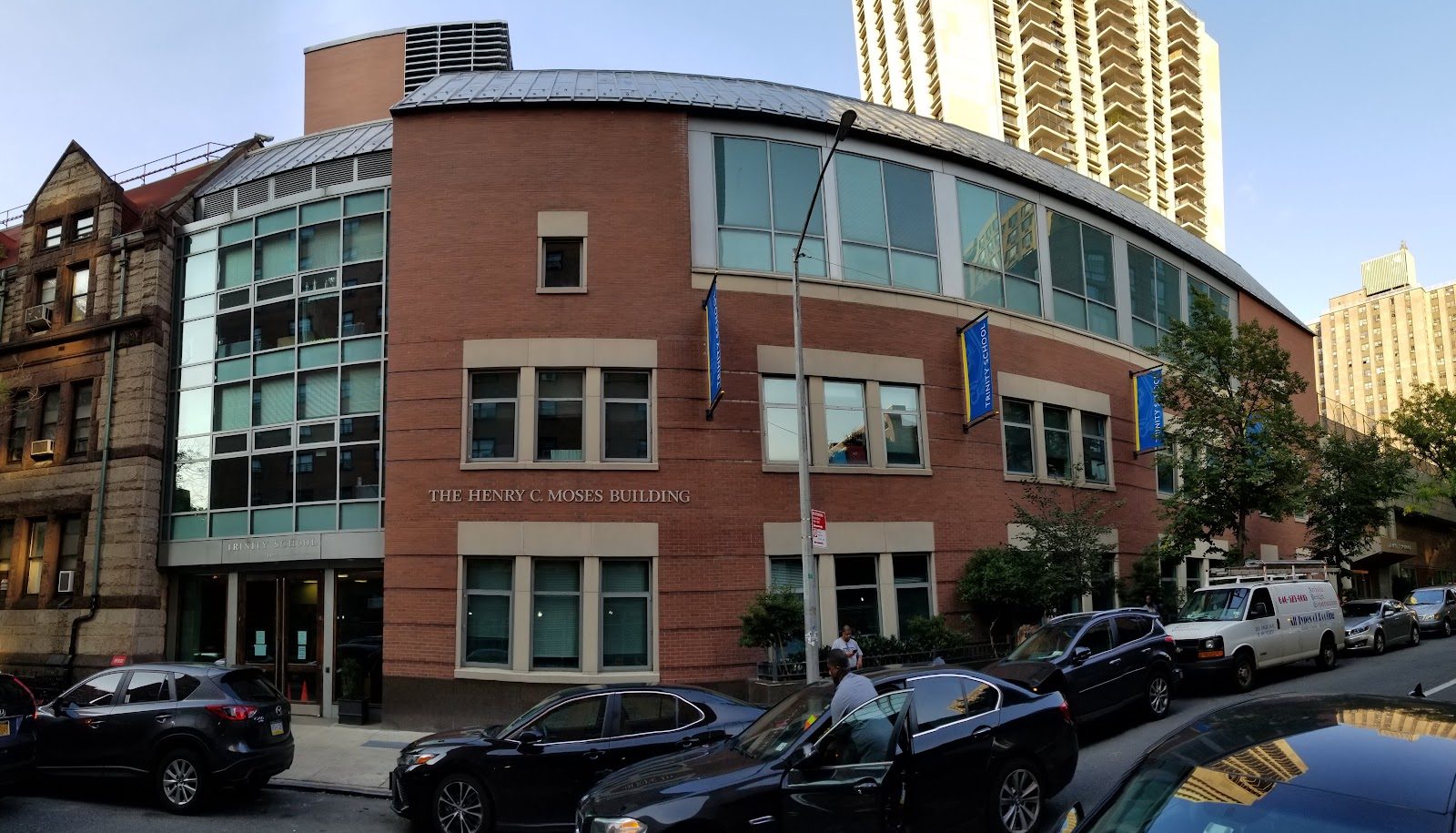
Trinity School
New York City · United States
Founded in 1709 as a charity school, now the oldest continuously operating school in New York City, still built on a rare full Classics department
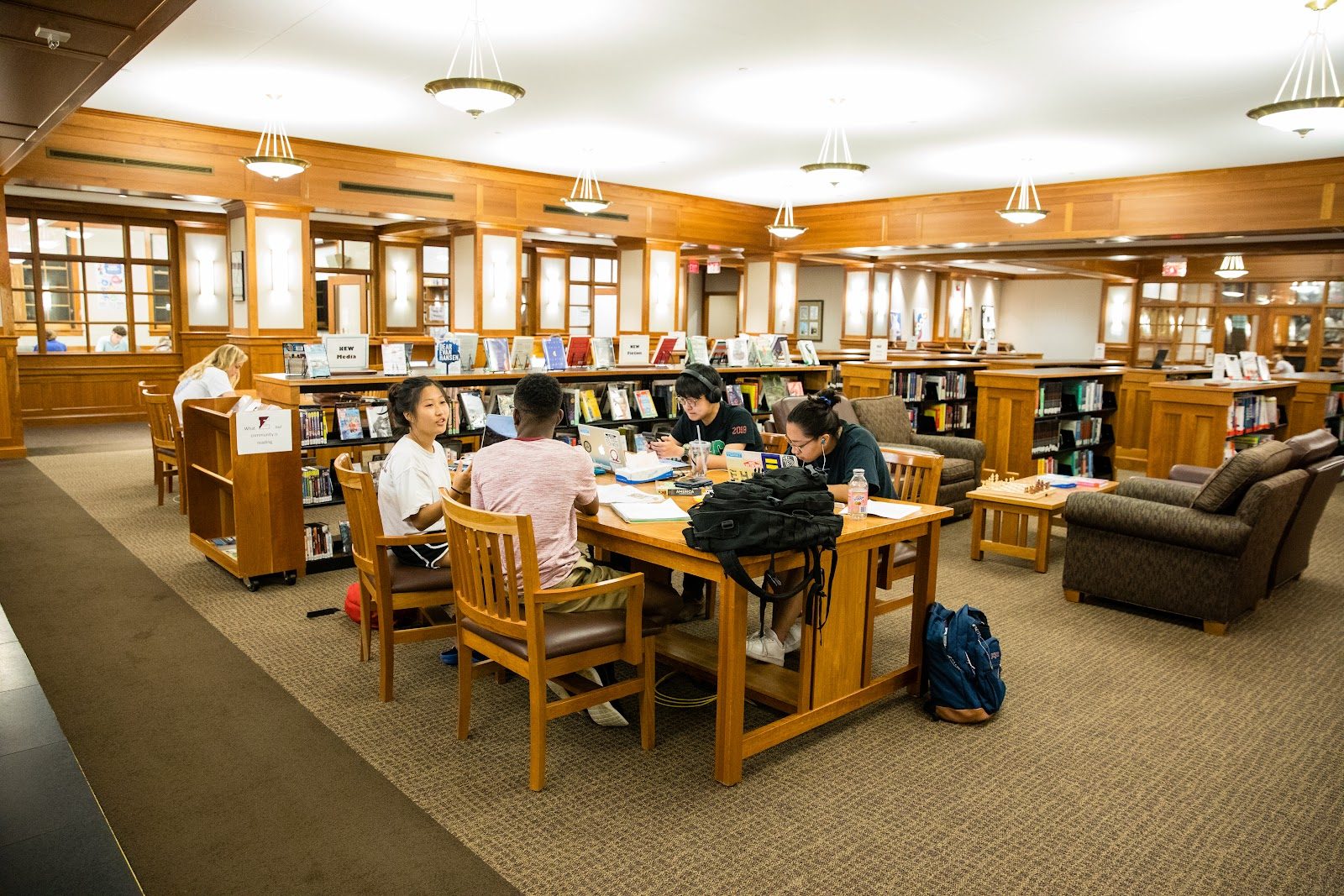
Episcopal High School
Alexandria · United States
A 130-acre hilltop campus 10 minutes from the Capitol, running America's only fully residential school of its caliber in a major metro area.
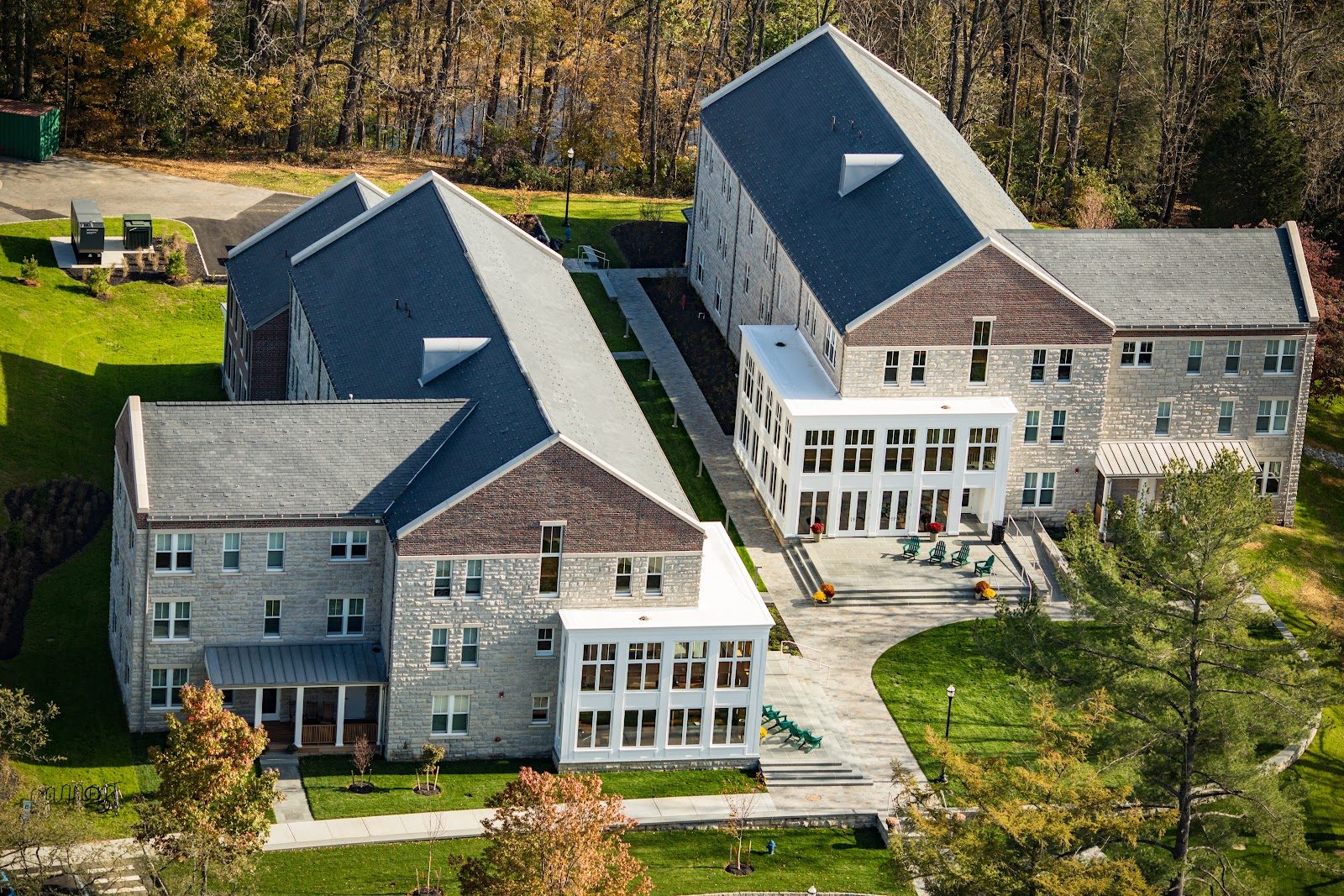
Blair Academy
Blairstown · United States
A hilltop New Jersey campus, founded 1848, where the weekly Society of Skeptics turns global debate into a signature course of study
Same country and curriculum — closest matches within ±10 points either way