
Georgia
Woodward Academy
low confidence· 2/6 cats · 2.5 avg sourcesFrom a 1900 military-academy campus outside Atlanta, the largest independent day school in the country now spans two campuses and 23 counties
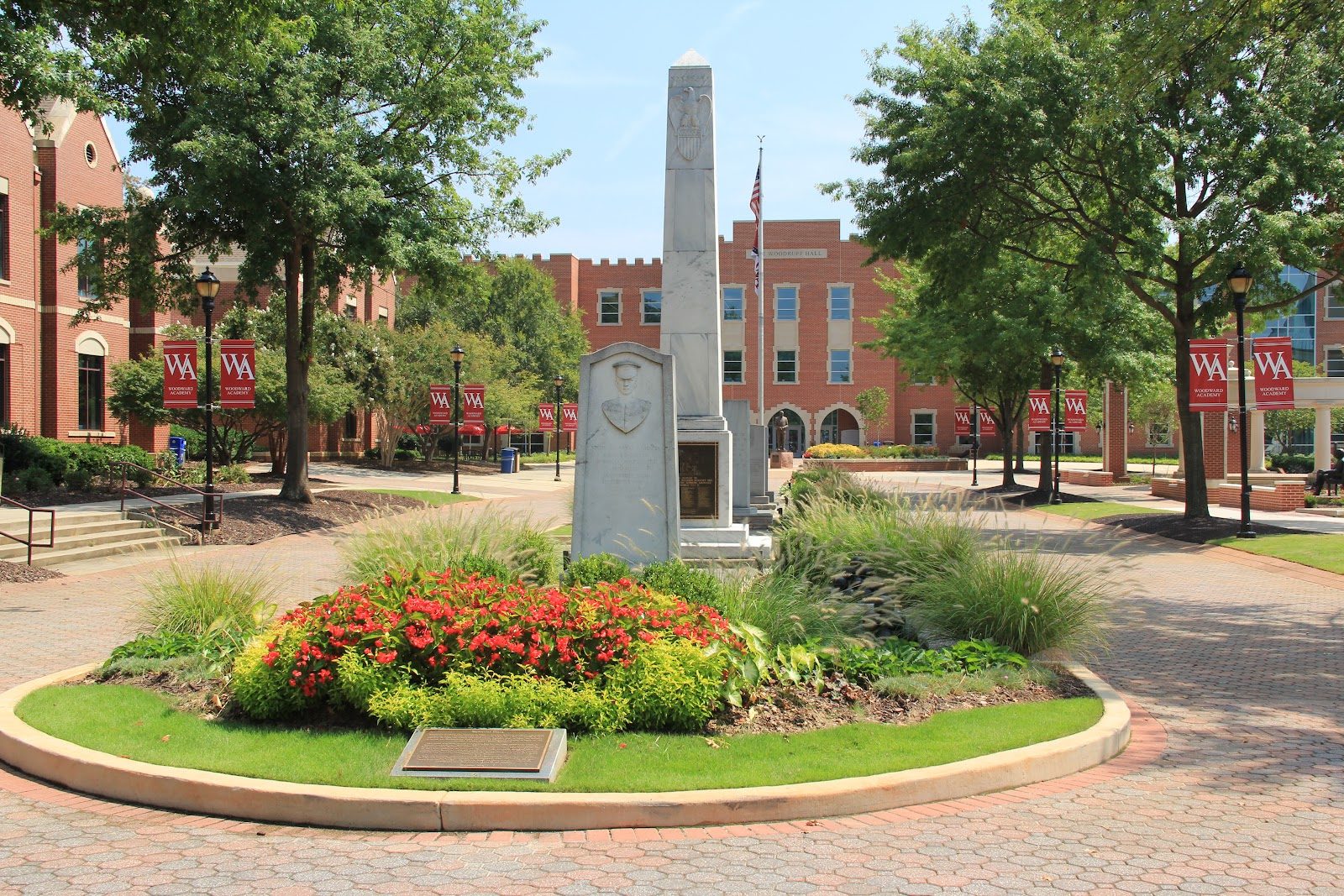
Photo © Woodward Academy via Google Maps
Type
Day
Ages
3–18
Curriculum
American
Qualifications
AP · US High School Diploma
Ratio
7:1
The Verdict
Editor's commitment
Right for
Families wanting American schooling from age 3 to 18 on a 1900-founded, non-religious day-school campus with a 7:1 ratio.
Wrong for
Parents who want boarding, a small-school atmosphere, or anything other than an American curriculum across two campuses and 23 counties.
Watch out for
At an average $31,435 a year, scale cuts both ways: 25 AP classes and 100+ cocurriculars, but less intimacy than the ratio implies.
Ranking breakdown
Woodward Academy · # of 1591
Composite score 61.8. 8 weighted criteria.
By criterion
Academic Outcomes
Weight 20%
#667
of 1529 scored
University Placement
Weight 16%
#584
of 1529 scored
Prestige & Heritage
Weight 12%
#597
of 1571 scored
Alumni Network
Weight 12%
#1366
of 1530 scored
Facilities
Weight 12%
#559
of 1534 scored
Transparency & Communications
Weight 8%
#513
of 1532 scored
Peer & Industry Review
Weight 10%
#598
of 1548 scored
Admissions Selectivity & Demand
Weight 8%
#647
of 1529 scored
Peer & Industry Review
How Woodward Academy is regarded in the sector
69
Respected · medium confidence
Among Atlanta's independent school establishment, Woodward Academy is respected as an institution rather than envied as a rival: heads at Westminster, Pace Academy and Lovett tend to position their schools as more academically selective, while acknowledging Woodward's unmatched scale, financial aid capacity and athletic depth. University admissions officers regionally recognize the Woodward name for reliable, well-prepared applicants, though its matriculation pattern skews heavily toward Georgia's public flagships (UGA, Georgia Tech) rather than the Ivy-heavy pipelines associated with its more selective Atlanta peers. Independent education press coverage of Woodward centers almost exclusively on its distinction as the largest single-campus independent school in the United States, a fact repeated in national round-ups more often than substantive rankings commentary. It rarely appears in the closely watched northeastern boarding-school or UK independent-school peer conversations that dominate outlets like Good Schools Guide or WhichSchoolAdvisor, reflecting its regional rather than national elite standing.
- Bert Lance — Director of the Office of Management and Budget, banker/finance
- Mike Luckovich — Pulitzer Prize-winning editorial cartoonist
- Larry Mize — Professional golfer, 1987 Masters champion
Editors' overview
The scale is the first thing that matters here. Woodward runs two campuses, serves children from age 3 to 18, and draws families from 23 counties. That gives it a range that few independent day schools can match. The Main Campus in College Park takes pupils from Pre-K to 12th Grade, while Woodward North in Johns Creek runs from Pre-K to 6th Grade. This is not a small, intimate school built around a single cohort and a single way of doing things; it is a large, complex operation with the advantages that size can buy. Those advantages are concrete: an average class size of 14, a 7:1 student-teacher ratio, 25 AP classes, more than 100 co-curriculars and 19 varsity sports. For parents who want breadth without boarding, Woodward has real force in the Atlanta market.
What sets it apart is the combination of scale and structure. Many big schools struggle to individualise; Woodward’s public case rests on doing exactly that, with differentiated academic challenge, support where needed, and serious programme depth across science, arts, sport and global study. The numbers back up the point better than the slogans do: 75 art performances a year, 10 or more annual international trips, four sister schools abroad and a Global Studies distinction at graduation. The community profile is also unusually explicit. The school states that 63% of students are of colour and that more than six faith traditions are represented. That matters. In a US independent-school market where plenty of schools still trade on polish and tradition, Woodward offers something more modern and more metropolitan.
The trade-off is obvious. A school this large will not suit families who want a close-quarters, everyone-knows-everyone atmosphere or a strongly idiosyncratic educational philosophy. Woodward is for pupils who want options, movement and room to define themselves over time: the sporty child who also wants robotics, the academic high-performer who wants AP depth, the artist who does not want to give up mainstream school life, the socially confident student who thrives in a big peer group. It also works for children who need genuine range before committing to a direction. At an average annual fee of $31,435, it sits in the expensive end of the day-school market, but the proposition is clear: *serious breadth, serious resource, and no need to board* in order to get it. For many Atlanta-area families, that puts Woodward firmly on the shortlist.
Academic Performance
Woodward sells academic ambition hard, but the public performance picture is less sharp than it should be. The school publishes the size of its Advanced Placement menu and cites $36+ million in annual college scholarships, yet that scholarship figure is a weak proxy for academic strength: it mixes merit and other awards, varies with cohort size, and tells parents little about classroom performance against peer schools. The crucial data point is missing. Woodward does not publish aggregate AP outcomes, average scores, subject-by-subject distributions, SAT or ACT profiles, or college-matriculation breakdowns in the public domain. For a school of this scale and price, that is a conspicuous omission.
That opacity makes precise placement difficult, but it also sets Woodward apart from the strongest academically competitive independents, which tend to publish at least some hard attainment data. The school’s case therefore rests more on provision than proof: broad course access, substantial support, and a college-preparatory structure built for many kinds of able student, not just a narrow exam elite. That will suit families who value range over a results-obsessed culture. Parents hunting for a forensically evidenced academic edge, or for clean benchmarking against top Atlanta and national independents, will find the disclosure thin. Woodward may deliver excellent outcomes for many pupils; the school has not chosen to prove that publicly.
Facilities
Facilities are one of Woodward’s strongest cards because the school has the footprint to house specialist provision properly rather than squeezing it into repurposed classrooms. The clearest assets are the dedicated spaces tied to programme breadth: a biotechnology strand, game design, robotics, film, dance and visual art all point to subject-specific rooms and equipment, while the arts operation has enough infrastructure to support 75 performances a year. At Woodward North, the school highlights a Multiplex and an Art Center with a substantial stage; that matters because many peer day schools offer junior pupils decent classrooms but thinner specialist space in the early years. Woodward gives younger children access to facilities with real scale, not a token primary add-on.
Sport and large-school logistics also work in its favour. A school running 19 varsity sports needs serious outdoor fields, indoor training space and the scheduling discipline to keep them usable; the reference to a parade field reinforces the point that this is a campus built over time, with room to absorb movement, fixtures and everyday school life. Against peer independent day schools, that puts Woodward in the upper tier for breadth of physical provision, even if it does not trade on the architectural glamour or resort-style showpieces that some newer campuses use as a sales tool. The advantage here is institutional usefulness: facilities that support a huge range of pursuits across age groups, not just a polished front tour.
What makes Woodward distinctive is not just size but coverage
Prestige
Woodward carries substantial regional prestige and solid national recognition, but it does not sit in the tiny tier of US independents whose names function as social shorthand everywhere. Its reputation rests on scale, longevity and reach: this is a school with the confidence and infrastructure of a major institution, not a boutique local operator. For Atlanta-area families, that matters. A school drawing from a wide catchment and sustaining a programme this broad acquires status through permanence, visibility and results in the round, even when its published attainment data stay frustratingly opaque. The offer of 25 AP courses, 19 varsity sports and 100+ co-curriculars adds to that prestige because it signals institutional muscle. Parents read that breadth as proof of demand, resource and ambition.
The limit on its prestige is clear. Woodward’s name carries weight in Georgia and in the wider metropolitan market; it does not carry the rarefied national cachet of the most selective East Coast boarding schools or the handful of US day schools with fully transparent outcomes and near-mythic university placement. That is not fatal. For many families, prestige that translates into opportunity, networks and a large, socially confident peer group counts for more than old-money mystique. Woodward delivers that version of status well: established, expansive, well-connected and plainly built for families who want a school with real clout rather than niche eccentricity.
Woodward runs two campuses, serves children from age 3 to 18, and draws families from 23 counties
Communications
Woodward communicates like a large institution that knows parent confidence depends on clarity and cadence. The public-facing site is well segmented by division and campus, which matters in a school spanning early years through sixth-form equivalent ages and more than one location. Parents can find the basic map of school life without much friction: where a child belongs, what each division covers, and which signature opportunities sit within reach. The school also uses student stories heavily. That gives warmth and voice, but it is not the same thing as hard parent information. For a school with this scale and fee level, communications need to do more than sell the atmosphere. They need to deliver crisp operational detail, plain academic disclosure and a reliable sense that families will not have to decode the system for themselves.
On effectiveness, the verdict is mixed but solid. Woodward is strong at broadcasting institutional breadth — academics, arts, sport, travel, identity groups, specialist subjects — and at signalling a confident, orderly machine. It is weaker where exacting parents want substance over narrative. We have not seen public aggregate exam data, detailed outcomes reporting or the kind of forensic performance communication that top benchmark-conscious families expect. That matters because communication is not only about tone; it is about what a school chooses to publish. The headline messages are clear, the structure is sensible, and the school’s scale is handled with professional competence. The weak point is transparency. At an average annual fee of $31,435, good enough communication is not enough.
Uniqueness
What makes Woodward distinctive is not just size but coverage. Few independent day schools run an all-through model on two sites while also offering a genuine northern entry point for younger children before the main senior years. That gives families a rare degree of flexibility: one institution can handle the nursery-to-university arc, but without forcing every child through a single campus experience from start to finish. It also produces something students feel day to day — room to change. A child can move from early years into a much bigger academic and social environment without changing school brand, expectations or peer ambition. For families who relocate within greater Atlanta, or who want continuity without confinement, that is a practical advantage, not a branding trick.
The other point of difference is Woodward’s combination of metropolitan diversity with a full-spectrum independent-school offer. Plenty of schools manage inclusion language; fewer publish a student body with 63% students of colour, a visible spread of faith backgrounds, and formal affinity groups alongside AP depth, arts production, global travel and mainstream sport. That mix gives pupils a broader social education than the polished but narrow culture found in many traditional independents. Add a world-languages programme, 4 sister-school links and a graduation distinction in global studies, and Woodward’s identity sharpens: this is a school built not around a single tribe or type, but around scale, plurality and movement. For the right student, that brings confidence in navigating difference as well as competence in navigating school.
That gives it a range that few independent day schools can match
Student Profile
Woodward suits children who want room rather than curation. The social and academic ecosystem is broad, busy and structured, with enough pathways for pupils to try things on, change pace and build a mixed identity over time. The student who thrives here is not the one who needs a tiny hothouse or a single defining tribe; it is the child who wants access to advanced classes, mainstream sport, serious arts and a large peer field without having to pick one lane too early. With 100+ co-curriculars, a substantial AP menu and a student body drawn from far beyond one neighbourhood, the culture favours self-directed, socially capable pupils who can navigate choice without getting lost in it.
It also fits families who value diversity as a lived reality rather than a brochure line. The school publishes a student body with 63% students of colour and multiple faith traditions represented, which gives Woodward a more metropolitan, less clubby feel than many traditional independents. That does not make it automatically easy. Big schools reward initiative, resilience and a willingness to speak up; quieter children can do well here, but they need enough confidence to find their place in a large-scale, fast-moving environment. Pupils who need constant hand-holding, crave a highly alternative pedagogy, or want the intimacy of a very small community will fit less well. This is a school for children who want options, momentum and a peer group with real range.
The Main Campus in College Park takes pupils from Pre-K to 12th Grade, while Woodward North in Johns Creek runs from Pre-K to 6th Grade
Co-curricular strengths
Arts & sport, on a separate axis
Overall 9.26/10
Scored 0-10 from the school's own published evidence. This axis is editorial-only — it does not feed the main WTS ranking.
Sports
9.5/10
Drama
9.2/10
Dance
9.2/10
Music
9.2/10
Visual Arts
9.2/10
Strengths
- +Pre-K to Grade 12 on Main Campus
- +Woodward North offers Pre-K to Grade 6
- +Average class size: 14
- +Offers 25 AP classes
Considerations
- −Day school only; no boarding option
- −Main campus is in College Park
- −Johns Creek campus stops at Grade 6
Availability
Primary entry gate & tests
SSAT/ISEE/JAT + Interview
Gallery
Photo © REbranding 360 via Google Maps
Photo © Kokob Weldu via Google Maps
Photo © Kokob Weldu via Google Maps
Photo © Vijay Murthy via Google Maps
Photo © Vijay Murthy via Google Maps
Parent reviews
Have you sent your child here?
Voice reviews carry the strongest trust badge — we transcribe them for you to tidy up before they go live. Prefer to type? A written review is fine too.
Add your voice
In 60 seconds, tell other parents: what's the best thing about Woodward Academy, and what surprised you when your child joined?
We ask for a Google sign-in so every review has a real face behind it — no anonymous drive-by attacks on schools, and no faked positive reviews. Your email is never shown publicly.
Send this profile to a friend
International parents rely on word-of-mouth. Share this review with someone weighing the same decision.
Schools with places
Similar schools to Woodward Academy with places available now.
Boston University Academy
Boston · United States
- 2026-27
- CLOSEDRegular cycle closed
- 2027-28
- OPENS SOONOpens Sept '26
Marymount School of New York
New York City · United States
- 2026-27
- CLOSEDConfirmed full
- 2027-28
- PLACES OPENApplications opened 1 Aug '26
Poly Prep Country Day School
Brooklyn · United States
- 2026-27
- CLOSEDRegular cycle closed
- 2027-28
- OPENS SOONOpens Sept '26
The Browning School
New York City · United States
- 2026-27
- CLOSEDConfirmed full
- 2027-28
- OPENS SOONOpens 25 Aug '26; appointments from 8 Sep
Availability first, then country, area, curriculum, price, co-curricular
Consider also
Also worth looking at alongside Woodward Academy.
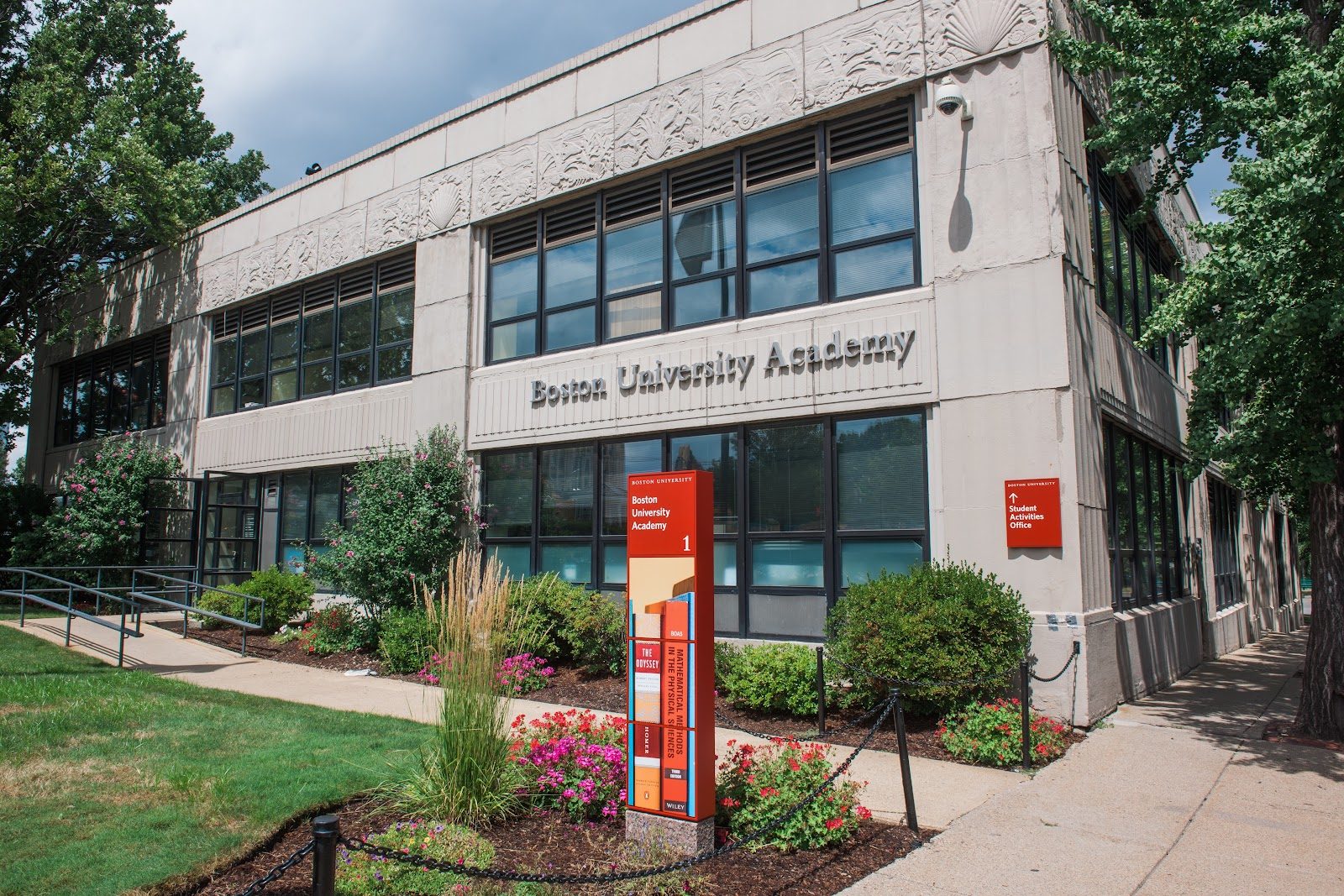
Boston University Academy
Boston · United States
Upperclassmen trade study halls for Boston University lecture halls, banking college credit before graduation.

Marymount School of New York
New York City · United States
On Fifth Avenue, landmark mansions give way to Bloomberg terminals and classrooms inside the Met.
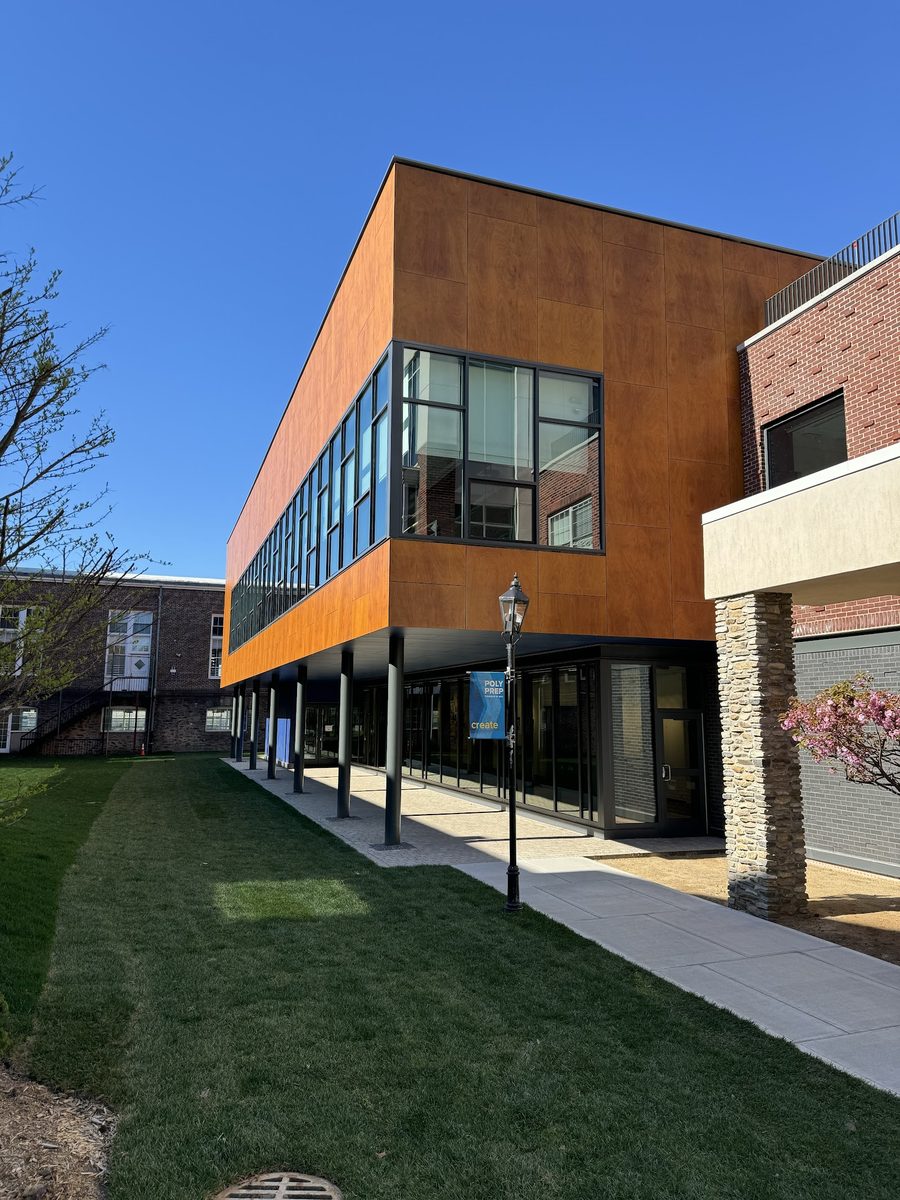
Poly Prep Country Day School
Brooklyn · United States
Founded in 1854 as Brooklyn's first boys' school, this day school pairs a Prospect Park mansion with a 25-acre Dyker Heights campus.

The Browning School
New York City · United States
Manhattan's only K-12 all-boys day school, expanding onto East 64th Street after nearly 140 years on the Upper East Side.
Same country and curriculum — closest matches within ±10 points either way