
Ontario
Lakefield College School
low confidence· 4/6 cats · 1 avg sourcesOn 315 lakefront acres in the Kawarthas, Canada's first Round Square school pairs Ontario academics with expedition-based leadership training.
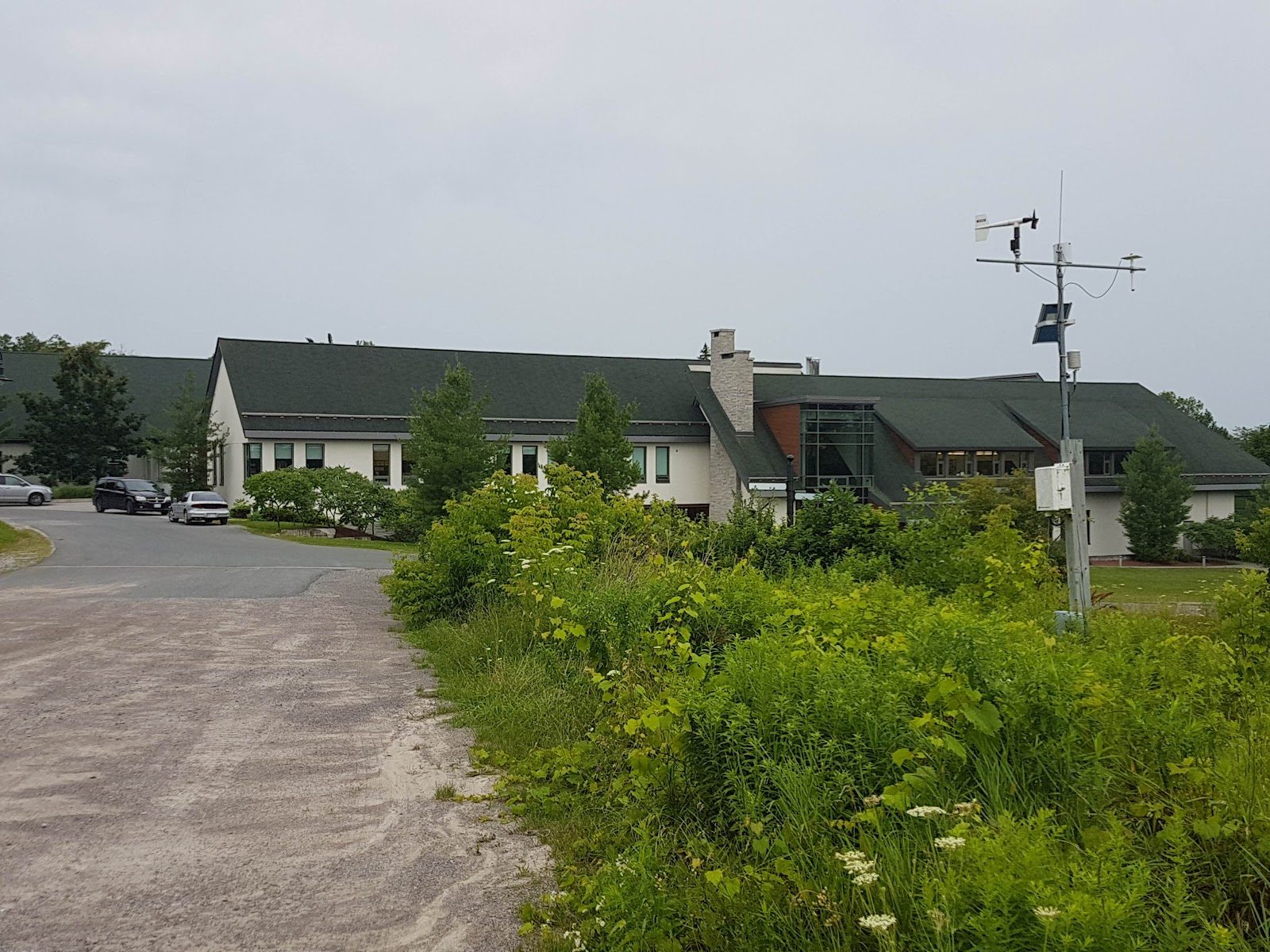
Photo © Hunter Liu via Google Maps
Type
Both
Ages
13–18
Curriculum
Ontario
Qualifications
AP
Ratio
6:1
The Verdict
Editor's commitment
Right for
Teenagers aged 13–18 who want Ontario academics with serious outdoor leadership on 315 lakefront acres; the 6:1 ratio gives staff no excuse for invisibility.
Wrong for
Families who want a large city school, secular culture or another curriculum: Lakefield is Anglican, English-medium, Ontario-only, and rooted in Lakefield.
Watch out for
Average fees are steep: CAD 48,200 for day pupils and CAD 85,950 for boarders. Round Square and CAIS signal ambition, not value.
Ranking breakdown
Lakefield College School · #334 of 1591
Composite score 71.6. 8 weighted criteria.
By criterion
Academic Outcomes
Weight 20%
#450
of 1529 scored
University Placement
Weight 16%
#459
of 1529 scored
Prestige & Heritage
Weight 12%
#377
of 1571 scored
Alumni Network
Weight 12%
#234
of 1530 scored
Facilities
Weight 12%
#339
of 1533 scored
Transparency & Communications
Weight 8%
#554
of 1532 scored
Peer & Industry Review
Weight 10%
#533
of 1548 scored
Admissions Selectivity & Demand
Weight 8%
#369
of 1529 scored
Peer & Industry Review
How Lakefield College School is regarded in the sector
62
Respected · medium confidence
Lakefield College School is a recognized Canadian boarding school (CAIS member) noted for producing notable alumni including Prince Andrew, and is regularly listed in independent guides to Canadian boarding schools and expat-parent forums discussing Ontario private education. It receives solid but not top-tier coverage compared to schools like Upper Canada College or St. Andrew's, appearing in regional 'best boarding schools in Canada' round-ups rather than global elite rankings.
Evidence sources
Editors' overview
Set on 315 acres of lakefront in the Kawarthas, Lakefield College School trades urban convenience for something rarer: space, exposure to the outdoors and a school culture built around expeditions rather than mere enrichment. This is an Anglican day and boarding school for ages 13 to 18, founded in 1879, teaching the Ontario curriculum and awarding the OSSD. Its status as Canada’s first Round Square school matters because it signals more than a badge; it points to a longstanding commitment to service, internationalism and leadership through challenge. The 6:1 student-teacher ratio strengthens that promise. Children here do not vanish into the crowd.
What sets Lakefield apart is the combination of conventional academic structure with serious outdoor education. Plenty of boarding schools talk about character; Lakefield has the geography and institutional identity to train it. The lakefront campus is not decorative. For the right child, it is the school’s central asset, shaping daily life and widening the definition of achievement beyond marks alone. That makes Lakefield a strong shortlist school for parents who want an education with texture: Ontario academics, boarding, co-education, leadership training and a setting that pushes teenagers beyond the classroom. CAIS, Round Square and TABS accreditation add external validation, but the real differentiator is the school’s expedition-minded ethos.
It is not the right choice for every family. Children who want a dense urban sixth-form atmosphere, a narrow exam-factory culture or relentless metropolitan buzz will find Lakefield too secluded and too invested in the outdoors. This school suits students who like structure, community and physical challenge; who will use a boarding environment properly; and who gain confidence from responsibility rather than constant supervision. It will also appeal to internationally mobile families who value boarding in a distinctly Canadian setting. Fees place it in the premium bracket: an average annual boarding fee of CAD 85,950 and an average annual day fee of CAD 48,200. That is expensive, and the school needs to earn that price through fit. For the student who wants adventure with purpose, it does.
Academic Performance
Lakefield’s academic case is harder to judge cleanly than its outdoor and leadership offer. The school teaches to the provincial diploma, but it does not publish the kind of exam data that lets parents place it precisely against Canada’s most transparent independent-school peers. We have not seen aggregate subject scores, diploma averages, university-placement breakdowns by destination, or multi-year attainment trends in the public domain. That leaves a gap. For a school charging premium fees and selling a serious all-round education, academic reporting needs more than warm assurances about student growth. Parents comparing Lakefield with stronger-disclosing boarding schools will find the picture frustratingly opaque.
That does not make the academic standard weak; it makes it insufficiently evidenced. The low staffing ratio points to conditions that support close teaching, and the school’s long-established reputation gives it credibility, but reputation is not performance data. Relative to peers, Lakefield sits in the group of broad-gauged Canadian independents where the proposition rests on education in the round rather than on a results-first identity. Families wanting an exam-driven environment with public score tables and hard benchmarking will want more proof. Families happy with a school whose value lies in the blend of classroom work, character formation and challenge beyond the timetable will judge the trade-off differently.
Facilities
The defining facility here is the campus itself. Lakefield has a rarely matched amount of usable outdoor space, and the lake is not an ornamental backdrop; it is part of the school’s working infrastructure for sport, expeditions and daily life. Among Canadian boarding peers, that gives it an advantage few urban or suburban schools can match. Where rivals compete on specialist blocks and metropolitan access, Lakefield competes on land, water and room to move. For families buying into the school’s leadership-and-outdoors promise, that matters more than a glossy atrium. A boarding school can talk about resilience in a prospectus; this one has the setting to make it routine. The scale of the estate also supports a proper sense of separation from ordinary day-school life, which strengthens community and immersion.
Against that, parents need to keep a clear eye on what is not publicly documented. We have not seen the kind of detailed, department-by-department facilities inventory that top independent schools sometimes publish: no full public breakdown of science labs, performing arts spaces, design workshops, elite indoor sports provision or sixth-form study centres. That does not diminish the obvious strength of the outdoor estate, but it does narrow the comparison. On facilities, Lakefield is strongest when judged as a land-rich, experience-led boarding school rather than as a showcase for specialist buildings. In that lane, it is seriously competitive. For families prioritising expansive grounds over urban hardware, the 315-acre campus is the point.
Lakefield’s uniqueness lies in how completely the school ties adolescent development to place
Prestige
Lakefield carries real prestige in the Canadian boarding market, but it is a specific kind of prestige. This is not the social-climbing cachet of a major city school, nor the brute academic status of an exam machine. Its standing rests on heritage, selectivity of feel, and a durable identity built around leadership, service and outdoor challenge. Being the first Canadian member of Round Square still matters: it places Lakefield inside a recognisable international network and gives the school a clear institutional signature that many independents lack. The setting reinforces that status. A school on a lakefront campus of that scale, with a 6:1 ratio and both day and boarding intake, offers a version of Canadian independent education that is distinctive, self-confident and hard to replicate.
That said, prestige here has limits. Lakefield does not command the same hard-edged academic prestige as schools that publish exhaustive outcomes and trade openly on university destinations. Its reputation is broader and more character-based than results-led. For many families, that is the attraction: a school whose name carries weight because it produces capable, outward-facing young adults rather than because it dominates league-table culture. In price terms, it sits firmly in the premium tier, with average annual fees of CAD 85,950 for boarders and CAD 48,200 for day pupils. The verdict: high-prestige within its niche, strongest for parents who value formation, community and experience as much as grades.
Lakefield is not unique because it is old, expensive or selective; plenty of schools meet that test
Communications
Lakefield’s parent communication has one obvious advantage: the school has a clear story to tell. Its public identity is coherent, and that helps families understand what they are buying into without wading through jargon. The website sets out the essentials cleanly — school type, ethos, admissions route and fee level — and the school’s core proposition does not shift from page to page. That consistency matters in boarding, where parents need confidence that daily life, pastoral care and expectations are organised rather than improvised. The small scale implied by a 6:1 ratio also points to a communication model built on direct contact rather than mass messaging. In a school of this kind, parents expect staff to know their child properly and to communicate in a personal, high-accountability way.
The limitation is transparency. Lakefield communicates culture better than it communicates proof. We have not seen the sort of hard public reporting that strengthens trust with exacting parents: no published aggregate academic outcomes, no granular destination data, and no deep public account of performance over time. That weakens the school’s communications in one important respect. A premium-fee boarding school charging an average of CAD 85,950 for boarding and CAD 48,200 for day places needs crisp, evidence-based communication, not only persuasive tone and a strong sense of mission. Parents who prize warmth, responsiveness and community-led contact will find the model congenial. Parents who want exhaustive public disclosure will judge it *too polished and too thin where it counts*.
Uniqueness
Lakefield’s uniqueness lies in how completely the school ties adolescent development to place. Many boarding schools add outdoor education as a supplement; here, the natural setting shapes the institution’s core identity. That changes the student experience in practical ways. Leadership is not confined to prefect badges, service slogans or occasional trips. It is trained through exposure, responsibility, teamwork and a degree of managed discomfort that many well-resourced independents talk about but do not deliver. The Round Square link sharpens that ethos, but the real distinction is cultural: Lakefield treats character formation as part of the main business of school, not as decorative rhetoric. For the right teenager, that produces a more demanding and more memorable education than a polished but conventional campus life.
What students gain is breadth with consequence. A child who thrives here leaves with more than subject knowledge: stronger judgement, greater self-command, and a habit of functioning well away from easy comfort. The school’s scale and boarding environment also intensify community. Relationships matter more when pupils live and work in a setting with fewer urban distractions and more shared experience. That can be transformative for students who need challenge to grow, and claustrophobic for those who want anonymity or city energy. Lakefield is not unique because it is old, expensive or selective; plenty of schools meet that test. It is unique because it offers a version of education in which landscape, community and leadership training are genuinely fused, with the low staffing ratio of 6:1 giving that model real force.
This is an Anglican day and boarding school for ages 13 to 18, founded in 1879, teaching the Ontario curriculum and awarding the OSSD
Student Profile
The best fit is a teenager who wants more from school than classroom competence and social comfort. Lakefield suits students who will lean into challenge: pupils who tolerate cold mornings, shared effort, organised routines and the expectation that they contribute to a community rather than drift through it. The low staffing ratio — 6:1 — matters here because a child cannot hide easily, for good or ill. Self-contained, mildly adventurous students tend to do well. So do boarders and day pupils who value tradition, team life and adults who know when to push. Children who need constant novelty, urban stimulation or a highly transactional, grades-only culture will find the school too enclosed and too communally demanding.
Socially, this is a strong match for families who want adolescence shaped by responsibility, not managed around it. The Anglican foundation adds a layer of institutional character, but this does not read as a narrowly confessional environment; the stronger signal is a culture of service, leadership and belonging. Students who flourish here often have an outward-facing streak: they join in, shoulder expectations and accept that personal growth involves discomfort. The school also works for international families who want a Canadian boarding education with a clear moral centre and a campus life built around shared experience. It is not for the faint-hearted, and that is part of its value.
What sets Lakefield apart is the combination of conventional academic structure with serious outdoor education
Co-curricular strengths
Arts & sport, on a separate axis
Overall 8.96/10
Scored 0-10 from the school's own published evidence. This axis is editorial-only — it does not feed the main WTS ranking.
Sports
9/10
Drama
9/10
Dance
9/10
Music
9/10
Visual Arts
8.8/10
Editor first-pass · editor-reviewable · 7/30/2026
Strengths
- +LCS was the first Canadian member of the Round Square Conference of Schools, an international association of schools with similar values and beliefs, giving students access to a global exchange network.
- +The school occupies 315-acre lakefront campuses in Ontario, Canada, described as one of the largest waterfront campuses among Canadian boarding schools.
- +Staff ratio 1:8 supports small classes and closer faculty contact than is typical at larger day schools.
- +Every year, approximately one in three LCS students receive tuition assistance through a bursary, indicating meaningful needs-based financial aid provision.
- +Lakefield College School is offering 14 AP courses, giving university-level options within the Ontario curriculum.
Considerations
- −Boarding fees run into the tens of thousands of dollars annually: Wikipedia's infobox lists Tuition: $40,500 (day) $73,500 (boarding) $82,400 (international boarding), before extras such as flights, uniforms and trips.
- −The campus sits in a small village setting, about 17 kilometres north of Peterborough, meaning limited proximity to a major city for weekend outings or family visits.
- −The school follows the Ontario curriculum only, with no IB diploma track, which narrows options for families wanting an internationally portable qualification.
- −Enrolment is modest at about 432 students, so course, club and team choices are narrower than at larger urban private schools.
Availability
Primary entry gate & tests
SSAT + Interview
Gallery
Photo © Hunter Liu via Google Maps
Photo © Hunter Liu via Google Maps
Photo © Hunter Liu via Google Maps
Photo © Hunter Liu via Google Maps
Photo © Hunter Liu via Google Maps
Parent reviews
Have you sent your child here?
Voice reviews carry the strongest trust badge — we transcribe them for you to tidy up before they go live. Prefer to type? A written review is fine too.
Add your voice
In 60 seconds, tell other parents: what's the best thing about Lakefield College School, and what surprised you when your child joined?
We ask for a Google sign-in so every review has a real face behind it — no anonymous drive-by attacks on schools, and no faked positive reviews. Your email is never shown publicly.
Send this profile to a friend
International parents rely on word-of-mouth. Share this review with someone weighing the same decision.
Schools with places
Similar schools to Lakefield College School with places available now.
Appleby College
Oakville · Canada
- 2026-27
- CLOSEDRegular cycle closed
- 2027-28
- OPENS SOONOpens Sept '26
Ridley College
St Catharines · Canada
- 2026-27
- WAITPOOLLimited Lower/Middle day
- 2027-28
- PLACES OPENActive now
The York School
Toronto · Canada
- 2026-27
- CLOSEDRegular cycle closed
- 2027-28
- PLACES OPENActive now
University of Toronto Schools
Toronto · Canada
- 2026-27
- CLOSEDRegular cycle
- 2027-28
- OPENS SOONOpens Sept '26 (Closes 1 Dec)
Availability first, then country, area, curriculum, price, co-curricular
Consider also
Also worth looking at alongside Lakefield College School.
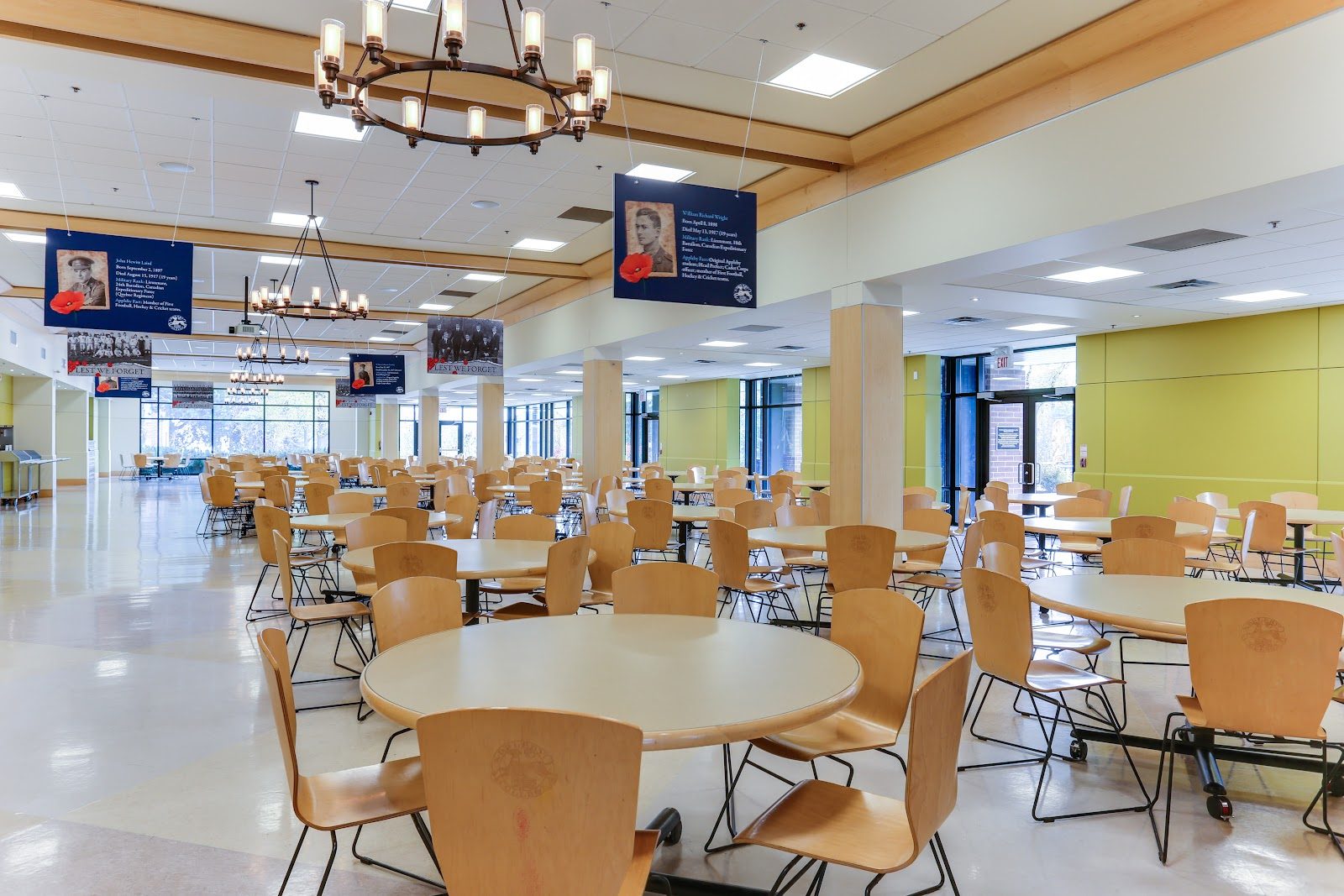
Appleby College
Oakville · Canada
A lakeside Oakville campus where every senior boards by tradition, and leadership training unfolds on a private island in Temagami.

Ridley College
St Catharines · Canada
St Catharines day-and-boarding school blending Ontario's OSSD with the full IB continuum
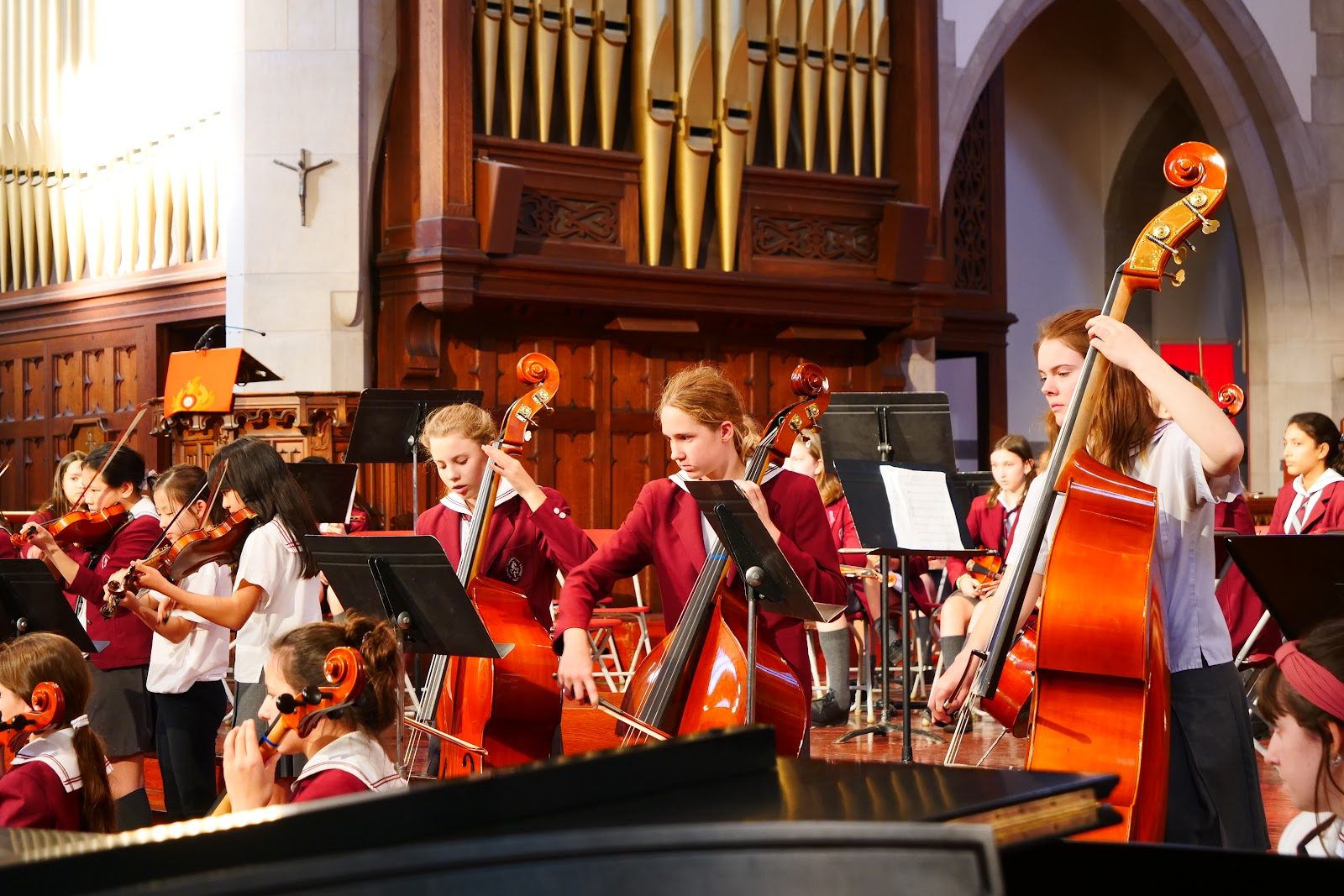
The Bishop Strachan School
Toronto · Canada
Founded in 1867 in Forest Hill, this Anglican school remains Canada's oldest continuously operating girls' day and boarding institution.
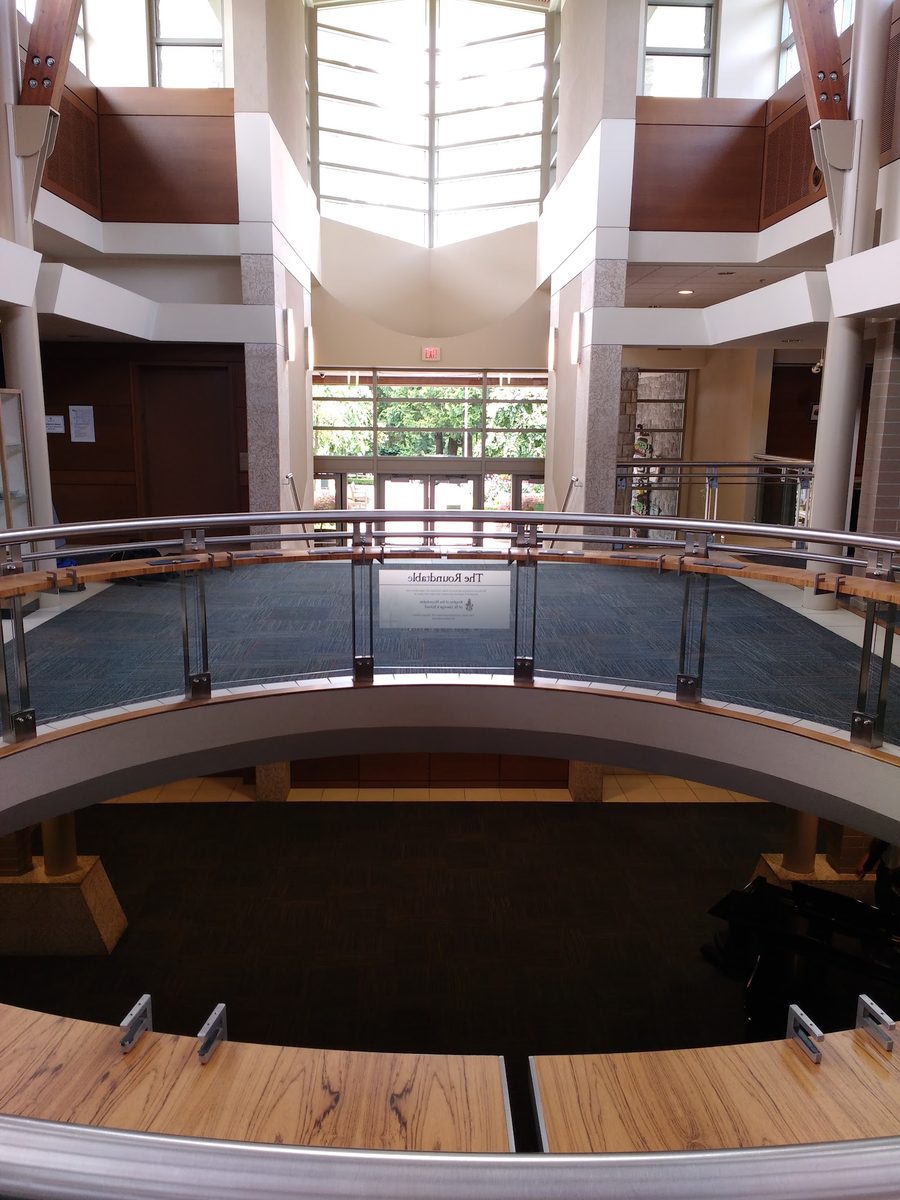
St. George's School
Vancouver · Canada
Vancouver's only boys' boarding house pairs BC's diploma with IB and AP courses, then swaps desks for weeks in the backcountry.
Same country and curriculum — closest matches within ±10 points either way