
Ontario
Ridley College
high confidence· 6/6 cats · 2.75 avg sourcesSt Catharines day-and-boarding school blending Ontario's OSSD with the full IB continuum
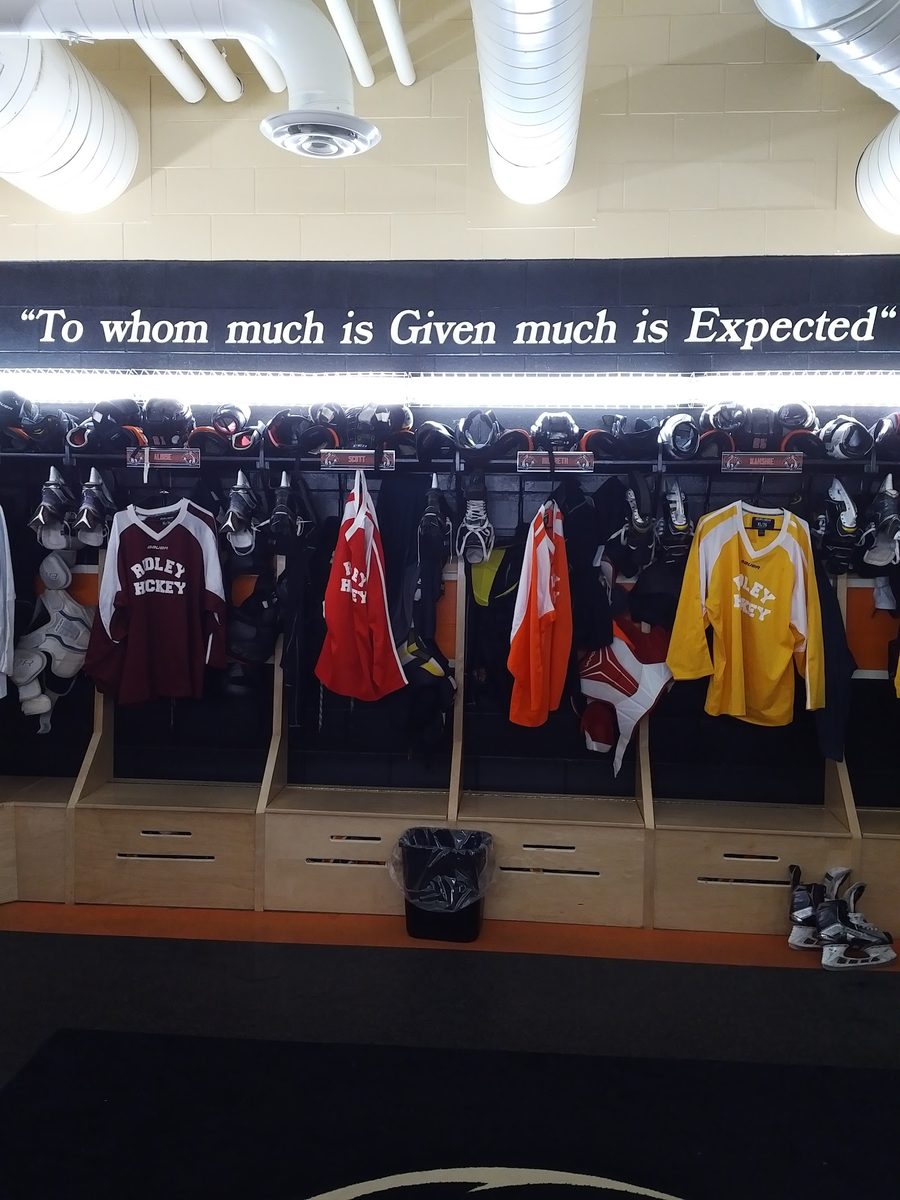
Photo © Mark via Google Maps
Type
Both
Ages
3–18
Curriculum
Canadian · IB · American
Qualifications
AP
Ratio
8:1
The Verdict
Editor's commitment
Right for
Families wanting full-spectrum schooling: ages 3–18, Ontario OSSD plus the full IB continuum, and boarding on a 90-acre St Catharines campus.
Wrong for
Parents chasing bargain fees or headline university outcomes; day averages CAD 49,000, boarding CAD 86,499, and published destinations run to Brock, Carleton and Dalhousie.
Watch out for
The pitch leans hard on prestige, 60+ nationalities and an 8:1 ratio; harder academic cut-through is less visible than the branding.
Ranking breakdown
Ridley College · #440 of 1591
Composite score 69.8. 8 weighted criteria.
By criterion
Academic Outcomes
Weight 20%
#747
of 1533 scored
University Placement
Weight 16%
#736
of 1529 scored
Prestige & Heritage
Weight 12%
#373
of 1580 scored
Alumni Network
Weight 12%
#230
of 1530 scored
Facilities
Weight 12%
#187
of 1540 scored
Transparency & Communications
Weight 8%
#553
of 1547 scored
Peer & Industry Review
Weight 10%
#455
of 1564 scored
Admissions Selectivity & Demand
Weight 8%
#887
of 1529 scored
Score history
Ridley College · 2026
Movement across 2024–2026. Peer average overlaid.
Overall — 2024–2026
69.8/ 100
▲ +13.5 vs 2025
year on year
Peer & Industry Review
How Ridley College is regarded in the sector
78
Strong · medium confidence
Ridley College is consistently listed among Canada's top independent boarding schools (alongside Upper Canada College, St. Andrew's, Appleby) in third-party 'best Canadian boarding schools' round-ups aimed at international/expat families, and is profiled in the Good Schools Guide International as a leading Ontario boarding option. It has a well-documented, multi-generational alumni network (including business and political figures) frequently referenced in Canadian media profiles of elite prep schools, and holds accreditation from the Canadian Accredited Independent Schools (CAIS) association, a recognized peer benchmark body.
Evidence sources
Editors' overview
Ridley’s defining feature is structural, not cosmetic: it runs the full IB continuum inside a long-established Canadian boarding school, then layers that onto Ontario’s diploma route in the senior years. That gives it a cleaner academic proposition than many schools that bolt the IB on to an existing model. In St Catharines, on a 90-acre campus, it serves 870 students from JK to Grade 12, with 60+ countries represented and a 8:1 student-teacher ratio. The result is a school with genuine international range, but not the transience or hotel feel that infects parts of the boarding market. Its accreditations — IBO and CIS — matter here because they confirm both the IB delivery and the broader international-school standard parents expect at this price point.
That price point is high. The average annual day fee across the full age range is CAD 49,000, and the average annual boarding fee is CAD 86,499. Ridley sits in the top tier of the Canadian independent-school market, so parents need a clear reason to buy in. The reason is breadth with discipline: strong boarding infrastructure, a full age-three-to-18 ladder, serious university counselling, and a student body that is unusually cosmopolitan by Canadian standards. The school also pushes a distinct language around wellbeing and service; the test for parents is whether they want that ethos to sit alongside a demanding, outward-facing education rather than a narrowly academic hothouse. Ridley is not a bargain and does not trade on intimacy: with 870 pupils, it is a substantial institution.
The child who thrives here is internationally minded, comfortable in a structured environment, and ready to make use of a large campus and a large co-curricular machine. Boarders who want a proper boarding school rather than a day school with dorms will find more substance here than at many North American competitors. Day pupils get access to the same scale and ambition, but they need to want it; families looking for a tiny, ultra-local school with close-grained community warmth above all else have better options elsewhere. Recent destinations listed in the public domain — Brock, Carleton and Dalhousie — are respectable, though the school does not publish the kind of aggregate university outcomes that would strengthen its academic case. Even so, Ridley belongs on a shortlist for parents who want a globally fluent, full-service Canadian school with boarding done seriously and the IB embedded across the whole journey.
Academic Performance
Ridley’s academic case has one clear strength and one clear weakness. The strength is structure: pupils move through a continuous programme from the early years into senior school without the curricular handbrake turns that weaken some competitors. For families who value coherence, that matters. The weakness is public proof. The school does not publish aggregate IB diploma results, average point scores, pass rates, subject distributions or a full university destinations profile. That leaves parents without the hard comparative data that serious academic shoppers use to separate a genuinely strong school from an expensive, well-resourced one. The public claim that the graduating class secured $2.3M+ in scholarship offers is positive, but scholarship totals are a blunt instrument: they reflect citizenship mix, application patterns and institutional discounting as much as raw academic strength.
Relative to peers, Ridley therefore sits in an awkward middle ground. It has the scale, counselling infrastructure and senior-school breadth of a serious all-through institution, and its dual senior pathways widen the route map for students with different academic profiles. But schools that want credit for top-flight outcomes publish the numbers. Ridley does not. That does not mean weak results; it means opaque results. In a market where academically ambitious boarding schools compete hard on exam outcomes, that lack of disclosure places Ridley behind the most transparent operators. Parents who prize pastoral range, co-curricular depth and a broad international intake will accept that trade-off. Parents shopping first for data-led academic assurance will push for specifics before committing.
Facilities
Ridley’s facilities are a central part of the pitch, and here the school has substance. The estate is large enough to support a *proper residential and co-curricular life* rather than a cramped add-on model, with a 90-acre campus that gives pupils room for sport, boarding and performance without everything fighting for the same square metres. The named assets matter: the Mitchell Learning Commons adds a serious library and study hub; Paterson Performance Hall gives music and drama a dedicated venue rather than borrowed assembly space; and the Great Hall anchors communal life in the way strong boarding schools need. On the sports side, the Tiger Arena’s NHL-sized rink, the Jack Aylott Squash Centre and the Suzanne Court ’86 Family Fitness Centre point to genuine competitive intent, not token provision.
Against peers, this is a high-functioning, well-capitalised plant by Canadian standards and stronger than many independent schools that talk expansively about “whole child” education while offering only a gym, a theatre and a few playing fields. The strength lies in range and fit: the facilities line up with the school’s boarding scale, athletics profile and broad extracurricular ambition. The limitation is that Ridley’s public case leans harder on buildings than on the day-to-day academic infrastructure inside classrooms and laboratories. Parents can see the investment; they get less clarity on specialist teaching spaces beyond the learning commons. Even so, for families who want a campus with real heft and facilities that support full-school life, Ridley sits in the upper tier.
Ridley sits in the top tier of the Canadian independent-school market, so parents need a clear reason to buy in
Prestige
Ridley carries real national weight in Canadian independent education, and not only because of its age or name recognition. The school has the architecture of prestige that parents can verify: a substantial campus, a boarding population large enough to create its own culture, and an intake drawn from 60+ countries rather than a token international mix. That matters. Prestige in this market rests on who a school attracts, how far its reach extends, and whether it has enough institutional depth to deliver more than a polished prospectus. Ridley clears that bar. It also benefits from a rare position in Canada: a school able to combine a traditional boarding-school frame with the full IB journey. That gives it a distinctive academic identity that many rivals lack.
The rating stops short of the very top because prestige needs public proof, not only heritage and facilities. Ridley has the signals of an elite, expensive institution — broad co-curricular infrastructure, visible investment, a low staffing ratio, and a fee level that places it in rarefied company — but it does not publish the hard outcome data that cements top-tier academic prestige. In plain terms: the school is *well-known, well-resourced and socially established*, but less publicly legible on results than the most exacting competitors. For families, that means buying into brand strength, environment and breadth, rather than a relentlessly evidenced academic pecking order.
But schools that want credit for top-flight outcomes publish the numbers
Communications
Ridley communicates like a large institution that expects families to transact with it through a central, well-managed digital front door. The website is extensive, logically segmented and easy to navigate: admissions, tuition, transport, wellbeing, learning support, boarding, university counselling, fixtures and campus visits all sit in plain view rather than buried behind inquiry forms. That matters for parents. You can work out the school’s structure, priorities and practical offer without playing detective. Contact routes are also clear, with a direct phone line, address and enquiry prompts placed prominently. The site’s multilingual options signal an outward-facing admissions operation, which fits a school drawing from 60+ countries. In operational terms, this is competent, deliberate communication, not a charmingly amateur setup.
The weakness is depth, not access. Ridley publishes plenty about ethos, belonging and student life, but less that helps a hard-nosed parent judge academic delivery or outcomes with forensic clarity. You get polished messaging around wellbeing, service and leadership, plus visible campus storytelling, yet thinner public disclosure on measurable performance. That creates a familiar premium-school tension: communication is confident and polished on experience, but selective on proof. For current parents, the menu structure points to a school that has built proper channels for day-to-day information. For prospective parents, the public-facing communications do the sales job well and the scrutiny job less well. At this fee level, opaque where it counts is a real editorial criticism.
Uniqueness
Ridley’s real point of difference is that it is not trying to fake internationalism through branding or a thin overseas intake. It runs a school community in which boarders, day pupils and families from 60+ countries share the same institutional life, and that changes the student experience in practical ways: friendships, house life, classroom discussion and weekend rhythms all draw from a wider field than at the standard Canadian independent school. For a child who wants a genuinely international peer group without losing a clear Canadian frame, that is a strong proposition. The school’s scale also matters here. With 375+ boarders, Ridley has enough residential mass to create a proper boarding culture with its own identity, rather than a dormitory attached to a day school.
The other distinctive feature is philosophical. Ridley pushes wellbeing, service and leadership as operational priorities, not decorative slogans, and that gives the place a more values-conscious texture than schools that define themselves through marks alone. The risk is obvious: families chasing a narrowly exam-driven atmosphere may find the tone too rounded or too insistent on character language. For many students, though, that breadth is the value. They get access to serious sport, performance and residential life inside one institution, with a low staffing ratio of 8:1 that supports close adult oversight. In a crowded premium market, Ridley stands out less for novelty than for institutional completeness: it offers a full, lived school world rather than a set of disconnected advantages.
That gives it a distinctive academic identity that many rivals lack
Student Profile
Ridley suits children who want more from school than lessons and a timetable. The best fit is a pupil who will use the place fully: house life, teams, performance, trips, service, campus routines and the social intensity that comes with a large residential population. This is not the right school for a child who wants anonymity, resists structure or prefers a narrow home-school-day-school loop. It asks for engagement. The international mix is a major part of that equation. With students from 60+ countries, classrooms and boarding houses carry a wider range of habits, expectations and ambitions than the standard Canadian independent-school crowd. That will suit a student who is socially adaptable, outward-facing and interested in people unlike themselves. It will tire a child who wants a small, homogeneous peer group.
Temperament matters as much as ability. Ridley fits students who can handle a busy, supervised, high-participation environment without mistaking it for pressure for its own sake. The school’s wellbeing language and support structures point towards pupils who benefit from adult oversight and a clear framework, not children who want a laissez-faire culture. Athletes, performers and boarders all have room to thrive here because the institution has enough scale to sustain serious participation rather than token clubs. The low 8:1 staffing ratio also favours families who want adults to know their children well. In blunt terms, Ridley is for the energetic joiner with international instincts, not the quiet minimalist hunting for a tiny, low-demand school.
The rating stops short of the very top because prestige needs public proof, not only heritage and facilities
Co-curricular strengths
Arts & sport, on a separate axis
Overall 7.92/10
Scored 0-10 from the school's own published evidence. This axis is editorial-only — it does not feed the main WTS ranking.
Sports
8.8/10
Absolute Canadian athletic powerhouse; universally renowned for its historically dominant prep hockey, rowing, and basketball teams.
Drama
7.8/10
Ambitious theater curriculum staging large-scale classical and contemporary plays inside their primary performing arts spaces.
Dance
6.8/10
Popular choreographic asset utilized to build movement and synchronization ensembles for large-scale performance showcases.
Music
8.2/10
Robust private vocal and instrumental infrastructure feeding active jazz big bands and full symphonies.
Visual Arts
8/10
Studio-intensive fine arts focus housed within custom studio environments, prioritizing landscape painting and portfolio layout.
Editor-verified · 8/6/2026
Outcomes & destinations
Where students go next
Class of 2023
Top destinations
64 placements
- Brock University· 1
- Carleton University· 1
- Dalhousie University· 1
- Huron University· 1
- McGill University· 1
- McMaster University· 1
- Mount Allison University· 1
- Queen’s University· 1
- St. Francis Xavier University· 1
- Toronto Metropolitan University· 1
- University of British Columbia· 1
- University of Guelph· 1
- University of Ottawa· 1
- University of Toronto· 1
- University of Waterloo· 1
- Western University· 1
- Wilfrid Laurier University· 1
- York University· 1
- Bath University· 1
- City, University of London· 1
- Imperial College London· 1
- Newcastle University· 1
- Royal College of Surgeons in Ireland· 1
- University College London· 1
- University of Bath· 1
- University of Cambridge· 1
- University College Dublin· 2
- University of Edinburgh· 1
- University of Leeds· 1
- University of Manchester· 1
- University of Oxford· 1
- University of St. Andrews· 1
- University of Warwick· 1
- Berklee College of Music· 1
- Boston University· 1
- Carnegie Melon University· 1
- Case Western Reserve University· 1
- Dartmouth College· 1
- Duke University· 1
- Embry-Riddle Aeronautical University· 1
- George Washington University· 1
- Johns Hopkins University· 1
- Miami University· 1
- New York University· 1
- NYU Tisch School of the Arts· 1
- Pratt Institute· 1
- Princeton University· 1
- Rhode Island School of Design· 1
- Rutgers University, NB· 1
- UC Irvine· 1
- UC Los Angeles· 1
- University of Michigan, Ann Arbor· 1
- University of Pennsylvania· 1
- University of Southern California· 1
- Vanderbilt University· 1
- Yale University· 1
- Amsterdam University College· 1
- Erasmus University Rotterdam· 1
- Glion University· 1
- IE University, Madrid· 1
- Maastricht University· 1
- University of Hong Kong· 1
- University of Navarra· 1
Reported by the school. Confirm with admissions.
Strengths
- +Ridley is Canada's only full IB Continuum boarding school, offering the Primary Years, Middle Years and Diploma Programmes alongside the Ontario Secondary School Diploma.
- +Founded in 1889, it is one of Canada's oldest independent schools, with a 90-plus-acre campus in St. Catharines about 45 minutes from Toronto Pearson Airport.
- +It runs the largest boarding programme in Ontario and one of the largest in Canada, with roughly 370 boarders drawn from more than 60 countries.
- +The school offers over 150 courses, 75-plus clubs and 17 interscholastic sports, giving a broad co-curricular base for a school of its size.
- +Notable Old Ridleians include former Bank of Canada governor David Dodge and broadcaster Peter Gzowski, indicating a long track record of producing prominent alumni.
Considerations
- −Tuition is substantial, with published boarding fees around CAD $76,600 and day fees near CAD $46,225 per year, plus a wide quoted range up to roughly CAD $87,500 depending on grade and source.
- −Total enrolment is modest at under 800 students, which limits the scale of academic and social options compared to much larger international schools.
- −The school's Anglican origins and century-old house and chapel traditions mean a fairly formal, tradition-bound campus culture that will not suit every family.
- −Its location in St. Catharines, Ontario is rural relative to a major city centre, meaning less immediate access to urban amenities than school in downtown Toronto or Vancouver.
Availability
Primary entry gate & tests
SSAT + Interview
Gallery
Photo © Mark via Google Maps
Photo © Ridley College via Google Maps
Photo © Jaimee via Google Maps
Photo © Jaimee via Google Maps
Photo © 승현 via Google Maps
Photo © Sean Duffy via Google Maps
Photo © Greg via Google Maps
Photo © Steven Martin via Google Maps
Photo © Ridley College via Google Maps
Parent reviews
Have you sent your child here?
Voice reviews carry the strongest trust badge — we transcribe them for you to tidy up before they go live. Prefer to type? A written review is fine too.
Add your voice
In 60 seconds, tell other parents: what's the best thing about Ridley College, and what surprised you when your child joined?
We ask for a Google sign-in so every review has a real face behind it — no anonymous drive-by attacks on schools, and no faked positive reviews. Your email is never shown publicly.
Send this profile to a friend
International parents rely on word-of-mouth. Share this review with someone weighing the same decision.
Schools with places
Similar schools to Ridley College with places available now.
The York School
Toronto · Canada
- 2026-27
- CLOSEDRegular cycle closed
- 2027-28
- PLACES OPENActive now
Appleby College
Oakville · Canada
- 2026-27
- CLOSEDRegular cycle closed
- 2027-28
- OPENS SOONOpens Sept '26
Branksome Hall
Toronto · Canada
- 2026-27
- CLOSEDRegular cycle closed
- 2027-28
- PLACES OPENDay 1 Dec / boarding rolling
Havergal College
Toronto · Canada
- 2026-27
- CLOSEDRegular cycle closed
- 2027-28
- OPENS SOONOpens 1 Sept '26 (Day) / Boarding active
Availability first, then country, area, curriculum, price, co-curricular
Consider also
Also worth looking at alongside Ridley College.
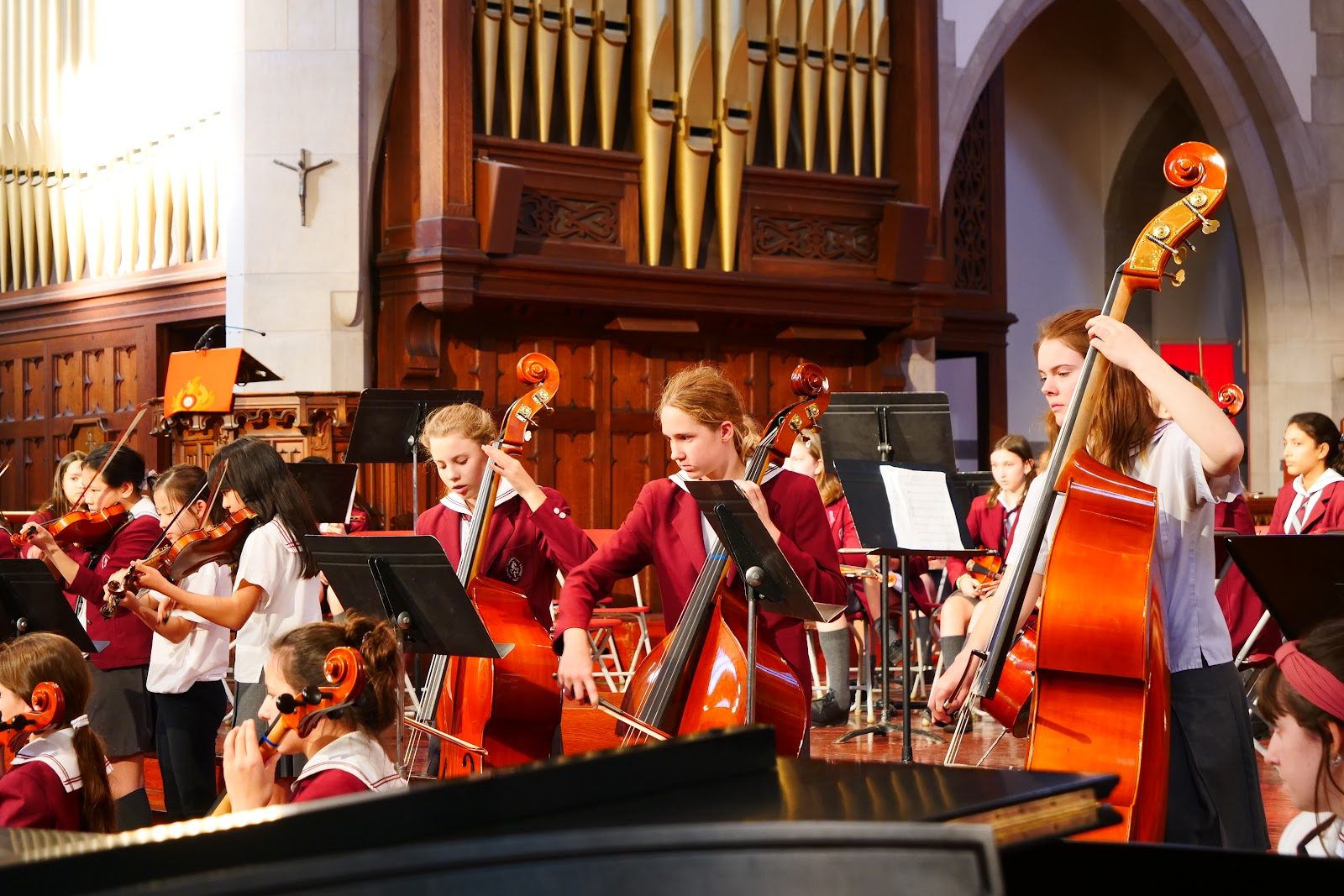
The Bishop Strachan School
Toronto · Canada
Founded in 1867 in Forest Hill, this Anglican school remains Canada's oldest continuously operating girls' day and boarding institution.
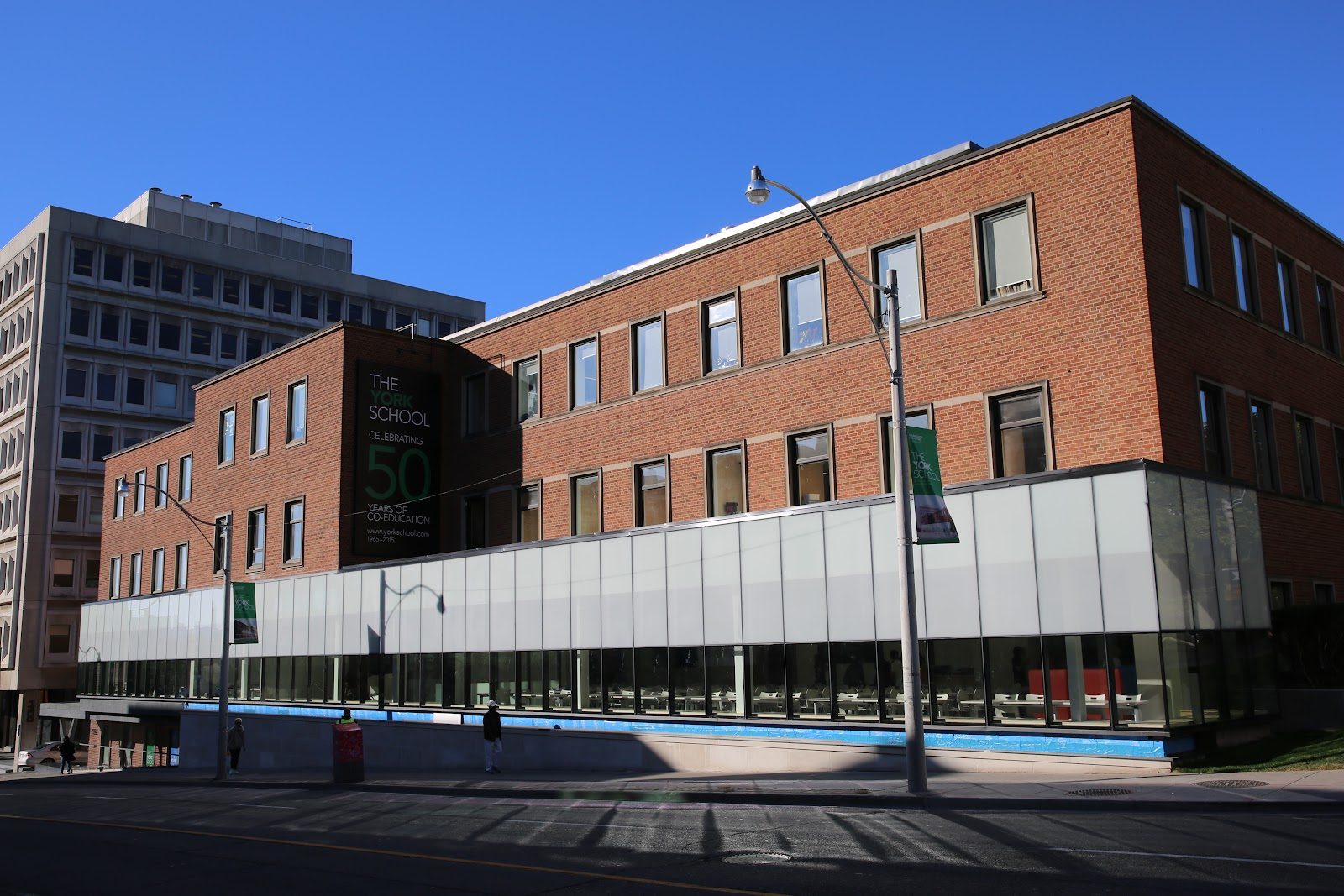
The York School
Toronto · Canada
First English-speaking school in Canada certified for the full IB continuum, JK to Grade 12, on midtown Toronto's Yonge Street corridor.
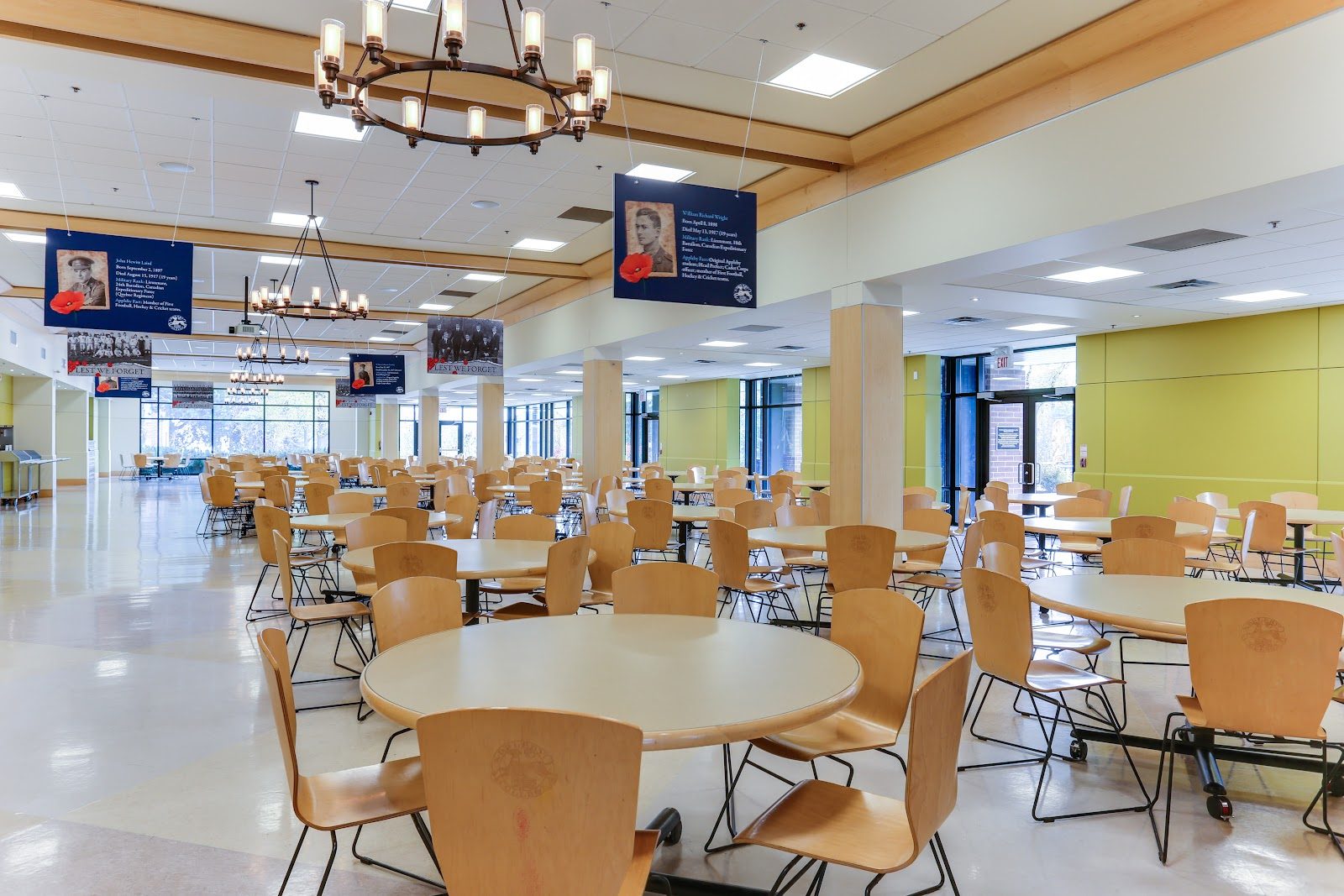
Appleby College
Oakville · Canada
A lakeside Oakville campus where every senior boards by tradition, and leadership training unfolds on a private island in Temagami.
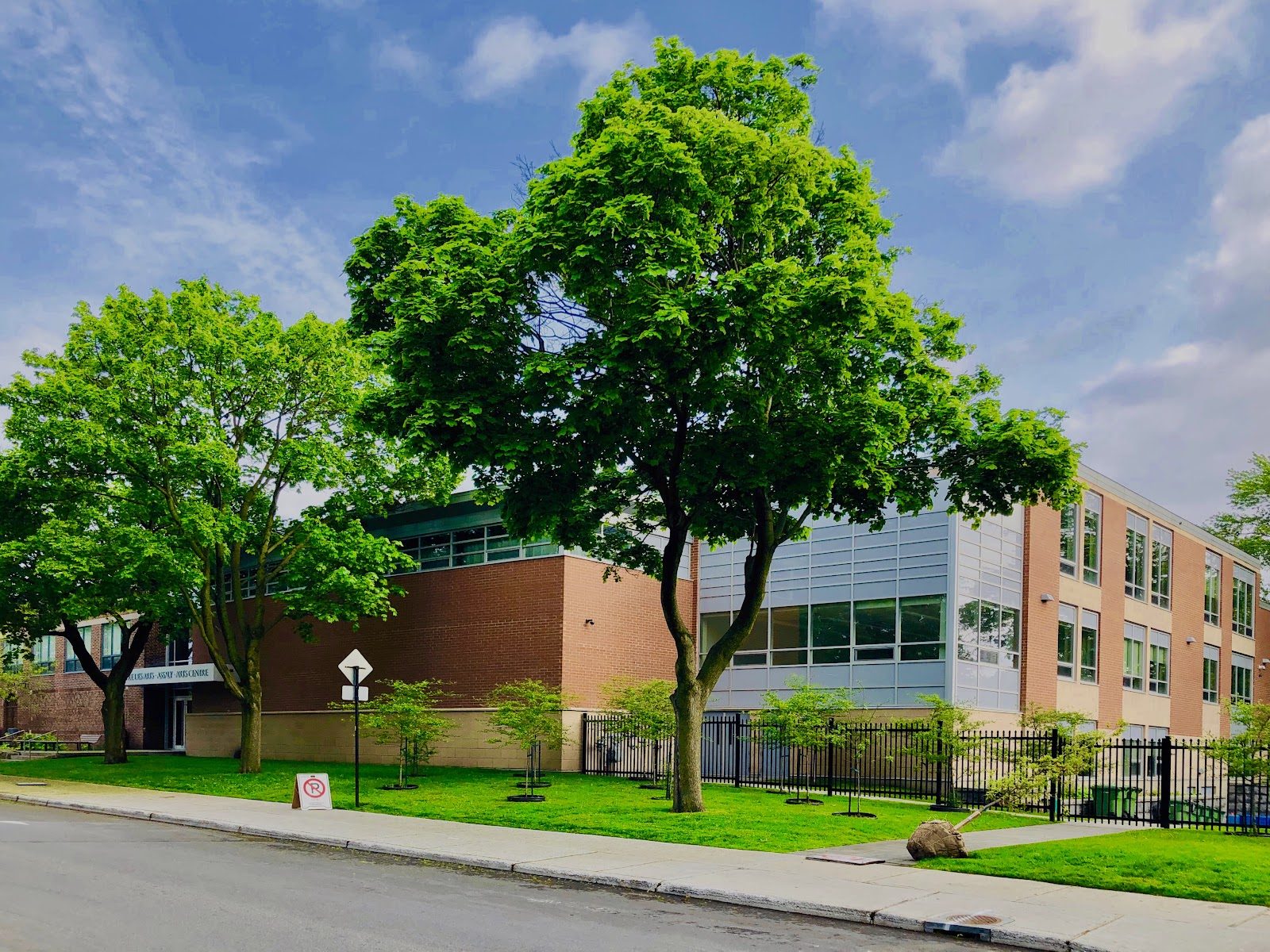
Lower Canada College
Montreal · Canada
Rooted in an 1861 boarding-school lineage, the only English-language Quebec school running both IB Middle Years and Diploma Programmes side by side
Same country and curriculum — closest matches within ±10 points either way